
What Is It Like Living in a Busy Area of Minneapolis?

A buyer called me from her home in Woodbury on a Friday evening with a perspective that was genuinely different from most of the conversations I have with buyers who are thinking about moving into Minneapolis. She was not a first-time buyer and she was not particularly young. She was forty-four, recently divorced, her two children had both started college within the past two years, and she was in the particular moment that a lot of people hit in their mid-forties when the life structure they built for one version of themselves no longer fits the version they are becoming. She had lived in the suburbs for fifteen years. She had a good job downtown that she had been commuting to for years. She was done commuting. But more than the commute, she was done with quiet. “I spent fifteen years in a neighborhood where the biggest sound on a weekday evening was my neighbor’s sprinkler system,” she told me. “And I was fine with that when my kids were young and my life was full. Now my life has a lot more space in it and that space is echoing a little. I want to be somewhere that things are happening. I want to walk out my door and feel like I am in the middle of something. Is that a real experience you can actually have as a homeowner or condo owner in Minneapolis? And what does it actually feel like day to day?” Her question was specific, her self-knowledge was impressive, and the honest answer was yes, that experience is genuinely available in Minneapolis, and understanding what it actually delivers and what it costs in practical terms is what makes the difference between choosing it with open eyes and discovering its realities after the fact. Here is the complete picture. What Busy Actually Means in a Minneapolis Context The word busy in the context of a Minneapolis neighborhood means something more specific than urban, which is how it is sometimes used interchangeably. A neighborhood can be urban in its density and its architecture while being relatively quiet in its daily activity level. Busy, in the way most people use it when they are seeking this quality, means a daily life environment where the activity of the city is immediately and continuously present in the form of pedestrian life, commercial activity, transit movement, and the ambient social energy of people living, working, and moving in the same space. The busy neighborhoods of Minneapolis that deliver this experience most fully are concentrated along specific commercial corridors and in the neighborhoods immediately surrounding them. Uptown’s Hennepin Avenue and Lake Street intersection. Northeast’s Broadway and Central Avenue corridors. The North Loop’s cluster of restaurants and bars along First Avenue North. The Lyndale and Nicollet Avenue commercial corridors of South Minneapolis. Downtown Minneapolis itself and the neighborhoods immediately adjacent to it including the North Loop and Elliot Park. The Eat Street section of Nicollet Avenue between Franklin and 29th Street. What these busy areas share is a combination of concentrated pedestrian foot traffic, active ground-floor commercial uses that generate people on the sidewalk throughout the day and into the evening, transit infrastructure that brings additional movement, and the particular ambient energy of a place where a significant amount of daily life is conducted in public space rather than in private homes and yards. What the Daily Experience of Busy Minneapolis Living Actually Delivers For the right person at the right life stage, busy Minneapolis living delivers a genuinely distinctive quality of daily life that has specific and meaningful advantages over quieter residential environments. The most immediately apparent aspect of busy urban life for residents who arrive from quieter environments is the sheer availability of things to do within walking distance. A resident of an apartment or condo near Uptown’s Lake Street and Hennepin intersection has dozens of restaurants, bars, coffee shops, specialty retail, fitness studios, live music venues, and casual social gathering places within a ten-minute walk of their front door. This concentration of options does not necessarily mean using all of them regularly, but it means that the decision to go out and do something requires no planning, no driving, no coordination. You decide you want coffee, you put on shoes, and you are in the coffee shop in four minutes. This accessibility changes the social texture of daily life in a specific and consistent way. Spontaneous socializing becomes genuinely easy. The friend who works nearby is available for lunch on a Tuesday with an hour’s notice. The evening that would have been a night at home in the suburbs becomes an evening walking up the street to a restaurant you have been meaning to try. The weekend that would have required planning a trip somewhere becomes a weekend where the interesting things come to you through the ambient energy of the neighborhood. The pedestrian experience itself is one of the most consistently valued aspects of busy Minneapolis neighborhood life for residents who specifically sought it out. Walking as transportation rather than as recreation produces a quality of daily life connection to the environment and to the community that driving does not. A resident who walks to work, walks to dinner, walks to a show, and walks home is having an experience of the city throughout the day that produces a sense of engagement and connection that is simply not available to the person who moves through their life primarily by car. The ambient social energy of busy Minneapolis neighborhoods is another dimension that residents who sought this quality describe with genuine enthusiasm. Living in a place where people are consistently around, where the street has life in it, where you encounter variety and unpredictability in your daily environment, produces a stimulation and engagement that has real psychological benefits for certain personality types and certain life stages. This is the specific quality the buyer from Woodbury was seeking when she described wanting to feel like she was in the middle
What Is It Like Living in a Quiet Neighborhood in Minnesota?
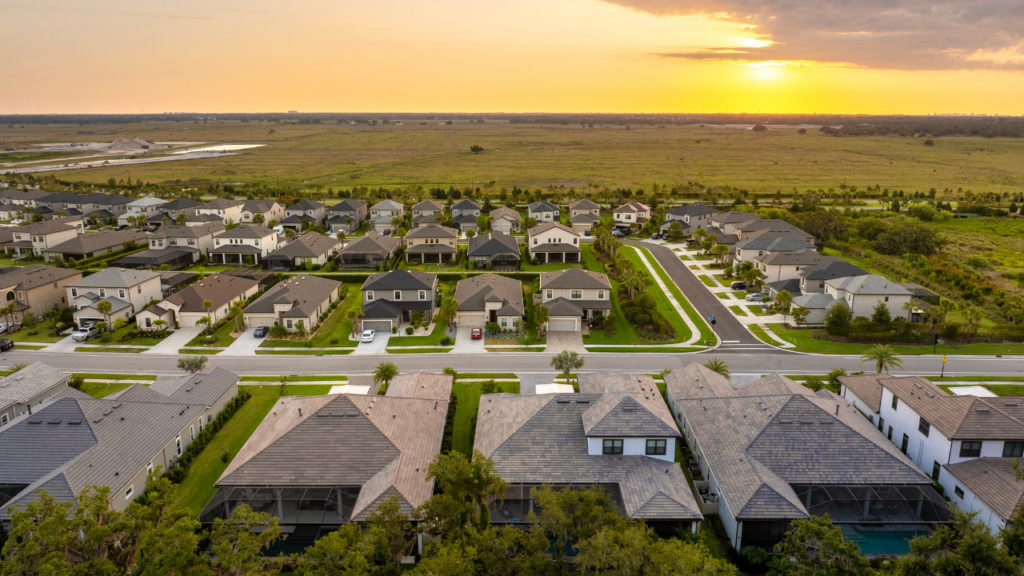
A buyer called me from his apartment in Dinkytown on a Thursday evening with a question that had been building for a while and that he finally felt ready to ask directly. He had been living in a high-density urban apartment for three years. He was thirty-one years old, worked remotely as a software developer, and had spent the first two years of his urban living genuinely enjoying the energy and proximity that came with his location. The third year had been different. The noise, the street activity, the background hum of urban density that he had found stimulating in year one had gradually become the primary source of friction in his daily life. The upstairs neighbor. The bar two doors down. The delivery trucks on the street before six in the morning. The ambient never-quite-silence of a dense urban block. He had started searching for a home and had told his search tool to filter for detached single-family homes in quiet residential neighborhoods. But he was running into a problem. “Quiet is not a search criterion that Zillow has a filter for,” he told me, and I could hear the mild exasperation of someone who had been trying to operationalize a concept that resists easy categorization. “And when I look at neighborhoods and try to evaluate them online I honestly cannot tell which ones are actually quiet and which ones just have nice photos. What makes a neighborhood actually quiet in Minnesota? And is this something I can evaluate before I buy?” His questions were both specific and practically answerable, and helping him understand the concept of neighborhood quiet in concrete terms, what produces it, what undermines it, and how to evaluate it before committing, was genuinely useful work. Here is the complete picture. What Neighborhood Quiet Actually Means Quiet, in the residential context, is not the absence of all sound. It is the absence of intrusive, involuntary, and relentless sound that competes with the life happening inside and immediately around your home. A quiet neighborhood has ambient sound that is either natural, the wind in trees, birdsong, rain on the roof, or residential in the way that belongs to the shared life of neighbors living nearby, lawn mowers on Saturday morning, children playing in the early evening, occasional cars passing on the residential street. These sounds are not absence of sound. They are the particular acoustic environment of a low-density residential neighborhood that most people who seek quiet are actually looking for. What quiet neighborhoods do not have is the sound profile of density and commercial activity. The bass from the bar two blocks away. The accelerating motorcycles on the arterial street. The delivery trucks making early morning runs. The ongoing conversation of people on the sidewalk outside the apartment building at midnight. The HVAC equipment from the commercial building across the street. These sounds are not merely annoying. They are incompatible with certain types of rest, concentration, and the particular psychological restoration that comes from having a genuinely quiet home environment. Understanding this distinction between the acoustic texture of low-density residential life and the acoustic intrusion of urban density and commercial activity is the foundation for thinking clearly about what quiet neighborhoods actually are. The Primary Factors That Produce Neighborhood Quiet in Minnesota Several specific physical and land-use characteristics reliably produce quieter neighborhood environments, and understanding them allows buyers to evaluate neighborhoods for quiet more accurately than relying on general impressions. Distance from major roads and arterial streets is the single most significant factor in neighborhood ambient noise level. Minnesota’s suburban street network organizes traffic on a hierarchy from local residential streets through collectors through arterials through highways. Homes on local residential streets, which are designed for access to residential properties rather than for through traffic, carry dramatically less ambient traffic noise than homes on collector streets or near arterials. The difference in noise level between a home on a low-traffic residential street and a home on a collector street one block away is often significant enough to be immediately apparent to anyone who stands in front of both properties for five minutes and simply listens. Buyers who are specifically seeking quiet neighborhoods should pay particular attention to the street classification of any specific home they are considering and should understand where the nearest arterial streets are relative to the home’s location. Land use density of the surrounding area is closely related to traffic noise but extends beyond it. Lower-density residential areas, where single-family homes on standard or larger lots are the dominant land use, are typically quieter than higher-density areas with multi-family housing, mixed-use development, or commercial activity nearby. The physical mass of more buildings on smaller lots, the greater population of people generating activity, and the commercial uses that attract visitors and generate commercial traffic all contribute to higher ambient noise levels in denser areas. Topography and natural screening can significantly affect neighborhood noise levels in ways that go beyond simple distance from noise sources. Minnesota’s varied topography, particularly in communities in the western metro along the Minnesota River valley and in areas with more pronounced terrain, sometimes creates neighborhoods where topographic separation from major roads produces quiet residential environments even in relatively close physical proximity to those roads. The natural screening provided by mature trees is another physical factor that is underappreciated in its effect on neighborhood quiet. A residential street with a full canopy of mature trees provides some acoustic buffering from nearby noise sources and creates the psychological environment of natural enclosure that most people associate with quiet neighborhoods. The presence of mature tree canopy on a residential street is both an acoustic and a psychological contributor to the quiet neighborhood experience. Lot depth and setback from the street affect how much of the traffic noise from the residential street itself reaches the interior of the home. Deeper lots and larger setbacks create more physical distance between the home’s living spaces and the street, which reduces the audibility of passing traffic
What Is It Like Living Near Schools in Minnesota Suburbs?

A couple called me from their home in Eagan on a Sunday evening with a question that had come up unexpectedly during their home search and that they wanted to understand better before it affected any decisions they made. They had been looking at homes in a western suburb and had identified two finalists that were both within their budget, both in good condition, and both in the school district they had specifically chosen the community for. The first home was on a quiet residential street about a mile from the elementary school their daughter would attend. The second home was two blocks from that same school, with the school building and its playground visible from the front windows of the house. They had heard from a neighbor, who had lived in a school-adjacent home before, that living next to a school came with some surprises both positive and negative. They had also read some articles suggesting that school-adjacent properties held their value well. And they had their own instinctive reactions to the two properties that they were not sure how much to trust. “We are genuinely unsure whether the school proximity is a good thing or something to be cautious about,” the wife told me. “We like the school, we want to be in the district, but we are not sure if we actually want to live right next to it. Can you give us a realistic picture of what day-to-day life near a school in a suburb is actually like?” That is exactly the right question to ask and one that deserves a genuinely complete answer rather than a simplified reassurance in either direction. Here is the honest picture. The Two Dimensions of School Proximity Living near a school in a Minnesota suburb involves two distinct dimensions that need to be understood separately before they can be evaluated together. The first dimension is the experiential one, what daily life actually looks and feels like when a school is your immediate neighbor. The sounds, the traffic patterns, the visual environment, the seasonal rhythms of the school year, and the particular ambient energy of a school community next door all contribute to the lived experience of school-adjacent residential life. The second dimension is the investment one, what school proximity means for property values, for market liquidity, and for the long-term financial performance of the home as an asset. These two dimensions sometimes point in the same direction and sometimes point in different directions, and buyers who evaluate both honestly before making a decision are better positioned than those who think about only one or the other. The Daily Life Experience: What Actually Happens The experience of living near a school in a Minnesota suburb is genuinely different from living in a similar home a mile away from the school, and the differences are specific enough to be described accurately. School day mornings are the most significant daily impact on the lived experience of school-adjacent neighborhoods. In the forty-five minutes before school starts, the streets immediately around a school experience a concentrated surge of activity as parents drop children off, school buses arrive and depart, and children walk and cycle to school from the surrounding neighborhoods. This morning rush is typically relatively brief, usually compressed into thirty to forty-five minutes, but during that window the streets nearest the school carry significantly more traffic than they do at any other time. For residents of homes immediately adjacent to the school, the morning traffic pattern is the most commonly mentioned quality-of-life consideration. The parents who circle the block looking for drop-off spaces, the buses that idle on the street during loading and unloading, and the general concentration of vehicular activity in a short window can create friction for residents who are trying to leave for work during the same period. The practical implication for buyers evaluating school-adjacent properties is understanding the specific traffic pattern around the specific school they would be living near. Some schools are well-designed with off-street drop-off lanes and organized traffic flow that minimizes street congestion during drop-off and pickup. Others rely more heavily on street parking and through-traffic patterns that create more concentrated impact on immediately adjacent residents. Visiting the school on a Tuesday morning at seven fifty in the morning and watching the drop-off pattern is one of the most practically informative things a buyer can do before making a decision about a school-adjacent home, and it is a site visit that many buyers overlook because it does not happen during the standard showing hours when they are visiting the property. The afternoon school dismissal is the second daily impact period. Depending on the dismissal time and the school’s car-line organization, the afternoon pickup can be a brief but concentrated period of activity similar to the morning rush or a more extended period if students leave at different times through different dismissal arrangements. The period between morning drop-off and afternoon pickup, which is the majority of every school day, is actually very quiet in most school-adjacent neighborhoods. The school is occupied, but most of the student activity is contained within the building or on the enclosed playground, and the streets around the school return to their typical residential quiet almost immediately after drop-off ends. Weekends and school holidays are completely quiet in school-adjacent neighborhoods. The school building is not in use, the parking areas are empty, the playground is available to neighborhood children and families, and the school grounds become an extension of the neighborhood’s recreational space rather than a source of activity. Minnesota’s school calendar has a specific seasonal pattern that affects the school-adjacent experience in ways worth noting. The school year typically runs from early September through early June, which means that for approximately three months of the Minnesota calendar year, from mid-June through Labor Day, the school is on summer break and the neighborhood around it operates as though the school does not exist. This seasonal rhythm is genuinely significant. The buyers who most
What Is It Like Living Near Parks in Minnesota?

A buyer called me from her rental in Richfield on a Saturday morning with a question that came from a very specific moment in her house-hunting process. She had been touring homes in several different Minneapolis and first-ring suburban neighborhoods over the past few weeks and had visited two homes back to back on the previous Saturday that had produced different experiences she was still processing. The first home was a well-maintained craftsman on a street with no particular natural amenity nearby. The second home was a slightly smaller craftsman on a street that backed directly onto a neighborhood park with a large open grass area, a trail along the edge, and mature trees creating a green wall visible from the rear windows of the home. The second home had felt different to her in a way she was having some difficulty articulating. “I know I should be comparing square footage and condition and all the practical things,” she told me. “But I keep thinking about looking out those back windows and seeing the park. And I keep wondering whether that feeling I had is real and whether it would actually matter to me in daily life or whether it is just the romance of the idea.” Her question is genuinely important and reflects something that buyers who have not lived near a park before have no experiential basis for evaluating. The difference between living near a park and not living near one is not something that shows up in square footage calculations or commute time comparisons. It is a daily quality-of-life difference that accumulates in ways that are subtle, consistent, and over time significantly meaningful. Here is the honest picture of what living near parks in Minnesota actually delivers. The Difference Between Visiting a Park and Living Next to One Most people have visited parks. Most people enjoy parks when they are in them. But living adjacent to a park is a meaningfully different experience from visiting one, and the difference is primarily about access and the integration of the park into daily life rather than about the park itself. When you visit a park, you make a decision to go, you travel to it, you spend time in it, and you return home. It is a recreational activity with a beginning, a middle, and an end. Even when the park is close enough to walk to, the deliberate nature of the visit means it functions as a destination rather than as an extension of your living environment. When you live adjacent to or very near a park, the relationship is entirely different. The park is not a destination. It is an extension of your daily environment that you access without decision or planning and that you are present in as part of the ordinary flow of your day. You look out the kitchen window and see the green of the park while you make coffee. You let the dog out the back door and walk to the park in ninety seconds. You sit on the porch in the evening and hear the sounds of the park, children playing, birds in the trees, the general ambient sound of an outdoor community space, as background to your own evening. This integration produces a quality of daily life that buyers who have lived near parks consistently describe as one of the things they value most about their homes, and that they specifically seek out in subsequent home searches. It is not a feature that shows up on the MLS listing in a way that allows comparison, but it is one that long-term residents of park-adjacent homes mention with genuine and specific enthusiasm when asked what they love about where they live. The Practical Dimensions of Park Proximity Beyond the emotional and quality-of-life dimensions of living near a park, there are specific practical benefits that affect daily life in measurable ways. The access to green space without driving is the most immediate practical benefit and the one that matters most for families with children, for pet owners, and for anyone whose daily life includes regular use of outdoor space for exercise or relaxation. A family with two young children who lives across the street from a park with playground equipment does not need to plan, load the car, drive somewhere, and find parking to give the children an afternoon in a natural outdoor environment. They walk across the street. This frictionless access to outdoor play changes the frequency with which the family actually uses outdoor space, which changes the daily life of the children and the parents in genuinely meaningful ways. Pet owners experience a similar benefit. A dog owner who lives adjacent to a park with a trail or open grass area walks the dog to the park, lets it run, and returns home in twenty minutes without logistics. A dog owner who lives in a neighborhood without nearby park access either walks on sidewalks, drives to a park, or finds creative solutions to the dog’s need for outdoor space and exercise. The cumulative difference in convenience and in the dog’s daily quality of life is significant for households where the dog is a serious family member. The visual presence of green space is itself a practical benefit that affects the daily experience of being at home in ways that are harder to quantify but consistently reported by park-adjacent residents. Looking out a window at green trees, open grass, and the movement of people and nature in a park provides a visual environment that is restorative in a specific psychological way that looking at another house, a parking lot, or a street does not. Research on the psychological benefits of views of nature consistently shows that access to natural views, including through windows, reduces stress, improves mood, and produces measurable wellbeing benefits over time. The Minnesota-Specific Park Experience Minnesota’s park system is one of the most genuinely exceptional in the country, and understanding what parks in Minnesota specifically offer helps
What Is It Like Living Near Lakes vs City Neighborhoods in Minnesota?
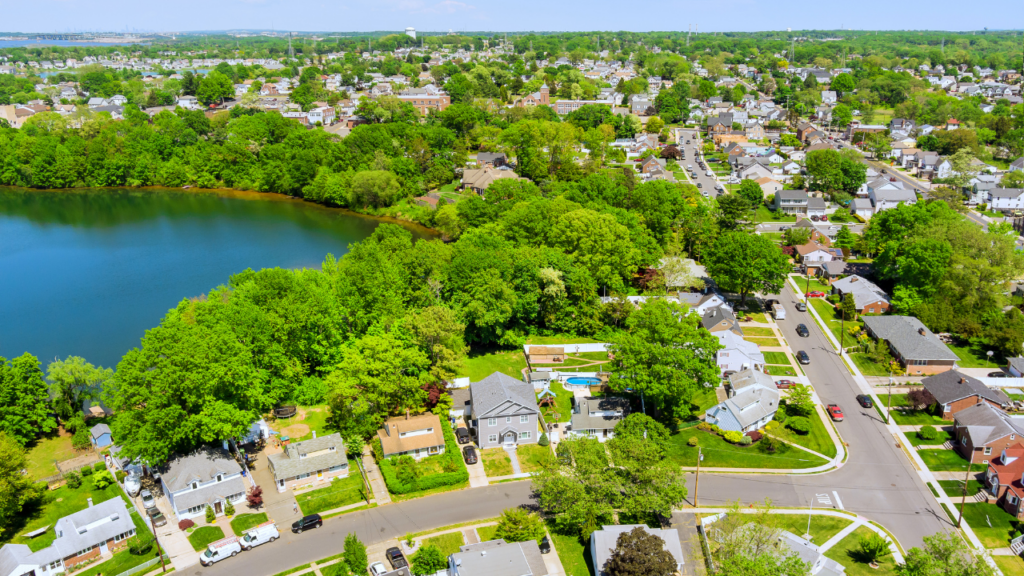
A buyer called me from her home office in Saint Paul on a Friday afternoon with a question that she had been turning over for most of the previous two weeks. She had been searching for a home in Minneapolis for about four months and had developed a clear sense of what she wanted in terms of housing type, price range, and general location. What she had not resolved was a more fundamental question about how she wanted to orient her daily life in the city, specifically whether she wanted to prioritize proximity to the lake environment that makes certain Minneapolis neighborhoods feel almost uniquely livable or whether she wanted to prioritize the urban city neighborhood experience with its walkable commercial life, diverse cultural character, and proximity to the kind of daily urban variety that she associated with her favorite neighborhoods in other cities she had lived in. “I keep going back and forth,” she told me. “On the weekends when I visit neighborhoods near the lakes I think, yes, this is it. On the weekdays when I imagine my actual daily life I wonder if I would rather be in a neighborhood where I can walk to more things, where there is more happening around me. Are these actually different ways of living or am I overthinking it?” She was not overthinking it. The distinction she had identified through her search process reflects a genuine and meaningful difference in the quality and character of daily life in lake-adjacent neighborhoods versus more centrally urban city neighborhoods in Minneapolis. Understanding that difference clearly and honestly is what allows buyers to make the choice that actually fits their life rather than the one that photographs best on Instagram. Here is the complete comparison. What Lake-Adjacent Living in Minneapolis Actually Is Minneapolis is one of the relatively rare American cities that has preserved a significant amount of urban lake environment within its city boundaries. The Chain of Lakes, which includes Bde Maka Ska, Lake Harriet, Lake of the Isles, Cedar Lake, and Lake Nokomis, provides approximately twenty miles of connected trail and parkway that runs through the southern and southwestern portions of the city. The neighborhoods surrounding these lakes, including Linden Hills, Kenwood, East Isles, Lowry Hill, and the portions of Uptown and South Minneapolis nearest to the water, offer a living experience that combines urban residential density with immediate access to genuinely beautiful natural environments. What lake-adjacent living actually delivers is the particular quality of daily life that comes from having significant natural beauty and outdoor recreational infrastructure immediately outside your door. A resident of a home within three blocks of Lake Harriet can roll out of bed on a Tuesday morning and be running on a beautiful lake trail before the day’s obligations begin. A resident of a home bordering Lake of the Isles can kayak on a summer evening without loading a vehicle or driving anywhere. A resident near Bde Maka Ska can walk to a swimming beach in the summer, ice skate on the lake in the winter, and watch one of the most beautiful urban sunsets in the Midwest from a bench on the boulevard on any clear evening throughout the year. This immediacy of natural beauty and recreational access is not something that can be replicated by living near a good park that requires a short drive. The quality that makes lake-adjacent living distinctive is the integration of the natural environment into the daily life of the neighborhood rather than its existence as a destination that requires planning to reach. The neighborhoods around the Minneapolis lakes have a specific social and community character that is shaped by this integration. The lakefront trails and parkways are community gathering spaces in a way that parks requiring automotive access are not. Residents of lake-adjacent neighborhoods encounter each other regularly on the trail, at the beach, at the band shell concerts, and in the ordinary daily use of the lake environment. This creates a community fabric that has a particular warmth and continuity because the shared spaces are genuinely and regularly used. The Price Reality of Lake-Adjacent Living The extraordinary quality of the lake-adjacent living experience in Minneapolis is reflected precisely in the price premium that these neighborhoods command. Homes within walking distance of the Chain of Lakes, particularly those within a block or two of the lakefront itself, are among the most expensive residential properties in the Minneapolis market. The premium over comparable properties in adjacent non-lake-adjacent neighborhoods is significant and consistent, reflecting decades of market consensus about the value of this specific quality-of-life feature. For buyers whose budget is flexible enough to absorb the lake-adjacent premium, the investment buys something that is genuinely difficult to replicate elsewhere in the urban market. For buyers whose budget is more constrained, the lake-adjacent premium means that the housing they can afford near the lakes is typically smaller, older, or less well-maintained than what the same budget would buy in a neighborhood without the lake adjacency. This price reality creates one of the most common and most significant trade-offs in the Minneapolis buying decision. A buyer who has the resources to live near the lakes at a housing quality and size that suits them is in a fortunate position. A buyer who must choose between a smaller or less desirable home near the lakes and a larger or better-suited home in a non-lake-adjacent neighborhood is making a genuine values trade-off that deserves honest evaluation. The buyer who chooses lake adjacency at the expense of housing quality or size is betting that the daily experience of the lake environment will compensate for the housing compromise. Many lake-adjacent residents report this trade-off having been absolutely correct in retrospect. Others discover after living in a smaller lake-adjacent home for a few years that the housing compromise was more significant to their daily quality of life than they anticipated. What City Neighborhood Living in Minneapolis Actually Is The city neighborhood alternative to lake-adjacent living encompasses a
What Is It Like Living Near Downtown Minneapolis vs the Suburbs?

A couple called me from their rental in the North Loop on a Wednesday evening with a conversation I had not had quite in these specific terms before, even though the underlying question is one I address in some form regularly. They had been living near downtown Minneapolis for three years. They had loved it. They were now expecting their first child and were at the point in the pregnancy where the abstract question of where they wanted to raise their family had become a concrete and time-sensitive decision. He wanted to stay in the city. She was not opposed to the city but was feeling drawn toward what she described as the practical arguments for suburban life, specifically schools, space, and the particular rhythm of family life that she had grown up with in a suburban community and that she associated with a certain kind of comfortable, manageable domesticity. “We are having the classic argument,” she told me, laughing but also genuinely looking for help. “And we are hoping someone who knows both sides well can tell us what we are actually choosing between. Not in a cheerleading way for either option. Just honestly.” That is exactly the conversation I find genuinely valuable to have, because the honest comparison between near-downtown Minneapolis life and suburban life is more specific and more nuanced than either the urban advocates or the suburban advocates typically make it. Here is what you are actually choosing between. The Foundational Difference in Daily Life Structure The most fundamental difference between living near downtown Minneapolis and living in the suburbs is not about any single feature. It is about the structure of daily life and the role that geography plays in making daily life work. Near downtown Minneapolis, and in the urban neighborhoods immediately surrounding it, daily life is organized around proximity. The things you need and the experiences you want are close together and reachable without a car for many residents. The coffee shop is three blocks away. The coworker is also three blocks away, in a different direction. The restaurant for dinner is five blocks. The park is two blocks. The transit stop that gets you to your workplace without driving is right outside. The accumulation of these proximities creates a daily life that has a particular density of possibility. In any given hour of any given day, the number of things you could do or places you could go without driving is genuinely high. This density of possibility has a specific texture. It means you encounter variety, spontaneity, and the incidental social contact of urban life regularly. You run into people you know. You discover a new restaurant by walking past it. You make decisions on the fly about where to have lunch or what to do with an unexpected hour of free time. Urban life near downtown Minneapolis rewards the person who enjoys having many options and who finds energy in variety and in the serendipitous encounter with things they did not plan. Suburban life organizes daily life around automotive accessibility. The coffee shop, the coworker, the restaurant for dinner, the park, and the workplace are not close together in the way that makes spontaneous access possible. They are distributed across a landscape that requires a car to navigate. This structure is not inferior to urban life. It is different. It requires planning in a way that urban life does not. You do not walk past the coffee shop. You decide you want coffee, get in the car, and drive to it. You do not discover the new restaurant by walking past it. You read about it online and make a deliberate choice to go. This automotive structure of suburban daily life produces a kind of intentionality about leisure and social activities that urban life does not require. In the suburbs you make plans. You schedule things in advance. You are deliberate about where you go because going somewhere requires getting in the car and making that specific choice. Some people find this intentionality comfortable and calming. Others find it constraining and isolating compared to the spontaneity of urban life. Knowing which describes you more accurately is one of the most important pieces of self-knowledge you can bring to this decision. The Commute Reality and How It Shapes Everything For buyers who are employed outside the home, the commute experience is one of the most significant differences between urban downtown-adjacent and suburban life, and it deserves more attention than it typically gets in the romanticized versions of either choice. Near downtown Minneapolis, residents who work in the central business district often do not have a commute in any meaningful sense. They walk, they take a short bus or light rail ride, or they cycle, and the transportation to work adds perhaps fifteen minutes to each end of the workday rather than an hour or more. This time saving, which accumulates to hundreds of hours per year, is one of the most significant and most consistently underappreciated advantages of living near downtown for residents who work downtown. For residents near downtown who work in employment centers outside the core, the commute calculus is different and sometimes works against the near-downtown location. A resident of the North Loop who works in Eden Prairie has a highway commute that is not dramatically shorter than a suburban resident commuting to the same location, and may have fewer of the transit alternatives that make the commute manageable. Suburban residents who work downtown typically have commute options that range from driving, which in the Twin Cities metro can run thirty to sixty minutes in each direction during peak hours, to taking the light rail or bus rapid transit, which is genuinely available from many suburban communities but which adds transfer time and requires aligning with transit schedules. The commute reality is highly specific to the individual’s workplace location, and no general statement about commutes is more useful than driving the specific route from the specific neighborhood to
What Is It Like Living in Nokomis vs Longfellow Minneapolis?

A buyer called me from her apartment in Uptown on a Sunday afternoon with a question that reflected the specific kind of research fatigue that sets in when someone has been looking at houses for several months and has narrowed their focus to the point where the distinctions between the final candidates start to feel both important and almost impossible to discern from the outside. She had been searching in south Minneapolis for eight months. She had started with a broad search area and had gradually narrowed it through the process of elimination that most serious buyers go through. The neighborhoods that remained on her list after that process were Nokomis and Longfellow, which sat adjacent to each other in the southeastern portion of South Minneapolis and which kept appearing as strong candidates in her search whenever she filtered for the combination of price accessibility, housing character, and South Minneapolis location that she was looking for. “I have driven through both,” she told me. “I have been to showings in both. I feel like they are very similar but I also feel like there is something different about them that I cannot quite name. Can you help me understand what the actual difference is between these two neighborhoods and which one might be a better fit for what I am looking for?” Her instinct that there was something different between them that she could sense but not quite articulate was correct, and giving her the specific language to describe that difference was one of the most useful things I could do for her at that point in her search. Here is the complete comparison. The Geographic Context Nokomis and Longfellow sit in the southeastern quadrant of Minneapolis, southeast of the urban core and south of the Minnehaha Creek corridor that runs through much of South Minneapolis. Nokomis is the more southerly of the two neighborhoods and takes its name from Lake Nokomis, the lake that forms the eastern boundary of the neighborhood and provides its most significant and most beloved natural amenity. The neighborhood is bounded by Minnehaha Creek to the north, Lake Nokomis to the east, Minnehaha Parkway and the city limits to the south, and Cedar Avenue to the west. This position gives Nokomis a geographic enclosure that contributes to its sense of being a distinct and somewhat separate community within the larger city. Longfellow sits immediately to the north of Nokomis, between Minnehaha Creek and East Lake Street, and between Cedar Avenue to the west and Minnehaha Parkway to the east. It is a somewhat more porous neighborhood in geographic terms, sitting at the intersection of several major arterial routes that connect it to the broader south Minneapolis and Minneapolis street network, which shapes both its character and its daily life in ways that differ from the more enclosed Nokomis. The Lake Nokomis Anchor Lake Nokomis is the defining feature of the Nokomis neighborhood and the characteristic that most immediately and most powerfully shapes what daily life in Nokomis feels like. The lake is a genuine urban swimming lake with a developed beach, a swimming beach that the City of Minneapolis maintains for summer use, bathhouse facilities, picnic areas, and a perimeter trail that runs approximately two and a half miles around the lake and is used by runners, walkers, cyclists, and in winter by cross-country skiers and ice skaters. The parkway that encircles the lake provides a beautiful car-restricted recreational environment in the warmer months and is one of the most genuinely beloved urban spaces in the entire Twin Cities park system. For buyers whose quality of life is meaningfully connected to access to outdoor water-based recreation, running trails, and natural urban environments, the proximity to Lake Nokomis is a genuinely transformative quality-of-life factor. Residents of Nokomis who live within walking distance of the lake describe it as one of the primary reasons they chose the neighborhood and one of the primary reasons they have stayed. The lake is not a destination they drive to occasionally. It is a part of their daily routine in the warmer months. The specific character of Lake Nokomis distinguishes it from the more well-known lakes of the Chain of Lakes to the northwest. Nokomis is a smaller, more neighborhood-scaled lake with a more intimate character than the larger and more publicly prominent Bde Maka Ska or Lake Harriet. It draws a more consistently neighborhood-based user population rather than the broader metropolitan traffic that the Chain of Lakes attracts, which gives it a particular warmth and community feel that residents specifically value. From Longfellow, Lake Nokomis is accessible by bicycle or a longer walk rather than by the immediate walking distance that most Nokomis addresses provide. The lake is not an absent amenity from Longfellow but it is a somewhat more deliberate destination rather than the daily backdrop it is for Nokomis residents. Minnehaha Falls and the Creek Corridor Longfellow has its own significant natural amenity in the form of Minnehaha Falls and the Minnehaha Creek corridor, and understanding this asset is important for appreciating what Longfellow offers as a distinct alternative to Nokomis rather than simply a neighborhood that lacks Nokomis’s lake. Minnehaha Falls is one of the most well-known and most visited natural attractions in the Twin Cities, a waterfall within a dramatic gorge park that provides hiking trails, creek-side walking paths, and a natural environment that is both beautiful and genuinely surprising in its visual drama for an urban park. The falls are within the Longfellow neighborhood boundaries, and residents of the eastern portions of Longfellow are within walking distance of the park. The Minnehaha Creek corridor that runs through both neighborhoods provides a linear natural amenity that connects them and that offers a continuous trail system for walking, running, and cycling. The creek trail is a beloved community resource in both neighborhoods and connects to the broader Minneapolis trail network in both directions. For buyers who value natural amenity access but who are specifically drawn to
What Is It Like Living in Linden Hills vs Fulton Minneapolis?

A family called me from their home in a western suburb on a Thursday evening with a situation that reflects something I find genuinely common among buyers who have been living in the suburbs and are considering a move back into the city. They had two children, ages seven and ten. They had been suburban residents for six years and had appreciated certain things about it while gradually missing other things that they had left behind when they moved out of Minneapolis. The husband had grown up in South Minneapolis and had a specific and visceral attachment to what urban neighborhood life felt like. The wife had grown up in the suburbs and was open to urban life but had specific concerns about school quality, walkability to everyday needs, and what neighborhood safety looked like in practice for a family with children rather than for a young professional couple without them. They had been researching South Minneapolis neighborhoods and had identified Linden Hills and Fulton as the two they were most interested in, largely because of their position near the Chain of Lakes and their reputation for family-friendly character. “We cannot figure out whether these neighborhoods are actually different from each other or whether they are basically the same neighborhood with two different names,” the wife told me. “Can you help us understand if there is a real distinction and if so what it is?” There is a real distinction. Linden Hills and Fulton are adjacent neighborhoods that share some characteristics and differ in others in ways that matter specifically for a family making the choice between them. Here is the complete comparison. The Geographic Relationship Understanding how Linden Hills and Fulton relate to each other geographically is the starting point for everything else. Linden Hills sits at the southwestern corner of Minneapolis, bordered by Lake Harriet to the east, Minnehaha Creek to the south, and the Minneapolis city limits to the west and south. It occupies what is arguably the most environmentally beautiful position of any residential neighborhood in Minneapolis proper, with Lake Harriet and its surrounding parks forming the eastern boundary of the neighborhood and the creek forming the southern one. The neighborhood is defined by its relationship to these natural amenities in a way that shapes daily life for virtually every resident regardless of where they are within the neighborhood’s boundaries. Fulton sits immediately to the north and east of Linden Hills, sharing the general character of the southwest Minneapolis residential landscape while being slightly more removed from the lake. Fulton’s primary natural amenity connection is through the paths and parkways that run along Minnehaha Creek and through the trail connections that allow residents to reach Lake Harriet and Bde Maka Ska within a reasonable walking or cycling distance, but without the same immediate lake adjacency that Linden Hills enjoys. The practical result of this geographic relationship is that Linden Hills and Fulton share the general character of established southwest Minneapolis residential neighborhoods while differing primarily in the immediacy of their natural amenity access and, as a consequence, in their price points. The Housing Landscape Both neighborhoods are characterized by the substantial early-to-mid-twentieth-century single-family homes that define the character of established southwest Minneapolis residential neighborhoods. This housing stock, primarily craftsman bungalows, two-story foursquares, colonial revivals, and Tudor-influenced residences built between roughly 1905 and 1945, is the physical environment that produces much of what makes these neighborhoods feel the way they do. The maturity of the landscaping in these neighborhoods is itself a significant quality-of-life feature. The street trees that were planted when these homes were built are now a century old in many cases, creating the canopied streetscape of arching elms and oaks that gives established southwest Minneapolis neighborhoods their distinctive summer character and that makes them particularly beautiful for the nine months of the year when Minnesota’s seasons allow outdoor life. Linden Hills housing commands a meaningful price premium over comparable Fulton housing, reflecting the Lake Harriet adjacency and the specific desirability of the Linden Hills neighborhood commercial node along 43rd Street, which is one of the most charming and most genuinely beloved neighborhood commercial districts in Minneapolis. For buyers with a fixed budget, the Fulton neighborhood often provides access to similar housing quality and neighborhood character at a more accessible price point. The specific price differential between the two neighborhoods at comparable sizes and conditions typically runs between five and fifteen percent, with the gap most pronounced for properties immediately adjacent to Lake Harriet and the Linden Hills commercial node. The Linden Hills Commercial Node The commercial district along 43rd Street and Upton Avenue South in Linden Hills is one of the most specific and most frequently cited reasons that buyers specifically seek out Linden Hills over adjacent neighborhoods. This commercial area has a particular character that is genuinely difficult to replicate in newer commercial developments or in neighborhoods that have not had the same sustained community investment. The shops are primarily locally owned. They include a beloved independent bookstore, coffee shops that have served the neighborhood for decades, restaurants that reflect the neighborhood’s scale and community orientation rather than destination-seeking design, and specialty retail that serves the actual daily life needs of the residents who walk to it. The walk to this commercial node from most Linden Hills addresses is genuinely walkable in the meaningful sense that residents regularly make this trip on foot as part of their daily or weekly routines, not as an occasional recreational exercise. The combination of the proximity, the quality of the offerings, and the neighborhood-scale character of the commercial environment makes the Linden Hills node one of the genuine daily-life advantages of the neighborhood. Fulton does not have an equivalent neighborhood commercial node within the neighborhood itself. Residents of Fulton who want walkable everyday retail access are primarily walking or cycling to the Linden Hills node, which is within reach of most Fulton addresses, or to the commercial areas along 50th Street and France Avenue at the
What Is It Like Living in Northeast vs South Minneapolis?

A buyer called me from a coffee shop in the Marais neighborhood of Saint Paul on a weekday afternoon with a question that I found genuinely interesting because of how specifically he had framed it. He had been living in Saint Paul for four years and had liked it but felt consistently drawn to Minneapolis for work, for social life, and for the particular urban energy that the larger city produces. He had decided to make the move and had been doing research on Minneapolis neighborhoods with the seriousness and systematic attention that reflected his background as an analyst. He had narrowed his focus to two areas. Northeast Minneapolis, which he had been visiting for years and which had a character he found compelling, and South Minneapolis, which a number of his coworkers lived in and spoke about with the particular affection that long-term residents develop for a place they have genuinely put down roots in. “I feel like these are genuinely different urban experiences,” he told me. “Not just different neighborhoods but different ways of living in the same city. Is that an accurate read? And if so, what are the specific differences that would affect someone’s daily life?” His read was accurate and the framing of them as different ways of living in the same city is precisely right. Northeast and South Minneapolis are both excellent urban neighborhoods with vibrant communities and genuine character. They are also meaningfully different from each other in ways that affect daily life in specific and consistent ways. Here is the complete comparison. The Geographic and Historical Context Northeast Minneapolis, locally referred to simply as Northeast or NE, occupies the area north of downtown and east of the Mississippi River. The neighborhood sits on the east bank of the river with the North Loop and downtown visible across the water, and its position creates a sense of being slightly separate from the rest of the city while remaining extremely well connected to it. Northeast has a specific historical identity rooted in its Eastern European immigrant heritage, primarily Polish, Czech, and Ukrainian communities that settled the neighborhood in the late nineteenth and early twentieth centuries. That heritage is still present in the neighborhood through the Catholic churches that anchor specific blocks, the handful of old-country restaurants and bakeries that have survived generational change, and the particular working-class pride that characterized the neighborhood’s identity before its more recent transformation. Over the past two decades, Northeast has undergone a significant transformation from a working-class residential neighborhood to one of the most sought-after arts and creative communities in the Twin Cities. The warehouse and light industrial buildings that lined the river and the arterial streets became studios, galleries, breweries, and creative businesses as artists and entrepreneurs found affordable space in the neighborhood’s existing building stock. This transformation produced the current Northeast character, which is a genuinely unusual combination of working-class historical identity and contemporary creative energy that feels authentic rather than manufactured. South Minneapolis is geographically larger and more internally varied than Northeast. It encompasses everything south of downtown through a sweeping residential landscape that includes distinctive neighborhoods including Powderhorn, Longfellow, Nokomis, Tanglewood, and the neighborhoods adjacent to the Chain of Lakes. The housing stock is primarily single-family homes and small multi-family buildings built between the 1880s and the 1940s, producing the particular character of mature urban residential neighborhood that South Minneapolis is known for. South Minneapolis’s historical identity is primarily residential rather than industrial or commercial, and that identity has produced a different kind of neighborhood community from Northeast. Where Northeast’s character has been shaped by waves of immigrant settlement and industrial labor followed by artistic reinvention, South Minneapolis’s character has been shaped by decades of family life in stable residential blocks, by the park system that threads through the area, and by the particular community institutions including schools, libraries, and neighborhood organizations that develop in places where people stay. Housing Type and Character The housing landscapes of these two areas are genuinely different and the difference has practical implications for buyers depending on what type of home they are looking for. Northeast housing is a mix of types that reflects the neighborhood’s varied history. There are single-family homes on residential streets that range from modest bungalows to larger craftsman houses, particularly in the more established residential blocks away from the main commercial corridors. There are also a significant number of converted warehouse and industrial buildings that have been turned into loft condominiums and live-work spaces. And there are newer multi-unit buildings that have been constructed to meet demand as the neighborhood’s desirability has grown. This variety means that Northeast offers genuine options across housing types including loft ownership, traditional single-family home ownership, and multi-family urban living. The price range is also relatively broad, though the most desirable properties on or near the riverfront and in proximity to the concentration of restaurants and galleries command significant premiums. South Minneapolis housing is more uniformly residential in character and is dominated by the single-family homes and small multi-family buildings of the neighborhood’s primary development era. The housing stock has the particular character of Minneapolis craftsman and foursquare homes from the 1910s through the 1930s, with the mature landscaping and established neighborhood feel that comes from a century of continuous residential occupation. Price in South Minneapolis varies considerably by specific location and proximity to the lakes. Homes nearest to the Chain of Lakes carry prices that reflect the exceptional desirability of that location. Homes in the parts of South Minneapolis that are further from the lakes or in neighborhoods that are more mixed in character carry more accessible price points that make South Minneapolis one of the more price-diverse areas of Minneapolis proper. The Arts and Culture Dimension Northeast Minneapolis has a specific and well-established identity as an arts and creative community that is one of its most distinctive characteristics. The Northeast Minneapolis Arts District, which is recognized as one of the most significant arts communities in the
What Is It Like Living in the North Loop vs Uptown Minneapolis?

A couple called me from their rental apartment in Saint Paul on a Saturday morning with a decision that had been the subject of more conversations between them than they had expected when they started thinking about buying their first home. They were both in their early thirties. No children yet. They worked in creative and technology fields and had been renting in Saint Paul but were drawn to the energy of Minneapolis neighborhoods they had been exploring on weekends. They had narrowed their interest to two Minneapolis neighborhoods that kept coming up in their research and in conversations with friends who had already made the move. The North Loop. And Uptown. “Everyone we know who lives in Minneapolis has a strong opinion about which is better,” the husband told me. “But it seems like people who love one neighborhood have never really lived in the other. Can you give us an honest comparison from someone who actually knows both?” That is exactly the kind of question I find genuinely satisfying to answer because the North Loop and Uptown are not just different addresses. They are meaningfully different ways of experiencing urban life in Minneapolis, and the difference between them has grown more distinct over the past decade as each neighborhood has developed a stronger and more defined character. Here is the honest comparison. The Geographic and Physical Context Understanding where these two neighborhoods sit on the Minneapolis map helps frame everything else about how they feel and function as places to live. The North Loop occupies the northwestern portion of downtown Minneapolis, just north of the central business district and west of the Mississippi River’s east bank. It is a neighborhood that has developed on the bones of a historic warehouse and light industrial district, and that history is still visible and palpable in the physical fabric of the neighborhood. The buildings are predominantly brick, predominantly multi-story, and predominantly large in the footprint and massing that reflects their original industrial purpose. The streets are wide and grid-like. The blocks are long. The overall feeling is urban, structured, and connected to the city’s commercial core in an immediate and physical way. Uptown sits approximately three miles south of the North Loop, along the Hennepin Avenue and Lake Street corridors that define its commercial spine. It is a neighborhood that developed primarily in the early to mid-twentieth century as residential urban fabric, and that history shows in the mix of housing types including apartments above storefronts, small multi-family buildings from the 1920s and 1930s, and the single-family homes and duplexes that spread into the adjacent neighborhoods of Lowry Hill and Whittier. The streets are more varied in their grid, the blocks are shorter, and the overall feeling is residential, layered, and somewhat more complex in its urban texture than the North Loop’s more monolithic warehouse character. Housing Type and Cost The North Loop housing market is dominated by condominiums and apartments in converted warehouse buildings and newer construction towers. The building stock is almost entirely multi-unit rather than single-family or small multi-family. The units themselves tend to be loft-style, with high ceilings, large industrial windows, exposed brick or concrete, and open floor plans that reflect both the conversion heritage and the contemporary urban design preferences of their target buyer and renter demographic. Price points in the North Loop for ownership opportunities are among the higher in the Minneapolis market for comparable square footage. The combination of the buildings’ distinctive character, the neighborhood’s proximity to downtown, and the genuine desirability of the loft aesthetic among the professional demographic the North Loop primarily attracts produces pricing that reflects that premium positioning. Uptown housing is more varied in type and more varied in price. The neighborhood has apartment buildings and condominium developments, but it also has a significant number of smaller multi-family buildings that have been converted to condos, individual floors of older buildings that have been unit-converted, and some single-family homes on the residential streets adjacent to the commercial corridors. This variety produces a price range in Uptown that has more options at entry levels than the North Loop, though the most desirable and well-positioned Uptown properties carry prices that are competitive with the North Loop. The Commercial and Dining Landscape The commercial character of the two neighborhoods is one of the most vivid points of distinction between them, and buyers with strong food and nightlife priorities should pay close attention to this comparison. The North Loop has developed one of the most impressive restaurant and bar scenes of any neighborhood in Minneapolis. The concentration of ambitious, nationally recognized restaurants along First Avenue North and the surrounding blocks is remarkable for a neighborhood of its size. Establishments ranging from celebrated fine dining destinations to excellent casual restaurants to inventive cocktail bars have made the North Loop the primary destination in the Minneapolis dining landscape for residents who prioritize access to exceptional food and drink experiences. The commercial landscape is almost entirely hospitality-focused on the primary corridors, supplemented by some retail and creative industry tenants in the ground floors of the warehouse buildings. The absence of everyday retail in the North Loop is a specific limitation worth naming honestly. There is no grocery store within the North Loop proper, which means that residents who do not have cars or who want to grocery shop on foot must either use delivery services or make a trip to adjacent neighborhoods. The neighborhood functions as a hospitality and dining destination but has not developed the everyday retail infrastructure that supports daily non-restaurant life without automotive assistance. Uptown has a significantly more complete everyday commercial infrastructure. The Calhoun Square area, the Wedge Co-op on Lyndale, and the commercial corridors along Hennepin and Lake provide grocery access, independent retail, coffee shops, bookstores, pharmacies, and the full range of everyday needs within walking distance of most Uptown addresses. The dining scene in Uptown is strong and varied, with a mix of neighborhood staples, newer additions, and a coffee culture