
What Is an Appraisal Gap and How Do I Handle It as an Immigrant Homebuyer in Minnesota? A 2026 Guide
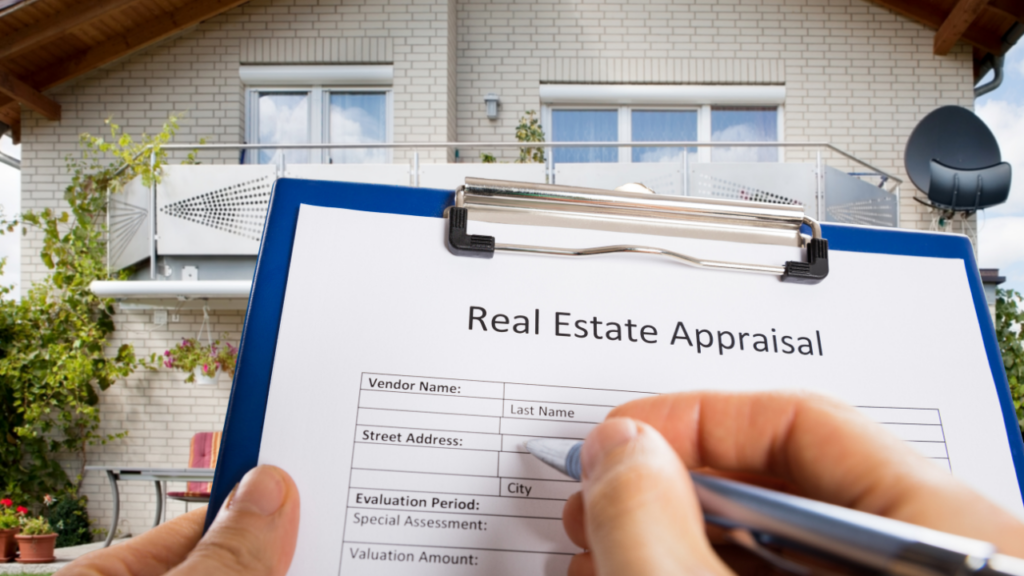
If you’re buying a home in Minnesota for the first time, especially as an immigrant homebuyer, there’s a good chance you’ll hear a term that sounds confusing at first: Appraisal gap. Most buyers understand the basic idea of making an offer on a home. You find a house you love. You negotiate a price. The seller accepts. Everything seems straightforward. Then the appraisal comes back. And suddenly everyone is talking about values, financing, appraisals, and appraisal gaps. For many first-time buyers, this is one of the most misunderstood parts of the homebuying process. The good news is that appraisal gaps are manageable when you understand how they work. Let’s break it down in simple terms. What Is an Appraisal? Before we talk about appraisal gaps, let’s start with the appraisal itself. An appraisal is an independent professional opinion of a property’s market value. If you’re using a mortgage, your lender will usually require one. Why? Because the lender wants to make sure the property is worth enough to support the loan amount. Remember: The lender is lending money based on the home’s value. They don’t simply rely on the price you agreed to pay. They want a third-party professional to evaluate the property. Who Performs the Appraisal? The lender typically hires a licensed appraiser. The appraiser evaluates factors such as: After reviewing the property and recent sales, the appraiser determines a value. That value becomes very important. What Is an Appraisal Gap? An appraisal gap occurs when the home’s appraised value is lower than the agreed purchase price. For example: Let’s say: There is now a: $20,000 appraisal gap The buyer agreed to pay more than the appraiser believes the property is worth. This creates a challenge because lenders generally base loans on the lower of: That’s when buyers, sellers, agents, and lenders must decide how to move forward. Why Do Appraisal Gaps Happen? Many immigrant buyers assume a low appraisal means something is wrong with the home. That’s not necessarily true. Appraisal gaps can occur for several reasons. Competitive Markets When multiple buyers compete for the same property, offers sometimes exceed recent comparable sales. The market may move faster than appraisal data. Limited Comparable Sales Appraisers rely heavily on recent sales. If there aren’t enough similar properties available, valuation becomes more difficult. Unique Properties Some homes are difficult to compare because they have unusual features, upgrades, or locations. Rapidly Rising Markets When prices rise quickly, appraisal data may lag behind current buyer demand. Why Immigrant Buyers Should Understand Appraisal Gaps Many immigrant homebuyers are navigating: For someone unfamiliar with the process, an appraisal gap can feel alarming. The key is understanding that appraisal gaps happen regularly. They are not automatically deal-breakers. What matters is how they’re handled. Example of an Appraisal Gap Let’s look at a simple example. Imagine you’re buying a home in Minnesota for: $450,000 The lender orders an appraisal. The appraiser determines the value is: $435,000 The appraisal gap is: $15,000 The lender may base the loan on the $435,000 value instead of the $450,000 purchase price. Now the transaction requires a solution. What Happens When an Appraisal Gap Occurs? Several options may be available. Option 1: Seller Lowers the Price One possibility is that the seller agrees to reduce the purchase price. For example: Purchase price drops from: $450,000 to $435,000 This eliminates the appraisal gap entirely. However, sellers are not required to agree. Option 2: Buyer Pays the Difference The buyer may choose to contribute additional cash. Using our example: Appraisal gap = $15,000 The buyer may decide to bring the extra funds needed to complete the purchase. This approach is common in competitive markets. However, buyers should only do this if they are financially comfortable. Option 3: Buyer and Seller Split the Difference Sometimes both parties negotiate. For example: Both sides share the burden. This is a common compromise. Option 4: Challenge the Appraisal In certain situations, additional information may support a reconsideration of value. This is not always successful, but it may be possible if: Your lender and agent can explain whether this option makes sense. Option 5: Cancel the Transaction If your contract includes appraisal protection language, you may have options to cancel. This depends entirely on the contract terms. Not every buyer has this protection. Understanding your contract is critical. What Is Appraisal Gap Coverage? You may hear another term: Appraisal gap coverage. This occurs when a buyer agrees in advance to cover some or all of a potential appraisal shortfall. For example: A buyer might state: “I will cover up to $10,000 of any appraisal gap.” This can make an offer more attractive to sellers. Why? Because it reduces uncertainty. The seller knows the buyer is prepared to move forward even if the appraisal comes in lower than expected. Should You Offer Appraisal Gap Coverage? The answer depends on your financial situation. Ask yourself: Appraisal gap coverage can strengthen an offer. But it also increases financial risk. Never agree to it unless you fully understand the commitment. How Appraisal Gaps Affect Loan Approval Many buyers worry a low appraisal automatically means loan denial. Usually, that’s not the case. The lender simply adjusts calculations based on the appraised value. The challenge becomes finding a solution for the difference. That’s why communication among: Is so important. What Happens in a Strong Seller’s Market? In competitive markets, appraisal gaps become more common. Buyers may: While these strategies can strengthen offers, buyers should proceed carefully. Winning the home is important. Protecting your finances is even more important. What Happens in a Balanced Market? When inventory is higher and competition is lower, sellers may be more willing to: Market conditions often influence the outcome. Real Example Imagine a buyer relocating to Minnesota from another country. They find a home they love. Multiple buyers submit offers. To remain competitive, they offer above asking price. The seller accepts. A few weeks later, the appraisal comes in lower than expected. At first, the buyer panics. But
What Are Contingencies and Which Do I Need as an Immigrant Homebuyer in Minnesota? A 2026 Guide

When you’re buying a home in Minnesota, one word you’ll hear often is: Contingency. For many first-time buyers, especially immigrant buyers who are learning the U.S. homebuying process, this word can feel confusing at first. You may wonder: The simple answer is this: A contingency is a protection written into your offer that gives you a way to move forward, renegotiate, or sometimes cancel the purchase if something important does not happen. Contingencies are not bad. They are normal. They exist to protect buyers from taking unnecessary risks. But in a competitive market, some buyers feel pressure to remove contingencies to make their offer stronger. That can be risky, especially if you are a first-time buyer or unfamiliar with the process. Let’s break down the most common contingencies and which ones immigrant homebuyers in Minnesota should understand before making an offer. What Is a Contingency? A contingency is a condition that must be met for the home purchase to continue. Think of it like saying: “I agree to buy this home, as long as certain things happen first.” For example: If something goes wrong, the contingency may give you options. Those options depend on the contract language and the situation. Why Contingencies Matter for Immigrant Buyers Buying a home is a major financial decision. For immigrant buyers, contingencies can be especially important because you may be navigating: Contingencies give you protection while you learn and move through the process. They help you avoid rushing into a purchase without enough information. Inspection Contingency The inspection contingency is one of the most important buyer protections. After your offer is accepted, you usually have the right to inspect the property. A professional home inspector reviews major parts of the home, including: The inspection helps you understand the true condition of the home. This is important because a home can look beautiful during a showing but still have hidden issues. Do You Need an Inspection Contingency? For most first-time buyers, yes. Especially if you are unfamiliar with U.S. home construction, Minnesota weather issues, basements, furnaces, roofs, or older housing systems. Minnesota homes deal with: An inspection can help you avoid surprises. What Happens After the Inspection? After the inspection, you may decide to: Most inspections find something. That does not mean the home is bad. It simply gives you more information before you fully commit. Financing Contingency A financing contingency protects you if your mortgage loan is not approved. Even if you are pre-approved, the lender still needs to complete final underwriting after your offer is accepted. They will review: For immigrant buyers, this step may include additional documentation depending on your status, lender, and loan program. Do You Need a Financing Contingency? If you are using a mortgage, this contingency is usually very important. Without it, you could be at risk if the lender later denies the loan. Most immigrant buyers should be careful about removing financing protections unless they fully understand the risk. Appraisal Contingency If you are using a mortgage, the lender usually orders an appraisal. An appraisal is an independent opinion of the home’s value. The lender wants to make sure the property is worth enough to support the loan amount. For example: If you agree to buy a home for $350,000, but the appraisal comes in at $330,000, there may be a problem. The lender may not loan based on the higher price. What Happens If the Appraisal Is Low? If the appraisal comes in low, possible options may include: This is why appraisal language matters. Do You Need an Appraisal Contingency? If you are using financing, you should understand this carefully. In competitive markets, some buyers offer appraisal gap coverage, which means they agree to cover part or all of the difference if the appraisal is low. That can strengthen an offer, but it also increases financial risk. Do not agree to an appraisal gap unless you understand exactly how much extra cash you may need. Title Contingency Title refers to legal ownership of the property. Before closing, a title company reviews the property records to make sure the seller has the legal right to transfer ownership. They look for issues such as: A title contingency protects you if serious title issues appear. Do You Need Title Protection? Yes. Clear title is extremely important. You do not want to buy a home and later discover ownership problems or unpaid claims attached to the property. This is also where title insurance becomes important, which we’ll cover in another article. Home Sale Contingency A home sale contingency applies when a buyer must sell their current home before buying the next one. For many first-time immigrant buyers, this may not apply. But if you already own a home and need to sell it first, this contingency may be relevant. Is a Home Sale Contingency Helpful? It can protect you from owning two homes at once or being unable to complete the purchase. However, sellers often view home sale contingencies as riskier because your purchase depends on another transaction. Sale of Property vs. Closing of Property These are slightly different. A buyer may need to: Sell their home Or Close on a home that is already under contract A home already under contract may be viewed as less risky than a home that has not yet been listed. Insurance Contingency In some cases, buyers may want to confirm they can obtain homeowners insurance. This can matter if the home has: Most homes can be insured, but it is still smart to shop for insurance early. HOA Document Review If you are buying a condo, townhome, or home in an association, you may need time to review HOA documents. These documents may include: This is important because HOA rules can affect your daily life. For example, there may be rules about: Do not ignore HOA documents. Which Contingencies Do You Actually Need? For many immigrant first-time buyers in Minnesota, the most important contingencies are usually: Your exact needs depend on the property,
How Do Contingencies Affect My Sale When Selling a Home in Minnesota? (2026 Seller Guide)

When you receive an offer on your home, the price is usually the first thing you notice. That makes sense. But once you look closer, you’ll see another part of the offer that matters just as much: The contingencies. Contingencies are conditions that must be satisfied before the sale can move forward to closing. Some contingencies are normal. Some are negotiable. Some create very little concern. Others can add risk, delays, or uncertainty to your sale. If you’re selling your home in Minnesota, understanding contingencies can help you evaluate offers more confidently and avoid surprises after accepting one. What Is a Contingency? A contingency is a condition written into the purchase agreement that protects the buyer or seller if something specific does not happen. For example: A buyer may agree to purchase your home, but only if: If the contingency is not satisfied, the buyer may have options depending on the contract language. That could include renegotiating, requesting repairs, or canceling the agreement. Why Contingencies Matter to Sellers Contingencies affect the certainty of your sale. An offer with fewer contingencies may create a smoother path to closing. An offer with more contingencies may involve more steps, more deadlines, and more opportunities for complications. This doesn’t mean contingencies are bad. Most buyers use them for legitimate protection. But as a seller, you need to understand what each contingency means before accepting an offer. Inspection Contingency The inspection contingency is one of the most common contingencies in real estate. It allows the buyer to inspect the property after the offer is accepted. During the inspection period, the buyer may identify concerns such as: After the inspection, the buyer may request repairs, credits, price adjustments, or further negotiations. How Inspection Contingencies Affect Sellers Inspection contingencies can affect sellers because they may reopen negotiations after the offer is accepted. Even if you believe your home is in great condition, buyers may still find items they want addressed. This is why preparation matters. Before listing, it can be helpful to address obvious issues such as: Small repairs before listing may reduce inspection concerns later. Financing Contingency A financing contingency protects the buyer if they are unable to obtain mortgage approval. Most financed offers include some form of financing contingency. From a seller’s perspective, financing strength matters. A buyer with a strong pre-approval, stable income, and solid down payment may create less concern than a buyer with uncertain financing. This is why reviewing the buyer’s pre-approval and loan type matters. Appraisal Contingency If the buyer is using financing, the lender will usually require an appraisal. The appraisal determines whether the home’s value supports the purchase price. If the appraisal comes in lower than the contract price, it can create challenges. Possible outcomes may include: This is especially important when a buyer offers significantly above asking price. A high offer sounds great, but the appraisal still matters. Home Sale Contingency A home sale contingency means the buyer must sell their current home before they can purchase yours. This contingency can add more uncertainty because your sale now depends on another sale. If the buyer’s home sells smoothly, everything may be fine. If their sale is delayed or falls apart, your transaction may be affected. This doesn’t mean you should automatically reject a home sale contingency. But it does mean you should review it carefully. Why Home Sale Contingencies Require Extra Attention With a home sale contingency, sellers should ask: The more information available, the easier it is to evaluate the risk. Title Contingencies Title contingencies involve ownership and legal matters related to the property. Before closing, title work is reviewed to make sure ownership can transfer properly. Potential title issues may include: Most title issues are resolved before closing, but they can occasionally create delays. Sale of Buyer’s Property vs. Closing of Buyer’s Property These sound similar, but they can be very different. A buyer may need to: Sell their current home Or Close on their current home If their home is already under contract and waiting to close, that may feel less risky than a buyer who has not listed their property yet. The details matter. Contingency Deadlines Matter Every contingency should have a timeline. For example: Deadlines are important because they prevent uncertainty from dragging on indefinitely. Clear timelines help protect the seller. Fewer Contingencies Can Mean Less Risk In multiple-offer situations, buyers sometimes reduce or waive contingencies to make their offer stronger. For sellers, this may be attractive. However, it’s still important to evaluate the entire offer. A buyer with fewer contingencies may look stronger, but you should still consider: Should You Accept an Offer With Contingencies? Sometimes yes. Many strong offers include reasonable contingencies. The question is not whether contingencies exist. The better question is: How much risk do they create? An inspection contingency with a short timeline may be manageable. A home sale contingency with an unlisted property may create more concern. Every situation should be evaluated carefully. Can You Negotiate Contingencies? Yes. Contingencies can often be negotiated. For example, you may negotiate: Negotiation is not just about price. Contingency terms can be just as important. How Contingencies Affect Multiple Offers When reviewing multiple offers, contingencies can help separate strong offers from weaker ones. For example: Offer A: Offer B: Offer B may be more attractive depending on your goals. The best offer is not always the highest offer. Real Example Imagine you receive two offers on your Minnesota home. The first offer is $10,000 higher but includes a home sale contingency. The second offer is slightly lower but comes from a buyer who is fully pre-approved, has no home to sell, and can close on your preferred timeline. Which one is better? It depends on your risk tolerance, timing, and priorities. That’s why contingencies matter so much. Common Seller Mistakes Ignoring Contingencies Some sellers focus only on price and overlook contract conditions. That can create problems later. Assuming All Contingencies Are Equal They are not. Some are common and manageable.
🏡 What Is a Home Appraisal and Why Does It Matter in Minnesota?

If you’re buying a home in Minnesota, there’s a point in the process where your lender will say: 👉 “We’re ordering the appraisal.” And for many buyers, that raises an immediate question: 👉 “What exactly does that mean… and should I be worried?” Because by this point, you’ve already: So it feels like everything is moving forward. But then comes the appraisal—and suddenly it feels like: 👉 Something else could impact the deal You might be wondering: • What does an appraiser actually do?• What happens if the value is lower than my offer?• Can the deal fall apart because of this?• Do I have any control over it? These are all completely valid questions. And the truth is: 👉 The appraisal is one of the most important steps in protecting both you AND the lender The Short Answer 👉 A home appraisal is a professional estimate of the home’s market value 👉 It is required by your lender to confirm: 👉 The home is worth what you agreed to pay 👉 If the home appraises at or above your offer: 👉 The deal continues as planned 👉 If the home appraises lower: 👉 You may need to renegotiate or adjust your plan 👉 This is why the appraisal matters What a Home Appraisal Actually Is Let’s simplify it. 👉 An appraisal is an independent evaluation of the home’s value It is performed by: 👉 A licensed third-party appraiser 👉 NOT the buyer👉 NOT the seller👉 NOT your agent 👉 This ensures the valuation is unbiased The appraiser’s job is to answer one key question: 👉 “What is this home actually worth in today’s market?” Why the Appraisal Is Required This step is not optional if you’re using a mortgage. 👉 The lender requires it to protect their investment Think about it this way: 👉 The lender is giving you a large loan 👉 They want to make sure: 👉 The home is worth the amount being financed If not: 👉 The risk increases for the lender What the Appraiser Looks At The appraiser does more than just walk through the home. They evaluate: ✔️ 1. Comparable Sales (Comps) This is the biggest factor. 👉 The appraiser looks at: 👉 Recently sold homes in the same area They compare: • Size• Condition• Location• Features 👉 This helps determine fair market value ✔️ 2. Property Condition The appraiser checks: • Overall condition• Obvious issues• Quality of construction 👉 They are not as detailed as an inspector But: 👉 They will note major concerns ✔️ 3. Home Features They consider: • Square footage• Bedrooms and bathrooms• Upgrades• Lot size 👉 All of these impact value ✔️ 4. Market Trends The appraiser also considers: • Local market conditions• Supply and demand• Recent price trends 👉 This ensures the value reflects current conditions What Happens After the Appraisal Once the appraisal is completed: 👉 A report is sent to the lender Then one of three things happens: ✔️ Scenario 1: Appraisal Matches or Exceeds Purchase Price Example: You offer $400,000Appraisal comes in at $405,000 👉 No problem 👉 The deal moves forward ✔️ Scenario 2: Appraisal Comes in Exactly at Purchase Price Example: You offer $400,000Appraisal comes in at $400,000 👉 Perfect match 👉 No issues ✔️ Scenario 3: Appraisal Comes in LOW This is where things get more complicated. Example: You offer $400,000Appraisal comes in at $370,000 👉 There is a $30,000 gap 👉 This is called an: 👉 Appraisal Gap What Happens If the Appraisal Is Low This is the part buyers worry about most. 👉 You have several options: ✔️ Option 1: Renegotiate the Price You can ask the seller to: 👉 Lower the price to match the appraisal 👉 This is often the first step ✔️ Option 2: Pay the Difference You can choose to: 👉 Pay the gap out of pocket 👉 Example: Appraisal: $370,000Offer: $400,000 👉 You bring $30,000 extra ✔️ Option 3: Meet in the Middle Sometimes both sides compromise. Example: Seller reduces price slightlyBuyer covers part of the gap ✔️ Option 4: Walk Away If you have an appraisal contingency: 👉 You can cancel the deal 👉 And typically: 👉 Get your earnest money back A Real Situation I See Often A buyer falls in love with a home and offers above asking price. The appraisal comes in lower. 👉 We renegotiate with the seller 👉 They agree to reduce the price 👉 The deal moves forward 👉 This happens more often than buyers expect Why Appraisals Come in Low There are several reasons. 👉 The market moved quickly 👉 Comparable sales are lower 👉 The offer was aggressive 👉 Unique property features are hard to value 👉 It doesn’t always mean you made a bad decision How to Protect Yourself This is where strategy matters. ✔️ 1. Include an Appraisal Contingency This gives you: 👉 Protection if the value is lower ✔️ 2. Understand Market Conditions In competitive markets: 👉 Appraisal gaps are more common ✔️ 3. Avoid Overpaying Emotionally It’s easy to get caught up in competition. 👉 But: 👉 The appraisal keeps things grounded Common Mistakes Buyers Make ❌ Assuming the home will appraise at offer price ❌ Not understanding appraisal gap risk ❌ Waiving appraisal contingency without understanding ❌ Panicking when appraisal comes in low 👉 These mistakes can cost money or create stress Who Needs to Pay Extra Attention Appraisals are especially important for: • First-time buyers• Immigrant buyers• Buyers in competitive markets 👉 Because pricing can move quickly A Simple Way to Think About It 👉 The appraisal is a reality check 👉 It confirms: 👉 The value matches the price FAQ: Home Appraisal Who orders the appraisal?The lender orders it. Can I choose the appraiser?No—it must be independent. How long does it take?Usually 1–2 weeks. What if it comes in low?You can renegotiate, pay the difference, or walk away. Does it affect my loan?Yes—it directly impacts loan approval. Final Thoughts The appraisal is one of the most important
🏡 What Contingencies Should I Include in My Offer in Minnesota?

If you’re getting ready to make an offer on a home in Minnesota, this is one of the most important questions you can ask: 👉 “What contingencies should I include?” Because this is where things shift from browsing homes… 👉 To actually making a serious move. You’ve found a home you like.You’re ready to submit an offer.You want to get it accepted. But at the same time… 👉 You don’t want to take on unnecessary risk. And that’s where things get tricky. You might be wondering: • What are contingencies, really?• Which ones do I actually need?• Will adding contingencies hurt my chances?• What happens if I don’t include them? These are smart questions. Because the truth is: 👉 Contingencies are what protect you during the home buying process But… 👉 They also impact how strong your offer looks to the seller So this is not just about protection. 👉 It’s about strategy. The Short Answer 👉 Contingencies are conditions that must be met for your purchase to move forward 👉 The most common contingencies in Minnesota are: • Inspection contingency• Financing contingency• Appraisal contingency 👉 These allow you to: • Cancel the contract safely• Renegotiate if needed• Protect your earnest money 👉 But: 👉 In competitive markets, buyers sometimes reduce or modify contingencies to stay competitive What a Contingency Actually Is (Simple Explanation) Let’s simplify this completely. 👉 A contingency is a condition written into your offer It basically says: 👉 “This deal only continues if this condition is satisfied.” If the condition is NOT met: 👉 You usually have the right to cancel the deal 👉 And in most cases: 👉 You get your earnest money back Why Contingencies Matter More Than You Think Without contingencies… 👉 You’re taking on more risk than most buyers realize With contingencies… 👉 You have protection if something unexpected happens They protect you from: • Buying a home with major hidden issues• Losing your deposit if financing fails• Overpaying for a home• Legal complications 👉 Think of contingencies as your safety net The 3 Most Important Contingencies in Minnesota Let’s go deeper into the ones that matter most. ✔️ 1. Inspection Contingency This is one of the most important protections you have as a buyer. After your offer is accepted: 👉 You schedule a professional home inspection The inspector checks: • Foundation• Roof• Electrical systems• Plumbing• HVAC• Overall condition 👉 What happens next? If issues are found, you can: • Request repairs• Request a credit• Cancel the deal Real Example A buyer moves forward without realizing the home has major foundation issues. 👉 Without an inspection contingency: 👉 They are stuck with the problem after closing 👉 With the contingency: 👉 They can walk away safely ✔️ 2. Financing Contingency Even if you are pre-approved: 👉 Your loan is NOT fully guaranteed Things can still change: • Job verification issues• Credit changes• Lender requirements 👉 If your loan falls through: 👉 This contingency allows you to cancel safely Real Scenario A buyer changes jobs during the process. 👉 The lender cannot approve the loan 👉 Because of the financing contingency: 👉 The buyer cancels without losing their deposit ✔️ 3. Appraisal Contingency Your lender requires the home to appraise at or near the purchase price. 👉 If the home appraises lower: You have options: • Renegotiate the price• Pay the difference• Cancel the contract Real Scenario A buyer offers $400,000 The home appraises at $370,000 👉 Without protection: 👉 They would need to cover the $30,000 difference 👉 With the contingency: 👉 They can renegotiate or walk away Other Contingencies You Might Consider Depending on your situation, there are additional contingencies. ✔️ Home Sale Contingency 👉 You need to sell your current home before buying 👉 This protects you financially But: 👉 Sellers often see this as a weaker offer ✔️ Title Contingency Ensures the property has a clear legal title. Protects you from: • Liens• Ownership disputes• Legal claims ✔️ Shortened or Modified Contingencies In competitive markets: 👉 Buyers may: • Shorten inspection periods• Limit repair requests 👉 This keeps some protection while staying competitive What Happens If You Remove Contingencies This is where risk increases. 👉 If you waive contingencies: • You may not be able to cancel safely• You risk losing your earnest money• You take on full responsibility Real Example A buyer waives inspection to win a bidding war. After closing: 👉 They discover major plumbing issues 👉 At that point: 👉 It’s their responsibility How Contingencies Affect Your Offer Strength This is where strategy comes in. 👉 More contingencies: • More protection• Potentially weaker offer 👉 Fewer contingencies: • Less protection• Stronger offer 👉 Sellers prefer: 👉 Fewer risks and smoother closings A Real Situation I See Often Two buyers compete for the same home. Buyer A: • Full contingencies• Lower offer price Buyer B: • Slightly higher price• Reduced contingencies 👉 Seller chooses Buyer B 👉 Why? 👉 Less risk, smoother process How to Choose the Right Contingencies There is no one-size-fits-all answer. You should consider: • Your comfort with risk• Market conditions• Your financial situation• The condition of the home 👉 This is where your agent helps guide you Common Mistakes Buyers Make ❌ Waiving contingencies without understanding the risk ❌ Including too many unnecessary contingencies ❌ Missing contingency deadlines ❌ Not reading contract details carefully 👉 These mistakes can cost money—or cost you the home Who Needs to Be Extra Careful Contingencies are especially important for: • First-time buyers• Immigrant buyers• Buyers in competitive markets 👉 Because decisions are often made quickly A Simple Way to Think About It 👉 Contingencies are your “exit doors” 👉 They allow you to step back safely if something goes wrong FAQ: Contingencies Do I need all contingencies?Not always—it depends on your situation and the market. Can I remove contingencies later?Yes, once conditions are satisfied. Do contingencies weaken my offer?Sometimes—but they protect you. Should I waive contingencies?Only if you fully understand the risk. What’s the most important