
How Do I Know If a Home Is Overpriced?

A couple came to me last spring absolutely convinced they had found the perfect home. Three bedrooms. Two bathrooms. A finished basement. A quiet street in a neighborhood they had been watching for months. The listing had beautiful photos and the home showed even better in person. The asking price was $389,000. Before we talked about making an offer, I pulled the comparable sales for that neighborhood. Homes with similar square footage, similar features, and similar condition had been selling consistently between $348,000 and $362,000 over the previous four months. The home was overpriced by somewhere between $27,000 and $41,000. They were stunned. It looked like such a fair price from the outside. The photos were professional. The staging was beautiful. The listing description made it sound like exceptional value. None of that changes what the market data actually says. Overpriced homes are more common than most buyers realize. And the consequences of paying more than a home is worth extend well beyond the purchase price itself. They affect your loan approval, your appraisal, your equity position from day one, and your ability to sell the home at a profit in the future. Knowing how to identify an overpriced home before you make an offer is one of the most valuable skills any buyer can develop. Here is exactly how to do it. Understand What Determines a Home’s Market Value Before you can identify an overpriced home, it helps to understand what actually determines what a home is worth in the first place. Market value is not what the seller paid for the home. It is not what they need to net from the sale to pay off their mortgage and fund their next purchase. It is not what they spent renovating the kitchen or finishing the basement. It is not what their neighbor’s home sold for three years ago when the market was different. Market value is what a willing buyer will pay and a willing seller will accept in the current market, based on what comparable homes have actually sold for in the recent past. That definition is important because it removes a lot of the noise that sellers and their agents sometimes introduce into pricing conversations. The seller’s emotional attachment to the home is not a factor in market value. Their renovation investment is not a guarantee of equivalent return. Their desired net proceeds do not determine what a buyer should pay. The market determines value. Comparable sales are how that value is measured. What Comparable Sales Are and How to Read Them Comparable sales, commonly called comps, are recent sales of homes that are similar to the one you are considering in terms of location, size, condition, features, and age. Your Realtor will prepare a comparative market analysis that pulls these sales from the Multiple Listing Service and organizes them in a way that helps you understand where the subject property’s value falls relative to what has actually sold. When reading comps, pay attention to several specific factors. Location proximity matters enormously. A comp from the same street or the same neighborhood block is far more relevant than one from a different neighborhood two miles away, even if the homes look similar on paper. In Minnesota, a difference of one school district boundary can meaningfully affect property values between two otherwise comparable streets. Sale date matters. A comp from eight months ago in a market that has shifted significantly in that time is less reliable than one from the past sixty to ninety days. Always ask your Realtor how current the available comps are and whether the market has moved in any direction since those sales closed. Condition matters. A comp that sold for $375,000 because it had a fully renovated kitchen, new bathrooms, and fresh mechanicals is not a reliable benchmark for a home that has original 1990s finishes and a furnace approaching the end of its useful life. Condition adjustments are part of how Realtors refine comparable sales data, and understanding those adjustments helps you evaluate pricing more accurately. Square footage and bedroom and bathroom counts matter but are not the whole picture. A 1,800 square foot home with a thoughtful and functional floor plan often lives better and commands more value than a 2,100 square foot home with an awkward layout and wasted space. Price per square foot is a useful starting point but should not be your only metric. The Clearest Signs That a Home Is Overpriced Once you understand how market value is determined, recognizing the signs of overpricing becomes much more straightforward. The most obvious sign is that the comparable sales simply do not support the asking price. If every similar home that has sold in that neighborhood in the past three to six months closed between $330,000 and $350,000 and the home you are looking at is listed at $385,000, the listing price is not supported by the market regardless of what the seller believes the home is worth. Another clear signal is extended days on market. In a neighborhood where homes are selling in ten to fifteen days, a home that has been sitting for forty-five days is almost always telling you something. Either the price is above what buyers are willing to pay, there is something about the condition or location that is giving buyers pause, or both. Repeated price reductions are another indicator. A home that started at $400,000, dropped to $385,000, and is now listed at $375,000 after two months has had three pricing conversations with the market and lost all three of them. The market is telling the seller something and so far the seller has not fully listened. A listing price that is significantly higher than recent sales in the same neighborhood without a clear reason for the premium is a warning sign worth investigating carefully. Some sellers believe that their renovated kitchen or their new roof justifies a premium above every comparable sale. Sometimes that premium is legitimate and the market
What Is an Appraisal Gap and How Do I Handle It as an Immigrant Homebuyer in Minnesota? A 2026 Guide
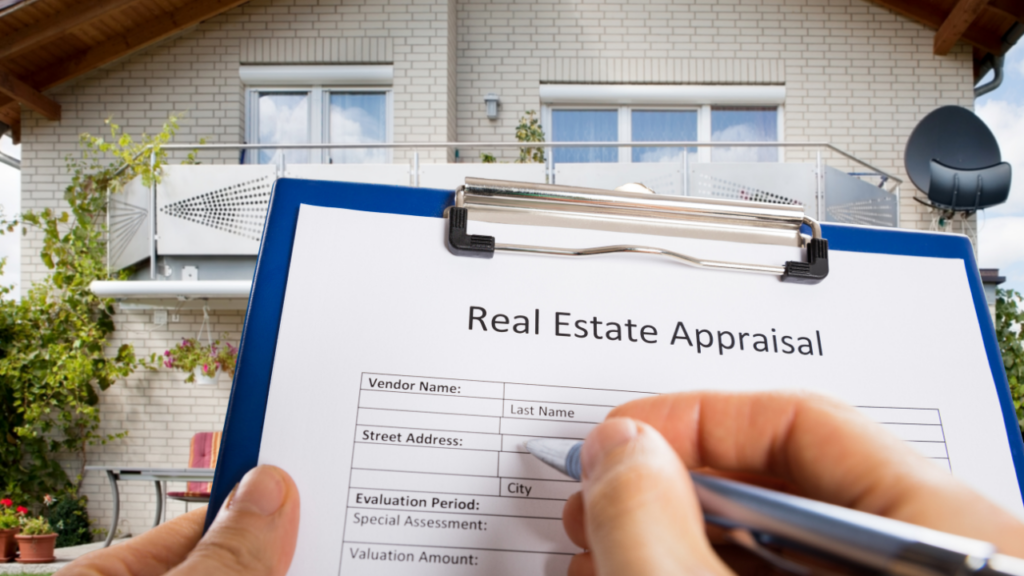
If you’re buying a home in Minnesota for the first time, especially as an immigrant homebuyer, there’s a good chance you’ll hear a term that sounds confusing at first: Appraisal gap. Most buyers understand the basic idea of making an offer on a home. You find a house you love. You negotiate a price. The seller accepts. Everything seems straightforward. Then the appraisal comes back. And suddenly everyone is talking about values, financing, appraisals, and appraisal gaps. For many first-time buyers, this is one of the most misunderstood parts of the homebuying process. The good news is that appraisal gaps are manageable when you understand how they work. Let’s break it down in simple terms. What Is an Appraisal? Before we talk about appraisal gaps, let’s start with the appraisal itself. An appraisal is an independent professional opinion of a property’s market value. If you’re using a mortgage, your lender will usually require one. Why? Because the lender wants to make sure the property is worth enough to support the loan amount. Remember: The lender is lending money based on the home’s value. They don’t simply rely on the price you agreed to pay. They want a third-party professional to evaluate the property. Who Performs the Appraisal? The lender typically hires a licensed appraiser. The appraiser evaluates factors such as: After reviewing the property and recent sales, the appraiser determines a value. That value becomes very important. What Is an Appraisal Gap? An appraisal gap occurs when the home’s appraised value is lower than the agreed purchase price. For example: Let’s say: There is now a: $20,000 appraisal gap The buyer agreed to pay more than the appraiser believes the property is worth. This creates a challenge because lenders generally base loans on the lower of: That’s when buyers, sellers, agents, and lenders must decide how to move forward. Why Do Appraisal Gaps Happen? Many immigrant buyers assume a low appraisal means something is wrong with the home. That’s not necessarily true. Appraisal gaps can occur for several reasons. Competitive Markets When multiple buyers compete for the same property, offers sometimes exceed recent comparable sales. The market may move faster than appraisal data. Limited Comparable Sales Appraisers rely heavily on recent sales. If there aren’t enough similar properties available, valuation becomes more difficult. Unique Properties Some homes are difficult to compare because they have unusual features, upgrades, or locations. Rapidly Rising Markets When prices rise quickly, appraisal data may lag behind current buyer demand. Why Immigrant Buyers Should Understand Appraisal Gaps Many immigrant homebuyers are navigating: For someone unfamiliar with the process, an appraisal gap can feel alarming. The key is understanding that appraisal gaps happen regularly. They are not automatically deal-breakers. What matters is how they’re handled. Example of an Appraisal Gap Let’s look at a simple example. Imagine you’re buying a home in Minnesota for: $450,000 The lender orders an appraisal. The appraiser determines the value is: $435,000 The appraisal gap is: $15,000 The lender may base the loan on the $435,000 value instead of the $450,000 purchase price. Now the transaction requires a solution. What Happens When an Appraisal Gap Occurs? Several options may be available. Option 1: Seller Lowers the Price One possibility is that the seller agrees to reduce the purchase price. For example: Purchase price drops from: $450,000 to $435,000 This eliminates the appraisal gap entirely. However, sellers are not required to agree. Option 2: Buyer Pays the Difference The buyer may choose to contribute additional cash. Using our example: Appraisal gap = $15,000 The buyer may decide to bring the extra funds needed to complete the purchase. This approach is common in competitive markets. However, buyers should only do this if they are financially comfortable. Option 3: Buyer and Seller Split the Difference Sometimes both parties negotiate. For example: Both sides share the burden. This is a common compromise. Option 4: Challenge the Appraisal In certain situations, additional information may support a reconsideration of value. This is not always successful, but it may be possible if: Your lender and agent can explain whether this option makes sense. Option 5: Cancel the Transaction If your contract includes appraisal protection language, you may have options to cancel. This depends entirely on the contract terms. Not every buyer has this protection. Understanding your contract is critical. What Is Appraisal Gap Coverage? You may hear another term: Appraisal gap coverage. This occurs when a buyer agrees in advance to cover some or all of a potential appraisal shortfall. For example: A buyer might state: “I will cover up to $10,000 of any appraisal gap.” This can make an offer more attractive to sellers. Why? Because it reduces uncertainty. The seller knows the buyer is prepared to move forward even if the appraisal comes in lower than expected. Should You Offer Appraisal Gap Coverage? The answer depends on your financial situation. Ask yourself: Appraisal gap coverage can strengthen an offer. But it also increases financial risk. Never agree to it unless you fully understand the commitment. How Appraisal Gaps Affect Loan Approval Many buyers worry a low appraisal automatically means loan denial. Usually, that’s not the case. The lender simply adjusts calculations based on the appraised value. The challenge becomes finding a solution for the difference. That’s why communication among: Is so important. What Happens in a Strong Seller’s Market? In competitive markets, appraisal gaps become more common. Buyers may: While these strategies can strengthen offers, buyers should proceed carefully. Winning the home is important. Protecting your finances is even more important. What Happens in a Balanced Market? When inventory is higher and competition is lower, sellers may be more willing to: Market conditions often influence the outcome. Real Example Imagine a buyer relocating to Minnesota from another country. They find a home they love. Multiple buyers submit offers. To remain competitive, they offer above asking price. The seller accepts. A few weeks later, the appraisal comes in lower than expected. At first, the buyer panics. But