
How Long Does It Take to Build a Home in Minnesota? (2026 New Construction Homebuyer Guide)
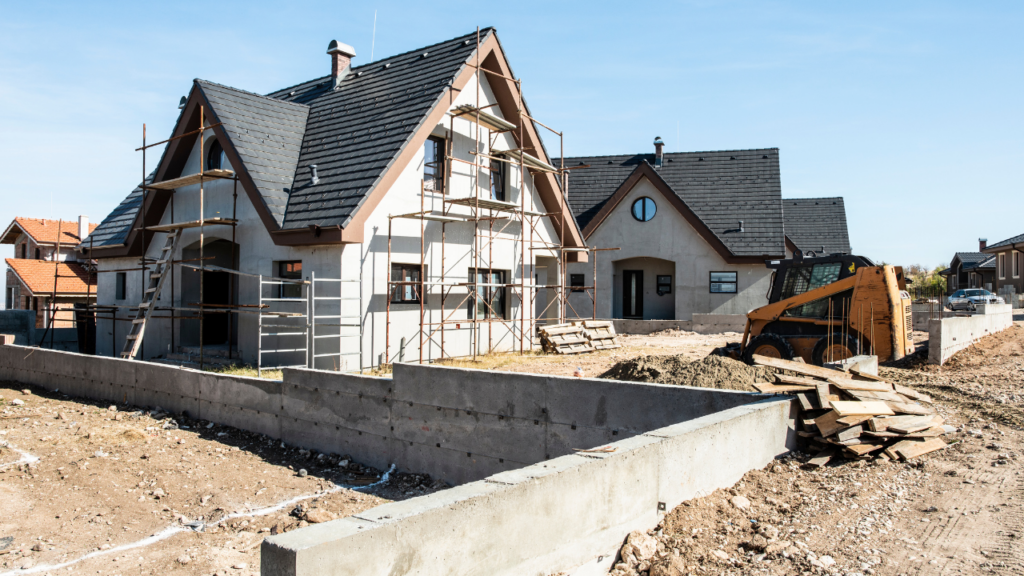
One of the first questions buyers ask when considering new construction is: “How long will it take?” It’s a fair question. After all, if you’re selling your current home, ending a lease, relocating for work, or simply eager to move into your new house, timing matters. The challenge is that there isn’t one simple answer. Some new construction homes in Minnesota can be completed in a matter of weeks. Others may take several months. Custom homes may take even longer. Many buyers walk into a model home expecting an exact completion date, only to discover that home construction involves dozens of moving parts that can affect the timeline. The good news is that understanding the building process ahead of time can help you set realistic expectations and avoid unnecessary stress. Let’s look at what influences construction timelines and what Minnesota buyers should know before building a home. Not All New Construction Homes Follow the Same Timeline One of the biggest misconceptions buyers have is assuming every new construction home takes the same amount of time. That’s not how it works. The timeline depends largely on the type of home you’re buying. Generally speaking, new construction homes fall into three categories: Each comes with a different timeline. Quick Move-In Homes Quick move-in homes, sometimes called inventory homes or spec homes, are already under construction or fully completed when buyers purchase them. Builders often construct these homes before a buyer is identified. Why? Because many buyers want a new home without waiting several months. If a builder has a completed home available, your timeline may be similar to purchasing a resale property. In some cases, you may close within a few weeks. This is often the fastest path to new construction. To-Be-Built Homes This is the option most buyers picture when they think about building a home. You choose: Construction begins after the purchase agreement is finalized. In Minnesota, many production builders estimate several months from contract to completion. However, timelines vary significantly depending on: This option provides personalization but requires patience. Custom Homes Custom homes usually involve the longest timeline. Unlike production builders, custom builders often create homes specifically designed for the buyer. This may include: The additional planning and customization typically extend the overall timeline. The tradeoff is greater flexibility and personalization. The Homebuilding Process To understand timing, it helps to understand the construction process itself. A home doesn’t simply appear overnight. There are multiple phases involved. Each phase must be completed before the next one begins. Phase One: Site Preparation Before construction starts, the lot must be prepared. This may involve: Minnesota weather can occasionally affect this stage, particularly during winter months or periods of heavy rain. Phase Two: Foundation Work Once the site is prepared, foundation work begins. Depending on the home design, this may involve: The foundation is one of the most important parts of the home, so builders take this stage seriously. Weather conditions can influence scheduling. Phase Three: Framing Framing is when buyers finally begin seeing the house take shape. Walls go up. Roof structures appear. Rooms become recognizable. For many buyers, this is one of the most exciting stages because the home suddenly feels real. Phase Four: Mechanical Systems After framing comes the installation of major systems such as: These systems are installed before walls are finished. Inspections often occur during this phase to verify compliance with building requirements. Phase Five: Insulation and Drywall Once systems are installed and approved, insulation and drywall work begin. At this point, the interior starts resembling a finished home. Rooms become defined. Walls are enclosed. Progress often feels much faster. Phase Six: Interior Finishes This stage includes many of the design selections buyers spend so much time choosing. Examples include: The home begins transforming from a construction site into a living space. Phase Seven: Final Touches The final stage includes: Once everything is complete, closing can be scheduled. What Causes Construction Delays? Every buyer wants a guaranteed completion date. Unfortunately, construction doesn’t always cooperate. Several factors can affect timing. Weather Minnesota weather is beautiful. It’s also unpredictable. Snow. Rain. Extreme cold. Wind. All can influence construction schedules. Builders work hard to keep projects moving, but weather sometimes creates unavoidable delays. Material Availability The construction industry relies on thousands of products. Examples include: If a manufacturer experiences delays, construction schedules may be affected. Material shortages became particularly noticeable during recent years, but availability issues can arise at any time. Labor Availability Building a home requires skilled professionals. Scheduling challenges involving subcontractors may occasionally affect timelines. This is especially true during busy construction seasons. Permit Delays Local governments review and approve construction permits. Most approvals occur smoothly. However, processing times can vary depending on location and workload. Buyer Changes Surprisingly, buyers themselves sometimes contribute to delays. For example: Changes after construction begins can affect scheduling. That’s one reason builders encourage buyers to finalize selections early. Why Builders Give Estimated Completion Dates Many buyers become frustrated when they receive an estimated completion date instead of a guaranteed one. The reason is simple. Builders can’t control every variable. They can estimate based on experience, but weather, labor, materials, and inspections all influence the final timeline. Most builders would rather provide realistic expectations than make promises they can’t control. Planning Your Move If you’re building a home, flexibility is your friend. Avoid making assumptions about exact dates months in advance. Whenever possible: Preparation helps reduce stress. Questions to Ask Your Builder Before signing a contract, ask: These conversations can help set realistic expectations. Real Example Imagine two buyers building similar homes. Buyer A expects the home to be finished on a specific date and becomes frustrated when weather causes delays. Buyer B understands the timeline is an estimate and plans accordingly. Both receive beautiful homes. But Buyer B experiences significantly less stress because expectations were realistic from the beginning. Frequently Asked Questions How long does it usually take to build a home in Minnesota? Timelines vary depending on the builder, home type,