
What Happens If New Construction Is Delayed in Minnesota? (2026 Homebuyer Guide)
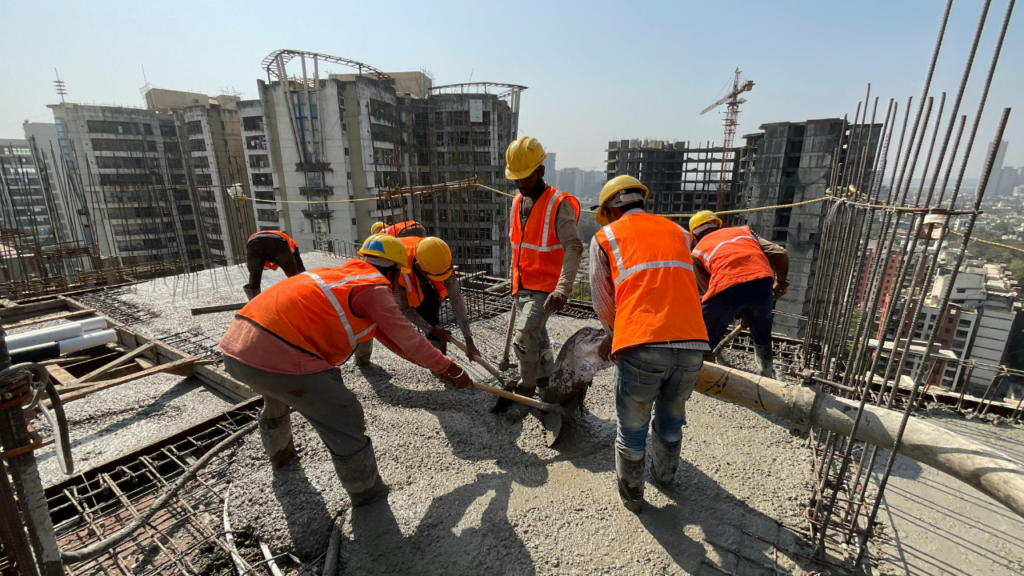
Few things are more exciting than building a brand-new home. You choose the floor plan. You select your finishes. You watch the construction progress. You begin imagining where your furniture will go and what life will look like once you’re moved in. Then the question comes up: “What happens if the construction gets delayed?” It’s one of the most common concerns among new construction buyers, and for good reason. Most people building a home aren’t doing so in a vacuum. They’re coordinating real life. They may be: When a construction timeline changes, it can create stress and uncertainty. The good news is that delays are often manageable when buyers understand why they happen and how to prepare for them. If you’re building a home in Minnesota, here’s what you should know about construction delays and how to navigate them with confidence. First, Understand That Estimated Completion Dates Are Estimates One of the biggest misconceptions buyers have is believing the completion date provided at contract signing is guaranteed. In most cases, builders provide an estimated completion date. The reason is simple. A home build involves dozens of moving parts, many of which are outside the builder’s direct control. Even the most organized builder cannot control: Builders do their best to project realistic timelines, but construction remains a dynamic process. That’s why flexibility is important. Weather Is One of the Biggest Factors in Minnesota Minnesota weather can be beautiful. It can also be unpredictable. Heavy snow. Extreme cold. Spring rains. High winds. All can impact various phases of construction. For example: Excavation may be delayed due to frozen ground. Concrete work may be postponed because of weather conditions. Exterior work may need to wait until temperatures improve. Weather delays are among the most common reasons construction schedules shift. Material Shortages Still Happen Many buyers remember hearing about supply chain challenges during recent years. While conditions have improved in many areas, material delays can still occur. Builders rely on products such as: If a manufacturer experiences production delays, construction schedules can be affected. Even a single missing component can impact progress. Labor Availability Can Affect Timelines Building a home requires multiple specialized trades. These may include: If subcontractor schedules shift, construction timelines can change. This is particularly common during busy building seasons when demand is high. Permit and Inspection Delays Every new home must move through various approvals and inspections. Local municipalities review: Most of the time these processes move smoothly. Occasionally, however, scheduling or administrative delays occur. Builders cannot always control government processing timelines. Change Orders Can Extend Construction Sometimes buyers unintentionally contribute to delays. For example: A buyer decides to: These changes often require: Change orders aren’t bad. But they can affect timelines. The more changes made during construction, the greater the potential impact. Delays Don’t Necessarily Mean Something Is Wrong This is important. Many buyers hear the word “delay” and immediately assume there is a major problem. Often that’s not the case. A delay may simply mean: Most delays are logistical rather than structural. The key is maintaining communication with the builder. What Happens If You’re Selling Another Home? This is where planning becomes especially important. Many buyers are simultaneously: The challenge is timing both transactions. If construction takes longer than expected, temporary housing may become necessary. Some buyers choose: Discuss timing strategies with your real estate agent early in the process. What If Your Lease Is Ending? Renters often face similar concerns. If your lease expires before construction is complete, you may need: Whenever possible, build flexibility into your plans. It’s much easier to prepare for a potential delay than scramble at the last minute. Communication Matters One of the best ways to reduce stress during construction is regular communication. Ask your builder: The more informed you are, the less stressful the process tends to feel. Don’t Schedule Movers Too Early Many buyers make the mistake of scheduling movers months in advance. That can be risky. Until construction is nearing completion, exact move-in dates may remain uncertain. Waiting until your closing schedule becomes more concrete can help avoid unnecessary complications. Financing Considerations Construction delays can occasionally affect mortgage timelines as well. For example: Interest rate locks may have expiration dates. Loan documents may require updates. Additional paperwork may be needed. Fortunately, lenders who regularly work with new construction transactions are familiar with these situations. Communication between your lender and builder is important. Stay Focused on the Big Picture When buyers experience delays, frustration is understandable. But it’s important to remember: You’re building a home. Not ordering a product from a warehouse. Construction involves hundreds of steps and countless decisions. While delays can be inconvenient, most buyers ultimately agree that getting the home built properly matters more than saving a few weeks. What Experienced Buyers Do Differently Buyers who handle construction delays best tend to share several traits. They: This mindset often reduces stress significantly. Questions to Ask Before Signing Before committing to a builder, ask: The answers can provide valuable insight into the builder’s process. Real Example Imagine two buyers building similar homes. Buyer A assumes the estimated completion date is guaranteed. They schedule movers, terminate their lease, and make plans around a fixed date. Buyer B understands construction timelines can shift. They build flexibility into their schedule and prepare for potential changes. When weather causes a three-week delay, Buyer B experiences significantly less stress because expectations were realistic from the beginning. Frequently Asked Questions Are construction delays common? Yes. Delays can occur for many reasons, including weather, materials, labor availability, and inspections. Should I worry if construction is delayed? Not necessarily. Many delays are normal and do not indicate major problems. Can weather affect new construction timelines in Minnesota? Absolutely. Minnesota weather is one of the most common factors influencing schedules. What if my lease expires before my home is finished? You may need temporary housing, lease extensions, or alternative arrangements depending on the situation. Can delays affect my mortgage? Sometimes. It’s important to stay in communication
Do I Need a Real Estate Agent for New Construction in Minnesota? (2026 Homebuyer Guide)
One of the most common misconceptions about buying a newly built home is that you don’t need a real estate agent. After all, you’re buying directly from the builder, right? There’s a sales office. There’s a model home. There’s a community representative ready to answer questions. So why would you need an agent? It’s a fair question. In fact, many buyers walk into a model home for the first time assuming the builder’s representative will guide them through the entire process. And while builder representatives are incredibly knowledgeable about their communities, floor plans, and available homesites, it’s important to understand who they represent. The builder’s sales representative works for the builder. Your real estate agent works for you. That distinction becomes very important once contracts, upgrades, inspections, financing, and negotiations enter the picture. If you’re considering building a home in Minnesota, here’s what you should know before deciding whether or not to have your own representation. Why Many Buyers Think They Don’t Need an Agent The confusion is understandable. When buying a resale home, there is usually: The roles seem obvious. New construction feels different. The builder owns the property. The builder has a sales office. The builder has staff available to answer questions. Because of this setup, many buyers assume the builder’s representative is automatically helping both sides. But that’s not how the relationship typically works. Who Does the Builder’s Sales Representative Represent? The builder representative’s role is to represent the builder’s interests. That doesn’t mean they’re dishonest. It doesn’t mean they’re trying to take advantage of buyers. In fact, most builder representatives are extremely professional and helpful. However, their responsibility is ultimately to the builder. Their job includes: They are not acting as your personal advocate. That’s where a buyer’s agent can play a different role. What a Buyer’s Agent Does During New Construction Many people think a buyer’s agent only helps locate homes. That’s only a small part of the job. When purchasing new construction, an experienced real estate agent may help you: The value often extends far beyond finding the property. Builders Use Their Own Contracts One thing that surprises many first-time buyers is that builder contracts are usually very different from standard resale contracts. Builder agreements are often: The contract language may address: A buyer’s agent can help explain how these provisions affect you throughout the building process. Comparing Builders Is Harder Than It Looks Many buyers fall in love with the first model home they visit. That’s understandable. Model homes are designed to impress. However, comparing builders involves much more than appearance. Questions worth asking include: An experienced agent can help you compare options objectively. Understanding Upgrade Costs One area where buyers often exceed their budgets is the design center. It starts innocently. You upgrade flooring. Then cabinets. Then countertops. Then lighting. Before long, thousands of dollars have been added to the purchase price. A real estate agent can help you evaluate: That perspective can be incredibly helpful. Lot Selection Matters More Than Buyers Realize Not all lots are equal. Many builders offer: Each may carry different premiums. A buyer’s agent can help you think beyond today’s excitement and consider future resale value as well. Location within the neighborhood often matters more than buyers initially realize. Negotiation Isn’t Always About Price Many buyers assume builders never negotiate. That’s not entirely true. While some builders may be reluctant to reduce base prices, negotiations can sometimes involve: A knowledgeable agent understands where flexibility may exist. Inspections Are Still Important One of the biggest mistakes buyers make is assuming a new home doesn’t need an inspection. The logic sounds reasonable. “It’s brand new. Why inspect it?” The reality is that new homes are still built by people. Even excellent builders can experience: Many buyers choose to have inspections performed at various stages of construction. An agent can help coordinate those inspections and ensure concerns are addressed appropriately. Construction Delays Happen Every builder aims to complete homes on schedule. Unfortunately, delays can occur. Common causes include: When delays happen, having someone helping you navigate communication and expectations can be valuable. Financing Decisions Matter Builders often work with preferred lenders. These lenders may offer incentives such as: Those incentives can be attractive. However, it’s still wise to compare financing options. A buyer’s agent can encourage buyers to evaluate the entire financial picture rather than focusing solely on builder incentives. The First Visit Is Important Many builders require agents to accompany buyers on the first visit. This is critical. If you plan to use a real estate agent, let the builder know before registering or signing in at the sales office. Waiting until later may limit how representation is handled. Every builder has different policies. It’s best to discuss this upfront. Why Some Buyers Skip Representation Some buyers choose not to use an agent because they believe it will save money. Others simply don’t realize representation is available. And some buyers feel comfortable managing the process independently. That’s certainly their choice. The important thing is making an informed decision rather than assuming representation isn’t an option. Real Example Let’s imagine two buyers visit the same builder community. Buyer A: Buyer B: Both may end up with wonderful homes. However, Buyer B often feels more informed because decisions were made with additional guidance. Questions to Ask Before Building If you’re considering new construction, ask: These questions can help prevent surprises later. Frequently Asked Questions Do builders pay buyer’s agents? Compensation structures vary by builder and community, but many builders have programs that include buyer representation. Can I use my own agent for new construction? In many cases, yes. However, it’s important to discuss representation before registering with the builder. Will using an agent increase the price? Not necessarily. Builder pricing is generally established regardless of whether a buyer has representation. Do I still need inspections on a new home? Many buyers choose to have inspections because new construction can still have defects or unfinished items. Is buying new construction easier