
What Are the Risks of Buying a Foreclosure in Minnesota?
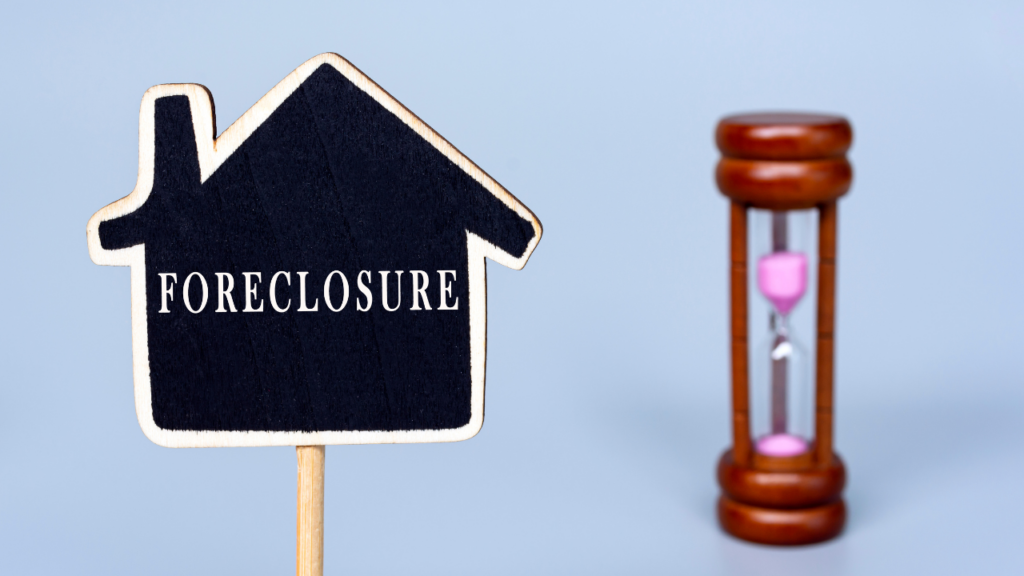
Buying a foreclosure sounds exciting to many homebuyers. The word itself makes people think: “Maybe I can get a deal.” “Maybe I can buy below market value.” “Maybe this is how I finally afford a home in Minnesota.” And sometimes, yes, foreclosures can create opportunities. But as a Minnesota real estate agent, I always tell buyers the same thing: A foreclosure is not automatically a bargain. It can be a good deal, but it can also come with risks, delays, repair issues, financing challenges, and surprises that buyers need to understand before making an offer. I’ve worked with buyers who were curious about foreclosures because they wanted affordability, investment potential, or a way to stretch their budget. That makes sense. In a market where homes can feel expensive, anything priced lower than similar homes will catch attention. But the price is only one part of the story. Before buying a foreclosure in Minnesota, you need to understand what you are buying, who owns the property, what condition it may be in, and what protections you may or may not have. Let’s break it down in plain language. What Is a Foreclosure? A foreclosure happens when a homeowner falls behind on mortgage payments and the lender takes legal steps to recover the property. Eventually, the property may be sold to satisfy the unpaid debt. By the time many buyers see a foreclosure listed for sale, the home may already be owned by: These homes are often referred to as bank-owned properties, REO properties, or foreclosed homes. Why Buyers Are Interested in Foreclosures The biggest reason buyers look at foreclosures is price. Foreclosed homes may sometimes be listed below similar homes in the same area because the seller wants to move the property. Buyers may hope to: Those goals are understandable. But a lower asking price does not always mean a lower total cost. That is where many buyers get into trouble. Risk #1: The Home May Need Significant Repairs One of the biggest risks of buying a foreclosure is property condition. Some foreclosed homes have been vacant for months. Others may have been neglected before the owner moved out. Some may have damage from: Minnesota winters can make this even more serious. If a home sits vacant through winter and the heat is turned off or utilities are not managed properly, pipes can freeze and burst. That can lead to major water damage. What looks like a simple repair may become a much larger project. Risk #2: You May Have Limited Seller Disclosures In a traditional sale, the seller usually knows the history of the home. They may know about leaks, repairs, basement issues, roof age, or past problems. With a foreclosure, the seller may be a bank or institution that never lived in the home. That means they may have very limited knowledge about the property’s condition. You may not receive the same level of information you would receive from a traditional homeowner. This makes inspections even more important. Risk #3: The Property May Be Sold “As-Is” Many foreclosures are sold as-is. That means the seller may not agree to make repairs. If the inspection reveals problems, you may have fewer negotiation options. This does not mean you should avoid the property automatically. But it does mean you need to be financially prepared. If the roof, furnace, plumbing, or electrical system needs work, you may be responsible for handling those repairs after closing. Risk #4: Financing Can Be More Difficult Not every foreclosure qualifies for every loan program. Some loan programs require the home to meet certain minimum property standards. If the home has serious issues, such as: your lender may not approve the loan unless repairs are completed. But if the seller refuses to make repairs, the deal may become difficult or impossible with certain financing types. This is why it is important to talk to your lender before making an offer on a foreclosure. Risk #5: The Home May Cost More Than You Think A foreclosure listed at a lower price can feel like a bargain. But buyers need to calculate the real cost. Ask yourself: What repairs are needed? How much will those repairs cost? Can I live in the home during repairs? Will the lender approve financing? Do I have enough emergency savings? For example, a home priced $40,000 below market value may not be a good deal if it needs $70,000 in repairs. The purchase price matters. But the total investment matters more. Risk #6: The Process Can Take Longer Foreclosure purchases may involve more paperwork, slower communication, and institutional decision-making. Unlike a traditional seller who may respond quickly, a bank or agency may need more time to review offers and approve terms. This can create delays. For buyers with strict moving timelines, this may become stressful. If your lease is ending soon, your job relocation is time-sensitive, or you need to move before school starts, a foreclosure may not always be the smoothest option. Risk #7: Competition Can Still Be Strong Some buyers assume foreclosures are easy to buy because they believe fewer people want them. Not always. If a foreclosure is priced attractively, investors and cash buyers may also be interested. That can create competition. In some cases, buyers using traditional financing may compete against buyers offering cash and quicker closing timelines. This does not mean you cannot win. But you should understand the competition before assuming the home will be easy to secure. Risk #8: Title or Occupancy Issues May Exist Most foreclosure transactions are handled carefully, but buyers should still pay attention to title and occupancy details. Sometimes questions may arise around: This is why working with experienced professionals matters. You want a title company, lender, and Realtor who understand the process and can help identify issues early. Minnesota-Specific Concerns Minnesota’s climate creates unique risks for vacant homes. A vacant foreclosure may face problems such as: Frozen Pipes If heat was not maintained properly. Basement Moisture Especially during spring thaw