
What Is an Escalation Clause and Should I Use One When Buying a Home in Minnesota?

You find a home you absolutely love. The location is perfect. The house checks nearly every box on your wish list. The price fits your budget. Then your Realtor tells you something you were hoping not to hear: “There may be multiple offers.” Immediately, your mind starts racing. What should I offer? How much is too much? What if someone else offers slightly more? What if I lose the house by $1,000? This is where many buyers first hear about something called an escalation clause. As a Minnesota real estate agent, I often get questions about escalation clauses, especially when buyers are competing in a strong market. Some buyers love them. Some buyers hate them. Some buyers don’t fully understand how they work. The truth is that an escalation clause can be a useful tool in certain situations, but it is not a magic solution. Like every real estate strategy, it comes with advantages, disadvantages, and risks that buyers should understand before using it. Let’s take a closer look at what an escalation clause is, how it works, and whether it might make sense for your Minnesota home purchase. What Is an Escalation Clause? An escalation clause is a provision that can be included in a purchase offer. The purpose is simple: It allows a buyer to automatically increase their offer if another buyer submits a higher competing offer. Think of it as a way of saying: “I am willing to pay more than another buyer, but only up to a certain limit.” Instead of immediately offering your absolute highest number, the escalation clause creates a structure that allows your offer to increase under specific circumstances. Why Escalation Clauses Exist Imagine you’re interested in a home listed at $400,000. You are willing to pay up to $420,000 if necessary. However, you don’t want to automatically offer $420,000 if the competition isn’t that strong. Without an escalation clause, you generally have two choices: Offer Lower Risk losing to a stronger offer. Offer Your Maximum Potentially pay more than necessary. An escalation clause attempts to create a middle ground. How Escalation Clauses Work While details vary, escalation clauses generally include three key components: Initial Offer Price The amount you’re offering initially. Escalation Amount The amount your offer increases above a competing offer. Maximum Cap The highest amount you’re willing to pay. For example: A buyer may offer: If another buyer offers more, the escalation clause may increase the offer according to the terms outlined in the contract. The exact structure depends on how the offer is written. Why Buyers Like Escalation Clauses There are several reasons buyers find them attractive. They Reduce Guesswork One of the hardest parts of a bidding war is not knowing what other buyers are offering. An escalation clause can help address that uncertainty. They Allow Strategic Flexibility Buyers don’t necessarily have to start at their highest number. They Help Buyers Stay Competitive In multiple-offer situations, escalation clauses may strengthen an offer. They Create a Defined Maximum Buyers establish a limit before emotions take over. This can prevent impulsive decisions during intense negotiations. Why Sellers Sometimes Like Escalation Clauses Many sellers appreciate escalation clauses because they can potentially increase the purchase price. In competitive situations, sellers often seek: An escalation clause may help achieve those goals. However, not every seller likes them. We’ll discuss why shortly. Why Some Sellers Dislike Escalation Clauses This surprises many buyers. Not every seller embraces escalation clauses. Reasons may include: Simplicity Some sellers prefer straightforward offers. Multiple Escalation Clauses Managing several escalation clauses can become complicated. Desire for Highest and Best Offers Some sellers prefer asking buyers for their strongest offer immediately. Privacy Concerns Escalation clauses often require some level of verification regarding competing offers. Not every seller wants to navigate that process. Because of this, an escalation clause is never guaranteed to provide an advantage. Are Escalation Clauses Common in Minnesota? They can be. Their use often increases when: In slower markets, escalation clauses may appear less frequently because buyers face less competition. The usefulness of an escalation clause depends heavily on current market conditions. The Biggest Misconception About Escalation Clauses Many buyers believe: “If I use an escalation clause, I’ll automatically win.” Unfortunately, that’s not true. Remember: Price is only one factor sellers consider. Sellers may also evaluate: An escalation clause may strengthen your offer, but it does not guarantee success. Why Your Maximum Matters Perhaps the most important part of an escalation clause is the maximum cap. This is your ceiling. Your limit. The highest number you’re willing to pay. And here’s the critical rule: Never choose a maximum you aren’t comfortable paying. Because if your offer escalates to that number and is accepted, that’s the amount you’ll be committed to. Your maximum should be based on: Not emotion. The Emotional Danger of Competitive Markets One reason buyers like escalation clauses is that they create structure. Competitive markets can become emotional. You find a house. You imagine living there. You picture your furniture inside. You start mentally moving in. Then competition appears. Suddenly, logic can disappear. Buyers begin thinking: “I have to win.” That mindset creates risk. Escalation clauses can help buyers define limits before emotions take control. Situations Where Escalation Clauses May Make Sense An escalation clause may be worth considering when: Multiple Offers Are Expected Competition increases the usefulness of escalation strategies. You Truly Want the Property Not every home justifies aggressive strategies. Comparable Sales Support Strong Pricing Market data matters. You Have a Clear Maximum Budget Discipline is essential. Your Realtor Recommends It Local market knowledge can be valuable. Every situation should be evaluated individually. Situations Where Escalation Clauses May Not Make Sense They may be less useful when: Competition Appears Minimal No need to complicate the offer unnecessarily. Sellers Request Highest and Best Offers Some sellers prefer final numbers immediately. You Feel Uncertain About Value Confidence matters. The Home Appears Overpriced An escalation clause doesn’t fix poor pricing. Your Budget Is Already Tight Financial stability
Should I Offer Above Asking Price When Buying a Home in Minnesota?

One of the most stressful moments for a homebuyer happens after finding the perfect house. You walk through the front door and immediately know. This is the one. The kitchen is exactly what you wanted. The neighborhood feels right. The layout works for your family. The commute makes sense. You can already picture yourself living there. Then your Realtor says: “This home may receive multiple offers.” Suddenly, a new question appears: “Should I offer above asking price?” As a Minnesota real estate agent, this is one of the most common questions I hear from buyers, especially first-time buyers. Many people assume offering above asking price automatically means overpaying. Others believe offering above asking price is the only way to win. Neither assumption is always correct. The truth is much more nuanced. Sometimes offering above asking price makes sense. Sometimes it doesn’t. The key is understanding why homes receive offers above asking price, how sellers evaluate offers, and how to determine what is appropriate for your specific situation. Let’s break it down. What Does “Asking Price” Actually Mean? One of the biggest misconceptions in real estate is that the asking price represents the home’s exact value. It doesn’t. The asking price is simply the number the seller chooses to list the property for. That number may be: A listing price is not the same thing as an appraisal. It’s not the same thing as a market value analysis. It’s simply a starting point. That’s why buyers should never automatically assume that offering above asking price means overpaying. Why Some Homes Receive Offers Above Asking Price Several factors can create situations where buyers offer more than the list price. Limited Inventory When there are fewer homes available, buyers compete more aggressively. Strong Demand Desirable neighborhoods often attract multiple interested buyers. Attractive Pricing Strategy Some sellers intentionally list slightly below market value to generate attention. Move-In Ready Condition Updated homes frequently attract stronger demand. Popular Price Ranges Entry-level and mid-range homes often attract the largest number of buyers. When these factors combine, multiple offers become more likely. The Asking Price Is Not Always the Market Value Let’s imagine two homes. Home A Listed at $400,000. Market value is approximately $400,000. Home B Listed at $400,000. Market value is approximately $420,000. If Home B receives offers above asking price, buyers may not actually be overpaying. They may simply be offering closer to true market value. This is why experienced Realtors analyze comparable sales rather than focusing exclusively on the list price. What Really Determines Value? Market value is influenced by what buyers are willing to pay under current market conditions. Factors include: The list price is only one piece of the puzzle. Why Buyers Become Emotional When buyers hear there are multiple offers, emotions often take over. Thoughts like these become common: This is completely understandable. Buying a home is emotional. You begin imagining your future there. You picture family gatherings. You picture decorating. You picture holidays. The danger is allowing emotions to replace strategy. The goal isn’t simply to win. The goal is to buy the right home at a price that supports your long-term financial goals. When Offering Above Asking Price May Make Sense There are situations where offering above asking price can be reasonable. Strong Comparable Sales Support It If recent sales suggest the home is worth more than the list price, offering above asking may be justified. Multiple Offers Exist Competition often influences pricing. The Home Is Unique Some properties are difficult to compare because of exceptional features or location. Long-Term Ownership Is Planned Buyers planning to stay for many years often focus more on long-term value than short-term fluctuations. The Home Fits Your Needs Extremely Well Sometimes a home checks nearly every box on a buyer’s wish list. These situations may justify stronger offers. When Offering Above Asking Price May Not Make Sense There are also situations where caution is appropriate. The Home Has Been Sitting on the Market Extended market time may indicate weaker demand. Comparable Sales Don’t Support the Price Market data matters. The Home Needs Significant Work Repairs and updates affect value. The Offer Would Stretch Your Budget Financial stability matters more than winning. You Feel Pressured Rather Than Confident Emotional decisions often create regret. Every situation should be evaluated independently. Why Winning Isn’t Always Winning This may sound strange, but it’s true. Sometimes buyers “win” a bidding war and later regret it. Why? Because they: Remember: The seller only sees the offer. You have to live with the payment. The best offer is not necessarily the highest offer. It’s the strongest offer that still aligns with your financial goals. What Sellers Look At Besides Price Many buyers are surprised to learn that sellers evaluate more than the purchase price. Sellers may consider: Financing Strength Can the buyer actually close? Down Payment Amount Larger down payments may create confidence. Closing Timeline Does the timing work? Contingencies Fewer complications may be attractive. Overall Certainty Sellers often value predictability. This is why a lower-priced offer can sometimes beat a higher-priced one. Why Market Conditions Matter The decision to offer above asking price often depends on current market conditions. Seller’s Market When inventory is limited, stronger offers become more common. Buyer’s Market Buyers may have greater negotiating power. Balanced Market Conditions may fall somewhere in between. Understanding the market helps determine whether aggressive pricing strategies make sense. How Buyers Can Decide What to Offer Instead of asking: “Should I offer above asking price?” Ask: “What is this home worth to me based on market data and my financial goals?” That shift in thinking creates better decisions. Consider: Comparable Sales Your Budget Market Competition Long-Term Plans Comfort Level These factors matter more than the asking price alone. Why Your Realtor Matters A knowledgeable Realtor helps you evaluate: This information creates confidence. Rather than guessing, buyers can make informed decisions based on facts. Common Buyer Mistakes Assuming Asking Price Equals Market Value Not always. Automatically Offering Above Asking Every home
How Can I Win in a Competitive Minnesota Housing Market?

You finally find the perfect home. The location is right. The layout works for your family. The price fits your budget. You can already picture where the couch will go and where you’ll celebrate your first holiday in the house. Then your Realtor delivers the news: “There are multiple offers.” Suddenly, excitement turns into anxiety. Questions start racing through your mind. Should I offer more? Should I waive contingencies? Should I write a personal letter? Do I even have a chance? As a Minnesota real estate agent, I work with buyers facing these questions every year. And here’s the good news: Winning in a competitive housing market isn’t always about being the richest buyer. It’s often about being the most prepared buyer. Many buyers assume the person with the most money automatically gets the house. That certainly happens sometimes. But in many cases, sellers choose the offer that gives them the most confidence, the least risk, and the smoothest path to closing. Understanding how to position yourself properly can dramatically improve your chances of success. Let’s talk about how buyers can compete effectively in Minnesota’s housing market without making emotional decisions they’ll regret later. First, Understand What “Winning” Really Means Before we discuss strategies, let’s redefine what winning actually means. Many buyers think winning means: “Getting this specific house no matter what.” That mindset can be dangerous. A better definition is: “Purchasing the right home while protecting my financial future.” Sometimes the smartest move is pursuing a home aggressively. Sometimes the smartest move is walking away. Winning isn’t simply getting an accepted offer. Winning means making a good long-term decision. Why Competitive Markets Exist Competition happens when there are more buyers than available homes. This often occurs when: In Minnesota, competition tends to be strongest for homes that are: Understanding why competition exists helps buyers approach the process more strategically. Get Fully Pre-Approved Before Looking at Homes This may be the single most important step. Many buyers confuse pre-qualification with pre-approval. They’re not the same. A strong pre-approval demonstrates that a lender has already reviewed significant portions of your financial profile. Sellers often feel more comfortable accepting offers from buyers who appear financially prepared. In competitive situations, strong financing can make a major difference. If two buyers offer similar prices, the seller may favor the buyer who appears more likely to close successfully. Know Your Maximum Budget Before the Competition Starts One of the biggest mistakes buyers make is trying to determine their limit during a bidding war. That’s the worst possible time. Emotions are high. Pressure is intense. Competition feels personal. Instead, decide your limits before you write an offer. Ask yourself: What monthly payment am I comfortable with? What purchase price feels safe? How much cash do I want left after closing? What number would cause buyer’s remorse? Knowing these answers in advance helps prevent emotional decisions. Move Quickly—but Don’t Rush Competitive markets require urgency. But urgency is not the same as recklessness. Successful buyers often: The goal is to act quickly while still making smart decisions. The buyers who wait too long often lose opportunities. The buyers who rush blindly sometimes create new problems. Balance matters. Understand What the Seller Wants Many buyers focus entirely on what they want. Smart buyers also consider what the seller wants. Remember: The seller isn’t simply selling a house. They’re evaluating risk. They want confidence that the transaction will close. Questions sellers often consider include: The more certainty you provide, the stronger your offer may appear. Work With an Experienced Local Realtor This is one area where experience matters significantly. A knowledgeable Minnesota Realtor can help you: Every neighborhood behaves differently. Local knowledge can provide a significant advantage. Don’t Assume Price Is Everything This surprises many buyers. Yes, price matters. But sellers often evaluate the entire package. For example: Offer A: Offer B: Many sellers choose Offer B. Why? Because certainty has value. Sellers frequently prefer offers that appear reliable and low-risk. Be Flexible When Appropriate Flexibility can sometimes strengthen an offer. Examples include: Closing Date Flexibility Some sellers need more time. Others need less. Possession Timing Seller needs may vary. Repair Expectations Every situation is different. Being flexible where possible can create advantages. Of course, flexibility should never compromise your legitimate needs. Stay Emotionally Grounded This may be the hardest part of competing. You find a home. You fall in love with it. Then you discover five other buyers love it too. Suddenly it feels like you must win. That mindset can become dangerous. Remember: There will always be another home. The right decision is more important than the emotional decision. Successful buyers stay focused on: They don’t allow competition to push them into financial mistakes. Learn to Lose Gracefully This may sound strange in an article about winning. But it’s important. Even strong buyers lose bidding wars. Sometimes: That doesn’t mean you failed. Many buyers eventually purchase a home they like even more than the one they initially lost. Losing one opportunity does not mean losing your dream of homeownership. Avoid These Common Mistakes Offering More Than You Can Comfortably Afford This creates future stress. Ignoring Long-Term Financial Goals The mortgage lasts longer than the bidding war. Shopping Above Your Budget This increases frustration. Making Decisions Based on Fear Fear rarely produces good outcomes. Assuming Every Home Requires Extreme Competition Not every property receives multiple offers. Why Preparation Beats Luck Many buyers think winning comes down to luck. Sometimes luck helps. But preparation usually matters more. Prepared buyers: Preparation creates opportunities. Luck simply helps occasionally. What Competitive Buyers Do Differently The strongest buyers often share similar characteristics. They: Get Pre-Approved Early Understand Their Numbers Act Quickly Stay Flexible Remain Patient Keep Emotions Under Control These habits create consistency and confidence. Why Long-Term Thinking Matters A bidding war lasts days. A mortgage lasts years. That’s why buyers should always prioritize long-term financial health over short-term emotions. The goal isn’t simply getting the house. The goal is enjoying the house
How Do Bidding Wars Work in Minnesota?

You find the perfect house. The location is exactly what you wanted. The kitchen is updated. The yard is great for the kids. The price fits your budget. You get excited and tell your Realtor: “Let’s write an offer.” Then you hear something that makes your stomach drop: “There are multiple offers.” Suddenly, what felt like a straightforward home purchase turns into a competition. As a Minnesota real estate agent, I’ve guided buyers through many bidding wars over the years. Some buyers hear the words “multiple offers” and immediately assume they have no chance. Others panic and offer far more than they should. Neither reaction is ideal. The reality is that bidding wars are a normal part of many real estate markets, especially when inventory is limited and demand is strong. Understanding how bidding wars work can help you make smarter decisions, avoid emotional mistakes, and increase your chances of securing the right home without creating unnecessary financial stress. Let’s break down exactly how bidding wars work in Minnesota and what buyers should know before they find themselves in one. What Is a Bidding War? A bidding war occurs when multiple buyers submit offers on the same property. The seller then evaluates those offers and decides which one to accept. Many first-time buyers assume the highest price automatically wins. Sometimes it does. But often, the winning offer involves much more than price. Sellers evaluate several factors, including: This means a buyer offering less money can sometimes beat a buyer offering more. Why Do Bidding Wars Happen? The answer is simple: Demand exceeds supply. When several buyers want the same home and there aren’t enough similar properties available, competition increases. This often happens when: In Minnesota, bidding wars are most common when desirable homes hit the market and attract strong buyer interest immediately. How Sellers Handle Multiple Offers Every seller approaches multiple offers differently. However, there are several common scenarios. First Offer Accepted Immediately Occasionally, a seller accepts one offer quickly and cancels further negotiations. This is less common in competitive situations but does happen. Seller Reviews All Offers at a Deadline Many sellers establish a deadline. For example: “All offers must be submitted by Sunday at 6:00 PM.” This allows the seller to review all offers together. Seller Requests Highest and Best Offers Sometimes sellers respond by asking buyers to submit their strongest offer. This is known as a “highest and best” request. The seller essentially says: “We have multiple offers. Submit your best terms.” At that point, buyers must decide how much they truly want the home. Why Price Isn’t Everything One of the biggest misconceptions about bidding wars is that price determines everything. Let’s look at an example. Offer A: Offer B: Many sellers may prefer Offer B. Why? Because certainty matters. A slightly lower offer that appears more likely to close can be more attractive than a higher offer with additional risks. What Sellers Really Want Most sellers have two primary goals: Maximize Net Proceeds They want the strongest financial outcome possible. Minimize Risk They want confidence the transaction will actually close. A contract that falls apart creates stress, delays, and uncertainty. That’s why sellers often evaluate both price and strength. How Buyers Accidentally Hurt Their Chances Many buyers make mistakes during bidding wars because emotions take over. Waiting Too Long A buyer spends too much time deciding and misses the opportunity. Offering Without Understanding the Market The buyer doesn’t understand local competition. Exceeding Their Comfort Zone They become so focused on winning that they ignore their budget. Assuming Price Solves Everything Other factors matter too. Letting Fear Drive Decisions Fear often creates poor choices. The goal should never be winning at any cost. The goal is purchasing the right home while protecting your financial future. How Realtors Help During Bidding Wars A knowledgeable Realtor provides valuable guidance. Your Realtor may help you: This is one reason representation matters so much in competitive markets. Why Some Homes Get Multiple Offers and Others Don’t Not every home attracts a bidding war. Several factors influence competition. Pricing Properly priced homes generate more interest. Condition Move-in-ready homes often attract more buyers. Location Desirable neighborhoods increase demand. Marketing Well-marketed homes receive more exposure. Inventory Levels Fewer available homes create more competition. This explains why two similar homes may receive very different responses from buyers. What Is a Highest and Best Situation? This phrase often creates anxiety. A seller may say: “Please submit your highest and best offer.” This does not necessarily mean offering every dollar available. Instead, it means submitting the strongest offer you are comfortable making. The key phrase is: “Comfortable making.” You should never assume you’ll automatically regret losing. And you should never stretch beyond what makes financial sense simply to win. The Emotional Side of Bidding Wars Let’s be honest. Bidding wars can feel emotional. You may: Then you discover several other buyers feel exactly the same way. That can be frustrating. It’s important to remember that losing one home does not mean losing your opportunity to become a homeowner. Many buyers eventually purchase a home they love even more than the one they initially lost. Why Preparation Matters The strongest buyers are often the most prepared buyers. Preparation may include: Mortgage Pre-Approval Know your financing before shopping. Understanding Your Budget Know your limits. Acting Quickly Competitive homes move fast. Working With an Experienced Realtor Local expertise matters. Having Realistic Expectations Not every offer will win. Preparation reduces stress and improves decision-making. Should You Always Participate in a Bidding War? Not necessarily. Every situation is different. Sometimes the home is worth pursuing. Other times the competition pushes the price beyond what makes sense. A successful buyer isn’t the person who wins every bidding war. A successful buyer is the person who makes smart decisions. Sometimes walking away is the smartest decision available. Why Minnesota Buyers Should Stay Focused on Long-Term Goals It’s easy to become obsessed with winning. But remember: The objective is not to win a
What Is a Seller’s Market vs. a Buyer’s Market in Minnesota?

If you’ve spent any time researching real estate, you’ve probably heard terms like: “It’s a seller’s market.” Or: “The market is shifting toward buyers.” For many homebuyers, these phrases sound important, but they aren’t always explained clearly. As a Minnesota real estate agent, I’ve found that many buyers hear these terms on the news, from friends, or on social media without fully understanding what they mean or how they affect their ability to buy a home. The truth is that whether you’re shopping in Minneapolis, St. Paul, Woodbury, Maple Grove, Lakeville, Rochester, or another Minnesota community, understanding the type of market you’re entering can have a major impact on your homebuying strategy. A buyer’s market and a seller’s market create very different experiences for buyers. They affect: Knowing which type of market you’re facing can help you make smarter decisions, avoid frustration, and create realistic expectations before you start touring homes. Let’s break it all down. What Is a Real Estate Market? Before discussing buyer’s and seller’s markets, let’s start with the basics. A housing market is simply the relationship between: The balance between supply and demand determines which side has more negotiating power. When supply and demand are balanced, neither side has a major advantage. When one side significantly outweighs the other, the market shifts. That’s where the terms buyer’s market and seller’s market come from. What Is a Seller’s Market? A seller’s market occurs when there are more buyers than available homes. In other words: Demand exceeds supply. When this happens, sellers often gain the advantage. Why? Because buyers are competing for a limited number of homes. Imagine there are 20 buyers looking for homes in a neighborhood but only 5 homes available. Those buyers are likely to compete with each other. As a result, sellers may have more leverage during negotiations. Common Signs of a Seller’s Market Several indicators often suggest a seller’s market. Homes Sell Quickly Properties may receive strong interest within days of being listed. Multiple Offers Become Common Several buyers may submit offers on the same home. Prices Remain Strong Competitive demand often helps support pricing. Sellers Receive Favorable Terms Buyers may compete by offering stronger contract terms. Inventory Is Limited There are fewer homes available for sale. These conditions often create a faster-paced environment for buyers. What Buying Feels Like in a Seller’s Market Many Minnesota buyers experienced this type of market in recent years. In a seller’s market, buyers often need to: The process can feel competitive because desirable homes may attract significant attention. That doesn’t mean buyers should panic. It simply means preparation becomes even more important. What Is a Buyer’s Market? A buyer’s market is the opposite. A buyer’s market occurs when there are more homes available than buyers actively looking to purchase. In this situation: Supply exceeds demand. When buyers have more options, sellers face greater competition. As a result, buyers often gain more negotiating power. Common Signs of a Buyer’s Market Several indicators may suggest a buyer’s market. Homes Stay on the Market Longer Properties may take weeks or months to sell. Inventory Increases Buyers have more choices. Price Reductions Become More Common Some sellers adjust pricing to attract attention. Seller Concessions Increase Sellers may offer credits or incentives. Buyers Have More Time The pace often feels less intense. For many buyers, this environment feels more comfortable. What Buying Feels Like in a Buyer’s Market In a buyer’s market, buyers often have opportunities to: That doesn’t mean every property becomes a bargain. Well-priced, desirable homes can still attract attention. However, buyers often feel less pressure overall. What Is a Balanced Market? Not every market is clearly a buyer’s market or seller’s market. Sometimes conditions are relatively balanced. In a balanced market: Many real estate professionals consider balanced markets healthy because both buyers and sellers have opportunities. Why Markets Change Housing markets aren’t static. They constantly evolve. Several factors influence whether a market favors buyers or sellers. Inventory Levels More homes generally benefit buyers. Fewer homes generally benefit sellers. Interest Rates Mortgage rates influence affordability and demand. Economic Conditions Employment and consumer confidence matter. Population Growth Areas attracting new residents often experience increased demand. Seasonal Trends Market activity changes throughout the year. These factors interact continuously. That’s why markets shift over time. Minnesota Markets Can Vary by Location One important thing buyers should understand is that Minnesota does not operate as a single housing market. For example: Even neighborhoods within the same city can have very different conditions. A seller’s market in one area may feel balanced in another. This is why local expertise matters. Why Buyers Should Care Some buyers assume these labels are only useful for real estate professionals. They’re not. Understanding market conditions helps buyers: Set Realistic Expectations You know what you’re walking into. Create Better Offer Strategies Different markets require different approaches. Avoid Frustration Preparation reduces surprises. Understand Pricing Market conditions influence pricing behavior. Improve Negotiation Outcomes Knowledge creates leverage. How Buyers Can Succeed in Any Market The good news is that buyers successfully purchase homes in every type of market. The strategy simply changes. In a Seller’s Market Focus on preparation. Strong financing and quick decision-making become important. In a Buyer’s Market Focus on opportunities. Negotiation options may expand. In a Balanced Market Focus on finding the right home and creating a reasonable offer strategy. Every market presents opportunities. Common Misconceptions Seller’s Markets Mean Buyers Can’t Win Not true. Buyers successfully purchase homes in seller’s markets every day. Buyer’s Markets Mean Every Home Is Cheap Not necessarily. Desirable homes often maintain strong value. Markets Change Overnight Most shifts happen gradually. Every Neighborhood Is the Same Local conditions matter enormously. Market Labels Guarantee Outcomes They provide context, not certainty. Questions Buyers Should Ask Before starting your search, ask: Is my target area a buyer’s market or seller’s market? How long are homes staying on the market? Are multiple offers common? Are sellers offering concessions? How much inventory exists? These answers help shape your strategy.
How Competitive Is the Minnesota Housing Market Right Now?

One of the first questions many buyers ask before they start house hunting is: “How competitive is the market right now?” It’s a smart question. After all, nobody wants to fall in love with a home only to discover they’re competing against ten other buyers. Nobody wants to write offer after offer and keep losing. And nobody wants to overpay simply because they misunderstood what was happening in the market. As a Minnesota real estate agent, I can tell you that understanding market competitiveness is one of the most important parts of creating a successful homebuying strategy. The challenge is that many buyers assume the entire Minnesota housing market behaves the same way. It doesn’t. The level of competition can vary dramatically depending on: In one neighborhood, a home may receive multiple offers within a few days. In another neighborhood, a similar home may sit on the market for weeks. That’s why buyers need to understand what’s happening locally rather than relying solely on national headlines. Let’s take a closer look at how competitive the Minnesota housing market is and what buyers should know before they start shopping. What Makes a Housing Market Competitive? A competitive housing market occurs when there are more buyers than available homes. When demand exceeds supply, buyers compete for the same properties. This often results in: The opposite occurs when there are more homes available than buyers. In those situations, buyers often gain more leverage. The balance between supply and demand drives market competitiveness. Minnesota Remains a Popular Place to Live Minnesota continues to attract buyers for many reasons. People move here for: The Twin Cities region, in particular, remains one of the most desirable areas in the Upper Midwest. Communities surrounding Minneapolis and St. Paul continue to attract: This steady demand helps keep many parts of the housing market active. Inventory Plays a Major Role If there is one factor that influences competition more than almost anything else, it’s inventory. Inventory refers to the number of homes available for sale. When inventory is low: When inventory increases: Inventory levels often determine how competitive a market feels from a buyer’s perspective. Not Every Price Range Is Equally Competitive One mistake buyers make is assuming every home receives multiple offers. That’s not always true. Different price points often behave differently. For example: Entry-Level Homes Starter homes often attract significant interest because they appeal to a large pool of buyers. These properties frequently include: As a result, competition can be intense. Mid-Range Homes Move-up homes may still attract strong interest, but the buyer pool is often smaller. Competition varies depending on location and condition. Luxury Homes Higher-priced homes generally have fewer qualified buyers. Competition may be less intense, although desirable luxury properties can still generate strong interest. Location Matters More Than Statewide Trends Minnesota is not one housing market. It’s many local housing markets. For example: Even neighborhoods within the same city can perform differently. That’s why buyers should focus on local conditions rather than broad statewide averages. What Buyers Are Seeing Today In many Minnesota communities, well-priced homes continue to attract strong attention. Especially if the property: These homes often generate significant interest shortly after being listed. Meanwhile, homes that are: May remain available longer. The market is competitive, but buyers are also becoming more selective. What Does “Multiple Offers” Really Mean? Many buyers hear the phrase “multiple offers” and immediately panic. But multiple offers can mean different things. Sometimes it means: Other times it means: The number itself matters less than the quality of the competing offers. A home with three strong offers may be more competitive than a home with ten weak offers. This is why strategy matters. Why Buyers Feel More Competition Than Sellers Psychologically, buyers experience competition more directly. A seller lists a home and waits. A buyer may: This emotional experience can make the market feel even more competitive than it actually is. Having realistic expectations helps reduce frustration. Seasonal Competition in Minnesota Competition often changes throughout the year. Spring Market Spring is traditionally one of the busiest times of year. More buyers enter the market. More homes become available. Competition often increases. Summer Market Activity remains strong. Families often prefer moving before the school year begins. Fall Market Competition may moderate slightly. Some buyers have already completed their purchases. Winter Market Winter often brings fewer buyers and fewer listings. Motivated buyers sometimes find opportunities during this season. Every year is different, but seasonality can influence competition. Why Interest Rates Affect Competition Mortgage rates influence affordability. When rates decline: When rates rise: However, rates are only one factor. Inventory and buyer demand matter too. Signs a Market Is Competitive You may be in a competitive market if you notice: Homes Selling Quickly Properties move off the market within days. Multiple Offer Situations Several buyers pursue the same home. Limited Inventory Few homes match your criteria. Escalating Prices Homes frequently sell above asking price. Reduced Seller Concessions Sellers become less willing to provide credits or assistance. These are common indicators of strong buyer demand. Signs Competition May Be Easing You may have more negotiating power when: Homes Stay on the Market Longer Inventory Increases Price Reductions Become More Common Sellers Offer Incentives Buyers Have More Choices These conditions often create opportunities for buyers. How Buyers Can Succeed in Competitive Markets The good news is that buyers can still succeed even when competition is strong. Preparation is everything. Get Pre-Approved Early Strong financing improves credibility. Know Your Budget Confidence helps you act quickly. Work With an Experienced Realtor Local knowledge matters. Understand Market Conditions Every neighborhood is different. Stay Flexible Sometimes small adjustments create opportunities. Common Mistakes Buyers Make Waiting Too Long to Make Decisions Desirable homes often move quickly. Looking at Homes Above Budget This creates unnecessary frustration. Assuming Every Home Will Have Multiple Offers Market conditions vary. Ignoring Local Data Neighborhood trends matter. Letting Fear Drive Decisions Competition should encourage preparation, not panic. Questions Buyers Should Ask Before beginning your
Should I Wait for Home Prices to Drop Before Buying a Home in Minnesota?

If you’ve been thinking about buying a home in Minnesota, there’s a good chance you’ve had this thought: “Maybe I should wait.” Specifically: “Maybe I should wait for prices to come down.” It’s a completely reasonable question. After all, nobody wants to pay more than they have to. Nobody wants to buy a home today only to discover it costs less next year. And with constant headlines about housing markets, interest rates, inflation, and economic uncertainty, it’s easy to understand why buyers become hesitant. As a Minnesota real estate agent, I’ve had this conversation hundreds of times. In fact, some buyers have been asking the same question for years. The challenge is that waiting for prices to drop sounds simple in theory, but in reality, it’s much more complicated. Because while prices may go down, other things may go up. And while buyers are waiting for the perfect opportunity, the market continues moving. Let’s take an honest look at what happens when buyers wait for prices to drop and whether it makes sense in today’s Minnesota housing market. Why Buyers Want Prices to Drop The answer is simple. Everyone wants a better deal. Buyers want: Those goals make sense. If home prices were guaranteed to fall next year, waiting might seem like the obvious choice. The problem is that nobody knows exactly what prices will do next year. Not economists. Not real estate agents. Not lenders. Not the media. Housing markets are influenced by dozens of factors, and predicting future prices with certainty is impossible. The Biggest Mistake Buyers Make Many buyers assume there are only two possibilities: Option 1 Buy today at today’s prices. Option 2 Wait and buy later at lower prices. But that’s rarely how real estate works. The actual possibilities look more like this: Prices Could Go Down Prices Could Stay Similar Prices Could Continue Rising The challenge is that buyers don’t know which scenario will occur. Waiting is not a guaranteed path to lower prices. It’s simply a decision to postpone purchasing. Minnesota Real Estate Is Local One mistake buyers make is treating the housing market as one giant national market. Minnesota isn’t identical to California. California isn’t identical to Texas. Texas isn’t identical to Florida. Even within Minnesota, every market behaves differently. For example: Real estate is local. That’s why buyers should focus on their specific area rather than relying entirely on national headlines. What Happens If Prices Drop? Let’s imagine prices fall. That sounds great, right? Maybe. But let’s look deeper. If prices decline significantly, other things may be happening too. For example: The market doesn’t exist in isolation. Major price declines often occur alongside broader economic changes. That’s why waiting for a dramatic drop isn’t always as beneficial as buyers imagine. What Happens If Prices Stay the Same? This scenario gets less attention. Many buyers wait for a drop that never arrives. Instead, prices remain relatively stable. The buyer spends: Then eventually buys at nearly the same price they could have paid earlier. Meanwhile, they missed years of homeownership. This outcome is more common than many buyers realize. What Happens If Prices Continue Rising? This is the scenario buyers rarely want to consider. Let’s say a buyer waits. Then: Now the same home costs more than it did before. At the same time, mortgage rates may not have improved enough to offset the higher purchase price. Suddenly waiting becomes expensive. Why Supply Matters One reason Minnesota home prices have remained relatively resilient is supply. Simply put: Many areas still don’t have enough homes available to meet demand. When inventory remains limited: This doesn’t guarantee prices will always rise. But it does help explain why dramatic price declines don’t automatically occur. The Cost of Waiting Isn’t Always Visible Many buyers focus exclusively on potential price changes. But waiting has costs too. Examples include: Continued Rent Payments Rent doesn’t build ownership. Missed Equity Growth Homeowners build equity over time. Potentially Higher Future Prices Nobody knows future pricing. Reduced Purchasing Power Changes in rates may affect affordability. These costs aren’t always obvious, but they matter. Mortgage Rates Matter Too Many buyers focus entirely on home prices. But monthly payments are influenced by two major factors: Here’s where things get interesting. A lower-priced home with a higher interest rate may produce a similar monthly payment to a higher-priced home with a lower rate. This is why focusing exclusively on purchase price can be misleading. The overall financial picture matters more. Why Timing the Market Is So Difficult Imagine trying to predict: All at the same time. That’s essentially what buyers are attempting when they try to perfectly time the market. The reality is that nobody consistently predicts all of those variables correctly. The buyers who succeed most often focus on readiness rather than prediction. What Successful Buyers Usually Do Successful buyers typically focus on factors they can control. Examples include: Improving Credit Building Savings Reducing Debt Strengthening Employment Stability Understanding Their Budget These actions create opportunities regardless of short-term market fluctuations. When Waiting Makes Sense To be clear, waiting is not always a bad decision. Sometimes it’s absolutely the right choice. Examples include: You Need More Savings You Need Better Credit Your Employment Situation Is Changing You Expect to Relocate Soon Homeownership Would Stretch Your Finances Too Thin These are valid reasons to wait. Notice that all of them are personal reasons—not attempts to predict future prices. Why Personal Readiness Often Matters More The most important question is not: “What will home prices do?” The more important question is: “Am I financially prepared to buy and comfortably own a home?” If the answer is yes, waiting for perfect market conditions may not be necessary. If the answer is no, waiting may be wise regardless of market conditions. Homeownership Is Usually a Long-Term Decision One thing buyers sometimes forget is that most homeowners stay in their homes for years. Some remain: Over longer time horizons, small short-term price fluctuations often become less significant. This is one
Is Now a Good Time to Buy a Home in Minnesota?

If you’ve been thinking about buying a home in Minnesota, chances are you’ve asked yourself this question: “Should I buy now or wait?” It’s probably the most common question I hear from buyers. Not just first-time buyers. Not just move-up buyers. Everyone. People ask it when rates go up. People ask it when rates go down. People ask it when home prices rise. People ask it when home prices stabilize. The truth is that most buyers are trying to answer the same thing: “Am I making a smart financial decision?” As a Minnesota real estate agent, I completely understand the concern. Buying a home is one of the largest financial decisions most people will ever make. Nobody wants to buy at the wrong time. Nobody wants to overpay. Nobody wants to look back a year later and think, “I should have waited.” The challenge is that the housing market doesn’t come with a crystal ball. No one knows exactly what prices, interest rates, or inventory will do next month or next year. What we can do is evaluate today’s market, understand your personal situation, and determine whether now makes sense for you. Because the best time to buy a home is often more personal than it is market-driven. The Question Most Buyers Are Actually Asking When buyers ask whether now is a good time to buy, they’re usually asking one of three questions: Those are understandable concerns. But they’re not always the best questions. A better question might be: “Am I financially ready to buy a home and stay in it long enough for ownership to make sense?” Because timing the market perfectly is almost impossible. Building long-term wealth through homeownership is much more realistic. Minnesota Housing Has Historically Been Driven by Demand Minnesota continues to attract buyers for several reasons. People move here for: Communities throughout Minneapolis, St. Paul, and the surrounding suburbs continue to attract both local and relocation buyers. That ongoing demand helps support housing values over time. While every market experiences ups and downs, Minnesota has historically remained a desirable place to live. Interest Rates Get All the Headlines Many buyers become completely focused on mortgage rates. And yes, rates matter. They affect: But many buyers make the mistake of allowing rates alone to determine their decision. Let’s imagine a buyer waits for rates to drop. What happens if rates drop but: Suddenly the lower rate may not create the savings the buyer expected. The housing market rarely moves in only one direction. Multiple factors are always changing at the same time. Home Prices and Mortgage Rates Don’t Always Move Together One of the biggest misconceptions in real estate is that lower rates automatically mean lower housing costs. In reality, lower rates often bring more buyers into the market. More buyers can create: This can place upward pressure on prices. That’s why many buyers who wait for rates to improve discover they are now competing against more people for the same homes. Inventory Matters More Than Many Buyers Realize Inventory refers to the number of homes available for sale. When inventory is low: When inventory increases: The amount of available inventory often has a major impact on buyer opportunities. Many Minnesota buyers focus exclusively on rates while ignoring inventory trends. Both matter. The Best Time to Buy Is Often When You’re Ready This may sound simple, but it is often true. The best time to buy is frequently when: If those pieces are in place, market timing becomes less important. Why? Because homeownership is typically a long-term investment. Most homeowners do not buy a house for one year. They buy it for many years. What Happens If You Wait? Waiting is not necessarily bad. Sometimes it makes sense. For example: Those are legitimate reasons to wait. But some buyers wait indefinitely because they are trying to predict the perfect market. That can become a problem. The perfect market rarely arrives. Minnesota Buyers Have Different Goals Not every buyer should make the same decision. Consider these examples: First-Time Buyers Many first-time buyers prioritize affordability and stability. Growing Families Families often need more space regardless of market conditions. Relocation Buyers Job opportunities may influence timing more than market predictions. Downsizing Buyers Lifestyle goals often drive their decisions. Investors Investment strategies may focus more heavily on market timing. Every buyer has different priorities. Renting Has a Cost Too One factor buyers sometimes overlook is the cost of waiting. Let’s say a buyer postpones purchasing for two years. During those two years they continue paying rent. Meanwhile: Waiting is not free. Even when waiting makes sense, it still has a financial impact. This is why buyers should evaluate both the cost of buying and the cost of delaying. The Emotional Side of Buying Real estate isn’t purely financial. Homes are emotional. People want: Those factors matter too. Sometimes buyers become so focused on trying to save a little money that they delay achieving goals that matter deeply to them. The numbers matter. But life matters too. Signs You May Be Ready to Buy You may be ready if: You Have Stable Income Consistency matters. You Have Savings Down payments, closing costs, and emergency funds are important. You Plan to Stay Put Homeownership often makes more sense when you expect to remain in the area for several years. Your Credit Is Healthy Stronger credit may provide more financing options. You’re Tired of Renting Many buyers simply reach a point where ownership better aligns with their goals. Signs You May Want to Wait Waiting may make sense if: You Have Little or No Savings Financial breathing room matters. Your Employment Situation Is Uncertain Stability helps. You Expect to Move Soon Buying and selling too quickly can be expensive. You Need Time to Improve Credit Better credit can improve financing options. Homeownership Would Create Significant Financial Stress Buying should improve your life, not overwhelm it. Common Buyer Mistakes Trying to Predict the Exact Bottom of the Market Almost nobody succeeds consistently. Waiting
How Much Emergency Savings Should Immigrant Homebuyers Keep After Closing?
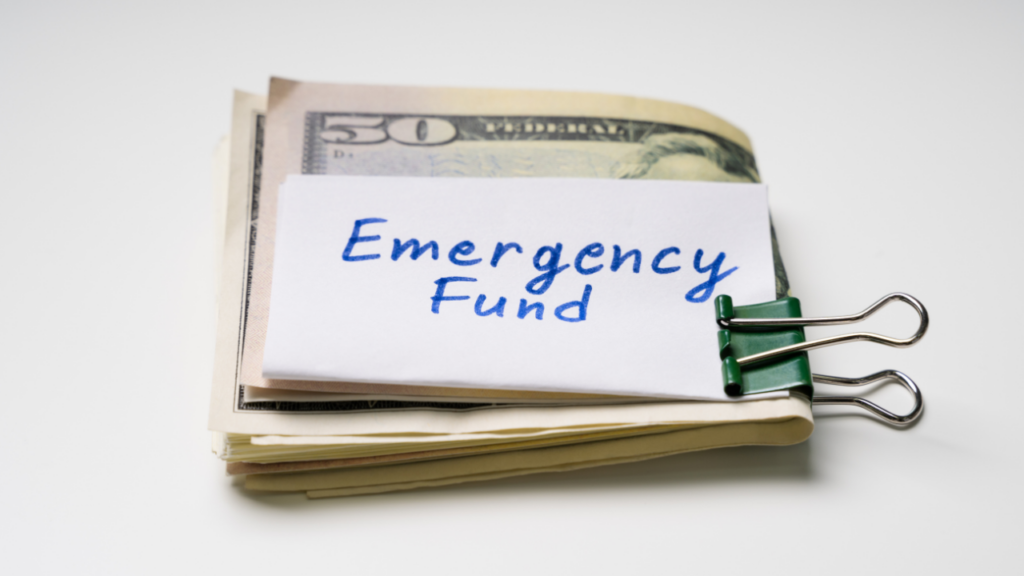
Closing day is exciting. For many immigrant families, it is more than just signing papers and getting keys. It is the result of years of sacrifice, discipline, prayer, planning, and hard work. You saved money. You built your credit. You gathered documents. You answered lender questions. You survived underwriting. You made it to the closing table. That is a big deal. But one of the most important conversations I have with immigrant homebuyers happens before closing day. I always want buyers to think about this question: “How much money should I still have left after closing?” Because buying the home is one thing. Owning it comfortably is another. As a Minnesota real estate agent, I have seen buyers get so focused on reaching closing day that they forget life continues after they get the keys. The mortgage payment starts. Utility bills arrive. Repairs happen. Family needs continue. Winter comes. Appliances break. Cars still need maintenance. Children still have expenses. That is why emergency savings matter. Your goal should not be to spend every dollar just to buy the house. Your goal should be to buy the house and still have enough financial breathing room to enjoy it. Let’s talk about how much emergency savings immigrant homebuyers should keep after closing and why this matters so much. Why Emergency Savings Matter After Buying a Home When you rent, your landlord usually handles major repairs. If the furnace stops working, you call the landlord. If the water heater breaks, you call the landlord. If there is a plumbing issue, you call the landlord. When you own the home, you are the landlord. That means you are responsible for many costs that renters may not be used to handling. Emergency savings help protect you from turning every unexpected problem into a financial crisis. A strong emergency fund can help cover: Homeownership becomes much more peaceful when you have money set aside for the unexpected. The Biggest Mistake Buyers Make One of the biggest mistakes I see is buyers using every dollar they have to purchase the home. They bring all their savings to closing. They pay the down payment. They pay closing costs. They move in with almost nothing left. Then something happens. Maybe the refrigerator stops working. Maybe the furnace needs service. Maybe the first utility bills are higher than expected. Maybe a family emergency comes up. Now the buyer is stressed because there is no cushion. This is not the kind of homeownership experience you want. Buying a home should create stability, not pressure. How Much Emergency Savings Should You Keep? There is no perfect number for every buyer, but a good goal is to keep at least 3 to 6 months of essential expenses saved after closing. Essential expenses may include: For some buyers, that number may feel big. That is okay. Start with a realistic goal. If 3 to 6 months feels too far away, aim first for at least one month of expenses after closing. Then build from there. The important thing is that you do not move into homeownership with zero savings. Why Immigrant Families May Need a Larger Cushion Many immigrant families carry responsibilities that lenders do not always see on paper. You may be supporting relatives back home. You may help family members with school fees, medical bills, rent, or emergencies. You may travel internationally for family obligations. You may be helping newly arrived relatives settle in. These are real responsibilities. Even if they do not show on your credit report, they affect your budget. That is why immigrant buyers should be especially careful about keeping savings after closing. Homeownership should not put you in a position where you can no longer support the life and responsibilities you already have. Emergency Savings Are Different From Closing Costs Some buyers confuse emergency savings with money needed to close. They are not the same. Closing costs are part of the purchase transaction. Emergency savings are what you keep after the transaction. For example, you may need money for: But after all of that, you should still try to keep money available for life after closing. The question is not only: “How much do I need to buy the house?” The better question is: “How much do I need to buy the house and still be financially safe afterward?” What Can Go Wrong After Closing? Not everything that happens after closing is dramatic. Sometimes it is small things that add up. Common expenses include: Appliance Issues A dishwasher may stop working. A dryer may need repair. A refrigerator may need replacement. Even if the appliances worked during the showing, that does not mean they will last forever. Furnace Repairs In Minnesota, the furnace is not something to ignore. If it stops working in January, it becomes urgent. Having money available for heating system repairs is important. Plumbing Problems Leaks, clogged drains, toilet repairs, and water heater issues are common homeowner expenses. Utility Surprises Many first-time homeowners underestimate heating, electricity, water, sewer, and trash costs. This is especially common when moving from an apartment to a larger house. Snow Removal Minnesota winters come with expenses. You may need shovels, ice melt, a snow blower, or snow removal service. Moving and Setup Costs Even after closing, buyers often spend money on: These costs may not be emergencies, but they can drain your cash quickly. Do New Homes Still Need Emergency Savings? Yes. New construction homes may reduce some repair risks, but they do not eliminate the need for savings. New homeowners may still need money for: Also, life emergencies can happen no matter how new the house is. An emergency fund is not only for the home. It is for your household. What If You Cannot Save 3 to 6 Months Right Away? Many buyers hear “3 to 6 months of expenses” and immediately feel discouraged. Please do not let that stop you. The goal is not perfection. The goal is preparation. You can start smaller. A practical approach
What Hidden Costs Should Immigrant Homebuyers Plan for When Buying a Home in Minnesota?

One of the most common things I hear from immigrant homebuyers after they purchase their first home is: “Nobody told me about that expense.” Sometimes it’s a utility bill. Sometimes it’s a furnace repair. Sometimes it’s a lawn mower. Sometimes it’s something as simple as buying curtains for every window in the house. The reality is that buying a home involves more than the purchase price, down payment, and monthly mortgage payment. As a Minnesota real estate agent, I spend a lot of time helping buyers understand the costs they expect. But the costs that create the most stress are usually the ones buyers didn’t anticipate. That doesn’t mean homeownership is a bad investment. Far from it. It simply means that successful homeowners understand the full financial picture before they buy. For immigrant families especially, preparing for hidden costs can make the transition from renting to owning much smoother. The goal isn’t to scare you. The goal is to help you plan confidently so that homeownership remains exciting long after closing day. Let’s talk about the hidden costs many immigrant buyers overlook when purchasing a home in Minnesota. Why Hidden Costs Catch Buyers Off Guard Most buyers spend months preparing for: These expenses are discussed frequently throughout the buying process. The hidden costs are different. Many of them don’t appear until: Because they’re not part of the mortgage approval process, they’re often forgotten. Moving Expenses One of the first hidden costs appears immediately after closing. Moving. Many buyers underestimate the true cost of relocating. Expenses may include: Even local moves can become surprisingly expensive. For immigrant buyers relocating from another state or region, costs may increase significantly. Utility Deposits and Setup Fees Many homeowners are surprised when utility companies require: Common services include: Individually these costs may seem manageable. Combined, they can add up quickly. Window Coverings This sounds small until you move into a house. Many buyers discover they suddenly need: A home with numerous windows can require a significant investment in window treatments. This is one of the most overlooked move-in expenses. Furniture Costs Many immigrant buyers move from apartments into larger homes. Suddenly they realize: While furniture purchases aren’t mandatory immediately, many homeowners choose to furnish their space over time. These costs can accumulate quickly. Lawn Care Equipment Renters rarely think about lawn maintenance. Homeowners do. Common purchases may include: For first-time homeowners, these purchases are often completely new. Snow Removal Equipment Minnesota winters introduce another category of expenses. Snow removal. Many homeowners eventually purchase: Some homeowners hire snow removal services instead. Either way, winter maintenance becomes part of homeownership. Higher Utility Bills One hidden surprise for many buyers is that utilities often increase after moving into a house. Why? Because homes typically have: A utility bill that seemed manageable in an apartment may look very different in a larger home. Home Maintenance Costs This is one of the most important hidden expenses. Every home requires maintenance. Examples include: Maintenance isn’t optional. It’s part of protecting your investment. The homeowners who budget for maintenance tend to experience far less stress. Appliance Replacements Many buyers assume appliances will last forever. Unfortunately, they don’t. Eventually homeowners replace: Even newer homes eventually require replacements. Planning ahead helps prevent financial surprises. Property Tax Adjustments Property taxes are another area that catches some buyers off guard. Many buyers assume the tax amount they see today will remain unchanged forever. That isn’t always the case. Taxes may change because of: Understanding this possibility helps homeowners budget more realistically. Homeowners Insurance Changes Insurance costs can also change over time. Factors that may affect premiums include: Many homeowners experience periodic premium adjustments. HOA Fees If you purchase in a homeowners association community, you may have monthly or annual HOA expenses. Depending on the community, HOA fees may help cover: While these services provide value, buyers should fully understand HOA obligations before purchasing. Home Security Systems Many new homeowners decide to invest in security. Possible expenses include: These costs are optional but increasingly common. Pest Control Minnesota homeowners occasionally encounter: Preventative treatments and occasional pest control services may become part of homeownership expenses. Emergency Repairs Perhaps the biggest hidden cost category is the unexpected. Examples include: No homeowner can predict exactly when these events will occur. That’s why emergency savings are so important. Why Emergency Funds Matter One of the smartest things immigrant buyers can do is maintain savings after closing. Unfortunately, some buyers spend every available dollar reaching the finish line. Then a repair appears. And suddenly the excitement of homeownership becomes stressful. Emergency savings provide flexibility. They help homeowners address issues without relying on high-interest debt. Why Older Homes May Have Different Costs Many immigrant buyers fall in love with charming older homes. Older homes often offer: However, older homes may also require: This doesn’t make them bad purchases. It simply means buyers should budget appropriately. Why New Construction Isn’t Cost-Free Some buyers assume new construction eliminates hidden expenses. Not necessarily. New homes often require: While repair costs may be lower initially, move-in expenses can still be significant. Common Hidden Costs Buyers Forget Here are some of the most frequently overlooked expenses: Mailbox Installation Water Softeners Garage Storage Systems Deck Furniture Landscaping Upgrades Exterior Lighting Home Tools Air Filter Replacements Fire Extinguishers Carbon Monoxide Detectors Individually these items may seem minor. Collectively they can add up. How Buyers Can Prepare The good news is that most hidden costs become manageable with planning. Consider: Maintaining Emergency Savings Avoiding Overspending on the Home Purchase Budgeting for Maintenance Planning Gradual Furniture Purchases Understanding Seasonal Costs Asking Questions Before Closing Preparation reduces surprises. FAQ What is the most common hidden cost of homeownership? Maintenance and repairs are among the most common unexpected expenses. Should I keep money after closing? Absolutely. Emergency reserves are extremely important. Do new homes have hidden costs too? Yes. Landscaping, window coverings, and other improvements are common. How much should I budget for unexpected expenses? Every situation differs, but maintaining a financial cushion