
What Type of Home Holds Its Value Best in Minnesota?

One of the smartest questions a homebuyer can ask isn’t: “How much is this house worth today?” It’s: “How much will this house be worth in the future?” Whether you’re buying your first home, moving up to a larger property, relocating to Minnesota, or thinking long-term about wealth building, understanding what helps a home retain and grow its value is incredibly important. As a Minnesota real estate agent, I’ve met many buyers who focus almost entirely on granite countertops, paint colors, appliances, and other cosmetic details. Those things can certainly make a home more attractive. But they are rarely the primary drivers of long-term value. In reality, some of the homes that perform best over time aren’t necessarily the newest, largest, or most expensive. The homes that tend to hold their value best usually share certain characteristics that continue attracting buyers year after year. The challenge is that many buyers don’t recognize those characteristics until after they’ve purchased a property. If you’re thinking about buying a home in Minnesota and want to maximize your chances of protecting your investment, here are the factors that matter most. The Most Important Truth About Home Values Before we compare different property types, it’s important to understand one thing. No home comes with a guarantee. Real estate markets change. Interest rates change. Economic conditions change. Buyer preferences evolve. There is no crystal ball that can predict exactly how much a property will be worth in ten years. However, certain characteristics consistently support buyer demand. And buyer demand is one of the biggest drivers of long-term value. Location Still Matters More Than Anything Else You have probably heard the phrase: “Location, location, location.” There’s a reason it has survived for decades. A home’s location often matters more than: You can remodel a kitchen. You can replace flooring. You can update bathrooms. But you cannot move the property. Homes located in desirable areas tend to maintain stronger demand. When evaluating value, consider: School districts Employment access Community amenities Transportation options Neighborhood reputation These factors often have more impact than cosmetic upgrades. Single-Family Homes Often Have the Broadest Appeal If we’re discussing property types specifically, single-family homes generally attract the largest pool of buyers. Why? Because they appeal to many different groups. Examples include: This broad appeal often helps support demand. When more people are interested in a property type, resale opportunities may increase. That’s one reason single-family homes have historically remained popular throughout Minnesota. Townhomes Can Also Hold Value Well Many buyers assume townhomes don’t appreciate as well as detached homes. That’s not necessarily true. In desirable communities with strong demand, townhomes can perform extremely well. Many buyers appreciate: Communities throughout: have seen continued demand for townhome living. The key is choosing the right location and community. Condos Depend Heavily on Location Condominiums can absolutely hold value. But location becomes even more important. Many successful condo markets exist in: Buyers often choose condos because of: A condo in a highly desirable location may outperform a detached home in a less desirable area. Again, location often outweighs property type. Homes in Growing Communities Often Benefit One factor that frequently influences value is growth. Communities experiencing: often attract buyer interest. Examples of Minnesota communities that have experienced significant growth include: Growth alone doesn’t guarantee appreciation. But it can support housing demand. School Districts Continue to Influence Demand Even buyers without children should pay attention to school districts. Why? Because future buyers may care deeply about them. Many homebuyers prioritize access to highly regarded schools. That demand can contribute to stronger resale opportunities. School quality isn’t the only factor. But it’s often an important one. Homes With Functional Layouts Usually Age Better Trends change. Open floor plans become popular. Then buyers start wanting dedicated office space. Design preferences evolve. What tends to remain valuable are homes with practical layouts. Features that often appeal to buyers include: Highly unusual layouts may limit future buyer interest. A home that works well for many different households often maintains broader appeal. Larger Lots Can Add Value Many buyers still prioritize outdoor space. Large lots may provide: While not every buyer needs a large yard, outdoor space remains attractive to many Minnesota homeowners. This is one reason some older homes continue attracting strong interest. They often sit on larger lots than newer developments. Established Neighborhoods Often Perform Well There is something appealing about mature neighborhoods. Buyers frequently appreciate: Examples throughout Minneapolis, St. Paul, Edina, Richfield, and Golden Valley continue attracting strong demand partly because of these qualities. A beautiful neighborhood often enhances property desirability. New Construction Isn’t Automatically Better Many buyers assume newer homes hold value better. Sometimes they do. Sometimes they don’t. New construction offers advantages such as: However, older homes may offer: Neither category automatically wins. The surrounding neighborhood often matters more. Properties Near Amenities Tend to Attract Buyers Convenience matters. Many buyers value proximity to: Properties offering convenient access to daily activities often maintain strong buyer appeal. This doesn’t mean homes must be located downtown. It simply means accessibility matters. Transportation Access Influences Value Minnesota buyers frequently consider commuting. Homes with access to: may attract broader buyer interest. A beautiful home with a difficult commute may face more challenges than a similar home with better accessibility. Maintenance Still Matters Regardless of property type, condition affects value. Well-maintained homes often outperform neglected properties. Buyers should pay attention to: Roofing HVAC systems Windows Plumbing Electrical systems Regular maintenance protects both livability and future value. Minnesota Weather Rewards Durable Homes Minnesota’s climate can be demanding. Homes that handle: effectively often remain more attractive to future buyers. Quality construction and proper maintenance matter. Buyer Demand Is the Real Secret When people ask which homes hold value best, they’re really asking: “What homes will future buyers want?” That’s the key question. Future buyers generally seek: Homes that meet those criteria often retain strong appeal. Common Mistakes Buyers Make Buying the Biggest House in the Neighborhood This isn’t always the strongest financial move. Prioritizing Cosmetics Over
What Is a Short Sale and Should I Buy One in Minnesota?
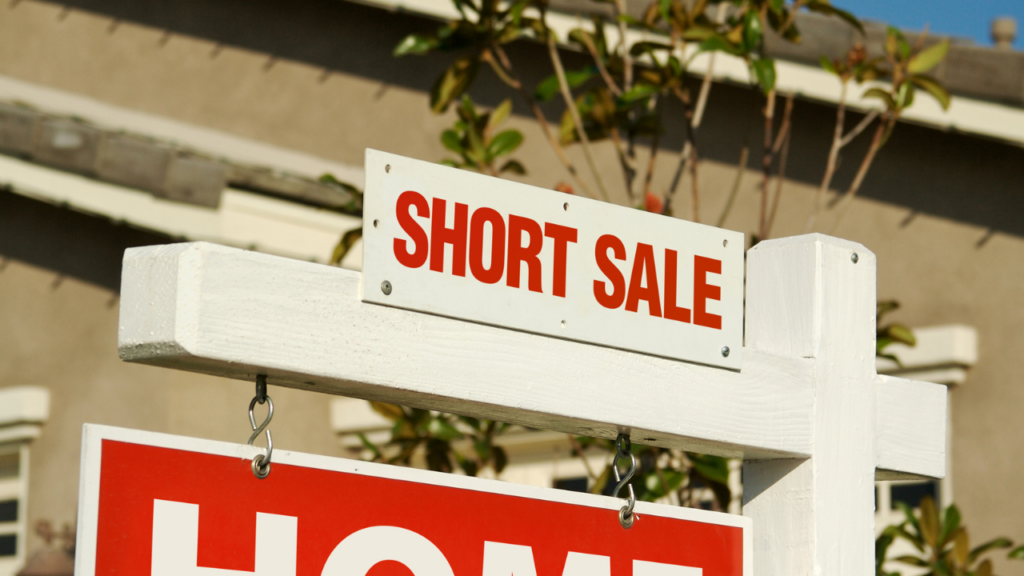
Many Minnesota homebuyers have heard the term “short sale” but aren’t exactly sure what it means. Some assume it’s the same thing as a foreclosure. Others believe it’s an easy way to get a house at a huge discount. And many buyers simply skip over short sale listings because they sound complicated. The truth is that a short sale is neither a foreclosure nor a guaranteed bargain. It is a unique type of real estate transaction that can create opportunities for buyers, but it can also involve patience, uncertainty, and additional risks. As a Minnesota real estate agent, I’ve worked with buyers who were excited about short sales because of the potential savings. I’ve also seen buyers become frustrated when they didn’t fully understand how the process works. Before you decide whether a short sale is worth pursuing, it’s important to understand exactly what it is, why it happens, how the process works, and what challenges you may encounter along the way. Let’s break it down in simple terms. What Is a Short Sale? A short sale occurs when a homeowner owes more on their mortgage than the home is worth and asks their lender to approve the sale of the property for less than the remaining mortgage balance. For example: Imagine a homeowner owes $350,000 on their mortgage. The current market value of the home is only $310,000. If the homeowner sells the property for $310,000, there isn’t enough money to fully pay off the loan. The lender must agree to accept less than what is owed. That agreement is what creates a short sale. Without lender approval, the sale cannot move forward. Why Do Short Sales Happen? Short sales often occur when homeowners experience financial hardship. Examples include: In some situations, property values may have declined while mortgage balances remained high. Rather than allowing the property to go into foreclosure, the lender may agree to a short sale. How Is a Short Sale Different From a Foreclosure? Many buyers confuse these two terms. They’re related, but they’re not the same thing. Short Sale The homeowner still owns the property. The lender must approve the sale. The homeowner is actively involved in the transaction. Foreclosure The lender has already taken legal action to recover the property. Ownership has typically transferred away from the homeowner. The property may become bank-owned. This distinction is important because the buying process differs significantly. Why Buyers Consider Short Sales The biggest reason buyers look at short sales is price. Many assume: “Maybe I can get a deal.” Sometimes that happens. But not always. A short sale may be priced competitively to attract buyers and encourage lender approval. However, lenders generally try to recover as much money as possible. They’re not necessarily interested in giving properties away. The best approach is to evaluate the property based on market value, condition, and overall opportunity rather than assuming the price is automatically a bargain. Potential Benefit #1: Lower Purchase Price Some short sales may be listed below comparable homes in the area. This can create opportunities for buyers seeking affordability. However, buyers should still analyze: A lower list price doesn’t automatically mean a better value. Potential Benefit #2: Less Competition in Some Situations Some buyers avoid short sales because they don’t want to deal with uncertainty. As a result, certain short sale properties may attract fewer offers than comparable traditional listings. This isn’t always the case, but it can happen. Less competition may improve a buyer’s chances of securing a property. Potential Benefit #3: Established Neighborhoods Many short sales are located in desirable, established communities. Buyers may find opportunities in neighborhoods they previously thought were out of reach financially. Again, every property is different. But location can be a major advantage. Risk #1: The Process Can Take a Long Time This is perhaps the biggest drawback. Traditional home purchases often move relatively quickly. Short sales frequently take longer. Why? Because the lender must review and approve the transaction. That review process can involve: Buyers may wait weeks or even months for a final decision. Patience becomes essential. Risk #2: Approval Is Not Guaranteed This surprises many buyers. Even if the seller accepts your offer, the lender may still reject it. The lender has the final say. Reasons for denial may include: Until lender approval is received, uncertainty remains. Risk #3: The Property May Be Sold As-Is Many short sales are sold as-is. That means: Buyers should carefully evaluate property condition before proceeding. Risk #4: Deferred Maintenance Financial hardship often affects property maintenance. If homeowners have struggled financially, they may have postponed repairs. Potential issues could include: Inspections remain extremely important. Risk #5: Financing Challenges Certain property conditions may affect financing eligibility. For example: may create challenges with some loan programs. Before pursuing a short sale, buyers should discuss financing with their lender. Minnesota-Specific Considerations Minnesota weather adds another layer of evaluation. Homes that have experienced deferred maintenance may face additional risks involving: Roof Damage Heavy snow and ice can accelerate wear. Frozen Pipes Especially if utilities were interrupted. Moisture Problems Basements require careful evaluation. Heating Systems Reliable heating is essential during Minnesota winters. These issues should never be overlooked. Why Inspections Matter A home inspection can help buyers identify: Even if the property is being sold as-is, inspections provide valuable information. The inspection doesn’t eliminate risk. It helps you understand it. That’s a major difference. Can First-Time Buyers Purchase Short Sales? Absolutely. Many first-time buyers successfully purchase short sale properties. However, buyers should understand: If you need a home immediately, a short sale may not be the best fit. If you’re flexible and understand the process, it may be worth considering. Questions Buyers Should Ask Before pursuing a short sale, consider: How long has the property been on the market? Has the lender received previous offers? What repairs are visible? Can I complete inspections? Am I prepared for delays? Do I have financial reserves for repairs? The answers can help you determine whether the opportunity aligns
What Is a Paper Trail and Why Does It Matter When Buying a Home in Minnesota? (2026 Immigrant Homebuyer Guide)

If you’ve talked to a mortgage lender, loan officer, or underwriter, you’ve probably heard the phrase: “We need a paper trail.” For many first-time homebuyers, especially immigrant buyers, that phrase can sound confusing. You may find yourself wondering: “What exactly is a paper trail?” “Why do they need so much documentation?” “I already have the money. Isn’t that enough?” The reality is that having the money and documenting the money are two different things. When you’re applying for a mortgage, lenders don’t just need to verify that you have enough funds to purchase a home. They also need to verify where those funds came from. This requirement applies to virtually everyone, regardless of citizenship status, loan type, or income level. Whether you’re using savings from another country, receiving gift funds from family, transferring money between accounts, or using funds you’ve accumulated over many years, documentation is one of the most important parts of the homebuying process. Let’s break down what a paper trail is, why lenders require it, and how you can avoid common mistakes when buying a home in Minnesota. What Is a Paper Trail? A paper trail is simply a documented history showing where money came from and how it moved. Think of it as a financial roadmap. The lender wants to see: For example: Savings Account ↓ Wire Transfer ↓ Checking Account ↓ Closing Account ↓ Home Purchase The documentation that proves each step is what lenders call a paper trail. Why Lenders Need a Paper Trail Mortgage lenders are responsible for verifying the financial information used to approve a loan. They must ensure: This isn’t unique to immigrant homebuyers. It’s a standard requirement across the mortgage industry. When underwriters review your file, they need evidence supporting the financial information provided in your application. A Paper Trail Protects Everyone Some buyers view documentation requirements as unnecessary. In reality, they protect: Clear documentation helps prevent: The goal is creating a transparent transaction. What Documents Create a Paper Trail? A paper trail may include: The exact documents depend on your situation. The more organized your records are, the easier the process usually becomes. Why Immigrant Homebuyers Often Hear About Paper Trails Many immigrant buyers have unique financial situations. For example: None of these are necessarily problems. However, additional documentation is often required to show how funds moved from one place to another. The lender simply needs a clear picture of the transaction. An Example of a Strong Paper Trail Let’s imagine a buyer has savings in another country. The buyer: When underwriting begins, the lender can see: Where the money originated. How it moved. Where it currently sits. That creates a strong paper trail. An Example of a Weak Paper Trail Now consider a different scenario. A buyer suddenly deposits $30,000. No transfer records exist. No account statements are available. No documentation explains where the funds came from. The lender now has questions. The money itself may be perfectly legitimate. But without documentation, verification becomes difficult. Why Large Deposits Receive Attention One of the most common underwriting requests involves large deposits. Lenders often review bank statements looking for unusual activity. For example: If your account normally contains: And suddenly receives: The lender will likely ask for an explanation. This is normal. The issue isn’t necessarily the amount. It’s the documentation. International Transfers Require Extra Records International transfers are common among immigrant homebuyers. However, they often require: The lender wants to connect the starting point to the ending point. When records are complete, this process is much easier. Gift Funds Need a Paper Trail Too Family assistance is common in many cultures. Parents often help children purchase homes. Relatives contribute toward down payments. These gifts may be acceptable. But lenders generally require documentation. This often includes: Without documentation, the lender may not be able to classify the funds correctly. Why Cash Creates Challenges Cash is one of the most difficult sources of funds to document. Many buyers come from countries where cash savings are common. Unfortunately, mortgage lenders prefer transactions that leave an electronic record. For example: Bank transfer = documented Cash deposit = harder to verify This doesn’t mean cash is impossible. It simply means additional questions may arise. Avoid Moving Money Excessively One mistake buyers sometimes make is moving money repeatedly between accounts. For example: Savings Account ↓ Checking Account ↓ Joint Account ↓ Investment Account ↓ Checking Account ↓ Home Purchase Every transfer may require documentation. Keeping funds movement simple often makes the process easier. Keep Documents Longer Than You Think Many buyers assume they only need records from the current month. That’s not always true. Sometimes lenders request: Save documents whenever funds are moved. You may need them later. What Happens If Documentation Is Missing? Missing documentation doesn’t automatically mean loan denial. However, it can cause: The goal is to provide records before they become an issue. Why Timing Matters Many buyers wait until they find a house before organizing their finances. That can create unnecessary stress. A better approach is preparing early. Gather: Before beginning your home search. Preparation often prevents last-minute surprises. Common Paper Trail Mistakes Some of the most common mistakes include: Most of these issues are avoidable. What Underwriters Want to See Underwriters generally want answers to three simple questions: A strong paper trail answers all three. Real Example Let’s say a buyer’s parents overseas contribute $25,000 toward a home purchase. The family provides: The lender can clearly verify the transaction. The process moves smoothly. This is exactly how a paper trail is supposed to work. Frequently Asked Questions What is a paper trail for a mortgage? A paper trail is documentation showing where funds originated and how they moved before being used for a home purchase. Why do lenders ask about deposits? Lenders must verify the source of funds used for the transaction. Do international transfers require documentation? Usually yes. Transfer records and account statements are commonly requested. Are gift funds part of a paper trail? Yes. Gift funds generally
How Do I Avoid Issues With Anti-Money Laundering Checks When Buying a Home in Minnesota? (2026 Immigrant Homebuyer Guide)

One of the most misunderstood parts of buying a home is what happens behind the scenes with your finances. Many immigrant homebuyers are surprised when lenders start asking detailed questions about bank accounts, transfers, deposits, gifts, or money that came from another country. Sometimes buyers become concerned. “Did I do something wrong?” “Why are they asking so many questions?” “Are they suspicious of me?” In most cases, the answer is no. What you’re experiencing is a normal part of the mortgage process. Banks, lenders, title companies, and financial institutions are required to follow federal regulations designed to prevent fraud, money laundering, and financial crimes. These rules apply to everyone. Whether you’re a U.S. citizen, permanent resident, visa holder, ITIN borrower, or first-time homebuyer, financial documentation is a standard part of the transaction. The good news is that most anti-money laundering issues can be avoided with preparation, organization, and transparency. Let’s discuss what anti-money laundering checks are, why they exist, and how you can make the mortgage process smoother when purchasing a home in Minnesota. What Is Anti-Money Laundering? Anti-money laundering, often called AML, refers to laws and procedures that help financial institutions verify the legitimacy of funds moving through the banking system. The purpose is to prevent: Mortgage lenders are required to comply with these regulations. When you’re buying a home, large amounts of money are involved. As a result, financial institutions must verify where those funds originated. Why Homebuyers Encounter AML Checks Real estate transactions often involve: Because substantial sums of money are changing hands, lenders and title companies review financial records carefully. This is normal. In fact, most buyers go through some level of financial verification. The Goal Is Documentation, Not Perfection Many buyers assume their finances need to be perfect. That’s not necessarily true. Lenders aren’t looking for perfection. They’re looking for documentation. If money moved from one account to another, they want records. If funds came from abroad, they want records. If family provided gift funds, they want records. Clear documentation solves most concerns. Be Honest About Where Funds Came From One of the biggest mistakes buyers make is trying to simplify their explanation. For example: A buyer receives money from family overseas. Instead of explaining the transfer, they say nothing and hope it won’t be noticed. Unfortunately, underwriters often notice. When questions arise later, the process becomes more complicated. Transparency from the beginning usually leads to smoother approvals. Understand the Importance of a Paper Trail One phrase you’ll hear repeatedly is: “Paper trail.” A paper trail simply shows the movement of money. For example: Foreign Bank Account ↓ Wire Transfer ↓ U.S. Bank Account ↓ Closing Account ↓ Home Purchase The clearer this path is, the easier it becomes for lenders to verify the transaction. Save All Banking Records Documentation is your friend. Whenever funds are transferred, keep: Many buyers assume they’ll be able to retrieve documents later. Sometimes they can. Sometimes they can’t. Saving records early often prevents headaches later. Avoid Large Unexplained Deposits This is one of the most common underwriting issues. Imagine a lender reviews your bank account and sees: $30,000 deposited last week. No explanation. No transfer documentation. No supporting records. Questions immediately arise. The lender will likely ask: The deposit itself isn’t necessarily a problem. The lack of documentation is the problem. Cash Deposits Can Create Challenges Many immigrant families come from countries where cash transactions are common. Unfortunately, large cash deposits can be difficult to document. Mortgage lenders generally prefer funds that move through verifiable financial channels. Electronic records create a stronger paper trail. Whenever possible, maintain documentation that clearly shows the source of funds. International Transfers Require Additional Documentation International funds are common. But they often require extra records. Examples may include: The lender simply needs to connect the dots. The more complete the documentation, the easier that becomes. Gift Funds Must Be Properly Disclosed Family support is common in many cultures. Parents help children. Siblings help each other. Extended family contributes toward homeownership. These gifts may be acceptable. However, lenders typically require: Undisclosed gift funds can create delays. Disclosed gift funds are usually much easier to manage. Don’t Move Money Repeatedly Between Accounts This is another common issue. Imagine funds move: Account A ↓ Account B ↓ Account C ↓ Account D ↓ Home Purchase Every transfer creates another step that may require documentation. Keeping funds movement simple often reduces questions. Business Funds Need Extra Documentation Some buyers plan to use money from a business account. This may be possible. However, lenders usually want additional information. They may ask for: Business funds often require more scrutiny than personal savings. Plan Ahead If Funds Are Overseas One of the easiest ways to avoid AML-related delays is planning early. Many experienced buyers transfer funds months before purchasing. This allows time for: Waiting until the final weeks before closing often increases stress. Translation Requirements May Apply If documents are not in English, lenders may request: This is especially common when accounts are held outside the United States. Ask your lender about translation requirements as early as possible. Understand That AML Checks Protect Buyers Too Many buyers view compliance requirements as obstacles. In reality, these protections benefit everyone. AML procedures help reduce: The goal is creating a secure transaction. Common Red Flags Lenders Notice Some examples include: Most red flags become manageable once proper documentation is provided. Work With Experienced Professionals Not every lender handles international transactions regularly. If you have: Working with experienced professionals can make a significant difference. The right team can help you anticipate documentation requirements before they become problems. Real Example Let’s say a buyer has savings in another country. Several months before house hunting, they: By the time underwriting begins, the lender already understands the source of funds. The approval process becomes much smoother. Frequently Asked Questions What is an anti-money laundering check? It’s a financial verification process used by lenders and financial institutions to confirm the legitimacy of funds involved in a transaction. Do
Can I Wire Funds Internationally for Closing on a Home in Minnesota? (2026 Homebuyer Guide)

One of the most common questions immigrant homebuyers ask is: “Can I send money directly from another country to buy a home in Minnesota?” The answer is usually yes. In fact, international wire transfers are used every day in real estate transactions across the United States. Whether you’re purchasing your first home, relocating to Minnesota, using overseas savings, or receiving funds from another country, wiring money internationally is often part of the process. However, there is an important difference between being allowed to transfer money and having your funds accepted by a lender, title company, or closing agent without questions. The transfer itself is usually the easy part. The documentation is what matters. Mortgage lenders, title companies, and financial institutions must verify where funds came from, how they moved, and whether they comply with federal banking regulations. That sounds intimidating. But when handled properly, international wires are very common and completely manageable. Let’s walk through what you need to know before wiring funds internationally for a Minnesota home purchase. Yes, International Wire Transfers Are Common Many buyers assume that money must already be inside the United States before they can purchase a home. That’s not necessarily true. Every year, buyers purchase Minnesota homes using funds that originate from: International transfers are part of modern banking. The key is planning ahead. Why Closing Funds Receive Extra Scrutiny When you’re buying a home, several parties are involved: Everyone involved must verify the legitimacy of the transaction. That’s why closing funds often receive more scrutiny than a typical bank transfer. The goal isn’t to make life difficult. The goal is to comply with federal regulations and protect everyone involved. The Lender Needs to Understand the Source of Funds One of the biggest misconceptions among homebuyers is: “If the money is in my account, that’s enough.” Not necessarily. Lenders usually want to know: The transfer itself doesn’t tell the entire story. Documentation completes the picture. Move Funds Earlier Than You Think One of the biggest mistakes buyers make is waiting until the last minute. For example: A buyer gets under contract. Closing is scheduled for 30 days later. The buyer then decides to move funds internationally. Now there may be: The smoother approach is often moving funds well before shopping for a home. Planning creates flexibility. Understand That International Wires Can Take Time Some buyers assume international transfers happen instantly. Sometimes they do. Sometimes they don’t. Several factors can affect timing: Always leave extra time. The last thing you want is closing day approaching while your funds are still in transit. Keep Every Document This cannot be emphasized enough. Save everything. Examples include: Think of your documentation as part of your mortgage application. The more organized you are, the easier the process becomes. What Is a Paper Trail? You’ll hear lenders use this term frequently. A paper trail simply means a documented history showing where the money came from and where it went. For example: Foreign Savings Account ↓ International Wire Transfer ↓ U.S. Bank Account ↓ Title Company ↓ Home Purchase The clearer this path appears, the easier it becomes for underwriters and closing agents to verify the transaction. Funds Must Usually Be Verifiable Imagine this situation: A buyer receives $40,000 from overseas. The money arrives. But there is no supporting documentation. Now questions arise: Who sent it? Why was it sent? Was it a gift? Was it a loan? Was it income? This is why documentation matters so much. The lender doesn’t just want to see the funds. They want to understand the story behind the funds. International Gifts Can Be Allowed Many immigrant families help one another purchase homes. Parents may contribute. Siblings may contribute. Relatives abroad may provide assistance. This can often be acceptable. However, gift funds typically require: Requirements vary by lender and loan program. Always discuss gift funds early. Title Companies Also Verify Funds Many buyers focus only on the lender. But title companies also play an important role. Before closing, title companies often verify: This protects both buyers and sellers. Be Careful of Wire Fraud This is extremely important. Real estate wire fraud has become increasingly common. Scammers sometimes send fake emails that appear to come from: The email may contain fraudulent wiring instructions. If you send funds to the wrong account, recovering them can be extremely difficult. Always verify wiring instructions directly by phone using a trusted number. Never rely solely on email instructions. Currency Exchange Rates Matter Many international buyers focus only on the transfer process. But exchange rates can significantly affect your purchasing power. For example: A small currency fluctuation on a large transfer could mean thousands of dollars. Consider: When planning your transaction. Anti-Money Laundering Rules Apply to Everyone Sometimes buyers feel nervous when additional questions are asked. It’s important to understand: Anti-money laundering regulations apply to all buyers. Not just immigrants. Not just foreign nationals. Not just international transactions. Financial institutions are required to verify large transfers regardless of who is involved. Common Mistakes That Cause Delays The most common problems include: Most of these issues can be prevented with early planning. Work With the Right Lender Not all lenders have the same level of experience handling international funds. If you’re using overseas assets, it’s helpful to work with professionals who understand: Experience matters. Real Example A buyer relocating to Minnesota has savings in another country. Six months before shopping for homes, they: By the time they find a home, the financial side is already organized. The result is a much smoother closing process. Frequently Asked Questions Can I wire money from another country for closing? Yes. International wire transfers are commonly used for home purchases in Minnesota. Will lenders allow foreign funds? Often yes, provided documentation requirements are met. How long do international wire transfers take? Timing varies depending on banks, countries, compliance reviews, and transfer methods. Can family overseas send money for my down payment? Potentially yes. Gift funds may be allowed if properly documented. Should I move money
What Lifestyle Factors Should I Consider Before Buying a Home in Minnesota? (2026 Homebuyer Guide)

When most people start looking for a home, they focus on things like: ✔️ Price ✔️ Bedrooms ✔️ Bathrooms ✔️ Square footage ✔️ School districts ✔️ Interest rates And while those things absolutely matter… They’re only part of the equation. Because after the excitement of closing day wears off, your daily lifestyle is what you’ll experience every single day. The reality is that many buyers spend weeks comparing homes but only a few minutes thinking about how they actually want to live. And honestly? That’s often where regrets happen. I’ve worked with buyers who purchased beautiful homes that checked every box on paper. The house was perfect. The neighborhood looked great. The payment fit their budget. But six months later they realized something wasn’t quite right. Why? Because the home fit their budget… But it didn’t fit their lifestyle. Meanwhile, I’ve seen buyers choose a home that wasn’t quite as large or as updated, but it supported the way they wanted to live. Years later they’re still happy with their decision. That’s because buying a home isn’t just a financial decision. It’s a lifestyle decision. You might be wondering: • What lifestyle factors matter most? • How do I know what I’ll want in five years? • Should I prioritize commute or space? • How important are nearby amenities? • Does walkability matter? • What should I think about beyond the house itself? • How do I avoid buyer’s remorse? Let’s talk about it. 🏡 Start With How You Actually Live One of the biggest mistakes buyers make is shopping for an idealized version of their life. Instead, start with reality. Ask yourself: ✔️ How do I spend my weekdays? ✔️ What do my weekends look like? ✔️ How often do I go out? ✔️ How often do I entertain? ✔️ Do I enjoy being around people? ✔️ Do I prefer privacy? For example: If you rarely go downtown, paying a premium to live near downtown may not improve your quality of life. If you love outdoor activities, being near parks and trails may matter far more. The right home supports how you actually live—not how you imagine yourself living. 🏡 Consider Your Commute Carefully A commute affects your life more than many buyers realize. Think about: ✔️ Time spent driving ✔️ Traffic patterns ✔️ Winter weather ✔️ Work schedule ✔️ Fuel costs ✔️ Stress levels Many buyers initially prioritize getting more house. Then they realize the extra commute time affects them every day. Ask yourself: 👉 Would I rather have a bigger home or more free time? There isn’t a wrong answer. But it’s worth thinking through before buying. 🏡 Think About Your Social Life Some buyers love being near: ✔️ Restaurants ✔️ Coffee shops ✔️ Breweries ✔️ Entertainment ✔️ Community events Others prefer: ✔️ Quiet evenings ✔️ Larger lots ✔️ Privacy ✔️ Less traffic Neither choice is better. The key is matching your home location to the lifestyle you enjoy. 🏡 Outdoor Recreation Matters in Minnesota Minnesota is known for outdoor living. Many residents spend significant time enjoying: ✔️ Lakes ✔️ Parks ✔️ Walking trails ✔️ Bike paths ✔️ Golf courses ✔️ Outdoor events If outdoor recreation is important to you, proximity to these amenities may significantly impact your happiness. Some buyers rarely use them. Others use them every week. Know which category you’re in. 🏡 Consider Future Family Plans Even if your family situation isn’t changing today, think about where you might be in a few years. Questions to consider: ✔️ Do I plan to have children? ✔️ Will aging parents need support? ✔️ Could family size change? ✔️ Will I need additional space later? You don’t need to predict the future perfectly. But thinking ahead can help you make a smarter decision. 🏡 Walkability Isn’t Important to Everyone Walkability gets a lot of attention. And for some buyers, it’s extremely important. They love being able to walk to: ✔️ Restaurants ✔️ Parks ✔️ Stores ✔️ Coffee shops Others don’t care at all. They’d rather drive and have: ✔️ More space ✔️ Larger lots ✔️ Greater privacy The important thing is understanding your own preferences. 🏡 How Much Home Do You Really Need? This question surprises a lot of buyers. Because many people assume: 👉 Bigger is better. But bigger homes often come with: ✔️ Higher utility bills ✔️ More maintenance ✔️ More cleaning ✔️ Higher furnishing costs Extra space is wonderful when you’ll actually use it. But unused square footage doesn’t necessarily improve your lifestyle. 🏡 Community Feel Matters More Than Many Buyers Expect Some neighborhoods feel: ✔️ Active ✔️ Social ✔️ Community-oriented Others feel: ✔️ Quiet ✔️ Private ✔️ Independent Neither is right or wrong. But after moving in, many buyers discover the neighborhood atmosphere matters almost as much as the home itself. 🏡 Think About Convenience Convenience affects your daily life in ways many buyers underestimate. Consider proximity to: ✔️ Grocery stores ✔️ Healthcare ✔️ Schools ✔️ Fitness centers ✔️ Restaurants ✔️ Shopping ✔️ Services Running everyday errands becomes much easier when essential destinations are nearby. 🏡 Remote Work Changes Homebuying Decisions A lot of Minnesota buyers now work: ✔️ Fully remote ✔️ Hybrid schedules ✔️ Flexible schedules This changes what matters. If you’re home most days, you may prioritize: ✔️ Home office space ✔️ Internet service ✔️ Neighborhood atmosphere ✔️ Outdoor living ✔️ Quiet surroundings Rather than commute convenience. 🏡 Consider Seasonal Living Minnesota has four distinct seasons. And your home should work for all of them. Think about: ✔️ Winter driving ✔️ Snow removal ✔️ Summer recreation ✔️ Seasonal activities ✔️ Outdoor space A neighborhood that feels perfect in July should still work for you in January. 🏡 Budget Impacts Lifestyle Too This is something many buyers forget. The goal isn’t simply buying the most house possible. It’s maintaining a lifestyle you enjoy after moving in. A home that stretches your budget too far may limit: ✔️ Travel ✔️ Hobbies ✔️ Savings ✔️ Entertainment ✔️ Financial flexibility Sometimes a slightly less
How Do I Research Crime Rates in an Area Before Buying a Home in Minnesota? (2026 Homebuyer Guide)

One of the most common questions homebuyers ask before making an offer is: 👉 “How do I research crime rates in a neighborhood?” And honestly? It’s a completely reasonable question. When you’re buying a home, you’re not just investing in a property. You’re choosing where you’ll park your car. Where you’ll walk your dog. Where your kids might ride their bikes. Where you’ll come home after work every day. Naturally, buyers want to feel comfortable about the area they’re considering. But here’s where things get tricky. Many buyers start researching crime online and quickly become overwhelmed. They find: ✔️ Crime maps ✔️ Social media posts ✔️ Neighborhood forums ✔️ News articles ✔️ Online rankings ✔️ Community groups And before long, they’re more confused than when they started. The reality is that researching neighborhood safety isn’t always as simple as looking at one website or reading a few headlines. In fact, some of the biggest mistakes buyers make happen because they rely on incomplete information. The goal isn’t just gathering data. The goal is understanding it. You might be wondering: • What is the best way to research crime rates? • Are online crime maps accurate? • Should I trust neighborhood Facebook groups? • How do I compare one area to another? • What information should I focus on? • Are crime statistics enough to make a decision? • How can I feel more confident about a neighborhood? Let’s talk about it. 🏡 Start With Official Sources When researching any neighborhood, it’s important to begin with reliable information. Many police departments and public agencies provide crime statistics and reports that are available to the public. These resources often include information about: ✔️ Reported incidents ✔️ Crime trends ✔️ Geographic data ✔️ Community reports ✔️ Public safety updates Official sources generally provide more context than social media discussions or neighborhood rumors. And honestly? Starting with facts usually helps buyers avoid unnecessary assumptions. 🏡 Understand That Crime Exists Everywhere This is important. Many buyers begin searching for: 👉 “The safest neighborhood.” But the reality is that every city, suburb, and neighborhood experiences some level of crime. There is no community where incidents never occur. The better question is often: 👉 “Does this neighborhood fit my comfort level and lifestyle?” Understanding local conditions is helpful. Expecting perfection usually isn’t realistic. 🏡 Don’t Rely Solely on Headlines News stories can be useful. But they can also create a distorted picture. Why? Because news organizations naturally focus on unusual or noteworthy events. A single incident may receive significant coverage even if it’s not representative of everyday life in the area. That’s why buyers should avoid forming opinions based entirely on: ✔️ Headlines ✔️ Viral social media posts ✔️ Isolated stories Context matters. 🏡 Look for Trends, Not Individual Incidents One of the smartest things buyers can do is focus on patterns. Ask yourself: ✔️ Are incidents increasing? ✔️ Are incidents decreasing? ✔️ Are certain types of crime more common? ✔️ Are there noticeable trends? Looking at broader patterns often provides more useful information than focusing on individual events. 🏡 Visit the Neighborhood Yourself This may sound obvious. But it’s one of the most valuable things you can do. Spend time in the area. Visit: ✔️ Weekdays ✔️ Weekends ✔️ Mornings ✔️ Evenings ✔️ Different seasons if possible Pay attention to: ✔️ Traffic ✔️ Activity levels ✔️ Property maintenance ✔️ Community engagement ✔️ General atmosphere Your personal experience matters. 🏡 Observe Property Maintenance While property maintenance doesn’t determine crime rates, it can offer insight into neighborhood conditions. Notice: ✔️ Lawn care ✔️ Home maintenance ✔️ Public spaces ✔️ Community appearance ✔️ General upkeep Many buyers find that well-maintained neighborhoods often reflect strong community involvement. 🏡 Talk to Local Residents This is one of the most overlooked research tools. If possible, talk to people who actually live there. Ask questions like: ✔️ What do you enjoy about the area? ✔️ How long have you lived here? ✔️ What surprised you after moving in? ✔️ What would you tell someone considering the neighborhood? Residents often provide perspectives you won’t find in statistics. 🏡 Use Multiple Sources One mistake buyers make is relying on a single website. Instead, gather information from several places. Compare: ✔️ Public reports ✔️ Local resources ✔️ Community information ✔️ Personal visits ✔️ Conversations with residents The more complete your picture, the better. 🏡 Understand That Data Has Limitations Crime statistics can be useful. But they don’t tell the whole story. For example: ✔️ Reporting practices vary ✔️ Population density varies ✔️ Neighborhood size varies ✔️ Community demographics vary Numbers alone don’t always reflect how an area feels to live in. That’s why personal research remains important. 🏡 Consider Your Daily Lifestyle A neighborhood that works well for one person may not work for another. Think about: ✔️ Your work schedule ✔️ Your commute ✔️ Family needs ✔️ Recreation habits ✔️ Walking preferences ✔️ Transportation needs Your lifestyle influences how you’ll experience a community. 🏡 Visit During Different Times of Day Neighborhoods can feel very different depending on when you visit. For example: A quiet residential street at noon may feel very different during: ✔️ Morning rush hour ✔️ Evening activity ✔️ Weekend gatherings That’s why multiple visits are helpful. 🏡 Research Community Amenities Neighborhood quality isn’t just about crime statistics. It’s also about: ✔️ Parks ✔️ Trails ✔️ Libraries ✔️ Recreation centers ✔️ Community programs ✔️ Local businesses Communities with strong amenities often attract long-term residents and community involvement. 🏡 Pay Attention to Community Pride One thing many buyers notice after moving into a neighborhood they love is: People care about the community. You may see: ✔️ Volunteer events ✔️ Community festivals ✔️ Neighborhood gatherings ✔️ Active local organizations Strong community engagement often contributes positively to neighborhood stability. 🏡 Social Media Can Be Helpful—But Carefully Neighborhood groups can provide insight. But they can also create unnecessary fear. Remember: People often post about: ✔️ Problems ✔️ Complaints ✔️ Concerns Far more frequently than they post
What Are the Best Suburbs Near Minneapolis for First-Time Buyers? (2026 Homebuyer Guide)

If you’re thinking about buying your first home in Minnesota, there’s a good chance you’ve asked this question: 👉 “What are the best suburbs near Minneapolis for first-time buyers?” And honestly? It’s one of the most common questions I hear. Because buying your first home isn’t just about finding a house. It’s about finding a place where you can build a life. A place where you can comfortably afford the payment. A place that fits your commute. A place that supports your lifestyle. A place you’ll still be happy living in a few years from now. The challenge is that there isn’t one perfect answer. The best suburb for a young professional may be completely different from the best suburb for a growing family. Someone working downtown Minneapolis may prioritize convenience. Someone working remotely may prioritize space and affordability. That’s why instead of focusing on the “best” suburb overall, it’s usually smarter to focus on: 👉 The best suburb for YOU. Let’s look at what first-time buyers should consider and some of the Minneapolis-area suburbs that consistently attract buyers entering the market. 🏡 What Makes a Good First-Time Buyer Suburb? Before we talk about specific cities, let’s define what most first-time buyers are looking for. Typically, buyers want a balance of: ✔️ Affordability ✔️ Safety ✔️ Community amenities ✔️ Reasonable commute times ✔️ Future resale potential ✔️ Parks and recreation ✔️ Shopping and dining access ✔️ Strong neighborhood appeal The challenge is that very few places score perfectly in every category. Most buyers are making tradeoffs. The goal is identifying which tradeoffs matter least to you. 🏡 Why Many First-Time Buyers Start in the Suburbs Minneapolis offers amazing urban living opportunities. But many first-time buyers find themselves exploring suburban communities because they can often get: ✔️ More square footage ✔️ Larger yards ✔️ Newer homes ✔️ Additional parking ✔️ More privacy For many buyers, the suburbs provide a balance between affordability and quality of life. Especially when compared to some higher-priced urban neighborhoods. 🏡 Brooklyn Park Brooklyn Park continues to attract many first-time buyers. One reason is location. It offers convenient access to: ✔️ Minneapolis ✔️ Major highways ✔️ Employment centers ✔️ Shopping and dining Many buyers appreciate that Brooklyn Park offers a variety of housing options at different price points. You’ll find: ✔️ Single-family homes ✔️ Townhomes ✔️ Newer developments ✔️ Established neighborhoods For buyers wanting flexibility, it’s often worth considering. 🏡 Brooklyn Center Brooklyn Center is another community many first-time buyers explore. Its location provides relatively easy access to both Minneapolis and surrounding suburbs. Buyers often like: ✔️ Central location ✔️ Established neighborhoods ✔️ Recreational opportunities ✔️ Convenient commuting routes As always, individual neighborhoods can vary significantly, so spending time exploring the area is important. 🏡 Maple Grove Maple Grove is frequently mentioned by buyers relocating to the Twin Cities. Why? Because it offers: ✔️ Extensive shopping ✔️ Restaurants ✔️ Parks ✔️ Walking trails ✔️ Community amenities Many buyers appreciate the convenience factor. However, depending on the market and inventory, pricing may be higher than some nearby suburbs. That’s why affordability should always be evaluated alongside location. 🏡 Champlin Champlin often appeals to buyers looking for a suburban feel while maintaining access to the metro area. Features buyers often like include: ✔️ Parks ✔️ River access ✔️ Residential neighborhoods ✔️ Community atmosphere Many first-time buyers find Champlin provides a balance between convenience and quieter suburban living. 🏡 Coon Rapids Coon Rapids consistently remains popular with first-time buyers. Reasons include: ✔️ Variety of housing options ✔️ Recreational amenities ✔️ Established neighborhoods ✔️ Transportation access ✔️ Community resources For buyers seeking affordability and convenience, Coon Rapids frequently ends up on the shortlist. 🏡 Blaine Blaine has experienced significant growth over the years. Many buyers are attracted by: ✔️ New construction opportunities ✔️ Parks and trails ✔️ Sports facilities ✔️ Growing retail options ✔️ Community development For buyers wanting newer housing inventory, Blaine often deserves consideration. 🏡 Crystal Crystal is often overlooked by buyers initially. But many discover it offers: ✔️ Convenient location ✔️ Established housing ✔️ Quick access to Minneapolis ✔️ Strong community feel Because it’s closer to the city than some outer-ring suburbs, buyers often find commuting attractive. 🏡 New Hope New Hope offers another option for buyers seeking proximity to Minneapolis. Buyers often appreciate: ✔️ Mature neighborhoods ✔️ Community parks ✔️ Recreation opportunities ✔️ Accessible location For first-time buyers wanting to stay relatively close to the city, New Hope is often worth exploring. 🏡 Plymouth Plymouth is frequently considered by buyers seeking: ✔️ Strong amenities ✔️ Park systems ✔️ Convenient freeway access ✔️ Diverse housing inventory Because Plymouth is a larger suburb, different neighborhoods can offer very different experiences. Buyers should spend time exploring multiple areas. 🏡 Roseville Roseville’s central location continues to attract buyers. One of its biggest advantages is access. Residents can often reach: ✔️ Minneapolis ✔️ St. Paul ✔️ Major highways ✔️ Shopping districts Relatively easily. For buyers who value convenience, Roseville often stands out. 🏡 What First-Time Buyers Should Focus On Here’s something important. The “best suburb” isn’t always the one your friends recommend. It’s the one that supports your goals. Ask yourself: ✔️ What monthly payment feels comfortable? ✔️ How important is commute time? ✔️ Do I want a yard? ✔️ How much space do I actually need? ✔️ Do I want newer construction? ✔️ How important are nearby amenities? The answers matter more than online rankings. 🏡 Affordability Matters More Than Popularity A suburb may be highly desirable. But if buying there stretches your budget too far, it may not be the best fit. Remember: The goal isn’t just buying a home. The goal is comfortably owning a home. That means leaving room in your budget for: ✔️ Emergencies ✔️ Repairs ✔️ Maintenance ✔️ Savings ✔️ Enjoying life 🏡 Visit Before You Decide One of the biggest mistakes buyers make is relying too heavily on internet research. Photos and rankings only tell part of the story. Visit neighborhoods. Walk around. Drive
Should I Buy Closer to Work or Farther Out for More Space? (2026 Minnesota Homebuyer Guide)

If you’re buying a home in Minnesota, there’s a good chance you’ll eventually face one of the biggest tradeoffs in real estate: 👉 Do I buy closer to work? Or… 👉 Do I move farther out and get more house for my money? Honestly, this decision has become even more common over the last few years. Many buyers start their home search thinking: “I want the biggest house possible.” Then they start calculating commute times. Suddenly they’re asking: “Do I really want to spend an extra 90 minutes a day in my car?” On the other hand, some buyers start by focusing on location. Then they realize: ✔️ Homes closer to employment centers may cost more ✔️ Lots may be smaller ✔️ Property taxes may be higher ✔️ Competition may be stronger And now they’re wondering if moving farther out makes more sense financially. The truth? There isn’t a universal right answer. I’ve worked with buyers who were happiest living 10 minutes from work. I’ve also worked with buyers who gladly accepted a longer commute in exchange for a larger home, bigger yard, and quieter neighborhood. The key is understanding the tradeoffs before making a decision. Because this choice affects your daily life far more than many buyers realize. You might be wondering: • Is a shorter commute worth paying more? • How much house can I get farther from Minneapolis or St. Paul? • What are the hidden costs of a longer commute? • Will working remotely change the equation? • Which choice helps resale value more? • How do I know what’s best for my family? • What do most Minnesota buyers choose? Let’s break it down. 🏡 The Biggest Mistake Buyers Make One of the most common mistakes I see is buyers focusing entirely on the house. They find: ✔️ More square footage ✔️ More bedrooms ✔️ A larger backyard ✔️ A newer home ✔️ A lower purchase price And they immediately fall in love. But they haven’t fully considered: ✔️ Commute time ✔️ Gas costs ✔️ Vehicle wear and tear ✔️ Winter driving ✔️ Lost personal time A bigger home can feel amazing. But a daily commute can affect your quality of life every single day. 🏡 Why Many Buyers Want to Live Closer to Work Convenience. It’s really that simple. When you live near work, you often gain back something that’s incredibly valuable: 👉 Time. A shorter commute may mean: ✔️ More family time ✔️ More sleep ✔️ Less stress ✔️ Lower transportation costs ✔️ More flexibility ✔️ Easier scheduling Imagine saving: 30 minutes each way Five days per week That’s approximately: ✔️ Five hours every week ✔️ Twenty hours every month ✔️ More than ten full days every year That’s a lot of life. 🏡 Why Buyers Move Farther Out Of course, there’s another side to the equation. Moving farther from major employment centers often provides: ✔️ Larger homes ✔️ Bigger lots ✔️ Newer construction ✔️ Lower price per square foot ✔️ More privacy ✔️ Less density Many buyers look at homes in outer-ring suburbs and immediately notice: 👉 “Wow, I can get so much more house.” And they’re often right. A budget that buys a modest home closer to Minneapolis may purchase significantly more space in some surrounding communities. 🏡 Minnesota’s Geography Creates Real Tradeoffs The Twin Cities metro offers a wide range of living options. Buyers may choose: ✔️ Urban living ✔️ Inner-ring suburbs ✔️ Outer-ring suburbs ✔️ Exurban communities Each offers different benefits. Generally speaking: Closer to employment centers often means: ✔️ Higher prices ✔️ Smaller lots ✔️ Shorter commutes Farther away often means: ✔️ More space ✔️ Lower housing costs ✔️ Longer drive times 🏡 The Cost of a Commute Isn’t Just Gas This is where many buyers underestimate the true cost. A longer commute can mean: ✔️ Fuel expenses ✔️ Vehicle maintenance ✔️ Tire replacement ✔️ Increased depreciation ✔️ More oil changes ✔️ Parking costs But perhaps the biggest cost isn’t financial. It’s time. And once time is gone, you don’t get it back. 🏡 Remote Work Has Changed Everything Five years ago, commute time was often one of the biggest deciding factors. Today? Many buyers work: ✔️ Fully remote ✔️ Hybrid schedules ✔️ Flexible arrangements If you’re only commuting twice per week, living farther out may feel much more reasonable. That’s why it’s important to evaluate your current work situation realistically. And honestly? Consider where your career may be in five years too. 🏡 Think About Winter Driving This is Minnesota. A 30-minute commute in July may become: ✔️ 45 minutes ✔️ 60 minutes ✔️ Even longer During snowstorms and icy conditions. Buyers relocating from warmer climates often underestimate this reality. Distance matters more during Minnesota winters. 🏡 Family Lifestyle Matters Ask yourself: What does a typical weekday look like? Consider: ✔️ School activities ✔️ Sports ✔️ Childcare ✔️ Family dinners ✔️ Errands ✔️ Social events A longer commute may reduce flexibility for all of these. On the other hand, more space at home may improve family life in different ways. That’s why the answer is highly personal. 🏡 Bigger Isn’t Always Better Many buyers initially prioritize square footage. But after moving in, they realize: ✔️ Extra rooms rarely get used ✔️ Larger homes cost more to maintain ✔️ Utility bills increase ✔️ Cleaning takes longer ✔️ Maintenance expenses grow More space is wonderful when it serves a purpose. But unused space doesn’t necessarily improve quality of life. 🏡 Neighborhood Quality Often Matters More Than House Size This is something many experienced homeowners eventually learn. A great neighborhood may provide: ✔️ Parks ✔️ Trails ✔️ Community events ✔️ Walkability ✔️ Better convenience ✔️ Stronger sense of community Sometimes a slightly smaller home in a neighborhood you love creates greater happiness than a larger home in a location that’s less convenient. 🏡 Resale Value Considerations No one can predict the future. However, homes with: ✔️ Convenient locations ✔️ Strong access to employment centers ✔️ Good transportation routes Often
How Important Are School Districts When Buying a Home in Minnesota? (2026 Homebuyer Guide)

One of the most common questions I hear from homebuyers is: 👉 “How important are school districts when buying a home?” What’s interesting is that this question doesn’t just come from parents. I hear it from: ✔️ First-time buyers ✔️ Couples without children ✔️ Empty nesters ✔️ Investors ✔️ Relocating professionals And honestly? That’s because school districts can affect much more than where your kids go to school. They can influence: ✔️ Home values ✔️ Buyer demand ✔️ Future resale opportunities ✔️ Neighborhood stability ✔️ Community perception ✔️ Long-term market performance At the same time, many buyers place so much emphasis on school districts that they overlook other factors that may matter more to their actual lifestyle. The truth is: School districts matter. But how much they matter depends on your goals. If you’re actively raising children, school options may be one of the biggest factors in your home search. If you don’t have children, they may still play a role in future resale value, but perhaps not enough to sacrifice other priorities that are important to you. The key is understanding how school districts fit into the bigger picture of choosing a home. You might be wondering: • Should I only buy in a top-rated school district? • Do school districts affect home values? • What if I don’t have children? • Can a great school district make resale easier? • Are homes more expensive near highly rated schools? • How do I research school districts? • Should school rankings be the deciding factor? These are all great questions. Because buying a home is about balancing today’s needs with tomorrow’s opportunities. 🏡 Why School Districts Get So Much Attention There’s a reason buyers ask about schools so often. For many families, schools are one of the biggest factors influencing where they choose to live. Parents often prioritize: ✔️ Educational opportunities ✔️ Academic performance ✔️ Extracurricular activities ✔️ Student support services ✔️ Community involvement Because of this, homes located in highly sought-after school districts often attract strong buyer interest. And when buyer demand increases, property values often benefit as well. 🏡 School Districts Can Influence Home Values Even if you don’t have children, this matters. When more buyers want to live in a particular district, demand can increase. And when demand increases: ✔️ Homes may sell faster ✔️ Competition may increase ✔️ Property values may remain stronger ✔️ Resale opportunities may improve Of course, school districts aren’t the only factor affecting home values. Location, housing inventory, economic conditions, interest rates, and neighborhood amenities all play major roles too. But school districts often remain part of the conversation. 🏡 Homes in Highly Rated Districts Are Often More Expensive This is something buyers quickly notice. A home in one district may cost significantly more than a similar home just a few miles away. Why? Because buyers aren’t only purchasing the house. They’re purchasing access to the district as well. This doesn’t automatically mean the more expensive home is the better choice. It simply means buyers should understand what they’re paying for. 🏡 School Rankings Don’t Tell the Whole Story This is important. Many buyers rely heavily on online school ratings. Those ratings can be helpful. But they shouldn’t be your only source of information. School rankings often focus on: ✔️ Test scores ✔️ Graduation rates ✔️ Academic performance metrics What they don’t always capture is: ✔️ School culture ✔️ Teacher engagement ✔️ Parent involvement ✔️ Student experience ✔️ Community support A school with a slightly lower rating may still be an excellent fit for many families. 🏡 Even Buyers Without Children Should Pay Attention This surprises many people. A buyer may say: 👉 “I don’t have kids, so schools don’t matter.” And honestly? That’s understandable. But remember: Future buyers may feel differently. If you eventually sell your home, many potential buyers will absolutely consider school districts during their decision-making process. That’s why school districts often remain relevant even when they’re not personally important to the current owner. 🏡 Neighborhoods and Schools Often Go Hand-in-Hand One reason schools matter is because they often reflect broader community characteristics. Many sought-after districts are located in neighborhoods known for: ✔️ Community involvement ✔️ Strong public services ✔️ Park systems ✔️ Recreation opportunities ✔️ Long-term stability Again, this isn’t always the case. But schools are often part of a larger neighborhood picture. 🏡 School Boundaries Can Change This is something many buyers don’t realize. District boundaries and attendance zones can occasionally change. That’s why it’s important to verify: ✔️ Current boundaries ✔️ Enrollment policies ✔️ Open enrollment options ✔️ Transportation availability Never assume information from an old listing is still accurate. Always verify directly with the district. 🏡 Minnesota Offers Many Excellent School Options One thing buyers relocating to Minnesota often discover is that there are strong educational opportunities throughout many parts of the Twin Cities and surrounding communities. Different districts offer different strengths. Some may emphasize: ✔️ Academic programs ✔️ Arts ✔️ Athletics ✔️ STEM education ✔️ Career and technical programs The “best” district often depends on what your family values most. 🏡 Open Enrollment May Expand Your Options Minnesota offers open enrollment opportunities in many situations. This means students may sometimes attend schools outside their assigned district. Policies vary. Availability varies. Transportation may vary. But it’s worth researching because it can create additional flexibility for some families. 🏡 Think Beyond Elementary Schools Many buyers focus heavily on elementary schools. But if you’re planning to stay long-term, consider: ✔️ Middle schools ✔️ High schools ✔️ District-wide performance ✔️ Specialized programs A home purchase is often a long-term decision. It’s worth understanding the full educational picture. 🏡 Talk to Local Residents One of the best sources of information isn’t a ranking website. It’s people who actually live there. Ask: ✔️ What do you like about the schools? ✔️ What surprised you? ✔️ What would you change? ✔️ How involved is the community? Local perspectives often provide valuable context that statistics alone cannot. 🏡 Don’t Ignore Your