
What Are the Risks of Buying a Foreclosure in Minnesota?
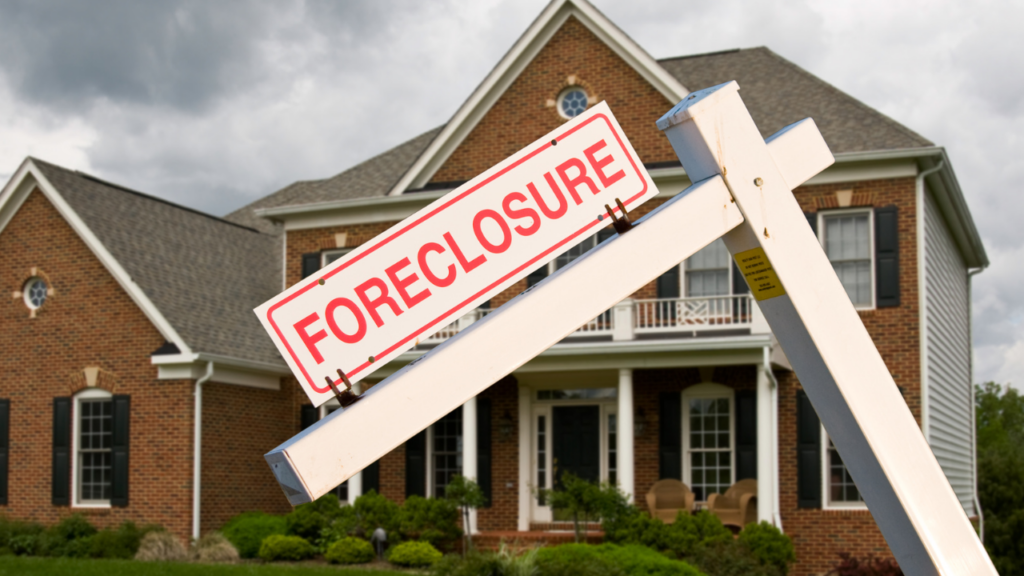
A buyer called me last year after finding a listing that seemed almost too good to be true. A four-bedroom home in Coon Rapids listed at nearly forty thousand dollars below every comparable sale in the neighborhood. The photos showed a home that looked rough but livable. And the listing description included two words that explained the price immediately. Bank owned. He had done enough reading to know this was a foreclosure, and he had done enough browsing to see that foreclosures sometimes offered genuine value. What he had not done was understand what buying a foreclosure actually involves, what risks are specific to this type of purchase, and why that forty-thousand-dollar discount might be exactly what the situation warranted, or might not be enough. “Is this a good deal?” he asked me. “Or is there something I’m missing?” The honest answer was that it might be a good deal and it might not be, and the only way to know was to understand exactly what buying a foreclosure means in Minnesota and to do the specific due diligence that this type of purchase requires. Here is the complete picture. Understanding What a Foreclosure Actually Is A foreclosure is a legal process through which a lender takes possession of a property after the borrower has defaulted on their mortgage payments and the lender has exercised their right to reclaim the collateral securing the loan. In Minnesota, the foreclosure process can follow one of two paths. The first is foreclosure by advertisement, which is the more common path and involves a series of legally required notices and a sheriff’s sale at which the property is sold to the highest bidder. The second is foreclosure by action, which involves a court proceeding and is less common. After the sheriff’s sale, Minnesota law provides a redemption period during which the previous owner can reclaim the property by paying the full amount owed, including all fees and costs. This redemption period is typically six months for most properties and twelve months for certain agricultural or larger properties, though there are specific circumstances where it can be shorter. Properties that have completed this process and not been redeemed by the original owner pass to the lender, who then typically lists them for sale as bank-owned or REO properties, which stands for Real Estate Owned. What most buyers mean when they talk about buying a foreclosure is purchasing one of these bank-owned REO properties from the lender after the redemption period has expired, and this is the context for most of what follows. Why Foreclosures Sometimes Offer Genuine Value The potential for purchasing a property below its market value is the primary appeal of foreclosures, and this potential is real, though it is also frequently overstated and comes with significant caveats. Lenders are not in the business of owning and managing residential real estate. When they acquire a property through foreclosure, their primary motivation is to sell it as efficiently as possible and recover as much of the outstanding loan balance as they can. This motivation sometimes, though not always, leads them to price properties somewhat below where a motivated individual seller might price them in order to attract a buyer quickly and minimize their ongoing carrying costs. The discount available varies enormously depending on the lender, the property, the market conditions, and the specific circumstances of the foreclosure. In strong seller’s markets with limited inventory, foreclosure discounts tend to narrow because the lender knows they can get close to market value regardless. In softer markets with more inventory, discounts may be more meaningful. The condition of the property is the most significant factor in whether a foreclosure discount represents genuine value or simply reflects the cost of needed repairs. A forty-thousand-dollar discount on a home that needs fifty thousand dollars of work to bring it to sellable condition is not a bargain. Understanding the actual condition and the actual cost of needed work is the only way to know whether the discount on any specific foreclosure is genuine value or simply an accurate reflection of the property’s condition. The Condition Risk: The Biggest Challenge With Foreclosures The condition of foreclosure properties is the most significant risk factor and the one that most directly affects whether a specific purchase represents a genuine opportunity or a financial trap. Properties that have been through foreclosure have typically been through a period of financial stress for the previous owner, during which deferred maintenance is common. Owners who cannot afford their mortgage payments generally cannot afford roof repairs, HVAC maintenance, plumbing updates, or the dozens of other ongoing maintenance expenses that keep a home in good condition. Some foreclosures are in relatively good condition, particularly those where the previous owner maintained the property until close to the end and the foreclosure process itself was relatively short. Others have been vacant for extended periods, during which deterioration accelerates significantly. Vacant properties in Minnesota’s climate face specific deterioration risks that are more severe than in more temperate locations. Pipes that freeze and burst during a Minnesota winter with no heat in the property cause water damage that can be catastrophic. Roofs that develop leaks during a Minnesota winter with no one present to notice and respond allow water intrusion that can cause significant structural and mold damage. Vandalism and theft of copper plumbing and other valuable materials is not uncommon in vacant properties. In some cases, particularly when the previous owner left under difficult or contentious circumstances, intentional damage to the property has occurred. Appliances removed. Fixtures stripped. Walls deliberately damaged. These situations are not universal but they are not rare, and they represent a specific risk that does not exist in a typical seller-occupied home sale. The As-Is Sale Reality of Foreclosures Bank-owned foreclosures are almost universally sold as-is, meaning the lender will not make repairs, will not provide credits for repairs, and will not negotiate based on inspection findings in the way that an individual seller in a traditional