
Is Minnesota Expensive for New Residents? A 2026 Relocation Guide

If you’re considering moving to Minnesota, one of the biggest questions on your mind is probably: “Is Minnesota expensive?” It’s a fair question. Whether you’re relocating from California, Texas, Florida, Illinois, Colorado, or somewhere else entirely, understanding the cost of living is an important part of deciding where to put down roots. The answer isn’t a simple yes or no. For some people, Minnesota feels surprisingly affordable. For others, certain costs may be higher than expected. What makes Minnesota unique is that it often offers a balance that many people are looking for: strong job opportunities, excellent schools, access to nature, quality healthcare, and a high quality of life without the extreme housing costs found in some of the country’s most expensive markets. But before packing your boxes, it’s important to understand what life in Minnesota actually costs and what surprises many newcomers after they arrive. The Short Answer For most new residents, Minnesota is not considered one of the most expensive states in the country. At the same time, it’s not among the cheapest. Instead, Minnesota tends to fall into a middle ground where many residents feel they receive strong value for what they spend. Housing, transportation, taxes, utilities, and lifestyle expenses all play a role in determining whether Minnesota feels affordable to you. The answer largely depends on where you’re moving from and what kind of lifestyle you’re expecting. Housing Costs: The Biggest Factor Housing is typically the largest monthly expense for most households. For many people relocating from states such as: Minnesota often feels much more affordable. Many buyers discover they can afford: Compared to many coastal markets, Minnesota housing can provide significantly more value. However, if you’re moving from a smaller rural community in another state, Minnesota’s housing costs may feel similar or even slightly higher depending on the area. Where You Live Matters Minnesota is a diverse state with a wide range of housing markets. For example: A home in Wayzata, Edina, or along Lake Minnetonka will likely cost significantly more than a similar home in communities such as: The state offers options for many budgets, which is one reason so many relocation buyers find a good fit. Minnesota vs California One of the most common relocation conversations involves buyers moving from California. Many California residents are shocked by how much home they can purchase in Minnesota. For example, a housing budget that might purchase a small condominium in parts of California could potentially provide: This is one reason Minnesota continues attracting families and professionals seeking a lower housing cost without sacrificing opportunity. Minnesota vs Texas Texas has long been viewed as an affordable destination. However, affordability involves more than home prices. Buyers should also consider: Many families find that Minnesota offers competitive overall value when these factors are considered together. Minnesota vs Florida Florida attracts many newcomers each year. However, rising insurance costs and weather-related expenses have become growing concerns. Many relocating buyers compare: Minnesota presents different challenges, particularly winter weather, but many residents appreciate the predictability of homeownership expenses. Utilities and Winter Costs Let’s talk about the topic everyone asks about: Winter. Yes, Minnesota winters can increase heating costs. However, many newcomers are surprised to learn that homes are generally built with cold weather in mind. Modern insulation, energy-efficient systems, and well-maintained housing stock help manage seasonal expenses. Many residents find winter utility costs manageable once they understand what to expect. Transportation Costs Transportation expenses depend largely on where you choose to live. If you live in Minneapolis or St. Paul, you may benefit from: If you choose an outer-ring suburb or rural area, transportation costs may increase due to: This is one reason affordability should always be viewed holistically. Grocery Costs Many new residents find grocery prices fairly consistent with national averages. Minnesota offers access to: Like most states, food costs vary based on personal shopping habits and household size. Healthcare Access Minnesota is often recognized for its healthcare systems. Many residents value access to: While healthcare costs vary by individual circumstances, access to quality care remains a significant advantage for many residents. Childcare and Family Expenses For families with young children, childcare can represent a substantial monthly expense. This isn’t unique to Minnesota. However, it’s an important consideration for relocation planning. When comparing states, families should evaluate: Together rather than independently. Why Many Residents Feel Minnesota Offers Strong Value One reason people stay in Minnesota is because they feel the overall value is strong. Residents often point to: Many of these benefits contribute to quality of life without dramatically increasing everyday expenses. What Surprises New Residents Most When people relocate to Minnesota, several things often stand out. More House for the Money This is probably the most common observation. Access to Outdoor Recreation Many newcomers appreciate the abundance of: Strong Communities Minnesota communities often place a strong emphasis on local events, recreation, and neighborhood involvement. Real Example Imagine a family relocating from Southern California. Their budget may allow for a small home with limited outdoor space. In many Minnesota communities, that same budget could provide: This is one reason many relocation buyers believe Minnesota offers strong value. Common Misconceptions Minnesota Is Cheap Not necessarily. Some communities command premium prices. Minnesota Is Expensive Compared to certain states, perhaps. Compared to many coastal markets, many buyers find substantial value. Winter Makes Living Here Unaffordable Most residents find winter expenses manageable with proper planning. Frequently Asked Questions Is Minnesota affordable for families? Many families find Minnesota offers a strong balance between affordability and quality of life. Is housing expensive in Minnesota? That depends on the community, but many buyers relocating from higher-cost states find housing relatively affordable. Are utilities expensive? Winter heating costs can be higher seasonally, but modern homes often help offset expenses. Is Minnesota a good value compared to other states? Many residents believe so because of the combination of housing, employment opportunities, schools, and amenities. What is the biggest expense for most residents? Housing remains the largest expense for most
How Far Does Your Money Go in Minnesota Real Estate? A 2026 Homebuyer’s Guide

If you’re thinking about moving to Minnesota, buying your first home, upgrading to a larger property, or relocating from another state, one question probably keeps coming up: “How far does my money actually go in Minnesota real estate?” It’s a fair question. Housing affordability is one of the biggest factors buyers consider when deciding where to live. And if you’re moving from a higher-cost market like California, Washington, Colorado, New York, New Jersey, or even parts of Texas and Florida, the answer may surprise you. Minnesota isn’t the cheapest state in the country. It’s also not among the most expensive. Instead, Minnesota tends to occupy a sweet spot that many buyers find attractive: a place where you can still find a quality home, strong communities, excellent schools, and a high quality of life without paying the prices seen in some major metropolitan areas around the country. But how far your money goes depends on several factors. Let’s take a realistic look at what buyers can expect in Minnesota’s housing market and where different budgets may take you in 2026. Why Minnesota Continues to Attract Homebuyers One reason Minnesota remains popular is because buyers often feel they receive strong value relative to the cost of ownership. The state offers: When buyers compare Minnesota to other regions, they often discover they can purchase more home while maintaining access to desirable amenities. That’s a major reason many relocation buyers choose Minnesota. What Determines How Far Your Money Goes? Before discussing price ranges, it’s important to understand that housing value isn’t determined by square footage alone. Several factors influence what your budget can buy: Two homes with identical prices can offer very different lifestyles depending on where they’re located. What a Starter Home Budget Might Look Like Many first-time buyers enter the market wondering if homeownership is still realistic. The answer is often yes. In many Minnesota communities, starter-home buyers can still find opportunities in: Communities such as: Frequently appear on first-time buyer search lists. The key is understanding your priorities and remaining flexible. What Mid-Range Buyers Often Find Many Minnesota buyers fall into the move-up category. These buyers may be seeking: One of Minnesota’s strengths is the variety available in this segment of the market. Many suburban communities offer homes that provide: This is often where buyers feel Minnesota offers particularly strong value. What Luxury Buyers Discover Luxury buyers relocating from higher-cost states are frequently surprised by what their budget can purchase. In some parts of the country, a luxury budget may provide: In Minnesota, that same budget may provide: This increased purchasing power continues attracting relocation buyers from across the country. Minneapolis vs Suburban Value A common question is whether buyers get more for their money in Minneapolis or the suburbs. The answer depends on priorities. In Minneapolis, buyers often gain access to: In the suburbs, buyers often gain: Neither option is automatically better. It’s about aligning your housing choice with your lifestyle goals. How Minnesota Compares to California This is one of the most common comparisons. Buyers moving from California often experience significant sticker shock—in a positive way. Many relocation buyers discover that a budget which may purchase a condo or smaller home in California can often provide: This is one reason Minnesota remains attractive to relocating families and professionals. How Minnesota Compares to Colorado Colorado’s rapid growth has increased housing costs in many areas. Minnesota buyers often find: Again, every market differs, but Minnesota frequently compares favorably from a value perspective. How Minnesota Compares to Florida Many relocation buyers moving from Florida discover that while home prices may be similar in some areas, Minnesota can offer different financial considerations. For example: All contribute to the overall ownership experience. That’s why comparing total ownership costs is important. New Construction Value Minnesota continues to experience residential growth. Many communities offer new construction opportunities. Popular areas include: New construction often appeals to buyers because it provides: These features can create long-term value. What Relocating Families Notice Most Families moving to Minnesota frequently comment on three things: More Space Many buyers gain additional square footage compared to their previous location. Larger Yards Outdoor space remains important for many households. Better Overall Value Many families feel their housing dollars stretch further without sacrificing quality of life. Commute Tradeoffs One important reality is that affordability often involves tradeoffs. Generally speaking: Some buyers prioritize shorter commutes. Others prioritize larger homes. There is no right answer. The best choice depends on your lifestyle. The Importance of Looking Beyond Price One mistake buyers sometimes make is focusing entirely on purchase price. Value should also include: The cheapest home isn’t always the best long-term investment. Real Example Imagine two buyers with identical budgets. Buyer A purchases a smaller home in a highly desirable area with strong schools and significant demand. Buyer B purchases a larger home farther from major employment centers. Both purchases may be excellent decisions depending on personal priorities. That’s why value is about more than square footage. Common Misconceptions Minnesota Is Cheap Not necessarily. Certain communities are highly competitive and command premium prices. Bigger Homes Always Mean Better Value Not always. Location, schools, and resale potential matter too. Minnesota Is Expensive Compared to some states, perhaps. Compared to many coastal markets, buyers often find substantial value. Frequently Asked Questions Does your money go far in Minnesota real estate? For many buyers, yes—especially compared to higher-cost states. Can first-time buyers still afford homes in Minnesota? Many communities continue offering opportunities for first-time buyers. Is new construction affordable? In some growing suburbs, new construction remains accessible to a wide range of buyers. What area offers the most value? That depends on your goals, commute preferences, and lifestyle priorities. Are Minnesota homes larger than homes in other states? Many relocation buyers feel they receive more space for their budget. Final Thoughts How far your money goes in Minnesota real estate depends on where you buy, what features matter most, and how you define value. The good news is that
What Is the Cost of Living in Minnesota Suburbs? A 2026 Guide for Homebuyers and Relocating Families
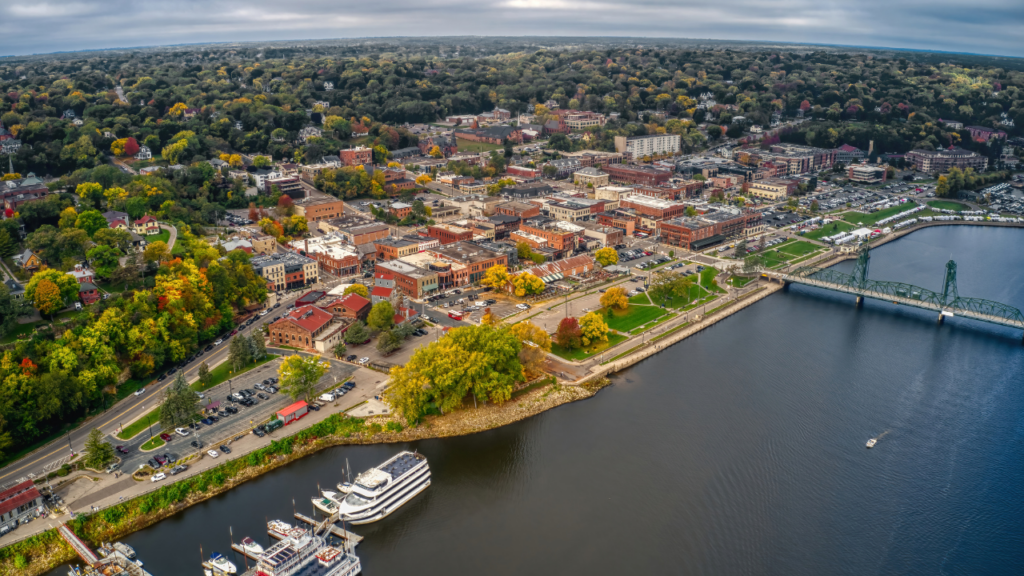
If you’re thinking about moving to Minnesota, there’s a good chance you’ve spent time looking at suburbs around Minneapolis and St. Paul. And one of the first questions people ask is: “What does it actually cost to live in the suburbs?” It’s a smart question. Many people relocating to Minnesota assume suburban living automatically means higher costs. Others believe moving farther away from the city guarantees affordability. The truth usually falls somewhere in the middle. Minnesota suburbs offer a wide range of lifestyles, housing options, school districts, amenities, and price points. Some communities are known for luxury homes and executive neighborhoods. Others attract first-time buyers looking for affordability and value. The good news is that most buyers can find a Minnesota suburb that fits their budget if they understand what factors influence the true cost of living. Let’s take a realistic look at what it costs to live in Minnesota suburbs and what buyers should consider before choosing a community. Why So Many People Choose the Suburbs For decades, suburban living has been one of the most popular choices for Minnesota homeowners. People are often attracted to suburbs because they offer: For many families, the suburbs provide a balance between convenience and lifestyle. You can often enjoy access to major employment centers while still having more room to spread out. Housing Is Usually Your Biggest Expense When discussing cost of living, housing is usually the largest monthly expense. The good news is that Minnesota suburbs offer tremendous variety. You’ll find: The suburb you choose will have a major impact on your monthly housing costs. For example, communities closer to downtown Minneapolis or St. Paul may command higher prices due to location and convenience. Meanwhile, outer-ring suburbs may offer more square footage for the same budget. First-Ring vs Outer-Ring Suburbs Not all suburbs are the same. Minnesota suburbs are often categorized by proximity to the Twin Cities. First-Ring Suburbs These communities are located closest to Minneapolis and St. Paul. Examples include: Benefits often include: However, housing costs can sometimes be higher because of demand and limited inventory. Outer-Ring Suburbs Examples include: Benefits often include: Many buyers find their housing dollars stretch further in these areas. Property Taxes Matter One factor many relocating buyers overlook is property taxes. When comparing homes, it’s important to evaluate: Two homes with similar prices may have different ownership costs because of tax differences. Taxes vary by city, county, school district, and property characteristics. That’s why it’s important to look beyond the listing price alone. Utilities in Minnesota Suburbs Utilities are another cost homeowners should consider. Common utility expenses include: Many suburban homes are larger than urban condos or apartments. As a result, utility costs may vary depending on: Newer homes often benefit from improved insulation and energy-efficient systems. Transportation Costs One advantage of suburban living is access to more housing options. One tradeoff can be transportation. Many suburban residents commute to work. Transportation expenses may include: The impact depends largely on where you work and how frequently you commute. For some households, a longer commute is worth the additional space and affordability. For others, proximity becomes more important. Grocery and Everyday Costs One pleasant surprise for many newcomers is that everyday living expenses tend to remain relatively manageable throughout much of Minnesota. Most suburban communities provide easy access to: Competition among businesses often helps keep costs reasonable. School Districts Can Influence Housing Costs Even buyers without children often pay attention to school districts. Why? Because school district reputation can influence: Communities known for highly regarded schools often experience stronger buyer demand. That demand can affect housing prices. Popular Minnesota Suburbs for Value Many buyers searching for affordability explore communities such as: Each community offers a unique balance of affordability, amenities, and lifestyle. The right fit depends on your goals. What Relocating Families Often Notice Families moving from higher-cost states frequently comment on the amount of space available in Minnesota suburbs. For example, buyers relocating from: Often discover they can purchase: For many families, this creates significant value. Recreation Adds Value Minnesota suburbs are known for outdoor amenities. Many communities offer: These amenities contribute to quality of life without requiring expensive memberships or travel. Many residents consider this one of the hidden benefits of suburban living. New Construction Opportunities Minnesota continues to experience suburban growth. As a result, many communities offer new construction neighborhoods. Benefits may include: For some buyers, these advantages justify slightly higher purchase prices. What Surprises New Residents Most Many people expect suburban life to feel disconnected from major amenities. Instead, they often discover: Minnesota suburbs often provide a blend of convenience and space that attracts a wide range of buyers. Real Example Imagine a family relocating from a major metropolitan area. Their budget allows for a modest home near the city center where they currently live. In many Minnesota suburbs, that same budget may provide: This is one reason many relocating families find strong value in suburban communities. Common Misconceptions All Minnesota Suburbs Are Expensive Not true. Many communities offer affordable housing opportunities. Living Farther Out Is Always Cheaper Not necessarily. Some outer-ring communities are highly desirable and command premium prices. Property Taxes Are the Only Cost That Matters Housing costs, transportation, utilities, and lifestyle expenses all contribute to affordability. Frequently Asked Questions Are Minnesota suburbs affordable? Many are, especially compared to larger metropolitan areas in other states. What is the most affordable suburb near Minneapolis? Affordability varies, but communities such as Farmington, Otsego, Buffalo, and Elk River are often explored by budget-conscious buyers. Are suburban homes larger? In many cases, yes. Buyers often find larger homes and lots compared to urban neighborhoods. Is suburban living cheaper than living in Minneapolis? It depends on the suburb, housing type, commute, and lifestyle preferences. What is the biggest cost of suburban living? Housing is typically the largest expense for most households. Final Thoughts The cost of living in Minnesota suburbs depends on where you choose to live, how much space you want, and the
Moving to Minnesota From Out of State: What You Need to Know (2026 Guide)

If you’re planning a move to Minnesota from another state, you’re probably feeling a mix of excitement and uncertainty. You might be asking: 👉 “What am I not thinking about yet?”👉 “What surprises people after they move?”👉 “Is Minnesota actually going to fit my lifestyle?” Those are the right questions. Because moving to Minnesota isn’t just about buying a house. It’s about adjusting to a completely different way of living, depending on where you’re coming from. Let’s walk through what you really need to know before making the move so you can avoid the common mistakes and feel confident about your decision. The Short Answer Moving to Minnesota from out of state works really well for people who want: It’s usually a bigger adjustment for people coming from: 👉 The move makes sense. But only if you understand the tradeoffs upfront. Step 1: Understand the Weather (This Is Bigger Than You Think) Let’s start with the obvious. Minnesota winters are real. What winter actually feels like If you’re coming from places like: 👉 This will be your biggest adjustment But here’s what most people don’t expect: 👉 Life doesn’t slow down here People still: Homes, roads, and infrastructure are built for it. Summer makes up for it Summers in Minnesota are: You’ll see: 👉 A lot of people say summer alone makes it worth it Step 2: Cost of Living (It’s Not Just Home Prices) A lot of out-of-state buyers come in thinking Minnesota is “cheap.” It’s not that simple. Home Prices (2026) That’s often more affordable than: But then there’s this: 👉 Property taxes Minnesota has: 👉 Higher-than-average property taxes So even if the home price feels lower… 👉 Your monthly payment might not be dramatically different Real Example A couple moving from Colorado expected to save money. After we broke it down: 👉 Monthly cost ended up very similar Step 3: Choosing the Right Area (This Matters More Than People Think) Minnesota is not one-size-fits-all. Different areas feel very different. Suburban Living (Most Popular for Relocation) Cities like: Offer: 👉 This is where most relocation buyers land Closer to the City Minneapolis and St. Paul offer: But: Growing Areas Places like: Offer: 👉 Your lifestyle will determine your best fit Step 4: The Job Market (Stronger Than People Expect) Minnesota has a solid economy. Major employers include: Industries: 👉 It’s not flashy, but it’s stable Step 5: Schools and Family Life This is one of the biggest reasons people move here. Minnesota offers: Top areas include: 👉 Families tend to stay long-term Step 6: Lifestyle Shift (This Is the Real Change) This is where the biggest adjustment happens. Minnesota lifestyle is: Compared to: 👉 It feels more grounded What people notice 👉 Some people love this 👉 Others take time to adjust Real Relocation Scenarios Scenario 1: Moving from Texas A family moved from Texas expecting lower costs. What they found: They stayed because of: 👉 Stability and lifestyle Scenario 2: Moving from California A buyer relocated for work. What changed: Their biggest adjustment: 👉 Winter Scenario 3: Moving from Illinois This move felt easier. Why? 👉 Not all relocations feel the same Common Mistakes People Make ❌ Underestimating winter ❌ Only looking at home price ❌ Not researching areas properly ❌ Choosing based on photos, not lifestyle 👉 These mistakes show up after the move What You Should Do Before Moving 1. Visit if possible 2. Talk to a local expert 3. Understand your monthly budget 4. Think about your lifestyle 👉 This makes the move smoother Who Moving to Minnesota Works Best For ✔ Families ✔ Professionals ✔ Buyers wanting more space Who Might Struggle ❌ People who hate cold weather ❌ People who want fast-paced city life A Simple Way to Think About It If you had to summarize: 👉 “Minnesota trades excitement for stability and quality of life.” And for many people… 👉 That’s exactly what they want FAQ Is moving to Minnesota a good idea?Yes, especially for families and professionals. What is the biggest adjustment?Winter and lifestyle pace. Is it cheaper than other states?Sometimes, but taxes balance it out. Where do most people move?Suburbs like Lakeville, Eagan, and Maple Grove. Final Thoughts Moving to Minnesota is a lifestyle decision. It’s not just about the house. It’s about: 👉 And when it fits… it really works Next Step If you’re planning a move and want help choosing the right area in Minnesota: 👉 https://sell.dreamhomesminnesota.com/ Lesley The RealtorReal Estate Agent in MinnesotaHelping relocation buyers move with clarity and confidence
Is Minnesota a Good Place to Live? Pros and Cons (2026 Guide)
If you’re thinking about moving to Minnesota, you’ve probably already asked this: 👉 “Is Minnesota actually a good place to live?” Not just what rankings say.Not just what Google pulls up. 👉 What does it really feel like living here day to day? Because depending on where you’re coming from, Minnesota can feel like: And most people don’t fully understand that difference until after they move. So let’s walk through this in a real, practical way—so you can decide if Minnesota is actually the right fit for you. The Short Answer (Realistically) Yes—Minnesota is a great place to live. But not for everyone. People who tend to love Minnesota value: People who struggle here usually care more about: 👉 So the real question isn’t: “Is Minnesota good?” 👉 It’s: “Is Minnesota good for you?” What Living in Minnesota Actually Feels Like This is the part most articles miss—and it’s the most important. Minnesota feels: When you move here, you’ll notice: It’s not chaotic.It’s not overwhelming. 👉 It’s consistent And for a lot of people—especially families—that consistency is exactly what they’re looking for. The Weather (Let’s Be Honest About It) We can’t talk about Minnesota without talking about the weather. Winters Winter is: You’ll experience: And yes—it’s something you need to be prepared for. But here’s what surprises people: 👉 Life doesn’t stop People still: Minnesota is built to handle winter. Summers Summer is where Minnesota really shines. You get: This is when people are: 👉 Summers are a huge reason people stay long-term The Real Tradeoff You’re trading: 👉 Tough winters For: 👉 A high quality of life + strong summers + stable environment Cost of Living (What You’ll Actually Pay) Minnesota sits in a “middle ground” for cost of living. It’s: Home Prices (2026) What Surprises Most Buyers 👉 Property taxes Minnesota has: 👉 Higher-than-average property taxes Example: So while home prices look reasonable… 👉 Monthly costs can feel similar to other states Job Market and Economic Stability This is one of Minnesota’s biggest advantages. You have major companies like: Key industries include: 👉 This is not a volatile market 👉 It’s stable And that matters more than people think when choosing where to live long-term. Schools and Education Minnesota is known for strong education. You’ll find: Popular districts include: 👉 For families, this is often the deciding factor Lifestyle and Daily Living This is where Minnesota stands out the most. Outdoor Lifestyle Minnesota is called: 👉 “Land of 10,000 Lakes” And that’s not just a slogan. People regularly: Community Feel You’ll notice: City Access You still have: Which offer: 👉 You get both suburban comfort and city access Real Relocation Scenarios This is where things become real. Scenario 1: Moving from Arizona A family relocated from Arizona. Their concerns: After one year: 👉 “Winter was tough… but everything else made up for it” They stayed because of: Scenario 2: Moving from California Another buyer moved from California. Their takeaway: 👉 “We traded weather for quality of life” They gained: 👉 This tradeoff comes up constantly Pros of Living in Minnesota ✔ Strong Job Market Stable employment opportunities ✔ High-Quality Schools Major advantage for families ✔ More Space for Your Money Compared to major metro areas ✔ Clean and Safe Communities Consistently maintained neighborhoods ✔ Balanced Lifestyle Not too fast, not too slow Cons of Living in Minnesota ❌ Cold Winters This is the biggest adjustment ❌ Higher Property Taxes Important for budgeting ❌ Slower Pace Not ideal if you want constant activity ❌ Less Nightlife Compared to Major Cities More lifestyle-focused than entertainment-focused Who Minnesota Is a Great Fit For ✔ Families ✔ Professionals ✔ Relocation Buyers Who It Might Not Be a Fit For ❌ People who strongly dislike cold weather ❌ People who want a fast-paced, high-energy city ❌ Buyers prioritizing ultra-low taxes Common Mistakes People Make ❌ Underestimating winter ❌ Choosing a home without considering commute ❌ Not visiting during different seasons 👉 These show up after you move—not before A Simple Way to Think About Minnesota If you had to summarize it: 👉 “Minnesota offers a strong quality of life if you’re willing to deal with winter.” That’s the honest version. FAQ Is Minnesota a good place to live?Yes—especially for families and professionals looking for stability. Is Minnesota expensive?Moderate overall, but property taxes are higher. Is the weather difficult?Winter is challenging, but manageable with preparation. What is the lifestyle like?Balanced, community-focused, and outdoors-oriented. Final Thoughts Minnesota isn’t trying to impress you with flash. It’s built for: 👉 And for many people… 👉 That’s exactly what they’re looking for Next Step If you’re thinking about moving to Minnesota and want help figuring out the right area: 👉 https://sell.dreamhomesminnesota.com/ Lesley The RealtorReal Estate Agent in MinnesotaHelping buyers and sellers navigate the Twin Cities with clarity and confidence