
What Credit Score Is Considered “Good” for Buying a Home? (2026 Guide for Minnesota Homebuyers)
If you’re thinking about buying a home in Minnesota, one of the first questions you’re probably asking is: 👉 “What credit score do I actually need?” And honestly? This is one of the BIGGEST concerns for first-time buyers, immigrant buyers, and even repeat buyers. Because many people hear:✔️ “You need perfect credit”✔️ “You need a 700+ score”✔️ “You can’t buy with lower credit” But the reality is:👉 Mortgage approval is usually more flexible than people think. At the same time… Your credit score DOES matter because it can affect:✔️ Mortgage approval✔️ Interest rates✔️ Monthly payment✔️ Loan programs✔️ Down payment requirements And even small score differences may affect:👉 Thousands of dollars over the life of your loan. A lot of buyers ask: 👉 “What score is actually considered GOOD for buying a home?” That’s a smart question. Because understanding credit score expectations early helps buyers:✔️ Prepare strategically✔️ Avoid surprises✔️ Improve financing opportunities✔️ Build confidence before applying You might be wondering: • Can I buy with average credit?• Do I need a 700+ score?• What score gets the best rates?• Can immigrant buyers qualify with limited credit?• What if my score recently dropped?• How much does credit affect monthly payments?• What should I improve before applying? These are excellent questions. The good news is: 👉 Many buyers qualify for mortgages with scores LOWER than they expected. But it’s important to:👉 Understand how lenders actually evaluate credit. 🏡 The Short Answer 👉 A “good” credit score for buying a home is often considered:✔️ Around the mid-600s or higher However:👉 Different loan programs have different requirements. Generally:✔️ Higher scores may help buyers qualify for: But:👉 Lower scores do NOT automatically mean you can’t buy a home. 🏡 Why Credit Scores Matter for Mortgages Mortgage lenders use credit scores to help evaluate:✔️ Financial reliability✔️ Debt management✔️ Payment history✔️ Lending risk Stronger scores may help lenders feel more confident that borrowers can:👉 Handle mortgage payments consistently. That confidence may lead to:✔️ Better loan terms✔️ Lower rates✔️ Easier approvals 🏡 Higher Credit Scores Usually Mean Better Interest Rates This is VERY important. Even if two buyers are approved… The buyer with:👉 Higher credit May receive:✔️ Lower mortgage rates And lower rates may reduce:✔️ Monthly payments✔️ Total long-term interest costs That’s why:👉 Improving your score BEFORE applying can matter tremendously. 🏡 You Do NOT Always Need Perfect Credit A lot of buyers believe:👉 “If my score isn’t excellent, I can’t buy.” That’s usually NOT true. Many buyers successfully purchase homes with:✔️ Average credit✔️ Improving credit✔️ Thin credit✔️ Limited credit history Especially with:✔️ Strong income✔️ Stable employment✔️ Savings✔️ Lower debt Mortgage approval is usually based on:👉 Your FULL financial picture. 🏡 Different Loan Programs Have Different Credit Expectations This is important. Some loan programs are:✔️ More flexible Others may require:✔️ Stronger scores✔️ Lower debt levels✔️ Larger reserves Certain programs are designed specifically for:✔️ First-time buyers✔️ Lower down payments✔️ Buyers rebuilding credit That’s why:👉 Speaking with experienced lenders early matters so much. 🏡 What Is Considered an Excellent Credit Score? Generally: ✔️ Higher scores are often viewed more favorably by lenders. Excellent credit may help buyers access:✔️ Better rates✔️ Stronger loan options✔️ More flexibility during underwriting But honestly? Many buyers become homeowners long before reaching:👉 “Perfect” credit. 🏡 Credit Scores Are NOT the Only Thing Lenders Evaluate This is HUGE. Lenders also review:✔️ Income✔️ Employment history✔️ Debt-to-income ratio✔️ Savings✔️ Down payment✔️ Payment history✔️ Credit utilization So even if your score isn’t perfect… Strong financial habits may still help:👉 Strengthen your approval chances. 🏡 What If You Have Thin Credit? Thin credit means:👉 Limited credit history. This is VERY common among:✔️ Immigrant buyers✔️ Younger buyers✔️ First-time borrowers You may still qualify:👉 Depending on your overall financial profile. Some lenders may also evaluate:✔️ Rent history✔️ Utility payments✔️ Alternative credit data Especially for buyers newer to the U.S. 🏡 Can You Buy a Home With No Credit History? Sometimes:👉 Yes. Some lenders offer:✔️ Nontraditional credit options That may include:✔️ Rent payments✔️ Utility bills✔️ Insurance payments✔️ Bank statement history However:👉 Traditional credit history usually creates more financing options. That’s why many buyers benefit from:✔️ Building credit early. 🏡 What Lowers Credit Scores Before Buying? Several common mistakes may hurt scores:❌ Missing payments ❌ Maxing out cards ❌ Opening too many accounts ❌ Financing furniture before closing ❌ Closing old accounts unnecessarily ❌ Applying for too much credit These mistakes may:👉 Affect mortgage approval and rates. 🏡 Credit Utilization Matters A LOT Utilization means:👉 How much of your available credit you’re using. Example: If your credit limit is:👉 $10,000 And balances total:👉 $8,000 Your utilization is:👉 80% That’s VERY high. Many experts recommend:✔️ Staying under 30%✔️ Ideally under 10% Lower utilization may help:👉 Improve scores relatively quickly. 🏡 Payment History Matters MOST This is one of the biggest credit factors. Late payments may:❌ Lower scores quickly❌ Hurt approval chances❌ Stay on reports for years The BEST strategy is:✔️ Pay every bill on time✔️ Use automatic payments when possible Consistency matters tremendously. 🏡 Why Timing Matters Before Applying Some buyers rush into:👉 Mortgage applications too early. But improving your score BEFORE applying may:✔️ Increase approval odds✔️ Improve interest rates✔️ Expand loan options✔️ Reduce monthly payments Strategic preparation matters. 🏡 Why Immigrant Buyers Often Feel Confused About Credit Many immigrants come from countries where:✔️ Credit systems work differently✔️ Debt culture differs✔️ Mortgage approvals use different standards So naturally:👉 U.S. credit scoring can feel confusing at first. And honestly? Many financially responsible immigrants initially have:👉 Thin U.S. credit profiles. That’s VERY common. 🏡 Real Situation I See Often Someone relocates to Minnesota with:✔️ Great income✔️ Stable employment✔️ Savings But:👉 Lower or limited U.S. credit history. Initially they assume:👉 Homeownership may not be possible. But after:✔️ Building credit strategically✔️ Improving utilization✔️ Strengthening payment history They often become:👉 Strong mortgage candidates sooner than expected. 🏡 What Smart Buyers Usually Do Successful buyers often:✔️ Build credit early✔️ Keep balances low✔️ Pay everything on time✔️ Avoid unnecessary debt✔️ Monitor their credit reports✔️ Prepare BEFORE applying Because mortgage readiness usually comes from:👉
What Utilization Ratio Should I Keep Before Applying for a Mortgage? (2026 Guide for Immigrant Homebuyers in Minnesota)
If you’re preparing to buy a home in the United States, there’s a good chance you’ve heard someone say: 👉 “Keep your credit utilization low.” And honestly? A lot of buyers immediately think: 👉 “What does that even mean?” This is one of the MOST confusing parts of the U.S. credit system for:✔️ Immigrant buyers✔️ First-time homebuyers✔️ Buyers building credit for the first time Because many people assume:👉 If they pay their bills on time…That should be enough. But mortgage lenders and credit scoring systems also look at:✔️ How MUCH of your available credit you use. And that’s where:👉 Credit utilization ratio comes in. A lot of buyers ask: 👉 “What utilization ratio should I keep before applying for a mortgage?” This is a VERY important question because utilization can affect:✔️ Credit scores✔️ Mortgage approval✔️ Interest rates✔️ Loan options✔️ Monthly payments And honestly? For many buyers:👉 Lowering utilization is one of the FASTEST ways to improve credit scores. You might be wondering: • What is utilization ratio exactly?• What percentage is considered good?• Does carrying balances hurt my mortgage approval?• Should I pay off cards completely?• What if my cards are maxed out?• Can utilization lower my score quickly?• How soon before applying should I lower balances? These are excellent questions. Because understanding utilization properly can help you:👉 Avoid major mortgage preparation mistakes. The good news is: 👉 Utilization is something many buyers can improve relatively quickly. But it’s important to:👉 Understand how lenders and scoring systems view it. 🏡 The Short Answer 👉 Many experts recommend keeping your credit utilization:✔️ Under 30%✔️ Ideally under 10% if possible before applying for a mortgage Lower utilization generally helps:✔️ Credit scores✔️ Mortgage readiness✔️ Financial appearance to lenders High utilization may:❌ Lower your score❌ Reduce mortgage options❌ Increase lender concerns 🏡 What Is Credit Utilization Ratio? Utilization ratio means:👉 How much of your available credit you’re currently using. Example: If your total credit limit is:👉 $10,000 And your balances total:👉 $2,000 Your utilization ratio is:👉 20% That’s considered:✔️ Relatively healthy. 🏡 Why Utilization Matters So Much Credit scoring systems often view:👉 High balances as higher financial risk. Even if:✔️ You pay on time✔️ You have stable income✔️ You’re financially responsible Maxed-out or heavily used cards may signal:👉 Potential financial stress. Mortgage lenders notice this. 🏡 Lower Utilization Often Helps Scores Quickly This is HUGE. For many buyers:👉 Lowering utilization creates one of the FASTEST noticeable score improvements. Especially if balances were previously:✔️ Very high Example: Reducing utilization from:👉 85%To:👉 20% May help scores significantly. That’s why many mortgage professionals advise buyers to:👉 Lower balances BEFORE applying. 🏡 What Utilization Is Considered “Too High”? Generally: ✔️ Under 10%→ Excellent ✔️ Under 30%→ Usually healthy ❌ Over 50%→ Often concerning ❌ Over 75%→ Usually very risky for scores The higher the utilization:👉 The more potential negative impact on scores. 🏡 Maxed-Out Cards Can Hurt Mortgage Approval This is VERY important. Even if you:✔️ Make payments consistently Maxed-out cards may:❌ Lower scores dramatically❌ Increase debt-to-income concerns❌ Reduce lender confidence Mortgage lenders want to see:👉 Responsible credit management. 🏡 Should You Pay Off Cards Completely? Sometimes:👉 Yes. But not always necessary. Many buyers do VERY well simply by:✔️ Reducing balances significantly✔️ Keeping utilization low You do NOT necessarily need:👉 Zero balances everywhere. The goal is:✔️ Healthy utilization✔️ Financial stability 🏡 Utilization Is Calculated Per Card AND Overall This surprises many people. Lenders and scoring systems may evaluate:✔️ Overall utilizationAND✔️ Individual card utilization Example: Even if overall utilization looks good… One card at:👉 95% utilization May still hurt your score. Spreading balances more evenly may help. 🏡 Timing Matters Before Mortgage Applications This is HUGE. Many buyers wait until:👉 The last minute to lower balances. But credit reporting takes:✔️ Time to update So ideally:👉 Start lowering balances EARLY before applying. Strategic preparation often creates:✔️ Better mortgage outcomes. 🏡 Why Immigrant Buyers Often Struggle With Utilization Many immigrants come from countries where:✔️ Credit systems work differently✔️ Debt usage is viewed differently✔️ Credit scoring may not emphasize utilization heavily So naturally:👉 Utilization can feel confusing initially. And honestly? Many buyers mistakenly believe:👉 Carrying large balances helps build credit. Not necessarily. 🏡 Carrying Large Balances Usually Doesn’t Help This is a VERY common myth. Some people think:👉 “I should carry debt to improve my score.” That’s usually incorrect. Responsible usage matters more than:👉 Carrying expensive debt. The goal is:✔️ Controlled balances✔️ Consistent payments✔️ Low utilization 🏡 What If You Have Thin Credit? Thin credit means:👉 Limited credit history. This is common among:✔️ Immigrants✔️ First-time buyers✔️ New U.S. residents In these situations:👉 Utilization becomes EVEN MORE important. Because lenders have:👉 Less historical data to evaluate. Strong utilization habits may help:✔️ Strengthen your profile. 🏡 Does Utilization Affect Mortgage Rates Too? Potentially:👉 Yes. Credit scores often affect:✔️ Mortgage rates✔️ Loan eligibility✔️ Financing flexibility Even small score improvements may:👉 Save thousands over time. That’s why:👉 Mortgage preparation matters so much. 🏡 Should You Open New Cards to Lower Utilization? Sometimes:👉 Maybe. But timing matters. Opening new accounts before mortgage applications may:✔️ Lower average account age✔️ Create hard inquiries✔️ Temporarily affect scores Generally:👉 Major credit changes right before applying are risky. This is why:👉 Personalized mortgage guidance matters. 🏡 What Lenders REALLY Want to See Mortgage lenders usually prefer:✔️ Stable payment history✔️ Controlled debt levels✔️ Responsible utilization✔️ Consistent financial behavior They generally want confidence that borrowers can:👉 Handle mortgage payments responsibly long-term. 🏡 Should You Stop Using Credit Cards Completely? Usually:👉 No. Using cards responsibly may actually help:✔️ Payment history✔️ Active account reporting✔️ Credit profile consistency The key is:✔️ Controlled low-balance usage. 🏡 Real Situation I See Often Someone preparing to buy a home has:✔️ Good income✔️ Stable job✔️ Decent credit score But:👉 Very high card balances. After:✔️ Paying balances down✔️ Lowering utilization✔️ Improving ratios They often see:👉 Better mortgage opportunities surprisingly quickly. 🏡 Common Utilization Mistakes Buyers Make ❌ Maxing out cards ❌ Carrying high balances unnecessarily ❌ Waiting too long to lower balances ❌ Ignoring individual card utilization ❌ Opening multiple new
What Are the Fastest Ways to Raise My Credit Score Before Buying a Home? (2026 Guide for Immigrant Homebuyers in Minnesota)
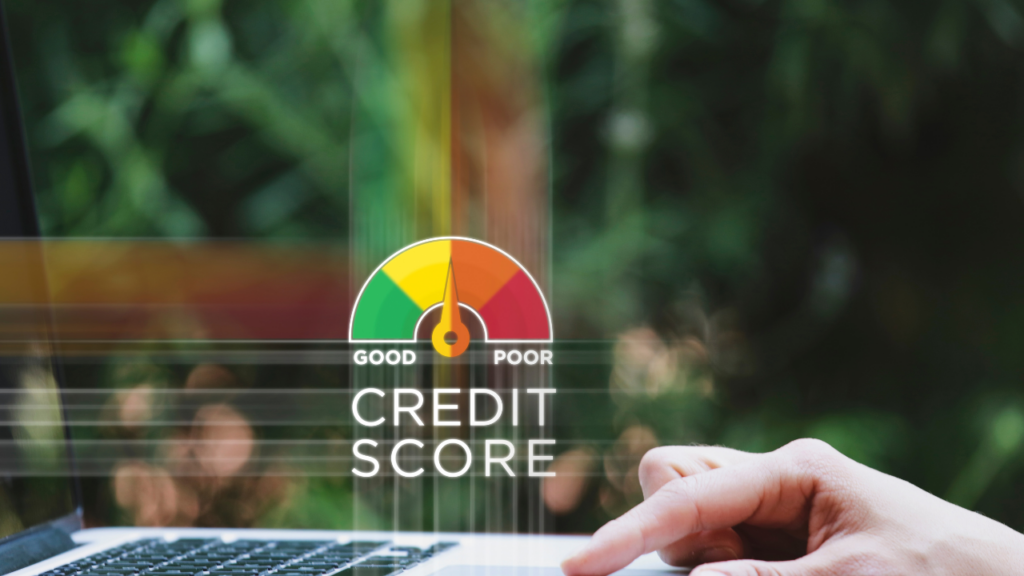
If you’re planning to buy a home in the United States, there’s a good chance you’ve heard this advice already: 👉 “You should improve your credit score first.” And honestly? That advice matters. Because even a SMALL improvement in your credit score may affect:✔️ Mortgage approval✔️ Interest rates✔️ Monthly payment✔️ Loan options✔️ Down payment flexibility For many immigrant buyers, this process can feel especially stressful because:✔️ U.S. credit systems are unfamiliar✔️ Credit history may be limited✔️ Financial rules work differently than other countries✔️ Building credit takes time and strategy A lot of buyers ask: 👉 “What are the FASTEST ways to raise my credit score before buying a home?” This is a very smart question. Because improving your score BEFORE applying for a mortgage may save you:👉 Thousands of dollars over the life of your loan. You might be wondering: • What increases credit scores fastest?• How quickly can scores improve?• Should I pay off all my debt?• Does paying collections help?• Can lowering credit card balances help quickly?• What mistakes should I avoid before applying?• Can immigrants qualify with limited credit? These are excellent questions. Because improving your credit score is not just about:👉 “Looking good” financially. It’s about:👉 Creating stronger mortgage opportunities. The good news is: 👉 Many buyers CAN improve their scores faster than they expect. But it’s important to:👉 Focus on the RIGHT actions first. 🏡 The Short Answer 👉 The fastest ways to improve your credit score often include: ✔️ Paying down credit card balances✔️ Keeping utilization low✔️ Making every payment on time✔️ Avoiding new debt✔️ Correcting credit report errors✔️ Avoiding unnecessary credit applications For many buyers:👉 Lowering credit card utilization creates the FASTEST noticeable improvements. 🏡 Why Credit Scores Matter So Much for Mortgages Mortgage lenders use credit scores to help evaluate:✔️ Financial reliability✔️ Loan risk✔️ Payment behavior✔️ Debt management Generally:👉 Higher credit scores may help buyers qualify for:✔️ Better mortgage rates✔️ Lower monthly payments✔️ More loan options Even modest score increases may:👉 Improve financing opportunities significantly. 🏡 Credit Utilization Is One of the FASTEST Areas to Improve This is HUGE. Credit utilization means:👉 How much of your available credit you’re using. Example: If your credit card limit is:👉 $1,000 And your balance is:👉 $800 Your utilization is:👉 80% That’s considered:❌ Very high. Generally:👉 Lower utilization helps scores more. Many experts suggest:✔️ Staying under 30%✔️ Ideally under 10% when possible 🏡 Paying Down Credit Cards May Improve Scores Quickly For many people:👉 This creates one of the fastest improvements. Especially if balances are:✔️ High relative to limits Example: Reducing balances from:👉 80% utilizationTo:👉 20% utilization May help your score noticeably. This is why many lenders advise buyers to:👉 Reduce revolving debt BEFORE applying for mortgages. 🏡 On-Time Payments Matter More Than Almost Anything This is critical. Your payment history is one of the BIGGEST factors affecting credit scores. Late payments may:❌ Hurt scores significantly❌ Stay on reports for years❌ Damage mortgage approval chances The BEST strategy is:✔️ Pay every bill on time✔️ Set automatic payments if possible Consistency matters tremendously. 🏡 Don’t Open Too Many New Accounts Before Buying This is a VERY common mistake. Some buyers think:👉 More accounts automatically improve credit. Not necessarily. Opening several new accounts quickly may:✔️ Create hard inquiries✔️ Lower average account age✔️ Increase lender concerns temporarily Especially before:👉 Mortgage applications. Generally:👉 Stability helps more than aggressive account opening. 🏡 Avoid Closing Old Credit Accounts This surprises many people. Closing old accounts may:✔️ Reduce available credit✔️ Raise utilization ratios✔️ Shorten average account age That may:👉 Hurt scores. Even if you’re not actively using old cards:👉 Keeping them open may help. Especially accounts with:✔️ Long positive history. 🏡 Check Your Credit Reports for Errors This is VERY important. Mistakes happen more often than people realize. Possible errors may include:✔️ Incorrect balances✔️ Duplicate accounts✔️ Wrong late payments✔️ Fraudulent activity✔️ Identity mix-ups Correcting errors may:👉 Improve scores faster than expected. Especially before:👉 Mortgage pre-approval. 🏡 Should You Pay Off Collections? This depends on:✔️ Collection type✔️ Lender guidelines✔️ Mortgage program✔️ Credit profile overall Sometimes:👉 Paying collections may help. Other times:👉 It may not improve scores dramatically immediately. This is why speaking with:✔️ Mortgage professionals✔️ Credit specialists Can help create:👉 A smarter strategy. 🏡 Avoid Large Purchases Before Applying This is HUGE. Many buyers accidentally hurt approval odds by:✔️ Financing furniture✔️ Buying vehicles✔️ Opening store credit cards✔️ Taking personal loans Right before mortgage applications. That may:✔️ Increase debt ratios✔️ Lower scores✔️ Affect approval chances Mortgage lenders want to see:👉 Financial stability. 🏡 Thin Credit Can Still Be Challenging Thin credit means:👉 Limited credit history. Even if your score is decent… Lenders may still want:✔️ More established history✔️ Longer account age✔️ More payment records Some immigrant buyers qualify using:✔️ Alternative credit data✔️ Rent history✔️ Utility payments✔️ Bank statements Especially with:✔️ Specialized lenders. 🏡 Do Secured Credit Cards Help Improve Scores? Often:👉 Yes. Secured cards can help:✔️ Build payment history✔️ Generate credit activity✔️ Establish credit profiles Especially for:✔️ Immigrants✔️ First-time borrowers✔️ Buyers rebuilding credit The key is:✔️ Responsible usage. 🏡 How Quickly Can Credit Scores Improve? This depends heavily on:✔️ Starting score✔️ Existing debt✔️ Payment history✔️ Utilization changes✔️ Credit report accuracy Some buyers may see:👉 Improvements within months. Others may need:👉 Longer-term rebuilding. There’s no universal timeline. But consistency matters tremendously. 🏡 Why Mortgage Timing Matters Some buyers rush into:👉 Mortgage applications too early. But improving your score BEFORE applying may:✔️ Expand loan options✔️ Reduce monthly payments✔️ Improve interest rates✔️ Increase approval confidence Waiting strategically may save:👉 Significant money long-term. 🏡 What Immigrant Buyers Should Understand Many immigrant buyers feel discouraged because:👉 They’re financially responsible…But have limited U.S. credit history. That’s extremely common. And honestly? Many lenders today have:✔️ More experience working with immigrant buyers✔️ Flexible documentation programs✔️ Alternative qualification methods Preparation matters tremendously. 🏡 Real Situation I See Often Someone relocates to Minnesota and immediately wants:👉 To buy a home quickly. But after speaking with lenders…They realize:👉 Improving credit slightly first could dramatically improve financing options. The buyers who often have smoother mortgage experiences
How Do I Start Building Credit Quickly in the U.S.? (2026 Guide for Immigrant Homebuyers in Minnesota)
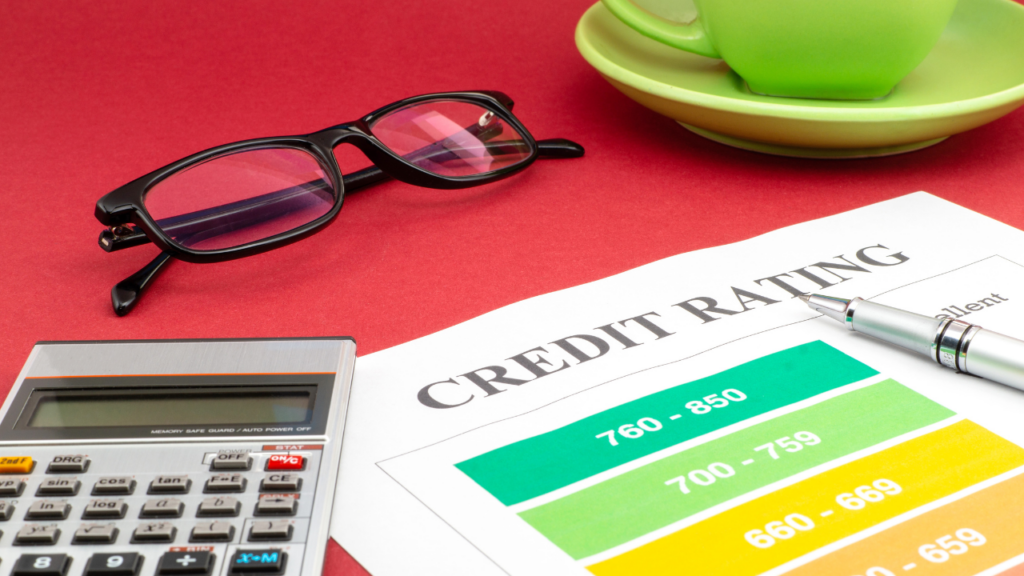
If you recently moved to the United States and want to buy a home someday, one of the first things you’ll probably hear is: 👉 “You need to build credit.” And honestly? That can feel confusing and frustrating at first. Especially because many immigrants arrive in the U.S. with:✔️ Strong savings✔️ Stable income✔️ Professional careers✔️ Excellent financial habits in their home country But then discover:👉 They essentially have NO U.S. credit history. A lot of immigrant buyers ask: 👉 “How do I build credit FAST so I can qualify for a mortgage?” This is a very common question. Because in the U.S., your credit score affects:✔️ Mortgage approval✔️ Interest rates✔️ Credit cards✔️ Car loans✔️ Apartment applications✔️ Insurance rates in some cases And honestly? Learning how U.S. credit works early can make homebuying MUCH easier later. You might be wondering: • What’s the fastest way to build credit?• How long does it take?• Can I buy a house with no credit?• Do secured credit cards help?• Can rent payments build credit?• What mistakes should I avoid?• How much credit history do lenders want? These are smart questions. Because building credit correctly early on can:👉 Save you THOUSANDS later on mortgage interest. The good news is: 👉 Many immigrants can begin building strong U.S. credit faster than they expect. But it’s important to:👉 Use the RIGHT strategy. 🏡 The Short Answer 👉 The fastest way to build credit in the U.S. is usually by: ✔️ Opening a secured credit card✔️ Making small purchases consistently✔️ Paying on time every month✔️ Keeping balances LOW✔️ Avoiding late payments completely Over time, this creates:👉 Positive credit history. And that history is what lenders want to see. 🏡 Why Credit Matters So Much for Homebuying Mortgage lenders use credit scores to help determine:✔️ Loan approval✔️ Interest rates✔️ Risk level✔️ Financing options Generally:👉 Stronger credit can help you qualify for:✔️ Better rates✔️ Lower monthly payments✔️ More loan options Even small credit score improvements can significantly affect:👉 Long-term mortgage costs. 🏡 Why Many Immigrants Start With No Credit This surprises many newcomers. Your credit history from another country usually:👉 Does NOT automatically transfer to the U.S. So even if you:✔️ Owned property abroad✔️ Had excellent financial history✔️ Used credit responsibly for years You may still begin in the U.S. with:👉 Little or no credit profile. This is normal. And honestly? It’s very common. 🏡 Step 1: Open a Secured Credit Card For many immigrants:👉 This is the BEST starting point. A secured credit card works like this: You provide:👉 A refundable security deposit. That deposit becomes:👉 Your credit limit. Example: You deposit:👉 $500 Then your credit limit becomes:👉 Around $500 The card reports activity to credit bureaus. And that helps:👉 Build credit history. 🏡 Why Secured Credit Cards Work So Well They help lenders see:✔️ Payment history✔️ Responsible usage✔️ Account management Over time:👉 This helps generate your credit score. The KEY is:✔️ Use the card lightly✔️ Pay on time✔️ Keep balances low 🏡 Keep Your Utilization LOW This is VERY important. Your utilization ratio means:👉 How much of your available credit you use. Example: If your limit is:👉 $500 And you spend:👉 $450 That’s VERY high utilization. Generally:👉 Lower utilization helps your score more. Many experts suggest staying:✔️ Under 30%✔️ Ideally under 10% if possible 🏡 Payment History Matters MOST This is critical. Late payments can damage your credit FAST. Even ONE missed payment may hurt:✔️ Your score✔️ Mortgage approval odds later✔️ Future financing opportunities The best strategy is:👉 Automatic payments. Consistency matters more than:👉 Spending large amounts. 🏡 Small Purchases Work Fine Many people think:👉 They need to spend heavily to build credit. That’s NOT true. Small consistent purchases work well. Examples:✔️ Gas✔️ Groceries✔️ Streaming subscriptions✔️ Cell phone bills Then:👉 Pay the balance responsibly. 🏡 How Fast Can You Build Credit? This depends on:✔️ Payment consistency✔️ Account usage✔️ Credit mix✔️ Reporting activity But many people begin generating:👉 Early credit scores within several months. Building STRONG mortgage-ready credit usually takes:👉 Longer. Especially for:✔️ Better interest rates✔️ Conventional mortgage approvals 🏡 Can Rent Payments Help Build Credit? Sometimes:👉 Yes. Some rent-reporting services may help report:✔️ On-time rent payments To:✔️ Credit bureaus. Not all landlords report automatically. So you may need:👉 A third-party service. This may help strengthen:✔️ Payment history records. 🏡 Should You Open Multiple Credit Cards Quickly? Usually:👉 No. Opening too many accounts too fast may:✔️ Lower your score temporarily✔️ Create too many inquiries✔️ Look risky to lenders Generally:👉 Slow and steady works better. Especially before:✔️ Applying for a mortgage. 🏡 Avoid Carrying Large Balances This is another common mistake. Some people believe:👉 Carrying debt helps credit. Not necessarily. You do NOT need to:✔️ Carry large balances✔️ Pay interest unnecessarily Responsible low-balance usage works well. 🏡 What About Thin Credit? Thin credit means:👉 Limited credit history. You may still qualify for mortgages with:✔️ Thin credit✔️ Limited accounts But options may become:👉 More limited. Some lenders can use:✔️ Alternative credit data✔️ Rent history✔️ Utility history✔️ Bank statements Especially for immigrant buyers. 🏡 How Long of Credit History Do Mortgage Lenders Prefer? This varies by:✔️ Loan type✔️ Lender guidelines✔️ Overall financial profile Generally:👉 Longer, stable history helps. But some buyers may qualify sooner with:✔️ Strong income✔️ Good savings✔️ Stable employment✔️ Low debt This is why talking with experienced lenders early matters. 🏡 Credit Mistakes to Avoid Before Buying a Home This is VERY important. Avoid:❌ Late payments ❌ Maxing out cards ❌ Opening many new accounts quickly ❌ Closing old accounts unnecessarily ❌ Large unexplained bank activity ❌ Co-signing risky loans ❌ Missing bill payments These mistakes may:👉 Hurt mortgage approval later. 🏡 Should You Close Old Credit Accounts? Usually:👉 No. Older accounts help show:✔️ Longer credit history Closing old accounts may:✔️ Reduce available credit✔️ Raise utilization ratios✔️ Shorten account history That may hurt your score. 🏡 What Credit Score Do You Need for a Mortgage? This depends on:✔️ Loan program✔️ Down payment✔️ Debt levels✔️ Income✔️ Lender guidelines Some programs allow:👉 Lower scores than people expect. But generally:👉 Higher scores