
Should I Invest in Video or Drone Footage for My Listing in Minnesota?
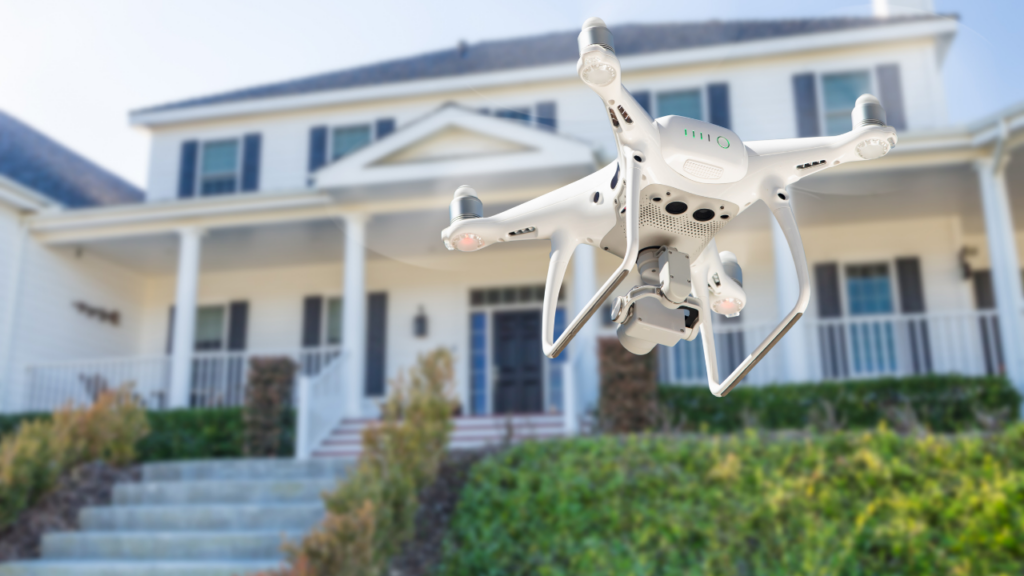
A seller called me from her home in Plymouth on a Friday morning with a question that came from a conversation she had been having with a friend who had recently sold a home in the southwest metro. The friend had invested in a full video walkthrough and drone footage for her listing. The videos had been posted on YouTube and shared on social media by her listing agent. The friend was enthusiastic about the videos and credited them with generating significant online interest before the home went active. She had received multiple offers in the first weekend and had sold above asking price. The seller was drawn to the idea but was also uncertain. Her friend’s home had been a newer construction with dramatic interior finishes and a beautifully landscaped lot that looked spectacular from the air. Her own home was a well-maintained nineteen-eighties split-level on a standard suburban lot in Plymouth. She liked her home and felt it showed well in person, but she was not sure whether the same investment in video and drone footage that had worked spectacularly for her friend’s property would produce the same results for hers. “My friend is convinced that video and drone footage are the future of real estate marketing and that I should do both,” she told me. “But her house is stunning. Mine is nice but it is not a showpiece. Is this the kind of investment that makes sense for every home or is it something that only helps certain properties?” Her instinct to question whether her friend’s experience was universally applicable was exactly right, and the honest answer to her question required making the specific distinctions that determine when video and drone footage add genuine marketing value and when they represent an investment that does not proportionally benefit the seller. Here is the complete picture. How Video and Drone Footage Function Differently From Still Photos Before evaluating whether video and drone footage are appropriate for a specific listing, understanding what these tools accomplish differently from still photography clarifies the decision framework. Still photography captures specific moments and specific angles within the home, giving buyers a series of individual images that they mentally assemble into an impression of the space. Good still photography conveys individual rooms and features effectively and is the foundation of every listing’s visual presentation. The limitation of still photography is that it does not convey the flow of the home, the spatial relationship between rooms, the sense of movement through the space, or the contextual relationship between the home and its surroundings. Video walkthrough footage addresses the spatial flow limitation of still photography by giving buyers a moving experience of the home that more closely approximates what walking through it in person feels like. A buyer who watches a video walkthrough of a home sees how the rooms connect, how the light moves through the space, and how the home functions as a unified environment rather than as a collection of individual rooms. This spatial context is particularly valuable for buyers who are making preliminary decisions about whether a home is worth visiting in person, because it gives them significantly more information than still photos alone provide. Drone footage addresses the contextual relationship limitation of ground-level photography by giving buyers an aerial perspective on the home, its lot, and its surroundings. Ground-level exterior photos show the front facade of the home but cannot convey the lot’s size and configuration, the home’s relationship to natural features like lakes or parks, the neighborhood context that surrounds the property, or the proximity of amenities that are visible from the air but not from the street. Drone footage provides all of this contextual information in a compelling visual format. Both types of footage also function as social media marketing content in a way that still photos do not. Video content on social media platforms including Facebook, Instagram, and YouTube generates higher engagement than static image content, meaning video footage of a listing creates more shares, more comments, and more views than the same listing’s still photos would produce when posted to the same channels. When Video Walkthrough Footage Is Worth the Investment Video walkthrough footage is most clearly worth the investment when specific characteristics of the home make the spatial flow experience genuinely compelling and different from what still photos convey. Homes with open floor plans that connect multiple living spaces in a visually impressive way are excellent candidates for video walkthrough footage because the continuity of the space, the sight lines between areas, and the sense of openness are much better conveyed by moving footage than by still photos. A buyer who watches a video walkthrough of a well-designed open plan home often has a noticeably more positive impression than a buyer who views the same home through still photos alone. Homes with distinctive architectural features including vaulted ceilings, dramatic staircase designs, floor-to-ceiling windows, and other visually impressive elements that define the character of the home benefit from video because these features come alive in moving footage in ways that still photos, even excellent ones, cannot fully replicate. Homes with a strong flow from interior to exterior living spaces, including properties with covered outdoor entertaining areas, pool and spa areas, or distinctive landscape features that are integrated with the interior experience, benefit from video that follows the natural movement from inside the home to outside and back. Homes at higher price points where the buyer expectation for marketing quality is elevated and where the investment in video is proportionally modest relative to the sale price are natural candidates for video production. In the Twin Cities market, video walkthroughs have become increasingly standard for listings above approximately five hundred thousand dollars, and buyers in this price range have come to expect this level of presentation. For the seller in Plymouth with the well-maintained split-level on a standard lot, the question was whether the home’s specific characteristics would be meaningfully better represented by video than by excellent still