
What Credit Score Do I Really Need to Buy a Home in the U.S.? (Minnesota Guide – 2026)
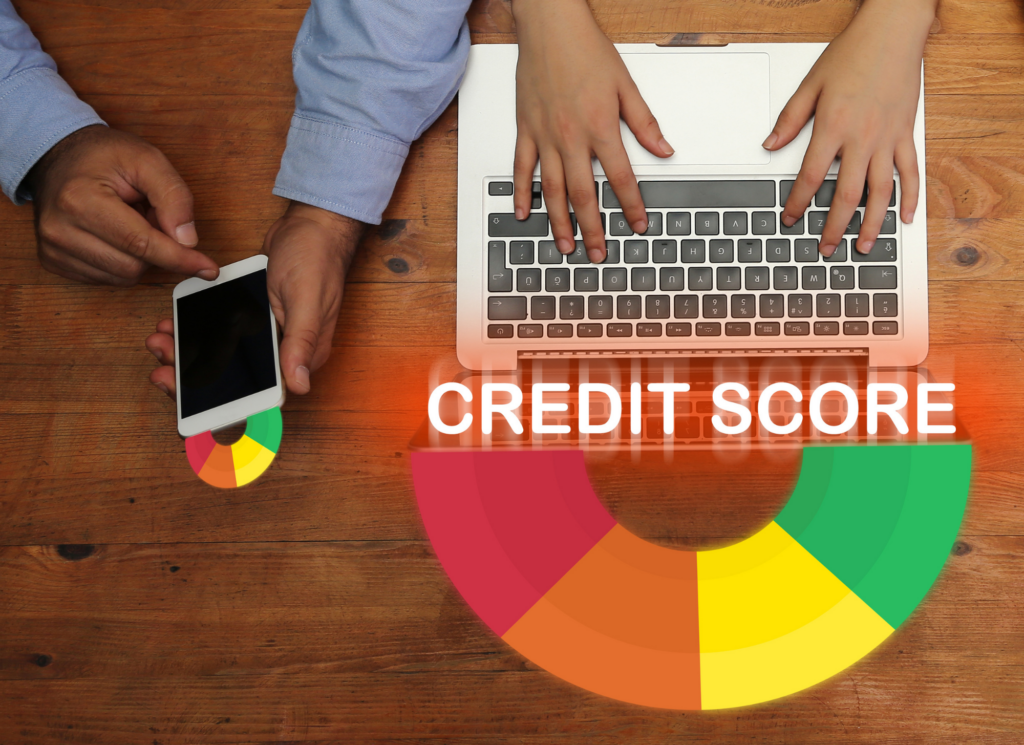
If you’re thinking about buying a home—especially as an immigrant or first-time buyer—one question almost always comes up: 👉 “What credit score do I actually need to buy a house?” And this question usually comes with a lot of confusion: The truth is: 👉 You don’t need a perfect credit score to buy a home in the U.S. But: 👉 Your score DOES affect your options, your loan, and your monthly payment. The Short Answer 👉 Most buyers can qualify with a credit score of: 👉 But: 👉 The higher your score: 👉 So the real question is: 👉 Not just “Can you qualify?” 👉 But: 👉 “How good of a loan can you get?” Why Credit Scores Matter In the U.S., your credit score is used to: 👉 Lenders use your score to decide: 👉 It’s one of the most important parts of your application Credit Score Ranges (What They Mean) Let’s break this down clearly. 🔴 300–579 (Poor) 👉 Very difficult to qualify 👉 May need to improve before buying 🟠 580–619 (Fair) 👉 May qualify for FHA loans 👉 Higher interest rates 🟡 620–679 (Good) 👉 Qualifies for most conventional loans 👉 Better rates 🟢 680–739 (Very Good) 👉 Strong approval 👉 Competitive rates 🔵 740+ (Excellent) 👉 Best rates available 👉 Maximum buying power 👉 The higher your score: 👉 The more options you have Minimum Credit Score by Loan Type 🏡 FHA Loans 👉 Minimum: 👉 580 (with 3.5% down) 👉 Some lenders may allow: 👉 Lower scores with higher down payment 👉 Best for: 🏡 Conventional Loans 👉 Minimum: 👉 620+ 👉 Best for: 🏡 ITIN Loans 👉 Requirements vary 👉 Some lenders: 👉 Best for: 👉 Key takeaway: 👉 There’s no ONE number—it depends on the loan What If You Have No Credit Score? This is common for immigrants. 👉 You can still buy using: 👉 Lenders may use: 👉 No score ≠ no opportunity What Your Credit Score Actually Affects This is where it really matters. 1. Your Interest Rate 👉 Higher score = lower rate 👉 Lower score = higher rate 👉 Even a small difference: 👉 Can impact your monthly payment significantly 2. Your Monthly Payment 👉 Better credit = lower payment 👉 Worse credit = higher payment 👉 Over time: 👉 This adds up 3. Your Loan Approval 👉 Higher score: 👉 Easier approval 👉 Lower score: 👉 More conditions or denials 4. Your Down Payment Options 👉 Better credit: 👉 More flexibility 👉 Lower credit: 👉 May require more upfront 👉 Credit affects more than just approval A Real Situation I See All the Time A buyer says: 👉 “I only have a 620—I probably can’t buy” 👉 But in reality: Another buyer: 👉 Has a 700 score 👉 Gets: 👉 Same home—different financial outcome Should You Wait to Improve Your Credit? This depends on your situation. 👉 You may want to wait if: 👉 You may NOT need to wait if: 👉 Sometimes: 👉 Buying now makes more sense than waiting Quick Ways to Improve Your Credit If you want to strengthen your position: ✔️ Pay Bills on Time 👉 This is the biggest factor ✔️ Reduce Credit Card Balances 👉 Keep usage low ✔️ Avoid New Debt 👉 Don’t open unnecessary accounts ✔️ Check Your Credit Report 👉 Fix errors if needed 👉 Small changes can make a big difference Common Credit Mistakes to Avoid ❌ Waiting for a “perfect” score 👉 You don’t need perfection ❌ Opening new accounts before buying 👉 This can hurt your score ❌ Ignoring your credit completely 👉 Awareness is key ❌ Assuming you don’t qualify 👉 Always verify first 👉 These mistakes delay buyers unnecessarily The Role of the Right Lender (CRITICAL) Not all lenders treat credit the same way. 👉 The right lender will: 👉 The wrong lender may: 👉 Limit your options unnecessarily 👉 That’s a big difference The Role of the Right REALTOR® This is where strategy matters. 👉 The right REALTOR® helps you: 👉 And most importantly: 👉 Help you move forward with confidence Resources Matter A well-connected REALTOR® knows: 👉 This can improve your outcome significantly Who This Applies To First-time buyers Immigrant buyers Buyers building or repairing credit 👉 If you’re unsure about your score: 👉 You’re not alone FAQ: Credit Scores and Buying a Home What is the minimum credit score to buy a house?Typically 580 for FHA and 620 for conventional loans. Can I buy with bad credit?Yes—but your options may be limited. Do I need a 700 credit score?No—many buyers qualify with lower scores. Can I buy with no credit?Yes—using alternative credit options. Final Thoughts Your credit score matters… 👉 But it’s not everything Because lenders aren’t just looking at: 👉 One number 👉 They’re looking at: 👉 Your full financial picture 👉 And if that picture makes sense: 👉 You may be ready sooner than you think Next Step If you’re unsure about your credit and thinking about buying a home in Minnesota, the next step is to understand where you stand: 👉 https://buy.dreamhomesminnesota.com/ 👉 This will help you: Lesley The RealtorRealtor in the Twin Cities & Surrounding Metro, MinnesotaHelping first-time and immigrant buyers understand their numbers and move forward with confidence
Can I Buy a House With an ITIN Number in the U.S.? (Minnesota Guide – 2026)

If you don’t have a Social Security Number and you’ve been looking into buying a home, you’ve probably come across the term: 👉 ITIN And naturally, the question becomes: 👉 “Can I buy a house with an ITIN number?” Because at first, it can feel unclear: The truth is: 👉 Yes—you can absolutely buy a house in the U.S. using an ITIN number. But: 👉 It requires the right lender, the right preparation, and the right guidance. The Short Answer 👉 You can buy a home with an ITIN if: 👉 You do NOT need: 👉 A Social Security Number to own property 👉 But you DO need: 👉 A structured and documented financial profile What Is an ITIN? Let’s break this down simply. 👉 ITIN stands for: 👉 Individual Taxpayer Identification Number 👉 It is issued by the IRS to: 👉 Many immigrants use an ITIN to: 👉 Work, file taxes, and build financial history in the U.S. 👉 And importantly: 👉 It can also be used to apply for a mortgage What Is an ITIN Loan? 👉 An ITIN loan is a mortgage designed for: 👉 These loans allow you to: 👉 Buy a home legally in the U.S. 👉 This is not a workaround… 👉 It’s a recognized lending path How ITIN Loans Work ITIN loans are similar to traditional loans—but with some differences. 👉 Lenders will still evaluate: 👉 But instead of using: 👉 SSN + traditional credit 👉 They may use: 👉 The goal is the same: 👉 Determine if you can repay the loan What You Need to Qualify for an ITIN Loan Let’s break this down clearly. ✔️ ITIN Number 👉 This replaces the SSN in the process ✔️ Proof of Income 👉 This can include: ✔️ Bank Statements 👉 Shows: ✔️ Down Payment 👉 Typically higher than traditional loans: 👉 Often 10%–20% ✔️ Alternative Credit (If Needed) 👉 This may include: 👉 Helps show payment history 👉 The goal is: 👉 Build a complete financial picture How ITIN Loans Are Different From Traditional Loans 📊 Down Payment 👉 ITIN loans: 👉 Traditional loans: 📊 Interest Rates 👉 ITIN loans: 👉 Due to: 👉 Increased lender risk 📊 Documentation 👉 ITIN loans: 👉 Lenders need more proof 👉 But here’s the key: 👉 They make homeownership possible Common Misconceptions ❌ “I can’t buy without an SSN” 👉 Not true 👉 ITIN loans exist specifically for this reason ❌ “Only citizens can buy homes” 👉 Not true 👉 Non-citizens can legally purchase property ❌ “It’s too complicated” 👉 It’s different—but manageable with the right help 👉 Most of the confusion comes from lack of information A Real Situation I See All the Time A buyer says: 👉 “I have an ITIN, but I don’t think I can buy yet” 👉 We review their situation: 👉 And they realize: 👉 They are actually closer than they thought Another buyer: 👉 Has income but hasn’t filed taxes properly 👉 Result: 👉 Needs time to prepare 👉 Same starting point—different readiness Challenges to Be Aware Of Let’s be real—there are some challenges. 👉 With ITIN loans: 👉 The process may feel: 👉 More detailed 👉 But it is absolutely doable How to Prepare If You Have an ITIN If you’re thinking about buying, here’s what helps: ✔️ File Your Taxes Consistently 👉 This is critical ✔️ Keep Your Income Documented 👉 Avoid unreported income Save for a Down Payment 👉 Plan for 10–20% ✔️ Build Alternative Credit 👉 Pay bills on time 👉 Preparation puts you in a strong position Should You Wait or Buy Now? This depends on your situation. 👉 You may be ready now if: 👉 You may want to wait if: 👉 The key is: 👉 Clarity—not guessing The Role of the Right Lender (CRITICAL) This is one of the biggest factors. 👉 The right lender will: 👉 The wrong lender may: 👉 Say no immediately 👉 That’s the difference The Role of the Right REALTOR® This is where everything comes together. 👉 The right REALTOR® helps you: 👉 And most importantly: 👉 Help you move forward with confidence Resources Matter A well-connected REALTOR® knows: 👉 This can save you months of frustration Who This Applies To ITIN holders Immigrant buyers First-time buyers without SSNs 👉 This is more common than most people think FAQ: Buying a House With an ITIN Can I buy a house with an ITIN number?Yes—with the right lender and documentation. Do I need a Social Security Number?No—an ITIN can be used instead. Is it harder to get approved?Yes—but still very possible. How much down payment do I need?Typically 10–20%. Final Thoughts Having an ITIN does NOT limit your ability to buy a home… 👉 It simply changes the path Because lenders aren’t focused on: 👉 Whether you have an SSN 👉 They’re focused on: 👉 Whether you are financially ready 👉 And if you are: 👉 Homeownership is absolutely possible Next Step If you have an ITIN and are thinking about buying a home in Minnesota, the next step is to understand what you qualify for: 👉 https://buy.dreamhomesminnesota.com/ 👉 This will help you: Lesley The RealtorRealtor in the Twin Cities & Surrounding Metro, MinnesotaHelping immigrant and first-time buyers turn possibilities into homeownership
Do I Need a Social Security Number to Buy a House in the U.S.? (Minnesota Guide – 2026)

If you’re an immigrant or new to the United States and thinking about buying a home, one of the first questions you’ll probably ask is: 👉 “Do I need a Social Security Number (SSN) to buy a house?” Because this can feel like a major barrier. You might be thinking: The truth is: 👉 No—you do NOT always need a Social Security Number to buy a house in the U.S. But: 👉 It depends on how you plan to finance the home. The Short Answer 👉 You can buy a home in the U.S. without an SSN if: 👉 You do NOT need: 👉 Citizenship or an SSN in all cases 👉 But you DO need: 👉 The right structure and guidance Why This Question Comes Up So Often In many countries: 👉 Buying property may require: 👉 So it’s natural to assume: 👉 The U.S. has strict requirements like this 👉 But in the U.S.: 👉 Homeownership is not limited to citizens or SSN holders 👉 That’s a big opportunity What Is a Social Security Number (SSN)? Let’s clarify this quickly. 👉 An SSN is used for: 👉 Most traditional loans rely on SSNs to: 👉 Pull your credit report 👉 But here’s the key: 👉 It’s not the ONLY way to qualify What If You Don’t Have an SSN? You still have options. 👉 The most common path is: 👉 Using an ITIN What Is an ITIN? 👉 ITIN stands for: 👉 Individual Taxpayer Identification Number 👉 It is issued by the IRS to: 👉 Many immigrant buyers use an ITIN to: 👉 Apply for a mortgage 👉 This is a widely used path Can You Get a Mortgage With an ITIN? 👉 Yes—this is called: 👉 An ITIN loan 👉 ITIN loans are designed for: 👉 These loans allow you to: 👉 Buy a home legally in the U.S. How ITIN Loans Work They are slightly different from traditional loans. 👉 Requirements may include: 👉 Some differences: 👉 But: 👉 They make homeownership possible What About Traditional Loans? 👉 Traditional loans (like FHA, conventional) typically require: 👉 An SSN 👉 Because they rely on: 👉 Without an SSN: 👉 These options are limited 👉 That’s why ITIN loans are so important What You’ll Need Without an SSN Even without an SSN, lenders still need proof. ✔️ Income Documentation ✔️ Bank Statements 👉 Shows financial stability ✔️ Alternative Credit 👉 This may include: 👉 Helps replace traditional credit history ✔️ Identification Documents 👉 The goal is: 👉 Prove you are financially reliable A Real Situation I See All the Time A buyer says: 👉 “I don’t have an SSN, so I probably can’t buy” 👉 But after exploring options: 👉 And they realize: 👉 They’re actually eligible Another buyer: 👉 Has no documentation yet 👉 Result: 👉 Needs time to prepare 👉 Same concern—different outcomes Common Misconceptions ❌ “No SSN means no homeownership” 👉 Not true ❌ “I need to wait for citizenship” 👉 Not required ❌ “Banks won’t work with me” 👉 Some won’t—but others specialize in this 👉 The key is: 👉 Working with the RIGHT people Challenges to Be Aware Of Let’s be realistic. 👉 Without an SSN: 👉 The process may feel: 👉 More complex 👉 But it is still very possible The Role of the Right Lender (CRITICAL) This is one of the biggest factors. 👉 The right lender will: 👉 The wrong lender may: 👉 Immediately say no 👉 That’s the difference The Role of the Right REALTOR® This is where everything comes together. 👉 The right REALTOR® helps you: 👉 And most importantly: 👉 Help you avoid delays and confusion Resources Matter A well-connected REALTOR® knows: 👉 This can save you months of frustration Should You Wait Until You Get an SSN? This depends on your situation. 👉 You may want to wait if: 👉 You may NOT need to wait if: 👉 It’s a strategy decision Who This Applies To Immigrants without SSNs ITIN holders First-time buyers in the U.S. 👉 This is more common than people think FAQ: SSN and Buying a Home Do I need a Social Security Number to buy a house?No—you can use an ITIN in many cases. What is an ITIN loan?A mortgage designed for buyers without an SSN. Can I get a normal mortgage without an SSN?Usually no—but ITIN loans are available. Is it harder to buy without an SSN?Yes—but still very possible. Final Thoughts Not having a Social Security Number does NOT mean: 👉 You can’t buy a home in the U.S. 👉 It simply means: 👉 You need a different path Because lenders aren’t just looking for: 👉 An SSN 👉 They’re looking for: 👉 Proof that you are financially stable and reliable 👉 And if you can show that: 👉 You have options Next Step If you don’t have an SSN and are thinking about buying a home in Minnesota, the next step is to understand what options are available to YOU: 👉 https://buy.dreamhomesminnesota.com/ 👉 This will help you: Lesley The RealtorRealtor in the Twin Cities & Surrounding Metro, MinnesotaHelping immigrant and first-time buyers navigate the path to homeownership—no matter where they’re starting
Can I Qualify for a Mortgage Using Cash Income in the U.S.? (Minnesota Guide – 2026)
If you earn income in cash and you’re thinking about buying a home, one of the most important questions you’ll ask is: 👉 “Can I qualify for a mortgage using cash income?” Because for many people—especially immigrants and self-employed workers—cash income is common. But then the uncertainty starts: The truth is: 👉 Yes—you can qualify for a mortgage with cash income. But: 👉 It MUST be properly documented and verifiable. The Short Answer 👉 Cash income CAN be used to qualify for a mortgage if: 👉 Cash income that is NOT documented: 👉 Will NOT be counted by lenders 👉 That’s the most important thing to understand Why Cash Income Is Treated Differently Lenders are not concerned about HOW you get paid… 👉 They care about: 👉 Can this income be verified and trusted? 👉 Cash income is harder to track 👉 So lenders require: 👉 Proof and consistency 👉 Without proof: 👉 It doesn’t exist in the lender’s eyes What Counts as “Cash Income”? Let’s define this clearly. 👉 Cash income can include: 👉 These are all acceptable: 👉 IF properly documented The Biggest Misconception ❌ “I make cash, so I can’t buy a house” 👉 Not true 👉 The real issue is: 👉 Whether the income is documented ❌ “I can just tell the lender what I make” 👉 Not enough 👉 Lenders need: 👉 Proof on paper 👉 This is where most people get stuck How to Use Cash Income to Qualify Here’s how buyers actually make this work. 1. Report Your Income on Taxes 👉 This is the most important step 👉 Lenders rely heavily on: 👉 Tax returns 👉 If your income shows up on your tax returns: 👉 It can be used 👉 If it doesn’t: 👉 It won’t count 👉 This is non-negotiable 2. Show Consistency Over Time 👉 Most lenders want: 👉 At least 2 years of income history 👉 Why? 👉 It proves: 👉 One strong year is not enough 👉 They want to see a pattern 3. Provide Bank Statements 👉 These help support your income 👉 Lenders look for: 👉 This helps validate: 👉 What you report 4. Profit and Loss Statements (If Self-Employed) 👉 If you run a business: 👉 You may need: 👉 This helps: 👉 Break down your income clearly Why Some Cash Income Doesn’t Qualify Let’s be honest—this is where people run into problems. 👉 Cash income will NOT qualify if: 👉 Even if you earn a lot: 👉 It won’t count without proof 👉 That’s the reality A Real Situation I See All the Time A buyer says: 👉 “I make good money—but it’s mostly cash” 👉 We look at their taxes… 👉 And the reported income is much lower 👉 Result: 👉 They qualify for less—or not at all Another buyer: 👉 Reports all income properly 👉 Result: 👉 Strong approval 👉 Same income—different outcome Can You Still Buy If Your Cash Income Isn’t Documented? 👉 Possibly—but with limitations 👉 Options may include: 👉 But in most cases: 👉 Documentation is required What About Bank Statement Loans? These are sometimes mentioned. 👉 Bank statement loans: 👉 BUT: 👉 These are more advanced options 👉 Not always the first path How to Prepare If You Earn Cash If you’re planning to buy a home, here’s what to do: ✔️ Start Reporting Your Income 👉 This is step #1 ✔️ Keep Consistent Records 👉 Track everything ✔️ Deposit Income Into Bank Accounts 👉 Avoid keeping everything in cash ✔️ Work With a Knowledgeable Lender 👉 Not all lenders handle this well 👉 Preparation makes all the difference Should You Wait Before Buying? 👉 You may want to wait if: 👉 You may be ready if: 👉 Timing matters The Role of the Right Lender (CRITICAL) This is one of the most important parts of the process. 👉 The right lender will: 👉 The wrong lender may: 👉 Dismiss your situation entirely 👉 That’s a huge difference The Role of the Right REALTOR® This is where strategy comes in. 👉 The right REALTOR® helps you: 👉 And most importantly: 👉 Help you move forward the right way Resources Matter A well-connected REALTOR® knows: 👉 This can save you time and frustration Who This Applies To Self-employed buyers Immigrant buyers Cash-based workers 👉 This is very common FAQ: Cash Income and Mortgages Can I buy a house with cash income?Yes—if it is documented and reported. Do I need to show tax returns?Yes—this is usually required. What if my income isn’t reported?It likely won’t be counted. How long do I need to show income?Typically 1–2 years. Final Thoughts Earning cash income doesn’t disqualify you from buying a home… 👉 But documentation determines everything Because lenders aren’t asking: 👉 “How do you get paid?” 👉 They’re asking: 👉 “Can we verify and trust this income?” 👉 And if the answer is yes: 👉 You have options 👉 If not: 👉 You need a plan Next Step If you earn cash income and are thinking about buying a home in Minnesota, the next step is to understand what actually qualifies: 👉 https://buy.dreamhomesminnesota.com/ 👉 This will help you: Lesley The RealtorRealtor in the Twin Cities & Surrounding Metro, MinnesotaHelping immigrant and first-time buyers navigate complex situations and move forward with confidence
What If I Just Started Working—Can I Still Buy a Home in the U.S.? (Minnesota Guide – 2026)

If you recently started a new job and you’re thinking about buying a home, you’re probably asking: 👉 “Can I still buy a house if I just started working?” And this question comes with a lot of uncertainty: The truth is: 👉 Yes—you may still be able to buy a home even if you just started working. But: 👉 It depends on your overall work history and how your new job fits into it. The Short Answer 👉 You can buy a home after starting a new job if: 👉 You do NOT always need: 👉 2 years at your current job 👉 But you DO need: 👉 A strong overall employment story Why This Feels Confusing Many people hear: 👉 “You need 2 years of work history to buy a home” 👉 And assume that means: 👉 2 years at the SAME job 👉 That’s not always true 👉 What lenders actually want is: 👉 2 years of consistent employment—not 2 years in one position 👉 That’s a big difference What Lenders Are Really Looking For When you apply for a mortgage, lenders ask: 👉 “Is this borrower’s income stable and likely to continue?” 👉 They care about: 👉 Not just how long you’ve been at your current job 👉 This is good news for many buyers When You CAN Buy After Starting a New Job Let’s go through the scenarios where buyers are often approved. 1. You Stayed in the Same Field 👉 This is the strongest situation 👉 Example: 👉 Even if your U.S. job is new: 👉 Your experience shows continuity 👉 Lenders like this because: 👉 It reduces risk 2. You Have a Strong Work History (Even Abroad) 👉 Your previous job history still matters 👉 This includes: 👉 As long as it shows: 👉 Consistent employment over time 👉 This can support your application 3. Your Income Is Stable and Verifiable 👉 You’ll need: 👉 Lenders want to see: 👉 You’re actively earning and getting paid 👉 Even if the job is new 4. You’re a W-2 Employee (Not Self-Employed) 👉 Salaried or hourly employees have an easier path 👉 Why? 👉 Income is more predictable 👉 Self-employed buyers: 👉 Usually need longer history When You MAY Need to Wait Let’s be realistic—there are situations where waiting helps. 1. You Just Started Working With No Prior History 👉 If you: 👉 Lenders may want: 👉 More time to establish consistency 2. You Changed Careers Completely 👉 Example: 👉 Lenders may see this as: 👉 Less predictable 👉 You may need time to show stability 3. You’re Self-Employed 👉 This is a different category 👉 Most lenders want: 👉 2 years of self-employment history 👉 This is stricter 4. Your Income Is Variable 👉 Commission-based or fluctuating income 👉 Lenders want: 👉 A history of consistency 👉 Not just recent earnings A Real Situation I See All the Time A buyer says: 👉 “I just started my job—I probably can’t buy yet” 👉 But after reviewing: 👉 And they realize: 👉 They’re already in a good position Another buyer: 👉 Has no prior work history 👉 Result: 👉 Needs more time before qualifying 👉 Same situation—different outcome What Documents You’ll Need To strengthen your application, you’ll likely need: ✔️ Offer Letter 👉 Shows: ✔️ Pay Stubs 👉 Confirms: 👉 You’re actively earning income ✔️ Employment Verification 👉 Confirms your job is active and stable ✔️ Work History Documentation 👉 Shows consistency over time 👉 The goal is: 👉 Build a complete picture of your income How Starting a New Job Affects Your Buying Power This is important. 👉 If your income is accepted: 👉 You can qualify normally 👉 If your income is NOT accepted yet: 👉 Your approval amount may be lower 👉 Timing matters 👉 But it doesn’t always mean you’re not ready Should You Wait Before Buying? This depends on your situation. 👉 You may want to wait if: 👉 You may NOT need to wait if: 👉 The best move is: 👉 Get clarity before assuming you need to wait The Role of the Right Lender (CRITICAL) Not all lenders evaluate new jobs the same way. 👉 The right lender will: 👉 The wrong lender may: 👉 Deny you too quickly 👉 This is where most buyers get stuck The Role of the Right REALTOR® This is where guidance matters. 👉 The right REALTOR® helps you: 👉 And most importantly: 👉 Help you move forward with confidence Resources Matter A well-connected REALTOR® knows: 👉 This can save you months of waiting Who This Applies To New immigrants starting work First-time buyers Buyers who recently changed jobs 👉 If you’re unsure: 👉 You’re not alone FAQ: Buying After Starting a New Job Can I buy a house right after starting a job?Yes—if your income and work history support it. Do I need 2 years at my current job?No—you need 2 years of overall work history. Does my previous job count?Yes—even if it was outside the U.S. Should I wait before buying?Only if your income or history isn’t stable yet. Final Thoughts Starting a new job doesn’t automatically mean: 👉 You have to wait to buy a home 👉 It just means: 👉 Lenders need to understand your full story Because they’re not just looking at: 👉 Your start date 👉 They’re looking at: 👉 Your consistency and future stability 👉 And if you can show that: 👉 You may be ready sooner than you think Next Step If you recently started working and are thinking about buying a home in Minnesota, the next step is to understand where you stand right now: 👉 https://buy.dreamhomesminnesota.com/ 👉 This will help you: Lesley The RealtorRealtor in the Twin Cities & Surrounding Metro, MinnesotaHelping immigrant and first-time buyers navigate the process with clarity and confidence
Can I Use Income From Two Jobs to Qualify for a Mortgage in the U.S.? (Minnesota Guide – 2026)

If you’re working more than one job and thinking about buying a home, one of the most common questions is: 👉 “Can I use income from both jobs to qualify for a mortgage?” Because for many people—especially immigrants and first-time buyers—working two jobs is part of the plan: But then the confusion starts: The truth is: 👉 Yes—you can use income from two jobs to qualify for a mortgage. But: 👉 It depends on how long you’ve had those jobs and how consistent the income is. The Short Answer 👉 You can use income from two jobs if: 👉 Most lenders want: 👉 At least 2 years of history working multiple jobs 👉 That’s the key requirement most people miss Why Lenders Care About Job History Lenders aren’t just looking at how much you make today… 👉 They’re asking: 👉 “Is this income reliable long-term?” If you just started a second job: 👉 They may see it as temporary If you’ve been working two jobs consistently: 👉 They see it as stable 👉 Stability = approval confidence What Counts as “Two Jobs”? Let’s define this clearly. 👉 This can include: 👉 All of these can count 👉 As long as: 👉 The income is consistent and documented The 2-Year Rule (Important) Here’s where most people get confused. 👉 Lenders typically want: 👉 A 2-year history of working both jobs 👉 Why? 👉 It shows: 👉 If you meet this: 👉 Both incomes can usually be counted What If You Just Started Your Second Job? This is very common. 👉 If you recently picked up a second job: 👉 It may NOT count yet 👉 Why? 👉 There’s no history to prove consistency 👉 In most cases: 👉 You may need: 👉 12–24 months of history 👉 BUT: 👉 Some exceptions exist (depending on the lender) 👉 This is where guidance matters Part-Time and Side Income Good news here. 👉 Part-time income CAN count 👉 As long as: 👉 Examples: 👉 This is very common for first-time buyers Overtime and Bonus Income This is similar. 👉 Overtime can count if: 👉 Same with bonuses: 👉 They must be: 👉 Predictable and recurring 👉 Not one-time income What Documentation You’ll Need To use income from two jobs, lenders will ask for: ✔️ Pay Stubs (Both Jobs) 👉 Shows current income ✔️ W-2 Forms (Past 2 Years) 👉 Confirms income history ✔️ Employment Verification 👉 Confirms both jobs are active ✔️ Tax Returns (If Needed) 👉 Especially for variable income 👉 The goal is simple: 👉 Prove consistency A Real Situation I See All the Time A buyer says: 👉 “I’m working two jobs—I should qualify for more, right?” 👉 But after reviewing: 👉 Result: 👉 Only one income is counted Another buyer: 👉 Has worked two jobs for 2+ years 👉 Result: 👉 Both incomes are used 👉 Higher approval amount 👉 Same situation—different timing How This Affects Your Buying Power This is where it gets exciting. 👉 Using two incomes can: 👉 BUT: 👉 Only if the income qualifies 👉 Otherwise: 👉 You may need to plan ahead Should You Get a Second Job to Qualify? This depends. 👉 It can help if: 👉 It may NOT help immediately if: 👉 Strategy matters more than effort Common Mistakes to Avoid ❌ Assuming all income counts 👉 Not all income is usable ❌ Starting a second job too late 👉 Timing matters ❌ Not documenting income properly 👉 Proof is everything ❌ Working with the wrong lender 👉 Some lenders are stricter than others 👉 These mistakes can delay your purchase The Role of the Right Lender This is critical. 👉 The right lender will: 👉 The wrong lender may: 👉 Overlook opportunities or deny unnecessarily 👉 This makes a BIG difference The Role of the Right REALTOR® This is where everything connects. 👉 The right REALTOR® helps you: 👉 And most importantly: 👉 Help you avoid delays Resources Matter A well-connected REALTOR® knows: 👉 This can fast-track your process Who This Applies To Immigrant buyers First-time buyers Buyers working multiple jobs 👉 If you’re trying to qualify: 👉 This is very relevant FAQ: Using Two Jobs for a Mortgage Can I use income from two jobs to buy a house?Yes—if you have a consistent history. Do I need 2 years at both jobs?Typically yes, or a strong combined work history. Does part-time income count?Yes—if it’s consistent and documented. What if I just started a second job?It may not count yet. Final Thoughts Working two jobs can absolutely help you buy a home… 👉 But only if the income is: 👉 Stable, consistent, and proven Because lenders aren’t just looking at: 👉 How much you make today 👉 They’re looking at: 👉 Whether you can sustain it 👉 That’s what determines approval Next Step If you’re working one or two jobs and thinking about buying a home in Minnesota, the next step is to understand what income actually qualifies: 👉 https://buy.dreamhomesminnesota.com/ 👉 This will help you: Lesley The RealtorRealtor in the Twin Cities & Surrounding Metro, MinnesotaHelping first-time and immigrant buyers understand their options and qualify with confidence
How Long Do I Need to Be in the U.S. Before I Can Buy a Home? (Minnesota Guide for Immigrants – 2026)

If you’ve recently moved to the United States and you’re thinking about buying a home, one of the most common questions is: 👉 “How long do I need to be in the U.S. before I can buy a house?” And for many people, this question comes with a lot of assumptions: The truth is: 👉 There is no fixed timeline that says you must wait a certain number of years before buying a home in the U.S. 👉 Let’s break this down clearly so you understand what actually matters The Short Answer 👉 You do NOT need to wait a specific number of years to buy a home in the U.S. 👉 What lenders actually care about is: 👉 NOT how long you’ve physically been in the country 👉 That’s the key shift most people don’t realize Why This Question Comes Up So Often In many countries: 👉 You may need: 👉 So it’s natural to assume: 👉 The U.S. works the same way 👉 But in the U.S.: 👉 The process is more about financial qualification than time 👉 That’s good news for many buyers What Actually Matters Instead of Time Let’s focus on what lenders really look for. 1. Employment History (This Is Key) 👉 Most lenders want to see: 👉 At least 2 years of work history 👉 BUT here’s the important part: 👉 It does NOT have to be 2 years in the U.S. 👉 It can include: 👉 As long as it shows: 👉 Consistency and stability 👉 This is a major opportunity for immigrants 2. Current Job Stability 👉 Lenders want to see: 👉 Even if you just started working in the U.S.: 👉 You may still qualify if: 👉 Example: 👉 If you worked as an engineer abroad and now work as an engineer in the U.S.—that continuity helps 3. Income Documentation 👉 You’ll need: 👉 If you’re new: 👉 You may provide alternative documentation 👉 The goal is simple: 👉 Prove you can afford the home 4. Credit (Or Alternative Credit) 👉 If you’ve been in the U.S. longer: 👉 You may have started building credit 👉 If you’re new: 👉 You can still qualify using: 👉 Credit helps—but it’s not always required 5. Legal Status (Important but Flexible) 👉 You do NOT always need to be a U.S. citizen 👉 Many buyers purchase homes with: 👉 Requirements vary by loan program 👉 But again: 👉 Time in the U.S. is NOT the deciding factor Real Scenarios (What This Looks Like in Real Life) Scenario 1: Recently Moved (Less Than 1 Year) 👉 You may still qualify if: 👉 Timeline is short—but still possible Scenario 2: 1–2 Years in the U.S. 👉 This is a strong position 👉 You may have: 👉 Many buyers purchase during this window Scenario 3: 2+ Years in the U.S. 👉 Even stronger position 👉 Easier qualification👉 More loan options 👉 But again: 👉 You don’t have to wait this long The Biggest Misconceptions ❌ “I need to wait at least 2 years” 👉 Not necessarily 👉 You need: 👉 2 years of WORK history (not U.S. residency) ❌ “I need citizenship first” 👉 Not true 👉 Many non-citizens buy homes ❌ “I just got here—I can’t buy” 👉 Not always true 👉 Depends on your income and job When You MAY Need to Wait Let’s be realistic. 👉 You may need more time if: 👉 In this case: 👉 Waiting 6–12 months can strengthen your position 👉 It’s not about waiting years 👉 It’s about building a solid file A Real Situation I See All the Time A buyer says: 👉 “I just moved here—I probably need to wait a few years” 👉 But after reviewing their situation: 👉 And they realize: 👉 They’re closer than they thought 👉 This is very common The Role of the Right Lender (CRITICAL) Not all lenders understand immigrant scenarios. 👉 The right lender will: 👉 The wrong lender will: 👉 Automatically say no 👉 That’s the difference The Role of the Right REALTOR® This is where guidance matters. 👉 The right REALTOR® helps you: 👉 And most importantly: 👉 Help you take action sooner—if you’re ready Resources Matter A well-connected REALTOR® will know: 👉 This can save you a LOT of time Who This Applies To New immigrants Visa holders First-time buyers in the U.S. 👉 If you’re unsure: 👉 You’re not alone FAQ: Timeline to Buy a Home in the U.S. Do I need to live in the U.S. for a certain number of years before buying?No—there is no fixed requirement. Can I buy a house right after moving to the U.S.?Possibly—if you have stable income and work history. Do I need 2 years of U.S. work history?No—foreign work history can count. Is it better to wait?Only if your financial situation isn’t stable yet. Final Thoughts Buying a home in the U.S. isn’t about: 👉 How long you’ve been here 👉 It’s about: 👉 How prepared you are financially Because lenders are asking: 👉 “Can you afford this home?” 👉 Not: 👉 “How long have you lived here?” 👉 That shift in thinking changes everything Next Step If you’re an immigrant or new to the U.S. and thinking about buying a home in Minnesota, the next step is to understand where you stand right now: 👉 https://buy.dreamhomesminnesota.com/ 👉 This will help you: Lesley The RealtorRealtor in the Twin Cities & Surrounding Metro, MinnesotaHelping immigrant and first-time buyers navigate the path to homeownership with clarity
Can I Buy a House in the U.S. With No Credit History? (Minnesota Guide for Immigrants – 2026)

If you’ve recently moved to the United States and you’re thinking about buying a home, one of the first questions you’ll probably ask is: 👉 “Can I buy a house with no credit history?” Because in many countries, credit works differently—or doesn’t matter as much. But in the U.S., it can feel like: 👉 Everything depends on your credit score So you might be wondering: The truth is: 👉 Yes—you can buy a house in the U.S. with no credit history. But: 👉 It depends on how you structure your loan and who you work with. The Short Answer 👉 You can buy a home without credit if you: 👉 You do NOT always need: 👉 A traditional credit score 👉 But you DO need: 👉 A strategy Why Credit Matters in the U.S. Let’s start here. 👉 In the U.S., lenders use credit scores to: 👉 Without credit: 👉 Lenders don’t have a clear history of how you manage money 👉 That’s why it can feel like a barrier 👉 But it’s not the end of the road What “No Credit History” Really Means There are two common situations: 1. You Have NO Credit 👉 You’ve never: 👉 This is common for: 👉 New immigrants 2. You Have “Thin” Credit 👉 You may have: 👉 Not enough to generate a strong score 👉 Both situations are workable How You Can Buy Without Credit Here’s how buyers actually do it. 1. Using Alternative Credit This is one of the most important options. 👉 Lenders can look at: 👉 These show: 👉 You consistently pay on time 👉 This is called: 👉 Non-traditional or alternative credit 👉 Not all lenders offer this 👉 Which is why: 👉 The right lender matters A LOT 2. FHA Loans (In Some Cases) FHA loans are popular for first-time buyers. 👉 They may allow: 👉 Alternative credit documentation 👉 Requirements vary by lender 👉 Benefits: 👉 This is one of the most common paths 3. Manual Underwriting This is key. 👉 Manual underwriting means: 👉 A real person reviews your financial situation 👉 Instead of relying only on a credit score 👉 They look at: 👉 This is often used for: 👉 Buyers with no credit 4. Larger Down Payment (Sometimes Helps) 👉 Not always required—but can strengthen your file 👉 Shows: 👉 Financial stability 👉 May improve approval chances What You WILL Need Instead of Credit Even without credit, lenders still need proof. 👉 You’ll need: ✔️ Stable Income ✔️ Proof of Payments ✔️ Bank Statements 👉 The goal is: 👉 Show that you are financially responsible Common Challenges (And How to Overcome Them) ❌ “No credit = automatic denial” 👉 Not true—but depends on the lender ❌ Limited lender options 👉 Not all lenders work with no-credit buyers 👉 Solution: 👉 Work with someone who knows who to connect you with ❌ More documentation required 👉 Be prepared to provide: 👉 Extra paperwork 👉 This is normal A Real Situation I See All the Time A buyer says: 👉 “I just moved here—I don’t have credit yet” They assume: 👉 “I need to wait years” 👉 But after connecting with the right lender: 👉 This happens more often than people think Should You Wait or Buy Now? This depends on your situation. 👉 You may want to wait if: 👉 You may be ready now if: 👉 The best move is: 👉 Get clarity before assuming you’re not ready The Role of the Right REALTOR® (This Matters A LOT) This is where many people go wrong. 👉 The right REALTOR® helps you: 👉 And most importantly: 👉 Guide you through a process that may feel unfamiliar Resources Matter A well-connected REALTOR® will know: 👉 This can save you months—or even years Who This Applies To New immigrants First-time buyers with no credit Buyers starting fresh in the U.S. 👉 This is more common than you think FAQ: Buying With No Credit Can I buy a house with no credit history?Yes—with alternative credit and the right lender. Do I need a credit score to buy a house?Not always—but it helps. What is alternative credit?Rent, utilities, and other payment history used instead of a score. Is it harder to buy without credit?Yes—but it’s still possible. Final Thoughts Not having credit in the U.S. doesn’t mean: 👉 You can’t buy a home 👉 It just means: 👉 You need a different approach Because lenders aren’t just looking for a score… 👉 They’re looking for: 👉 Responsibility and consistency 👉 And if you can show that: 👉 You have options Next Step If you’re an immigrant or new to the U.S. and thinking about buying a home in Minnesota, the next step is to understand what you qualify for: 👉 https://buy.dreamhomesminnesota.com/ 👉 This will help you: Lesley The RealtorRealtor in the Twin Cities & Surrounding Metro, MinnesotaHelping first-time and immigrant buyers navigate the path to homeownership
How Do I Buy My First Home in Minnesota? (2026 Step-by-Step Guide)
If you’re thinking about buying your first home, you’re probably asking: 👉 “How do I actually buy a house in Minnesota?” And more importantly: 👉 “Where do I even start?” Because for most first-time buyers, the process feels: You might be thinking: The truth is: 👉 Buying your first home in Minnesota is a step-by-step process—and once you understand it, it becomes much more manageable. You don’t need to know everything. 👉 You just need to know what comes next. The Short Answer 👉 Buying your first home follows a simple path: 👉 That’s the entire process at a high level Now let’s walk through it in a way that actually makes sense. Step 1: Get Pre-Approved (Start Here) Before you look at homes… 👉 You need to know what you can afford What Happens During Pre-Approval? A lender looks at: 👉 Then they tell you: Why This Step Is So Important Without pre-approval: 👉 You’re guessing 👉 And sellers won’t take your offer seriously With pre-approval: 👉 You know your numbers 👉 You’re ready to move when you find the right home 👉 This step usually takes 1–2 days Step 2: Understand Your Real Budget Here’s something most buyers don’t realize: 👉 Just because you’re approved for a certain amount… 👉 Doesn’t mean you should spend it You want to ask yourself: 👉 This is about buying smart—not stretching yourself Step 3: Start House Hunting Now you start looking at homes. 👉 This is where things get exciting—but also emotional You’ll look at homes based on: What to Expect 👉 This process can take: 👉 A few days → a few weeks (depending on your timeline) Step 4: Make an Offer Once you find a home you love: 👉 You submit an offer Your offer includes: 👉 This is where strategy matters Because the goal is: 👉 Get the home without overpaying Step 5: Offer Accepted (You’re Under Contract) Once the seller accepts your offer: 👉 You’re officially under contract 👉 This is when the real timeline begins 👉 Typically 30–45 days to closing 👉 From here, everything becomes structured Step 6: Home Inspection (Protect Yourself) After your offer is accepted: 👉 You’ll schedule a home inspection This helps you uncover: 👉 Then you can: 👉 This step protects you from costly surprises Step 7: Loan Approval (Underwriting) Now your lender completes the process. 👉 They verify: 👉 This is called underwriting 👉 It’s one of the most important steps behind the scenes Step 8: Appraisal The lender orders an appraisal. 👉 This confirms the home is worth what you’re paying 👉 If everything checks out: 👉 You move forward 👉 If not: 👉 There may be renegotiation Step 9: Final Approval Once everything is cleared: 👉 You receive Clear to Close 👉 This means: 👉 You’re ready to finish the process Step 10: Closing Day 🎉 This is the final step. 👉 You: 👉 And then: 👉 You get your keys 👉 You are officially a homeowner How Much Money Do You Actually Need? This is one of the biggest concerns. 👉 Most first-time buyers in Minnesota need: 👉 Around 3% to 3.5% down 👉 Plus closing costs (which can sometimes be negotiated) 👉 And here’s the good news: 👉 There are down payment assistance programs available 👉 Many buyers need less upfront than they expect The Biggest Misconception ❌ “I need to be 100% ready before I start” 👉 Not true Most buyers think they need: 👉 But that’s not the reality 👉 The first step is simply: 👉 Finding out where you stand A Real Situation I See All the Time A buyer says: 👉 “I’m just researching for now” We connect them with a lender… 👉 And they find out: 👉 That’s when things shift Why Working With the Right REALTOR® Matters Buying your first home isn’t just about steps… 👉 It’s about guidance 👉 The right REALTOR® helps you: 👉 You’re not figuring it out alone 👉 You’re guided through it Who This Applies To First-Time Buyers Renters Thinking About Buying Relocation Buyers 👉 This is your starting point FAQ: Buying Your First Home in Minnesota How do I start buying a home?Start with pre-approval—it tells you what you can afford. How long does it take to buy a house?Typically 30–45 days once you’re under contract. How much do I need upfront?Often 3%–3.5% down, depending on the loan. Do I need a real estate agent?It’s highly recommended for guidance and strategy. Final Thoughts Buying your first home may feel overwhelming at first… 👉 But it’s actually a clear, step-by-step process Once you understand: 👉 It becomes much easier to move forward Because the hardest part isn’t buying a home… 👉 It’s starting Next Step If you’re thinking about buying your first home in the Twin Cities & surrounding metro Minnesota, the next step is to understand what you qualify for and create a plan: 👉 https://buy.dreamhomesminnesota.com/ 👉 This will help you: Lesley The RealtorRealtor in the Twin Cities & Surrounding Metro, MinnesotaHelping first-time buyers navigate the home buying process with clarity and confidence