
How Much Does It Cost to Heat a Home During Minnesota Winters?
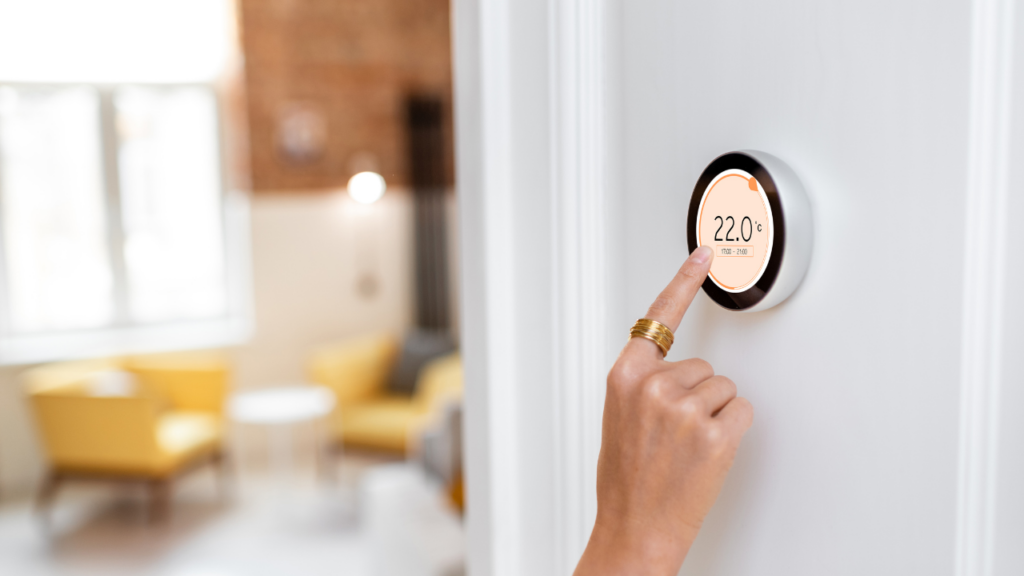
If you’re thinking about buying a home in Minnesota, there’s one question that almost every relocation buyer eventually asks: “How much does it cost to heat a home during the winter?” It’s a fair question. Minnesota winters are famous for snow, ice, and freezing temperatures. For someone moving from Texas, Florida, California, Arizona, or even parts of the Midwest with milder winters, the thought of heating a home for several months each year can feel intimidating. Even local buyers often wonder whether heating costs will fit comfortably into their monthly budget. As a Minnesota real estate agent, I regularly help buyers understand the true cost of homeownership—not just the mortgage payment. Heating costs are a major part of that conversation because they can significantly impact your monthly expenses during the coldest months of the year. The good news is that while Minnesota winters can be harsh, there are many factors that influence heating costs, and many homeowners find their bills more manageable than they expected. Let’s take a realistic look at what homeowners can expect when heating a home in Minnesota. Why Heating Costs Matter When buyers calculate affordability, they often focus on: Those expenses are important, but heating costs can add hundreds of dollars to your monthly budget during winter. Understanding these costs ahead of time helps you: A home that seems affordable on paper may feel different if heating expenses are significantly higher than expected. Why Minnesota Heating Costs Are Different Minnesota experiences some of the coldest winter temperatures in the United States. It’s common for temperatures to fall below: In some years, parts of Minnesota experience temperatures well below zero. Because heating systems work so hard during winter, heating costs naturally become one of the largest utility expenses homeowners face. Unlike warmer states where heating may only be needed occasionally, Minnesota homeowners often rely on their heating systems daily for several months. What Type of Heating Systems Are Common in Minnesota? The type of heating system in a home has a major impact on monthly costs. Natural Gas Furnaces Natural gas is the most common heating source in Minnesota. Many homeowners choose natural gas because: Many homes in Minneapolis, St. Paul, and surrounding suburbs use natural gas furnaces. Electric Heating Some homes use electric heat. Examples include: Electric systems can work well, but operating costs vary depending on electricity rates and system efficiency. Propane Heating Some rural Minnesota homes rely on propane. Propane systems are common in areas without access to natural gas service. Because propane prices fluctuate, heating costs can vary significantly from year to year. Boiler Systems Many older Minnesota homes use boiler systems. Boilers heat water and distribute warmth through radiators or in-floor systems. Many homeowners appreciate the comfortable, even heat these systems provide. What Affects Heating Costs? Two homes with identical purchase prices can have dramatically different heating bills. Several factors influence what you’ll pay. Home Size Larger homes generally require more energy to heat. A 1,200-square-foot home typically costs less to heat than a 3,500-square-foot home. More square footage means more air space that needs to stay warm. Insulation Insulation is one of the biggest factors affecting heating costs. Well-insulated homes retain heat more effectively. Poor insulation allows warmth to escape, causing heating systems to work harder. Good insulation can save homeowners hundreds of dollars annually. Windows Older windows can contribute to significant heat loss. Modern energy-efficient windows help: When showing homes, buyers often underestimate how much window quality impacts energy efficiency. Furnace Efficiency Not all furnaces perform equally. A newer high-efficiency furnace typically consumes less fuel than an older system. Even if two homes are similar in size, furnace efficiency can create substantial differences in utility costs. Air Leaks Small drafts around: can increase heating expenses. Air sealing improvements are often among the most cost-effective energy upgrades homeowners can make. Thermostat Settings Heating costs are also affected by homeowner habits. Families who prefer warmer indoor temperatures generally spend more than those comfortable with slightly cooler settings. What Can Minnesota Homeowners Expect to Pay? One of the most common questions buyers ask is: “Give me a number. What will it actually cost?” The honest answer is that heating costs vary significantly. Factors include: Many homeowners see winter heating costs ranging from roughly $100 to several hundred dollars per month. Larger homes, older homes, or homes with inefficient systems may experience higher expenses. The best approach is reviewing actual utility history whenever possible. Why Utility History Matters When helping buyers evaluate homes, I often recommend asking for utility information if available. Historical utility records can provide valuable insight into: A home’s actual utility history is often more useful than general estimates. For example: Two similar homes may appear identical. Yet one may have significantly lower heating costs due to: Utility history helps reveal those differences. New Construction vs Older Homes Heating costs often differ between newer and older homes. New Construction Homes New homes typically include: As a result, many new homes cost less to heat. Older Homes Older homes may require more energy depending on: However, many older homes have received substantial energy upgrades and perform extremely well. Age alone doesn’t determine efficiency. Why Relocation Buyers Are Often Surprised Many buyers relocating from warmer climates expect heating costs to be overwhelming. In reality, many find that the overall cost of living remains manageable. A buyer moving from: may find Minnesota housing costs significantly lower than their previous market. Even after accounting for winter heating expenses, many families discover they receive more home for their money. The key is understanding and budgeting appropriately. Ways to Lower Heating Costs Change Furnace Filters Dirty filters force heating systems to work harder. Replacing filters regularly improves efficiency. Schedule Annual Furnace Maintenance Routine maintenance helps identify problems early and improve system performance. Upgrade Thermostats Programmable and smart thermostats help manage heating schedules efficiently. Improve Insulation Additional insulation can dramatically reduce heat loss. Seal Air Leaks Simple weather-stripping and caulking projects often provide noticeable savings. Upgrade Windows