
What Is It Like Living in Chaska vs Chanhassen, Minnesota?
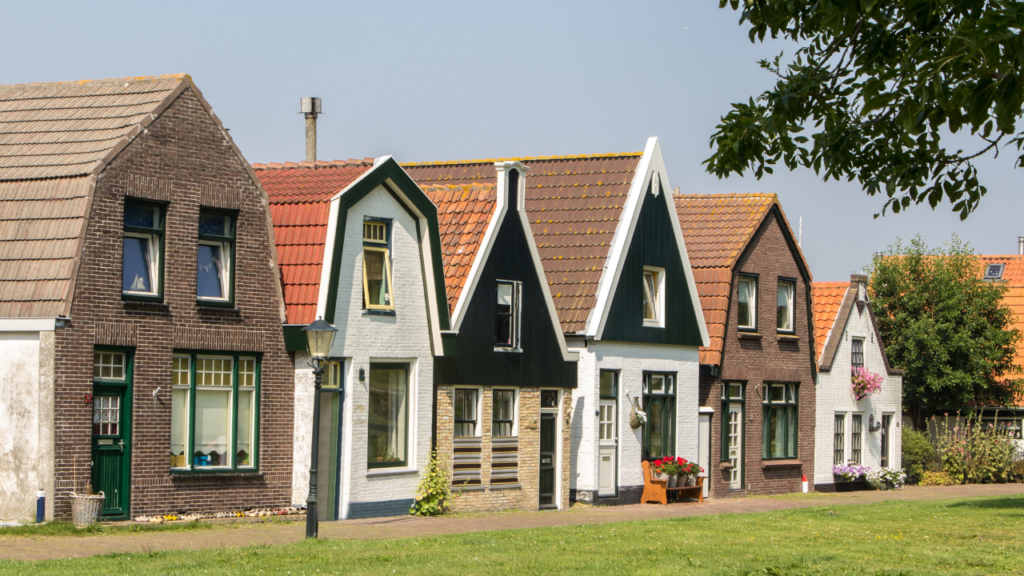
A couple relocating from Denver called me last summer with a list of communities they had researched and a specific question about two of them that I found genuinely interesting. They had narrowed their search to the southwestern metro corridor and had been reading about Chaska and Chanhassen with increasing confusion. The two communities appeared in virtually every search together, were consistently described as excellent suburban choices, and sat so close to each other on the map that the couple had initially assumed they were essentially the same place under different names. “We know they are different,” the wife told me. “We can see that from the map. But we cannot figure out what is actually different about them or which one would suit us better. It feels like they are always described as a pair rather than as two separate communities.” She was perceptive. These two communities are genuinely a pair in the sense that they are adjacent, share some infrastructure, and are often mentioned together in the same conversations. But they are distinct communities with meaningfully different characters, histories, price points, and daily life experiences that make them the right choice for genuinely different types of buyers. Here is what the comparison actually looks like when you examine each community specifically enough to tell them apart. The Foundational Context: Two Communities With Very Different Histories The most important thing to understand about Chaska and Chanhassen before comparing anything else is that they have fundamentally different historical origins that still shape what each community feels like today. Chaska is one of the oldest communities in the Twin Cities metro. It was incorporated as a city in 1871, making it a genuine historic Minnesota city with the kind of established downtown, established identity, and accumulated community history that most Twin Cities suburbs simply do not have. Chaska’s downtown, centered around Chestnut Street and the blocks surrounding it, has the character of a historic small-city main street, with independent businesses, older commercial buildings, and a sense of place that reflects over a century and a half of continuous community life. Chanhassen, by contrast, is primarily a product of the late twentieth century suburban development boom. While the community existed as a township before that, its development as a residential suburb happened primarily in the 1980s through the 2000s, and the character of the community reflects that development era. It does not have a historic downtown in the same sense Chaska does. It does not have the accumulated identity of a community that has been a city since 1871. What it has instead is the infrastructure, the housing stock, and the community character of well-executed late-century suburban development. This historical distinction is not a judgment about which community is better. It is the foundational context that explains why everything else about them is different. Chaska: What the Community Is Actually Like Chaska has a population of approximately thirty-thousand residents and sits at the intersection of where historic small-city character meets contemporary suburban growth. That intersection is one of the most interesting and most genuinely distinctive community profiles in the Twin Cities metro. The downtown is the characteristic that most consistently surprises people who visit Chaska for the first time. Walking along Chestnut Street in Chaska is an experience that is qualitatively different from visiting the commercial corridor of any other western suburb of comparable size. There are locally owned businesses including restaurants, coffee shops, specialty retail, and service businesses in historic commercial buildings that have been maintained and adapted over decades. There is a pedestrian quality to the downtown environment that allows residents to actually walk between destinations rather than driving from parking lot to parking lot. And there is the accumulated patina of a place that has been continuously inhabited and continuously commercial for over a century. For buyers who have been looking at standard Twin Cities suburbs and wondering why they all feel somewhat generic in their commercial character, Chaska’s downtown is a genuine revelation. It is exactly the kind of distinctive local character that many buyers say they want and rarely find in the suburban market. The Minnesota River forms the eastern and southern boundary of Chaska and provides the community with natural amenity access and visual character that few western suburbs can match. The river valley parks along Chaska’s edges, combined with access to the Minnesota River trail system, give outdoor-oriented residents a natural environment that is both beautiful and distinctive. Chaska Town Course and Hazeltine National Golf Club, which is one of the premier golf facilities in the country and the site of multiple major championships, reflect the community’s relationship with outdoor recreation at a high level. The housing stock in Chaska is more varied than Chanhassen’s in terms of age and character. Chaska has neighborhoods ranging from genuinely historic homes near the downtown that date to the early and mid-twentieth century through standard 1970s and 1980s suburban development to more recent construction in newer growth areas of the city. This variety means the housing market offers genuine range across both price points and neighborhood characters. Price points in Chaska are generally more accessible than Chanhassen, reflecting both the older average age of the housing stock and the somewhat lower prestige positioning of the community in the broader western metro market conversation. This price accessibility is a genuine advantage for buyers who want the western metro’s natural amenity access and quality schools at a price point below what Chanhassen typically commands. The school district serving Chaska is Eastern Carver County Schools, Independent School District 112, which also serves Chanhassen. Both communities are in the same district, which is consistently among the well-regarded western metro districts with a reputation for strong academic programming and community investment in its schools. Because both communities are in the same district, school quality is not a meaningful differentiator between them at the district level, though specific building assignments and program availability may vary. The community character of Chaska is one that