
Are Townhomes a Good Investment in Minnesota?
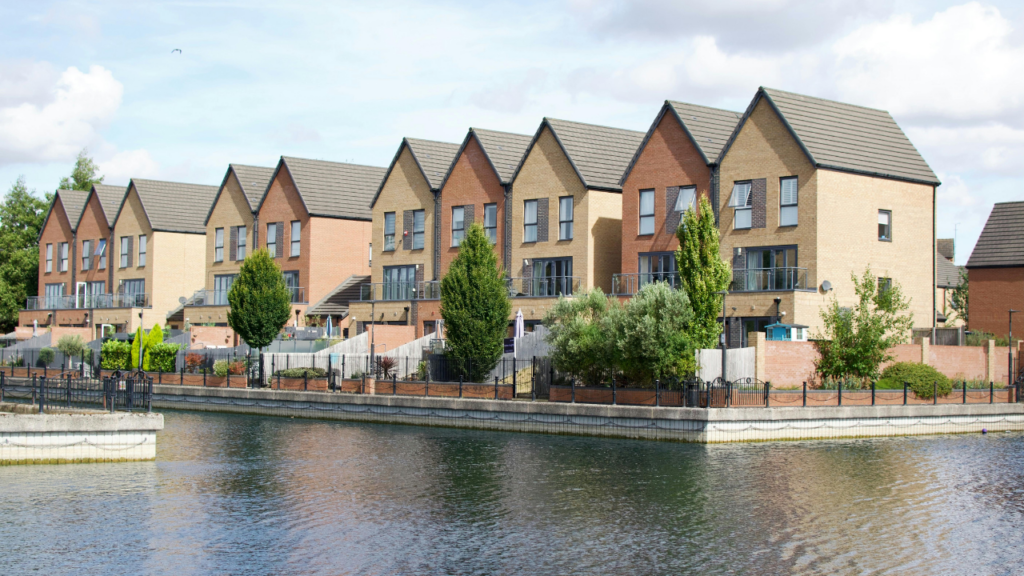
If you’re thinking about buying a home in Minnesota, there’s a good chance you’ve looked at townhomes. They’re everywhere. From newer developments in Lakeville and Woodbury to established communities in Maple Grove, Blaine, Eagan, and Cottage Grove, townhomes have become one of the most popular property types for Minnesota buyers. And for good reason. They often offer more space than a condo. Less maintenance than a single-family home. And a lower price point than many detached houses. But one question comes up repeatedly: “Are townhomes a good investment?” As a Minnesota real estate agent, I’ve helped many buyers purchase townhomes over the years. Some were first-time homebuyers. Others were downsizing. Some were relocating from another state. And many were simply looking for a smart financial decision. The answer is that townhomes can absolutely be a good investment. However, like any real estate purchase, the outcome depends on several important factors. Not every townhome community performs the same. Not every location appreciates at the same rate. And not every buyer has the same goals. Let’s look at what makes a townhome a potentially strong investment and what buyers should evaluate before purchasing one. What Is a Townhome? A townhome, also called a townhouse, is a residential property that shares one or more walls with neighboring units. Unlike a condo, buyers typically own: Townhomes usually feature: Many Minnesota buyers view townhomes as a middle ground between condo ownership and single-family homeownership. Why Townhomes Have Become So Popular Over the last decade, townhomes have become increasingly attractive to homebuyers. Several factors contribute to this trend. Affordability Townhomes often cost less than comparable detached homes. Low Maintenance Many associations handle: Modern Designs Many townhome communities feature: Convenience Many are located near: These factors continue to drive buyer demand. Why Demand Matters for Investments When evaluating whether something is a good investment, demand matters. A property that many buyers want often has stronger resale potential. Townhomes appeal to several buyer groups: This broad appeal can support future demand when it’s time to sell. Appreciation Potential One reason people buy real estate is appreciation. Appreciation refers to an increase in value over time. Can townhomes appreciate? Absolutely. Many Minnesota townhomes have appreciated significantly over the years. However, appreciation depends on factors such as: The townhome itself matters. But the surrounding community often matters even more. Location Is Still King A common mistake buyers make is focusing only on the property. The location deserves equal attention. For example: A townhome in a growing community with strong demand may perform differently than a similar townhome in a slower market. When evaluating investment potential, consider: Employment Access Are jobs nearby? Community Growth Is the area attracting new residents? Infrastructure Improvements Are roads, schools, and amenities expanding? Buyer Demand Do people want to live there? These factors often influence future value. Popular Minnesota Townhome Markets Many Minnesota communities continue to attract strong buyer interest. Examples include: Lakeville Woodbury Blaine Maple Grove Eagan Cottage Grove Rosemount Otsego Rogers Prior Lake These communities frequently attract buyers looking for suburban living with modern amenities. Strong demand can support long-term value. Townhomes and First-Time Buyers First-time buyers represent a major portion of the townhome market. Why? Because townhomes often provide: As long as first-time buyer demand remains strong, townhomes may continue attracting future purchasers. That’s important when considering resale potential. Maintenance Costs Can Be Lower One financial advantage of townhomes is reduced maintenance responsibility. Many associations handle: This can lower some ownership burdens. For busy homeowners, this convenience adds value. Less maintenance often means fewer unexpected responsibilities. HOA Fees: Opportunity and Risk No discussion about townhome investments is complete without discussing HOA fees. Homeowners association fees help cover community expenses. Examples include: HOA fees aren’t automatically bad. In fact, many buyers appreciate the services provided. However, buyers should carefully evaluate: Poorly managed associations can create future challenges. New Construction Townhomes Many buyers are drawn to new construction townhomes. Advantages often include: Many growing Minnesota communities continue adding new townhome developments. New construction can be appealing, but location still matters. A great location often outperforms a brand-new property in a weaker market. Rental Potential Some buyers eventually convert homes into rental properties. Townhomes can perform well as rentals in certain markets. However, buyers should review HOA documents carefully. Some communities: Understanding these rules before purchasing is critical. Buyer Demand Creates Liquidity One reason many people like townhomes as investments is liquidity. Liquidity refers to how easily a property may attract buyers when it’s time to sell. Townhomes often appeal to multiple buyer groups. That broad appeal can create more resale opportunities. Of course, market conditions always influence results. But buyer demand remains a positive factor. Potential Challenges of Townhome Ownership While townhomes offer many advantages, buyers should understand the risks. HOA Restrictions Associations often regulate: Shared Walls Privacy may be reduced compared to detached homes. HOA Fee Increases Association fees can increase over time. Special Assessments Owners may occasionally face additional charges for major projects. These issues don’t automatically make townhomes poor investments. But they deserve consideration. Minnesota Weather Makes Maintenance Valuable Minnesota winters can be intense. Snow removal. Ice management. Exterior maintenance. These responsibilities can become time-consuming. Townhome owners often appreciate having many of these tasks handled by the association. This convenience remains a strong selling point. Questions Buyers Should Ask Before purchasing a townhome, ask: How healthy is the HOA financially? What do the monthly fees cover? Are rentals allowed? How old is the community? What is buyer demand like in the area? Is the community growing? The answers can provide valuable insight into investment potential. Common Mistakes Buyers Make Focusing Only on Price Value matters more than price alone. Ignoring HOA Documents Always review them carefully. Assuming Every Townhome Appreciates Equally Location matters tremendously. Not Researching Community Growth Growth often influences demand. Thinking Short-Term Real estate typically rewards long-term ownership. FAQ Are townhomes a good investment in Minnesota? Many townhomes have performed well, particularly in desirable and growing communities. Do townhomes
Are HOA Communities Worth It in Minnesota?
If you’ve been shopping for homes in Minnesota, you’ve probably noticed that some properties come with HOA fees while others don’t. Maybe you’ve found the perfect townhome in Woodbury, a beautiful condo in Minneapolis, or a newer development in Lakeville, and then you see a monthly HOA fee attached to the property. That’s usually when buyers ask me: “Lesley, are HOA communities actually worth it?” It’s a great question because there isn’t a one-size-fits-all answer. For some homeowners, HOA communities provide convenience, lower maintenance responsibilities, and amenities they truly enjoy. For others, HOA rules and monthly fees can feel restrictive. The key isn’t whether HOA communities are good or bad. The key is whether an HOA community matches your lifestyle, priorities, and homeownership goals. As a Minnesota real estate agent, I’ve worked with buyers who absolutely love HOA living and others who intentionally avoid it. Understanding the pros and cons can help you decide which type of community is right for you. Let’s take a realistic look at HOA communities in Minnesota and whether they’re worth considering. What Is an HOA Community? HOA stands for Homeowners Association. An HOA is an organization that manages certain aspects of a neighborhood or residential community. When you purchase a property within an HOA community, you automatically become a member and agree to follow the association’s governing documents. The HOA collects fees from homeowners and uses those funds to maintain common areas, provide services, and manage shared responsibilities. HOAs are common in: The level of HOA involvement varies significantly from one community to another. Why HOA Communities Have Become Popular Many homeowners today want convenience. Life is busy. Between work, family responsibilities, travel, and other commitments, many buyers appreciate having fewer maintenance tasks to worry about. An HOA often provides services that help reduce the day-to-day responsibilities of homeownership. For many people, that’s a major benefit. One of the Biggest Benefits: Snow Removal Let’s be honest. Minnesota winters can be beautiful. But they can also be exhausting. If you’ve ever spent an hour clearing your driveway before work after a heavy snowfall, you understand the appeal of HOA-managed snow removal. Many HOA communities handle: For retirees, busy professionals, frequent travelers, and homeowners with physical limitations, this benefit alone can make HOA living worthwhile. Imagine waking up after an eight-inch snowfall and not having to touch a shovel. Many homeowners consider that a luxury. Lawn Care and Landscaping Another major advantage is lawn maintenance. Many HOA communities provide: For buyers who dislike yard work, this can be extremely appealing. Instead of spending weekends mowing grass and maintaining landscaping, you can spend that time doing something you enjoy. Many relocation buyers especially appreciate this benefit because it simplifies homeownership. Less Exterior Maintenance Depending on the community, HOA fees may cover portions of exterior maintenance. In many townhome and condo communities, the HOA may manage: This doesn’t eliminate all homeowner responsibilities, but it can significantly reduce them. Many first-time buyers find comfort in knowing they aren’t solely responsible for every exterior issue. Amenities That Would Be Expensive to Own Individually One reason some buyers choose HOA communities is access to amenities. Examples include: Most homeowners couldn’t reasonably build these amenities themselves. Through an HOA, they gain access to them for a shared cost. Whether this represents value depends on how often you’ll actually use them. A fitness center may be a huge benefit for one homeowner and completely irrelevant to another. HOA Communities Often Look Consistent Many HOA communities have rules regarding property maintenance and appearance. This can help maintain: When homes are consistently maintained, the community often feels more polished and attractive. Many buyers appreciate this consistency. It can create a stronger sense of neighborhood pride and visual appeal. Can HOA Communities Help Protect Property Values? This is one reason many associations exist. While no HOA can guarantee property values, many buyers believe consistent maintenance standards help protect neighborhood appeal. For example, HOA rules may prevent situations such as: The goal is to maintain a cohesive community appearance that attracts future buyers. Why Some Buyers Prefer HOA Communities Certain groups often find HOA communities particularly appealing. Busy Professionals Many professionals simply don’t have time for extensive property maintenance. Frequent Travelers If you’re away often, having landscaping and snow removal handled can be reassuring. Retirees Many retirees enjoy reduced maintenance responsibilities. First-Time Buyers Some new homeowners appreciate having support structures already in place. Relocation Buyers Buyers moving to Minnesota often enjoy having fewer responsibilities while adjusting to a new area. Why Some Buyers Avoid HOA Communities Despite the advantages, HOA living isn’t ideal for everyone. Let’s talk about the potential downsides. Monthly HOA Fees The most obvious disadvantage is cost. HOA fees increase your monthly housing expenses. Even if the services provide value, the fees still affect affordability. For example: Home A: Home B: The second home effectively costs more each month. Buyers must determine whether the benefits justify the additional expense. HOA Rules and Restrictions Many associations have rules regarding: Some buyers appreciate these standards. Others prefer complete freedom. If you’re someone who values maximum control over your property, an HOA may feel restrictive. Fee Increases Can Happen Like most costs, HOA fees can increase over time. Reasons include: When evaluating an HOA, it’s helpful to review fee history and financial documents. Special Assessments One of the biggest concerns buyers have involves special assessments. A special assessment occurs when the HOA requires additional money beyond regular dues. Examples include: Depending on the situation, special assessments can range from modest amounts to significant expenses. This is why reviewing HOA reserves is important before purchasing. Not Every HOA Is Managed Equally One of the most important lessons buyers learn is that not all HOAs are the same. Some are extremely well-managed. Others struggle with: Before buying, it’s important to review: A strong HOA can enhance the ownership experience. A poorly managed HOA can create frustration. Questions to Ask Before Buying in an HOA Before purchasing, consider asking:
What Are HOA Fees and What Do They Cover in Minnesota?

If you’re shopping for a home in Minnesota, especially a condo, townhome, or property in a planned community, you’ll likely come across something called an HOA. And sooner or later, you’ll probably ask: “Lesley, what exactly are HOA fees, and what am I paying for?” It’s one of the most common questions I hear from first-time homebuyers. Many buyers see a home they love, notice a monthly HOA fee, and immediately assume it’s just another bill. Others worry that HOA fees are a waste of money. Some buyers refuse to even look at homes with HOAs because they don’t fully understand what they’re getting in return. The truth is that HOA fees aren’t automatically good or bad. Like most things in real estate, it depends on the property, the community, and what those fees actually cover. As a Minnesota real estate agent, I always encourage buyers to understand the full picture before deciding whether an HOA community is right for them. Let’s break down exactly what HOA fees are, what they commonly cover in Minnesota, and what buyers should know before purchasing a home in an HOA-managed community. What Is an HOA? HOA stands for Homeowners Association. A homeowners association is an organization that manages and maintains certain aspects of a residential community. When you purchase a home in an HOA community, you automatically become a member of that association. The HOA collects fees from homeowners and uses those funds to maintain common areas, provide services, and manage community responsibilities. Think of it as a shared maintenance and management system for the neighborhood. Instead of each homeowner handling certain responsibilities individually, the HOA coordinates and funds them collectively. Where Are HOA Fees Most Common? In Minnesota, HOA fees are commonly found in: Condominiums Condo communities almost always have HOA fees. Because owners share walls, roofs, hallways, parking lots, and common spaces, an HOA is needed to maintain these shared areas. Townhomes Many townhome developments also have HOAs. The level of HOA involvement varies by community. Planned Communities Some single-family home neighborhoods have HOAs as well. These communities often include shared amenities and neighborhood standards. Lake Communities Certain recreational and lake communities use HOAs to maintain shared property and amenities. Why Do HOA Fees Exist? Without an HOA, common areas would still need maintenance. Someone would still need to: HOA fees provide funding for these responsibilities. The goal is to keep the community functioning smoothly and maintain property values. What Do HOA Fees Typically Cover? This is where many buyers get confused. Not all HOA fees cover the same things. Every association is different. However, many Minnesota HOA fees commonly include some combination of the following. Snow Removal This is one of the biggest benefits for many Minnesota homeowners. Instead of waking up early after a snowstorm to clear driveways and sidewalks, the HOA may arrange professional snow removal services. Depending on the community, coverage may include: For many homeowners, especially retirees and busy professionals, this alone can be a major advantage. Lawn Care and Landscaping Many HOA communities handle: This can save homeowners both time and money. Many buyers appreciate not having to spend weekends maintaining the yard. Exterior Building Maintenance In many condo and townhome communities, HOA fees help cover exterior maintenance. Examples may include: This can reduce some of the maintenance responsibilities typically associated with homeownership. Trash and Recycling Services Some HOA communities include: Instead of arranging these services individually, homeowners benefit from group contracts negotiated by the association. Water and Sewer Services Certain communities include water and sewer costs within HOA fees. Others do not. This varies significantly by community. Buyers should always review HOA documents carefully to determine exactly what’s included. Community Amenities Many HOA fees help support shared amenities such as: Swimming Pools Pools require ongoing maintenance, cleaning, repairs, insurance, and staffing. Clubhouses Community gathering spaces often require regular upkeep. Fitness Centers Exercise equipment, cleaning, and maintenance all create costs. Walking Trails Trail maintenance may be funded through HOA dues. Playgrounds Playgrounds require inspections, repairs, and upkeep. Tennis and Pickleball Courts These facilities often require resurfacing and maintenance over time. Insurance Coverage This is an area where many buyers become confused. In condo communities, HOA fees often help pay for master insurance policies. These policies typically insure certain portions of the building and common areas. However, homeowners usually still need their own insurance coverage. Understanding the difference is important. Always consult with your insurance professional before purchasing. Community Management Most HOAs hire professional management companies. These companies handle: Part of your HOA fee helps fund these services. How Much Are HOA Fees in Minnesota? One of the biggest misconceptions is that all HOA fees are the same. In reality, they vary widely. Factors affecting HOA fees include: You might see HOA fees ranging from under $100 per month to several hundred dollars per month or more. Higher fees don’t automatically mean a bad deal. The important question is: “What am I getting for that fee?” Why Some HOA Fees Are Higher Than Others Imagine two communities. Community A includes: Community B includes: Naturally, Community B will likely have higher HOA fees. The value depends on whether you use and appreciate those services. What Are HOA Reserves? One of the most important things buyers should understand is reserve funds. Reserve funds are savings accounts maintained by the HOA for future major expenses. Examples include: Healthy reserve funds help reduce the likelihood of unexpected special assessments. What Is a Special Assessment? A special assessment is an additional charge imposed on homeowners when the HOA needs money beyond its regular budget. Examples may include: Special assessments can sometimes be substantial. This is one reason buyers should review HOA financial documents carefully. A low HOA fee may not always be a good thing if reserves are inadequate. What Rules Do HOAs Have? In addition to collecting fees, HOAs often establish community rules. These may address: Rules vary significantly from one community to another. Some associations are relatively relaxed.