
🏡 How Do Counteroffers Work When Buying a Home in Minnesota?

If you’re buying a home in Minnesota, there’s a moment that often catches buyers off guard: 👉 You submit an offer… and instead of hearing “accepted” or “rejected”… 👉 You receive a counteroffer And that’s where things can start to feel uncertain. Because now you’re in the middle of a negotiation. You might be wondering: • Did I lose the house?• Is the seller unhappy with my offer?• Do I have to accept this?• Can I respond with something different? These are all normal questions. And especially for first-time buyers or immigrant buyers, this can feel like unfamiliar territory. The truth is: 👉 Counteroffers are a very normal part of the home buying process 👉 And in many cases, they are how deals actually come together The Short Answer 👉 A counteroffer means: 👉 The seller did not accept your original offer as-is 👉 But they are willing to negotiate 👉 They are essentially saying: 👉 “We’re interested—but we want different terms.” 👉 From there, you can: • Accept the counteroffer• Reject it• Counter back again 👉 This process continues until: 👉 Both sides agree—or someone walks away What a Counteroffer Actually Is Let’s break this down in simple terms. 👉 A counteroffer is a modified version of your original offer It changes one or more parts of the deal, such as: • Price• Closing date• Contingencies• Earnest money• Inclusions (like appliances) 👉 Once the seller sends a counteroffer: 👉 Your original offer is no longer valid 👉 The negotiation resets with the new terms Why Sellers Send Counteroffers Understanding this helps you respond the right way. ✔️ 1. They Want a Higher Price This is the most common reason. 👉 Example: You offer $350,000 Seller counters at $365,000 👉 They’re not rejecting you completely 👉 They’re negotiating ✔️ 2. They Want Better Terms Sometimes the issue isn’t price. The seller may want: • A faster closing• Fewer contingencies• Stronger earnest money 👉 These reduce risk for the seller ✔️ 3. They’re Comparing Multiple Buyers In competitive markets: 👉 Sellers often receive multiple offers 👉 They may send counteroffers to more than one buyer 👉 This creates competition between buyers ✔️ 4. They Want a Smoother Transaction A simple deal is appealing. 👉 Sellers may adjust terms to: • Avoid delays• Reduce uncertainty• Increase the chance of closing What Happens After You Receive a Counteroffer Now the decision shifts back to you. 👉 You have three main choices: ✔️ Option 1: Accept the Counteroffer If the terms work for you: 👉 You can accept 👉 Once accepted: 👉 You are officially under contract ✔️ Option 2: Reject the Counteroffer If the terms don’t work: 👉 You can walk away 👉 There is no obligation to continue ✔️ Option 3: Counter Back Again This is where negotiation happens. 👉 You can adjust: • Price• Timeline• Contingencies 👉 This back-and-forth can happen multiple times How Many Times Can You Counter? There is no set limit. 👉 Offers can go back and forth until: • Both parties agree• One party ends the negotiation 👉 But: 👉 The longer it goes, the more risk there is that another buyer steps in A Real Situation I See Often A buyer offers $400,000 on a home. The seller counters at $425,000. The buyer responds at $410,000. The seller accepts. 👉 Final deal: 👉 $410,000 — right in the middle 👉 This is one of the most common outcomes What Happens to Other Buyers During Negotiation Here’s something many buyers don’t realize: 👉 While you’re negotiating… 👉 The seller can still talk to other buyers 👉 That means: 👉 You are not guaranteed the home yet How to Respond Strategically This is where the right approach matters. ✔️ 1. Don’t React Emotionally It’s easy to feel pressure. But: 👉 Emotional decisions can lead to overpaying ✔️ 2. Know Your Limit Before Negotiating Before responding: 👉 Decide your maximum price and comfort level 👉 This prevents regret later ✔️ 3. Look Beyond Just Price Many buyers focus only on price. But you can also improve: • Earnest money• Timeline• Contingency structure 👉 These can make your offer stronger without increasing price significantly ✔️ 4. Respond Quickly (But Thoughtfully) Timing matters. 👉 Delays can cause sellers to move on 👉 But rushed decisions can cost you 👉 Balance is key Advanced Strategy: When to Push Back Not every counteroffer should be accepted or matched. 👉 Sometimes: 👉 The best move is to hold your position Example: The home has been sitting on the market. Seller counters aggressively. 👉 You may decide: 👉 Your original offer is fair 👉 And wait 👉 This sometimes leads to the seller coming back Common Mistakes Buyers Make ❌ Accepting too quickly without evaluating ❌ Walking away too fast ❌ Increasing price emotionally ❌ Ignoring terms beyond price 👉 These mistakes can cost thousands of dollars Who Needs to Be Extra Careful Counteroffers are especially important for: • First-time buyers• Immigrant buyers• Buyers in competitive markets 👉 Because decisions often need to be made quickly A Simple Way to Think About It 👉 A counteroffer is not rejection 👉 It’s negotiation in progress FAQ: Counteroffers Does a counteroffer mean my offer was bad?No—it just means the seller wants different terms. Can I say no to a counteroffer?Yes, you are not obligated to accept. Can I counter again?Yes, this is very common. Can the seller accept another offer during this time?Yes, they can. Is negotiation stressful?It can be—but it’s also where deals come together. Final Thoughts Counteroffers are a normal part of buying a home. They mean: 👉 The seller is still interested And they create an opportunity: 👉 To find a deal that works for both sides 👉 The key is staying calm, informed, and strategic Because: 👉 The goal is not just to get the house 👉 It’s to get it at the right terms Next Step If you’re preparing to make an offer in Minnesota and want help negotiating confidently: 👉
🏡 What Happens If a Seller Rejects My Offer in Minnesota?
If you’re buying a home in Minnesota, there’s a moment that can feel frustrating and confusing: 👉 You submit an offer… and the seller says no And your immediate reaction is usually: 👉 “What now?” Because you’ve likely spent time: So when your offer gets rejected, it can feel like a setback. You might be wondering: • Did I do something wrong?• Can I submit another offer?• Does this mean I lost the house?• What are my options now? These are all completely normal questions. And the truth is: 👉 A rejected offer is very common in real estate 👉 And it doesn’t always mean the deal is over The Short Answer 👉 If a seller rejects your offer, they have chosen not to accept your terms 👉 But that doesn’t always mean: 👉 The conversation is over 👉 You may still be able to: • Submit a new offer• Adjust your terms• Compete with other buyers• Move on to a better opportunity 👉 The key is understanding why the offer was rejected Why Sellers Reject Offers This is the most important place to start. Because not all rejections mean the same thing. ✔️ 1. The Price Was Too Low This is the most obvious reason. 👉 If your offer is significantly below asking price: 👉 The seller may reject it outright Even in slower markets: 👉 Sellers still expect offers to be close to market value ✔️ 2. Another Offer Was Stronger This happens often in competitive markets. 👉 It’s not always about price Another offer may have had: • Higher price• Fewer contingencies• Larger earnest money• Faster closing timeline 👉 Sellers look at the full picture—not just the number ✔️ 3. Too Many Contingencies Your offer may have included: • Inspection contingency• Financing contingency• Home sale contingency 👉 While these protect you: 👉 They also increase risk for the seller 👉 Some sellers prefer simpler, cleaner offers ✔️ 4. Timing Didn’t Work Sometimes it’s not about money at all. 👉 The seller may need: • A specific closing date• Time to move• A flexible possession timeline 👉 If your timeline doesn’t match: 👉 They may reject your offer ✔️ 5. Seller Goals or Emotions This is often overlooked. 👉 Sellers don’t always choose purely based on logic They may prefer: • A buyer who seems more certain• A cleaner offer• Someone who aligns with their situation 👉 Real estate is part financial… part human What Happens After a Rejection Once your offer is rejected: 👉 You are no longer under consideration (for that offer) But that doesn’t mean you’re out completely. 👉 You still have options Your Options After an Offer Is Rejected Let’s walk through what you can do next. ✔️ Option 1: Submit a New Offer In many cases: 👉 You can come back with a stronger offer You might: • Increase your price• Adjust contingencies• Improve terms 👉 This is common, especially if the home is still available ✔️ Option 2: Ask for Feedback Your agent can reach out and ask: 👉 “What made the seller choose another offer?” This can help you understand: • What you can improve• What matters most to the seller 👉 This is valuable for your next move ✔️ Option 3: Wait and Watch Sometimes deals fall through. 👉 If the accepted offer doesn’t work out: 👉 The seller may revisit other buyers 👉 This is why staying connected matters ✔️ Option 4: Move On This is often the best option emotionally and strategically. 👉 Not every home is meant to work out 👉 And sometimes: 👉 A better opportunity comes next A Real Situation I See Often A buyer submits an offer slightly below asking price. The seller rejects it and accepts another offer. A week later: 👉 That deal falls apart during inspection 👉 The seller comes back to the original buyer 👉 Now there’s a second chance 👉 This happens more often than people expect How to Improve Your Next Offer If your offer was rejected, this is where you get better. ✔️ 1. Understand the Market Is it: • A buyer’s market?• A seller’s market? 👉 This affects how aggressive you need to be ✔️ 2. Strengthen Your Terms Consider improving: • Price• Earnest money• Timeline• Contingencies 👉 Small changes can make a big difference ✔️ 3. Work With Strategy (Not Emotion) It’s easy to react emotionally after a rejection. But: 👉 The best offers are strategic Common Mistakes Buyers Make After Rejection ❌ Taking it personally ❌ Overbidding emotionally on the next home ❌ Removing protections without understanding risk ❌ Giving up too quickly 👉 Rejection is part of the process—not the end of it Who Experiences This the Most Offer rejections are especially common for: • First-time buyers• Buyers in competitive markets• Buyers testing lower offers 👉 It’s a normal part of the journey A Simple Way to Think About It 👉 A rejected offer is feedback 👉 Not failure FAQ: Seller Rejecting an Offer Can I submit another offer after being rejected?Yes, in many cases. Does rejection mean I lost the house?Not always—deals can fall through. Should I increase my offer right away?Only if it makes sense strategically. Can the seller change their mind later?Yes, if another deal doesn’t work out. Is rejection common?Yes—it’s part of the process. Final Thoughts Getting your offer rejected can feel frustrating. But it’s also normal. 👉 It doesn’t mean you failed👉 It doesn’t mean you won’t find a home 👉 It just means: 👉 That particular deal didn’t align And often: 👉 The right one comes next Next Step If you’re making offers in Minnesota and want help structuring stronger, more competitive offers: 👉 https://buy.dreamhomesminnesota.com/ Lesley The Realtor is a real estate agent in Minnesota helping buyers create strong, strategic offers so they can compete confidently and find the right home.
🏡 What Happens During the Final Walkthrough Before Closing in Minnesota?

If you’re buying a home in Minnesota, there’s a moment near the very end of the process where your agent will say: 👉 “We need to schedule your final walkthrough.” And most buyers pause and think: 👉 “Wait… what exactly am I supposed to do during that?” Because by this point, you’ve already gone through a lot. You’ve: So it feels like everything should already be locked in. But the final walkthrough is still one of the most important steps. And it’s often misunderstood. You might be wondering: • Is this just a quick formality?• Can anything still go wrong this late?• What should I actually be looking for?• What happens if something isn’t right? The truth is: 👉 The final walkthrough is your last opportunity to make sure everything is exactly how it should be before you officially own the home And once you close… 👉 Anything you missed becomes your responsibility So this step matters more than people think. The Short Answer 👉 The final walkthrough happens right before closing (usually 24–48 hours before) 👉 It’s your chance to confirm: • The home is in the same condition• Agreed repairs are completed• Nothing has been damaged or removed• The home is ready for you 👉 It is NOT: 👉 A second inspection or a time to renegotiate everything What the Final Walkthrough Actually Is Let’s simplify this as much as possible. 👉 The final walkthrough is a verification step You are confirming: 👉 “The home I’m about to buy is still the home I agreed to buy.” That includes: It typically takes: 👉 20–45 minutes And your real estate agent will guide you through it. Why This Step Exists (And Why It’s Not Just a Formality) A lot can change between the time your offer is accepted and the day you close. Even in a smooth transaction, things can happen like: 👉 Without the walkthrough, you may not catch these issues until AFTER closing And at that point: 👉 It becomes your problem That’s why this step exists. What You Should Check During the Walkthrough This is the part buyers want the most clarity on. Let’s break it down into simple, practical steps. ✔️ 1. Overall Condition of the Home Start by walking through the entire property slowly. Ask yourself: 👉 Does this look the same as when I agreed to buy it? Look for: 👉 You’re not looking for perfection 👉 You’re looking for unexpected changes ✔️ 2. Repairs That Were Agreed Upon If you negotiated repairs after the inspection: 👉 This is where you verify them Common examples: 👉 Don’t just assume they were done correctly Actually check: ✔️ 3. Test Major Systems Turn things on. Yes—literally test them. Check: 👉 You’re confirming everything still works This step is often rushed—and it shouldn’t be. ✔️ 4. Items Included in the Contract Your purchase agreement includes specific items. Examples: 👉 Make sure they are still there This happens more often than you think: 👉 Sellers accidentally (or intentionally) take items that should stay ✔️ 5. Seller Move-Out Condition If the home was supposed to be vacant: 👉 Confirm it’s empty Also check: 👉 The home should be reasonably clean and ready for you What the Walkthrough Is NOT Let’s clear up a common misunderstanding. 👉 The final walkthrough is NOT: • A second home inspection• A time to find new issues unrelated to the contract• A chance to renegotiate everything 👉 It’s simply a final confirmation step What Happens If Something Is Wrong This is where buyers get nervous. Let’s walk through realistic scenarios. Scenario 1: Minor Issues Examples: 👉 Usually resolved with: • A credit at closing• Quick agreement Scenario 2: Repairs Not Completed If agreed repairs weren’t done: 👉 You have leverage Options may include: • Delay closing• Request repair completion• Request money back Scenario 3: Major Problems Examples: 👉 This is serious At this point: 👉 Your agent steps in to negotiate a solution BEFORE closing 👉 That’s the key Once you close: 👉 Your leverage disappears A Real Situation I See Often A buyer walks into their final walkthrough and notices: 👉 The seller removed the washer and dryer Even though it was included in the contract. Without the walkthrough: 👉 That issue wouldn’t be discovered until after closing Instead: 👉 We paused closing and resolved it immediately That’s exactly why this step matters. What Happens After the Walkthrough If everything checks out: 👉 You move forward to closing If something needs to be addressed: 👉 It gets resolved BEFORE you sign 👉 That’s your protection Common Mistakes Buyers Make ❌ Rushing through the walkthrough ❌ Not testing anything ❌ Forgetting what was included in the contract ❌ Assuming everything is fine 👉 This step is simple—but not something to take lightly Who This Step Matters Most For The walkthrough is especially important for: 👉 It’s your final checkpoint A Simple Way to Think About It 👉 The final walkthrough is your last line of defense Before you go from: 👉 Buyer → Homeowner FAQ: Final Walkthrough When does the walkthrough happen?Usually 24–48 hours before closing. How long does it take?Typically 20–45 minutes. Do I need to bring anything?Your contract and repair list are helpful. Can I cancel the deal during walkthrough?Only in certain situations—not for minor issues. What if something is wrong?Your agent will help resolve it before closing. Final Thoughts The final walkthrough might feel like a small step. But it plays a big role. It’s your last chance to make sure: 👉 Everything is exactly how it should be Before you take ownership of the home. And once you close: 👉 There’s no going back Next Step If you’re buying a home in Minnesota and want guidance through every step: 👉 https://buy.dreamhomesminnesota.com/ Lesley The Realtor is a real estate agent in Minnesota helping buyers navigate the home buying process with clarity, confidence, and no surprises at closing.
Where Should I Live in Minneapolis as a First-Time Homebuyer? (2026 Guide)

If you’re buying your first home in Minnesota and looking at Minneapolis, one of the biggest questions you’ll ask is: 👉 “Where should I live in Minneapolis as a first-time buyer?” Because Minneapolis isn’t just one type of city… 👉 It’s a mix of neighborhoods, each with a completely different feel, price point, and lifestyle. You might be wondering: The truth is: 👉 There isn’t one “best” neighborhood in Minneapolis—only the one that fits your budget, lifestyle, and comfort level. The Short Answer 👉 Some of the best areas in Minneapolis for first-time buyers in 2026 include: 👉 Each offers: 👉 A different balance of price, lifestyle, and opportunity 👉 Let’s break them down so you can find your fit Northeast Minneapolis (Best Overall for First-Time Buyers) 👉 Best for: 🏘️ What Living in Northeast Feels Like Northeast Minneapolis is one of the most popular areas for first-time buyers right now. 👉 Known for: 👉 It has a mix of: 💰 Pricing 👉 More affordable than high-demand areas like North Loop 👉 Offers: 👉 Good entry points into the market 🎯 Why Buyers Choose It 👉 You get: ⚖️ Trade-Off 👉 You get charm and location… 👉 But homes may need updates or maintenance South Minneapolis (Best for Balance and Lifestyle) 👉 Best for: 🌳 What Living in South Minneapolis Feels Like South Minneapolis offers: 👉 A neighborhood-focused lifestyle 👉 Known for: 📍 Popular Areas 🏡 Housing 👉 Mix of: ⚖️ Trade-Off 👉 You get: 👉 But: North Loop (Best for Condo Living and Walkability) 👉 Best for: 🏙️ What Living in North Loop Feels Like 👉 One of the most popular urban areas in Minneapolis 👉 Known for: 🏢 Housing 👉 Mostly: 💰 Pricing 👉 Higher price per square foot 👉 But: 👉 Lower maintenance lifestyle ⚖️ Trade-Off 👉 You get: 👉 But: Powderhorn / Nokomis Areas (Best for Value + Community) 👉 Best for: 🏡 What Living Here Feels Like 👉 Strong neighborhood identity 👉 More residential feel 💰 Pricing 👉 More affordable entry points 👉 Good for buyers trying to stay within budget 🌳 Lifestyle 👉 Close to: ⚖️ Trade-Off 👉 You get: 👉 But: Near North (Best for Buyers Focused on Value) 👉 Best for: 💰 What Stands Out 👉 Lower home prices compared to many other areas 👉 Opportunity for: 👉 Entry-level buyers ⚠️ Important Consideration 👉 This area requires: 👉 Careful neighborhood selection 👉 Block-by-block differences matter ⚖️ Trade-Off 👉 You get: 👉 But: Should You Live in Minneapolis or the Suburbs? This is a big decision for first-time buyers. 🏙️ Minneapolis (City Living) 👉 Pros: 👉 Cons: 🏡 Suburbs (Woodbury, Maple Grove, etc.) 👉 Pros: 👉 Cons: 👉 This decision depends on: 👉 Your lifestyle and priorities How to Choose the Right Area for YOU 1. Your Budget 👉 What can you comfortably afford? 👉 Some areas: 2. Your Lifestyle 👉 Do you want: 3. Your Comfort Level 👉 This is important 👉 Some areas: 4. Your Long-Term Plan 👉 Are you: 👉 Your first home doesn’t have to be your forever home A Real Situation I See All the Time A first-time buyer says: 👉 “I want the perfect neighborhood” 👉 But after reviewing: 👉 The focus shifts to: 👉 Best fit—not perfect fit 👉 That’s when things become clear The Real Trade-Off More Affordable Areas 👉 Pros: 👉 Cons: More Expensive Areas 👉 Pros: 👉 Cons: 👉 Every choice has trade-offs FAQ: Living in Minneapolis as a First-Time Buyer What is the best area in Minneapolis for first-time buyers?Northeast and South Minneapolis are among the most popular. Is Minneapolis a good place to buy your first home?Yes—especially if you want city living and long-term growth. Should I buy in the city or suburbs?Depends on your lifestyle and commute needs. What is the most affordable area in Minneapolis?Areas like Powderhorn and Near North offer lower entry points. Final Thoughts Buying your first home in Minneapolis isn’t about finding the “perfect” neighborhood… 👉 It’s about finding the right starting point Because your first home should: 👉 Fit your budget👉 Support your lifestyle👉 Set you up for your next step 👉 And Minneapolis gives you options—which is a big advantage Next Step If you’re trying to figure out where you should live in Minneapolis as a first-time buyer, the next step is to narrow it down based on your situation: 👉 https://buy.dreamhomesminnesota.com/ 👉 This will help you: Lesley The RealtorRealtor in the Twin Cities & Surrounding Metro, MinnesotaHelping first-time buyers find the right starting point and navigate the process with confidence
Where Are the Most Affordable Areas to Buy a House in Minnesota? (2026 Guide)
If you’re thinking about buying a home in Minnesota, one of the most important questions you’ll ask is: 👉 “Where are the most affordable areas to buy a house in Minnesota?” Because for most buyers—especially first-time buyers—this is the deciding factor: 👉 What can I actually afford… and where? You might be wondering: The truth is: 👉 Minnesota has many affordable housing options—but affordability often comes down to location, commute, and lifestyle trade-offs. The Short Answer 👉 Some of the most affordable areas to buy a house in Minnesota in 2026 include: 👉 These areas offer: 👉 Lower home prices compared to high-demand suburbs like Woodbury or Eden Prairie 👉 But: 👉 Each comes with different trade-offs What “Affordable” Really Means in Minnesota Before we dive into locations, let’s define this clearly. 👉 Affordable doesn’t always mean: 👉 “Cheap” 👉 It means: 👉 Better value relative to the market 👉 This can include: 👉 But often: 👉 You trade something in return 👉 Such as: 👉 That’s the key St. Paul (Best Affordable City Option) 👉 Best for: 🏡 Why St. Paul Stands Out 👉 More affordable than Minneapolis overall 👉 Offers: 💰 Pricing 👉 Lower entry points compared to Minneapolis 👉 Especially in certain neighborhoods ⚖️ Trade-Off 👉 You get: 👉 But: Brooklyn Park & Brooklyn Center (Best for Budget Buyers Near the Metro) 👉 Best for: 📍 Location Advantage 👉 Close to Minneapolis 👉 Easier commute compared to outer suburbs 💰 Affordability 👉 Lower home prices than many surrounding suburbs 👉 Good entry-level opportunities ⚠️ Considerations 👉 Neighborhoods vary 👉 Important to evaluate: 👉 Block-by-block ⚖️ Trade-Off 👉 You get: 👉 But: Crystal (Best for Value + Convenience) 👉 Best for: 🏡 What Makes Crystal Popular 👉 Close to Minneapolis 👉 More affordable than neighboring suburbs 💰 Pricing 👉 Solid entry-level pricing 👉 Good value for location ⚖️ Trade-Off 👉 You get: 👉 But: Fridley & Columbia Heights (Best for Entry-Level Buyers) 👉 Best for: 📍 Location 👉 Just north of Minneapolis 👉 Easy access to the metro 💰 Affordability 👉 Lower home prices 👉 Good starting point for buyers ⚖️ Trade-Off 👉 You get: 👉 But: Duluth (Best Affordable Lifestyle Market) 👉 Best for: 🌊 What Makes Duluth Unique 👉 Located on Lake Superior 👉 Known for: 💰 Affordability 👉 More affordable than Twin Cities 👉 Great value for buyers ⚖️ Trade-Off 👉 You get: 👉 But: Mankato (Best for Smaller City Affordability) 👉 Best for: 🏡 What Living in Mankato Feels Like 👉 Smaller city 👉 Slower pace 💰 Pricing 👉 Lower home prices compared to metro areas 👉 Easier entry into homeownership ⚖️ Trade-Off 👉 You get: 👉 But: Rochester (Best for Stable + Affordable Entry Points) 👉 Best for: 💼 Economy 👉 Driven by Mayo Clinic 👉 Strong job stability 💰 Affordability 👉 More affordable than Twin Cities overall 👉 Entry-level homes still accessible ⚖️ Trade-Off 👉 You get: 👉 But: How to Choose the Right Affordable Area This is where most buyers get stuck. 👉 The goal isn’t just: 👉 “Find the cheapest home” 👉 It’s: 👉 Find the best value for your situation 1. Consider Your Commute 👉 Lower price often = longer commute 2. Evaluate Home Condition 👉 Cheaper homes may need: 3. Think Long-Term 👉 Will this area: 4. Understand Trade-Offs 👉 Every affordable area has: 👉 A reason it’s affordable 👉 The key is: 👉 Choosing the trade-off you’re comfortable with A Real Situation I See All the Time A buyer says: 👉 “I just want the cheapest home possible” 👉 But after reviewing: 👉 They shift to: 👉 “What gives me the best value?” 👉 That’s when better decisions happen The Real Trade-Off Lower Price Areas 👉 Pros: 👉 Cons: Higher Price Areas 👉 Pros: 👉 Cons: 👉 There’s no perfect option—just the right balance FAQ: Affordable Areas in Minnesota What is the cheapest place to buy a house in Minnesota?Cities like Mankato and Duluth often offer lower prices. Are there affordable areas near Minneapolis?Yes—Brooklyn Park, Crystal, and Fridley are good options. Is St. Paul more affordable than Minneapolis?Yes—generally offers lower entry points. Can I still find affordable homes in 2026?Yes—but you need to know where to look. Final Thoughts Affordable doesn’t mean settling… 👉 It means choosing wisely Because the goal isn’t just: 👉 To buy a home 👉 It’s to buy the RIGHT home for your situation 👉 And Minnesota gives you options—if you know where to look Next Step If you’re trying to find affordable areas to buy a home in Minnesota, the next step is to explore options based on your budget: 👉 https://buy.dreamhomesminnesota.com/ 👉 This will help you: Lesley The RealtorRealtor in the Twin Cities & Surrounding Metro, MinnesotaHelping buyers find the best value and the right home—no matter their budget
What Areas in Minnesota Are Growing the Fastest? (2026 Homebuyer Guide)
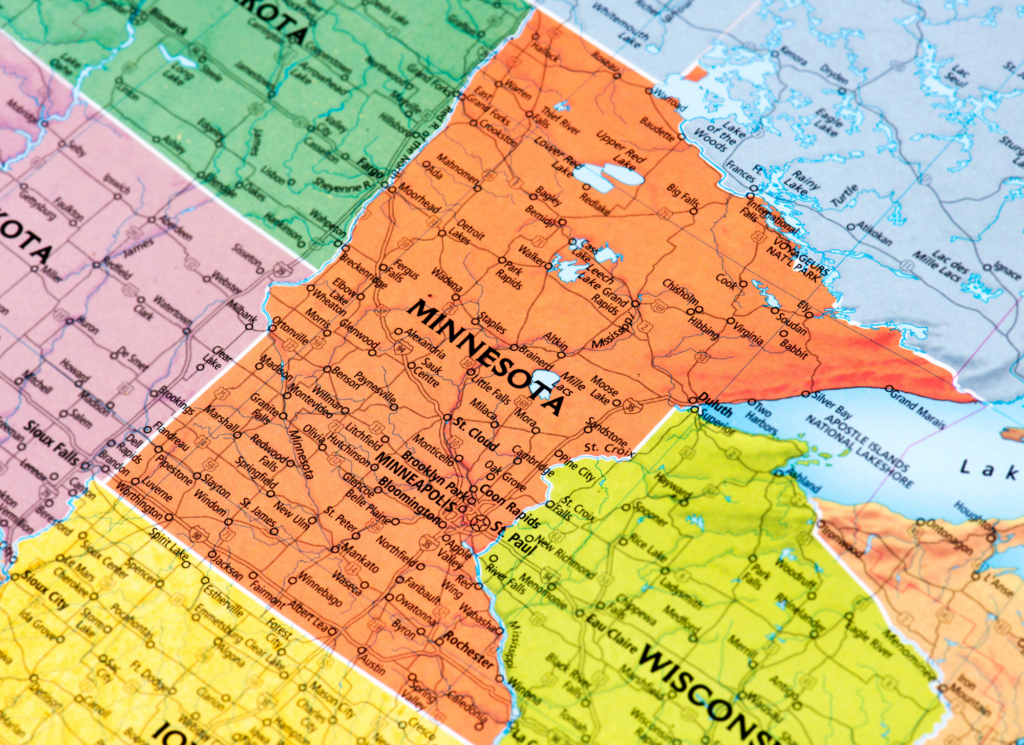
If you’re thinking about buying a home in Minnesota, one of the smartest questions you can ask is: 👉 “What areas in Minnesota are growing the fastest?” Because where you buy isn’t just about today… 👉 It’s about where the market is going. You might be wondering: The truth is: 👉 Minnesota has several fast-growing areas—but growth is driven by jobs, location, and new development. The Short Answer 👉 Some of the fastest-growing areas in Minnesota in 2026 include: 👉 These areas are growing because of: 👉 New construction, job access, and population demand 👉 Let’s break them down so you can see where the opportunities are What “Fast-Growing” Actually Means Before we jump into locations, let’s define this clearly. 👉 Growth isn’t just about population 👉 It also includes: 👉 Fast-growing areas often have: 👉 More opportunity—but also more competition 👉 That’s important to understand Woodbury (Consistent Growth + High Demand) 👉 Best for: 📈 Why Woodbury Is Growing 👉 One of the most desirable suburbs in the Twin Cities 👉 Growth driven by: 🏡 What This Means for Buyers 👉 High demand 👉 New construction options 👉 Strong long-term appreciation potential ⚖️ Trade-Off 👉 You get: 👉 But: Lakeville (Rapid Expansion + More Space) 👉 Best for: 📈 Why Lakeville Is Growing 👉 Expansion outward from the Twin Cities 👉 More land = more development 🏘️ What You’ll See 👉 New neighborhoods 👉 Larger homes 👉 More space for your money ⚖️ Trade-Off 👉 You get: 👉 But: Maple Grove (High Growth + Modern Living) 👉 Best for: 📈 Growth Factors 👉 Strong city planning 👉 Ongoing development of: 🏡 Buyer Advantage 👉 Access to: ⚖️ Trade-Off 👉 You get: 👉 But: Blaine (Emerging Growth Area) 👉 Best for: 📈 Why Blaine Is Growing 👉 Expanding north of the Twin Cities 👉 New developments increasing 💰 Affordability 👉 Still more affordable than top suburbs 👉 Strong upside potential ⚖️ Trade-Off 👉 You get: 👉 But: Otsego & Rogers (Outer Suburb Boom) 👉 Best for: 📈 Growth Pattern 👉 Expansion outward from Maple Grove 👉 More builders moving into these areas 🏡 What You’ll Find 👉 New construction 👉 Planned communities 👉 Lower price per square foot ⚖️ Trade-Off 👉 You get: 👉 But: Rochester (Steady Economic Growth) 👉 Best for: 💼 Growth Driver 👉 Mayo Clinic 👉 Continuous job demand 📈 Market Stability 👉 Less volatile than metro markets 👉 Steady appreciation ⚖️ Trade-Off 👉 You get: 👉 But: Shakopee (Underrated Growth Area) 👉 Best for: 📈 Why It’s Growing 👉 Proximity to: 🏡 What Buyers Like 👉 Mix of: ⚖️ Trade-Off 👉 You get: 👉 But: Why These Areas Are Growing 1. Job Access 👉 Proximity to: 2. New Construction 👉 Builders are expanding outward 👉 Creating: 3. Affordability Pressure 👉 Buyers priced out of inner suburbs 👉 Move outward 👉 Driving growth 4. Lifestyle Demand 👉 Buyers want: 👉 These factors drive expansion What Growth Means for Buyers This is important. 👉 Buying in a growing area can mean: 👉 But also: 👉 Growth = opportunity + trade-offs A Real Situation I See All the Time A buyer says: 👉 “I want to buy in the best area” 👉 But after reviewing: 👉 The focus shifts to: 👉 “Where is the opportunity going?” 👉 That’s where smart decisions happen Should You Buy in a Fast-Growing Area? 👉 It depends on your goals Good Fit If You Want: Maybe Not Ideal If You Want: 👉 Growth isn’t for everyone—but it can be powerful The Real Trade-Off Fast-Growing Areas 👉 Pros: 👉 Cons: Established Areas 👉 Pros: 👉 Cons: 👉 It depends on your strategy FAQ: Fastest Growing Areas in Minnesota What is the fastest-growing area in Minnesota?Suburbs like Woodbury, Lakeville, and Maple Grove continue to grow rapidly. Where should I buy for appreciation?Growing suburbs and expanding outer areas offer strong potential. Are growing areas more expensive?They can become more expensive as demand increases. Is new construction a good investment?It can be—especially in expanding areas. Final Thoughts Buying in a fast-growing area isn’t just about today… 👉 It’s about positioning yourself for the future Because where you buy can impact: 👉 Your home value👉 Your lifestyle👉 Your long-term equity 👉 Minnesota has strong growth areas—you just need to know where to look Next Step If you’re trying to find growing areas in Minnesota with the best opportunity, the next step is to explore what fits your budget and goals: 👉 https://buy.dreamhomesminnesota.com/ 👉 This will help you: Lesley The RealtorRealtor in the Twin Cities & Surrounding Metro, MinnesotaHelping buyers identify opportunity, understand growth, and make smart long-term decisions
What Are the Safest Areas in the Twin Cities? (2026 Homebuyer Guide)
If you’re thinking about buying a home in Minnesota, one of the most important questions you’ll ask is: 👉 “What are the safest areas in the Twin Cities?” Because this decision isn’t just about the home… 👉 It’s about where you feel comfortable, secure, and confident living every day. You might be wondering: The truth is: 👉 The Twin Cities has many safe areas—but safety depends heavily on the specific neighborhood, not just the city. The Short Answer 👉 Some of the safest areas in the Twin Cities in 2026 include: 👉 These areas are known for: 👉 Lower crime rates, strong communities, and family-friendly environments 👉 But there’s more to the story What “Safe” Actually Means When Buying a Home Before we dive into locations, let’s define this clearly. 👉 Safety isn’t just about crime statistics 👉 It also includes: 👉 Two areas in the same city can feel completely different 👉 That’s why: 👉 You should always evaluate at the neighborhood level Woodbury (One of the Safest Suburbs Overall) 👉 Best for: 🏘️ Why Woodbury Stands Out 👉 Consistently ranked as one of the safest suburbs 👉 Known for: 👨👩👧 Community Feel 👉 Family-focused 👉 Active neighborhoods and schools ⚖️ Trade-Off 👉 You get: 👉 But: Maple Grove (Safe + Fast-Growing) 👉 Best for: 📈 Why It’s Popular 👉 Rapid growth with strong city planning 👉 Known for: 🛍️ Lifestyle 👉 Access to: ⚖️ Trade-Off 👉 You get: 👉 But: Eden Prairie (Top-Tier Safety and Schools) 👉 Best for: 🎓 Why Buyers Choose It 👉 Strong school system 👉 Consistent safety rankings 🏘️ Community 👉 Established and stable 👉 Strong neighborhood identity ⚖️ Trade-Off 👉 You get: 👉 But: Plymouth (Balanced and Quiet) 👉 Best for: 🏡 What Makes Plymouth Stand Out 👉 Quiet, well-maintained neighborhoods 👉 Strong balance of: 📍 Location 👉 Close to Minneapolis 👉 Easy commuting ⚖️ Trade-Off 👉 You get: 👉 But: Lakeville (Safe + More Space) 👉 Best for: 🏡 What Living Here Feels Like 👉 Suburban + semi-rural feel 👉 Larger homes and lots 🛡️ Safety 👉 Lower population density 👉 Quieter neighborhoods ⚖️ Trade-Off 👉 You get: 👉 But: Edina (High-End + Very Safe) 👉 Best for: 🏘️ What Makes Edina Unique 👉 One of the most established suburbs 👉 Known for: 🛡️ Safety 👉 Consistently considered a very safe area ⚖️ Trade-Off 👉 You get: 👉 But: What About Minneapolis and St. Paul? This is where things require more nuance. 👉 Both cities have: 👉 It varies significantly by location 🏙️ Safer Areas in Minneapolis 👉 These areas are: 🏙️ Safer Areas in St. Paul 👉 Known for: 👉 Key takeaway: 👉 City living can be safe—but you need to choose carefully How to Evaluate Safety When Buying a Home This is critical. 1. Visit the Area at Different Times 👉 Day vs night can feel very different 2. Look at the Condition of Homes 👉 Well-maintained homes often indicate stronger neighborhoods 3. Talk to Neighbors 👉 Local insight is valuable 4. Check Local Data (Carefully) 👉 Use crime data as a reference—not the only factor 5. Work With a Local Expert 👉 This is where guidance matters most 👉 Safety is about: 👉 Patterns—not just numbers A Real Situation I See All the Time A buyer says: 👉 “I just want the safest area” 👉 But after we talk through: 👉 The focus shifts to: 👉 “What area feels right AND safe for me?” 👉 That’s the real decision The Real Trade-Off Suburbs 👉 Pros: 👉 Cons: City Living 👉 Pros: 👉 Cons: 👉 There’s no perfect answer—just the right fit FAQ: Safest Areas in the Twin Cities What is the safest suburb in the Twin Cities?Woodbury, Eden Prairie, and Maple Grove are consistently top choices. Are there safe areas in Minneapolis?Yes—areas like Southwest Minneapolis and Nokomis are popular and stable. Is it safer to live in the suburbs?Generally yes—but it depends on the specific neighborhood. How do I know if an area is safe?Look at overall environment, community, and local insight—not just crime stats. Final Thoughts Safety isn’t just about statistics… 👉 It’s about how a place feels when you live there Because the right neighborhood should give you: 👉 Comfort👉 Confidence👉 Peace of mind 👉 And the Twin Cities offers many options—you just need to find the right one Next Step If you’re trying to figure out which areas in the Twin Cities feel safe AND fit your lifestyle, the next step is to narrow it down based on your situation: 👉 https://buy.dreamhomesminnesota.com/ 👉 This will help you: Lesley The RealtorRealtor in the Twin Cities & Surrounding Metro, MinnesotaHelping buyers find the right home in the right neighborhood—with confidence and clarity
What Are the Pros and Cons of Living in Minnesota? (2026 Complete Guide)

If you’re thinking about moving to Minnesota, one of the most important questions you’ll ask is: 👉 “What are the pros and cons of living in Minnesota?” Because this isn’t just about finding a house… 👉 It’s about understanding what your everyday life will actually feel like. You might be wondering: The truth is: 👉 Minnesota offers a high quality of life—but like any place, it comes with trade-offs. The Short Answer 👉 Pros of living in Minnesota: 👉 Cons of living in Minnesota: 👉 Let’s break this down so you can decide if it’s right for YOU The Biggest Advantages of Living in Minnesota ✅ 1. Strong Job Market and Economic Stability One of the biggest reasons people move to Minnesota is: 👉 Opportunity 💼 What Makes the Job Market Strong Minnesota has a diverse economy with major industries like: 👉 The Twin Cities in particular offer: 👉 This is especially important if you’re relocating ✅ 2. High Quality of Life Minnesota consistently ranks high for quality of life—and there’s a reason for that. 🏡 What That Actually Means 👉 You get: 👉 Life here feels: 👉 Structured and stable 🧘 Daily Living 👉 Less chaos compared to major cities 👉 More focus on: 👉 This is a big draw for many buyers ✅ 3. Great for Families Minnesota is widely considered one of the best states for raising a family. 🎓 Schools 👉 Strong public school systems 👉 Suburbs like: 👉 Are especially popular with families 👨👩👧 Community 👉 Family-oriented neighborhoods 👉 Safe environments (in many suburbs) 👉 This creates: 👉 Long-term stability ✅ 4. Outdoor Lifestyle and Natural Beauty Minnesota is known as: 👉 “The Land of 10,000 Lakes” 🌲 What That Means for You 👉 Easy access to: 🌊 Lifestyle Impact 👉 Outdoor activities are part of everyday life 👉 Especially in summer and fall 👉 This adds a unique quality to living here ✅ 5. More Affordable Than Coastal States Compared to places like: 👉 Minnesota is more affordable 🏡 Housing 👉 You typically get: 👉 More space for your money 👉 Especially in suburbs and smaller cities 💰 Overall Cost 👉 Cost of living is: 👉 Moderate and manageable 👉 This makes homeownership more realistic The Downsides of Living in Minnesota Now let’s talk about the other side—because this matters just as much. ❌ 1. Long, Cold Winters This is the biggest drawback for most people. ❄️ What Winter Is Really Like 👉 Winter lasts: 👉 Several months 🧊 Daily Impact 👉 You’ll need to: 👉 For some people: 👉 This is a dealbreaker 👉 For others: 👉 It’s just part of life ❌ 2. Higher Taxes Minnesota has: 👉 Higher taxes than some states 💰 What This Includes 👉 While you get strong public services: 👉 It’s something to factor into your budget ❌ 3. Seasonal Lifestyle Changes Living in Minnesota means: 👉 Your lifestyle changes throughout the year 🌓 What That Looks Like Winter: Summer: 👉 Some people love this variety 👉 Others prefer consistency ❌ 4. Slower Pace Compared to Major Cities If you’re coming from: 👉 Minnesota may feel: 👉 Slower and quieter 🏙️ What This Means 👉 Less: 👉 More: 👉 This can be a pro or a con depending on your lifestyle ❌ 5. Social Adjustment (Minnesota Nice) You may hear the term: 👉 “Minnesota Nice” 🤝 What It Means 👉 People are: 👉 But sometimes: 👉 More reserved 👉 It may take time to: 👉 Build deeper connections 👉 This is something many newcomers notice A Real Situation I See All the Time A buyer moves from a high-cost state and says: 👉 “This is so much more affordable and peaceful” Another buyer says: 👉 “I didn’t expect winter to affect my lifestyle this much” 👉 Both are true 👉 It comes down to: 👉 What matters most to YOU Who Minnesota Is a Great Fit For 👉 Minnesota is ideal if you: Who Minnesota May NOT Be Ideal For 👉 It may not be the best fit if you: 👉 This is about lifestyle alignment The Real Trade-Off Minnesota Gives You: But You Trade: 👉 That’s the real decision FAQ: Living in Minnesota Is Minnesota a good place to live in 2026?Yes—especially for families and buyers seeking balance and affordability. What is the biggest downside of living in Minnesota?The long, cold winters. Is Minnesota expensive?Moderate—but more affordable than many major states. Do people enjoy living in Minnesota?Yes—especially those who embrace the lifestyle. Final Thoughts Living in Minnesota isn’t about perfection… 👉 It’s about balance Because what you get here is: 👉 A stable, affordable, and high-quality lifestyle 👉 But you need to be comfortable with: 👉 The trade-offs—especially the weather 👉 If that balance works for you: 👉 Minnesota can be an incredible place to call home Next Step If you’re trying to decide whether Minnesota is the right move for you, the next step is to explore where you’d fit best: 👉 https://buy.dreamhomesminnesota.com/ 👉 This will help you: Lesley The RealtorRealtor in the Twin Cities & Surrounding Metro, MinnesotaHelping buyers relocate, weigh their options, and confidently decide where to live
What Are the Best Cities to Live in Minnesota? (2026 Complete Homebuyer Guide)

If you’re thinking about moving to Minnesota, one of the first—and most important—questions you’ll ask is: 👉 “What are the best cities to live in Minnesota?” Because this decision isn’t just about where you buy a house… 👉 It’s about how you live every single day. You’re probably trying to figure out: The truth is: 👉 Minnesota has a wide range of great cities—but the “best” one depends on your lifestyle, budget, and long-term goals. The Short Answer 👉 The best cities to live in Minnesota in 2026 include: 👉 Each of these offers a completely different experience 👉 So instead of asking: 👉 “What’s the best city?” 👉 The better question is: 👉 “What’s the best city for YOU?” Minneapolis (Best for City Living and Career Opportunities) 👉 Best for: 🏙️ What Living in Minneapolis Feels Like Minneapolis is the largest city in Minnesota and offers the most “big city” experience in the state. 👉 You’ll find: 👉 Areas like: 👉 Are especially popular 💼 Job Market Minneapolis is one of the strongest job hubs in the Midwest. 👉 Major industries include: 👉 Many Fortune 500 companies are based here 👉 This is a huge advantage for buyers relocating for work 🏡 Housing 👉 You’ll find: 👉 Prices vary depending on location and demand ⚖️ Trade-Off 👉 You get: 👉 But you trade: St. Paul (Best for Balance and Character) 👉 Best for: 🏡 What Living in St. Paul Feels Like St. Paul offers a more relaxed pace compared to Minneapolis. 👉 Known for: 👉 It feels more traditional and residential 💰 Affordability 👉 Generally more affordable than Minneapolis 👉 Great option for buyers entering the market 🎯 Lifestyle 👉 You still get: 👉 But with: 👉 Less noise and congestion ⚖️ Trade-Off 👉 You get: 👉 But you trade: Woodbury (Best for Families and Suburban Living) 👉 Best for: 🏘️ What Living in Woodbury Feels Like Woodbury is one of the most popular suburbs in the Twin Cities. 👉 Known for: 🎓 Schools 👉 One of the biggest reasons families move here 👉 Strong school systems and reputation 🛍️ Lifestyle 👉 Everything is close: 👉 Daily life feels: 👉 Easy and efficient ⚖️ Trade-Off 👉 You get: 👉 But you trade: Maple Grove (Best for Growth and New Construction) 👉 Best for: 📈 What Makes Maple Grove Popular Maple Grove is one of the fastest-growing areas in Minnesota. 👉 You’ll see: 🏡 Housing 👉 Primarily: 👉 Great for buyers who want move-in ready properties 🚗 Location 👉 Easy access to Minneapolis 👉 Ideal for commuting ⚖️ Trade-Off 👉 You get: 👉 But you trade: Rochester (Best for Affordability and Stability) 👉 Best for: 💼 Economy 👉 Driven by: 👉 Mayo Clinic 👉 Provides: 💰 Cost of Living 👉 More affordable than Twin Cities 👉 Easier entry point for buyers 🏡 Lifestyle 👉 Smaller city feel 👉 Less traffic, slower pace ⚖️ Trade-Off 👉 You get: 👉 But you trade: Duluth (Best for Lifestyle and Nature) 👉 Best for: 🌲 What Living in Duluth Feels Like Located on Lake Superior, Duluth offers one of the most unique living experiences in Minnesota. 👉 Known for: 🏡 Housing 👉 More affordable than many metro areas 👉 Unique homes with character 🌊 Lifestyle 👉 Life revolves around: ⚖️ Trade-Off 👉 You get: 👉 But you trade: How to Choose the Best City for You This is where most buyers get stuck. 👉 The “best” city depends on: 1. Your Budget 2. Your Lifestyle 3. Your Job Situation 4. Your Long-Term Plans 👉 These matter more than any list A Real Situation I See All the Time A buyer asks: 👉 “What’s the best city in Minnesota?” 👉 After we talk through: 👉 The answer becomes: 👉 Completely different for each person 👉 That’s the key The Real Trade-Off City Living (Minneapolis / St. Paul) 👉 Pros: 👉 Cons: Suburban Living (Woodbury / Maple Grove) 👉 Pros: 👉 Cons: Smaller Cities (Rochester / Duluth) 👉 Pros: 👉 Cons: 👉 There’s no perfect option—just the right fit FAQ: Best Cities in Minnesota What is the best city to live in Minnesota?It depends—Minneapolis for city life, Woodbury for families, Duluth for lifestyle. What is the most affordable city?Rochester and Duluth tend to be more affordable. What is the best suburb?Woodbury and Maple Grove are top choices. Is Minnesota a good place to live?Yes—especially for buyers looking for balance and quality of life. Final Thoughts The best city in Minnesota isn’t about rankings… 👉 It’s about alignment Because where you live should match: 👉 Your budget👉 Your lifestyle👉 Your goals 👉 Minnesota gives you options—and that’s its biggest strength Next Step If you’re trying to figure out which city in Minnesota is right for you, the next step is to narrow it down based on your situation: 👉 https://buy.dreamhomesminnesota.com/ 👉 This will help you: Lesley The RealtorRealtor in the Twin Cities & Surrounding Metro, MinnesotaHelping buyers compare cities, understand their options, and find the right place to call home
Is Minnesota a Good Place to Live in 2026? (Full Guide for Homebuyers)

If you’re thinking about moving, one of the first questions you’ll probably ask is: 👉 “Is Minnesota a good place to live?” Because this isn’t just about buying a house… 👉 It’s about your lifestyle, your daily routine, your career, and your long-term future. You might be wondering: The truth is: 👉 Minnesota can be an incredible place to live—but it depends on what you’re looking for. The Short Answer 👉 Yes—Minnesota is a great place to live for many people in 2026 👉 Especially if you value: 👉 But: 👉 It’s not the right fit for everyone 👉 Let’s break it down so you can decide Cost of Living in Minnesota One of the biggest reasons people move here: 👉 Affordability (compared to coastal states) 🏡 Housing Costs 👉 Minnesota offers: 👉 In areas like: 👉 You generally get: 👉 More home for your money 🛒 Daily Living Costs 👉 Groceries, gas, and utilities are: 👉 Around the national average 👉 Some costs (like heating) can be higher in winter 👉 Overall: 👉 Manageable for most households Job Market and Economy Minnesota has a strong and diverse economy. 💼 Major Industries 👉 Twin Cities (Minneapolis–St. Paul) is: 👉 The economic hub 👉 Many Fortune 500 companies are based here 💡 Job Opportunities 👉 Strong opportunities for: 👉 Unemployment rates are typically: 👉 Lower than the national average 👉 This is a big advantage Quality of Life This is where Minnesota really stands out. 🌳 Outdoor Lifestyle 👉 Minnesota is known as: 👉 “The Land of 10,000 Lakes” 👉 You’ll have access to: 👉 Outdoor living is a big part of life here 🏙️ City + Suburban Balance 👉 You get: 👉 This flexibility is a huge benefit Is Minnesota Good for Families? 👉 Yes—this is one of its strongest advantages 👨👩👧 Family-Friendly Areas 👉 Suburbs like: 👉 Are especially popular with families 🎓 Education 👉 Minnesota has: 👉 Education is a priority here Weather (Let’s Be Honest) This is the biggest concern for most people. ❄️ Winters 👉 Long and cold 👉 Temperatures can drop: 👉 Well below freezing 👉 Snow is common 🌤️ Summers 👉 Warm and beautiful 👉 Perfect for outdoor activities 👉 Reality: 👉 You need to be comfortable with winter 👉 If you are: 👉 The lifestyle can be amazing Safety and Community 🛡️ Safety 👉 Many suburban areas are: 👉 Very safe 👉 Cities vary by neighborhood 👉 Like any metro area: 👉 Location matters 🤝 Community Feel 👉 Minnesota is known for: 👉 “Minnesota Nice” 👉 People are generally: 👉 It may take time to build connections—but it’s there A Real Situation I See All the Time A buyer relocates from: 👉 A high-cost state 👉 They’re surprised by: Another buyer: 👉 Struggles with winter 👉 And realizes: 👉 Climate matters more than expected 👉 Both experiences are real The Pros of Living in Minnesota ✅ Strong job market ✅ Affordable housing (relative to other states) ✅ Great for families ✅ Outdoor lifestyle ✅ Balanced city + suburban options The Cons of Living in Minnesota ❌ Long, cold winters ❌ Snow and weather challenges ❌ Higher taxes compared to some states ❌ Slower social integration for newcomers 👉 It’s about trade-offs Who Minnesota Is BEST For 👉 Minnesota is a great fit if you: Who Minnesota May NOT Be Ideal For 👉 It may not be the best fit if you: FAQ: Living in Minnesota Is Minnesota a good place to live in 2026?Yes—especially for families, professionals, and buyers seeking affordability. Is Minnesota expensive?Moderate—but more affordable than many major states. Is it hard to live in Minnesota winters?It can be—but many people adapt. Is Minnesota a good place to raise a family?Yes—strong schools and safe communities. Final Thoughts Minnesota isn’t just a place to live… 👉 It’s a place that offers balance Because you’re getting: 👉 But you’re also accepting: 👉 The reality of the climate 👉 If that trade-off works for you: 👉 Minnesota can be an incredible place to call home Next Step If you’re thinking about moving to Minnesota and trying to figure out where you fit best, the next step is to explore your options: 👉 https://buy.dreamhomesminnesota.com/ 👉 This will help you: Lesley The RealtorRealtor in the Twin Cities & Surrounding Metro, MinnesotaHelping buyers relocate, compare communities, and find the right place to call home