
Is Buying an Older Home a Good Idea in Minnesota?
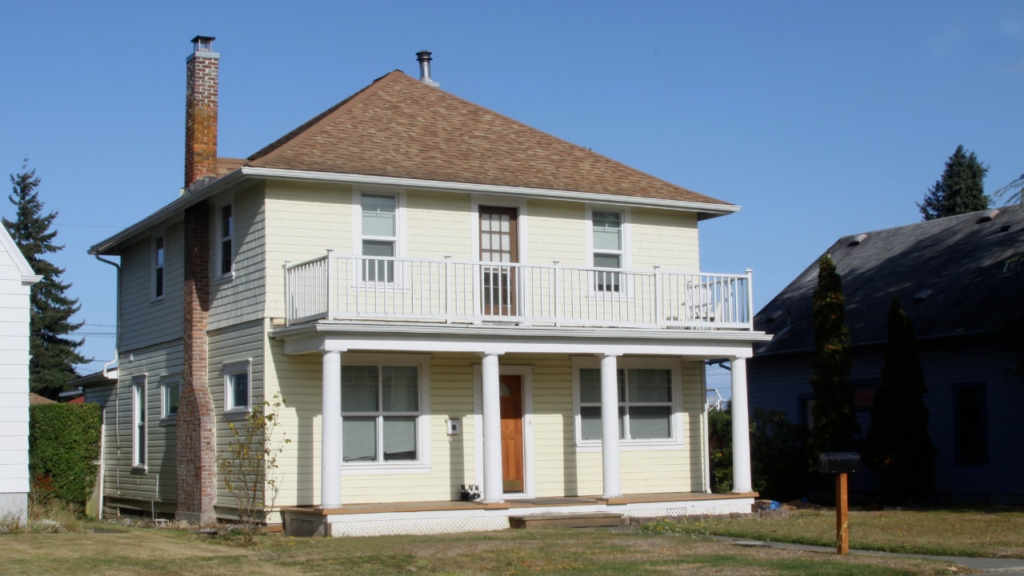
One of the biggest misconceptions in real estate is that newer homes are always better. As a Minnesota real estate agent, I’ve worked with buyers who walked into a 1950s home and immediately wanted to leave because they assumed older meant problems. I’ve also worked with buyers who specifically searched for homes built before 1970 because they loved the character, larger lots, mature trees, and established neighborhoods. The truth is that the age of a home, by itself, doesn’t determine whether it’s a good purchase. I’ve seen brand-new homes with issues. I’ve seen 100-year-old homes that were exceptionally maintained. The better question isn’t: “Is this home old?” The better question is: “Has this home been cared for?” For many Minnesota buyers, older homes can offer tremendous value, unique charm, and excellent long-term opportunities. But they can also come with maintenance challenges, repair costs, and surprises that buyers should understand before making an offer. If you’re considering an older home in Minnesota, here’s what you should know. What Is Considered an Older Home? There isn’t a universal definition. However, many buyers consider homes built before the 1980s to be older homes. In Minnesota, you’ll commonly find homes built in: Many of these homes remain highly desirable today. Communities throughout: contain large numbers of older homes. Why Buyers Love Older Homes There’s a reason older homes continue attracting strong buyer demand. Many offer features that are difficult or expensive to replicate today. These features often include: Mature Trees Established neighborhoods frequently have beautiful tree canopies. Larger Lots Many older homes sit on lots larger than what is common in newer developments. Character Buyers often appreciate: Established Neighborhoods Older communities often provide a sense of history and stability. For many buyers, these qualities are extremely appealing. Older Homes Often Have Better Locations One advantage many buyers overlook is location. New construction typically occurs farther from city centers because that’s where land is available. Older homes are often located closer to: This convenience can create significant lifestyle benefits. For some buyers, location alone makes older homes worth considering. Older Doesn’t Mean Poorly Maintained This is one of the biggest myths in real estate. Many buyers assume an older home automatically requires extensive repairs. Not necessarily. A well-maintained 1955 home may be in far better condition than a poorly maintained home built in 2015. The condition of the property matters far more than the construction date. That’s why inspections are so important. The Biggest Concern: Deferred Maintenance The true risk with older homes isn’t age. It’s deferred maintenance. Deferred maintenance refers to repairs and upkeep that homeowners postponed over time. Examples include: The older the home, the more important it becomes to evaluate maintenance history. Minnesota Weather Is Tough on Homes Minnesota homes face unique challenges. Over decades, homes endure: These conditions affect: Roofing Systems Foundations Siding Windows Drainage An older home may still be an excellent purchase. But buyers should pay close attention to these areas. Home Inspections Become Extremely Valuable Whenever buying a home, inspections are important. With older homes, they’re even more critical. A professional inspector can help identify: The inspection doesn’t tell you whether to buy the home. It helps you understand what you’re buying. That’s valuable information. Older Homes Often Have Larger Yards One thing many buyers notice immediately is lot size. In many older neighborhoods, homes were built on larger parcels of land. That can provide: For buyers who value outdoor living, this can be a major advantage. Character vs Cookie-Cutter Design Many modern developments feature homes that look relatively similar. Older neighborhoods often provide greater architectural diversity. You may find: Buyers seeking uniqueness often gravitate toward older properties. Potential Challenges With Older Homes Of course, older homes aren’t perfect. There are trade-offs. Older Mechanical Systems Some homes may require updates to: Less Energy Efficiency Older homes sometimes have: Smaller Closets Storage expectations have changed dramatically over time. Different Floor Plans Many older homes feature layouts that differ from modern open-concept designs. These factors don’t necessarily make a home undesirable. They’re simply considerations buyers should understand. Renovation Potential Many buyers love older homes because of their renovation possibilities. You may be able to: The key is understanding renovation costs before purchasing. A home with potential is only valuable if the improvements fit your budget. Neighborhood Stability Matters One reason many buyers choose older communities is stability. Established neighborhoods often offer: These characteristics frequently contribute to strong neighborhood appeal. Appreciation Potential Many buyers ask: “Will an older home appreciate?” Absolutely. The age of a home doesn’t automatically determine appreciation. Factors that often matter more include: Many older homes in desirable Minnesota neighborhoods have appreciated significantly over time. Questions Buyers Should Ask Before purchasing an older home, consider: How well has the home been maintained? What major systems have been updated? Are there inspection concerns? How old is the roof? How old is the furnace? How old are the windows? These answers provide a clearer picture of ownership costs. Common Mistakes Buyers Make Judging a Home Solely by Age Condition matters more than age. Ignoring Maintenance History Past upkeep often predicts future expenses. Falling in Love With Character Alone Charm doesn’t replace inspections. Underestimating Future Repairs Every home requires maintenance. Assuming Newer Is Automatically Better Every property should be evaluated individually. Who Should Consider Older Homes? Older homes may be a great fit for buyers who: Many homeowners find these benefits worth the trade-offs. Who May Prefer Newer Homes? Newer homes may be a better fit for buyers who: Again, neither choice is right or wrong. It’s about personal preferences. FAQ Are older homes bad investments? Not at all. Many older homes have performed extremely well in desirable neighborhoods. Do older homes require more maintenance? Often yes, although maintenance depends heavily on previous ownership and upkeep. Are inspections more important on older homes? Absolutely. Are older homes cheaper? Sometimes, but not always. Location and demand heavily influence pricing. Can older homes appreciate? Yes. Many appreciate significantly over time. What matters