
What Is Homeowners Insurance and How Much Does It Cost in Minnesota?
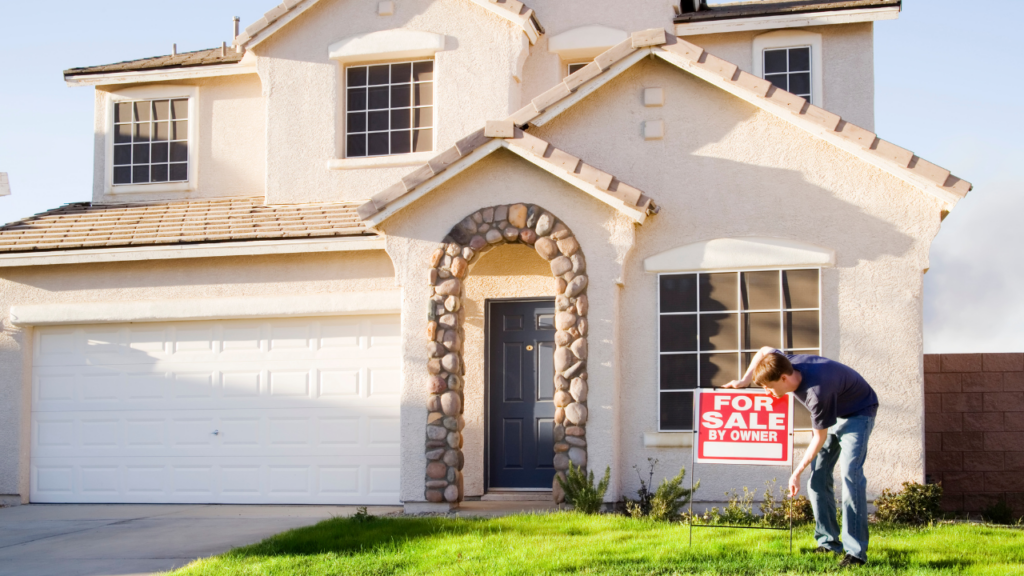
Buying a home is one of the biggest financial decisions you’ll ever make. Most buyers spend a lot of time thinking about the down payment, mortgage payment, and closing costs. But there is another important expense that every homeowner needs to understand before getting the keys: Homeowners insurance. As a Minnesota real estate agent, I’ve noticed that many first-time homebuyers don’t think much about homeowners insurance until their lender asks for proof of coverage a few days before closing. Then suddenly the questions start: “Do I really need it?” “What does it cover?” “How much will it cost?” “Why are the quotes so different?” Understanding homeowners insurance before you buy can help you budget more accurately and avoid unpleasant surprises after moving in. The good news is that homeowners insurance is usually one of the more predictable costs of homeownership. However, what you pay can vary based on the home, location, coverage level, and insurance company you choose. Let’s walk through what homeowners insurance is, what it covers, what it doesn’t cover, and what Minnesota buyers should expect to pay. What Is Homeowners Insurance? Homeowners insurance is a policy that helps protect your home and finances if certain types of damage, accidents, or losses occur. Think of it as a financial safety net. If your home is damaged by a covered event, your insurance policy may help pay for repairs, rebuilding costs, replacement of belongings, legal expenses, and temporary housing in some situations. Most mortgage lenders require homeowners insurance before they will fund your loan. Even if you buy a home with cash, carrying homeowners insurance is usually a smart decision because it protects one of your largest investments. Why Do Mortgage Lenders Require Homeowners Insurance? When a lender gives you hundreds of thousands of dollars to purchase a home, they have a financial interest in protecting that property. If a fire destroys the house tomorrow, both you and the lender could face significant financial losses. That’s why lenders typically require homeowners insurance throughout the life of the mortgage. In most cases, the insurance premium is included in your monthly mortgage payment through an escrow account. Your lender collects a portion each month and pays the insurance company when the premium is due. What Does Homeowners Insurance Typically Cover? While policies vary, most standard homeowners insurance policies provide several important types of protection. Dwelling Coverage This protects the physical structure of your home. Covered events may include: If your home suffers damage from a covered event, dwelling coverage helps pay for repairs or rebuilding. Personal Property Coverage This helps cover your belongings. Examples include: If these items are damaged or stolen due to a covered event, your policy may help replace them. Liability Protection Liability coverage can help protect you financially if someone is injured on your property and you are found responsible. For example: A visitor slips on an icy sidewalk and suffers an injury. Depending on the circumstances, liability coverage may help with legal costs and damages. Additional Living Expenses If your home becomes temporarily uninhabitable due to a covered loss, your policy may help pay for: This coverage can be extremely valuable after a major disaster. Other Structures Coverage This may protect structures that are separate from your home such as: What Doesn’t Homeowners Insurance Cover? One of the biggest misconceptions among homeowners is assuming insurance covers everything. It doesn’t. Several common situations may require additional coverage. Flooding Standard homeowners insurance usually does not cover flood damage. If a property is located in a flood-prone area, separate flood insurance may be necessary. Earth Movement Damage from earthquakes and certain types of ground movement are generally excluded. Wear and Tear Insurance is designed for sudden and accidental losses. It does not typically cover: Pest Damage Damage caused by: is generally considered a maintenance issue rather than an insurance claim. How Much Does Homeowners Insurance Cost in Minnesota? One of the first questions buyers ask is: “What’s the average cost?” The answer depends on several factors, but many Minnesota homeowners pay somewhere between approximately $1,500 and $3,000 per year for a standard homeowners insurance policy. Some homeowners pay less. Others pay significantly more. Your actual premium depends on a variety of factors unique to your situation. Factors That Affect Homeowners Insurance Costs Home Value Generally speaking, more expensive homes cost more to insure. This is because the cost to rebuild the home is higher. Home Size Larger homes usually require higher coverage limits. More square footage often means higher insurance premiums. Age of the Home Older homes sometimes cost more to insure because: Newer homes often qualify for lower premiums. Roof Condition Insurance companies pay close attention to roofs. A newer roof can often reduce insurance costs. An older roof may increase premiums or even create coverage challenges. Location Insurance companies evaluate local risks. Factors may include: Even homes within the same city may receive different insurance quotes. Claims History Previous insurance claims can affect future premiums. Both the property’s history and the homeowner’s personal claims history may be considered. Coverage Limits Higher coverage levels generally result in higher premiums. However, cutting coverage too aggressively may leave you underinsured when you need protection most. Minnesota Weather and Insurance Costs Minnesota’s climate plays a major role in homeowners insurance pricing. We experience: Because weather-related claims occur regularly, insurers factor these risks into pricing. For example, hail damage claims can be extremely expensive and may affect premiums in certain areas. This doesn’t mean insurance is unaffordable. It simply means Minnesota’s weather is part of the risk equation. Should You Shop Around for Insurance? Absolutely. One of the biggest mistakes buyers make is accepting the first insurance quote they receive. Different insurance companies evaluate risk differently. The same home can receive dramatically different quotes from multiple carriers. I often encourage buyers to: Spending an extra hour shopping can potentially save hundreds of dollars per year. Common Homeowners Insurance Discounts Many buyers qualify for discounts they don’t realize exist. Examples include: Bundling