
What Hurts My Credit Score Most Before Applying for a Mortgage?
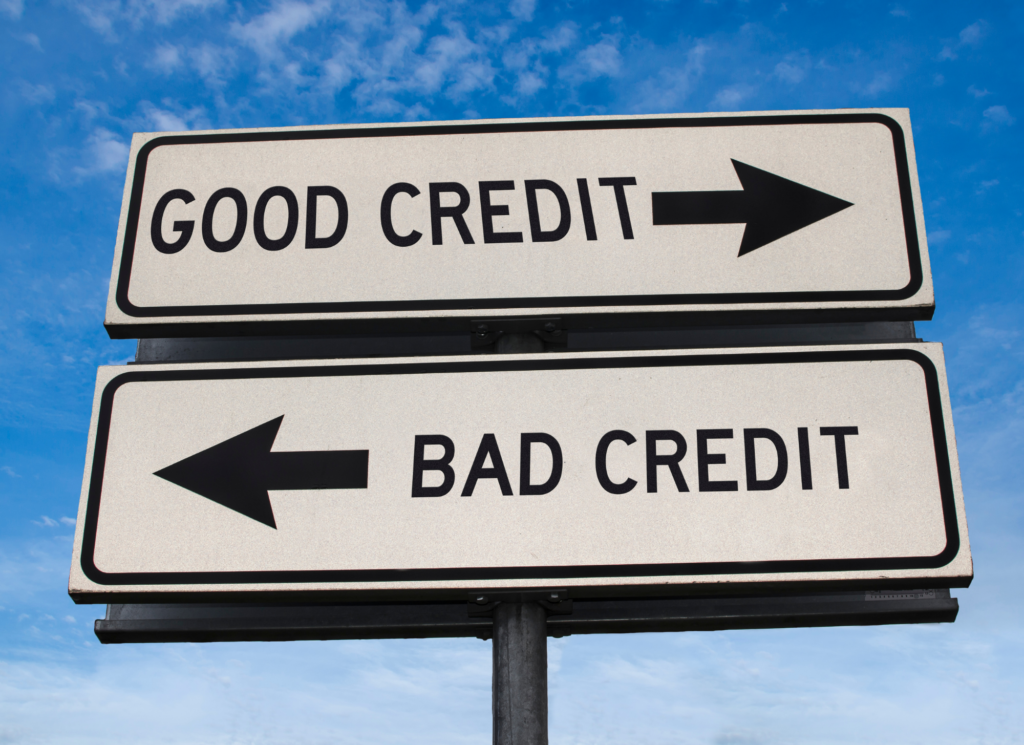
The months right before you apply for a mortgage are exactly when your credit score deserves the most protection, not the least. Quick Answer: A handful of common moves, opening new credit accounts, making large purchases on existing cards, missing payments, and closing old accounts, can all quietly lower your score at the worst possible time. None of these mistakes are complicated to avoid once you know to watch for them. Opening New Credit Accounts Applying for a new credit card, financing a car, or opening a store credit line all trigger a hard inquiry and add a new account to your file. Both of those can lower your score, and a new account also shortens the average age of your credit history. Even if you plan to use the new account responsibly, the timing alone can work against you if it happens close to your mortgage application. Making Large Purchases on Existing Credit Furnishing a home you have not closed on yet is one of the most common mistakes buyers make. Charging a large purchase to an existing credit card increases your credit utilization, which is a significant factor in your score. Lenders also frequently re-check credit shortly before closing, so a spike in balances between application and closing can create real problems even after you have already been approved. Missing or Making Late Payments This one seems obvious, but the stress of buying a home causes people to lose track of due dates more often than you would think. Payment history is the single largest factor in most credit scoring models, so even one missed payment in the months before applying can have an outsized effect. Set up automatic minimum payments during this period if you tend to run tight on bandwidth. Closing Older Credit Accounts It feels responsible to close a credit card you no longer use, but doing so can hurt you in two ways. It reduces your total available credit, which raises your utilization ratio even if your balances have not changed, and it can shorten your average account age over time. If you are within a few months of applying, leave old accounts open even if they are inactive. Co-Signing for Someone Else Co-signing a loan for a family member or friend adds that debt to your own credit profile and factors into your debt to income ratio, even if you are not the one making the payments. If you are planning to buy a home soon, this is not the time to take on that kind of obligation for someone else. Letting Balances Sit High Relative to Your Limits Credit utilization, meaning how much of your available credit you are actually using, matters more than most people realize. Paying down balances before you apply, rather than simply making minimum payments, can meaningfully improve your score in a fairly short window, since utilization updates as soon as your creditor reports the new balance. What to Do Instead in the Months Before Applying Keep your accounts as stable as possible. Continue paying everything on time, avoid new credit applications, keep balances low, and hold off on any major purchases until after closing. If you are unsure whether a specific financial move is safe during this window, it is worth a quick call to your lender before you act rather than after. Frequently Asked Questions Q: How far before applying should I stop opening new credit accounts? A: A good rule of thumb is to avoid new credit for at least several months before you plan to apply, and definitely once you are actively working with a lender. Q: Does getting quotes from a few different mortgage lenders count against me the same way? A: No. Mortgage-related inquiries made within a short shopping window are typically treated as a single inquiry by scoring models, which is different from opening unrelated new credit accounts. Q: Should I close a credit card I never use before applying? A: Generally no, especially close to your application. Closing an account can raise your utilization ratio and shorten your credit history, both of which can lower your score. Q: What if I already have a large purchase planned, like a car? A: Talk to your lender before making the purchase. Timing it after closing, or restructuring the plan, is often better than making a large purchase mid process. Q: Can one missed payment really affect my mortgage approval? A: Yes, particularly if it happens close to your application. Payment history carries significant weight in most scoring models, so even a single late payment can matter. Closing Call to Action If you know you’ll be applying for a mortgage in the next several months, let’s talk now rather than after something on this list has already happened. I would rather help you protect your credit ahead of time than help you recover from a surprise later.
What Credit Score Do I Need to Buy a Home in Minnesota?

Almost every buyer I talk to asks some version of the same question early on: what credit score do I actually need to buy a house? Quick Answer: There is no single credit score requirement that applies to every buyer, because the number you need depends on the loan program you use. Different loan types set different minimum scores, and the score that gets you approved is not always the score that gets you the best rate. Understanding both matters. Why There Isn’t One Universal Number Every lender sets its own guidelines within the framework of the loan program it is offering, which means the honest answer to what score do I need always starts with it depends on the loan. A number that qualifies you for one type of financing might not qualify you for another, and two lenders offering the same loan type can still set slightly different internal minimums. How Loan Type Changes the Minimum Conventional loans, government backed loans like FHA and VA, and other programs each carry their own minimum credit score requirements set by the agencies or investors behind them. Because these requirements are updated periodically and vary by program, the most reliable way to know your exact number is to ask a lender directly which program you are being evaluated for and what that program’s current minimum is. The Difference Between Qualifying and Qualifying Well Meeting the minimum score for a loan program gets your foot in the door, but it does not necessarily get you the most competitive interest rate. Lenders typically use pricing tiers, where higher scores within the approved range unlock better rates and lower costs. This means two buyers who both qualify for the same loan can end up with meaningfully different monthly payments based purely on where their score falls. What Lenders Actually Look at Besides Your Score Your credit score is one piece of a larger picture. Lenders also look at your debt to income ratio, your employment and income history, your available cash for a down payment and reserves, and the overall pattern of how you have managed credit over time. A slightly lower score paired with strong income and low debt can sometimes still result in approval, which is why it is worth talking to a lender rather than assuming a number disqualifies you. What If Your Score Is Lower Than You Would Like If your score is below where you want it to be, that does not automatically mean buying is off the table. Some loan programs are specifically built to accommodate lower scores, often paired with other requirements like a slightly higher down payment or mortgage insurance. A conversation with a lender early, well before you plan to make an offer, gives you time to understand exactly where you stand and what your realistic options look like. How Your Score Is Actually Calculated Credit scores are built from a handful of factors: your payment history, how much of your available credit you are using, the length of your credit history, the mix of account types you have, and recent credit inquiries. Payment history and credit utilization carry the most weight, which is why consistent on time payments and keeping balances low relative to your limits tend to move the needle the most. Steps to Take Before You Apply Pull your own credit report before you talk to a lender so there are no surprises. Look for errors, outdated information, or accounts that do not belong to you, and dispute anything inaccurate. Avoid opening new credit accounts or making large purchases on existing credit in the months leading up to your application, since both can temporarily affect your score right when you need it to be stable. Frequently Asked Questions Q: Is there a specific credit score that guarantees I’ll be approved? A: No single score guarantees approval, since lenders also weigh your income, debt, and down payment together with your credit. A lender can tell you exactly where you stand for a specific loan program. Q: Does checking my own credit report hurt my score? A: No. Checking your own credit is considered a soft inquiry and does not affect your score. It is different from a lender pulling your credit for an actual application. Q: Can I buy a home in Minnesota if I have little or no credit history? A: It is more challenging but not automatically impossible. Some loan programs allow alternative ways to demonstrate creditworthiness. A lender can walk you through what that would look like for your situation. Q: How far in advance of applying should I check my credit? A: As early as possible, ideally several months before you plan to apply, so you have time to correct errors or make improvements if needed. Q: If I pay off a credit card balance, will my score go up right away? A: Often yes, since credit utilization is a significant factor, but the exact timing depends on when your creditor reports the updated balance, which is not always instant. Closing Call to Action If you are wondering where your credit actually stands and what that means for the loan programs available to you, let’s talk before you start house hunting. I can point you toward a trusted lender who will give you real numbers instead of guesswork.
What Is a Mortgage Rate Lock and When Should I Use One?

You found a rate you like, your lender mentions locking it in, and suddenly you’re being asked to make a decision you didn’t know you’d have to make yet. Quick Answer: A mortgage rate lock is an agreement with your lender that guarantees a specific interest rate for a set period of time while your loan moves through processing and underwriting, protecting you from rate increases during that window. You generally want to lock once you are under contract on a home and have a realistic closing date in view, not before. What a Rate Lock Actually Does Mortgage rates move throughout the day based on the bond market, and they can shift meaningfully over the weeks it takes to close on a home. A rate lock is your lender’s written commitment that the rate you agreed to will not change during a set window, regardless of what happens in the broader market between now and closing. Without a lock, the rate you were quoted is not guaranteed until you actually secure one. How Long a Typical Lock Period Lasts Lock periods are usually offered in set increments, commonly somewhere in the range of thirty to sixty days, though longer options exist for certain situations like new construction. Your lender will recommend a lock period based on your expected closing date, and it is worth padding that estimate slightly rather than cutting it close, since delays in underwriting, appraisal, or title work are common and not always within your control. What Happens If Rates Drop After You Lock This is the part that catches buyers off guard. Once you lock, you are generally committed to that rate even if the market improves before closing. Some lenders offer a float-down option that lets you capture a lower rate if one becomes available, but that is not automatic and often comes with its own fee or conditions. Ask specifically whether your lock includes this option before you sign anything. What Happens If Your Closing Gets Delayed If your closing pushes past the end of your lock period, you may need to extend it, and extensions can come with a fee depending on the lender and how long the extension needs to be. This is one more reason to build a little breathing room into your original lock period, especially if you are buying new construction or your closing depends on a chain of other transactions. Is There a Cost to Locking Your Rate Some lenders build the cost of a rate lock into the rate itself with no separate fee, while others charge a small fee for longer lock periods or for float-down protection. This varies by lender, so ask directly what your specific lock includes and what it would cost to extend it if needed. When Is the Right Time to Lock in Minnesota In most cases, the right time to lock is after you are under contract on a specific home and have a target closing date from your purchase agreement. Locking too early, before you have an accepted offer, means you could be tying yourself to a rate for a home you never end up buying. Locking too late leaves you exposed to rate movement right when you can least afford surprises. What to Ask Your Lender Before You Lock Ask how long the lock lasts, what it costs to extend if needed, whether a float-down option is available, and what happens if your closing date changes. Getting clear answers to these questions before you lock means fewer surprises later in the process. Frequently Asked Questions Q: Can I lock in a rate before I’ve found a home? A: Most lenders require you to be under contract on a specific property before locking, since the lock is tied to the loan for that transaction. Q: What happens if my closing date gets pushed back? A: You may need to extend your lock, which can come with a fee depending on your lender and how long the delay is. Ask about extension costs before you lock. Q: Do all lenders charge a fee to lock a rate? A: It varies. Some build the lock into the rate with no separate charge, while others charge for longer terms or added features like a float-down. Ask your specific lender. Q: If I switch lenders after locking, do I keep my locked rate? A: No, a rate lock is tied to the lender you locked with. Switching lenders means starting the lock process over with the new one. Q: What is a float-down option? A: A float-down lets you take advantage of a lower rate if the market improves after you lock, usually for an added fee or under specific conditions. Not every lender offers it, so ask directly. Closing Call to Action If you are getting close to making an offer and want to understand how rate locks fit into your specific timeline, reach out to me. I can help you think through the timing so you are not caught off guard during underwriting.
Should I Use My Bank or a Mortgage Broker in Minnesota?

Somewhere between deciding you want to buy a home and actually filling out a loan application, almost every Minnesota buyer hits the same question: do I call the bank I already have, or do I find a mortgage broker instead? Quick Answer: There is no universal right answer here. A bank lends you its own money using its own set of loan products, while a mortgage broker works with several different lenders and shops your application around to find a fit. Both can get you to closing with a good rate. The better choice usually comes down to your credit profile, how complicated your income is, and whether you want to do the comparison shopping yourself or have someone else do it for you. What You’re Actually Getting From a Bank When you go through your bank or another direct lender, you are working with one institution from start to finish. They underwrite the loan in house, they hold the relationship, and in many cases they service the loan after closing too. If you already have a strong relationship with a local bank or credit union, that can mean faster communication and someone who already knows your financial history. The tradeoff is that you are only seeing one set of rates, one set of guidelines, and one appetite for risk. If your file does not fit neatly into what that bank prefers to lend on, you may hear no even though another lender would have said yes. What a Mortgage Broker Actually Does A broker is not a lender. They are a licensed professional who takes your financial information once and shops it to a network of wholesale lenders on your behalf. Instead of you calling five different banks and filling out five applications, the broker does that comparison for you and brings back the offers that make sense. Brokers are paid either by the lender or by you as the borrower, and Minnesota law requires that fee to be disclosed up front. Because they work with multiple lenders, brokers often have more flexibility for buyers with less common income, lower credit scores, or unusual property types. Where a Bank Tends to Make Sense If your income is straightforward, your credit is solid, and you already bank somewhere you trust, going direct can be simple and efficient. You skip an extra layer of communication, and if you have other accounts or a mortgage history with that institution, they may already have some of your documentation on file. Buyers who value one point of contact from application through closing often prefer this route. Where a Broker Tends to Make Sense If you are self-employed, have irregular income, are working with a lower credit score, or simply want to see rates from more than one source before committing, a broker can save you real time and legwork. Because they are not tied to one lender’s guidelines, they are often better positioned to find a loan program that fits a more complicated financial picture. If your last experience with a single bank ended in a denial, a broker is usually the next call worth making. Comparing Rates and Fees the Right Way Whichever route you choose, do not compare offers by interest rate alone. Ask for a full loan estimate that shows the rate, the fees, and the closing costs together, and compare those documents side by side. A slightly lower rate paired with higher fees is not automatically the better deal. Getting quotes within the same short window also matters, since it limits how many separate credit inquiries show up and keeps the comparison fair. Questions Worth Asking Before You Commit Ask any lender or broker how they are compensated, what loan programs they have access to, and how quickly they can close. Ask for references from recent Minnesota closings if you can. And ask what happens if your file runs into an issue mid process. How that question gets answered often tells you more about who you are working with than the initial rate quote does. Frequently Asked Questions Q: Does going through a broker cost me more than going straight to a bank? A: Not necessarily. Broker compensation is built into the loan structure and disclosed on your loan estimate, so you can compare the full cost side by side with a bank’s offer rather than assuming one is automatically more expensive. Q: Can I talk to a bank and a broker at the same time? A: Yes, and many buyers do exactly that. Getting quotes from both within the same short window lets you compare real numbers instead of guessing which path is better. Q: Will getting quotes from multiple lenders hurt my credit score? A: Mortgage-related credit inquiries made within a short window are generally grouped together by scoring models as a single inquiry, so shopping around within that window has a much smaller impact than people expect. Q: Does my own bank automatically give me the best rate since I’m already a customer? A: Not automatically. Loyalty can help with service and communication, but it does not guarantee the most competitive rate. It is still worth comparing. Q: I’m self-employed. Does that change which option makes more sense? A: It can. Self-employed and commission-based buyers often have more paths available through a broker, since brokers can shop your file to lenders whose guidelines are built around non-traditional income. Closing Call to Action Whether you are leaning toward your bank, a broker, or you genuinely are not sure yet, I would rather you ask the question before you apply than after you get a surprise denial. Reach out to me and I will walk you through what makes sense for your specific situation as you start the Minnesota homebuying process.