
Should I Remove Personal Items Before Showings?

When a buyer walks through your home, you want them picturing their own family on your couch, not wondering about yours. That is really what this question comes down to, and it is why removing most personal items before showings is worth the effort. Here is the direct answer. Yes, removing most personal items before showings makes a real difference. Family photos, personal collections, and highly individualized decor all make it harder for buyers to mentally move themselves into the space. At the same time, you do not need to strip every bit of personality from your home. A few neutral, intentional touches can still make it feel warm and lived in, rather than sterile. Why Personal Items Affect How Buyers Experience A Home Buyers are trying to imagine their own life in your home while they walk through it, and strong personal details make that harder to do. A wall of family photos, a child’s name painted on a bedroom door, or collections tied closely to your personal identity all remind buyers whose home they are standing in, which pulls them out of imagining it as their own. This is not about erasing who you are, it is about creating space for someone else to picture themselves there too. What Counts As A Personal Item Worth Removing Family photos and portraits are the biggest one, since they are the most immediate reminder that this is someone else’s home. Personal collections, whether that is trophies, memorabilia, or themed decor tied closely to a hobby or interest, are worth boxing up as well. Items with names, monograms, or personal milestones visibly displayed also fall into this category. What You Can Safely Leave Out Neutral artwork, plants, simple decorative items, and tasteful furniture arrangements all help a home feel warm without feeling overly personal. The goal is not to make your home feel like a hotel room, it is to remove the details that are specifically about you and your family, while keeping the details that simply make a space feel comfortable and finished. Privacy And Security Reasons To Remove Certain Items Beyond the sales psychology, there are practical reasons to remove certain items too. Mail, documents with personal information, medications, and valuables should be put away during the listing period, since your home will be seen by buyers, agents, and sometimes left unattended during open houses. This is simply good practice for your own privacy and security while your home is actively being shown. Finding The Balance Between Personal And Sterile Some sellers go too far in the other direction and strip a home down until it feels cold or uninviting. A home with absolutely nothing personal in it can feel just as off putting as one that is overly personal, because it does not feel like anyone could live there comfortably. Keep a few simple, neutral elements, like a plant, a piece of art, or a tidy stack of books, to maintain warmth without the specificity. Where To Put Everything You Remove Treat this step as an early start on packing rather than a separate project. Sort personal items into what you want to keep accessible during the listing period, what can go into storage, and what you may want to donate or let go of entirely as part of your move. This mindset shift tends to make the process feel more productive and less like you are hiding who you are. Personal Items In Specific Rooms That Need Extra Attention Bedrooms often have the most personal items, including photos, personal collections, and closet contents buyers may open during a showing. Bathrooms should have personal care items, medications, and toiletries put away rather than left out on counters. Home offices or hobby rooms often carry the most individualized decor, and simplifying these spaces helps buyers see them as flexible rooms rather than spaces tied to one specific use. Frequently Asked Questions Do I need to remove religious or cultural items? This is a personal decision, and there is no requirement to remove these items. Some sellers choose to keep a few meaningful pieces while reducing the overall volume, while others prefer to pack them away during the listing period. Either approach is completely reasonable. Should I take down all family photos? Most sellers remove the majority of family photos, particularly larger displays or galleries, while leaving one or two tasteful pieces up if it helps a room feel complete. Use your judgment based on your specific space. What about children’s artwork and school items? These are usually worth storing away during showings, since they are highly personal and can make a room feel very specifically tied to your family’s daily life rather than a flexible space for any buyer. Do personal items in the bathroom matter? Yes, clearing counters of toiletries, medications, and personal care items creates a cleaner, more neutral feel and also protects your privacy during showings. Should I remove personal items for photos too, or just showings? Both. Your home should look consistent between your listing photos and your in person showings, so personal items should be addressed before your photo shoot and stay that way through the listing period. Ready To Talk Through Your Home? If you want help figuring out what to keep out, what to pack away, and how to strike the right balance for your home, I am happy to walk through it with you. Reach out to Lesley The Realtor and let’s get your home ready to show at its best.
How Do I Prepare My Home for Professional Photos?

Most buyers decide whether to even request a showing based on your listing photos alone, which means your home has to sell itself online before it ever gets the chance to sell itself in person. That makes photo prep one of the highest leverage things you can do before listing. Here is the direct answer. Preparing for professional photos means decluttering, deep cleaning, maximizing natural light, and removing anything that distracts from the room itself, and all of that needs to happen before your photographer arrives, not scrambled together while they are standing in your kitchen. Why Photo Prep Matters As Much As The Listing Itself Buyers scroll through dozens of listings online before deciding which homes are worth their time to see in person. Your photos are doing the job of a first showing, every single time someone views your listing. A home that is beautifully prepped for in person showings but photographed with dishes in the sink or laundry on the couch will lose buyers before they ever pick up the phone. The Week Before Your Photo Shoot Use this week to finish any decluttering you have been putting off, complete any small repairs you have noticed, like touch up paint, loose cabinet handles, or burnt out light bulbs, and give the entire home a deep clean, including windows, baseboards, and fixtures. This is also the time to finalize any landscaping cleanup, since the exterior will be photographed too. The Day Before Your Photo Shoot Do a full walkthrough of every room with fresh eyes, as if you are seeing the home for the first time. Clear countertops down to a few intentional items, put away pet bowls, litter boxes, and pet toys, remove trash cans from visible areas, and make sure every bed is made and every surface wiped down. Pack away excess furniture that makes rooms feel tight if you have not already. The Morning Of Your Photo Shoot Open every blind and curtain to let in as much natural light as possible, turn on every light in the house even during the day, since professional photographers often blend natural and artificial light for the best result, and do a final sweep for anything out of place, including shoes by the door, mail on the counter, or dishes in the sink. Put pets somewhere out of the way, or arrange for them to be elsewhere during the shoot. Lighting, And Why It Matters More Than Almost Anything Else Good lighting can make an average room look fantastic, and poor lighting can make a beautiful room look flat and uninviting. Open every window covering you have, turn on all interior lighting, and if possible, schedule your shoot for a time of day when your home gets strong natural light in its main living spaces. Your photographer will know how to work with the light you give them, but they cannot create light that is not there. Room By Room Photo Prep Priorities Kitchens should have clear counters, nothing on the refrigerator, and no dishes visible. Living rooms should have minimal items out, no remotes or cords visible, and pillows and blankets arranged neatly. Bedrooms should have made beds, cleared nightstands, and closet doors closed unless the closet itself is being photographed intentionally. Bathrooms should have countertops cleared, towels fresh and folded, and toilet lids closed. Common Photo Prep Mistakes Sellers Make The most common mistakes are rushing prep the morning of the shoot instead of the days before, forgetting to deal with pet items and pet smells, leaving curtains and blinds closed which makes rooms look dark and small, and not addressing small repairs that become very noticeable in a sharp, well lit photograph. A property that looks fine in person can look unfinished in photos if these details are missed. Frequently Asked Questions How long before listing should I schedule photos? Photos are typically scheduled once your home is fully prepped and ready to show, usually just a few days before your listing goes live, so the home stays camera ready through your first showings. Should I be home during the photo shoot? It is usually best to leave your photographer to work without you or your family present, since it gives them the flexibility to move efficiently through the home and get the best angles in each room. Do I need to remove all personal items for photos? Not entirely, but reducing highly personal items like family photos, religious items, and personal collections helps buyers picture themselves in the space when they view the photos online. What time of day is best for listing photos? This depends on which direction your home faces and where your best natural light falls, which your photographer or agent can help you determine for your specific property. Should I stage furniture differently for photos than for showings? No, your home should be consistent between photos and in person showings. Buyers notice when a home looks different from its listing photos, and it can create distrust before they even walk in the door. Ready To Talk Through Your Home? If you want help getting your home camera ready before your photo shoot, I am happy to walk through it with you room by room. Reach out to Lesley The Realtor and let’s make sure your listing photos do your home justice.
Do I Need to Declutter Completely Before Listing?
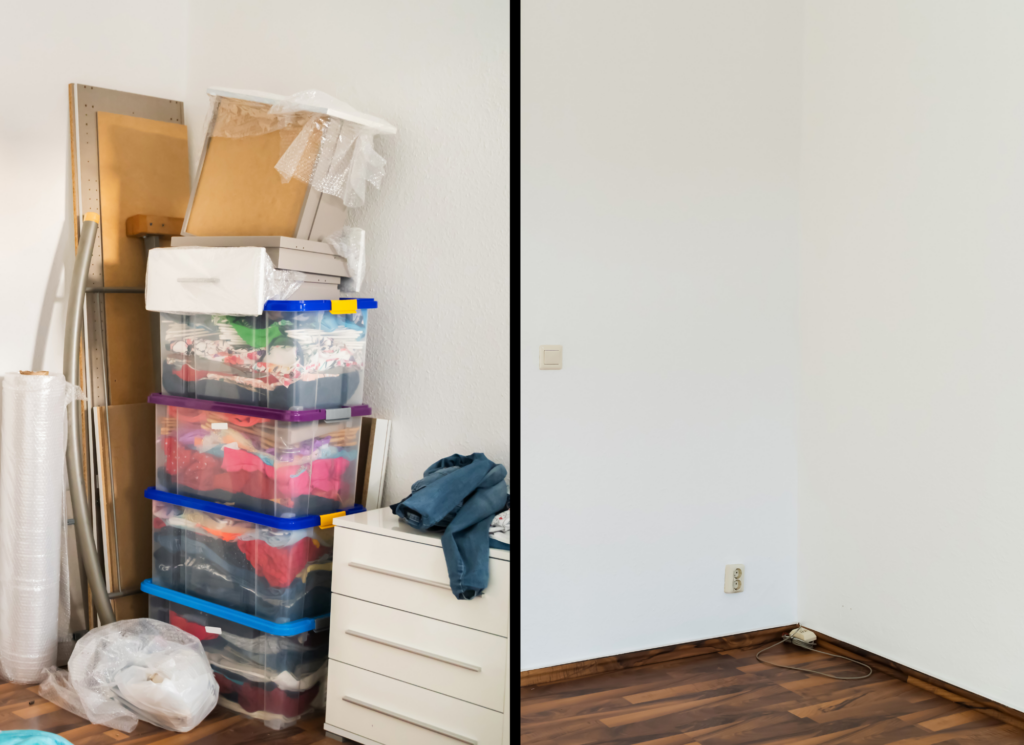
Buyers are not just looking at your home, they are trying to picture their own life inside it, and clutter makes that harder to do. A countertop covered in daily life, closets packed floor to ceiling, or furniture crowding a room all pull attention away from the space itself and toward your belongings. Here is the direct answer. You do not need to empty your home down to bare walls before you list. You do need to declutter more than probably feels comfortable while you are still living there. The goal is not an empty house. The goal is a home where buyers can actually see the space, the layout, and the potential, instead of being distracted by what is sitting on every surface. What Decluttering Is Actually Trying To Accomplish Decluttering is not about making your home look like nobody lives there. It is about removing visual noise so buyers can focus on the things that actually sell a house, like square footage, natural light, storage, and flow between rooms. When counters are clear, surfaces are clean, and rooms are not crowded with furniture, buyers can mentally move their own belongings into the space, which is a big part of how they decide a home feels right for them. How Much Is Enough (And How Much Is Too Much) A good rule of thumb is to remove about a third of what is currently in each room, starting with anything that is purely personal, excess furniture that makes a room feel smaller, and anything you are not actively using day to day. You know you have gone too far if rooms start to feel sparse or staged in an obviously temporary way. The sweet spot is a home that still looks lived in and comfortable, just without the excess. Room By Room Priorities Kitchens and bathrooms benefit the most from clearing countertops down to just a few intentional items. Living rooms and bedrooms benefit from removing extra furniture that makes the room feel tight, along with personal collections or excess decor. Entryways should be clear of shoes, coats, and bags piled up, since this is the very first impression buyers get when they walk in. Storage Areas Buyers Actually Open Buyers open closets, cabinets, and pantries during showings, so those spaces need attention too, not just the rooms themselves. An overstuffed closet signals a lack of storage even if the closet is actually a good size. Organizing and thinning out what is inside closets, cabinets, and the garage helps buyers see the storage your home actually offers. Decluttering Versus Staging, They Are Not The Same Thing Decluttering is about removing. Staging is about arranging what is left to show the home at its best. You can declutter without formally staging, and many sellers do just that successfully. But decluttering is the step that has to happen first, because no amount of staging can compensate for a home that feels crowded or cluttered underneath it. What To Do With Everything You Remove Most sellers sort what they remove into three categories, things to pack now since they are moving anyway, things to donate or let go of since they are no longer needed, and things to store temporarily if they are not ready to part with them but do not need them during the listing period. Thinking of decluttering as a head start on packing, rather than a separate project, makes the process feel less overwhelming. A Realistic Decluttering Timeline Before Listing Most sellers need more time than they expect, so starting two to four weeks before your listing goes live gives you breathing room to work through the home without rushing the week before photos. Tackling one or two rooms at a time, rather than trying to do the whole house in a weekend, tends to produce a better result and less stress. Frequently Asked Questions Do I need to rent a storage unit? Not always, but if you have significant excess furniture or belongings, a short term storage unit or pod can make a real difference in how spacious your home feels during the listing period. Should I take down family photos and personal items? It is generally a good idea to reduce the number of personal photos and highly personal items on display, since it helps buyers picture themselves in the space rather than feeling like they are touring someone else’s home. What about children’s artwork and school items? These are usually worth storing away during showings, since they are highly personal and can make a room feel very specifically tied to your family’s daily life rather than a flexible space for any buyer. Can I declutter too much and make rooms look empty? Yes, if a room feels bare or awkward with too little furniture, it can actually work against you. The goal is balance, enough removed to feel spacious, not so much that the room feels unused. Do closets and cabinets really need to be decluttered too? Yes. Buyers open them during showings, and an overstuffed closet or cabinet can make a home’s storage feel inadequate even when it is not. Ready To Talk Through Your Home? If you are not sure where to start or how far to take it, I am glad to walk through your home with you and give you a clear, practical plan. Reach out to Lesley The Realtor and let’s map out exactly what your home needs before it goes on the market.
Is Landscaping Worth Updating Before Listing in Minnesota?

Buyers decide how they feel about your home before they ever touch the front door, and your landscaping does most of that talking for you. It is the first visual impression in person and the first thing people see in your listing photos, so it carries more weight than most sellers expect. Here is the direct answer. Yes, basic landscaping updates are almost always worth doing before you list. Trimmed edges, fresh mulch, a healthy lawn, and clear, tidy walkways give you a strong return for a relatively small investment. What is usually not worth it is a major yard overhaul. Large hardscaping projects, extensive new planting beds, or structural changes to your yard rarely pay for themselves dollar for dollar, and they take time you may not have before listing. Why Landscaping Matters More Than Sellers Expect Before a buyer ever walks through your front door, they have already formed an opinion standing in your driveway or on the sidewalk. That first look shapes how they interpret everything else, including your listing photos online. A yard that looks neglected can make buyers assume the inside has been neglected too, even if that is not true at all. A yard that looks cared for sets the opposite expectation before they even step inside. The Landscaping Updates That Are Almost Always Worth It A few updates consistently pay off regardless of your price point or neighborhood. Mowing and edging the lawn on a consistent schedule, trimming overgrown bushes and trees away from windows and walkways, refreshing mulch in existing beds, and removing dead plants or weeds all make a noticeable difference for very little cost. Power washing your front walkway, driveway, and siding can also dramatically change how fresh the whole exterior looks without touching a single plant. The Landscaping Projects You Can Usually Skip Full landscape redesigns, new retaining walls, elaborate garden beds, or expensive hardscaping projects are rarely worth starting right before a sale. These projects are expensive, take time to complete properly, and buyers are very unlikely to pay you back for the investment. If your yard already has decent bones, your money and time are better spent on cleanup and maintenance rather than a redesign. How Minnesota’s Seasons Change This Decision Timing matters a lot here. If you are listing in spring or summer, a green, well maintained lawn and healthy plantings genuinely help your curb appeal. If you are listing in late fall or winter, landscaping plays a smaller role simply because less is visible or in bloom, and your energy is better spent making sure walkways and driveways are clear, safe, and well lit for showings. Snow removal and ice management become your curb appeal in the colder months. Curb Appeal Versus Backyard Appeal Sellers sometimes focus heavily on the backyard and forget that buyers form their first impression from the front. Prioritize the front yard, entry path, and anything visible from the street or in your listing’s main photo first. Once that is dialed in, turn your attention to the backyard, focusing on basic cleanup, mowing, and removing any clutter or unfinished projects rather than new installations. Budget Friendly Landscaping Wins If your budget is tight, prioritize in this order: mow and edge the lawn, trim anything blocking windows or walkways, refresh mulch in visible beds, remove dead or overgrown plants, and add a few inexpensive potted plants near the entry if the beds are sparse. These small, low cost moves add up to a yard that photographs well and feels maintained in person. Timing Your Landscaping Work Around Your Listing Date Try to schedule your landscaping cleanup close enough to your listing date that it still looks fresh for photos and showings, but early enough that you are not rushing the week of your listing. A week or two before photos go up is usually the sweet spot for most basic cleanup work. Frequently Asked Questions Do I need to landscape if I am selling in winter? Not in the traditional sense. Focus on clear, safe walkways and driveways, visible exterior maintenance, and making sure the yard looks tidy under any snow rather than worrying about plantings or lawn care. Will buyers really judge my home over landscaping? Yes, even if it is not entirely fair, buyers form an early impression based on your exterior, and that impression colors how they view the rest of the home. Should I remove overgrown trees or bushes before listing? If they are blocking windows, walkways, or the front door, yes. Overgrown plantings can make a home feel dark, cramped, or poorly maintained, even when the home itself is in great condition. Is it worth hiring a landscaper or can I do this myself? For basic cleanup like mowing, trimming, and mulching, many sellers handle this themselves. For larger cleanup jobs, dead tree removal, or if you are short on time, hiring help for a one time cleanup is usually worth the cost. How far in advance should I start landscaping before listing? A week or two before your listing photos and showings begin is typically enough time for basic cleanup to look fresh without feeling rushed. Ready To Talk Through Your Home? If you are not sure what your yard actually needs before you list, I am happy to walk through it with you and give you a straightforward, no pressure opinion. Reach out to Lesley The Realtor and let’s talk through your specific property.
Should I Replace Flooring Before Selling My Home?

Your floors are probably the first thing a buyer looks down at when they walk through your front door, and they are often the last thing they remember on their way back out to the car. That is a lot of pressure to put on plywood and finish, so it makes sense that sellers ask about flooring more than almost any other prep question. Here is the direct answer. In most cases, you do not need to tear out and replace your flooring before listing. Refinishing, deep cleaning, or targeted repairs usually give you a better return on your time and money than a full replacement. Full replacement starts to make sense when the flooring is visibly damaged, badly outdated in a way that reads as neglected, or so inconsistent from room to room that it makes the whole house feel disjointed to a buyer walking through. Let’s break down how to actually make that call for your home. Why Flooring Gets So Much Attention From Buyers Buyers walk a home fast. They are forming an impression in the first few minutes, and flooring sets the tone for every room it runs through. Scratched hardwood, stained carpet, or flooring that does not match from the kitchen to the hallway all send a signal, even if that signal is not entirely fair. It tells a buyer the home might need more work than it actually does, and that perception affects how they value the whole property, not just the floor. When Refinishing Beats Replacing If you have hardwood floors under decades of wear, refinishing is almost always the smarter move before replacing. A sand and refinish job brings worn, dull, or lightly scratched hardwood back to a finish that looks close to new, at a fraction of the cost of ripping it out and installing new flooring. The same logic applies to tile that just needs a deep clean and regrouting, or vinyl that needs a thorough scrub and polish rather than a full tear out. When Replacement Actually Makes Sense There are situations where refinishing will not get you there. If the hardwood has been sanded down too many times already, if there is water damage or warping, or if the subfloor itself has problems, refinishing will not fix the underlying issue and buyers, or their inspectors, will catch it. Worn, stained, or dated carpet in a main living space is another spot where replacement tends to pay off, since carpet does not refinish the way hardwood does and buyers notice tired carpet quickly. What Minnesota Buyers Specifically Notice Minnesota buyers deal with a lot of moisture, salt, and seasonal wear tracked in from outside for several months of the year, so they tend to look closely at entryways, mudrooms, and the flooring just inside exterior doors. If those high traffic areas look rough while the rest of the home is in good shape, you may be able to address just those zones rather than redoing every room. Basements are another area Minnesota buyers pay attention to, since moisture concerns are common in this climate, and flooring that looks damp, warped, or discolored in a lower level can raise questions even when the rest of the home shows beautifully. The Cost Versus Return Conversation Before you commit to new flooring, think about it the way a buyer will. A buyer is not going to pay you back dollar for dollar on an expensive flooring upgrade, but they will absolutely discount their offer, or walk away from showings altogether, if the flooring makes the home feel neglected. The goal is not to install the flooring you would want to live with for the next fifteen years. The goal is to present floors that look clean, cohesive, and cared for, using the most cost effective path to get there. Matching Flooring Across Rooms One detail that trips sellers up is flooring that changes awkwardly from room to room with no clear logic, especially on an open concept main floor. If you are going to invest in new flooring anywhere, prioritize consistency in the spaces buyers see first and that flow into each other, like the kitchen, dining area, and living room. A hallway transition to a bedroom matters far less than an abrupt, mismatched change in the middle of your main living space. What To Do If You Are On A Tight Timeline If you are listing soon and do not have time for a full flooring project, focus your energy on a professional deep clean, repairing any loose boards, squeaks, or visible damage, and addressing the worst offending room rather than trying to tackle the whole house. A single, well executed fix in the space buyers will remember most often does more for your listing than a rushed job spread across the entire home. Frequently Asked Questions Will worn hardwood floors scare off buyers? Worn hardwood on its own usually will not scare off a serious buyer, especially if the rest of the home shows well, but it can affect how they perceive your asking price. Refinishing is often the most efficient way to remove that doubt before you list. Is it worth replacing carpet before listing? If the carpet is stained, matted, or clearly dated in a main living area, replacement is usually worth it. In bedrooms or lower traffic spaces, a deep professional cleaning can often do the job for less. What flooring do Minnesota buyers prefer right now? Preferences shift over time and vary by neighborhood and price point, so rather than chasing a trend, focus on flooring that is clean, consistent, and in good repair. That reads well to the widest range of buyers regardless of current style preferences. Can I just do one room instead of the whole house? Yes, and that is often the smartest approach. Prioritize the rooms buyers see first or spend the most time in, and the spaces where damage or wear is most visible, rather than assuming you need to