
What Are the Risks of Buying a Fixer-Upper as an Immigrant Homebuyer in Minnesota?
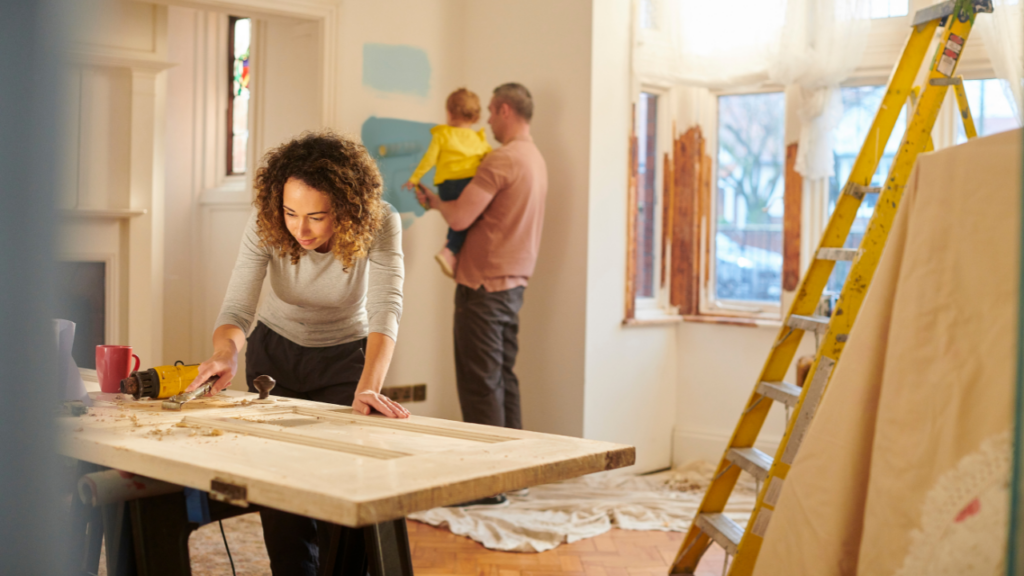
For many immigrant homebuyers, affordability is one of the biggest concerns when purchasing a home. You may have spent years saving for a down payment. You may be balancing family responsibilities both here and abroad. You may be trying to buy your first home while also building long-term financial stability. As you browse homes online, you might notice something interesting. Some homes are significantly cheaper than others. At first glance, they seem like incredible deals. Then you read the description. “Needs TLC.” “Great investment opportunity.” “Bring your ideas.” “Handyman special.” These are often code words for what many people call a fixer-upper. And one question naturally follows: “Should I buy a fixer-upper?” As a Minnesota real estate agent, I’ve helped many immigrant buyers evaluate homes that needed work. Sometimes those homes turned out to be excellent opportunities. Other times, walking away was the smartest decision. The truth is that fixer-uppers can offer benefits, but they also come with risks that every buyer should understand before making an offer. Let’s talk about those risks and how to determine whether a fixer-upper is right for you. What Is a Fixer-Upper? A fixer-upper is a home that requires repairs, renovations, updates, or improvements. The level of work varies dramatically. Some homes simply need: Others may need: Not all fixer-uppers are the same. Understanding the scope of work is critical. Why Fixer-Uppers Attract Buyers The biggest reason buyers consider fixer-uppers is simple: Price. Homes needing repairs are often listed below comparable move-in-ready homes. For immigrant buyers working within a strict budget, this can be appealing. The idea is straightforward: Buy lower. Make improvements. Build equity. In theory, it’s a great strategy. But reality can be more complicated. The Biggest Risk: Underestimating Repair Costs This is by far the most common mistake. Many buyers see a home that needs work and think: “I can fix that later.” Unfortunately, repair costs are often higher than expected. A project that seems like a $5,000 repair may end up costing: once contractors begin uncovering additional problems. What appears to be a simple issue can reveal larger underlying concerns. This is especially common in older homes. Hidden Problems Are Common One challenge with fixer-uppers is that not every issue is visible. You may notice: But what you don’t see can be more expensive. Potential hidden problems include: This is why inspections become incredibly important. Minnesota Weather Can Magnify Repair Issues Minnesota’s climate creates unique challenges for homeowners. Our winters are harsh. Our freeze-thaw cycles are demanding. Snow, ice, and moisture affect homes over time. As a result, older homes may have issues involving: Roof Systems Heavy snow loads can create wear. Foundations Freeze-thaw cycles may contribute to movement. Drainage Problems Improper grading can create moisture concerns. Windows and Doors Older units may be inefficient and costly to replace. What seems like a cosmetic project can sometimes involve weather-related repairs underneath. Financing Can Be More Difficult Many immigrant buyers assume financing works the same way regardless of a home’s condition. Not always. Some loan programs require homes to meet certain standards before financing can be approved. Major issues involving: can sometimes create financing challenges. This doesn’t mean fixer-uppers can’t be financed. It simply means buyers need to understand potential complications. Renovations Often Take Longer Than Expected Television renovation shows make home improvement look easy. Reality is different. Projects often take longer than planned because of: Many homeowners underestimate how disruptive renovation projects can be. A project expected to take one month may take several months. Patience becomes important. Living Through Renovations Can Be Stressful Some buyers plan to move in immediately and complete projects gradually. That can work. But it’s not always easy. Imagine dealing with: while also adjusting to a new country, new community, and new homeownership responsibilities. For some families, that level of stress becomes overwhelming. DIY Isn’t Always Cheaper Many buyers assume they can save money by doing repairs themselves. Sometimes that’s true. But many projects require: Mistakes can become expensive. A repair done incorrectly may cost more to fix later. Before assuming you’ll handle everything yourself, be realistic about your skills, time, and resources. Older Homes Often Require Ongoing Maintenance Even after renovations are completed, older homes frequently require continued upkeep. Examples include: The expenses don’t necessarily stop once the initial projects are finished. That’s why emergency savings remain important. Emotional Decisions Can Lead to Trouble One thing I’ve noticed with many buyers is that they fall in love with potential. They imagine what the home could become. That’s understandable. But it’s important to evaluate what the home is today. Don’t buy a home based solely on a future vision. Make sure the current realities fit your budget and risk tolerance. Not Every Fixer-Upper Is a Bargain This surprises many buyers. A lower purchase price doesn’t automatically mean a better deal. Consider two homes: Home A:$350,000 move-in ready Home B:$300,000 fixer-upper needing $75,000 in repairs Home B may actually cost more overall. The math matters. Always evaluate the total investment, not just the purchase price. Inspections Become Even More Important If you’re considering a fixer-upper, a professional home inspection is one of your most important tools. An inspector may help identify: While inspections don’t uncover every issue, they provide valuable information for decision-making. Skipping inspections on fixer-uppers is rarely a good idea. When a Fixer-Upper May Make Sense Despite the risks, fixer-uppers can still be excellent opportunities. They may make sense if: Many successful homeowners have built wealth through strategic renovations. The key is entering the process with realistic expectations. When a Move-In-Ready Home May Be Better A move-in-ready home may be a better choice if: For many immigrant families adjusting to a new country, simplicity has tremendous value. Questions Immigrant Buyers Should Ask Before purchasing a fixer-upper, ask yourself: How much cash do I have beyond my down payment? Can I comfortably afford unexpected repairs? Do I have time to manage renovation projects? Am I comfortable living through construction? Would a move-in-ready home reduce