
How Long Must My Funds Be in My Account Before Applying?

You finally hit your savings goal, and you are ready to make an offer. Then your lender asks how long that money has actually been sitting in your account, and suddenly you are hearing a term you have never heard before: seasoning. It trips up a lot of buyers, so let’s break it down. Quick answer: most lenders want to see that your funds have been in your account for a set period, commonly discussed as around two months, so they can verify the money is genuinely yours rather than an undocumented loan or an unverified gift. The exact requirement can vary by loan program and lender, so always confirm the specific timeline with your loan officer. What Seasoning Actually Means Seasoning simply refers to how long money has been sitting in your account before you apply for a mortgage. Lenders use recent bank statements to verify your funds, and if a large sum shows up right before you apply with no clear explanation, it raises a flag that needs to be resolved before your file can move forward. Seasoned funds, meaning money that has been in your account long enough to show a stable pattern, are generally easier to verify. Think of it as your lender wanting to see the same balance tell a consistent story across a couple of statement cycles rather than a single snapshot. Why Lenders Care Where Your Money Has Been Sitting This requirement exists to protect everyone in the transaction, including you. Lenders need confidence that your down payment is not secretly an undisclosed loan you will need to repay on top of your mortgage, which would change your actual ability to afford the home. Verifying that funds have been in your account for a reasonable stretch of time is one of the simplest ways to confirm that, and it ultimately protects you from taking on more monthly obligation than you can comfortably handle. What Happens When You Deposit a Large Sum Right Before Applying A large, unexplained deposit close to your application date almost always triggers a request for more information. This does not mean something is wrong, it simply means your lender needs documentation explaining where the money came from, whether that is a bonus from your employer, the sale of a personal item, or funds transferred from another account you already own. Having that explanation and paperwork ready ahead of time keeps things moving quickly, rather than pausing your file while you track down old records. How Gift Funds Are Handled Differently From Seasoned Funds If part of your down payment is a gift from family, that money is not expected to be seasoned in your account the same way your own savings are. Instead, it typically requires a signed gift letter confirming the money does not need to be repaid, along with documentation showing it moved from the giver’s account to yours. Gift funds and seasoned personal savings are treated as two separate categories, each with its own paperwork trail, and mixing the two together without labeling them clearly is one of the most common sources of confusion. Moving Money Between Accounts Without Resetting the Clock If you move money from a savings account to a checking account right before applying, that can sometimes look like a fresh, unexplained deposit even if the funds have technically been yours for a long time. Keeping a clear paper trail across accounts, including statements from wherever the money originally sat, helps avoid unnecessary questions about funds that were never actually new to begin with. When in doubt, keep the money where it already is until your lender confirms a move will not cause a problem. Planning Your Timeline Around Seasoning Requirements Because seasoning requirements often involve a waiting period, it is smart to think about this well before you are ready to make an offer. If you know a bonus, a sale, or an international transfer is coming, plan for it to land in your account with enough runway before you apply. This kind of planning is exactly the sort of thing worth discussing with your lender months ahead of house hunting, not after you have already found a home you love. A quick conversation early on can shape when you start touring homes in the first place. What To Do If You Are Short on Time If your timeline is tight and a recent deposit has not had time to season, do not panic and do not assume you are out of options. Talk to your lender immediately. In many cases, thorough documentation of the source of funds can satisfy underwriting even when the full seasoning period has not technically passed. This is exactly the kind of situation where the right lender relationship makes a real difference, and it is far better to raise the issue early than to let it surface for the first time during underwriting. Frequently Asked Questions Q: What counts as a large deposit that needs explaining? A: This varies by lender, but any deposit that stands out from your normal, typical account activity is likely to draw a question, so it is worth being ready to explain it. Q: Do all loan programs require the same seasoning period? A: No, requirements can vary by loan program and lender, so always confirm the specific timeline that applies to your situation before you plan around it. Q: Can I use funds that just arrived from overseas? A: Often yes, but expect additional documentation requirements, since international transfers combine seasoning questions with source-of-funds verification at the same time. Q: Does seasoning apply to gift funds too? A: Not in the same way. Gift funds typically require a gift letter and a documented transfer rather than a seasoning period, though your lender will confirm the exact requirement. Q: How do I document where a large deposit came from? A: Pay stubs for a bonus, a bill of sale for a sold item, or transfer records between your own accounts are
How Do Lenders View Foreign Bank Statements?

You have been saving for years, only the account holding that money is not at a U.S. bank, it is back home. That does not mean the money does not count toward your home purchase. It just means there are a few extra steps to walk through. Quick answer: lenders can consider funds held in a foreign bank account, but they will generally want the statements translated into English, converted into U.S. dollars using a documented exchange rate, and supported by a clear paper trail showing the funds are legitimately yours. Why Lenders Scrutinize Funds Coming From Overseas It is not personal, and it is not about doubting you. Lenders are required to verify that any funds used toward a home purchase are legitimately sourced, and international transfers naturally involve more moving pieces than a domestic paycheck deposit. The extra scrutiny is standard practice for anyone bringing money in from outside the U.S. banking system, not a sign that something is wrong with your situation. Once you understand that this is simply the process, it becomes much less stressful to work through. Translation and Currency Conversion Requirements If your bank statements are not in English, they will typically need to be translated, and in some cases that translation needs to be certified. Your lender will also want the balances converted into U.S. dollars using a documented, verifiable exchange rate rather than a rough estimate. Getting this piece right early saves you from having to redo paperwork later in the process. Ask your lender up front which translation services they accept so you are not stuck redoing work you already paid for. Building a Paper Trail Lenders Can Follow The core question a lender is trying to answer is simple: is this money actually yours, and how did it get from that account to here? A clean paper trail, meaning statements that show consistent balances over time, documented transfers, and no unexplained large deposits, makes this process far smoother. If your funds moved through more than one account before landing where they are now, be prepared to show each step of that journey, including statements from any intermediate accounts along the way. How Long the Funds Need to Sit Before You Apply Many lenders want to see that foreign funds have been in an account, whether overseas or after transferring to the U.S., for a certain period before your application, often referred to as seasoning. This helps confirm the money is not an undocumented loan or a last minute deposit from an unverifiable source. Requirements vary by lender and loan program, so ask early what timeline applies to your specific situation, and plan your home search around that answer rather than around your own ideal timeline. Anti-Money Laundering Rules and Why They Exist Banks and lenders operate under federal requirements designed to prevent money laundering, and those rules apply to everyone, not just international transfers. Large or unusual deposits, wherever they come from, can trigger extra questions. Understanding this ahead of time helps you avoid feeling caught off guard when your lender asks for additional documentation on a transfer, since these requests are routine rather than a sign your application is in trouble. Working With Your Bank to Move Funds Smoothly Before you wire a large sum of money, it is worth having a conversation with both your foreign bank and your U.S. bank about how the transfer will be documented on each end. Keep every confirmation, receipt, and statement related to the transfer. Even details that feel minor, like the exact date and amount of a wire, can matter when your lender is piecing together your file. Ask your bank in advance about any fees or reporting steps involved so nothing about the transfer surprises you. Common Mistakes That Slow Down Foreign Fund Verification The most common slowdowns come from incomplete documentation, mismatched names between accounts, or funds that moved through multiple accounts without a clear record connecting them. Splitting a large transfer into several smaller ones to avoid reporting thresholds is another mistake that tends to raise more questions than it answers. Keeping things simple and well documented is almost always the faster path. When your name does not match exactly across every account and document, a short letter explaining the discrepancy, such as a name change or a translation variation, can prevent unnecessary back and forth. Frequently Asked Questions Q: Do I need to move my foreign funds to a U.S. bank before applying? A: Not necessarily, but many buyers find it simplifies the process and makes verification faster. Talk with your lender about whether your specific situation calls for it before you make any moves. Q: What if my foreign bank statement is not in English? A: It will generally need to be translated, and sometimes certified, before your lender can use it as part of your file. Ask your lender which translation providers they already trust. Q: Can family send me money directly from overseas to use as a down payment? A: Often yes, but it needs to be properly documented as a gift, with a gift letter and a clear paper trail showing where it came from and how it arrived in your account. Q: Will large international transfers raise red flags with my lender? A: They may prompt additional questions, which is completely normal and not a sign of a problem. Clear documentation upfront usually resolves this quickly and keeps your file moving. Q: How do lenders verify the exchange rate used for my funds? A: They typically want a documented rate from the date of conversion, often supported by your bank’s own records of the transaction, rather than an estimate you calculate yourself. If you have savings overseas and you are not sure how to bring them into your Minnesota home purchase the right way, let’s talk before you move any money. I will walk you through what your lender will need and help you avoid the mistakes that slow other buyers
What Should I Expect on Closing Day as an Immigrant Homebuyer in Minnesota? A 2026 Guide

After weeks—or sometimes months—of searching for homes, gathering documents, speaking with lenders, completing inspections, reviewing disclosures, and waiting for loan approval, you’ve finally reached one of the most exciting milestones in the entire homebuying process: Closing Day. For many immigrant homebuyers, closing day is more than just a real estate transaction. It’s often the culmination of years of hard work, saving money, building credit, establishing roots in a new country, and working toward the dream of homeownership. But even though it’s exciting, closing day can also feel intimidating. You may be wondering: The good news is that closing day is usually much less stressful when you know what to expect. Let’s walk through the process step-by-step so you can feel confident and prepared. What Is Closing Day? Closing day is the day ownership of the property officially transfers from the seller to the buyer. It’s the final step in the homebuying process. Before closing day, you’ve already completed most of the hard work: Closing is when everything becomes official. Once the required documents are signed and funds are transferred, you become the owner of the property. Why Closing Day Matters Many people focus heavily on finding a house and getting their offer accepted. But closing is the step that legally completes the transaction. Without closing, ownership does not transfer. Think of closing as the finish line that brings together all the work completed during the previous several weeks. What Happens Before Closing Day? Several important things happen before the actual closing appointment. Final Loan Approval Your lender completes the underwriting process and issues final approval. At this stage: Final approval means the lender is ready to move forward. Title Work Is Completed The title company completes its review of ownership records. The goal is ensuring there are no unresolved issues that would prevent ownership from transferring. Homeowners Insurance Is Confirmed Most lenders require proof of homeowners insurance before closing. Your insurance policy helps protect the property after you become the owner. Closing Disclosure Is Delivered Federal regulations generally require buyers to receive a Closing Disclosure before closing. This document summarizes: Reviewing this document carefully is extremely important. Review Your Closing Disclosure Carefully One of the most important things you can do before closing day is carefully review your Closing Disclosure. Compare it to earlier loan estimates. Pay attention to: If something looks different than expected, ask questions immediately. Your lender should explain every number. The Final Walk-Through Most buyers complete a final walk-through shortly before closing. This usually occurs within 24 to 48 hours of closing. The purpose is simple: Verify that the home is in the expected condition. During the walk-through, buyers often confirm: This is not another inspection. It’s simply a final check before ownership transfers. What Should You Bring to Closing? Requirements vary, but buyers are often asked to bring: Government-Issued Identification Examples may include: Your closing company will explain acceptable forms of identification. Required Funds If money is required at closing, you’ll receive instructions beforehand. These funds may include: Always verify wiring instructions carefully. Wire fraud is a serious concern in real estate transactions. Never rely solely on emailed instructions without verification. Questions Bring any questions you still have. Closing is not the time to stay silent if something is unclear. Who Attends the Closing? The people present may vary. Common participants include: In many cases, the seller signs documents separately. Closing appointments are often simpler than buyers expect. What Documents Will You Sign? Many first-time buyers are surprised by the number of documents involved. The paperwork may include: Mortgage Documents These outline your loan terms and obligations. Promissory Note This document states your promise to repay the loan. Deed Documents These help transfer ownership. Closing Disclosures These summarize financial details of the transaction. Additional Legal Documents Other forms may be required depending on the transaction. Don’t worry if you don’t recognize every document. The closing professional will guide you through the process. Can You Ask Questions During Closing? Absolutely. In fact, you should. Never sign something you don’t understand. If English is not your first language and something feels unclear, ask for clarification. Buying a home is a significant investment. You deserve to understand the documents you’re signing. A good closing team welcomes questions. How Long Does Closing Take? Most closings take between 45 minutes and two hours. The exact timeline depends on factors such as: Many buyers are surprised by how smoothly the process moves once everything has been prepared properly. What Happens After Signing? After all documents are signed: Once everything is finalized, ownership officially transfers. This is often the moment buyers become homeowners. When Do You Get the Keys? One of the most common questions buyers ask is: “When do I get the keys?” The answer depends on the terms of the purchase agreement. In many Minnesota transactions, buyers receive keys shortly after closing is completed. However, possession timing can vary. Your real estate agent will explain the specific timeline for your transaction. Why Closing Day Can Feel Emotional For many immigrant buyers, closing day is about much more than real estate. It may represent: It’s completely normal to feel excited, nervous, relieved, and proud all at the same time. Many buyers remember closing day for the rest of their lives. Common Mistakes Buyers Make Before Closing Making Large Purchases Avoid financing furniture, vehicles, or major purchases before closing. Your lender may continue monitoring your financial profile. Changing Jobs Employment changes can affect loan approval. Always discuss major changes with your lender. Moving Money Without Documentation Keep clear records of all financial transactions. Ignoring Emails Closing involves deadlines. Respond promptly to lender and title company requests. Waiting Until Closing to Ask Questions Whenever possible, ask questions before closing day arrives. What If Something Goes Wrong? Most transactions close successfully. However, delays occasionally occur. Examples may include: If challenges arise, your lender, title company, and real estate agent will work together to resolve them. The vast majority of issues can be addressed
What Is Title Insurance and Why Is It Important for Immigrant Homebuyers in Minnesota? A 2026 Guide

When you’re buying a home, you’ll hear a lot of terms that may be unfamiliar. Mortgage. Appraisal. Inspection. Escrow. Closing costs. One term that often surprises first-time buyers is title insurance. Many immigrant homebuyers ask: These are excellent questions. Unlike homeowners insurance, which protects your property from future events such as fire or storms, title insurance protects you from ownership issues connected to the property’s past. Most buyers never encounter a title problem. But when problems do arise, they can be extremely expensive and complicated. That’s why title insurance exists. Let’s look at what title insurance is, how it works, and why it’s an important part of the homebuying process in Minnesota. What Is a Title? Before understanding title insurance, it’s helpful to understand what “title” means. A title represents legal ownership of a property. When you buy a home, you’re not just purchasing the physical house. You’re purchasing the legal rights to own and use that property. To successfully transfer ownership, the seller must have clear legal ownership of the property. That’s where title work becomes important. What Is Title Insurance? Title insurance is a policy that helps protect buyers and lenders from financial loss resulting from certain title-related problems. These problems may have existed before you purchased the home. Unlike many types of insurance that protect against future events, title insurance addresses issues connected to the property’s ownership history. The purpose is to help ensure that when you buy a home, you receive clear ownership rights. Why Is Title Important? Imagine buying a home and later discovering: These situations can create major financial and legal challenges. Title insurance helps provide protection against certain covered issues. What Happens Before Closing? Before closing, a title company typically performs a title search. The title search reviews public records related to the property. The goal is identifying potential issues before ownership transfers. The title company examines records such as: Most transactions uncover no major issues. However, the title search is an important safeguard. What Is a Title Search? A title search is essentially an investigation into the property’s legal history. The title company wants to confirm: Think of it as reviewing the property’s legal background before completing the purchase. Common Issues a Title Search May Reveal Although most transactions proceed smoothly, title searches occasionally uncover issues. Examples include: Unpaid Property Taxes Previous taxes may remain unpaid. Outstanding Liens Contractors, lenders, or other parties may have claims against the property. Ownership Errors Mistakes in public records sometimes occur. Recording Problems Documents may have been filed incorrectly. Boundary Disputes Questions may arise regarding property lines. Estate Issues Inheritance-related ownership disputes occasionally appear. The purpose of the title search is to identify and resolve these issues before closing whenever possible. Why Immigrant Buyers Should Understand Title Insurance For many immigrant buyers, the U.S. property ownership system may differ from systems in their home country. The idea of purchasing insurance for ownership rights can seem unusual at first. However, title insurance plays an important role in protecting buyers. When you purchase a home, you’re relying on decades of historical records and prior transactions. Even with careful research, certain issues may remain hidden until later. Title insurance helps address some of those risks. Owner’s Title Insurance vs. Lender’s Title Insurance This is where many buyers become confused. There are generally two different types of title insurance. Lender’s Title Insurance Most mortgage lenders require a lender’s title insurance policy. This policy protects the lender’s financial interest in the property. It does not directly protect the homeowner. Owner’s Title Insurance An owner’s policy helps protect the buyer’s ownership interest. This coverage remains in effect as long as you or your heirs retain ownership interests covered under the policy. Understanding the difference is important. Many buyers assume the lender’s policy protects everyone. It doesn’t. What Does Owner’s Title Insurance Protect Against? Coverage varies depending on the policy, but examples may include: The exact protections depend on the policy and circumstances. Your title company can explain coverage details. Why Doesn’t the Title Search Catch Everything? Many buyers wonder: “If there’s a title search, why do I need insurance?” The answer is simple. Even the most thorough title search cannot identify every possible issue. Some problems may remain hidden. Examples include: Title insurance exists because some issues may not become apparent until years later. Is Title Insurance a One-Time Cost? Yes. Unlike homeowners insurance, title insurance is generally purchased with a one-time premium at closing. There are typically no annual payments. The policy remains in place according to its terms after the transaction closes. This is one reason many buyers view title insurance as valuable long-term protection. How Much Does Title Insurance Cost? Costs vary depending on factors such as: Your title company will provide specific pricing information during the transaction. While title insurance adds to closing costs, many buyers consider it worthwhile protection for such a significant investment. Real Example Imagine a buyer purchases a home in Minnesota. Everything appears normal. The title search is completed. Closing proceeds successfully. Several years later, an ownership issue surfaces involving an error from a prior transaction. Without title insurance, resolving the issue could become expensive and complicated. With appropriate coverage, the buyer may have protections available under the policy. This example illustrates why title insurance exists. Most buyers never need it. But if a problem arises, the protection can be valuable. What Happens on Closing Day? By closing day, the title company has typically: The title company plays an important role in ensuring the transaction proceeds properly. Many buyers don’t realize how much work occurs behind the scenes before closing. Common Misunderstandings About Title Insurance “The Seller Owns the Home, So There Can’t Be Problems” Unfortunately, ownership history can sometimes contain unexpected issues. “The Title Search Guarantees Everything” A title search is valuable but not perfect. “The Lender’s Policy Protects Me” The lender’s policy protects the lender. An owner’s policy protects the homeowner. “I Probably Won’t Need It” Most buyers never experience title
How Do I Review Disclosures as a First-Time Immigrant Homebuyer in Minnesota? A 2026 Guide

When you’re buying a home for the first time, it’s easy to focus on the exciting parts of the process. Looking at homes. Finding the right neighborhood. Getting your offer accepted. Planning where your furniture will go. But one of the most important parts of buying a home happens after your offer is accepted and before closing. It’s called reviewing disclosures. For many immigrant homebuyers, disclosures can feel overwhelming because they often contain unfamiliar terms, legal language, and detailed information about the property. You may find yourself wondering: The answer is yes. Disclosures are one of the most important tools buyers have for understanding a property’s history and condition before completing the purchase. Let’s walk through what disclosures are, why they matter, and how immigrant buyers can review them with confidence. What Are Real Estate Disclosures? A disclosure is information that a seller provides about a property. The purpose is to help buyers understand important facts that may affect the home’s value, condition, or desirability. In Minnesota, sellers are generally required to disclose known material facts about a property. A material fact is something that could influence a buyer’s decision to purchase the home. Disclosures help create transparency. They provide information that buyers may not discover during a simple showing. Why Disclosures Matter for First-Time Buyers Imagine purchasing a home and later discovering: These discoveries can be stressful and expensive. Disclosures help reduce surprises by sharing information the seller already knows. For immigrant buyers unfamiliar with Minnesota real estate practices, disclosures provide valuable insight into the property’s history. What Information Is Typically Included? Every property is different, but disclosures may address topics such as: The goal is helping buyers make informed decisions. Seller Knowledge Matters One important thing to understand is that sellers disclose what they know. Sellers are not expected to be professional inspectors. They are typically required to share known information about the property. For example: If a seller knows the basement flooded several times, that information may need to be disclosed. If a seller genuinely does not know about a hidden issue, it may not appear in the disclosure. This is one reason inspections remain important even when disclosures are provided. Reviewing the Property History One of the most valuable parts of disclosures is learning about the property’s history. Questions disclosures may answer include: This information helps buyers understand how the home has been maintained over time. Pay Attention to Water Issues In Minnesota, water-related disclosures deserve special attention. Because of snow, ice, rain, and seasonal weather conditions, water can affect homes in various ways. Look for references to: Not every water issue is serious. However, understanding the history helps you ask better questions. Review Roof Information Carefully Roofs are expensive to replace. Disclosures may include information about: If the roof is older, you may want additional information from your inspector. Understand Mechanical Systems Many Minnesota homes rely heavily on: Disclosures may indicate: Knowing system ages helps buyers prepare for future maintenance. Look for Remodeling and Improvements Many homes have undergone renovations. Disclosures may identify: If major work was completed, buyers may want to ask whether permits were obtained when required. Environmental Disclosures Some disclosures may address environmental concerns. Depending on the property, this could include information about: If concerns arise, buyers can often perform additional investigations during the inspection period. Read Every Page One common mistake first-time buyers make is assuming disclosures are routine paperwork. Some buyers skim documents without reading carefully. That’s a mistake. Every page may contain valuable information. Take your time. Review the documents carefully. Ask questions whenever something seems unclear. Don’t Panic Over Every Disclosure It’s important to remember that disclosures often contain a lot of information. Many items are completely normal. For example: Not every disclosure indicates a major problem. The goal is understanding the property, not finding perfection. How Disclosures Work With Inspections Some buyers mistakenly believe disclosures eliminate the need for inspections. They don’t. Disclosures and inspections work together. Disclosures tell you what the seller knows. Inspections evaluate the property’s current visible condition. Together they provide a more complete picture. Questions to Ask After Reviewing Disclosures After reviewing disclosures, you may want to ask: A good real estate agent can help you identify appropriate follow-up questions. What If You Don’t Understand Something? This is extremely common. Many first-time buyers, including native English speakers, find disclosures confusing. Never hesitate to ask questions. Your real estate agent can help explain: The goal is understanding the information before moving forward. Red Flags Worth Investigating While every property is unique, some disclosures may deserve additional attention. Examples include: Repeated Water Problems Recurring issues may warrant further investigation. Structural Concerns Foundation movement or structural repairs should be understood thoroughly. Major Insurance Claims Large claims may indicate prior significant damage. Ongoing Mechanical Problems Repeated HVAC, plumbing, or electrical issues may deserve closer review. Again, these items don’t automatically kill a deal. They simply require more information. Real Example Imagine you’re purchasing your first home in Minnesota. The disclosure indicates that the basement experienced water intrusion several years ago. At first, this sounds alarming. However, further review reveals: Without reviewing the disclosure carefully, you might never have learned this information. The disclosure didn’t necessarily reveal a deal-breaking problem. It provided useful context. That’s exactly why disclosures exist. Common Mistakes Buyers Make Not Reading the Entire Disclosure Every page matters. Assuming No Disclosure Means No Problem Disclosures reflect known information only. Ignoring Older Repairs Past issues can provide valuable insight into property history. Failing to Ask Questions Clarification is part of the process. Treating Disclosures as a Substitute for Inspections Both are important. Frequently Asked Questions Are disclosures required in Minnesota? In many situations, sellers must disclose known material facts about the property. Do disclosures guarantee there are no problems? No. They provide information known to the seller. Should I still get a home inspection? Absolutely. Inspections remain one of the most important buyer protections. What if I don’t understand something in the disclosure? Ask your
What Is an Appraisal Gap and How Do I Handle It as an Immigrant Homebuyer in Minnesota? A 2026 Guide
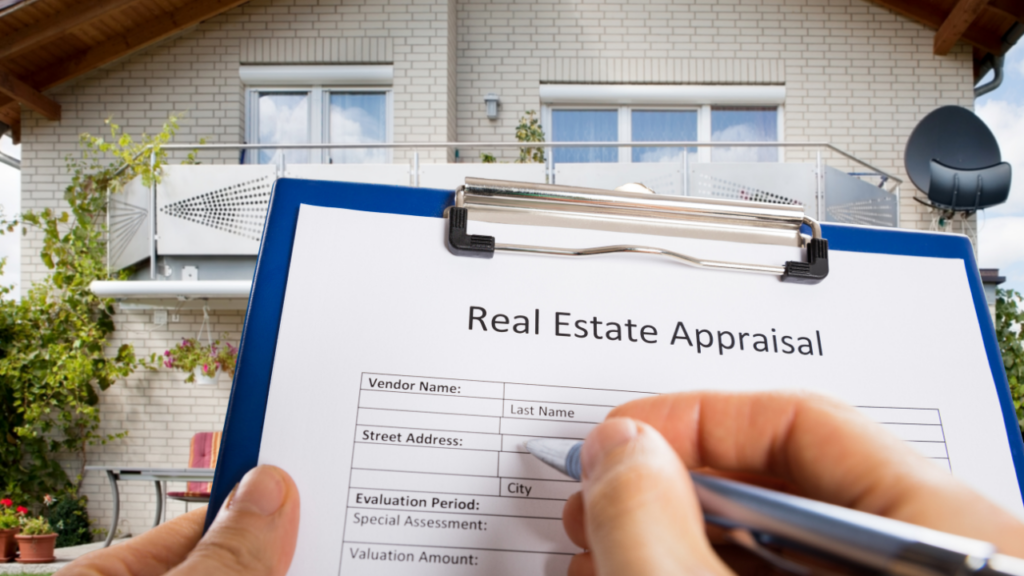
If you’re buying a home in Minnesota for the first time, especially as an immigrant homebuyer, there’s a good chance you’ll hear a term that sounds confusing at first: Appraisal gap. Most buyers understand the basic idea of making an offer on a home. You find a house you love. You negotiate a price. The seller accepts. Everything seems straightforward. Then the appraisal comes back. And suddenly everyone is talking about values, financing, appraisals, and appraisal gaps. For many first-time buyers, this is one of the most misunderstood parts of the homebuying process. The good news is that appraisal gaps are manageable when you understand how they work. Let’s break it down in simple terms. What Is an Appraisal? Before we talk about appraisal gaps, let’s start with the appraisal itself. An appraisal is an independent professional opinion of a property’s market value. If you’re using a mortgage, your lender will usually require one. Why? Because the lender wants to make sure the property is worth enough to support the loan amount. Remember: The lender is lending money based on the home’s value. They don’t simply rely on the price you agreed to pay. They want a third-party professional to evaluate the property. Who Performs the Appraisal? The lender typically hires a licensed appraiser. The appraiser evaluates factors such as: After reviewing the property and recent sales, the appraiser determines a value. That value becomes very important. What Is an Appraisal Gap? An appraisal gap occurs when the home’s appraised value is lower than the agreed purchase price. For example: Let’s say: There is now a: $20,000 appraisal gap The buyer agreed to pay more than the appraiser believes the property is worth. This creates a challenge because lenders generally base loans on the lower of: That’s when buyers, sellers, agents, and lenders must decide how to move forward. Why Do Appraisal Gaps Happen? Many immigrant buyers assume a low appraisal means something is wrong with the home. That’s not necessarily true. Appraisal gaps can occur for several reasons. Competitive Markets When multiple buyers compete for the same property, offers sometimes exceed recent comparable sales. The market may move faster than appraisal data. Limited Comparable Sales Appraisers rely heavily on recent sales. If there aren’t enough similar properties available, valuation becomes more difficult. Unique Properties Some homes are difficult to compare because they have unusual features, upgrades, or locations. Rapidly Rising Markets When prices rise quickly, appraisal data may lag behind current buyer demand. Why Immigrant Buyers Should Understand Appraisal Gaps Many immigrant homebuyers are navigating: For someone unfamiliar with the process, an appraisal gap can feel alarming. The key is understanding that appraisal gaps happen regularly. They are not automatically deal-breakers. What matters is how they’re handled. Example of an Appraisal Gap Let’s look at a simple example. Imagine you’re buying a home in Minnesota for: $450,000 The lender orders an appraisal. The appraiser determines the value is: $435,000 The appraisal gap is: $15,000 The lender may base the loan on the $435,000 value instead of the $450,000 purchase price. Now the transaction requires a solution. What Happens When an Appraisal Gap Occurs? Several options may be available. Option 1: Seller Lowers the Price One possibility is that the seller agrees to reduce the purchase price. For example: Purchase price drops from: $450,000 to $435,000 This eliminates the appraisal gap entirely. However, sellers are not required to agree. Option 2: Buyer Pays the Difference The buyer may choose to contribute additional cash. Using our example: Appraisal gap = $15,000 The buyer may decide to bring the extra funds needed to complete the purchase. This approach is common in competitive markets. However, buyers should only do this if they are financially comfortable. Option 3: Buyer and Seller Split the Difference Sometimes both parties negotiate. For example: Both sides share the burden. This is a common compromise. Option 4: Challenge the Appraisal In certain situations, additional information may support a reconsideration of value. This is not always successful, but it may be possible if: Your lender and agent can explain whether this option makes sense. Option 5: Cancel the Transaction If your contract includes appraisal protection language, you may have options to cancel. This depends entirely on the contract terms. Not every buyer has this protection. Understanding your contract is critical. What Is Appraisal Gap Coverage? You may hear another term: Appraisal gap coverage. This occurs when a buyer agrees in advance to cover some or all of a potential appraisal shortfall. For example: A buyer might state: “I will cover up to $10,000 of any appraisal gap.” This can make an offer more attractive to sellers. Why? Because it reduces uncertainty. The seller knows the buyer is prepared to move forward even if the appraisal comes in lower than expected. Should You Offer Appraisal Gap Coverage? The answer depends on your financial situation. Ask yourself: Appraisal gap coverage can strengthen an offer. But it also increases financial risk. Never agree to it unless you fully understand the commitment. How Appraisal Gaps Affect Loan Approval Many buyers worry a low appraisal automatically means loan denial. Usually, that’s not the case. The lender simply adjusts calculations based on the appraised value. The challenge becomes finding a solution for the difference. That’s why communication among: Is so important. What Happens in a Strong Seller’s Market? In competitive markets, appraisal gaps become more common. Buyers may: While these strategies can strengthen offers, buyers should proceed carefully. Winning the home is important. Protecting your finances is even more important. What Happens in a Balanced Market? When inventory is higher and competition is lower, sellers may be more willing to: Market conditions often influence the outcome. Real Example Imagine a buyer relocating to Minnesota from another country. They find a home they love. Multiple buyers submit offers. To remain competitive, they offer above asking price. The seller accepts. A few weeks later, the appraisal comes in lower than expected. At first, the buyer panics. But
How Do Inspections Protect Me as an Immigrant Homebuyer in Minnesota? A 2026 Guide

Buying a home is one of the biggest financial decisions most people will ever make. For immigrant homebuyers, the process can feel even more overwhelming because you’re not only evaluating a property—you’re also learning how the American real estate system works. One of the most important protections available to buyers is the home inspection. Yet many first-time buyers don’t fully understand what an inspection does, what it doesn’t do, or why it matters so much. You may be asking: The short answer is simple: A home inspection helps you understand what you’re buying before you become the owner. It won’t guarantee a perfect home, but it can help uncover issues that may cost thousands of dollars later. For immigrant buyers purchasing a home in Minnesota, inspections are often one of the most valuable tools available during the transaction. Let’s look at how inspections work and why they matter. What Is a Home Inspection? A home inspection is a professional evaluation of a property’s visible and accessible systems. After your offer is accepted, you’ll typically have an opportunity to hire a licensed home inspector. The inspector’s job is not to decide whether you should buy the home. Their job is to provide information. Think of it like a health checkup for the house. The inspector looks for signs of: The goal is helping you make an informed decision. Why Inspections Matter for Immigrant Buyers Many immigrant buyers come from countries where real estate transactions work very differently. In some places, inspections are uncommon. In others, buyers have limited opportunities to evaluate a property before purchase. The United States homebuying process often provides buyers with significant opportunities to investigate the property before closing. That’s a major advantage. An inspection allows you to learn about the home before it officially becomes your responsibility. What Does a Home Inspector Examine? While every inspection is different, inspectors commonly evaluate: Roof The roof is one of the most expensive components of a home. Inspectors look for: Minnesota weather can be tough on roofs, making this area especially important. Foundation The foundation supports the entire structure. Inspectors look for: Not every crack is a major problem, but understanding what you’re seeing matters. Plumbing Inspectors evaluate visible plumbing systems for: Water problems can become expensive if left unnoticed. Electrical Systems Electrical safety is critical. Inspectors may review: Older homes may have outdated electrical components that deserve attention. Heating and Cooling Systems Minnesota winters make heating systems especially important. Inspectors often examine: Knowing the age and condition of these systems helps buyers prepare for future maintenance. Windows and Doors Inspectors may identify: These items can affect both comfort and energy efficiency. Attics and Insulation Minnesota homeowners depend heavily on proper insulation. Inspectors look for: These factors can impact utility costs and long-term home performance. What a Home Inspection Does Not Do This is important. Many first-time buyers assume an inspection guarantees the home is perfect. It does not. A home inspection is limited to visible and accessible areas. Inspectors generally cannot: The inspection provides valuable information, but no inspection can eliminate all risk. Why Minnesota Homes Deserve Careful Inspections Minnesota’s climate creates unique challenges. Homes here experience: These conditions can affect: An experienced inspector understands what to look for in Minnesota properties. What Happens After the Inspection? Once the inspection is complete, you’ll receive a report. For first-time buyers, the report can feel intimidating. Most inspection reports contain dozens of items. That’s normal. Even well-maintained homes have issues. The key is understanding which findings are: Your real estate agent can help you interpret the report and decide what steps make sense. Common Findings That Are Usually Manageable Many reports include items such as: These items are common and don’t necessarily indicate a bad property. Findings That May Require More Attention Some issues deserve closer review, including: Not every serious finding kills a deal. However, buyers should fully understand the situation before proceeding. Can You Negotiate After an Inspection? In many cases, yes. Depending on the contract and findings, buyers may: Every situation is unique. The inspection provides information that helps guide these conversations. What About New Construction Homes? One of the biggest misconceptions is: “It’s brand new, so it doesn’t need an inspection.” New homes can still have issues. Construction involves many contractors, timelines, and moving parts. Some buyers choose inspections on new construction homes because they want an independent evaluation before closing. Even newly built homes can benefit from a second set of eyes. Specialized Inspections Depending on the property, buyers may choose additional inspections. Examples include: These specialized inspections may provide additional information depending on the property type and location. Real Example Imagine a buyer finds a beautiful home in Minnesota. The kitchen is updated. The floors look great. Everything appears perfect. During the inspection, however, the inspector discovers significant attic ventilation issues that could eventually create moisture problems. Without the inspection, the buyer may never have known. The inspection didn’t necessarily stop the purchase. It simply gave the buyer information to make a better decision. That’s exactly what inspections are designed to do. Common Mistakes Buyers Make Skipping the Inspection This increases risk significantly. Focusing on Minor Cosmetic Issues Most homes have small maintenance items. Focus on major concerns first. Expecting a Perfect Report Every home has flaws. Even new homes. Ignoring the Inspector Attend the inspection if possible. You’ll often learn valuable information directly from the inspector. Panicking Over Long Reports Length does not automatically indicate major problems. Most reports are detailed by design. Frequently Asked Questions Do I need a home inspection? Most buyers benefit from one, especially first-time buyers. Can I attend the inspection? Yes. Many buyers attend and ask questions. How long does an inspection take? Many inspections take several hours depending on the property. What if problems are found? You may have options depending on the contract and findings. Are inspections required? Not always, but they are often strongly recommended. Final Thoughts A home inspection is one of the most
What Are Contingencies and Which Do I Need as an Immigrant Homebuyer in Minnesota? A 2026 Guide

When you’re buying a home in Minnesota, one word you’ll hear often is: Contingency. For many first-time buyers, especially immigrant buyers who are learning the U.S. homebuying process, this word can feel confusing at first. You may wonder: The simple answer is this: A contingency is a protection written into your offer that gives you a way to move forward, renegotiate, or sometimes cancel the purchase if something important does not happen. Contingencies are not bad. They are normal. They exist to protect buyers from taking unnecessary risks. But in a competitive market, some buyers feel pressure to remove contingencies to make their offer stronger. That can be risky, especially if you are a first-time buyer or unfamiliar with the process. Let’s break down the most common contingencies and which ones immigrant homebuyers in Minnesota should understand before making an offer. What Is a Contingency? A contingency is a condition that must be met for the home purchase to continue. Think of it like saying: “I agree to buy this home, as long as certain things happen first.” For example: If something goes wrong, the contingency may give you options. Those options depend on the contract language and the situation. Why Contingencies Matter for Immigrant Buyers Buying a home is a major financial decision. For immigrant buyers, contingencies can be especially important because you may be navigating: Contingencies give you protection while you learn and move through the process. They help you avoid rushing into a purchase without enough information. Inspection Contingency The inspection contingency is one of the most important buyer protections. After your offer is accepted, you usually have the right to inspect the property. A professional home inspector reviews major parts of the home, including: The inspection helps you understand the true condition of the home. This is important because a home can look beautiful during a showing but still have hidden issues. Do You Need an Inspection Contingency? For most first-time buyers, yes. Especially if you are unfamiliar with U.S. home construction, Minnesota weather issues, basements, furnaces, roofs, or older housing systems. Minnesota homes deal with: An inspection can help you avoid surprises. What Happens After the Inspection? After the inspection, you may decide to: Most inspections find something. That does not mean the home is bad. It simply gives you more information before you fully commit. Financing Contingency A financing contingency protects you if your mortgage loan is not approved. Even if you are pre-approved, the lender still needs to complete final underwriting after your offer is accepted. They will review: For immigrant buyers, this step may include additional documentation depending on your status, lender, and loan program. Do You Need a Financing Contingency? If you are using a mortgage, this contingency is usually very important. Without it, you could be at risk if the lender later denies the loan. Most immigrant buyers should be careful about removing financing protections unless they fully understand the risk. Appraisal Contingency If you are using a mortgage, the lender usually orders an appraisal. An appraisal is an independent opinion of the home’s value. The lender wants to make sure the property is worth enough to support the loan amount. For example: If you agree to buy a home for $350,000, but the appraisal comes in at $330,000, there may be a problem. The lender may not loan based on the higher price. What Happens If the Appraisal Is Low? If the appraisal comes in low, possible options may include: This is why appraisal language matters. Do You Need an Appraisal Contingency? If you are using financing, you should understand this carefully. In competitive markets, some buyers offer appraisal gap coverage, which means they agree to cover part or all of the difference if the appraisal is low. That can strengthen an offer, but it also increases financial risk. Do not agree to an appraisal gap unless you understand exactly how much extra cash you may need. Title Contingency Title refers to legal ownership of the property. Before closing, a title company reviews the property records to make sure the seller has the legal right to transfer ownership. They look for issues such as: A title contingency protects you if serious title issues appear. Do You Need Title Protection? Yes. Clear title is extremely important. You do not want to buy a home and later discover ownership problems or unpaid claims attached to the property. This is also where title insurance becomes important, which we’ll cover in another article. Home Sale Contingency A home sale contingency applies when a buyer must sell their current home before buying the next one. For many first-time immigrant buyers, this may not apply. But if you already own a home and need to sell it first, this contingency may be relevant. Is a Home Sale Contingency Helpful? It can protect you from owning two homes at once or being unable to complete the purchase. However, sellers often view home sale contingencies as riskier because your purchase depends on another transaction. Sale of Property vs. Closing of Property These are slightly different. A buyer may need to: Sell their home Or Close on a home that is already under contract A home already under contract may be viewed as less risky than a home that has not yet been listed. Insurance Contingency In some cases, buyers may want to confirm they can obtain homeowners insurance. This can matter if the home has: Most homes can be insured, but it is still smart to shop for insurance early. HOA Document Review If you are buying a condo, townhome, or home in an association, you may need time to review HOA documents. These documents may include: This is important because HOA rules can affect your daily life. For example, there may be rules about: Do not ignore HOA documents. Which Contingencies Do You Actually Need? For many immigrant first-time buyers in Minnesota, the most important contingencies are usually: Your exact needs depend on the property,
What Happens Between Offer and Closing? A Guide for Immigrant Homebuyers in Minnesota

For many immigrant homebuyers, getting an offer accepted feels like crossing the finish line. After weeks or months of saving money, improving credit, gathering documents, speaking with lenders, and touring homes, it’s easy to think the hard part is over. In reality, getting your offer accepted is a major milestone—but it’s not the final step. There’s an entire process that takes place between the day a seller accepts your offer and the day you receive the keys to your new home. For first-time buyers, especially immigrant buyers who may be unfamiliar with the U.S. real estate system, this period can feel confusing. You may suddenly hear terms like: And if no one explains what these terms mean, the process can quickly become overwhelming. The good news is that most home purchases follow a fairly predictable path. Once you understand what happens between offer acceptance and closing day, you’ll feel much more confident moving forward. Let’s walk through each step. The Moment Your Offer Is Accepted Once the seller signs and accepts your offer, the property officially moves under contract. This means both parties have agreed to the terms of the purchase. The contract typically includes details such as: At this point, the home is not officially yours yet. Several important steps still need to happen before ownership transfers. Step 1: Earnest Money Is Deposited One of the first things buyers usually do after an accepted offer is submit earnest money. Earnest money is a deposit that shows the seller you’re serious about purchasing the property. The amount varies depending on: In Minnesota, your real estate agent will explain where and when the earnest money must be submitted. In most successful transactions, the earnest money is later applied toward your purchase. Step 2: Schedule the Home Inspection The inspection is one of the most important protections available to buyers. A licensed home inspector evaluates the property’s major systems and components. Typical inspection areas include: The inspection helps uncover issues that may not be visible during a showing. Many buyers feel nervous about inspections. That’s normal. Keep in mind that nearly every home has some findings. The goal is understanding the condition of the property, not finding a perfect house. Step 3: Review the Inspection Results After the inspection, you’ll receive a report outlining the inspector’s findings. Some items may be minor. Others may require further discussion. Depending on the results, buyers may choose to: Your real estate agent will help explain the options available under your purchase agreement. Step 4: Submit Additional Documents to Your Lender While inspections are taking place, your lender is working behind the scenes. Many immigrant buyers are surprised to learn that lenders often request additional documentation after the offer is accepted. Common requests may include: This is a normal part of the process. Providing documents quickly helps avoid delays. Step 5: The Appraisal Is Ordered Most financed purchases require an appraisal. The lender hires an independent appraiser to determine the property’s market value. Why? Because the lender wants confirmation that the home’s value supports the loan amount. The appraiser evaluates factors such as: Most appraisals proceed smoothly. However, buyers should understand how the process works in case questions arise. Step 6: The Underwriting Process This is often the most mysterious part of the transaction. Underwriting is the lender’s final review of your financial profile. The underwriter evaluates: Their job is to ensure the loan meets program requirements. Many buyers become nervous when additional questions arise. Remember: Requests for more information are common and do not automatically indicate a problem. Step 7: Title Work Begins A title company plays an important role in every real estate transaction. Their job is to confirm that the property can legally transfer ownership. The title company reviews public records to identify issues such as: Most transactions move through this stage without major issues. The goal is protecting both the buyer and lender. Step 8: Homeowners Insurance Is Arranged Before closing, you’ll need homeowners insurance. The lender typically requires proof of insurance before final loan approval. Insurance protects your investment against covered losses and damages. Many buyers compare quotes from multiple providers before selecting coverage. It’s wise to start this process early rather than waiting until the last minute. Step 9: Final Loan Approval Once underwriting requirements are satisfied, the lender issues final approval. This is one of the most exciting milestones in the process. At this stage: Although you’re not at closing yet, you’re getting very close. Step 10: Receive the Closing Disclosure Federal regulations require buyers to receive a Closing Disclosure before closing. This document outlines: Review it carefully. Ask questions if anything seems unclear. Understanding the numbers before closing day helps prevent surprises. Step 11: Complete the Final Walk-Through Shortly before closing, buyers typically conduct a final walk-through. The purpose is to verify: This is not another inspection. It’s simply a final confirmation before ownership transfers. Step 12: Prepare Your Funds for Closing Before closing day, you’ll receive instructions regarding the funds needed to complete the purchase. These funds may include: Many immigrant buyers use wire transfers for large amounts. Always verify instructions carefully and communicate directly with trusted professionals. Step 13: Closing Day Closing day is when everything becomes official. During closing, you’ll: The process often takes less time than buyers expect. Once all documents are completed and funds are received, ownership transfers according to local procedures. Step 14: Receive the Keys This is the moment buyers have been waiting for. Once the transaction is finalized, you’ll receive access to your new home. For many immigrant buyers, homeownership represents much more than a real estate transaction. It represents stability, opportunity, and years of hard work. Common Mistakes Buyers Should Avoid During This Period Making Large Purchases Avoid: Unless you’ve discussed them with your lender. Changing Jobs Employment changes can affect loan approval. Always communicate major changes immediately. Moving Money Without Documentation Large deposits often require explanations. Maintain clear records. Ignoring Lender Requests Responding quickly helps keep your
When Should I Contact a Real Estate Agent as an Immigrant Homebuyer in Minnesota? A 2026 Guide

One of the biggest mistakes many first-time immigrant homebuyers make isn’t choosing the wrong house. It’s waiting too long to contact a real estate agent. Many buyers assume they should wait until they have perfect credit. Others think they need a mortgage pre-approval first. Some spend months looking at homes online before ever speaking with an agent. And many immigrant buyers worry they’re “not ready yet.” The reality is that one of the best times to contact a real estate agent is much earlier than most people think. A good real estate agent isn’t just there to unlock doors and show homes. They’re there to help you understand the process, avoid costly mistakes, connect with trusted professionals, and create a plan that fits your situation. If you’re an immigrant planning to buy a home in Minnesota, understanding when to involve a real estate agent can save you time, money, and stress. Let’s walk through the process. The Short Answer The best time to contact a real estate agent is before you start seriously shopping for homes. In fact, many buyers benefit from speaking with an agent several months before they plan to purchase. You do not need to: A conversation with an agent can help you determine your next steps. Think of it as gathering information rather than making a commitment. Why Many Immigrant Buyers Wait Too Long Many first-time buyers assume they should figure everything out on their own first. Common reasons people delay contacting an agent include: “I Don’t Think I’m Ready” Many buyers believe they need everything organized before reaching out. The truth is that helping buyers get organized is part of an agent’s job. “I Need a Mortgage Approval First” While financing is important, a real estate agent can often connect you with lenders who understand immigrant homebuyer situations. “I’m Just Looking” That’s perfectly fine. Many successful buyers spend time learning about the market before making any decisions. “I Don’t Want to Waste Anyone’s Time” A good agent understands that buying a home is a process. Many clients begin planning months before they purchase. What a Real Estate Agent Can Help With Early Meeting with an agent early gives you access to valuable information. An experienced Minnesota real estate agent can help explain: The earlier you understand these topics, the easier your journey becomes. Before You Start Looking at Homes Online Many buyers spend countless hours browsing listings before speaking with an agent. There’s nothing wrong with exploring online. However, listings rarely tell the full story. An agent can help explain: This context often saves buyers from pursuing homes that may not fit their goals. When You’re Still Building Credit Many immigrant buyers assume they must wait until their credit is perfect. In reality, speaking with an agent earlier can help you create a plan. For example: You may learn: The sooner you understand your options, the more prepared you’ll be later. When You’re Saving for a Down Payment Many buyers don’t realize how much they need until they start the process. An agent can help explain common costs such as: Having a clear target often makes saving easier. When You’re New to Minnesota This is one of the best times to contact an agent. Many relocation buyers are unfamiliar with: Minnesota offers tremendous variety. The right community for one family may be completely different from the right community for another. Learning about your options early can prevent future regrets. When You’re Unsure About Your Immigration Status and Financing Many immigrant buyers worry their immigration status may prevent homeownership. The reality is that eligibility depends on many factors. A knowledgeable real estate professional can often connect you with lenders who understand: Every situation is unique. Early conversations help clarify what’s possible. Before You Get Pre-Approved Many buyers wonder whether they should contact a lender or agent first. Either path can work. However, many buyers find it helpful to speak with an agent before pre-approval because the agent can often recommend trusted lenders. This creates a stronger team from the beginning. When You Start Thinking About Homeownership You don’t need to be actively house hunting. In fact, many buyers contact an agent when they first begin asking questions such as: These are excellent reasons to schedule a conversation. What Questions Should You Ask? When meeting with a real estate agent, consider asking: The more information you gather early, the better decisions you’ll make later. What Happens After You Contact an Agent? Most buyers are surprised by how simple the first conversation is. Typically, you’ll discuss: There is usually no pressure to buy immediately. The purpose is simply creating a plan. Why Building a Team Early Matters Buying a home involves multiple professionals. Your team may include: Starting early allows everyone to work together more effectively. This often creates a smoother experience later. Real Example Imagine two buyers. Buyer A spends six months looking at homes online before speaking with an agent. They become frustrated because many homes exceed their budget or don’t meet lender requirements. Buyer B contacts an agent early. The agent helps them understand: Six months later, Buyer B feels prepared and confident. The difference isn’t luck. It’s preparation. Common Mistakes Immigrant Buyers Make Waiting Until They Find a House By then, valuable preparation time has been lost. Assuming They Won’t Qualify Many buyers underestimate their options. Trying to Learn Everything Alone The process becomes much easier with guidance. Focusing Only on Home Prices Community, taxes, schools, and commute times matter too. Frequently Asked Questions Should I contact a real estate agent before getting pre-approved? Yes. Many buyers find early conversations helpful. Can an agent help if I’m still saving money? Absolutely. Planning ahead is often beneficial. What if I’m not ready to buy yet? That’s okay. Many buyers start gathering information months in advance. Do I need a Green Card before contacting an agent? No. An agent can help you understand your options and connect you with appropriate professionals. Is there a cost