
What Mistakes Trigger Lender Red Flags When Buying a Home in Minnesota? (2026 Immigrant Homebuyer Guide)

One of the biggest fears many homebuyers have is getting deep into the mortgage process only to hear: “We need more documentation.” Or worse: “Your loan is delayed.” For immigrant homebuyers, first-time buyers, and anyone using international funds, that fear can feel even more stressful. The good news is that most mortgage problems don’t happen because buyers are doing something illegal or dishonest. Most delays happen because buyers don’t realize certain financial activities can trigger questions from lenders. Mortgage lenders are trained to look for patterns that need additional review. These aren’t necessarily deal breakers. They’re simply situations that require clarification. In many cases, the issue isn’t the transaction itself. The issue is the missing explanation behind the transaction. Understanding lender red flags before you begin shopping for a home can help you avoid delays, reduce stress, and create a much smoother mortgage experience. Let’s look at the most common mistakes that trigger lender concerns and what you can do instead. Large Unexplained Deposits This is probably the most common red flag lenders encounter. Imagine you’re applying for a mortgage. Your lender reviews your bank statements and sees: The lender’s next question will likely be: “Where did this money come from?” The issue isn’t necessarily the amount. The issue is documentation. If the source of the deposit can be verified, it’s often manageable. If no documentation exists, underwriting becomes more complicated. This is especially common when buyers: Always keep records. Depositing Large Amounts of Cash Many immigrant families come from countries where cash transactions are common. Unfortunately, cash deposits can create challenges during mortgage underwriting. Why? Because cash is difficult to trace. For example: If $15,000 suddenly appears in your account as a cash deposit, the lender has no automatic way of knowing where it came from. Unlike wire transfers or bank transfers, cash often lacks a clear paper trail. Whenever possible, maintain documented financial records. Moving Money Between Multiple Accounts Many buyers unknowingly create confusion by moving money repeatedly. For example: Savings Account ↓ Checking Account ↓ Joint Account ↓ Investment Account ↓ Checking Account ↓ Closing Account Every transfer creates another step that may require documentation. The lender must understand the entire path. Simple financial movement is usually easier to document than complex movement. Receiving Undisclosed Gift Funds Family support is common. Parents help children. Relatives contribute toward down payments. Siblings assist one another. There’s nothing wrong with that. However, undisclosed gift funds can create problems. Let’s say your parents transfer $25,000 into your account. If the lender sees the deposit but receives no explanation, questions arise. The lender needs to know: Transparency is critical. Waiting Too Long to Move International Funds Many immigrant buyers keep funds overseas until they find a home. This seems logical. However, it can create unnecessary pressure. Now you’re trying to manage: All at the same time. Planning ahead often makes the process much smoother. Failing to Save Transfer Records This is another common issue. Buyers complete transfers successfully. Months later, underwriting requests documentation. Unfortunately, records were never saved. Examples include: Always keep copies. It’s much easier to save records immediately than retrieve them later. Taking on New Debt Before Closing This surprises many buyers. You may already be approved. You may already be under contract. Then you decide to: The lender may review your credit again before closing. New debt can affect: Always consult your lender before taking on new financial obligations. Changing Jobs During the Mortgage Process Career changes aren’t automatically a problem. However, unexpected employment changes can trigger additional underwriting review. For example: Lenders often need updated documentation. If a job change is anticipated, discuss it with your lender early. Inconsistent Financial Information Mortgage applications involve information from multiple sources. For example: When information doesn’t match, lenders typically ask questions. Consistency helps create confidence in the file. Undocumented Loans From Friends or Family This issue appears frequently. A relative provides money. The borrower views it as temporary help. Repayment is expected later. From the lender’s perspective, this may be considered debt. Debt matters because it affects qualification. Always disclose financial obligations honestly. Not Explaining International Assets Early Many immigrant buyers assume lenders don’t need information about overseas accounts. Then underwriting begins. Questions arise. Additional documentation becomes necessary. The smoother approach is discussing international assets from the beginning. This allows your lender to explain documentation requirements upfront. Mixing Business and Personal Funds Business owners often encounter this issue. Funds move freely between personal and business accounts. The borrower understands the transactions. The lender may not. Business-related funds often require: Keeping business and personal finances organized can reduce complications. Ignoring Documentation Requests Sometimes buyers become frustrated when lenders request additional records. The instinct may be: “I already submitted enough paperwork.” However, underwriting is designed to verify information. Delaying responses can delay approval. Providing requested documents promptly usually keeps the process moving forward. Not Understanding What a Paper Trail Is A paper trail is one of the most important concepts in mortgage lending. The lender wants to see: Where money came from. How it moved. Where it ended up. Every unexplained gap can create questions. The stronger your documentation, the smoother the process typically becomes. Assuming Small Issues Won’t Be Noticed Mortgage underwriters review financial records carefully. Sometimes buyers assume: “They probably won’t ask about that.” Often they do. It’s better to proactively explain unusual transactions than hope they go unnoticed. Failing to Communicate With Your Lender One of the easiest ways to avoid red flags is communication. If you’re planning to: Tell your lender first. Many potential problems can be avoided through simple conversations. Real Example Let’s compare two buyers. Buyer A: Buyer B: Which file do you think moves through underwriting faster? Preparation matters. Frequently Asked Questions What is the biggest mortgage red flag? Large unexplained deposits are among the most common issues lenders review. Do gift funds cause problems? Not when properly documented. Can international transfers delay approval? They can if documentation is incomplete. Should I avoid new debt
How Early Should I Move Funds Before Applying for a Mortgage in Minnesota? (2026 Immigrant Homebuyer Guide)

One of the most common mistakes homebuyers make has nothing to do with their credit score. It has nothing to do with their income. And it has nothing to do with finding the right house. It involves timing. Specifically: When should you move your money? For many immigrant homebuyers, funds may be located in: Many buyers assume they can simply transfer funds once they find a home. Sometimes that works. Other times it creates unnecessary stress, additional documentation requests, underwriting delays, and even closing problems. The reality is that moving money before applying for a mortgage is often one of the smartest things a buyer can do. The goal isn’t just getting the money into your account. The goal is making sure the money is properly documented and ready when the lender asks for verification. If you’re planning to buy a home in Minnesota, here’s what you should know about the timing of moving funds. Why Timing Matters More Than Most Buyers Realize When you apply for a mortgage, lenders don’t simply verify that you have money. They verify: If your funds have already been transferred and documented before you begin shopping for homes, the process is often much smoother. If everything happens at the last minute, complications become more likely. The Mortgage Process Moves Quickly Many first-time buyers underestimate how fast things move once an offer is accepted. A typical timeline may include: Now imagine trying to move international funds while all of this is happening. The pressure can increase quickly. That’s why preparation matters. International Transfers Can Take Longer Than Expected Many buyers assume an international wire transfer takes only a few days. Sometimes it does. Sometimes it doesn’t. Factors that can affect timing include: Unexpected delays are not uncommon. Starting early gives you flexibility. Lenders Like Financial Stability One thing lenders generally prefer is consistency. When they review your accounts, they’re looking for a clear picture of your financial situation. Funds that have already been transferred and properly documented often create fewer questions than funds that suddenly appear right before closing. This doesn’t mean late transfers are impossible. It simply means earlier preparation can reduce complications. What Happens If I Move Funds Too Late? Let’s look at a common scenario. A buyer finds a home. The offer is accepted. Closing is scheduled in 30 days. The buyer then begins transferring funds from another country. Now several things happen at once: Any delay can create additional pressure. This is why many experienced buyers prepare long before they begin house hunting. The Importance of a Paper Trail By now you’ve probably heard the phrase: “Paper trail.” A paper trail is simply documentation showing: Where the money came from. How it moved. Where it ended up. The earlier you transfer funds, the easier it often becomes to maintain that documentation. You’ll have time to organize: Instead of scrambling to find them later. What Are Seasoned Funds? You may hear lenders use the term: “Seasoned funds.” Generally speaking, seasoned funds are assets that have been in an account long enough to establish a documented history. The exact requirements vary by lender and loan program. The important takeaway is this: Funds that have been sitting in your account for some time are often easier to document than funds that appeared yesterday. Buyers With Overseas Funds Should Plan Even Earlier If your money is located outside the United States, additional planning is often helpful. You may need: None of these are necessarily difficult. They simply require time. Currency Exchange Can Affect Your Budget Many immigrant buyers overlook exchange rates. Let’s say you’re planning to transfer funds from another country. The amount you ultimately receive may depend on: Moving funds early allows you to monitor these factors without the pressure of an approaching closing date. Family Gift Funds Require Planning Too Many homebuyers receive assistance from relatives. Parents. Siblings. Extended family. Relatives living overseas. Gift funds often require: If family support will be part of your home purchase, discussing it with your lender early is a smart move. Business Owners Need Additional Preparation If some of your funds come from a business account, lenders may request: These reviews can take time. Business owners often benefit from preparing well in advance. Why Early Communication With Your Lender Matters One of the best things buyers can do is have a conversation before moving money. Your lender can explain: A short conversation early in the process can prevent major problems later. Common Timing Mistakes Buyers Make Some of the most common issues include: Fortunately, all of these are preventable. What If My Money Is Already in the United States? Even if your funds are already in U.S. accounts, planning still matters. Large deposits, recent transfers, and unusual account activity may still require explanations. Organization remains important regardless of where the funds are located. Keep Every Document Whenever funds move, save: Think of documentation as insurance. You may not need every document. But you’ll be glad you have them if questions arise. Real Example Imagine a buyer planning to purchase a home six months from now. They: By the time they begin house hunting, their finances are already prepared. When underwriting starts, documentation is readily available. The transaction moves much more smoothly. Frequently Asked Questions How early should I transfer international funds? Many buyers find it helpful to begin planning several months before purchasing a home. Can moving money late delay closing? Yes. International transfers, documentation reviews, and underwriting questions can create delays. What are seasoned funds? Generally, seasoned funds are assets that have an established history in an account. Should I talk to a lender before moving money? Absolutely. Early guidance can help prevent documentation issues later. Do all transfers need documentation? In most cases, lenders want documentation showing where funds originated and how they moved. Final Thoughts When buying a home, timing matters. The earlier you prepare your finances, the more flexibility you’ll have during the mortgage process. For immigrant homebuyers, this is especially important
What Currency Exchange Considerations Should I Plan for When Buying a Home in Minnesota? (2026 Immigrant Homebuyer Guide)
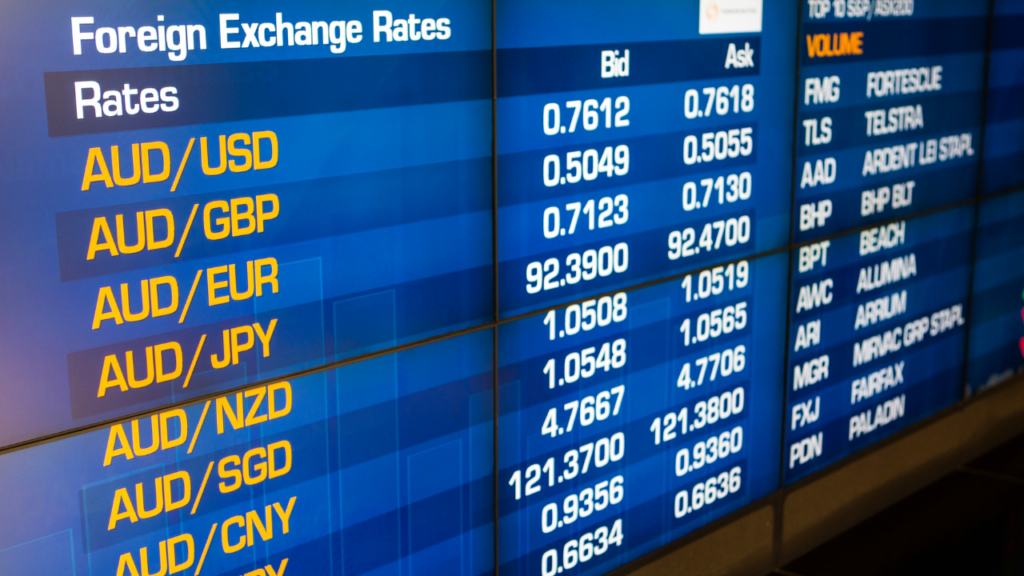
If you’re planning to buy a home in Minnesota and some or all of your money is currently held in another country, there’s one factor many buyers overlook until it’s too late: Currency exchange. Most people focus on finding the right home. They think about: But if your funds are held in another currency, exchange rates can have a significant impact on your homebuying budget. I’ve worked with many immigrant homebuyers and relocating families who had savings in countries around the world before purchasing a home in Minnesota. One thing they quickly learn is that moving money internationally isn’t just about transferring funds. It’s also about timing, planning, and understanding how currency exchange affects purchasing power. A small change in exchange rates may not seem important at first. But when you’re moving tens of thousands of dollars for a down payment, even small fluctuations can have a meaningful impact. Let’s look at what buyers should know about currency exchange before purchasing a home in Minnesota. Why Currency Exchange Matters Let’s start with a simple example. Imagine you have savings in another country and plan to transfer those funds into U.S. dollars. The value of your money depends on the exchange rate at the time you convert it. If the exchange rate moves in your favor, you may receive more U.S. dollars. If it moves against you, you may receive fewer. When you’re preparing for: Those differences can matter. Many buyers discover that exchange rates affect their budget more than they initially expected. Currency Markets Change Constantly One common misconception is that exchange rates remain relatively stable. In reality, currency values change every day. Sometimes multiple times per day. Exchange rates can be influenced by: Because of this, the amount you receive today may be different from what you receive next month. That’s why planning ahead is important. Don’t Assume Today’s Exchange Rate Will Be Available Later A mistake some buyers make is calculating their homebuying budget based on today’s exchange rate. Then they wait several months before transferring funds. By the time the transfer occurs, the exchange rate may have changed significantly. The result? The buyer may have less money available than expected. When planning a home purchase, it’s wise to leave room for potential fluctuations. Understand the Difference Between Exchange Rates and Transfer Fees Many buyers focus only on the exchange rate. But there are often additional costs involved. These may include: In some situations, these expenses can add up. Before moving money, understand the full cost of the transaction. Larger Transfers Can Amplify Small Changes Let’s say an exchange rate changes by only a small percentage. On a small transaction, the impact may be minimal. On a large down payment, however, the difference could be substantial. For buyers moving significant funds, timing becomes more important. Even modest exchange rate movements can affect purchasing power. Start Planning Earlier Than You Think One of the best ways to reduce stress is planning well before you begin shopping for homes. Many experienced buyers start preparing months in advance. This allows time for: Waiting until you’re under contract can create unnecessary pressure. Talk to Your Lender Early If international funds will be part of your home purchase, your lender should know as early as possible. Your lender can explain: The earlier these conversations happen, the smoother the process usually becomes. Currency Exchange and Mortgage Qualification Many buyers don’t realize that exchange rates can indirectly affect mortgage qualification. For example: You expect to have $50,000 available for a down payment. After conversion and fees, you receive less. Now your available funds may not match your original plan. This is another reason why conservative budgeting can be helpful. Keep Records of Currency Conversions Documentation matters. Whenever funds are converted, save: Lenders often need to verify the movement of funds. These records help create a clear paper trail. What If My Funds Are in Multiple Countries? This situation is more common than many people realize. Some buyers have: While this can certainly be managed, it may require additional documentation. The lender must understand: Organization becomes especially important. International Wire Transfers and Exchange Rates Currency exchange and wire transfers often work together. Some buyers convert funds before transferring. Others convert during the transfer process. Each method may involve different costs and procedures. Before initiating a transfer, understand: Clarity upfront helps avoid surprises later. Avoid Last-Minute Conversions One of the most stressful situations occurs when buyers wait until shortly before closing to convert funds. Now they are exposed to: Whenever possible, create a timeline well before closing. Preparation provides flexibility. Family Gift Funds May Also Involve Currency Exchange Many immigrant buyers receive assistance from relatives overseas. Those funds may require: The same planning principles apply. Early preparation often makes the process easier. Monitor Exchange Rates During Your Planning Process You don’t need to become a currency expert. But it’s helpful to understand general trends. If you’re planning a purchase several months from now, monitoring rates periodically can help you make informed decisions. Knowledge reduces surprises. Don’t Forget About Bank Processing Times Exchange rates aren’t the only factor. International transfers sometimes require: Processing times vary. Allow more time than you think you’ll need. Work With Professionals Familiar With International Transactions Not every mortgage transaction involves overseas assets. If your funds are located internationally, it’s helpful to work with professionals who understand: Experience can make the process much smoother. Common Currency Exchange Mistakes Some of the most common issues include: Fortunately, most of these problems can be avoided. Real Example Let’s say a buyer plans to use savings from another country for a Minnesota home purchase. Six months before shopping, they: When they find a home, the financial side is already organized. The process becomes significantly less stressful. Frequently Asked Questions Do exchange rates affect home purchases? Yes. Exchange rates can impact how much money is available for your down payment and closing costs. Should I transfer funds before house hunting? Many buyers find it easier when funds
What Is a Paper Trail and Why Does It Matter When Buying a Home in Minnesota? (2026 Immigrant Homebuyer Guide)

If you’ve talked to a mortgage lender, loan officer, or underwriter, you’ve probably heard the phrase: “We need a paper trail.” For many first-time homebuyers, especially immigrant buyers, that phrase can sound confusing. You may find yourself wondering: “What exactly is a paper trail?” “Why do they need so much documentation?” “I already have the money. Isn’t that enough?” The reality is that having the money and documenting the money are two different things. When you’re applying for a mortgage, lenders don’t just need to verify that you have enough funds to purchase a home. They also need to verify where those funds came from. This requirement applies to virtually everyone, regardless of citizenship status, loan type, or income level. Whether you’re using savings from another country, receiving gift funds from family, transferring money between accounts, or using funds you’ve accumulated over many years, documentation is one of the most important parts of the homebuying process. Let’s break down what a paper trail is, why lenders require it, and how you can avoid common mistakes when buying a home in Minnesota. What Is a Paper Trail? A paper trail is simply a documented history showing where money came from and how it moved. Think of it as a financial roadmap. The lender wants to see: For example: Savings Account ↓ Wire Transfer ↓ Checking Account ↓ Closing Account ↓ Home Purchase The documentation that proves each step is what lenders call a paper trail. Why Lenders Need a Paper Trail Mortgage lenders are responsible for verifying the financial information used to approve a loan. They must ensure: This isn’t unique to immigrant homebuyers. It’s a standard requirement across the mortgage industry. When underwriters review your file, they need evidence supporting the financial information provided in your application. A Paper Trail Protects Everyone Some buyers view documentation requirements as unnecessary. In reality, they protect: Clear documentation helps prevent: The goal is creating a transparent transaction. What Documents Create a Paper Trail? A paper trail may include: The exact documents depend on your situation. The more organized your records are, the easier the process usually becomes. Why Immigrant Homebuyers Often Hear About Paper Trails Many immigrant buyers have unique financial situations. For example: None of these are necessarily problems. However, additional documentation is often required to show how funds moved from one place to another. The lender simply needs a clear picture of the transaction. An Example of a Strong Paper Trail Let’s imagine a buyer has savings in another country. The buyer: When underwriting begins, the lender can see: Where the money originated. How it moved. Where it currently sits. That creates a strong paper trail. An Example of a Weak Paper Trail Now consider a different scenario. A buyer suddenly deposits $30,000. No transfer records exist. No account statements are available. No documentation explains where the funds came from. The lender now has questions. The money itself may be perfectly legitimate. But without documentation, verification becomes difficult. Why Large Deposits Receive Attention One of the most common underwriting requests involves large deposits. Lenders often review bank statements looking for unusual activity. For example: If your account normally contains: And suddenly receives: The lender will likely ask for an explanation. This is normal. The issue isn’t necessarily the amount. It’s the documentation. International Transfers Require Extra Records International transfers are common among immigrant homebuyers. However, they often require: The lender wants to connect the starting point to the ending point. When records are complete, this process is much easier. Gift Funds Need a Paper Trail Too Family assistance is common in many cultures. Parents often help children purchase homes. Relatives contribute toward down payments. These gifts may be acceptable. But lenders generally require documentation. This often includes: Without documentation, the lender may not be able to classify the funds correctly. Why Cash Creates Challenges Cash is one of the most difficult sources of funds to document. Many buyers come from countries where cash savings are common. Unfortunately, mortgage lenders prefer transactions that leave an electronic record. For example: Bank transfer = documented Cash deposit = harder to verify This doesn’t mean cash is impossible. It simply means additional questions may arise. Avoid Moving Money Excessively One mistake buyers sometimes make is moving money repeatedly between accounts. For example: Savings Account ↓ Checking Account ↓ Joint Account ↓ Investment Account ↓ Checking Account ↓ Home Purchase Every transfer may require documentation. Keeping funds movement simple often makes the process easier. Keep Documents Longer Than You Think Many buyers assume they only need records from the current month. That’s not always true. Sometimes lenders request: Save documents whenever funds are moved. You may need them later. What Happens If Documentation Is Missing? Missing documentation doesn’t automatically mean loan denial. However, it can cause: The goal is to provide records before they become an issue. Why Timing Matters Many buyers wait until they find a house before organizing their finances. That can create unnecessary stress. A better approach is preparing early. Gather: Before beginning your home search. Preparation often prevents last-minute surprises. Common Paper Trail Mistakes Some of the most common mistakes include: Most of these issues are avoidable. What Underwriters Want to See Underwriters generally want answers to three simple questions: A strong paper trail answers all three. Real Example Let’s say a buyer’s parents overseas contribute $25,000 toward a home purchase. The family provides: The lender can clearly verify the transaction. The process moves smoothly. This is exactly how a paper trail is supposed to work. Frequently Asked Questions What is a paper trail for a mortgage? A paper trail is documentation showing where funds originated and how they moved before being used for a home purchase. Why do lenders ask about deposits? Lenders must verify the source of funds used for the transaction. Do international transfers require documentation? Usually yes. Transfer records and account statements are commonly requested. Are gift funds part of a paper trail? Yes. Gift funds generally
How Do I Avoid Issues With Anti-Money Laundering Checks When Buying a Home in Minnesota? (2026 Immigrant Homebuyer Guide)

One of the most misunderstood parts of buying a home is what happens behind the scenes with your finances. Many immigrant homebuyers are surprised when lenders start asking detailed questions about bank accounts, transfers, deposits, gifts, or money that came from another country. Sometimes buyers become concerned. “Did I do something wrong?” “Why are they asking so many questions?” “Are they suspicious of me?” In most cases, the answer is no. What you’re experiencing is a normal part of the mortgage process. Banks, lenders, title companies, and financial institutions are required to follow federal regulations designed to prevent fraud, money laundering, and financial crimes. These rules apply to everyone. Whether you’re a U.S. citizen, permanent resident, visa holder, ITIN borrower, or first-time homebuyer, financial documentation is a standard part of the transaction. The good news is that most anti-money laundering issues can be avoided with preparation, organization, and transparency. Let’s discuss what anti-money laundering checks are, why they exist, and how you can make the mortgage process smoother when purchasing a home in Minnesota. What Is Anti-Money Laundering? Anti-money laundering, often called AML, refers to laws and procedures that help financial institutions verify the legitimacy of funds moving through the banking system. The purpose is to prevent: Mortgage lenders are required to comply with these regulations. When you’re buying a home, large amounts of money are involved. As a result, financial institutions must verify where those funds originated. Why Homebuyers Encounter AML Checks Real estate transactions often involve: Because substantial sums of money are changing hands, lenders and title companies review financial records carefully. This is normal. In fact, most buyers go through some level of financial verification. The Goal Is Documentation, Not Perfection Many buyers assume their finances need to be perfect. That’s not necessarily true. Lenders aren’t looking for perfection. They’re looking for documentation. If money moved from one account to another, they want records. If funds came from abroad, they want records. If family provided gift funds, they want records. Clear documentation solves most concerns. Be Honest About Where Funds Came From One of the biggest mistakes buyers make is trying to simplify their explanation. For example: A buyer receives money from family overseas. Instead of explaining the transfer, they say nothing and hope it won’t be noticed. Unfortunately, underwriters often notice. When questions arise later, the process becomes more complicated. Transparency from the beginning usually leads to smoother approvals. Understand the Importance of a Paper Trail One phrase you’ll hear repeatedly is: “Paper trail.” A paper trail simply shows the movement of money. For example: Foreign Bank Account ↓ Wire Transfer ↓ U.S. Bank Account ↓ Closing Account ↓ Home Purchase The clearer this path is, the easier it becomes for lenders to verify the transaction. Save All Banking Records Documentation is your friend. Whenever funds are transferred, keep: Many buyers assume they’ll be able to retrieve documents later. Sometimes they can. Sometimes they can’t. Saving records early often prevents headaches later. Avoid Large Unexplained Deposits This is one of the most common underwriting issues. Imagine a lender reviews your bank account and sees: $30,000 deposited last week. No explanation. No transfer documentation. No supporting records. Questions immediately arise. The lender will likely ask: The deposit itself isn’t necessarily a problem. The lack of documentation is the problem. Cash Deposits Can Create Challenges Many immigrant families come from countries where cash transactions are common. Unfortunately, large cash deposits can be difficult to document. Mortgage lenders generally prefer funds that move through verifiable financial channels. Electronic records create a stronger paper trail. Whenever possible, maintain documentation that clearly shows the source of funds. International Transfers Require Additional Documentation International funds are common. But they often require extra records. Examples may include: The lender simply needs to connect the dots. The more complete the documentation, the easier that becomes. Gift Funds Must Be Properly Disclosed Family support is common in many cultures. Parents help children. Siblings help each other. Extended family contributes toward homeownership. These gifts may be acceptable. However, lenders typically require: Undisclosed gift funds can create delays. Disclosed gift funds are usually much easier to manage. Don’t Move Money Repeatedly Between Accounts This is another common issue. Imagine funds move: Account A ↓ Account B ↓ Account C ↓ Account D ↓ Home Purchase Every transfer creates another step that may require documentation. Keeping funds movement simple often reduces questions. Business Funds Need Extra Documentation Some buyers plan to use money from a business account. This may be possible. However, lenders usually want additional information. They may ask for: Business funds often require more scrutiny than personal savings. Plan Ahead If Funds Are Overseas One of the easiest ways to avoid AML-related delays is planning early. Many experienced buyers transfer funds months before purchasing. This allows time for: Waiting until the final weeks before closing often increases stress. Translation Requirements May Apply If documents are not in English, lenders may request: This is especially common when accounts are held outside the United States. Ask your lender about translation requirements as early as possible. Understand That AML Checks Protect Buyers Too Many buyers view compliance requirements as obstacles. In reality, these protections benefit everyone. AML procedures help reduce: The goal is creating a secure transaction. Common Red Flags Lenders Notice Some examples include: Most red flags become manageable once proper documentation is provided. Work With Experienced Professionals Not every lender handles international transactions regularly. If you have: Working with experienced professionals can make a significant difference. The right team can help you anticipate documentation requirements before they become problems. Real Example Let’s say a buyer has savings in another country. Several months before house hunting, they: By the time underwriting begins, the lender already understands the source of funds. The approval process becomes much smoother. Frequently Asked Questions What is an anti-money laundering check? It’s a financial verification process used by lenders and financial institutions to confirm the legitimacy of funds involved in a transaction. Do
What Are Acceptable Gift Funds From Overseas When Buying a Home in Minnesota? (2026 Homebuyer Guide)

For many immigrant families, buying a home isn’t just an individual goal. It’s often a family goal. Parents help children. Siblings help siblings. Relatives contribute toward down payments. Family members living abroad may want to assist someone purchasing their first home in Minnesota. And one of the most common questions I hear is: “Can I use gift money from family overseas to buy a home?” In many cases, the answer is yes. Mortgage lenders frequently allow gift funds to be used toward a down payment and closing costs. However, there are rules. The money must be properly documented. The relationship between the donor and borrower must usually be verified. And the lender must be able to follow the movement of the funds from beginning to end. The good news is that gift funds from overseas are not unusual. Thousands of homebuyers use family assistance every year. The key is understanding the process before the money is transferred. Let’s walk through how overseas gift funds typically work when buying a home in Minnesota. What Are Gift Funds? Gift funds are exactly what they sound like. Money provided by someone else to help you purchase a home. The important word is: Gift. That means the funds are not expected to be repaid. This distinction matters. Mortgage lenders generally treat gifts and loans very differently. If money is actually a loan but is presented as a gift, that can create serious issues during underwriting. Honesty and documentation are critical. Why Do Lenders Allow Gift Funds? Many first-time buyers struggle with one particular challenge: Saving for a down payment. Family assistance can help bridge that gap. Lenders understand this. As a result, many mortgage programs permit qualified gift funds. The exact rules vary depending on: But gift funds are extremely common. Can the Donor Live Outside the United States? Yes. In many situations, the donor can live in another country. For example: Parents in Nigeria. Family members in Ghana. Relatives in India. Parents in the Philippines. Family members in Mexico. Relatives in Canada. Or virtually anywhere else. The location itself is not usually the problem. The documentation is what matters. Who Can Typically Provide Gift Funds? Requirements vary by loan program. However, gift funds are commonly accepted from: Some programs may allow additional relationships. Others may be more restrictive. Always confirm donor eligibility with your lender. What Is a Gift Letter? One of the most common documents lenders request is a gift letter. The purpose is simple. The letter typically states: The gift letter helps establish the nature of the transaction. The Donor Must Usually Document the Funds Lenders don’t simply want proof that money arrived. They usually want to know where it came from. The donor may be asked to provide: This helps create a complete paper trail. What Is a Paper Trail? You’ll hear this term throughout the mortgage process. A paper trail is simply documentation showing the movement of funds. For example: Parent’s Foreign Bank Account ↓ International Wire Transfer ↓ Buyer’s U.S. Account ↓ Closing Account The lender wants to clearly see this sequence. When the trail is easy to follow, underwriting tends to go much smoother. Why Documentation Matters So Much Imagine this scenario. A buyer suddenly receives $25,000. The money appears in their account. There is no explanation. No transfer record. No donor information. No gift letter. Immediately, questions arise. Was it a loan? Was it income? Was it borrowed? Was it business-related? Documentation eliminates uncertainty. International Transfers Require Additional Records When funds come from another country, lenders often request extra information. This may include: Again, this isn’t unusual. It’s simply part of verifying the transaction. Should the Gift Be Sent Directly to the Borrower? Sometimes yes. Sometimes no. Different lenders and title companies may have different procedures. In some situations: Funds are transferred to the borrower first. In others: Funds may be transferred directly to the closing company. Always follow the instructions provided by your lender and title company. Never assume. Timing Matters One mistake many buyers make is waiting until the last minute. For example: They find a house. They get under contract. Then they ask family overseas for assistance. Now everyone is rushing. International transfers can take time. Documentation can take time. Translation requirements can take time. Planning ahead often prevents unnecessary stress. What If My Parents Saved Cash Over Time? This question comes up frequently. In many countries, people save money differently than in the United States. Some families rely heavily on cash. Others use informal savings systems. The challenge is documentation. Mortgage lenders generally prefer funds that can be verified through financial records. The more documentation available, the easier the approval process tends to be. Can Gift Funds Cover the Entire Down Payment? Sometimes. This depends on: Some programs allow significant gift fund contributions. Others require some borrower contribution. Your lender can explain the specific requirements. Do Gift Funds Affect Mortgage Approval? Not necessarily. Gift funds themselves are not usually a problem. The issue arises when: Well-documented gift funds are used successfully every day. Common Mistakes That Cause Problems Some of the most common issues include: Most problems are preventable. Translation Requirements If documents are not in English, lenders may request: It’s helpful to discuss this early if your donor’s financial records are located overseas. Why Transparency Is Important Many buyers worry that disclosing gift funds will hurt their approval chances. In reality, transparency often helps. Lenders are far more comfortable with: Clearly documented gift funds Than they are with: Unexplained deposits Honest communication usually creates the smoothest process. Real Example Let’s say a buyer’s parents in Ghana want to help with a home purchase. The parents: The buyer: Everything is properly documented. The transaction moves forward smoothly. This happens regularly. Frequently Asked Questions Can family overseas give me money for a down payment? In many cases, yes. Gift funds from overseas relatives may be allowed if properly documented. Do I need a gift letter? Most lenders require some form of gift
How Do I Document Large Deposits From Abroad When Buying a Home in Minnesota? (2026 Immigrant Homebuyer Guide)
One of the most common concerns I hear from immigrant homebuyers is this: “My money is overseas. How do I prove where it came from?” Or: “I transferred money from another country. Will that cause problems with my mortgage?” The short answer is no—not if it’s documented correctly. In fact, many homebuyers in Minnesota successfully purchase homes using funds that originated outside the United States. The challenge isn’t necessarily where the money came from. The challenge is proving where it came from. Mortgage lenders have strict requirements regarding funds used for: If large deposits suddenly appear in your bank account without proper documentation, lenders will usually ask questions. That’s not because you’ve done something wrong. It’s because lenders are required to verify the source of funds being used in a real estate transaction. Understanding these rules before you start house hunting can save significant time, stress, and potential delays. Let’s walk through how large deposits from abroad are typically documented when buying a home in Minnesota. Why Lenders Care About Large Deposits Many first-time buyers assume lenders only care about income and credit scores. Those are important. But lenders also review bank statements. When underwriters review your financial documents, they’re looking for stability and consistency. If they notice a large deposit that doesn’t match your normal account activity, they will often request an explanation. For example: If your account usually receives: And suddenly receives: The lender will likely ask where the funds originated. This is completely normal. What Counts as a Large Deposit? There isn’t always one universal number. Different lenders and loan programs may have different thresholds. Generally speaking, underwriters review deposits that appear unusually large compared to your normal banking activity. The concern isn’t necessarily the amount. The concern is documentation. The lender wants to confirm the money came from a legitimate source. Funds From Abroad Are Common Many immigrant homebuyers have: These situations are not unusual. Lenders work with international funds regularly. The key is creating a clear paper trail. What Is a Paper Trail? You’ll hear this phrase frequently during the mortgage process. A paper trail simply means documentation that shows the path of the money. The lender wants to see: Where the money started. Where it moved. Where it ended up. For example: Foreign Bank Account ↓ International Transfer ↓ U.S. Bank Account ↓ Home Purchase The clearer that path is, the easier the underwriting process tends to be. Common Documents Lenders Request When transferring funds from another country, lenders may ask for: Requirements vary by lender and loan program. Your loan officer will tell you exactly what is needed. Keep Statements Before Moving the Money One mistake many buyers make is transferring money first and gathering documents later. That can create challenges. Instead, save: Before moving funds. Having documentation from the beginning often makes underwriting much smoother. Translation May Be Required If your foreign bank statements are not in English, additional documentation may be required. Some lenders request: The exact requirement varies by lender. If your accounts are overseas, ask your lender about translation requirements early in the process. Avoid Cash Deposits Whenever Possible This is important. Many immigrant buyers come from countries where cash transactions are more common. However, large cash deposits can create significant challenges during mortgage underwriting. Cash is difficult to document. Electronic transfers are much easier to verify. Whenever possible, maintain clear banking records rather than depositing large amounts of physical cash. Timing Matters Many buyers wait until they’re under contract before moving funds. That can create unnecessary stress. International transfers can take time. Additional documentation requests can take time. Currency exchanges can take time. Many lenders prefer to see funds already seasoned in your account before closing. That’s why planning ahead matters. What Does “Seasoned Funds” Mean? You’ll often hear lenders talk about seasoning. Seasoned funds are simply money that has been sitting in your account long enough to establish a clear history. The exact timeframe depends on the loan program and lender requirements. The longer funds are established in your account, the easier documentation often becomes. Business Funds Require Additional Documentation Some buyers plan to use funds from overseas businesses. This may be possible. However, additional documentation is usually required. Lenders may request: Business funds often require more underwriting review than personal savings. Family Transfers Can Create Questions Let’s say a relative overseas sends you money. The lender may ask: Was it a gift? Was it a loan? Does repayment exist? The answers matter. Undisclosed loans can impact mortgage qualification. That’s why documentation is critical. Gift Funds Must Follow Specific Rules Many immigrant families help each other financially. This is completely normal. However, mortgage lenders generally require documentation when gift funds are involved. That documentation may include: Never assume a family transfer can simply be ignored. Tell your lender upfront. Currency Conversion Matters Many buyers focus only on transferring money. But exchange rates can affect your purchasing power. Consider: Planning ahead can help avoid surprises. Anti-Money Laundering Rules Exist for a Reason Mortgage lenders must comply with federal regulations designed to prevent: These rules apply to everyone. Not just immigrants. Not just international buyers. Every borrower goes through financial verification. Understanding this helps reduce frustration when additional documentation is requested. Common Mistakes That Create Delays Some of the most common mistakes include: Most problems can be avoided through preparation. Work With Professionals Early One of the smartest things buyers can do is speak with a lender before beginning their home search. This allows you to: The earlier you start the conversation, the better. Real Example I Frequently See A buyer has substantial savings overseas. They transfer the money into a U.S. account several months before shopping for homes. They keep: When underwriting begins, documentation is readily available. The process moves smoothly. Planning ahead often makes a tremendous difference. Frequently Asked Questions Can I use money from another country to buy a home in Minnesota? Yes. Many buyers use international funds successfully, provided documentation requirements are met. Will