
What Currency Exchange Considerations Should I Plan for When Buying a Home in Minnesota? (2026 Immigrant Homebuyer Guide)
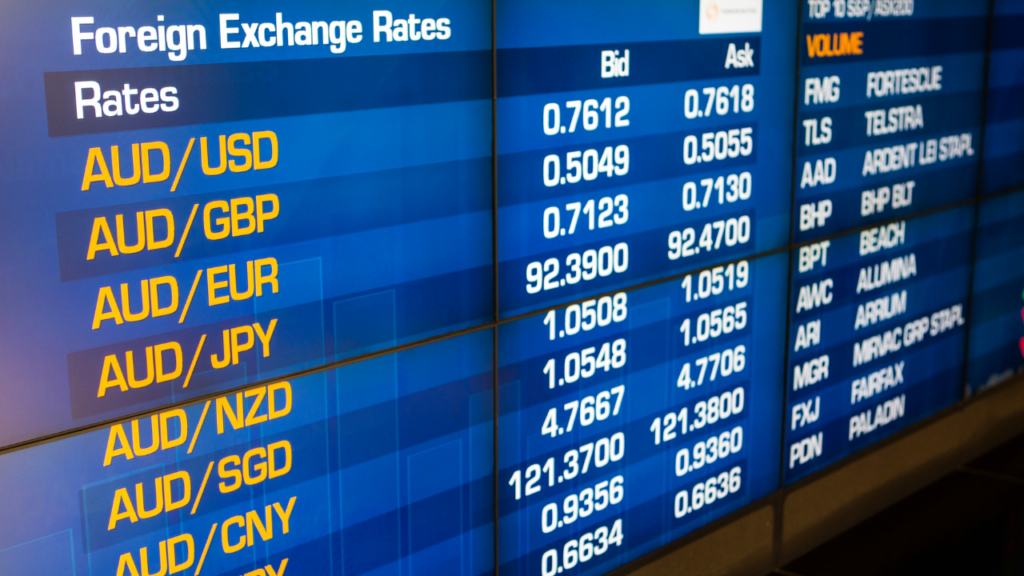
If you’re planning to buy a home in Minnesota and some or all of your money is currently held in another country, there’s one factor many buyers overlook until it’s too late: Currency exchange. Most people focus on finding the right home. They think about: But if your funds are held in another currency, exchange rates can have a significant impact on your homebuying budget. I’ve worked with many immigrant homebuyers and relocating families who had savings in countries around the world before purchasing a home in Minnesota. One thing they quickly learn is that moving money internationally isn’t just about transferring funds. It’s also about timing, planning, and understanding how currency exchange affects purchasing power. A small change in exchange rates may not seem important at first. But when you’re moving tens of thousands of dollars for a down payment, even small fluctuations can have a meaningful impact. Let’s look at what buyers should know about currency exchange before purchasing a home in Minnesota. Why Currency Exchange Matters Let’s start with a simple example. Imagine you have savings in another country and plan to transfer those funds into U.S. dollars. The value of your money depends on the exchange rate at the time you convert it. If the exchange rate moves in your favor, you may receive more U.S. dollars. If it moves against you, you may receive fewer. When you’re preparing for: Those differences can matter. Many buyers discover that exchange rates affect their budget more than they initially expected. Currency Markets Change Constantly One common misconception is that exchange rates remain relatively stable. In reality, currency values change every day. Sometimes multiple times per day. Exchange rates can be influenced by: Because of this, the amount you receive today may be different from what you receive next month. That’s why planning ahead is important. Don’t Assume Today’s Exchange Rate Will Be Available Later A mistake some buyers make is calculating their homebuying budget based on today’s exchange rate. Then they wait several months before transferring funds. By the time the transfer occurs, the exchange rate may have changed significantly. The result? The buyer may have less money available than expected. When planning a home purchase, it’s wise to leave room for potential fluctuations. Understand the Difference Between Exchange Rates and Transfer Fees Many buyers focus only on the exchange rate. But there are often additional costs involved. These may include: In some situations, these expenses can add up. Before moving money, understand the full cost of the transaction. Larger Transfers Can Amplify Small Changes Let’s say an exchange rate changes by only a small percentage. On a small transaction, the impact may be minimal. On a large down payment, however, the difference could be substantial. For buyers moving significant funds, timing becomes more important. Even modest exchange rate movements can affect purchasing power. Start Planning Earlier Than You Think One of the best ways to reduce stress is planning well before you begin shopping for homes. Many experienced buyers start preparing months in advance. This allows time for: Waiting until you’re under contract can create unnecessary pressure. Talk to Your Lender Early If international funds will be part of your home purchase, your lender should know as early as possible. Your lender can explain: The earlier these conversations happen, the smoother the process usually becomes. Currency Exchange and Mortgage Qualification Many buyers don’t realize that exchange rates can indirectly affect mortgage qualification. For example: You expect to have $50,000 available for a down payment. After conversion and fees, you receive less. Now your available funds may not match your original plan. This is another reason why conservative budgeting can be helpful. Keep Records of Currency Conversions Documentation matters. Whenever funds are converted, save: Lenders often need to verify the movement of funds. These records help create a clear paper trail. What If My Funds Are in Multiple Countries? This situation is more common than many people realize. Some buyers have: While this can certainly be managed, it may require additional documentation. The lender must understand: Organization becomes especially important. International Wire Transfers and Exchange Rates Currency exchange and wire transfers often work together. Some buyers convert funds before transferring. Others convert during the transfer process. Each method may involve different costs and procedures. Before initiating a transfer, understand: Clarity upfront helps avoid surprises later. Avoid Last-Minute Conversions One of the most stressful situations occurs when buyers wait until shortly before closing to convert funds. Now they are exposed to: Whenever possible, create a timeline well before closing. Preparation provides flexibility. Family Gift Funds May Also Involve Currency Exchange Many immigrant buyers receive assistance from relatives overseas. Those funds may require: The same planning principles apply. Early preparation often makes the process easier. Monitor Exchange Rates During Your Planning Process You don’t need to become a currency expert. But it’s helpful to understand general trends. If you’re planning a purchase several months from now, monitoring rates periodically can help you make informed decisions. Knowledge reduces surprises. Don’t Forget About Bank Processing Times Exchange rates aren’t the only factor. International transfers sometimes require: Processing times vary. Allow more time than you think you’ll need. Work With Professionals Familiar With International Transactions Not every mortgage transaction involves overseas assets. If your funds are located internationally, it’s helpful to work with professionals who understand: Experience can make the process much smoother. Common Currency Exchange Mistakes Some of the most common issues include: Fortunately, most of these problems can be avoided. Real Example Let’s say a buyer plans to use savings from another country for a Minnesota home purchase. Six months before shopping, they: When they find a home, the financial side is already organized. The process becomes significantly less stressful. Frequently Asked Questions Do exchange rates affect home purchases? Yes. Exchange rates can impact how much money is available for your down payment and closing costs. Should I transfer funds before house hunting? Many buyers find it easier when funds
Can I Wire Funds Internationally for Closing on a Home in Minnesota? (2026 Homebuyer Guide)

One of the most common questions immigrant homebuyers ask is: “Can I send money directly from another country to buy a home in Minnesota?” The answer is usually yes. In fact, international wire transfers are used every day in real estate transactions across the United States. Whether you’re purchasing your first home, relocating to Minnesota, using overseas savings, or receiving funds from another country, wiring money internationally is often part of the process. However, there is an important difference between being allowed to transfer money and having your funds accepted by a lender, title company, or closing agent without questions. The transfer itself is usually the easy part. The documentation is what matters. Mortgage lenders, title companies, and financial institutions must verify where funds came from, how they moved, and whether they comply with federal banking regulations. That sounds intimidating. But when handled properly, international wires are very common and completely manageable. Let’s walk through what you need to know before wiring funds internationally for a Minnesota home purchase. Yes, International Wire Transfers Are Common Many buyers assume that money must already be inside the United States before they can purchase a home. That’s not necessarily true. Every year, buyers purchase Minnesota homes using funds that originate from: International transfers are part of modern banking. The key is planning ahead. Why Closing Funds Receive Extra Scrutiny When you’re buying a home, several parties are involved: Everyone involved must verify the legitimacy of the transaction. That’s why closing funds often receive more scrutiny than a typical bank transfer. The goal isn’t to make life difficult. The goal is to comply with federal regulations and protect everyone involved. The Lender Needs to Understand the Source of Funds One of the biggest misconceptions among homebuyers is: “If the money is in my account, that’s enough.” Not necessarily. Lenders usually want to know: The transfer itself doesn’t tell the entire story. Documentation completes the picture. Move Funds Earlier Than You Think One of the biggest mistakes buyers make is waiting until the last minute. For example: A buyer gets under contract. Closing is scheduled for 30 days later. The buyer then decides to move funds internationally. Now there may be: The smoother approach is often moving funds well before shopping for a home. Planning creates flexibility. Understand That International Wires Can Take Time Some buyers assume international transfers happen instantly. Sometimes they do. Sometimes they don’t. Several factors can affect timing: Always leave extra time. The last thing you want is closing day approaching while your funds are still in transit. Keep Every Document This cannot be emphasized enough. Save everything. Examples include: Think of your documentation as part of your mortgage application. The more organized you are, the easier the process becomes. What Is a Paper Trail? You’ll hear lenders use this term frequently. A paper trail simply means a documented history showing where the money came from and where it went. For example: Foreign Savings Account ↓ International Wire Transfer ↓ U.S. Bank Account ↓ Title Company ↓ Home Purchase The clearer this path appears, the easier it becomes for underwriters and closing agents to verify the transaction. Funds Must Usually Be Verifiable Imagine this situation: A buyer receives $40,000 from overseas. The money arrives. But there is no supporting documentation. Now questions arise: Who sent it? Why was it sent? Was it a gift? Was it a loan? Was it income? This is why documentation matters so much. The lender doesn’t just want to see the funds. They want to understand the story behind the funds. International Gifts Can Be Allowed Many immigrant families help one another purchase homes. Parents may contribute. Siblings may contribute. Relatives abroad may provide assistance. This can often be acceptable. However, gift funds typically require: Requirements vary by lender and loan program. Always discuss gift funds early. Title Companies Also Verify Funds Many buyers focus only on the lender. But title companies also play an important role. Before closing, title companies often verify: This protects both buyers and sellers. Be Careful of Wire Fraud This is extremely important. Real estate wire fraud has become increasingly common. Scammers sometimes send fake emails that appear to come from: The email may contain fraudulent wiring instructions. If you send funds to the wrong account, recovering them can be extremely difficult. Always verify wiring instructions directly by phone using a trusted number. Never rely solely on email instructions. Currency Exchange Rates Matter Many international buyers focus only on the transfer process. But exchange rates can significantly affect your purchasing power. For example: A small currency fluctuation on a large transfer could mean thousands of dollars. Consider: When planning your transaction. Anti-Money Laundering Rules Apply to Everyone Sometimes buyers feel nervous when additional questions are asked. It’s important to understand: Anti-money laundering regulations apply to all buyers. Not just immigrants. Not just foreign nationals. Not just international transactions. Financial institutions are required to verify large transfers regardless of who is involved. Common Mistakes That Cause Delays The most common problems include: Most of these issues can be prevented with early planning. Work With the Right Lender Not all lenders have the same level of experience handling international funds. If you’re using overseas assets, it’s helpful to work with professionals who understand: Experience matters. Real Example A buyer relocating to Minnesota has savings in another country. Six months before shopping for homes, they: By the time they find a home, the financial side is already organized. The result is a much smoother closing process. Frequently Asked Questions Can I wire money from another country for closing? Yes. International wire transfers are commonly used for home purchases in Minnesota. Will lenders allow foreign funds? Often yes, provided documentation requirements are met. How long do international wire transfers take? Timing varies depending on banks, countries, compliance reviews, and transfer methods. Can family overseas send money for my down payment? Potentially yes. Gift funds may be allowed if properly documented. Should I move money
How Do I Document Large Deposits From Abroad When Buying a Home in Minnesota? (2026 Immigrant Homebuyer Guide)
One of the most common concerns I hear from immigrant homebuyers is this: “My money is overseas. How do I prove where it came from?” Or: “I transferred money from another country. Will that cause problems with my mortgage?” The short answer is no—not if it’s documented correctly. In fact, many homebuyers in Minnesota successfully purchase homes using funds that originated outside the United States. The challenge isn’t necessarily where the money came from. The challenge is proving where it came from. Mortgage lenders have strict requirements regarding funds used for: If large deposits suddenly appear in your bank account without proper documentation, lenders will usually ask questions. That’s not because you’ve done something wrong. It’s because lenders are required to verify the source of funds being used in a real estate transaction. Understanding these rules before you start house hunting can save significant time, stress, and potential delays. Let’s walk through how large deposits from abroad are typically documented when buying a home in Minnesota. Why Lenders Care About Large Deposits Many first-time buyers assume lenders only care about income and credit scores. Those are important. But lenders also review bank statements. When underwriters review your financial documents, they’re looking for stability and consistency. If they notice a large deposit that doesn’t match your normal account activity, they will often request an explanation. For example: If your account usually receives: And suddenly receives: The lender will likely ask where the funds originated. This is completely normal. What Counts as a Large Deposit? There isn’t always one universal number. Different lenders and loan programs may have different thresholds. Generally speaking, underwriters review deposits that appear unusually large compared to your normal banking activity. The concern isn’t necessarily the amount. The concern is documentation. The lender wants to confirm the money came from a legitimate source. Funds From Abroad Are Common Many immigrant homebuyers have: These situations are not unusual. Lenders work with international funds regularly. The key is creating a clear paper trail. What Is a Paper Trail? You’ll hear this phrase frequently during the mortgage process. A paper trail simply means documentation that shows the path of the money. The lender wants to see: Where the money started. Where it moved. Where it ended up. For example: Foreign Bank Account ↓ International Transfer ↓ U.S. Bank Account ↓ Home Purchase The clearer that path is, the easier the underwriting process tends to be. Common Documents Lenders Request When transferring funds from another country, lenders may ask for: Requirements vary by lender and loan program. Your loan officer will tell you exactly what is needed. Keep Statements Before Moving the Money One mistake many buyers make is transferring money first and gathering documents later. That can create challenges. Instead, save: Before moving funds. Having documentation from the beginning often makes underwriting much smoother. Translation May Be Required If your foreign bank statements are not in English, additional documentation may be required. Some lenders request: The exact requirement varies by lender. If your accounts are overseas, ask your lender about translation requirements early in the process. Avoid Cash Deposits Whenever Possible This is important. Many immigrant buyers come from countries where cash transactions are more common. However, large cash deposits can create significant challenges during mortgage underwriting. Cash is difficult to document. Electronic transfers are much easier to verify. Whenever possible, maintain clear banking records rather than depositing large amounts of physical cash. Timing Matters Many buyers wait until they’re under contract before moving funds. That can create unnecessary stress. International transfers can take time. Additional documentation requests can take time. Currency exchanges can take time. Many lenders prefer to see funds already seasoned in your account before closing. That’s why planning ahead matters. What Does “Seasoned Funds” Mean? You’ll often hear lenders talk about seasoning. Seasoned funds are simply money that has been sitting in your account long enough to establish a clear history. The exact timeframe depends on the loan program and lender requirements. The longer funds are established in your account, the easier documentation often becomes. Business Funds Require Additional Documentation Some buyers plan to use funds from overseas businesses. This may be possible. However, additional documentation is usually required. Lenders may request: Business funds often require more underwriting review than personal savings. Family Transfers Can Create Questions Let’s say a relative overseas sends you money. The lender may ask: Was it a gift? Was it a loan? Does repayment exist? The answers matter. Undisclosed loans can impact mortgage qualification. That’s why documentation is critical. Gift Funds Must Follow Specific Rules Many immigrant families help each other financially. This is completely normal. However, mortgage lenders generally require documentation when gift funds are involved. That documentation may include: Never assume a family transfer can simply be ignored. Tell your lender upfront. Currency Conversion Matters Many buyers focus only on transferring money. But exchange rates can affect your purchasing power. Consider: Planning ahead can help avoid surprises. Anti-Money Laundering Rules Exist for a Reason Mortgage lenders must comply with federal regulations designed to prevent: These rules apply to everyone. Not just immigrants. Not just international buyers. Every borrower goes through financial verification. Understanding this helps reduce frustration when additional documentation is requested. Common Mistakes That Create Delays Some of the most common mistakes include: Most problems can be avoided through preparation. Work With Professionals Early One of the smartest things buyers can do is speak with a lender before beginning their home search. This allows you to: The earlier you start the conversation, the better. Real Example I Frequently See A buyer has substantial savings overseas. They transfer the money into a U.S. account several months before shopping for homes. They keep: When underwriting begins, documentation is readily available. The process moves smoothly. Planning ahead often makes a tremendous difference. Frequently Asked Questions Can I use money from another country to buy a home in Minnesota? Yes. Many buyers use international funds successfully, provided documentation requirements are met. Will