
Should I Upgrade My Kitchen Before Selling in Minnesota?
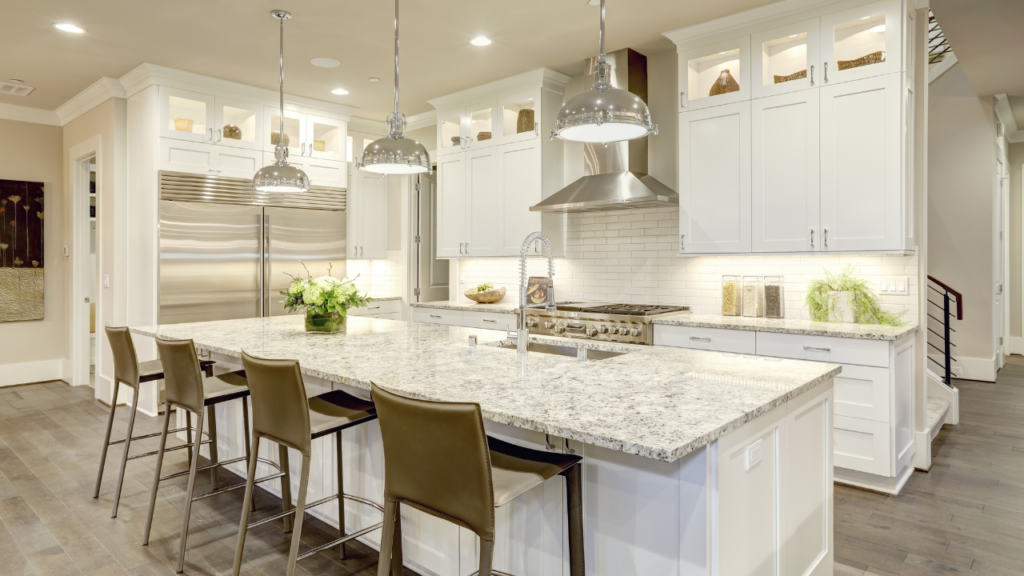
A seller called me from her kitchen in Minnetonka on a Wednesday evening with a question that her husband had been asking for the better part of a month and that she had been avoiding answering because she was not sure what the right answer was. They had lived in the house for nine years. The kitchen was original to the home, which was built in 1998. The cabinets were oak with brass hardware, the countertops were tile, the appliances were black and functional but dated, and the flooring was a vinyl tile that had seen better days. It was the kind of kitchen that was clean, organized, and perfectly functional but that looked unmistakably like a 1998 kitchen in a decade when buyers had grown accustomed to seeing white cabinets, quartz countertops, and stainless appliances as the baseline expectation at their price point. Her husband wanted to renovate the kitchen before listing. He had gotten quotes. The number he was looking at to do it properly was between thirty-five and forty-five thousand dollars depending on what they chose for countertops and appliances. She thought the number was too high. She thought buyers would be willing to look past the dated kitchen and update it themselves if the price was right. He thought an updated kitchen was essential to competing in their market. “Who is right?” she asked me. “And if we do not renovate, is there anything we can do that is worth doing?” The honest answer is that both of them were right about something and wrong about something, and the right path forward was neither a full renovation nor doing nothing. Here is the complete framework for thinking through this decision correctly. The Core Reality About Kitchen Renovations Before Selling The kitchen is the room that buyers respond to most emotionally and most visually in a home showing. This is genuinely true and is supported by consistent real estate research and by the experience of every Realtor who has watched buyers walk through homes. Buyers fall in love with kitchens, or they do not fall in love with homes because the kitchen did not speak to them. This emotional reality creates the seductive logic that renovating the kitchen before listing will dramatically improve the sale outcome. If buyers love kitchens, and if a renovated kitchen is more lovable than a dated one, then a renovated kitchen should produce a higher sale price. The problem with this logic is that it ignores the most important factor in evaluating any pre-sale investment, which is the cost relative to the return. A full kitchen renovation that costs thirty-five to forty-five thousand dollars is an investment that needs to produce more than thirty-five to forty-five thousand dollars in additional sale price to be financially worthwhile for the seller. Real estate research consistently shows that full kitchen renovations before selling recoup between fifty and eighty percent of their cost in the sale price, meaning a forty-thousand-dollar renovation is likely to increase the sale price by twenty to thirty-two thousand dollars. This is not a positive return. It is a loss. The seller who spends forty thousand dollars to get a twenty-eight thousand dollar price improvement has reduced their net proceeds from the sale by twelve thousand dollars. This does not mean kitchens do not matter. They absolutely matter. What it means is that the way to address a dated kitchen before selling is not through full renovation. Why Full Renovation Returns Are Typically Negative Understanding why the return on full pre-sale kitchen renovation is typically negative helps sellers think more clearly about the alternatives. Buyer taste is individual and unpredictable. When a seller renovates the kitchen before listing, they are making dozens of decisions about cabinet style, door profile, hardware finish, countertop material and color, backsplash tile, appliance brand and finish, flooring, and lighting. Every one of those decisions reflects the seller’s taste. Some buyers will love the specific choices made. Others will find one or more elements off-putting and will mentally add the cost of changing those elements to their offer calculation. A seller who installs white quartz countertops will encounter buyers who love quartz and buyers who prefer quartzite or granite or concrete. A seller who chooses navy blue lower cabinets will encounter buyers who are drawn to that look and buyers who immediately think they would want to change them. The renovation that was supposed to appeal broadly actually appeals specifically, and some portion of the potential buyer pool is slightly less interested than they would have been if the kitchen had been left at a price point that factored in its dated condition. The renovation also has no second-chance appeal. Once the kitchen is renovated, it cannot be un-renovated. A buyer who looks at a dated kitchen at a price point that reflects its condition is making a voluntary choice to update it to their taste. A buyer who looks at a renovated kitchen at a price point that reflects the renovation cost is making a mandatory acceptance of the seller’s choices. Buyers who renovate their own kitchens after purchase get exactly what they want in exactly the materials and style they choose. Buyers who accept a seller’s pre-sale renovation get what the seller chose, and the premium they pay for it is the price of not having had the choice themselves. The Middle Path: Targeted High-Return Kitchen Updates The right approach for most sellers with dated kitchens is neither full renovation nor doing nothing. It is a focused set of targeted updates that address the most prominent visual concerns at a fraction of the cost of full renovation. Cabinet painting is the single most impactful kitchen update available at the lowest cost relative to the visual transformation it produces. Professional cabinet painting, where the cabinet boxes and doors are professionally prepped, primed, and painted in a current color, typically costs between two thousand five hundred and six thousand dollars depending on the size of the kitchen