
Can I Sell a Home With Tenants Living In It?

A landlord reached out to me last fall with a single-family rental property in Brooklyn Park. He had owned it for six years, had a solid tenant who had been there for two of those years, and had decided it was finally time to sell. His first question was the one almost every landlord asks in this situation. “Can I even sell this with someone still living in it? Or do I have to wait until they move out?” The answer is yes, you absolutely can sell a home with tenants in it. This happens regularly in Minnesota, particularly with investment properties and single-family rentals. But selling a tenant-occupied property does come with specific legal requirements, practical considerations, and strategic decisions that are different from selling a home you live in yourself. Here is everything you need to know about selling a home with tenants currently residing in it. Understanding Your Lease Situation First Before anything else, the type of lease your tenant has significantly shapes your options and timeline. If your tenant is on a month-to-month lease, you generally have more flexibility. Depending on your specific lease terms and Minnesota law, you may be able to provide proper notice to end the tenancy, which gives you the option of selling the home vacant if that is your preferred strategy. If your tenant is on a fixed-term lease, meaning a lease with a specific end date such as a one-year agreement, that lease typically transfers to the new owner when you sell. You cannot simply end a fixed-term lease early because you have decided to sell the property, except in very specific circumstances outlined in your lease agreement or under Minnesota law. Read your current lease agreement carefully and consult with a real estate attorney if there is any ambiguity about your tenant’s rights and your obligations as the seller. Understanding this foundation shapes every decision that follows. The Two Main Paths: Selling Occupied or Selling Vacant Once you understand your lease situation, you generally have two strategic paths forward. The first option is selling the home with the tenant still in place, marketing it specifically to investors who want a property with existing rental income already established. This can actually be an attractive selling point for the right buyer, since it means immediate cash flow without the typical vacancy period most investors face when acquiring a new rental property. The second option is ending the tenancy, either through natural lease expiration or proper legal notice if the lease allows it, and selling the home vacant to a broader pool of buyers, including those who want to live in the home themselves rather than continue renting it out. The right choice depends on your specific timeline, your lease situation, the current rental market, and which type of buyer is most likely to pay the price you are looking for. Selling to Investors With the Tenant in Place If your goal is to sell quickly and your tenant has a good payment history and reasonable lease terms, selling to another investor while the tenant remains in place can be an efficient and profitable path. Investors looking for rental properties are often specifically searching for homes with tenants already in place because it eliminates the marketing, screening, and vacancy period they would otherwise need to manage after closing. A property with a reliable tenant paying market rent, with a lease that has reasonable time remaining, can be a genuinely appealing acquisition. When marketing to this audience, your Realtor will typically highlight the rental income history, the tenant’s payment reliability, the lease terms and remaining duration, and the overall return on investment the property represents. This requires different marketing materials and a different buyer outreach strategy than a typical owner-occupant sale. Your Legal Obligations to Notify Tenants Minnesota law requires landlords to provide tenants with proper notice before showings, and this requirement does not change just because you are selling rather than simply managing the property. Generally, landlords must provide reasonable notice, typically interpreted as at least twenty-four hours, before entering a tenant’s unit for any purpose, including showings related to a sale. This notice requirement protects your tenant’s right to quiet enjoyment of their home, even though that home is also actively being marketed for sale. It is important to communicate clearly and respectfully with your tenant about your plans to sell as early in the process as possible. Tenants who feel ambushed or who learn about a planned sale informally rather than directly from their landlord are understandably more likely to be uncooperative or upset about the process. A written notice explaining your intention to sell, your general timeline, and what they can expect in terms of showing frequency and notice goes a long way toward maintaining a positive relationship throughout the sale process. Coordinating Showings With an Occupied Rental Showings at a tenant-occupied property require more careful coordination than showings at an owner-occupied home, simply because you are working through an additional party who has their own schedule, preferences, and legal rights. Establish a clear communication channel with your tenant from the start. Some landlords use a simple text message system for showing requests. Others prefer email for documentation purposes. Whatever method you choose, make sure your tenant understands how showing requests will come to them and how much notice they can expect. Be respectful of your tenant’s daily life throughout this process. They did not choose to sell their home. They are essentially providing you a service by allowing their living space to be shown to prospective buyers, and treating that cooperation with genuine appreciation, sometimes including a small thank-you gesture or even a modest rent credit for their cooperation, can meaningfully improve the showing experience for everyone involved. Some landlords offer their tenants an incentive, such as a reduction in rent during the listing period or a flat payment for maintaining the property in show-ready condition and accommodating showings. This is not required, but it often results
What Insurance Do Immigrant Homebuyers Need and How Much Does It Cost in Minnesota?

One of the most exciting moments in the homebuying process happens when your offer is accepted. You’ve found the house. The seller said yes. The inspection is scheduled. The mortgage process is moving forward. Everything feels real. Then your lender asks for something many first-time immigrant buyers haven’t thought much about: Homeowners insurance. The response is often: “Do I really need insurance?” “What does it cover?” “How much will it cost?” “Is it different from mortgage insurance?” As a Minnesota real estate agent, I’ve noticed that insurance is one of the least understood parts of homeownership, especially among immigrant buyers who may come from countries where property insurance works very differently—or isn’t commonly required at all. The reality is that insurance plays a critical role in protecting your home, your finances, and your future. Understanding what insurance you need, how it works, and what affects the cost can help you make better decisions and avoid surprises during the homebuying process. Let’s break it down in plain English. Why Homeowners Insurance Is So Important When you buy a home, you’re making one of the largest financial investments of your life. Imagine spending hundreds of thousands of dollars on a home and then experiencing: Without insurance, those expenses could become financially devastating. Homeowners insurance exists to help protect you from unexpected events that could otherwise create significant financial hardship. Is Homeowners Insurance Required? Technically, homeowners insurance isn’t required by Minnesota law. However, if you’re using a mortgage to buy the home, your lender will almost certainly require it. Why? Because the lender also has a financial interest in the property. Until the mortgage is paid off, the lender wants assurance that the home is protected against certain risks. In practice, most financed home purchases require homeowners insurance before closing can occur. What Does Homeowners Insurance Usually Cover? Every policy is different, but most homeowners insurance policies typically provide protection in several areas. Dwelling Coverage This protects the structure of your home. If a covered event damages the property, dwelling coverage may help pay for repairs or rebuilding. Examples could include: This is often the foundation of your insurance policy. Personal Property Coverage Your belongings matter too. Personal property coverage may help protect: Many buyers focus only on the house itself and forget that replacing personal belongings can be extremely expensive. Liability Coverage Liability coverage helps protect you if someone is injured on your property and you are found legally responsible. Examples may include: Liability protection is one of the most valuable components of many insurance policies. Additional Living Expenses If a covered loss makes your home temporarily uninhabitable, some policies may help cover temporary living expenses. Examples may include: Coverage varies by policy. Homeowners Insurance Is Different From Mortgage Insurance Many immigrant buyers confuse homeowners insurance with mortgage insurance. They’re completely different. Homeowners Insurance Protects the home and homeowner. Mortgage Insurance Protects the lender. Mortgage insurance may be required on certain loan programs when buyers make smaller down payments. The two serve entirely different purposes. What Factors Affect Insurance Costs? One of the most common questions buyers ask is: “How much will homeowners insurance cost?” The answer depends on several factors. Home Value Generally speaking, more expensive homes often cost more to insure. Home Size Larger homes may require more coverage. Location Location plays a major role. Factors may include: Age of the Home Older homes may sometimes cost more to insure because certain systems could present additional risk. Roof Condition Insurance companies pay close attention to roofs. A newer roof often helps reduce risk. Coverage Levels The amount of protection you choose affects the premium. Deductible Amount A deductible is the amount you pay before insurance coverage begins. Higher deductibles often result in lower premiums. Why Minnesota Weather Matters Minnesota experiences a wide range of weather conditions. Homeowners may face: Because of these conditions, insurance companies carefully evaluate weather-related risks when determining premiums. This doesn’t mean insurance is unaffordable. It simply means weather plays a role in pricing. Why Immigrant Buyers Should Shop Around One mistake many buyers make is accepting the first insurance quote they receive. Different insurance companies may evaluate risk differently. As a result, premiums can vary. Getting multiple quotes often helps buyers: The cheapest policy isn’t always the best policy. Coverage quality matters too. What Is a Deductible? The deductible is the amount you’re responsible for paying before insurance coverage contributes toward a covered claim. For example: If you have a covered loss and a deductible applies, you’ll typically pay that portion yourself before insurance pays the remaining covered amount. Understanding deductibles is important because they affect both premiums and out-of-pocket risk. Should You Choose the Cheapest Policy? Not necessarily. A lower premium may come with: Insurance should be evaluated based on both price and protection. When comparing policies, focus on value rather than simply finding the lowest cost. What About Flood Insurance? This is an area many buyers misunderstand. Standard homeowners insurance policies typically do not cover every type of flooding event. Depending on the property’s location, additional flood coverage may be worth discussing with your insurance professional. Not every homeowner needs flood insurance. But every buyer should understand whether it’s relevant to their situation. What About Umbrella Insurance? Some homeowners choose additional liability protection known as umbrella insurance. This provides an extra layer of liability coverage beyond standard homeowners policies. While not necessary for everyone, some buyers appreciate the added protection. Can Insurance Costs Change? Yes. Insurance premiums are not guaranteed to remain the same forever. Changes may occur because of: Homeowners should periodically review their coverage to ensure it still meets their needs. Why Lenders Care About Insurance Remember, lenders want to protect the property securing the mortgage. Before closing, lenders generally require proof that adequate homeowners insurance is in place. Without insurance, the transaction may not move forward. This is why insurance becomes an important part of the homebuying timeline. Common Insurance Mistakes Immigrant Buyers Make Waiting Until the Last Minute Insurance
What Should I Expect on Closing Day as an Immigrant Homebuyer in Minnesota? A 2026 Guide

After weeks—or sometimes months—of searching for homes, gathering documents, speaking with lenders, completing inspections, reviewing disclosures, and waiting for loan approval, you’ve finally reached one of the most exciting milestones in the entire homebuying process: Closing Day. For many immigrant homebuyers, closing day is more than just a real estate transaction. It’s often the culmination of years of hard work, saving money, building credit, establishing roots in a new country, and working toward the dream of homeownership. But even though it’s exciting, closing day can also feel intimidating. You may be wondering: The good news is that closing day is usually much less stressful when you know what to expect. Let’s walk through the process step-by-step so you can feel confident and prepared. What Is Closing Day? Closing day is the day ownership of the property officially transfers from the seller to the buyer. It’s the final step in the homebuying process. Before closing day, you’ve already completed most of the hard work: Closing is when everything becomes official. Once the required documents are signed and funds are transferred, you become the owner of the property. Why Closing Day Matters Many people focus heavily on finding a house and getting their offer accepted. But closing is the step that legally completes the transaction. Without closing, ownership does not transfer. Think of closing as the finish line that brings together all the work completed during the previous several weeks. What Happens Before Closing Day? Several important things happen before the actual closing appointment. Final Loan Approval Your lender completes the underwriting process and issues final approval. At this stage: Final approval means the lender is ready to move forward. Title Work Is Completed The title company completes its review of ownership records. The goal is ensuring there are no unresolved issues that would prevent ownership from transferring. Homeowners Insurance Is Confirmed Most lenders require proof of homeowners insurance before closing. Your insurance policy helps protect the property after you become the owner. Closing Disclosure Is Delivered Federal regulations generally require buyers to receive a Closing Disclosure before closing. This document summarizes: Reviewing this document carefully is extremely important. Review Your Closing Disclosure Carefully One of the most important things you can do before closing day is carefully review your Closing Disclosure. Compare it to earlier loan estimates. Pay attention to: If something looks different than expected, ask questions immediately. Your lender should explain every number. The Final Walk-Through Most buyers complete a final walk-through shortly before closing. This usually occurs within 24 to 48 hours of closing. The purpose is simple: Verify that the home is in the expected condition. During the walk-through, buyers often confirm: This is not another inspection. It’s simply a final check before ownership transfers. What Should You Bring to Closing? Requirements vary, but buyers are often asked to bring: Government-Issued Identification Examples may include: Your closing company will explain acceptable forms of identification. Required Funds If money is required at closing, you’ll receive instructions beforehand. These funds may include: Always verify wiring instructions carefully. Wire fraud is a serious concern in real estate transactions. Never rely solely on emailed instructions without verification. Questions Bring any questions you still have. Closing is not the time to stay silent if something is unclear. Who Attends the Closing? The people present may vary. Common participants include: In many cases, the seller signs documents separately. Closing appointments are often simpler than buyers expect. What Documents Will You Sign? Many first-time buyers are surprised by the number of documents involved. The paperwork may include: Mortgage Documents These outline your loan terms and obligations. Promissory Note This document states your promise to repay the loan. Deed Documents These help transfer ownership. Closing Disclosures These summarize financial details of the transaction. Additional Legal Documents Other forms may be required depending on the transaction. Don’t worry if you don’t recognize every document. The closing professional will guide you through the process. Can You Ask Questions During Closing? Absolutely. In fact, you should. Never sign something you don’t understand. If English is not your first language and something feels unclear, ask for clarification. Buying a home is a significant investment. You deserve to understand the documents you’re signing. A good closing team welcomes questions. How Long Does Closing Take? Most closings take between 45 minutes and two hours. The exact timeline depends on factors such as: Many buyers are surprised by how smoothly the process moves once everything has been prepared properly. What Happens After Signing? After all documents are signed: Once everything is finalized, ownership officially transfers. This is often the moment buyers become homeowners. When Do You Get the Keys? One of the most common questions buyers ask is: “When do I get the keys?” The answer depends on the terms of the purchase agreement. In many Minnesota transactions, buyers receive keys shortly after closing is completed. However, possession timing can vary. Your real estate agent will explain the specific timeline for your transaction. Why Closing Day Can Feel Emotional For many immigrant buyers, closing day is about much more than real estate. It may represent: It’s completely normal to feel excited, nervous, relieved, and proud all at the same time. Many buyers remember closing day for the rest of their lives. Common Mistakes Buyers Make Before Closing Making Large Purchases Avoid financing furniture, vehicles, or major purchases before closing. Your lender may continue monitoring your financial profile. Changing Jobs Employment changes can affect loan approval. Always discuss major changes with your lender. Moving Money Without Documentation Keep clear records of all financial transactions. Ignoring Emails Closing involves deadlines. Respond promptly to lender and title company requests. Waiting Until Closing to Ask Questions Whenever possible, ask questions before closing day arrives. What If Something Goes Wrong? Most transactions close successfully. However, delays occasionally occur. Examples may include: If challenges arise, your lender, title company, and real estate agent will work together to resolve them. The vast majority of issues can be addressed
What Is Title Insurance and Why Is It Important for Immigrant Homebuyers in Minnesota? A 2026 Guide

When you’re buying a home, you’ll hear a lot of terms that may be unfamiliar. Mortgage. Appraisal. Inspection. Escrow. Closing costs. One term that often surprises first-time buyers is title insurance. Many immigrant homebuyers ask: These are excellent questions. Unlike homeowners insurance, which protects your property from future events such as fire or storms, title insurance protects you from ownership issues connected to the property’s past. Most buyers never encounter a title problem. But when problems do arise, they can be extremely expensive and complicated. That’s why title insurance exists. Let’s look at what title insurance is, how it works, and why it’s an important part of the homebuying process in Minnesota. What Is a Title? Before understanding title insurance, it’s helpful to understand what “title” means. A title represents legal ownership of a property. When you buy a home, you’re not just purchasing the physical house. You’re purchasing the legal rights to own and use that property. To successfully transfer ownership, the seller must have clear legal ownership of the property. That’s where title work becomes important. What Is Title Insurance? Title insurance is a policy that helps protect buyers and lenders from financial loss resulting from certain title-related problems. These problems may have existed before you purchased the home. Unlike many types of insurance that protect against future events, title insurance addresses issues connected to the property’s ownership history. The purpose is to help ensure that when you buy a home, you receive clear ownership rights. Why Is Title Important? Imagine buying a home and later discovering: These situations can create major financial and legal challenges. Title insurance helps provide protection against certain covered issues. What Happens Before Closing? Before closing, a title company typically performs a title search. The title search reviews public records related to the property. The goal is identifying potential issues before ownership transfers. The title company examines records such as: Most transactions uncover no major issues. However, the title search is an important safeguard. What Is a Title Search? A title search is essentially an investigation into the property’s legal history. The title company wants to confirm: Think of it as reviewing the property’s legal background before completing the purchase. Common Issues a Title Search May Reveal Although most transactions proceed smoothly, title searches occasionally uncover issues. Examples include: Unpaid Property Taxes Previous taxes may remain unpaid. Outstanding Liens Contractors, lenders, or other parties may have claims against the property. Ownership Errors Mistakes in public records sometimes occur. Recording Problems Documents may have been filed incorrectly. Boundary Disputes Questions may arise regarding property lines. Estate Issues Inheritance-related ownership disputes occasionally appear. The purpose of the title search is to identify and resolve these issues before closing whenever possible. Why Immigrant Buyers Should Understand Title Insurance For many immigrant buyers, the U.S. property ownership system may differ from systems in their home country. The idea of purchasing insurance for ownership rights can seem unusual at first. However, title insurance plays an important role in protecting buyers. When you purchase a home, you’re relying on decades of historical records and prior transactions. Even with careful research, certain issues may remain hidden until later. Title insurance helps address some of those risks. Owner’s Title Insurance vs. Lender’s Title Insurance This is where many buyers become confused. There are generally two different types of title insurance. Lender’s Title Insurance Most mortgage lenders require a lender’s title insurance policy. This policy protects the lender’s financial interest in the property. It does not directly protect the homeowner. Owner’s Title Insurance An owner’s policy helps protect the buyer’s ownership interest. This coverage remains in effect as long as you or your heirs retain ownership interests covered under the policy. Understanding the difference is important. Many buyers assume the lender’s policy protects everyone. It doesn’t. What Does Owner’s Title Insurance Protect Against? Coverage varies depending on the policy, but examples may include: The exact protections depend on the policy and circumstances. Your title company can explain coverage details. Why Doesn’t the Title Search Catch Everything? Many buyers wonder: “If there’s a title search, why do I need insurance?” The answer is simple. Even the most thorough title search cannot identify every possible issue. Some problems may remain hidden. Examples include: Title insurance exists because some issues may not become apparent until years later. Is Title Insurance a One-Time Cost? Yes. Unlike homeowners insurance, title insurance is generally purchased with a one-time premium at closing. There are typically no annual payments. The policy remains in place according to its terms after the transaction closes. This is one reason many buyers view title insurance as valuable long-term protection. How Much Does Title Insurance Cost? Costs vary depending on factors such as: Your title company will provide specific pricing information during the transaction. While title insurance adds to closing costs, many buyers consider it worthwhile protection for such a significant investment. Real Example Imagine a buyer purchases a home in Minnesota. Everything appears normal. The title search is completed. Closing proceeds successfully. Several years later, an ownership issue surfaces involving an error from a prior transaction. Without title insurance, resolving the issue could become expensive and complicated. With appropriate coverage, the buyer may have protections available under the policy. This example illustrates why title insurance exists. Most buyers never need it. But if a problem arises, the protection can be valuable. What Happens on Closing Day? By closing day, the title company has typically: The title company plays an important role in ensuring the transaction proceeds properly. Many buyers don’t realize how much work occurs behind the scenes before closing. Common Misunderstandings About Title Insurance “The Seller Owns the Home, So There Can’t Be Problems” Unfortunately, ownership history can sometimes contain unexpected issues. “The Title Search Guarantees Everything” A title search is valuable but not perfect. “The Lender’s Policy Protects Me” The lender’s policy protects the lender. An owner’s policy protects the homeowner. “I Probably Won’t Need It” Most buyers never experience title
How Do I Review Disclosures as a First-Time Immigrant Homebuyer in Minnesota? A 2026 Guide

When you’re buying a home for the first time, it’s easy to focus on the exciting parts of the process. Looking at homes. Finding the right neighborhood. Getting your offer accepted. Planning where your furniture will go. But one of the most important parts of buying a home happens after your offer is accepted and before closing. It’s called reviewing disclosures. For many immigrant homebuyers, disclosures can feel overwhelming because they often contain unfamiliar terms, legal language, and detailed information about the property. You may find yourself wondering: The answer is yes. Disclosures are one of the most important tools buyers have for understanding a property’s history and condition before completing the purchase. Let’s walk through what disclosures are, why they matter, and how immigrant buyers can review them with confidence. What Are Real Estate Disclosures? A disclosure is information that a seller provides about a property. The purpose is to help buyers understand important facts that may affect the home’s value, condition, or desirability. In Minnesota, sellers are generally required to disclose known material facts about a property. A material fact is something that could influence a buyer’s decision to purchase the home. Disclosures help create transparency. They provide information that buyers may not discover during a simple showing. Why Disclosures Matter for First-Time Buyers Imagine purchasing a home and later discovering: These discoveries can be stressful and expensive. Disclosures help reduce surprises by sharing information the seller already knows. For immigrant buyers unfamiliar with Minnesota real estate practices, disclosures provide valuable insight into the property’s history. What Information Is Typically Included? Every property is different, but disclosures may address topics such as: The goal is helping buyers make informed decisions. Seller Knowledge Matters One important thing to understand is that sellers disclose what they know. Sellers are not expected to be professional inspectors. They are typically required to share known information about the property. For example: If a seller knows the basement flooded several times, that information may need to be disclosed. If a seller genuinely does not know about a hidden issue, it may not appear in the disclosure. This is one reason inspections remain important even when disclosures are provided. Reviewing the Property History One of the most valuable parts of disclosures is learning about the property’s history. Questions disclosures may answer include: This information helps buyers understand how the home has been maintained over time. Pay Attention to Water Issues In Minnesota, water-related disclosures deserve special attention. Because of snow, ice, rain, and seasonal weather conditions, water can affect homes in various ways. Look for references to: Not every water issue is serious. However, understanding the history helps you ask better questions. Review Roof Information Carefully Roofs are expensive to replace. Disclosures may include information about: If the roof is older, you may want additional information from your inspector. Understand Mechanical Systems Many Minnesota homes rely heavily on: Disclosures may indicate: Knowing system ages helps buyers prepare for future maintenance. Look for Remodeling and Improvements Many homes have undergone renovations. Disclosures may identify: If major work was completed, buyers may want to ask whether permits were obtained when required. Environmental Disclosures Some disclosures may address environmental concerns. Depending on the property, this could include information about: If concerns arise, buyers can often perform additional investigations during the inspection period. Read Every Page One common mistake first-time buyers make is assuming disclosures are routine paperwork. Some buyers skim documents without reading carefully. That’s a mistake. Every page may contain valuable information. Take your time. Review the documents carefully. Ask questions whenever something seems unclear. Don’t Panic Over Every Disclosure It’s important to remember that disclosures often contain a lot of information. Many items are completely normal. For example: Not every disclosure indicates a major problem. The goal is understanding the property, not finding perfection. How Disclosures Work With Inspections Some buyers mistakenly believe disclosures eliminate the need for inspections. They don’t. Disclosures and inspections work together. Disclosures tell you what the seller knows. Inspections evaluate the property’s current visible condition. Together they provide a more complete picture. Questions to Ask After Reviewing Disclosures After reviewing disclosures, you may want to ask: A good real estate agent can help you identify appropriate follow-up questions. What If You Don’t Understand Something? This is extremely common. Many first-time buyers, including native English speakers, find disclosures confusing. Never hesitate to ask questions. Your real estate agent can help explain: The goal is understanding the information before moving forward. Red Flags Worth Investigating While every property is unique, some disclosures may deserve additional attention. Examples include: Repeated Water Problems Recurring issues may warrant further investigation. Structural Concerns Foundation movement or structural repairs should be understood thoroughly. Major Insurance Claims Large claims may indicate prior significant damage. Ongoing Mechanical Problems Repeated HVAC, plumbing, or electrical issues may deserve closer review. Again, these items don’t automatically kill a deal. They simply require more information. Real Example Imagine you’re purchasing your first home in Minnesota. The disclosure indicates that the basement experienced water intrusion several years ago. At first, this sounds alarming. However, further review reveals: Without reviewing the disclosure carefully, you might never have learned this information. The disclosure didn’t necessarily reveal a deal-breaking problem. It provided useful context. That’s exactly why disclosures exist. Common Mistakes Buyers Make Not Reading the Entire Disclosure Every page matters. Assuming No Disclosure Means No Problem Disclosures reflect known information only. Ignoring Older Repairs Past issues can provide valuable insight into property history. Failing to Ask Questions Clarification is part of the process. Treating Disclosures as a Substitute for Inspections Both are important. Frequently Asked Questions Are disclosures required in Minnesota? In many situations, sellers must disclose known material facts about the property. Do disclosures guarantee there are no problems? No. They provide information known to the seller. Should I still get a home inspection? Absolutely. Inspections remain one of the most important buyer protections. What if I don’t understand something in the disclosure? Ask your
What Is an Appraisal Gap and How Do I Handle It as an Immigrant Homebuyer in Minnesota? A 2026 Guide
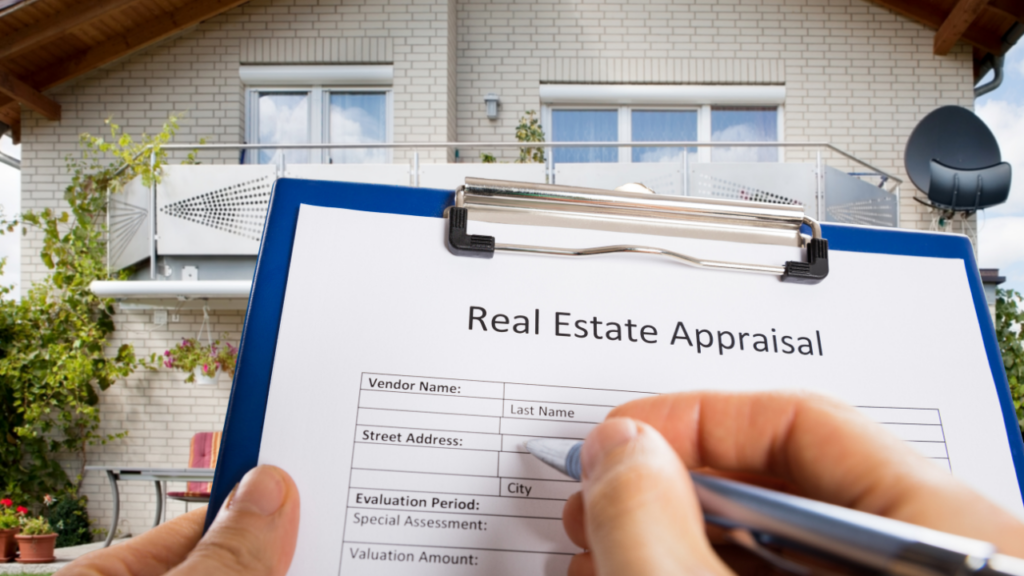
If you’re buying a home in Minnesota for the first time, especially as an immigrant homebuyer, there’s a good chance you’ll hear a term that sounds confusing at first: Appraisal gap. Most buyers understand the basic idea of making an offer on a home. You find a house you love. You negotiate a price. The seller accepts. Everything seems straightforward. Then the appraisal comes back. And suddenly everyone is talking about values, financing, appraisals, and appraisal gaps. For many first-time buyers, this is one of the most misunderstood parts of the homebuying process. The good news is that appraisal gaps are manageable when you understand how they work. Let’s break it down in simple terms. What Is an Appraisal? Before we talk about appraisal gaps, let’s start with the appraisal itself. An appraisal is an independent professional opinion of a property’s market value. If you’re using a mortgage, your lender will usually require one. Why? Because the lender wants to make sure the property is worth enough to support the loan amount. Remember: The lender is lending money based on the home’s value. They don’t simply rely on the price you agreed to pay. They want a third-party professional to evaluate the property. Who Performs the Appraisal? The lender typically hires a licensed appraiser. The appraiser evaluates factors such as: After reviewing the property and recent sales, the appraiser determines a value. That value becomes very important. What Is an Appraisal Gap? An appraisal gap occurs when the home’s appraised value is lower than the agreed purchase price. For example: Let’s say: There is now a: $20,000 appraisal gap The buyer agreed to pay more than the appraiser believes the property is worth. This creates a challenge because lenders generally base loans on the lower of: That’s when buyers, sellers, agents, and lenders must decide how to move forward. Why Do Appraisal Gaps Happen? Many immigrant buyers assume a low appraisal means something is wrong with the home. That’s not necessarily true. Appraisal gaps can occur for several reasons. Competitive Markets When multiple buyers compete for the same property, offers sometimes exceed recent comparable sales. The market may move faster than appraisal data. Limited Comparable Sales Appraisers rely heavily on recent sales. If there aren’t enough similar properties available, valuation becomes more difficult. Unique Properties Some homes are difficult to compare because they have unusual features, upgrades, or locations. Rapidly Rising Markets When prices rise quickly, appraisal data may lag behind current buyer demand. Why Immigrant Buyers Should Understand Appraisal Gaps Many immigrant homebuyers are navigating: For someone unfamiliar with the process, an appraisal gap can feel alarming. The key is understanding that appraisal gaps happen regularly. They are not automatically deal-breakers. What matters is how they’re handled. Example of an Appraisal Gap Let’s look at a simple example. Imagine you’re buying a home in Minnesota for: $450,000 The lender orders an appraisal. The appraiser determines the value is: $435,000 The appraisal gap is: $15,000 The lender may base the loan on the $435,000 value instead of the $450,000 purchase price. Now the transaction requires a solution. What Happens When an Appraisal Gap Occurs? Several options may be available. Option 1: Seller Lowers the Price One possibility is that the seller agrees to reduce the purchase price. For example: Purchase price drops from: $450,000 to $435,000 This eliminates the appraisal gap entirely. However, sellers are not required to agree. Option 2: Buyer Pays the Difference The buyer may choose to contribute additional cash. Using our example: Appraisal gap = $15,000 The buyer may decide to bring the extra funds needed to complete the purchase. This approach is common in competitive markets. However, buyers should only do this if they are financially comfortable. Option 3: Buyer and Seller Split the Difference Sometimes both parties negotiate. For example: Both sides share the burden. This is a common compromise. Option 4: Challenge the Appraisal In certain situations, additional information may support a reconsideration of value. This is not always successful, but it may be possible if: Your lender and agent can explain whether this option makes sense. Option 5: Cancel the Transaction If your contract includes appraisal protection language, you may have options to cancel. This depends entirely on the contract terms. Not every buyer has this protection. Understanding your contract is critical. What Is Appraisal Gap Coverage? You may hear another term: Appraisal gap coverage. This occurs when a buyer agrees in advance to cover some or all of a potential appraisal shortfall. For example: A buyer might state: “I will cover up to $10,000 of any appraisal gap.” This can make an offer more attractive to sellers. Why? Because it reduces uncertainty. The seller knows the buyer is prepared to move forward even if the appraisal comes in lower than expected. Should You Offer Appraisal Gap Coverage? The answer depends on your financial situation. Ask yourself: Appraisal gap coverage can strengthen an offer. But it also increases financial risk. Never agree to it unless you fully understand the commitment. How Appraisal Gaps Affect Loan Approval Many buyers worry a low appraisal automatically means loan denial. Usually, that’s not the case. The lender simply adjusts calculations based on the appraised value. The challenge becomes finding a solution for the difference. That’s why communication among: Is so important. What Happens in a Strong Seller’s Market? In competitive markets, appraisal gaps become more common. Buyers may: While these strategies can strengthen offers, buyers should proceed carefully. Winning the home is important. Protecting your finances is even more important. What Happens in a Balanced Market? When inventory is higher and competition is lower, sellers may be more willing to: Market conditions often influence the outcome. Real Example Imagine a buyer relocating to Minnesota from another country. They find a home they love. Multiple buyers submit offers. To remain competitive, they offer above asking price. The seller accepts. A few weeks later, the appraisal comes in lower than expected. At first, the buyer panics. But
How Do Inspections Protect Me as an Immigrant Homebuyer in Minnesota? A 2026 Guide

Buying a home is one of the biggest financial decisions most people will ever make. For immigrant homebuyers, the process can feel even more overwhelming because you’re not only evaluating a property—you’re also learning how the American real estate system works. One of the most important protections available to buyers is the home inspection. Yet many first-time buyers don’t fully understand what an inspection does, what it doesn’t do, or why it matters so much. You may be asking: The short answer is simple: A home inspection helps you understand what you’re buying before you become the owner. It won’t guarantee a perfect home, but it can help uncover issues that may cost thousands of dollars later. For immigrant buyers purchasing a home in Minnesota, inspections are often one of the most valuable tools available during the transaction. Let’s look at how inspections work and why they matter. What Is a Home Inspection? A home inspection is a professional evaluation of a property’s visible and accessible systems. After your offer is accepted, you’ll typically have an opportunity to hire a licensed home inspector. The inspector’s job is not to decide whether you should buy the home. Their job is to provide information. Think of it like a health checkup for the house. The inspector looks for signs of: The goal is helping you make an informed decision. Why Inspections Matter for Immigrant Buyers Many immigrant buyers come from countries where real estate transactions work very differently. In some places, inspections are uncommon. In others, buyers have limited opportunities to evaluate a property before purchase. The United States homebuying process often provides buyers with significant opportunities to investigate the property before closing. That’s a major advantage. An inspection allows you to learn about the home before it officially becomes your responsibility. What Does a Home Inspector Examine? While every inspection is different, inspectors commonly evaluate: Roof The roof is one of the most expensive components of a home. Inspectors look for: Minnesota weather can be tough on roofs, making this area especially important. Foundation The foundation supports the entire structure. Inspectors look for: Not every crack is a major problem, but understanding what you’re seeing matters. Plumbing Inspectors evaluate visible plumbing systems for: Water problems can become expensive if left unnoticed. Electrical Systems Electrical safety is critical. Inspectors may review: Older homes may have outdated electrical components that deserve attention. Heating and Cooling Systems Minnesota winters make heating systems especially important. Inspectors often examine: Knowing the age and condition of these systems helps buyers prepare for future maintenance. Windows and Doors Inspectors may identify: These items can affect both comfort and energy efficiency. Attics and Insulation Minnesota homeowners depend heavily on proper insulation. Inspectors look for: These factors can impact utility costs and long-term home performance. What a Home Inspection Does Not Do This is important. Many first-time buyers assume an inspection guarantees the home is perfect. It does not. A home inspection is limited to visible and accessible areas. Inspectors generally cannot: The inspection provides valuable information, but no inspection can eliminate all risk. Why Minnesota Homes Deserve Careful Inspections Minnesota’s climate creates unique challenges. Homes here experience: These conditions can affect: An experienced inspector understands what to look for in Minnesota properties. What Happens After the Inspection? Once the inspection is complete, you’ll receive a report. For first-time buyers, the report can feel intimidating. Most inspection reports contain dozens of items. That’s normal. Even well-maintained homes have issues. The key is understanding which findings are: Your real estate agent can help you interpret the report and decide what steps make sense. Common Findings That Are Usually Manageable Many reports include items such as: These items are common and don’t necessarily indicate a bad property. Findings That May Require More Attention Some issues deserve closer review, including: Not every serious finding kills a deal. However, buyers should fully understand the situation before proceeding. Can You Negotiate After an Inspection? In many cases, yes. Depending on the contract and findings, buyers may: Every situation is unique. The inspection provides information that helps guide these conversations. What About New Construction Homes? One of the biggest misconceptions is: “It’s brand new, so it doesn’t need an inspection.” New homes can still have issues. Construction involves many contractors, timelines, and moving parts. Some buyers choose inspections on new construction homes because they want an independent evaluation before closing. Even newly built homes can benefit from a second set of eyes. Specialized Inspections Depending on the property, buyers may choose additional inspections. Examples include: These specialized inspections may provide additional information depending on the property type and location. Real Example Imagine a buyer finds a beautiful home in Minnesota. The kitchen is updated. The floors look great. Everything appears perfect. During the inspection, however, the inspector discovers significant attic ventilation issues that could eventually create moisture problems. Without the inspection, the buyer may never have known. The inspection didn’t necessarily stop the purchase. It simply gave the buyer information to make a better decision. That’s exactly what inspections are designed to do. Common Mistakes Buyers Make Skipping the Inspection This increases risk significantly. Focusing on Minor Cosmetic Issues Most homes have small maintenance items. Focus on major concerns first. Expecting a Perfect Report Every home has flaws. Even new homes. Ignoring the Inspector Attend the inspection if possible. You’ll often learn valuable information directly from the inspector. Panicking Over Long Reports Length does not automatically indicate major problems. Most reports are detailed by design. Frequently Asked Questions Do I need a home inspection? Most buyers benefit from one, especially first-time buyers. Can I attend the inspection? Yes. Many buyers attend and ask questions. How long does an inspection take? Many inspections take several hours depending on the property. What if problems are found? You may have options depending on the contract and findings. Are inspections required? Not always, but they are often strongly recommended. Final Thoughts A home inspection is one of the most
What Are Contingencies and Which Do I Need as an Immigrant Homebuyer in Minnesota? A 2026 Guide

When you’re buying a home in Minnesota, one word you’ll hear often is: Contingency. For many first-time buyers, especially immigrant buyers who are learning the U.S. homebuying process, this word can feel confusing at first. You may wonder: The simple answer is this: A contingency is a protection written into your offer that gives you a way to move forward, renegotiate, or sometimes cancel the purchase if something important does not happen. Contingencies are not bad. They are normal. They exist to protect buyers from taking unnecessary risks. But in a competitive market, some buyers feel pressure to remove contingencies to make their offer stronger. That can be risky, especially if you are a first-time buyer or unfamiliar with the process. Let’s break down the most common contingencies and which ones immigrant homebuyers in Minnesota should understand before making an offer. What Is a Contingency? A contingency is a condition that must be met for the home purchase to continue. Think of it like saying: “I agree to buy this home, as long as certain things happen first.” For example: If something goes wrong, the contingency may give you options. Those options depend on the contract language and the situation. Why Contingencies Matter for Immigrant Buyers Buying a home is a major financial decision. For immigrant buyers, contingencies can be especially important because you may be navigating: Contingencies give you protection while you learn and move through the process. They help you avoid rushing into a purchase without enough information. Inspection Contingency The inspection contingency is one of the most important buyer protections. After your offer is accepted, you usually have the right to inspect the property. A professional home inspector reviews major parts of the home, including: The inspection helps you understand the true condition of the home. This is important because a home can look beautiful during a showing but still have hidden issues. Do You Need an Inspection Contingency? For most first-time buyers, yes. Especially if you are unfamiliar with U.S. home construction, Minnesota weather issues, basements, furnaces, roofs, or older housing systems. Minnesota homes deal with: An inspection can help you avoid surprises. What Happens After the Inspection? After the inspection, you may decide to: Most inspections find something. That does not mean the home is bad. It simply gives you more information before you fully commit. Financing Contingency A financing contingency protects you if your mortgage loan is not approved. Even if you are pre-approved, the lender still needs to complete final underwriting after your offer is accepted. They will review: For immigrant buyers, this step may include additional documentation depending on your status, lender, and loan program. Do You Need a Financing Contingency? If you are using a mortgage, this contingency is usually very important. Without it, you could be at risk if the lender later denies the loan. Most immigrant buyers should be careful about removing financing protections unless they fully understand the risk. Appraisal Contingency If you are using a mortgage, the lender usually orders an appraisal. An appraisal is an independent opinion of the home’s value. The lender wants to make sure the property is worth enough to support the loan amount. For example: If you agree to buy a home for $350,000, but the appraisal comes in at $330,000, there may be a problem. The lender may not loan based on the higher price. What Happens If the Appraisal Is Low? If the appraisal comes in low, possible options may include: This is why appraisal language matters. Do You Need an Appraisal Contingency? If you are using financing, you should understand this carefully. In competitive markets, some buyers offer appraisal gap coverage, which means they agree to cover part or all of the difference if the appraisal is low. That can strengthen an offer, but it also increases financial risk. Do not agree to an appraisal gap unless you understand exactly how much extra cash you may need. Title Contingency Title refers to legal ownership of the property. Before closing, a title company reviews the property records to make sure the seller has the legal right to transfer ownership. They look for issues such as: A title contingency protects you if serious title issues appear. Do You Need Title Protection? Yes. Clear title is extremely important. You do not want to buy a home and later discover ownership problems or unpaid claims attached to the property. This is also where title insurance becomes important, which we’ll cover in another article. Home Sale Contingency A home sale contingency applies when a buyer must sell their current home before buying the next one. For many first-time immigrant buyers, this may not apply. But if you already own a home and need to sell it first, this contingency may be relevant. Is a Home Sale Contingency Helpful? It can protect you from owning two homes at once or being unable to complete the purchase. However, sellers often view home sale contingencies as riskier because your purchase depends on another transaction. Sale of Property vs. Closing of Property These are slightly different. A buyer may need to: Sell their home Or Close on a home that is already under contract A home already under contract may be viewed as less risky than a home that has not yet been listed. Insurance Contingency In some cases, buyers may want to confirm they can obtain homeowners insurance. This can matter if the home has: Most homes can be insured, but it is still smart to shop for insurance early. HOA Document Review If you are buying a condo, townhome, or home in an association, you may need time to review HOA documents. These documents may include: This is important because HOA rules can affect your daily life. For example, there may be rules about: Do not ignore HOA documents. Which Contingencies Do You Actually Need? For many immigrant first-time buyers in Minnesota, the most important contingencies are usually: Your exact needs depend on the property,
What Happens Between Offer and Closing? A Guide for Immigrant Homebuyers in Minnesota

For many immigrant homebuyers, getting an offer accepted feels like crossing the finish line. After weeks or months of saving money, improving credit, gathering documents, speaking with lenders, and touring homes, it’s easy to think the hard part is over. In reality, getting your offer accepted is a major milestone—but it’s not the final step. There’s an entire process that takes place between the day a seller accepts your offer and the day you receive the keys to your new home. For first-time buyers, especially immigrant buyers who may be unfamiliar with the U.S. real estate system, this period can feel confusing. You may suddenly hear terms like: And if no one explains what these terms mean, the process can quickly become overwhelming. The good news is that most home purchases follow a fairly predictable path. Once you understand what happens between offer acceptance and closing day, you’ll feel much more confident moving forward. Let’s walk through each step. The Moment Your Offer Is Accepted Once the seller signs and accepts your offer, the property officially moves under contract. This means both parties have agreed to the terms of the purchase. The contract typically includes details such as: At this point, the home is not officially yours yet. Several important steps still need to happen before ownership transfers. Step 1: Earnest Money Is Deposited One of the first things buyers usually do after an accepted offer is submit earnest money. Earnest money is a deposit that shows the seller you’re serious about purchasing the property. The amount varies depending on: In Minnesota, your real estate agent will explain where and when the earnest money must be submitted. In most successful transactions, the earnest money is later applied toward your purchase. Step 2: Schedule the Home Inspection The inspection is one of the most important protections available to buyers. A licensed home inspector evaluates the property’s major systems and components. Typical inspection areas include: The inspection helps uncover issues that may not be visible during a showing. Many buyers feel nervous about inspections. That’s normal. Keep in mind that nearly every home has some findings. The goal is understanding the condition of the property, not finding a perfect house. Step 3: Review the Inspection Results After the inspection, you’ll receive a report outlining the inspector’s findings. Some items may be minor. Others may require further discussion. Depending on the results, buyers may choose to: Your real estate agent will help explain the options available under your purchase agreement. Step 4: Submit Additional Documents to Your Lender While inspections are taking place, your lender is working behind the scenes. Many immigrant buyers are surprised to learn that lenders often request additional documentation after the offer is accepted. Common requests may include: This is a normal part of the process. Providing documents quickly helps avoid delays. Step 5: The Appraisal Is Ordered Most financed purchases require an appraisal. The lender hires an independent appraiser to determine the property’s market value. Why? Because the lender wants confirmation that the home’s value supports the loan amount. The appraiser evaluates factors such as: Most appraisals proceed smoothly. However, buyers should understand how the process works in case questions arise. Step 6: The Underwriting Process This is often the most mysterious part of the transaction. Underwriting is the lender’s final review of your financial profile. The underwriter evaluates: Their job is to ensure the loan meets program requirements. Many buyers become nervous when additional questions arise. Remember: Requests for more information are common and do not automatically indicate a problem. Step 7: Title Work Begins A title company plays an important role in every real estate transaction. Their job is to confirm that the property can legally transfer ownership. The title company reviews public records to identify issues such as: Most transactions move through this stage without major issues. The goal is protecting both the buyer and lender. Step 8: Homeowners Insurance Is Arranged Before closing, you’ll need homeowners insurance. The lender typically requires proof of insurance before final loan approval. Insurance protects your investment against covered losses and damages. Many buyers compare quotes from multiple providers before selecting coverage. It’s wise to start this process early rather than waiting until the last minute. Step 9: Final Loan Approval Once underwriting requirements are satisfied, the lender issues final approval. This is one of the most exciting milestones in the process. At this stage: Although you’re not at closing yet, you’re getting very close. Step 10: Receive the Closing Disclosure Federal regulations require buyers to receive a Closing Disclosure before closing. This document outlines: Review it carefully. Ask questions if anything seems unclear. Understanding the numbers before closing day helps prevent surprises. Step 11: Complete the Final Walk-Through Shortly before closing, buyers typically conduct a final walk-through. The purpose is to verify: This is not another inspection. It’s simply a final confirmation before ownership transfers. Step 12: Prepare Your Funds for Closing Before closing day, you’ll receive instructions regarding the funds needed to complete the purchase. These funds may include: Many immigrant buyers use wire transfers for large amounts. Always verify instructions carefully and communicate directly with trusted professionals. Step 13: Closing Day Closing day is when everything becomes official. During closing, you’ll: The process often takes less time than buyers expect. Once all documents are completed and funds are received, ownership transfers according to local procedures. Step 14: Receive the Keys This is the moment buyers have been waiting for. Once the transaction is finalized, you’ll receive access to your new home. For many immigrant buyers, homeownership represents much more than a real estate transaction. It represents stability, opportunity, and years of hard work. Common Mistakes Buyers Should Avoid During This Period Making Large Purchases Avoid: Unless you’ve discussed them with your lender. Changing Jobs Employment changes can affect loan approval. Always communicate major changes immediately. Moving Money Without Documentation Large deposits often require explanations. Maintain clear records. Ignoring Lender Requests Responding quickly helps keep your
How Do I Choose the Right Lender for My Situation as an Immigrant Homebuyer in Minnesota? A 2026 Guide

For many immigrant homebuyers, one of the most important decisions you’ll make isn’t choosing a house. It’s choosing the right lender. In fact, the lender you select can significantly impact your entire homebuying experience. A great lender can help you understand your options, explain complicated requirements, communicate clearly, and guide you toward a successful closing. The wrong lender can create confusion, delays, unnecessary stress, and sometimes even prevent an otherwise qualified buyer from purchasing a home. If you’re an immigrant planning to buy a home in Minnesota, you may already have questions like: The good news is that many lenders successfully work with immigrant buyers every day. The key is finding one that understands your specific situation. Let’s walk through what immigrant buyers should know when selecting a lender in Minnesota. Why Your Lender Matters So Much Many first-time buyers assume all lenders are essentially the same. That’s not true. While many lenders offer similar loan products, their experience, communication style, underwriting flexibility, and knowledge of immigrant homebuyer situations can vary significantly. The lender you choose will help determine: A knowledgeable lender often makes the entire process feel less intimidating. Start With Your Situation Before comparing lenders, take time to understand your own circumstances. Questions to consider include: Your answers will help identify which lenders may be the best fit. Not Every Lender Handles Immigrant Buyers the Same Way This is one of the biggest surprises for many buyers. Some lenders regularly work with: Others may have limited experience with these situations. That doesn’t mean one lender is better than another. It simply means experience matters. Working with someone familiar with immigrant homeownership can reduce confusion and delays. Ask About Experience With Immigrant Buyers One of the first questions you should ask a lender is: “How often do you work with immigrant homebuyers?” Listen carefully to their answer. A lender who regularly works with immigrant clients will often be familiar with: This experience can be valuable throughout the process. Understand Available Loan Programs Different lenders may offer different loan products. Some common possibilities include: The goal isn’t finding the lender with the largest menu of options. The goal is finding a lender who understands which programs fit your situation. A good lender focuses on your needs rather than simply selling a product. Communication Is Extremely Important Buying a home involves a lot of paperwork and deadlines. Clear communication matters. When evaluating lenders, ask yourself: Many immigrant buyers are navigating unfamiliar terminology and systems. A lender should help simplify the process, not make it more confusing. Compare More Than Interest Rates One common mistake buyers make is choosing a lender based solely on interest rates. While rates are important, they are only one piece of the puzzle. You should also consider: A slightly lower rate doesn’t always create a better experience. Ask About Documentation Requirements Immigrant buyers often need additional documentation. Examples may include: Understanding requirements early helps prevent surprises later. A good lender will clearly explain what is needed. Understand Down Payment Requirements Many first-time buyers believe they need a 20% down payment. That’s not always true. Different loan programs have different requirements. Ask lenders: The answers may surprise you. Consider Local Knowledge National lenders can be excellent. Local lenders can also provide advantages. A lender familiar with Minnesota real estate may better understand: This doesn’t mean local is always better. It simply means local experience can be valuable. Ask About Foreign Assets Many immigrant buyers have funds located outside the United States. If this applies to you, ask lenders: Proper planning can prevent delays later in the process. Pre-Approval Is an Important Test One of the best ways to evaluate a lender is during pre-approval. Pay attention to: How a lender handles pre-approval often provides insight into how they’ll handle the rest of the transaction. Red Flags to Watch For Not every lender will be the right fit. Warning signs may include: Poor Communication If it’s difficult to get answers before applying, it may become more difficult later. Lack of Experience If a lender seems unfamiliar with immigrant buyer situations, additional challenges may arise. Unclear Explanations You should understand every major step of the process. Pressure Tactics A good lender educates rather than pressures. Why Comparing Multiple Lenders Can Help Many buyers speak with only one lender. There’s nothing wrong with that if the lender is a great fit. However, comparing options can provide valuable perspective. You may learn: The goal isn’t collecting endless quotes. It’s finding confidence in your decision. How Your Real Estate Agent Can Help Many immigrant buyers aren’t sure where to begin. This is one reason contacting a real estate agent early can help. An experienced Minnesota real estate agent often works with lenders regularly and may be able to recommend professionals who have experience with immigrant homebuyers. Your agent and lender become important members of your homebuying team. Real Example Imagine two buyers with nearly identical financial profiles. Buyer A chooses a lender unfamiliar with immigrant documentation requirements. The process becomes stressful and confusing. Buyer B works with a lender experienced in immigrant homeownership. Documentation requests are explained clearly. Questions are answered quickly. The transaction moves smoothly. The difference isn’t necessarily the loan. It’s the experience. Common Mistakes Immigrant Buyers Make Choosing Based Only on Interest Rates Rates matter, but service matters too. Waiting Too Long to Contact a Lender Early conversations often create better preparation. Assuming All Lenders Are the Same Experience and communication can vary significantly. Hiding Financial Information Always be transparent with your lender. They are trying to help structure a successful transaction. Frequently Asked Questions Do all lenders work with immigrant buyers? Many do, but experience levels vary. Should I choose a local lender? Local experience can be valuable, but the right choice depends on your situation. Can I use foreign funds for a home purchase? In many cases, yes, provided proper documentation requirements are met. How many lenders should I talk to? Many buyers speak with two or