
Can I Buy a House If I Have Collections or Debt? (Minnesota Guide – 2026)
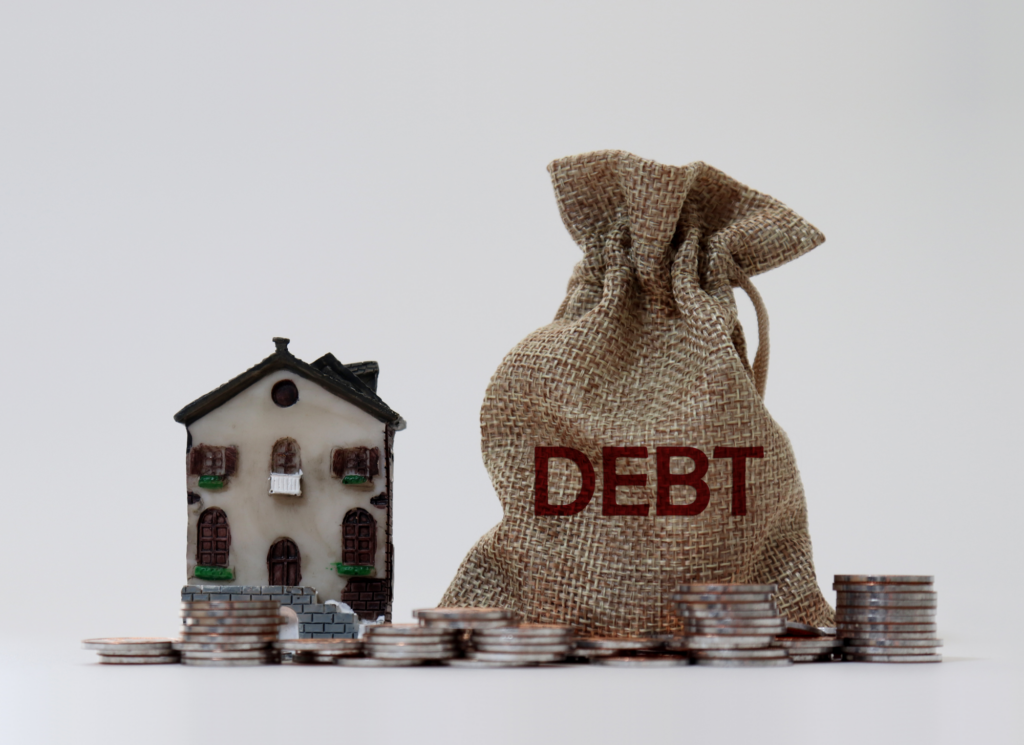
If you’ve ever checked your credit and seen collections, late payments, or debt, you’ve probably wondered: 👉 “Can I still buy a house if I have collections or debt?” And for many people, this question comes with a lot of doubt: The truth is: 👉 Yes—you can still buy a home even if you have collections or debt. But: 👉 It depends on the type of debt, how it’s managed, and your overall financial picture. The Short Answer 👉 You can buy a home with collections or debt if: 👉 You do NOT need: 👉 Perfect credit or zero debt 👉 But you DO need: 👉 A strategy First—Let’s Define Collections and Debt 📌 Collections 👉 Collections happen when: 👉 Common examples: 📌 Debt 👉 Debt includes: 👉 Most buyers have some form of debt 👉 Debt itself is NOT the problem 👉 It’s how it’s managed Why Collections and Debt Matter to Lenders Lenders are asking one main question: 👉 “Can this borrower handle a mortgage payment responsibly?” 👉 Collections and debt can signal: 👉 But they don’t automatically disqualify you 👉 They just require closer review How Collections Affect Your Ability to Buy Let’s break this down. 1. Credit Score Impact 👉 Collections lower your credit score 👉 This can: 👉 BUT: 👉 You can still qualify depending on your score 2. Loan Type Matters Different loans treat collections differently. 🏡 FHA Loans 👉 More flexible with collections 👉 May allow: 👉 Very popular for buyers with credit challenges 🏡 Conventional Loans 👉 Stricter requirements 👉 May require: 👉 Key takeaway: 👉 The loan you choose matters Do You Have to Pay Off Collections First? This is one of the biggest questions. 👉 The answer is: 👉 Not always 👉 It depends on: In some cases: 👉 You can still qualify with collections on your report In other cases: 👉 You may need to: 👉 This is why: 👉 You need a personalized review How Debt Affects Your Mortgage Approval 1. Debt-to-Income Ratio (DTI) 👉 This is one of the most important factors 👉 DTI measures: 👉 How much of your income goes toward debt Example: 👉 High DTI = harder to qualify 👉 Lenders typically prefer: 👉 DTI below 43%–50% 👉 Lower is better 2. Type of Debt Matters Not all debt is treated equally. ✔️ Installment Debt 👉 More predictable ⚠️ Revolving Debt 👉 Higher risk if balances are high 👉 Managing your debt properly is key A Real Situation I See All the Time A buyer says: 👉 “I have collections—I probably can’t buy” 👉 We review their situation: 👉 Result: 👉 They qualify with an FHA loan Another buyer: 👉 Has high debt + low score Result: 👉 Needs time to improve 👉 Same concern—different outcomes Common Misconceptions ❌ “Collections automatically disqualify me” 👉 Not true ❌ “I need to be completely debt-free” 👉 Not true—most buyers have debt ❌ “I should wait until everything is perfect” 👉 This delays many buyers unnecessarily 👉 The key is: 👉 Understanding your specific situation How to Improve Your Chances If you have collections or debt, here’s what helps: ✔️ Improve Your Credit Score 👉 Pay on time consistently ✔️ Reduce Credit Card Balances 👉 Lower your utilization ✔️ Avoid Taking on New Debt 👉 Keep your profile stable ✔️ Address Collections Strategically 👉 Don’t blindly pay everything—get advice first ✔️ Work With the Right Lender 👉 This is critical 👉 Small changes can make a big difference Should You Wait Before Buying? This depends on your situation. 👉 You may want to wait if: 👉 You may be ready if: 👉 The best move is: 👉 Get clarity—not assume The Role of the Right Lender (CRITICAL) Not all lenders handle collections the same way. 👉 The right lender will: 👉 The wrong lender may: 👉 Deny you without explanation 👉 That’s a huge difference The Role of the Right REALTOR® This is where strategy comes in. 👉 The right REALTOR® helps you: 👉 And most importantly: 👉 Help you move forward with confidence Resources Matter A well-connected REALTOR® knows: 👉 This can change your outcome completely Who This Applies To Buyers with collections Buyers with credit card debt First-time buyers Immigrant buyers 👉 If you’re worried about your credit: 👉 You’re not alone FAQ: Collections, Debt, and Buying a Home Can I buy a house with collections?Yes—depending on your credit and loan type. Do I need to pay off all debt first?No—only certain debts may need to be addressed. What credit score do I need?Typically 580+ for FHA loans. Is debt a dealbreaker?No—it depends on how it’s managed. Final Thoughts Having collections or debt doesn’t mean: 👉 You can’t buy a home 👉 It means: 👉 You need to understand your position and plan accordingly Because lenders aren’t looking for: 👉 Perfect finances 👉 They’re looking for: 👉 Manageable risk and consistent behavior 👉 And if you can show that: 👉 You may be closer than you think Next Step If you have collections or debt and are thinking about buying a home in Minnesota, the next step is to understand what you qualify for: 👉 https://buy.dreamhomesminnesota.com/ 👉 This will help you: Lesley The RealtorRealtor in the Twin Cities & Surrounding Metro, MinnesotaHelping first-time and immigrant buyers overcome obstacles and move forward with confidence
What Credit Score Do I Really Need to Buy a Home in the U.S.? (Minnesota Guide – 2026)
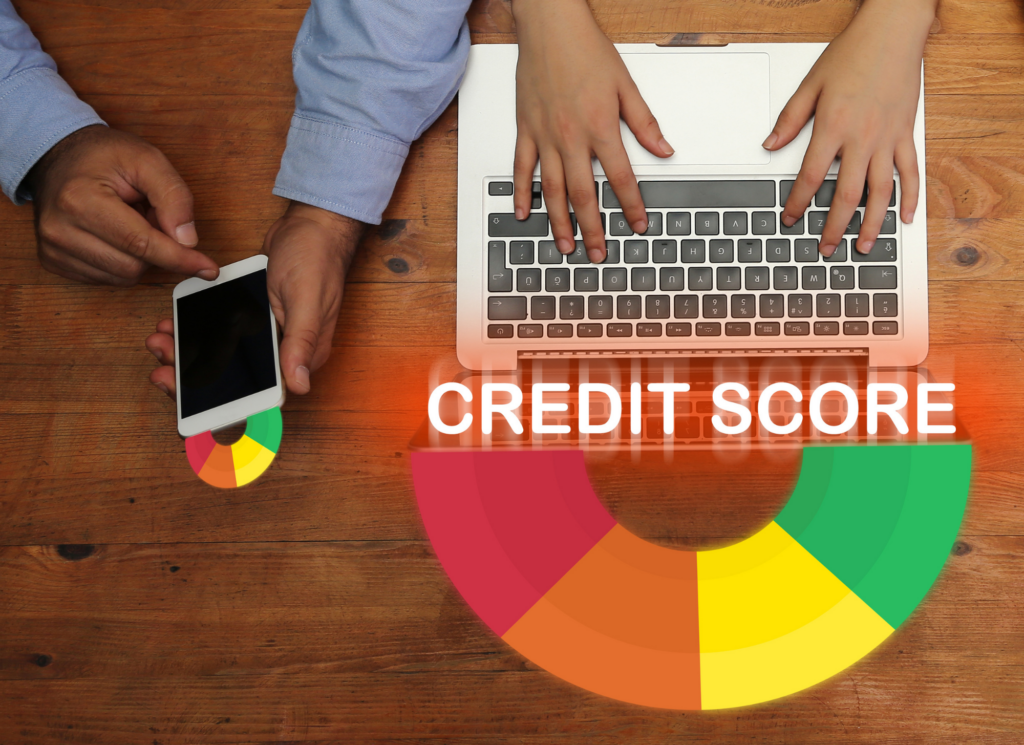
If you’re thinking about buying a home—especially as an immigrant or first-time buyer—one question almost always comes up: 👉 “What credit score do I actually need to buy a house?” And this question usually comes with a lot of confusion: The truth is: 👉 You don’t need a perfect credit score to buy a home in the U.S. But: 👉 Your score DOES affect your options, your loan, and your monthly payment. The Short Answer 👉 Most buyers can qualify with a credit score of: 👉 But: 👉 The higher your score: 👉 So the real question is: 👉 Not just “Can you qualify?” 👉 But: 👉 “How good of a loan can you get?” Why Credit Scores Matter In the U.S., your credit score is used to: 👉 Lenders use your score to decide: 👉 It’s one of the most important parts of your application Credit Score Ranges (What They Mean) Let’s break this down clearly. 🔴 300–579 (Poor) 👉 Very difficult to qualify 👉 May need to improve before buying 🟠 580–619 (Fair) 👉 May qualify for FHA loans 👉 Higher interest rates 🟡 620–679 (Good) 👉 Qualifies for most conventional loans 👉 Better rates 🟢 680–739 (Very Good) 👉 Strong approval 👉 Competitive rates 🔵 740+ (Excellent) 👉 Best rates available 👉 Maximum buying power 👉 The higher your score: 👉 The more options you have Minimum Credit Score by Loan Type 🏡 FHA Loans 👉 Minimum: 👉 580 (with 3.5% down) 👉 Some lenders may allow: 👉 Lower scores with higher down payment 👉 Best for: 🏡 Conventional Loans 👉 Minimum: 👉 620+ 👉 Best for: 🏡 ITIN Loans 👉 Requirements vary 👉 Some lenders: 👉 Best for: 👉 Key takeaway: 👉 There’s no ONE number—it depends on the loan What If You Have No Credit Score? This is common for immigrants. 👉 You can still buy using: 👉 Lenders may use: 👉 No score ≠ no opportunity What Your Credit Score Actually Affects This is where it really matters. 1. Your Interest Rate 👉 Higher score = lower rate 👉 Lower score = higher rate 👉 Even a small difference: 👉 Can impact your monthly payment significantly 2. Your Monthly Payment 👉 Better credit = lower payment 👉 Worse credit = higher payment 👉 Over time: 👉 This adds up 3. Your Loan Approval 👉 Higher score: 👉 Easier approval 👉 Lower score: 👉 More conditions or denials 4. Your Down Payment Options 👉 Better credit: 👉 More flexibility 👉 Lower credit: 👉 May require more upfront 👉 Credit affects more than just approval A Real Situation I See All the Time A buyer says: 👉 “I only have a 620—I probably can’t buy” 👉 But in reality: Another buyer: 👉 Has a 700 score 👉 Gets: 👉 Same home—different financial outcome Should You Wait to Improve Your Credit? This depends on your situation. 👉 You may want to wait if: 👉 You may NOT need to wait if: 👉 Sometimes: 👉 Buying now makes more sense than waiting Quick Ways to Improve Your Credit If you want to strengthen your position: ✔️ Pay Bills on Time 👉 This is the biggest factor ✔️ Reduce Credit Card Balances 👉 Keep usage low ✔️ Avoid New Debt 👉 Don’t open unnecessary accounts ✔️ Check Your Credit Report 👉 Fix errors if needed 👉 Small changes can make a big difference Common Credit Mistakes to Avoid ❌ Waiting for a “perfect” score 👉 You don’t need perfection ❌ Opening new accounts before buying 👉 This can hurt your score ❌ Ignoring your credit completely 👉 Awareness is key ❌ Assuming you don’t qualify 👉 Always verify first 👉 These mistakes delay buyers unnecessarily The Role of the Right Lender (CRITICAL) Not all lenders treat credit the same way. 👉 The right lender will: 👉 The wrong lender may: 👉 Limit your options unnecessarily 👉 That’s a big difference The Role of the Right REALTOR® This is where strategy matters. 👉 The right REALTOR® helps you: 👉 And most importantly: 👉 Help you move forward with confidence Resources Matter A well-connected REALTOR® knows: 👉 This can improve your outcome significantly Who This Applies To First-time buyers Immigrant buyers Buyers building or repairing credit 👉 If you’re unsure about your score: 👉 You’re not alone FAQ: Credit Scores and Buying a Home What is the minimum credit score to buy a house?Typically 580 for FHA and 620 for conventional loans. Can I buy with bad credit?Yes—but your options may be limited. Do I need a 700 credit score?No—many buyers qualify with lower scores. Can I buy with no credit?Yes—using alternative credit options. Final Thoughts Your credit score matters… 👉 But it’s not everything Because lenders aren’t just looking at: 👉 One number 👉 They’re looking at: 👉 Your full financial picture 👉 And if that picture makes sense: 👉 You may be ready sooner than you think Next Step If you’re unsure about your credit and thinking about buying a home in Minnesota, the next step is to understand where you stand: 👉 https://buy.dreamhomesminnesota.com/ 👉 This will help you: Lesley The RealtorRealtor in the Twin Cities & Surrounding Metro, MinnesotaHelping first-time and immigrant buyers understand their numbers and move forward with confidence