
How Can I Reduce My Selling Costs When Selling a Home in Minnesota?
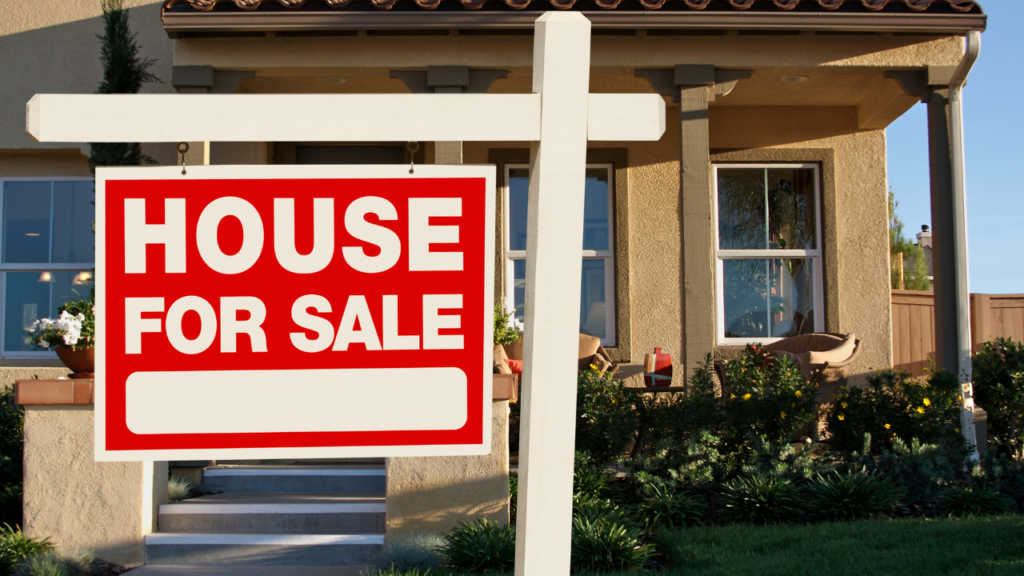
When most homeowners think about selling a home, they focus on one number: “How much can I sell my house for?” That’s an important question. But there’s another question that may be even more important: “How much will I actually keep?” As a Minnesota real estate agent, I’ve worked with many sellers who were thrilled about their home’s sale price only to realize later that their expenses significantly reduced their final proceeds. The reality is that selling a home comes with costs. Some are unavoidable. Others can be minimized with planning, preparation, and smart decision-making. Reducing your selling costs doesn’t necessarily mean cutting corners. It means understanding where money is typically spent and identifying opportunities to maximize your net proceeds. Whether you’re selling a starter home in Minneapolis, a move-up home in Woodbury, a lake property, a townhouse in St. Paul, or a suburban home anywhere in Minnesota, understanding your expenses can help you walk away with more money at closing. Let’s explore practical ways to reduce selling costs while still positioning your home for a successful sale. Why Selling Costs Matter Imagine two sellers. Seller A sells their home for $500,000. Seller B sells a similar home for $490,000. At first glance, Seller A appears to have won. But after reviewing expenses, Seller B actually keeps more money because they managed costs more effectively. This happens more often than people realize. The goal isn’t always achieving the highest sale price. The goal is maximizing your net proceeds. That’s the money that ultimately ends up in your account. Understand Your Costs Before Listing The first step toward reducing expenses is knowing what expenses exist. Many sellers don’t fully understand their costs until they’re reviewing the closing statement. By then, it’s too late to plan. Common seller expenses may include: Understanding these categories early creates opportunities to reduce costs later. Price Your Home Correctly From the Start One of the most expensive mistakes sellers make is overpricing. Many homeowners believe pricing high gives them room to negotiate. Unfortunately, the opposite often happens. An overpriced home may: Longer market times can create additional costs. For example: A properly priced home often attracts stronger interest and may ultimately save money. Complete Small Repairs Before Listing Many sellers postpone maintenance. Then the inspection happens. Suddenly, minor issues become negotiation points. Simple repairs often cost less when handled proactively. Examples include: Addressing these items before listing can reduce inspection-related negotiations later. Focus on High-Impact Improvements Not every project generates a strong return. One mistake sellers make is investing heavily in renovations that buyers don’t fully value. Before spending money, ask: Will this improvement help the home sell faster? Will buyers actually notice it? Will it improve marketability? Often, smaller improvements provide better value than major renovations. Examples may include: These projects are often more cost-effective than expensive remodels. Avoid Over-Improving for the Neighborhood This is especially important. A luxury renovation in a neighborhood where buyers don’t expect it may not produce a strong return. For example: Installing an extremely high-end kitchen in a mid-range neighborhood may not increase value enough to justify the expense. Every improvement should align with neighborhood expectations. Keep the Home Maintained While Listed Once a property hits the market, sellers sometimes relax. That’s a mistake. Deferred maintenance can create: Continue maintaining: A well-maintained home protects value. Minimize Buyer Repair Requests One of the most common ways sellers lose money is through inspection negotiations. Buyers may request: Reducing surprises often reduces requests. Strategies include: Pre-Listing Repairs Address known issues beforehand. Pre-Listing Inspections Some sellers choose to identify concerns early. Full Disclosure Transparency can prevent problems later. The fewer surprises buyers encounter, the smoother negotiations often become. Evaluate Buyer Concession Requests Carefully Not every concession request should be accepted automatically. At the same time, not every request should be rejected. The key is understanding how each request affects your proceeds. Ask: Does this help keep the deal together? Is the request reasonable? What are current market conditions? What happens if the buyer walks away? Sometimes a concession makes financial sense. Sometimes it doesn’t. Every situation should be evaluated carefully. Reduce Holding Costs Every additional month of ownership typically creates expenses. These may include: Reducing time on market can significantly reduce total selling expenses. This is another reason proper pricing and preparation matter. Understand Moving Costs Early Many sellers underestimate moving expenses. Costs may include: Planning ahead often reduces these expenses. Obtaining multiple quotes can also help. Review HOA Fees and Transfer Costs If your property belongs to a homeowners association, additional costs may apply. These can include: Understanding these costs early helps avoid surprises. Coordinate Your Sale and Purchase Strategically Many sellers are also buyers. Poor timing can create unnecessary expenses. Examples include: Temporary Housing Double Mortgage Payments Storage Costs Additional Moving Expenses Careful planning can reduce these costs significantly. Don’t Automatically Choose the Highest Offer This may seem surprising. But the highest offer doesn’t always produce the highest net proceeds. For example: Offer A: Higher purchase price Large concessions Extensive repair requests Offer B: Slightly lower purchase price Fewer concessions Fewer complications Offer B may actually leave the seller with more money. Always evaluate the complete offer. Work With an Experienced Realtor One of the best ways to reduce unnecessary expenses is by working with someone who helps identify them before they occur. An experienced Minnesota Realtor can help you: Guidance often saves sellers more money than they realize. Common Seller Mistakes That Increase Costs Overpricing Often results in longer market times. Waiting Too Long for Repairs Small issues become larger negotiation points. Over-Improving Not every project pays off. Ignoring Holding Costs Time equals money. Focusing Only on Sale Price Net proceeds matter more. Accepting Every Buyer Request Negotiation is part of the process. Avoiding these mistakes can improve financial outcomes. Questions Sellers Should Ask Before listing, ask: What are my biggest selling expenses? Which repairs are worth completing? What improvements provide the best return? How can I reduce holding costs?