
What Is It Like Living in a Busy Area of Minneapolis?
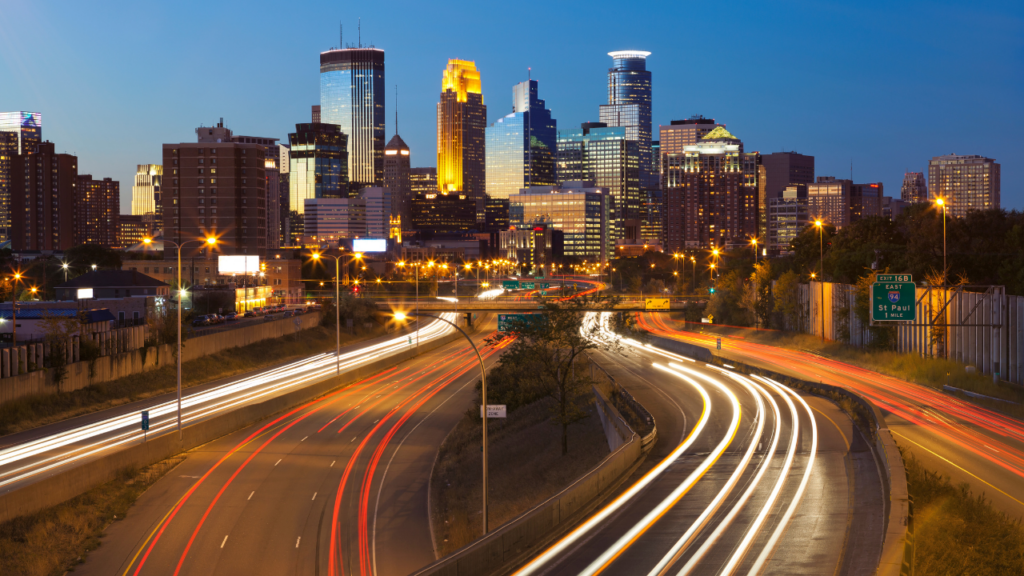
A buyer called me from her home in Woodbury on a Friday evening with a perspective that was genuinely different from most of the conversations I have with buyers who are thinking about moving into Minneapolis. She was not a first-time buyer and she was not particularly young. She was forty-four, recently divorced, her two children had both started college within the past two years, and she was in the particular moment that a lot of people hit in their mid-forties when the life structure they built for one version of themselves no longer fits the version they are becoming. She had lived in the suburbs for fifteen years. She had a good job downtown that she had been commuting to for years. She was done commuting. But more than the commute, she was done with quiet. “I spent fifteen years in a neighborhood where the biggest sound on a weekday evening was my neighbor’s sprinkler system,” she told me. “And I was fine with that when my kids were young and my life was full. Now my life has a lot more space in it and that space is echoing a little. I want to be somewhere that things are happening. I want to walk out my door and feel like I am in the middle of something. Is that a real experience you can actually have as a homeowner or condo owner in Minneapolis? And what does it actually feel like day to day?” Her question was specific, her self-knowledge was impressive, and the honest answer was yes, that experience is genuinely available in Minneapolis, and understanding what it actually delivers and what it costs in practical terms is what makes the difference between choosing it with open eyes and discovering its realities after the fact. Here is the complete picture. What Busy Actually Means in a Minneapolis Context The word busy in the context of a Minneapolis neighborhood means something more specific than urban, which is how it is sometimes used interchangeably. A neighborhood can be urban in its density and its architecture while being relatively quiet in its daily activity level. Busy, in the way most people use it when they are seeking this quality, means a daily life environment where the activity of the city is immediately and continuously present in the form of pedestrian life, commercial activity, transit movement, and the ambient social energy of people living, working, and moving in the same space. The busy neighborhoods of Minneapolis that deliver this experience most fully are concentrated along specific commercial corridors and in the neighborhoods immediately surrounding them. Uptown’s Hennepin Avenue and Lake Street intersection. Northeast’s Broadway and Central Avenue corridors. The North Loop’s cluster of restaurants and bars along First Avenue North. The Lyndale and Nicollet Avenue commercial corridors of South Minneapolis. Downtown Minneapolis itself and the neighborhoods immediately adjacent to it including the North Loop and Elliot Park. The Eat Street section of Nicollet Avenue between Franklin and 29th Street. What these busy areas share is a combination of concentrated pedestrian foot traffic, active ground-floor commercial uses that generate people on the sidewalk throughout the day and into the evening, transit infrastructure that brings additional movement, and the particular ambient energy of a place where a significant amount of daily life is conducted in public space rather than in private homes and yards. What the Daily Experience of Busy Minneapolis Living Actually Delivers For the right person at the right life stage, busy Minneapolis living delivers a genuinely distinctive quality of daily life that has specific and meaningful advantages over quieter residential environments. The most immediately apparent aspect of busy urban life for residents who arrive from quieter environments is the sheer availability of things to do within walking distance. A resident of an apartment or condo near Uptown’s Lake Street and Hennepin intersection has dozens of restaurants, bars, coffee shops, specialty retail, fitness studios, live music venues, and casual social gathering places within a ten-minute walk of their front door. This concentration of options does not necessarily mean using all of them regularly, but it means that the decision to go out and do something requires no planning, no driving, no coordination. You decide you want coffee, you put on shoes, and you are in the coffee shop in four minutes. This accessibility changes the social texture of daily life in a specific and consistent way. Spontaneous socializing becomes genuinely easy. The friend who works nearby is available for lunch on a Tuesday with an hour’s notice. The evening that would have been a night at home in the suburbs becomes an evening walking up the street to a restaurant you have been meaning to try. The weekend that would have required planning a trip somewhere becomes a weekend where the interesting things come to you through the ambient energy of the neighborhood. The pedestrian experience itself is one of the most consistently valued aspects of busy Minneapolis neighborhood life for residents who specifically sought it out. Walking as transportation rather than as recreation produces a quality of daily life connection to the environment and to the community that driving does not. A resident who walks to work, walks to dinner, walks to a show, and walks home is having an experience of the city throughout the day that produces a sense of engagement and connection that is simply not available to the person who moves through their life primarily by car. The ambient social energy of busy Minneapolis neighborhoods is another dimension that residents who sought this quality describe with genuine enthusiasm. Living in a place where people are consistently around, where the street has life in it, where you encounter variety and unpredictability in your daily environment, produces a stimulation and engagement that has real psychological benefits for certain personality types and certain life stages. This is the specific quality the buyer from Woodbury was seeking when she described wanting to feel like she was in the middle