
What Neighborhoods Are Up-and-Coming in Minnesota? (2026 Homebuyer Guide)
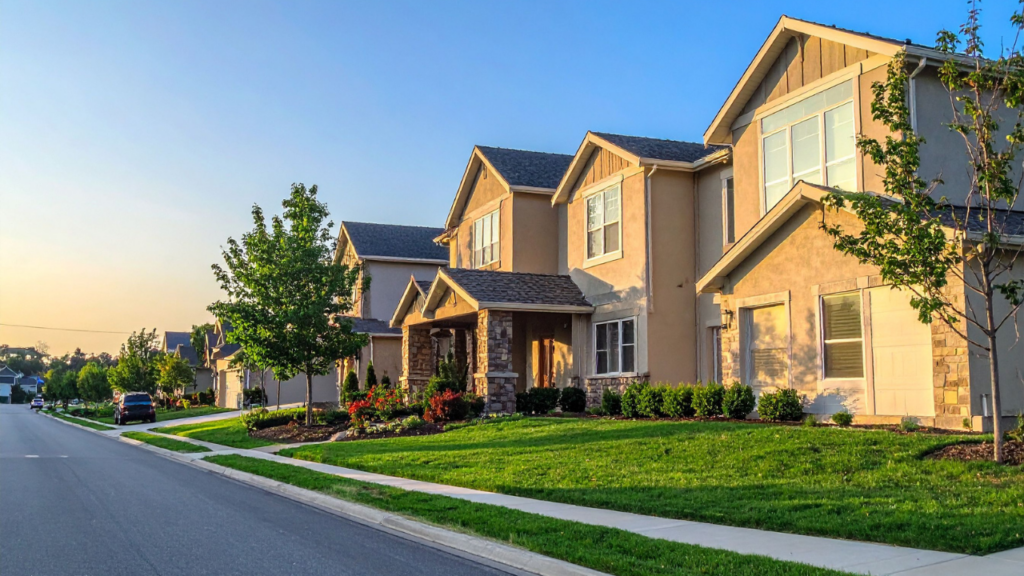
One of the most common questions I hear from buyers is: 👉 “What neighborhoods are up-and-coming right now?” And honestly? I completely understand why people ask. Everyone loves the idea of finding an area before it becomes the place everyone wants to live. Buyers often hope to: ✔️ Get more house for their money ✔️ Build equity over time ✔️ Move into a growing community ✔️ Benefit from future improvements ✔️ Be part of a neighborhood’s transformation The challenge is that “up-and-coming” means different things to different people. For some buyers, it means: ✔️ New construction ✔️ New restaurants ✔️ Retail development ✔️ Infrastructure improvements For others, it means: ✔️ Increasing buyer demand ✔️ Rising home values ✔️ Neighborhood revitalization ✔️ Community investment And here’s the reality: Nobody can predict the future. No real estate agent can guarantee which neighborhood will appreciate the most or become the next hot market. But there are often signs that an area is experiencing positive momentum. And learning how to identify those signs can help buyers make smarter decisions. You might be wondering: • What makes a neighborhood “up-and-coming”? • How do I spot growth before everyone else? • Are up-and-coming neighborhoods good investments? • Should first-time buyers focus on emerging areas? • What signs should I look for? • Are newer suburbs considered up-and-coming? • What matters more—location or growth potential? Let’s talk about it. 🏡 What Does “Up-and-Coming” Actually Mean? A lot of buyers use this phrase without really defining it. Generally speaking, an up-and-coming neighborhood is an area experiencing positive changes such as: ✔️ New development ✔️ Infrastructure improvements ✔️ Increased buyer interest ✔️ Business investment ✔️ Community improvements ✔️ Population growth ✔️ Revitalization efforts These changes often attract more residents, businesses, and investment over time. But growth can look very different depending on the area. 🏡 New Construction Is Often a Clue One thing many buyers notice is new housing development. When builders begin investing heavily in an area, it often signals confidence in future demand. You may see: ✔️ New subdivisions ✔️ Townhome communities ✔️ Mixed-use developments ✔️ Apartment projects ✔️ Retail expansion This doesn’t automatically mean the neighborhood will explode in popularity. But it can indicate growth potential. 🏡 Watch for New Businesses Businesses spend a lot of money researching locations before opening. That’s why new business activity often gets buyers’ attention. Examples include: ✔️ Restaurants ✔️ Coffee shops ✔️ Grocery stores ✔️ Fitness centers ✔️ Medical facilities ✔️ Retail development When businesses begin investing in an area, it may suggest confidence in future population growth. 🏡 Transportation Improvements Matter One of the biggest drivers of neighborhood growth is accessibility. People want convenience. That’s why transportation projects often influence buyer interest. Examples include: ✔️ Highway improvements ✔️ Road expansions ✔️ Transit investments ✔️ Trail systems ✔️ Infrastructure upgrades When accessibility improves, demand often follows. 🏡 Community Investment Is a Good Sign Many buyers focus only on homes. But community investment can be just as important. Look for: ✔️ Park improvements ✔️ Public facilities ✔️ Streetscape upgrades ✔️ Community centers ✔️ Recreation projects These investments often signal a commitment to long-term growth. 🏡 The Twin Cities Continue to Evolve Throughout the Minneapolis-St. Paul metro area, buyers continue exploring neighborhoods that offer: ✔️ Relative affordability ✔️ Convenient access ✔️ Community amenities ✔️ Future development opportunities As housing prices fluctuate, buyers often look beyond traditional hot spots and discover neighborhoods they may have previously overlooked. 🏡 Some Suburbs Continue Growing Rapidly Communities in the outer portions of the Twin Cities metro often attract buyers seeking: ✔️ More space ✔️ New construction ✔️ Growing amenities ✔️ Modern housing inventory Areas experiencing population growth often attract additional investment and development over time. 🏡 Affordability Often Drives Interest Many up-and-coming neighborhoods initially attract buyers because they offer value. People begin noticing: ✔️ More affordable housing ✔️ Larger homes ✔️ Better price-per-square-foot ✔️ Development opportunities As demand increases, more buyers begin paying attention. 🏡 Don’t Confuse Growth With Guaranteed Appreciation This is important. Just because a neighborhood is growing doesn’t guarantee future home values. Real estate markets are influenced by: ✔️ Interest rates ✔️ Inventory ✔️ Employment trends ✔️ Economic conditions ✔️ Buyer demand ✔️ Local development Growth can be a positive sign. But it should never be the only reason you buy a home. 🏡 Lifestyle Still Matters I’ve seen buyers become so focused on finding the “next hot neighborhood” that they forget to ask: 👉 Do I actually want to live here? Remember: You’re not buying a stock. You’re buying a home. Your neighborhood should support your: ✔️ Commute ✔️ Family goals ✔️ Daily routine ✔️ Social life ✔️ Lifestyle preferences Potential growth is great. But enjoying where you live matters more. 🏡 Look for Neighborhood Pride One sign many buyers overlook is community pride. Pay attention to: ✔️ Home maintenance ✔️ Landscaping ✔️ Community involvement ✔️ Local events ✔️ Public spaces People who care about their neighborhood often contribute to long-term stability and growth. 🏡 School Districts Can Influence Demand School districts aren’t the only factor buyers consider. But they can influence: ✔️ Buyer interest ✔️ Relocation decisions ✔️ Neighborhood demand As families move into an area, demand for housing often follows. 🏡 Follow Development News Many cities publish information about: ✔️ Proposed projects ✔️ Planning initiatives ✔️ Zoning updates ✔️ Future investments Reviewing local planning information can provide valuable insight into where growth may occur. 🏡 Walkability Is Becoming More Popular Many buyers increasingly prioritize: ✔️ Walkability ✔️ Local businesses ✔️ Mixed-use development ✔️ Community gathering spaces Neighborhoods that successfully combine housing, shopping, dining, and recreation often attract strong buyer interest. 🏡 Don’t Chase Trends Alone This is one of the biggest mistakes I see. A buyer hears: 👉 “Everyone is moving there.” And immediately assumes they should too. But popularity alone doesn’t mean a neighborhood fits your needs. Always evaluate: ✔️ Budget ✔️ Lifestyle ✔️ Commute ✔️ Long-term goals The best neighborhood for someone else may not be the