
How Do I Review Disclosures as a First-Time Immigrant Homebuyer in Minnesota? A 2026 Guide
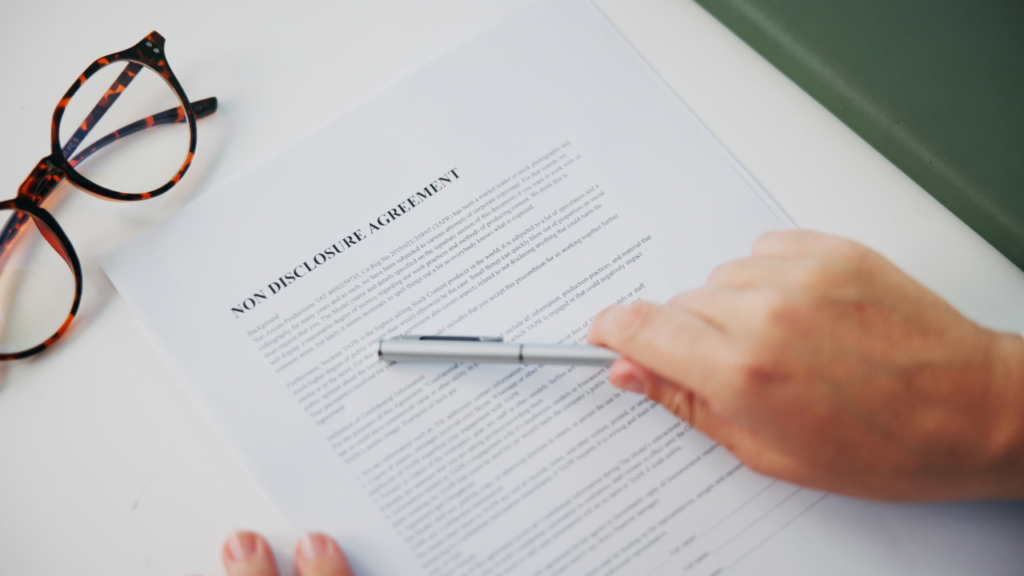
When you’re buying a home for the first time, it’s easy to focus on the exciting parts of the process. Looking at homes. Finding the right neighborhood. Getting your offer accepted. Planning where your furniture will go. But one of the most important parts of buying a home happens after your offer is accepted and before closing. It’s called reviewing disclosures. For many immigrant homebuyers, disclosures can feel overwhelming because they often contain unfamiliar terms, legal language, and detailed information about the property. You may find yourself wondering: The answer is yes. Disclosures are one of the most important tools buyers have for understanding a property’s history and condition before completing the purchase. Let’s walk through what disclosures are, why they matter, and how immigrant buyers can review them with confidence. What Are Real Estate Disclosures? A disclosure is information that a seller provides about a property. The purpose is to help buyers understand important facts that may affect the home’s value, condition, or desirability. In Minnesota, sellers are generally required to disclose known material facts about a property. A material fact is something that could influence a buyer’s decision to purchase the home. Disclosures help create transparency. They provide information that buyers may not discover during a simple showing. Why Disclosures Matter for First-Time Buyers Imagine purchasing a home and later discovering: These discoveries can be stressful and expensive. Disclosures help reduce surprises by sharing information the seller already knows. For immigrant buyers unfamiliar with Minnesota real estate practices, disclosures provide valuable insight into the property’s history. What Information Is Typically Included? Every property is different, but disclosures may address topics such as: The goal is helping buyers make informed decisions. Seller Knowledge Matters One important thing to understand is that sellers disclose what they know. Sellers are not expected to be professional inspectors. They are typically required to share known information about the property. For example: If a seller knows the basement flooded several times, that information may need to be disclosed. If a seller genuinely does not know about a hidden issue, it may not appear in the disclosure. This is one reason inspections remain important even when disclosures are provided. Reviewing the Property History One of the most valuable parts of disclosures is learning about the property’s history. Questions disclosures may answer include: This information helps buyers understand how the home has been maintained over time. Pay Attention to Water Issues In Minnesota, water-related disclosures deserve special attention. Because of snow, ice, rain, and seasonal weather conditions, water can affect homes in various ways. Look for references to: Not every water issue is serious. However, understanding the history helps you ask better questions. Review Roof Information Carefully Roofs are expensive to replace. Disclosures may include information about: If the roof is older, you may want additional information from your inspector. Understand Mechanical Systems Many Minnesota homes rely heavily on: Disclosures may indicate: Knowing system ages helps buyers prepare for future maintenance. Look for Remodeling and Improvements Many homes have undergone renovations. Disclosures may identify: If major work was completed, buyers may want to ask whether permits were obtained when required. Environmental Disclosures Some disclosures may address environmental concerns. Depending on the property, this could include information about: If concerns arise, buyers can often perform additional investigations during the inspection period. Read Every Page One common mistake first-time buyers make is assuming disclosures are routine paperwork. Some buyers skim documents without reading carefully. That’s a mistake. Every page may contain valuable information. Take your time. Review the documents carefully. Ask questions whenever something seems unclear. Don’t Panic Over Every Disclosure It’s important to remember that disclosures often contain a lot of information. Many items are completely normal. For example: Not every disclosure indicates a major problem. The goal is understanding the property, not finding perfection. How Disclosures Work With Inspections Some buyers mistakenly believe disclosures eliminate the need for inspections. They don’t. Disclosures and inspections work together. Disclosures tell you what the seller knows. Inspections evaluate the property’s current visible condition. Together they provide a more complete picture. Questions to Ask After Reviewing Disclosures After reviewing disclosures, you may want to ask: A good real estate agent can help you identify appropriate follow-up questions. What If You Don’t Understand Something? This is extremely common. Many first-time buyers, including native English speakers, find disclosures confusing. Never hesitate to ask questions. Your real estate agent can help explain: The goal is understanding the information before moving forward. Red Flags Worth Investigating While every property is unique, some disclosures may deserve additional attention. Examples include: Repeated Water Problems Recurring issues may warrant further investigation. Structural Concerns Foundation movement or structural repairs should be understood thoroughly. Major Insurance Claims Large claims may indicate prior significant damage. Ongoing Mechanical Problems Repeated HVAC, plumbing, or electrical issues may deserve closer review. Again, these items don’t automatically kill a deal. They simply require more information. Real Example Imagine you’re purchasing your first home in Minnesota. The disclosure indicates that the basement experienced water intrusion several years ago. At first, this sounds alarming. However, further review reveals: Without reviewing the disclosure carefully, you might never have learned this information. The disclosure didn’t necessarily reveal a deal-breaking problem. It provided useful context. That’s exactly why disclosures exist. Common Mistakes Buyers Make Not Reading the Entire Disclosure Every page matters. Assuming No Disclosure Means No Problem Disclosures reflect known information only. Ignoring Older Repairs Past issues can provide valuable insight into property history. Failing to Ask Questions Clarification is part of the process. Treating Disclosures as a Substitute for Inspections Both are important. Frequently Asked Questions Are disclosures required in Minnesota? In many situations, sellers must disclose known material facts about the property. Do disclosures guarantee there are no problems? No. They provide information known to the seller. Should I still get a home inspection? Absolutely. Inspections remain one of the most important buyer protections. What if I don’t understand something in the disclosure? Ask your