
What Areas in Minnesota Are Growing the Fastest? (2026 Homebuyer Guide)
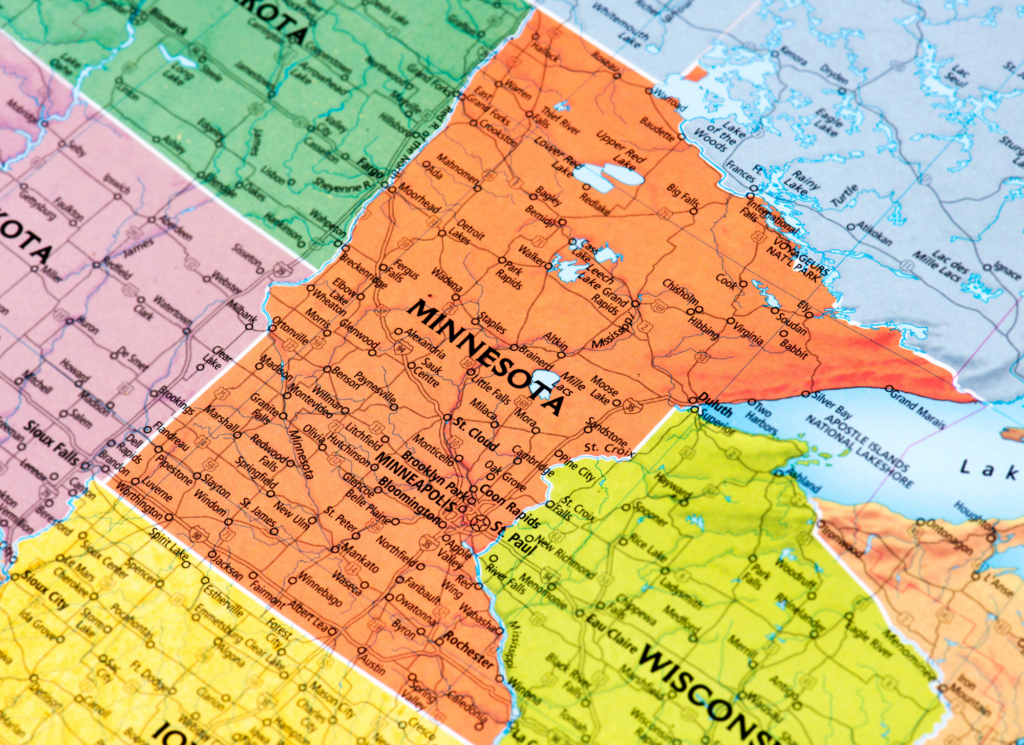
If you’re thinking about buying a home in Minnesota, one of the smartest questions you can ask is: 👉 “What areas in Minnesota are growing the fastest?” Because where you buy isn’t just about today… 👉 It’s about where the market is going. You might be wondering: The truth is: 👉 Minnesota has several fast-growing areas—but growth is driven by jobs, location, and new development. The Short Answer 👉 Some of the fastest-growing areas in Minnesota in 2026 include: 👉 These areas are growing because of: 👉 New construction, job access, and population demand 👉 Let’s break them down so you can see where the opportunities are What “Fast-Growing” Actually Means Before we jump into locations, let’s define this clearly. 👉 Growth isn’t just about population 👉 It also includes: 👉 Fast-growing areas often have: 👉 More opportunity—but also more competition 👉 That’s important to understand Woodbury (Consistent Growth + High Demand) 👉 Best for: 📈 Why Woodbury Is Growing 👉 One of the most desirable suburbs in the Twin Cities 👉 Growth driven by: 🏡 What This Means for Buyers 👉 High demand 👉 New construction options 👉 Strong long-term appreciation potential ⚖️ Trade-Off 👉 You get: 👉 But: Lakeville (Rapid Expansion + More Space) 👉 Best for: 📈 Why Lakeville Is Growing 👉 Expansion outward from the Twin Cities 👉 More land = more development 🏘️ What You’ll See 👉 New neighborhoods 👉 Larger homes 👉 More space for your money ⚖️ Trade-Off 👉 You get: 👉 But: Maple Grove (High Growth + Modern Living) 👉 Best for: 📈 Growth Factors 👉 Strong city planning 👉 Ongoing development of: 🏡 Buyer Advantage 👉 Access to: ⚖️ Trade-Off 👉 You get: 👉 But: Blaine (Emerging Growth Area) 👉 Best for: 📈 Why Blaine Is Growing 👉 Expanding north of the Twin Cities 👉 New developments increasing 💰 Affordability 👉 Still more affordable than top suburbs 👉 Strong upside potential ⚖️ Trade-Off 👉 You get: 👉 But: Otsego & Rogers (Outer Suburb Boom) 👉 Best for: 📈 Growth Pattern 👉 Expansion outward from Maple Grove 👉 More builders moving into these areas 🏡 What You’ll Find 👉 New construction 👉 Planned communities 👉 Lower price per square foot ⚖️ Trade-Off 👉 You get: 👉 But: Rochester (Steady Economic Growth) 👉 Best for: 💼 Growth Driver 👉 Mayo Clinic 👉 Continuous job demand 📈 Market Stability 👉 Less volatile than metro markets 👉 Steady appreciation ⚖️ Trade-Off 👉 You get: 👉 But: Shakopee (Underrated Growth Area) 👉 Best for: 📈 Why It’s Growing 👉 Proximity to: 🏡 What Buyers Like 👉 Mix of: ⚖️ Trade-Off 👉 You get: 👉 But: Why These Areas Are Growing 1. Job Access 👉 Proximity to: 2. New Construction 👉 Builders are expanding outward 👉 Creating: 3. Affordability Pressure 👉 Buyers priced out of inner suburbs 👉 Move outward 👉 Driving growth 4. Lifestyle Demand 👉 Buyers want: 👉 These factors drive expansion What Growth Means for Buyers This is important. 👉 Buying in a growing area can mean: 👉 But also: 👉 Growth = opportunity + trade-offs A Real Situation I See All the Time A buyer says: 👉 “I want to buy in the best area” 👉 But after reviewing: 👉 The focus shifts to: 👉 “Where is the opportunity going?” 👉 That’s where smart decisions happen Should You Buy in a Fast-Growing Area? 👉 It depends on your goals Good Fit If You Want: Maybe Not Ideal If You Want: 👉 Growth isn’t for everyone—but it can be powerful The Real Trade-Off Fast-Growing Areas 👉 Pros: 👉 Cons: Established Areas 👉 Pros: 👉 Cons: 👉 It depends on your strategy FAQ: Fastest Growing Areas in Minnesota What is the fastest-growing area in Minnesota?Suburbs like Woodbury, Lakeville, and Maple Grove continue to grow rapidly. Where should I buy for appreciation?Growing suburbs and expanding outer areas offer strong potential. Are growing areas more expensive?They can become more expensive as demand increases. Is new construction a good investment?It can be—especially in expanding areas. Final Thoughts Buying in a fast-growing area isn’t just about today… 👉 It’s about positioning yourself for the future Because where you buy can impact: 👉 Your home value👉 Your lifestyle👉 Your long-term equity 👉 Minnesota has strong growth areas—you just need to know where to look Next Step If you’re trying to find growing areas in Minnesota with the best opportunity, the next step is to explore what fits your budget and goals: 👉 https://buy.dreamhomesminnesota.com/ 👉 This will help you: Lesley The RealtorRealtor in the Twin Cities & Surrounding Metro, MinnesotaHelping buyers identify opportunity, understand growth, and make smart long-term decisions
What Are the Safest Areas in the Twin Cities? (2026 Homebuyer Guide)
If you’re thinking about buying a home in Minnesota, one of the most important questions you’ll ask is: 👉 “What are the safest areas in the Twin Cities?” Because this decision isn’t just about the home… 👉 It’s about where you feel comfortable, secure, and confident living every day. You might be wondering: The truth is: 👉 The Twin Cities has many safe areas—but safety depends heavily on the specific neighborhood, not just the city. The Short Answer 👉 Some of the safest areas in the Twin Cities in 2026 include: 👉 These areas are known for: 👉 Lower crime rates, strong communities, and family-friendly environments 👉 But there’s more to the story What “Safe” Actually Means When Buying a Home Before we dive into locations, let’s define this clearly. 👉 Safety isn’t just about crime statistics 👉 It also includes: 👉 Two areas in the same city can feel completely different 👉 That’s why: 👉 You should always evaluate at the neighborhood level Woodbury (One of the Safest Suburbs Overall) 👉 Best for: 🏘️ Why Woodbury Stands Out 👉 Consistently ranked as one of the safest suburbs 👉 Known for: 👨👩👧 Community Feel 👉 Family-focused 👉 Active neighborhoods and schools ⚖️ Trade-Off 👉 You get: 👉 But: Maple Grove (Safe + Fast-Growing) 👉 Best for: 📈 Why It’s Popular 👉 Rapid growth with strong city planning 👉 Known for: 🛍️ Lifestyle 👉 Access to: ⚖️ Trade-Off 👉 You get: 👉 But: Eden Prairie (Top-Tier Safety and Schools) 👉 Best for: 🎓 Why Buyers Choose It 👉 Strong school system 👉 Consistent safety rankings 🏘️ Community 👉 Established and stable 👉 Strong neighborhood identity ⚖️ Trade-Off 👉 You get: 👉 But: Plymouth (Balanced and Quiet) 👉 Best for: 🏡 What Makes Plymouth Stand Out 👉 Quiet, well-maintained neighborhoods 👉 Strong balance of: 📍 Location 👉 Close to Minneapolis 👉 Easy commuting ⚖️ Trade-Off 👉 You get: 👉 But: Lakeville (Safe + More Space) 👉 Best for: 🏡 What Living Here Feels Like 👉 Suburban + semi-rural feel 👉 Larger homes and lots 🛡️ Safety 👉 Lower population density 👉 Quieter neighborhoods ⚖️ Trade-Off 👉 You get: 👉 But: Edina (High-End + Very Safe) 👉 Best for: 🏘️ What Makes Edina Unique 👉 One of the most established suburbs 👉 Known for: 🛡️ Safety 👉 Consistently considered a very safe area ⚖️ Trade-Off 👉 You get: 👉 But: What About Minneapolis and St. Paul? This is where things require more nuance. 👉 Both cities have: 👉 It varies significantly by location 🏙️ Safer Areas in Minneapolis 👉 These areas are: 🏙️ Safer Areas in St. Paul 👉 Known for: 👉 Key takeaway: 👉 City living can be safe—but you need to choose carefully How to Evaluate Safety When Buying a Home This is critical. 1. Visit the Area at Different Times 👉 Day vs night can feel very different 2. Look at the Condition of Homes 👉 Well-maintained homes often indicate stronger neighborhoods 3. Talk to Neighbors 👉 Local insight is valuable 4. Check Local Data (Carefully) 👉 Use crime data as a reference—not the only factor 5. Work With a Local Expert 👉 This is where guidance matters most 👉 Safety is about: 👉 Patterns—not just numbers A Real Situation I See All the Time A buyer says: 👉 “I just want the safest area” 👉 But after we talk through: 👉 The focus shifts to: 👉 “What area feels right AND safe for me?” 👉 That’s the real decision The Real Trade-Off Suburbs 👉 Pros: 👉 Cons: City Living 👉 Pros: 👉 Cons: 👉 There’s no perfect answer—just the right fit FAQ: Safest Areas in the Twin Cities What is the safest suburb in the Twin Cities?Woodbury, Eden Prairie, and Maple Grove are consistently top choices. Are there safe areas in Minneapolis?Yes—areas like Southwest Minneapolis and Nokomis are popular and stable. Is it safer to live in the suburbs?Generally yes—but it depends on the specific neighborhood. How do I know if an area is safe?Look at overall environment, community, and local insight—not just crime stats. Final Thoughts Safety isn’t just about statistics… 👉 It’s about how a place feels when you live there Because the right neighborhood should give you: 👉 Comfort👉 Confidence👉 Peace of mind 👉 And the Twin Cities offers many options—you just need to find the right one Next Step If you’re trying to figure out which areas in the Twin Cities feel safe AND fit your lifestyle, the next step is to narrow it down based on your situation: 👉 https://buy.dreamhomesminnesota.com/ 👉 This will help you: Lesley The RealtorRealtor in the Twin Cities & Surrounding Metro, MinnesotaHelping buyers find the right home in the right neighborhood—with confidence and clarity
What Are the Pros and Cons of Living in Minnesota? (2026 Complete Guide)

If you’re thinking about moving to Minnesota, one of the most important questions you’ll ask is: 👉 “What are the pros and cons of living in Minnesota?” Because this isn’t just about finding a house… 👉 It’s about understanding what your everyday life will actually feel like. You might be wondering: The truth is: 👉 Minnesota offers a high quality of life—but like any place, it comes with trade-offs. The Short Answer 👉 Pros of living in Minnesota: 👉 Cons of living in Minnesota: 👉 Let’s break this down so you can decide if it’s right for YOU The Biggest Advantages of Living in Minnesota ✅ 1. Strong Job Market and Economic Stability One of the biggest reasons people move to Minnesota is: 👉 Opportunity 💼 What Makes the Job Market Strong Minnesota has a diverse economy with major industries like: 👉 The Twin Cities in particular offer: 👉 This is especially important if you’re relocating ✅ 2. High Quality of Life Minnesota consistently ranks high for quality of life—and there’s a reason for that. 🏡 What That Actually Means 👉 You get: 👉 Life here feels: 👉 Structured and stable 🧘 Daily Living 👉 Less chaos compared to major cities 👉 More focus on: 👉 This is a big draw for many buyers ✅ 3. Great for Families Minnesota is widely considered one of the best states for raising a family. 🎓 Schools 👉 Strong public school systems 👉 Suburbs like: 👉 Are especially popular with families 👨👩👧 Community 👉 Family-oriented neighborhoods 👉 Safe environments (in many suburbs) 👉 This creates: 👉 Long-term stability ✅ 4. Outdoor Lifestyle and Natural Beauty Minnesota is known as: 👉 “The Land of 10,000 Lakes” 🌲 What That Means for You 👉 Easy access to: 🌊 Lifestyle Impact 👉 Outdoor activities are part of everyday life 👉 Especially in summer and fall 👉 This adds a unique quality to living here ✅ 5. More Affordable Than Coastal States Compared to places like: 👉 Minnesota is more affordable 🏡 Housing 👉 You typically get: 👉 More space for your money 👉 Especially in suburbs and smaller cities 💰 Overall Cost 👉 Cost of living is: 👉 Moderate and manageable 👉 This makes homeownership more realistic The Downsides of Living in Minnesota Now let’s talk about the other side—because this matters just as much. ❌ 1. Long, Cold Winters This is the biggest drawback for most people. ❄️ What Winter Is Really Like 👉 Winter lasts: 👉 Several months 🧊 Daily Impact 👉 You’ll need to: 👉 For some people: 👉 This is a dealbreaker 👉 For others: 👉 It’s just part of life ❌ 2. Higher Taxes Minnesota has: 👉 Higher taxes than some states 💰 What This Includes 👉 While you get strong public services: 👉 It’s something to factor into your budget ❌ 3. Seasonal Lifestyle Changes Living in Minnesota means: 👉 Your lifestyle changes throughout the year 🌓 What That Looks Like Winter: Summer: 👉 Some people love this variety 👉 Others prefer consistency ❌ 4. Slower Pace Compared to Major Cities If you’re coming from: 👉 Minnesota may feel: 👉 Slower and quieter 🏙️ What This Means 👉 Less: 👉 More: 👉 This can be a pro or a con depending on your lifestyle ❌ 5. Social Adjustment (Minnesota Nice) You may hear the term: 👉 “Minnesota Nice” 🤝 What It Means 👉 People are: 👉 But sometimes: 👉 More reserved 👉 It may take time to: 👉 Build deeper connections 👉 This is something many newcomers notice A Real Situation I See All the Time A buyer moves from a high-cost state and says: 👉 “This is so much more affordable and peaceful” Another buyer says: 👉 “I didn’t expect winter to affect my lifestyle this much” 👉 Both are true 👉 It comes down to: 👉 What matters most to YOU Who Minnesota Is a Great Fit For 👉 Minnesota is ideal if you: Who Minnesota May NOT Be Ideal For 👉 It may not be the best fit if you: 👉 This is about lifestyle alignment The Real Trade-Off Minnesota Gives You: But You Trade: 👉 That’s the real decision FAQ: Living in Minnesota Is Minnesota a good place to live in 2026?Yes—especially for families and buyers seeking balance and affordability. What is the biggest downside of living in Minnesota?The long, cold winters. Is Minnesota expensive?Moderate—but more affordable than many major states. Do people enjoy living in Minnesota?Yes—especially those who embrace the lifestyle. Final Thoughts Living in Minnesota isn’t about perfection… 👉 It’s about balance Because what you get here is: 👉 A stable, affordable, and high-quality lifestyle 👉 But you need to be comfortable with: 👉 The trade-offs—especially the weather 👉 If that balance works for you: 👉 Minnesota can be an incredible place to call home Next Step If you’re trying to decide whether Minnesota is the right move for you, the next step is to explore where you’d fit best: 👉 https://buy.dreamhomesminnesota.com/ 👉 This will help you: Lesley The RealtorRealtor in the Twin Cities & Surrounding Metro, MinnesotaHelping buyers relocate, weigh their options, and confidently decide where to live
What Are the Best Cities to Live in Minnesota? (2026 Complete Homebuyer Guide)

If you’re thinking about moving to Minnesota, one of the first—and most important—questions you’ll ask is: 👉 “What are the best cities to live in Minnesota?” Because this decision isn’t just about where you buy a house… 👉 It’s about how you live every single day. You’re probably trying to figure out: The truth is: 👉 Minnesota has a wide range of great cities—but the “best” one depends on your lifestyle, budget, and long-term goals. The Short Answer 👉 The best cities to live in Minnesota in 2026 include: 👉 Each of these offers a completely different experience 👉 So instead of asking: 👉 “What’s the best city?” 👉 The better question is: 👉 “What’s the best city for YOU?” Minneapolis (Best for City Living and Career Opportunities) 👉 Best for: 🏙️ What Living in Minneapolis Feels Like Minneapolis is the largest city in Minnesota and offers the most “big city” experience in the state. 👉 You’ll find: 👉 Areas like: 👉 Are especially popular 💼 Job Market Minneapolis is one of the strongest job hubs in the Midwest. 👉 Major industries include: 👉 Many Fortune 500 companies are based here 👉 This is a huge advantage for buyers relocating for work 🏡 Housing 👉 You’ll find: 👉 Prices vary depending on location and demand ⚖️ Trade-Off 👉 You get: 👉 But you trade: St. Paul (Best for Balance and Character) 👉 Best for: 🏡 What Living in St. Paul Feels Like St. Paul offers a more relaxed pace compared to Minneapolis. 👉 Known for: 👉 It feels more traditional and residential 💰 Affordability 👉 Generally more affordable than Minneapolis 👉 Great option for buyers entering the market 🎯 Lifestyle 👉 You still get: 👉 But with: 👉 Less noise and congestion ⚖️ Trade-Off 👉 You get: 👉 But you trade: Woodbury (Best for Families and Suburban Living) 👉 Best for: 🏘️ What Living in Woodbury Feels Like Woodbury is one of the most popular suburbs in the Twin Cities. 👉 Known for: 🎓 Schools 👉 One of the biggest reasons families move here 👉 Strong school systems and reputation 🛍️ Lifestyle 👉 Everything is close: 👉 Daily life feels: 👉 Easy and efficient ⚖️ Trade-Off 👉 You get: 👉 But you trade: Maple Grove (Best for Growth and New Construction) 👉 Best for: 📈 What Makes Maple Grove Popular Maple Grove is one of the fastest-growing areas in Minnesota. 👉 You’ll see: 🏡 Housing 👉 Primarily: 👉 Great for buyers who want move-in ready properties 🚗 Location 👉 Easy access to Minneapolis 👉 Ideal for commuting ⚖️ Trade-Off 👉 You get: 👉 But you trade: Rochester (Best for Affordability and Stability) 👉 Best for: 💼 Economy 👉 Driven by: 👉 Mayo Clinic 👉 Provides: 💰 Cost of Living 👉 More affordable than Twin Cities 👉 Easier entry point for buyers 🏡 Lifestyle 👉 Smaller city feel 👉 Less traffic, slower pace ⚖️ Trade-Off 👉 You get: 👉 But you trade: Duluth (Best for Lifestyle and Nature) 👉 Best for: 🌲 What Living in Duluth Feels Like Located on Lake Superior, Duluth offers one of the most unique living experiences in Minnesota. 👉 Known for: 🏡 Housing 👉 More affordable than many metro areas 👉 Unique homes with character 🌊 Lifestyle 👉 Life revolves around: ⚖️ Trade-Off 👉 You get: 👉 But you trade: How to Choose the Best City for You This is where most buyers get stuck. 👉 The “best” city depends on: 1. Your Budget 2. Your Lifestyle 3. Your Job Situation 4. Your Long-Term Plans 👉 These matter more than any list A Real Situation I See All the Time A buyer asks: 👉 “What’s the best city in Minnesota?” 👉 After we talk through: 👉 The answer becomes: 👉 Completely different for each person 👉 That’s the key The Real Trade-Off City Living (Minneapolis / St. Paul) 👉 Pros: 👉 Cons: Suburban Living (Woodbury / Maple Grove) 👉 Pros: 👉 Cons: Smaller Cities (Rochester / Duluth) 👉 Pros: 👉 Cons: 👉 There’s no perfect option—just the right fit FAQ: Best Cities in Minnesota What is the best city to live in Minnesota?It depends—Minneapolis for city life, Woodbury for families, Duluth for lifestyle. What is the most affordable city?Rochester and Duluth tend to be more affordable. What is the best suburb?Woodbury and Maple Grove are top choices. Is Minnesota a good place to live?Yes—especially for buyers looking for balance and quality of life. Final Thoughts The best city in Minnesota isn’t about rankings… 👉 It’s about alignment Because where you live should match: 👉 Your budget👉 Your lifestyle👉 Your goals 👉 Minnesota gives you options—and that’s its biggest strength Next Step If you’re trying to figure out which city in Minnesota is right for you, the next step is to narrow it down based on your situation: 👉 https://buy.dreamhomesminnesota.com/ 👉 This will help you: Lesley The RealtorRealtor in the Twin Cities & Surrounding Metro, MinnesotaHelping buyers compare cities, understand their options, and find the right place to call home
Is Minnesota a Good Place to Live in 2026? (Full Guide for Homebuyers)

If you’re thinking about moving, one of the first questions you’ll probably ask is: 👉 “Is Minnesota a good place to live?” Because this isn’t just about buying a house… 👉 It’s about your lifestyle, your daily routine, your career, and your long-term future. You might be wondering: The truth is: 👉 Minnesota can be an incredible place to live—but it depends on what you’re looking for. The Short Answer 👉 Yes—Minnesota is a great place to live for many people in 2026 👉 Especially if you value: 👉 But: 👉 It’s not the right fit for everyone 👉 Let’s break it down so you can decide Cost of Living in Minnesota One of the biggest reasons people move here: 👉 Affordability (compared to coastal states) 🏡 Housing Costs 👉 Minnesota offers: 👉 In areas like: 👉 You generally get: 👉 More home for your money 🛒 Daily Living Costs 👉 Groceries, gas, and utilities are: 👉 Around the national average 👉 Some costs (like heating) can be higher in winter 👉 Overall: 👉 Manageable for most households Job Market and Economy Minnesota has a strong and diverse economy. 💼 Major Industries 👉 Twin Cities (Minneapolis–St. Paul) is: 👉 The economic hub 👉 Many Fortune 500 companies are based here 💡 Job Opportunities 👉 Strong opportunities for: 👉 Unemployment rates are typically: 👉 Lower than the national average 👉 This is a big advantage Quality of Life This is where Minnesota really stands out. 🌳 Outdoor Lifestyle 👉 Minnesota is known as: 👉 “The Land of 10,000 Lakes” 👉 You’ll have access to: 👉 Outdoor living is a big part of life here 🏙️ City + Suburban Balance 👉 You get: 👉 This flexibility is a huge benefit Is Minnesota Good for Families? 👉 Yes—this is one of its strongest advantages 👨👩👧 Family-Friendly Areas 👉 Suburbs like: 👉 Are especially popular with families 🎓 Education 👉 Minnesota has: 👉 Education is a priority here Weather (Let’s Be Honest) This is the biggest concern for most people. ❄️ Winters 👉 Long and cold 👉 Temperatures can drop: 👉 Well below freezing 👉 Snow is common 🌤️ Summers 👉 Warm and beautiful 👉 Perfect for outdoor activities 👉 Reality: 👉 You need to be comfortable with winter 👉 If you are: 👉 The lifestyle can be amazing Safety and Community 🛡️ Safety 👉 Many suburban areas are: 👉 Very safe 👉 Cities vary by neighborhood 👉 Like any metro area: 👉 Location matters 🤝 Community Feel 👉 Minnesota is known for: 👉 “Minnesota Nice” 👉 People are generally: 👉 It may take time to build connections—but it’s there A Real Situation I See All the Time A buyer relocates from: 👉 A high-cost state 👉 They’re surprised by: Another buyer: 👉 Struggles with winter 👉 And realizes: 👉 Climate matters more than expected 👉 Both experiences are real The Pros of Living in Minnesota ✅ Strong job market ✅ Affordable housing (relative to other states) ✅ Great for families ✅ Outdoor lifestyle ✅ Balanced city + suburban options The Cons of Living in Minnesota ❌ Long, cold winters ❌ Snow and weather challenges ❌ Higher taxes compared to some states ❌ Slower social integration for newcomers 👉 It’s about trade-offs Who Minnesota Is BEST For 👉 Minnesota is a great fit if you: Who Minnesota May NOT Be Ideal For 👉 It may not be the best fit if you: FAQ: Living in Minnesota Is Minnesota a good place to live in 2026?Yes—especially for families, professionals, and buyers seeking affordability. Is Minnesota expensive?Moderate—but more affordable than many major states. Is it hard to live in Minnesota winters?It can be—but many people adapt. Is Minnesota a good place to raise a family?Yes—strong schools and safe communities. Final Thoughts Minnesota isn’t just a place to live… 👉 It’s a place that offers balance Because you’re getting: 👉 But you’re also accepting: 👉 The reality of the climate 👉 If that trade-off works for you: 👉 Minnesota can be an incredible place to call home Next Step If you’re thinking about moving to Minnesota and trying to figure out where you fit best, the next step is to explore your options: 👉 https://buy.dreamhomesminnesota.com/ 👉 This will help you: Lesley The RealtorRealtor in the Twin Cities & Surrounding Metro, MinnesotaHelping buyers relocate, compare communities, and find the right place to call home
Is Minneapolis or the Suburbs Better for Buying a Home? (2026 Minnesota Guide)

If you’re thinking about buying a home in Minnesota, one of the biggest decisions you’ll face is: 👉 “Should I buy in Minneapolis… or in the suburbs?” Because this isn’t just about price or location… 👉 It’s about how you want to live every day. You might be wondering: The truth is: 👉 Both Minneapolis and the suburbs are great options—but they offer very different experiences. The Short Answer 👉 Choose Minneapolis if you want: 👉 Choose the suburbs if you want: 👉 Minneapolis = Lifestyle + convenience👉 Suburbs = Space + structure 👉 Now let’s break this down so you can decide what fits YOU What Living in Minneapolis Feels Like 🏙️ Daily Life in the City Living in Minneapolis means: 👉 You’re close to everything 👉 Your day might look like: 👉 Life feels: 👉 More active and connected 🏡 Housing in Minneapolis 👉 You’ll find: 👉 Homes tend to be: 👉 Older with more character 👉 But may require: 👉 Maintenance or updates 🚶 Lifestyle Benefits 👉 Walkability 👉 Public transportation 👉 Entertainment 👉 Ideal for: ⚖️ Trade-Off 👉 You get: 👉 But you trade: What Living in the Suburbs Feels Like 🏡 Daily Life in the Suburbs Living in the suburbs means: 👉 More space and structure 👉 Your day might look like: 👉 Life feels: 👉 More predictable and relaxed 🏘️ Housing in the Suburbs 👉 You’ll find: 👉 Homes are often: 👉 Move-in ready 👉 Less maintenance upfront 🌳 Lifestyle Benefits 👉 Parks and trails 👉 Schools and family activities 👉 Less congestion 👉 Ideal for: ⚖️ Trade-Off 👉 You get: 👉 But you trade: Cost Comparison: Minneapolis vs Suburbs 💰 Minneapolis 👉 Higher cost per square foot 👉 Smaller homes for the price 👉 But: 👉 Prime location 💰 Suburbs 👉 More space for your money 👉 Larger homes at similar or slightly higher prices 👉 Better value in terms of size 👉 Key Difference: Commute and Accessibility 🚗 Minneapolis 👉 Shorter commutes 👉 Easier access to: 🚗 Suburbs 👉 Longer commutes (depending on location) 👉 More driving required 👉 But: 👉 Less traffic within neighborhoods 👉 Key Difference: Schools and Family Considerations 🎓 Minneapolis 👉 Schools vary by neighborhood 👉 More options—but requires research 🎓 Suburbs 👉 Known for: 👉 Major reason families choose suburbs 👉 Key Difference: Safety and Environment 🛡️ Minneapolis 👉 Varies significantly by neighborhood 👉 Some areas are very safe 👉 Others require more research 🛡️ Suburbs 👉 Generally: 👉 Lower crime rates 👉 More consistent environment 👉 Key Difference: Lifestyle Differences (This Is the Real Decision) 🏙️ Choose Minneapolis If You Want: 🏡 Choose the Suburbs If You Want: 👉 This is the REAL trade-off A Real Situation I See All the Time A buyer says: 👉 “I love the city—but I want more space” 👉 They look at suburbs: Another buyer: 👉 Starts in the suburbs 👉 Then realizes: 👉 They want walkability and energy 👉 The decision comes down to: 👉 Daily lifestyle—not just the house The Real Trade-Off Minneapolis Gives You: But You Trade: Suburbs Give You: But You Trade: 👉 That’s the real decision Who Should Choose Minneapolis 👉 Choose Minneapolis if you: Who Should Choose the Suburbs 👉 Choose the suburbs if you: FAQ: Minneapolis vs Suburbs Is it better to live in Minneapolis or the suburbs?It depends on your lifestyle—city for convenience, suburbs for space. Are suburbs cheaper than Minneapolis?Not always—but they offer more space for the price. Is Minneapolis good for first-time buyers?Yes—especially for those wanting city living. Why do families choose the suburbs?Schools, space, and safety are major factors. Final Thoughts Choosing between Minneapolis and the suburbs isn’t about: 👉 Which is better 👉 It’s about: 👉 Which fits your life Because where you live will shape: 👉 Your routine👉 Your time👉 Your daily experience 👉 Minneapolis offers: 👉 Lifestyle and access 👉 The suburbs offer: 👉 Space and stability 👉 Both are great—but for different reasons Next Step If you’re trying to decide between Minneapolis or the suburbs in Minnesota, the next step is to map out what fits your lifestyle and budget: 👉 https://buy.dreamhomesminnesota.com/ 👉 This will help you: Lesley The RealtorRealtor in the Twin Cities & Surrounding Metro, MinnesotaHelping buyers choose the right location based on lifestyle, budget, and long-term goals
What Is the Home Inspection Process in Minnesota? (2026 Guide)
If you’re buying a home, there’s one step that almost every buyer has questions about: 👉 “What exactly happens during the home inspection?” Because this is the moment where things can feel uncertain. You might be wondering: The truth is: 👉 The home inspection is not something to fear—it’s something that protects you. And once you understand how the process works: 👉 You’ll feel much more confident moving forward. The Short Answer 👉 A home inspection is: 👉 A professional evaluation of the home’s condition 👉 It usually happens: 👉 Within 5–10 days after your offer is accepted 👉 And it helps you: 👉 It’s one of the most important steps in the entire process Why the Home Inspection Matters Before you buy a home: 👉 You want to know what you’re walking into Because even if a home looks great on the surface… 👉 There may be things you can’t see The inspection helps uncover: 👉 It gives you clarity 👉 And clarity gives you confidence What Happens During a Home Inspection? Let’s walk through this step-by-step. Step 1: You Hire a Licensed Inspector After your offer is accepted: 👉 You’ll schedule a home inspection 👉 Your REALTOR® will usually: 👉 Inspections typically take: 👉 2–4 hours, depending on the home Step 2: The Inspector Evaluates the Home The inspector examines the property from top to bottom. They look at: 1. Structure 2. Roof 3. Plumbing 4. Electrical System 5. HVAC (Heating & Cooling) 6. Exterior 7. Interior 👉 They are looking for: 👉 Safety, function, and condition—not perfection Step 3: You Can Attend the Inspection This is highly recommended. 👉 Why? Because you can: 👉 The inspector may point out: 👉 This is a learning opportunity—not just a report Step 4: You Receive the Inspection Report After the inspection: 👉 You’ll receive a detailed report 👉 This includes: 👉 It may look overwhelming at first 👉 That’s normal 👉 Every home—even new ones—will have items on the report Step 5: Review the Report With Your REALTOR® This is where guidance matters most. 👉 Your REALTOR® helps you: 👉 Not everything needs to be fixed 👉 This step is about prioritizing Step 6: Decide How to Move Forward After reviewing the inspection, you have options. Option 1: Move Forward As-Is 👉 If everything looks acceptable Option 2: Request Repairs 👉 Ask the seller to fix specific issues Option 3: Request a Credit 👉 Ask for money toward repairs instead of having them done Option 4: Renegotiate 👉 Adjust price or terms Option 5: Walk Away (If Needed) 👉 If there are major concerns and your contract allows it 👉 This is why the inspection contingency exists 👉 It protects you What Kind of Issues Are “Normal”? This is important to understand. 👉 No home is perfect Common findings include: 👉 These are expected 👉 They’re not deal-breakers What Kind of Issues Are More Serious? 👉 Things that may raise concern: 👉 These require closer attention and strategy A Real Situation I See All the Time A buyer gets the inspection report… 👉 And feels overwhelmed Because it lists: 👉 20–40 items 👉 But after reviewing: 👉 That’s where guidance makes the difference The Biggest Misconceptions ❌ “If the inspection finds issues, I shouldn’t buy the home” 👉 Not true 👉 Almost every home has issues 👉 It’s about understanding them—not avoiding them ❌ “The seller has to fix everything” 👉 Not necessarily 👉 Everything is negotiable ❌ “The inspection is just a formality” 👉 It’s actually one of the most important steps 👉 It protects your investment What the Inspection Does NOT Do It’s also important to know what inspection is NOT. 👉 It does NOT: 👉 It’s a general evaluation—not a guarantee How to Approach the Inspection the Right Way 👉 Think of it as: 👉 Information—not a deal killer 👉 Your goal is: 👉 Not panic over every detail The Role of the Right REALTOR® This is where everything becomes clearer. 👉 The right REALTOR® helps you: 👉 And most importantly: 👉 Keep you from overreacting—or underreacting Resources Matter A well-connected REALTOR® can also connect you with: 👉 So you can evaluate issues properly 👉 Not guess What Happens After the Inspection? Once everything is resolved: 👉 You move forward in the process 👉 Next steps include: 👉 You’re moving closer to ownership Who This Applies To First-Time Buyers Buyers Under Contract Relocation Buyers 👉 This is one of the most important phases FAQ: Home Inspection in Minnesota What is a home inspection?A professional evaluation of a home’s condition. How long does it take?Usually 2–4 hours. Can I attend the inspection?Yes—and it’s highly recommended. What happens if issues are found?You can negotiate, request repairs, or move forward. Final Thoughts The home inspection isn’t something to be afraid of… 👉 It’s something designed to protect you Because buying a home isn’t just about how it looks… 👉 It’s about what’s behind the walls And once you understand: 👉 You move forward with confidence Because the goal isn’t to find a “perfect” home… 👉 It’s to make a smart, informed decision Next Step If you’re thinking about buying a home in the Twin Cities & surrounding metro Minnesota, the next step is to understand your process and get connected with the right resources: 👉 https://buy.dreamhomesminnesota.com/ 👉 This will help you: Lesley The RealtorRealtor in the Twin Cities & Surrounding Metro, MinnesotaHelping buyers navigate inspections, negotiations, and the home buying process with clarity and confidence
What Happens After My Offer Is Accepted in Minnesota? (2026 Step-by-Step Guide)

You’ve found the home…You made an offer… 👉 And it got accepted. Now what? If you’re like most buyers, this is the moment where excitement meets uncertainty. You might be thinking: The truth is: 👉 Getting your offer accepted is a big step—but it’s not the finish line. 👉 It’s the beginning of the final phase of the home buying process. And once you understand what happens next: 👉 Everything becomes much more manageable. The Short Answer 👉 After your offer is accepted, you enter the closing process, which typically takes: 👉 30 to 45 days During this time, you will: 👉 Let’s walk through this step-by-step Step 1: You’re Officially Under Contract Once your offer is accepted: 👉 You are now “under contract” 👉 This means: 👉 This is when things start moving quickly Step 2: Earnest Money Deposit Shortly after acceptance: 👉 You’ll submit earnest money 👉 This is: 👉 It’s typically submitted within a few days 👉 This step locks in your commitment Step 3: Schedule the Home Inspection This is one of the most important steps. 👉 You’ll hire an inspector to evaluate the home They’ll check: 👉 This helps uncover issues you may not see What Happens After the Inspection? You’ll review the report and decide: 👉 This is a key negotiation point 👉 And where guidance matters most Step 4: Loan Processing Begins While inspections are happening: 👉 Your lender is working behind the scenes 👉 They will: 👉 This is called underwriting 👉 It’s one of the most important steps in the process Step 5: The Appraisal Your lender will order an appraisal. 👉 This determines: 👉 If the home is worth the purchase price Two Possible Outcomes: 👉 If it appraises at value: → You move forward 👉 If it comes in low: → You may renegotiate→ Adjust terms→ Or reassess 👉 This step protects both you and the lender Step 6: Stay Financially Stable (Very Important) During this time: 👉 Avoid making major financial changes That means: 👉 Why? 👉 Because your loan is still being finalized 👉 Any changes could affect your approval 👉 This is one of the most overlooked steps Step 7: Meet Contract Deadlines Your contract includes: 👉 Important deadlines These may include: 👉 Missing deadlines can create issues 👉 This is where having the right guidance helps Step 8: Final Loan Approval (“Clear to Close”) Once everything is verified: 👉 Your lender gives you: 👉 Clear to Close 👉 This means: 👉 Your loan is fully approved 👉 You’re almost at the finish line Step 9: Final Walkthrough Before closing: 👉 You’ll do a final walkthrough of the home 👉 This ensures: 👉 This is your last check before closing Step 10: Closing Day 🎉 This is the final step. 👉 You will: 👉 Once everything is complete: 👉 You receive your keys 👉 You are officially a homeowner How Long Does This Entire Process Take? 👉 Typically: 👉 30 to 45 days from acceptance to closing 👉 Sometimes faster 👉 Rarely much longer (if everything is smooth) 👉 This part of the process is structured and predictable What Most Buyers Don’t Expect This phase can feel: 👉 But it’s also very organized 👉 You’ll have clear steps and timelines 👉 You’re not guessing—you’re progressing A Real Situation I See All the Time A buyer gets their offer accepted… 👉 And then thinks: 👉 “Okay, I’m done” But then: 👉 And it feels overwhelming Now compare that to a prepared buyer: 👉 They know what’s coming 👉 They stay on track 👉 They move through the process confidently 👉 Same process—different experience The Biggest Misconceptions ❌ “Once my offer is accepted, I’m basically done” 👉 You’re actually entering the most important phase ❌ “This part is complicated” 👉 It’s structured—especially with the right guidance ❌ “I just wait for closing” 👉 You’re actively moving through steps 👉 Understanding this reduces stress The Role of the Right REALTOR® This is where everything becomes easier. 👉 The right REALTOR® helps you: 👉 And most importantly: 👉 Keep the process smooth Resources Matter A well-connected REALTOR® coordinates with: 👉 So everything moves efficiently 👉 You’re not managing it alone What You Should Focus On as a Buyer During this phase, your job is simple: 👉 Respond quickly to your lender 👉 Review documents 👉 Ask questions when unsure 👉 Stay financially stable 👉 That’s it 👉 The rest is guided Who This Applies To First-Time Buyers Buyers Under Contract Relocation Buyers 👉 This is one of the most important phases FAQ: After Offer Acceptance in Minnesota What happens after my offer is accepted?You enter the closing process, including inspection, appraisal, and loan approval. How long does it take to close?Typically 30–45 days. Can I still back out after my offer is accepted?It depends on your contingencies (inspection, financing, etc.). What is the most important step?Inspection and loan approval are critical. Final Thoughts Getting your offer accepted is a big milestone… 👉 But it’s just the beginning of the final phase Because this is where everything: And once you understand: 👉 You move forward with confidence Because the goal isn’t just to get under contract… 👉 It’s to get to the closing table successfully Next Step If you’re thinking about buying a home in the Twin Cities & surrounding metro Minnesota, the next step is to understand your process and what your timeline would look like: 👉 https://buy.dreamhomesminnesota.com/ 👉 This will help you: Lesley The RealtorRealtor in the Twin Cities & Surrounding Metro, MinnesotaHelping buyers navigate the home buying process from offer to closing with clarity and confidence
How Much Should I Offer on a House in Minnesota? (2026 Guide)

If you’re getting ready to buy a home, one of the biggest questions you’ll face is: 👉 “How much should I actually offer?” Because this is the moment where everything feels real. You might be thinking: And this is where many buyers feel stuck. The truth is: 👉 There is no one-size-fits-all answer—but there is a strategy. And once you understand how offers actually work: 👉 You can make decisions with confidence instead of guesswork. The Short Answer 👉 The right offer depends on: 👉 Sometimes you offer: 👉 The key is: 👉 Making a strong, informed offer—not just a higher one Why This Question Matters So Much Your offer determines: 👉 A weak offer can lose the home 👉 An unstrategic offer can cost you money 👉 That’s why this step matters more than most buyers realize Step 1: Understand the Asking Price (It’s Not Always the Value) Here’s something important: 👉 The list price is NOT always the true value Homes can be: 👉 So before deciding your offer: 👉 You need to understand what the home is actually worth 👉 This is where guidance matters Step 2: Know the Market Conditions Your offer strategy depends heavily on the market. In a Competitive Market (Common in Twin Cities) 👉 You may need to: 👉 Multiple offers are more likely In a Balanced or Slower Market 👉 You may be able to: 👉 Strategy shifts based on conditions Step 3: Consider How Long the Home Has Been on the Market This gives you clues. If the home just listed: 👉 Higher chance of competition 👉 Stronger offer may be needed If the home has been sitting: 👉 Seller may be more flexible 👉 Opportunity to negotiate 👉 Timing matters Step 4: Understand Competition Ask: 👉 “Are there other offers?” If yes: 👉 You may need to: If no: 👉 You may have more room to negotiate 👉 This is a key factor Step 5: Look Beyond Price (This Is Where Most Buyers Miss It) Here’s a big mistake: 👉 Thinking price is everything 👉 It’s not Sellers also care about: 👉 A strong offer is: 👉 Price + terms + confidence Example of a Strong Offer Two buyers offer the same price: 👉 Buyer A: 👉 Buyer B: 👉 Seller chooses Buyer B 👉 Same price—different outcome Step 6: Know Your Comfort Zone This is critical. 👉 Ask yourself: 👉 Because in competitive situations: 👉 It’s easy to get caught up emotionally 👉 You don’t want to: 👉 Win the house and regret the price 👉 Strategy + discipline matter Step 7: Avoid Overpaying Without Strategy Offering above asking isn’t always bad… 👉 But it should be: 👉 Based on value—not emotion 👉 You want to know: 👉 Not just: 👉 “I really want it” A Real Situation I See All the Time A buyer says: 👉 “I don’t want to overpay” So they offer low… 👉 And lose the home Another buyer: 👉 Offers strategically 👉 Wins the home at a fair price 👉 The difference isn’t just price—it’s strategy The Biggest Misconceptions ❌ “I should always offer below asking” 👉 Not always—this can lose the home in competitive markets ❌ “I need to go way over asking to win” 👉 Not always—terms and strategy matter just as much ❌ “The highest offer always wins” 👉 Not always—the strongest offer wins 👉 That’s a key difference What Smart Buyers Do Differently 👉 They: 👉 This leads to better outcomes The Role of the Right REALTOR® This is where everything becomes clearer. 👉 The right REALTOR® helps you: 👉 And most importantly: 👉 Help you make the right decision—not just any decision Resources + Insight Matter A well-connected REALTOR® knows: 👉 That insight can be the difference between: 👉 Winning and losing What Should YOU Offer? Let’s simplify this: 👉 If the home is: New + competitive → Strong offer (at or above asking) 👉 If the home is: Sitting longer → Opportunity to negotiate 👉 If there are: Multiple offers → Strategy matters more than price alone 👉 Always: 👉 Stay within your comfort zone Who This Applies To First-Time Buyers Buyers in Competitive Markets Relocation Buyers 👉 This is one of the most important steps FAQ: Making an Offer in Minnesota Should I offer asking price?It depends on the market and competition. Do I need to go above asking?Sometimes—but not always. What makes an offer strong?Price, terms, and certainty. Can I negotiate after offering?Yes—especially after inspection. Final Thoughts There’s no “perfect” offer… 👉 But there is a smart one Because buying a home isn’t about: 👉 Winning at any cost 👉 It’s about: 👉 Making the right move for your situation And when you understand: 👉 You don’t guess 👉 You decide with confidence Next Step If you’re thinking about buying a home in the Twin Cities & surrounding metro Minnesota, the next step is to understand your buying power and build your offer strategy: 👉 https://buy.dreamhomesminnesota.com/ 👉 This will help you: Lesley The RealtorRealtor in the Twin Cities & Surrounding Metro, MinnesotaHelping buyers navigate offers, negotiations, and the home buying process with clarity and strategy
What Mistakes Should First-Time Homebuyers Avoid in Minnesota? (2026 Guide)
If you’re thinking about buying your first home, you’ve probably asked yourself: 👉 “What should I NOT do?” Because let’s be honest… Buying your first home is exciting—but it can also feel like: And that’s completely normal. Most first-time buyers aren’t worried about the process… 👉 They’re worried about making a mistake they didn’t see coming. The truth is: 👉 Most homebuyer mistakes are avoidable—once you know what to look for. And understanding these upfront can save you: 👉 Time, money, and unnecessary stress. The Short Answer 👉 The biggest mistakes first-time buyers make are: 👉 The good news? 👉 Every one of these can be avoided with the right guidance. Why This Matters More Than You Think Buying a home isn’t just a purchase… 👉 It’s one of the biggest financial decisions you’ll make. Small mistakes can lead to: 👉 But when you understand what to avoid: 👉 You move forward with confidence The 10 Most Common First-Time Homebuyer Mistakes Let’s break these down clearly. 1. Starting Without Getting Pre-Approved This is the most common mistake. 👉 Many buyers start looking at homes first 👉 But without pre-approval: 👉 Pre-approval should ALWAYS come first 2. Confusing Approval With Affordability Just because a lender approves you for a certain amount… 👉 Doesn’t mean you should spend it 👉 Buyers sometimes stretch their budget too far 👉 This can lead to: 👉 The goal is comfort—not max approval 3. Not Understanding the Full Costs Many buyers focus only on: 👉 The down payment But there are other costs: 👉 Not planning for these can create stress 👉 You want the full picture—not just one number 4. Waiting Too Long to Start This one is huge. 👉 Many buyers say: 👉 “I’ll wait until I’m more ready” But what they don’t realize: 👉 They may already be closer than they think 👉 Waiting without checking can delay your goals unnecessarily 5. Making Emotional Decisions Buying a home is emotional—it’s normal. But decisions based purely on emotion can lead to: 👉 You want a balance of: 👉 Emotion + strategy 6. Skipping or Rushing the Home Inspection Some buyers underestimate this step. 👉 The inspection helps uncover: 👉 Skipping or rushing it can lead to: 👉 Expensive surprises later 👉 This step protects you 7. Not Asking Enough Questions First-time buyers sometimes feel like: 👉 “I should already know this” 👉 So they don’t ask But the reality is: 👉 You’re not expected to know everything 👉 Asking questions leads to better decisions 8. Changing Finances During the Process This is a big one many don’t expect. 👉 After you’re under contract: 👉 This can impact your loan approval 👉 Stability is key during this time 9. Trying to Do Everything Alone Some buyers try to: 👉 Figure it all out themselves 👉 This can lead to: 👉 Buying a home is a team process 10. Working With the Wrong People (Or No Team) This is one of the biggest hidden mistakes. 👉 The people you work with matter The right REALTOR® and lender will: 👉 The wrong guidance—or no guidance—can make things harder than they need to be A Real Situation I See All the Time A buyer says: 👉 “I just want to look at homes first” But after starting the process properly: 👉 They realize: 👉 That changes everything The Biggest Misconception ❌ “I need to figure everything out before I start” 👉 Not true You don’t need to know everything… 👉 You just need to start with the right steps ❌ “Mistakes are just part of the process” 👉 They don’t have to be 👉 Most mistakes are avoidable with the right guidance What Smart First-Time Buyers Do Differently Instead of guessing… 👉 They: 👉 This creates a smoother experience The Role of the Right REALTOR® This is where everything becomes easier. 👉 The right REALTOR® helps you: 👉 And most importantly: 👉 Help you move forward with clarity Resources Matter Too A well-connected REALTOR® knows: 👉 So you’re not figuring it out alone 👉 You’re supported Who This Applies To First-Time Buyers Renters Planning to Buy Relocation Buyers 👉 This applies to almost every buyer FAQ: First-Time Homebuyer Mistakes What is the biggest mistake first-time buyers make?Starting without getting pre-approved. How do I avoid making mistakes?Work with the right team and understand the process. Is it okay to ask a lot of questions?Yes—this helps you make better decisions. Can mistakes be avoided?Most of them can with proper guidance. Final Thoughts Buying your first home doesn’t have to be overwhelming… 👉 And it doesn’t have to be full of mistakes Because once you understand: 👉 You move forward with confidence The goal isn’t to be perfect… 👉 It’s to be prepared Next Step If you’re thinking about buying a home in the Twin Cities & surrounding metro Minnesota, the next step is to get clear on your situation and create a plan: 👉 https://buy.dreamhomesminnesota.com/ 👉 This will help you: Lesley The RealtorRealtor in the Twin Cities & Surrounding Metro, MinnesotaHelping first-time buyers avoid mistakes and navigate the home buying process with clarity and confidence