
How Do Real Estate Agents Market Homes Today? (2026 Guide for Minnesota Home Sellers)

If you’re thinking about selling your home in Minnesota, you’ve probably wondered: 👉 “How do real estate agents actually market homes today?” And honestly? That’s a VERY important question. Because real estate marketing has changed dramatically over the past several years. Years ago, selling a home often meant:✔️ Putting a sign in the yard✔️ Uploading photos to the MLS✔️ Hosting an open house But today? Modern home marketing is much more:✔️ Digital✔️ Visual✔️ Strategic✔️ Mobile-focused✔️ Social-media-driven And buyers now expect:👉 A MUCH stronger online experience. Especially in Minnesota markets where buyers are:✔️ Highly informed✔️ Comparing homes quickly✔️ Searching online daily✔️ Relocating from out of state✔️ Using multiple apps and platforms A lot of sellers assume:👉 “The market will sell my home automatically.” But honestly? Strong marketing can absolutely affect:✔️ Buyer interest✔️ Showing activity✔️ Perceived value✔️ Time on market✔️ Offer strength You might be wondering: • Do agents still use the MLS?• How important are social media and video?• Do professional photos really matter?• Are open houses still effective?• What marketing actually attracts buyers today?• How do homes stand out online?• Does digital marketing really make a difference? These are excellent questions. Because understanding modern marketing can help sellers:👉 Prepare more strategically before listing. The good news is: 👉 Today’s marketing tools can create MASSIVE visibility for well-presented homes. But it’s important to:👉 Understand how modern agents market properties today. 🏡 The Short Answer 👉 Real estate agents today market homes through a combination of: ✔️ MLS exposure✔️ Professional photography✔️ Social media marketing✔️ Video marketing✔️ Zillow, Realtor.com, and Redfin exposure✔️ Email campaigns✔️ Google visibility✔️ Mobile-friendly listing presentation✔️ Open houses and networking The goal is:👉 Maximizing buyer visibility and creating strong first impressions online. 🏡 Why Real Estate Marketing Changed So Much Today’s buyers usually:✔️ Start onlineBEFORE:✔️ Ever visiting homes in person. Most buyers now:✔️ Browse listings on phones✔️ Save homes online✔️ Compare properties instantly✔️ Share listings digitally✔️ Watch home videos remotely That means:👉 Your online presentation often becomes the FIRST showing. And honestly? First impressions online matter tremendously. 🏡 The MLS Is Still the Foundation Even with all the newer technology… The MLS still plays:👉 A HUGE role. MLS stands for:👉 Multiple Listing Service. It helps distribute listings across:✔️ Zillow✔️ Realtor.com✔️ Redfin✔️ Brokerage websites✔️ Real estate apps The MLS creates:✔️ Broad exposure✔️ Agent visibility✔️ Buyer accessibility Most strong marketing strategies still begin:👉 With MLS exposure. 🏡 Professional Photography Is One of the MOST Important Tools This is HUGE. Buyers often decide:👉 Whether to click on a listingWithin:✔️ Seconds. And the photos usually determine:👉 That decision. Professional photography may help:✔️ Generate more clicks✔️ Increase showings✔️ Improve perceived value✔️ Create stronger first impressions Poor photos may:❌ Hurt buyer interest immediately. 🏡 Video Marketing Is Becoming More Common Today many agents use:✔️ Video walkthroughs✔️ Cinematic tours✔️ Short-form social media videos✔️ Neighborhood highlight videos Why? Because video helps buyers:✔️ Experience the home visually✔️ Understand layout✔️ Feel emotionally connected Especially for:✔️ Relocation buyers✔️ Luxury homes✔️ Competitive listings Video often increases:👉 Engagement significantly. 🏡 Drone Photography Helps Certain Homes Stand Out Drone footage can be especially useful for:✔️ Large lots✔️ Acreage homes✔️ Lake properties✔️ Scenic neighborhoods✔️ Luxury homes Aerial visuals help buyers better understand:✔️ Property size✔️ Surroundings✔️ Neighborhood location Not every home needs drone footage… But for some properties:👉 It becomes a powerful marketing tool. 🏡 Social Media Marketing Is Now a BIG Part of Selling This is one of the biggest changes in real estate. Many agents now market homes through:✔️ Facebook✔️ Instagram✔️ TikTok✔️ YouTube✔️ Community groups Social media may help:✔️ Increase visibility✔️ Reach relocation buyers✔️ Generate local awareness✔️ Create additional exposure beyond listing sites Especially for:✔️ Visually appealing homes. 🏡 Google Search Visibility Matters Too Some buyers discover homes through:✔️ Google searches. Especially searches involving:✔️ Neighborhoods✔️ School districts✔️ Relocation research✔️ Lifestyle searches Strong online optimization may improve:👉 Visibility in search results. Especially when listings include:✔️ Strong descriptions✔️ Relevant keywords✔️ High-quality visuals 🏡 Mobile-Friendly Listings Matter More Than Ever Most buyers browse homes:👉 On mobile devices. That means listings need to feel:✔️ Easy to view✔️ Visually clean✔️ Fast-loading✔️ Professionally organized Mobile presentation matters tremendously today. 🏡 Listing Descriptions Still Matter Photos grab attention… But descriptions help:✔️ Build emotional connection✔️ Highlight upgrades✔️ Describe lifestyle benefits✔️ Explain unique features Good descriptions often help buyers:👉 Imagine living there. Especially in:✔️ Competitive Minnesota neighborhoods. 🏡 Open Houses Still Play a Role Many sellers ask: 👉 “Do open houses still work?” Sometimes:👉 Absolutely. Open houses may:✔️ Increase listing activity✔️ Create urgency✔️ Generate online attention✔️ Encourage buyer competition Even buyers who don’t attend may:👉 Notice increased activity online. Momentum matters. 🏡 Email Marketing Still Works Too Many agents market homes through:✔️ Buyer email databases✔️ Agent-to-agent networking✔️ Brokerage marketing systems This may help:✔️ Reach active buyers quickly✔️ Generate early interest✔️ Increase showing activity Especially for:✔️ Competitive listings. 🏡 Staging Often Supports Better Marketing Results Strong marketing works BEST when homes are:✔️ Clean✔️ Decluttered✔️ Bright✔️ Professionally presented Because marketing can only amplify:👉 What buyers see. Staged homes often photograph:✔️ Better✔️ More spacious✔️ More inviting online 🏡 Pricing Still Matters A LOT Even strong marketing may struggle if:👉 Pricing feels unrealistic. Buyers compare homes instantly online. If a home appears:❌ Overpriced It may:✔️ Receive fewer clicks✔️ Generate fewer showings✔️ Sit longer on the market Pricing and marketing usually work:👉 Together. 🏡 Minnesota Buyers Move FAST Online Today’s buyers often:✔️ Scroll listings rapidly✔️ Compare homes immediately✔️ Save favorites quickly✔️ Skip weak listings within seconds That’s why:✔️ Presentation✔️ Visibility✔️ Marketing quality Matter tremendously. 🏡 What Makes a Listing Stand Out Today? Strong listings often include:✔️ Professional photography✔️ Strategic pricing✔️ Video content✔️ Social media exposure✔️ Strong descriptions✔️ Great curb appeal✔️ Clean staging✔️ Broad online visibility The goal is:👉 Creating strong emotional first impressions online. 🏡 Common Marketing Mistakes Sellers Make ❌ Using poor-quality photos ❌ Ignoring staging ❌ Overpricing the home ❌ Weak listing descriptions ❌ Minimal online exposure ❌ Assuming buyers will “just find it” These mistakes may:👉 Reduce buyer engagement significantly. 🏡 What Smart Sellers Usually Do Successful sellers often:✔️ Invest in strong visuals✔️ Prepare
Should I List My Home on Zillow, Realtor.com, and Redfin? (2026 Guide for Minnesota Home Sellers)

If you’re thinking about selling your home in Minnesota, there’s a good chance you’ve wondered: 👉 “Should my home be listed on Zillow, Realtor.com, and Redfin?” And honestly? This is one of the MOST common questions sellers ask today. Because modern buyers search for homes very differently than they did years ago. Today, buyers often:✔️ Browse listings on their phones✔️ Save homes online✔️ Compare prices instantly✔️ Scroll through photos at night✔️ Research neighborhoods digitally✔️ Schedule showings from apps And many sellers naturally assume: 👉 “As long as my home is on Zillow, buyers will find it.” But honestly? There’s a LOT more to online marketing than simply appearing on one website. Because today’s strongest listing strategies usually involve:✔️ MLS exposure✔️ Multiple listing platforms✔️ Professional photography✔️ Social media marketing✔️ Google visibility✔️ Mobile-friendly presentation✔️ Strategic pricing This is especially important in:✔️ Competitive Minnesota markets✔️ Twin Cities suburbs✔️ Relocation-heavy communities✔️ Higher-demand neighborhoods You might be wondering: • Does Zillow matter more than the MLS?• Should my home appear on multiple websites?• How do buyers actually search for homes today?• What’s the difference between Zillow, Realtor.com, and Redfin?• Do all buyers use the same apps?• How do listings spread online?• What actually helps homes get more showings? These are excellent questions. Because understanding online listing exposure can help sellers:👉 Position their home more strategically before going live. The good news is: 👉 Wide online exposure can dramatically increase buyer visibility. But it’s important to:👉 Understand how modern real estate marketing actually works. 🏡 The Short Answer 👉 Yes — most sellers benefit from having their homes appear on:✔️ Zillow✔️ Realtor.com✔️ Redfin✔️ MLS-connected websites The goal is:👉 Maximizing buyer exposure across multiple platforms. Because buyers today search:✔️ Differently✔️ On different apps✔️ Across multiple websites 🏡 Why Online Exposure Matters So Much Today Years ago:👉 Buyers relied heavily on agents and newspaper ads. Today? Most buyers begin:👉 Online. Buyers often:✔️ Browse homes daily✔️ Save favorite listings✔️ Share homes with family✔️ Compare neighborhoods instantly✔️ Review photos before scheduling tours Which means:👉 Your online presentation often creates the FIRST impression. And honestly? First impressions online matter tremendously. 🏡 Zillow Is Extremely Popular Many sellers immediately think:👉 “I need to be on Zillow.” And honestly? That makes sense. A LOT of buyers browse homes on:✔️ Zillow specifically. Zillow often helps buyers:✔️ Search homes visually✔️ Compare prices✔️ Save favorites✔️ Explore neighborhoods✔️ Estimate monthly payments That’s why:✔️ Photos✔️ Pricing✔️ Listing quality Matter so much there. 🏡 Realtor.com Still Matters Too Some buyers prefer:✔️ Realtor.com. Why? Because many users feel:✔️ Listings update quickly✔️ Data feels reliable✔️ Search tools are useful Realtor.com often attracts:✔️ Serious active buyers. Strong exposure there may help:👉 Increase visibility significantly. 🏡 Redfin Has Strong Buyer Traffic Too Redfin is also:👉 Extremely popular. Especially among buyers who:✔️ Browse frequently✔️ Monitor price changes✔️ Track market activity✔️ Compare homes carefully Some buyers use:✔️ ONLY Redfin. Others use:✔️ Multiple apps simultaneously. That’s why broad exposure matters. 🏡 Buyers Rarely Use Just ONE Website This is VERY important. Different buyers prefer:✔️ Different platforms. Some buyers use:✔️ Zillow exclusively Others:✔️ Realtor.com Others:✔️ Redfin And many:✔️ Use ALL of them together. The more places your home appears:👉 The more opportunities you may create. 🏡 Most Listings Spread Through the MLS This surprises many sellers. Often:✔️ Zillow✔️ Realtor.com✔️ Redfin Receive listing data:👉 FROM the MLS. The MLS acts as:✔️ The central listing hub. Once your home is listed there…It may syndicate across:✔️ Multiple real estate websites automatically. 🏡 Professional Photos Matter MORE Than the Website This is HUGE. Some sellers focus heavily on:✔️ Which website matters most. But honestly? The QUALITY of your listing often matters MORE than the platform itself. Professional photos may help:✔️ Increase clicks✔️ Generate more showings✔️ Improve perceived value✔️ Create stronger first impressions Poor photos may:❌ Hurt engagement quickly—even on popular websites. 🏡 Pricing Still Drives Buyer Activity Even strong online exposure may struggle if:👉 Pricing feels unrealistic. Buyers compare homes:✔️ Instantly online. If a property feels:❌ Overpriced It may:✔️ Receive fewer saves✔️ Generate fewer clicks✔️ Get fewer showings Strategic pricing and strong exposure usually work:👉 Together. 🏡 Mobile-Friendly Listings Matter More Than Ever Most buyers now browse:👉 On phones. That means listings should feel:✔️ Easy to scroll✔️ Visually attractive✔️ Fast-loading✔️ Professionally presented Mobile presentation matters tremendously. 🏡 Listing Descriptions Still Matter Photos grab attention first… But descriptions help buyers:✔️ Understand upgrades✔️ Imagine living there✔️ Visualize lifestyle benefits✔️ Feel emotionally connected Strong descriptions may help:👉 Increase showing interest. Especially in:✔️ Competitive Minnesota neighborhoods. 🏡 Social Media Often Supports Listing Visibility Too Today many agents also market homes through:✔️ Facebook✔️ Instagram✔️ YouTube✔️ TikTok✔️ Local community groups This creates:✔️ Additional exposure beyond listing sites. Especially for:✔️ Relocation buyers✔️ Luxury homes✔️ Highly visual properties 🏡 Google Visibility Matters Too Some buyers find homes through:✔️ Google searches. Especially searches involving:✔️ Neighborhoods✔️ School districts✔️ Lifestyle searches✔️ Relocation research Strong listing optimization may improve:👉 Online discoverability. 🏡 Minnesota Buyers Move FAST Online Today’s buyers often:✔️ Judge listings within seconds✔️ Compare homes rapidly✔️ Save favorites immediately✔️ Skip weak listings quickly That’s why:✔️ Visual quality✔️ Exposure✔️ Presentation✔️ Pricing Matter tremendously. 🏡 Open Houses and Online Marketing Often Work Together Online exposure may:✔️ Generate open house traffic✔️ Create urgency✔️ Increase buyer awareness Even buyers who don’t attend open houses may:👉 Notice listing activity online. Momentum matters. 🏡 What Makes Listings Stand Out Online? Strong listings often include:✔️ Professional photography✔️ Strategic pricing✔️ Clean staging✔️ Strong descriptions✔️ Video content✔️ Wide exposure✔️ Great curb appeal The goal is:👉 Creating immediate buyer interest online. 🏡 Common Online Marketing Mistakes Sellers Make ❌ Using poor-quality photos ❌ Overpricing the home ❌ Ignoring staging ❌ Weak listing descriptions ❌ Assuming one website is enough ❌ Forgetting mobile presentation These mistakes may:👉 Reduce engagement significantly. 🏡 What Smart Sellers Usually Do Successful sellers often:✔️ Maximize listing exposure✔️ Invest in professional presentation✔️ Use strong visuals✔️ Price strategically✔️ Prepare homes carefully✔️ Focus heavily on first impressions Because buyers today usually:👉 Shop online first. 🏡 Real Situation I See Often A seller lists:✔️ A beautiful Minnesota home But:❌ Uses weak
How Important Is the MLS When Selling a Home in Minnesota? (2026 Guide for Minnesota Home Sellers)

If you’re thinking about selling your home in Minnesota, there’s a good chance you’ve heard the term: 👉 “MLS.” And honestly? A lot of homeowners hear real estate agents talk about the MLS…But aren’t completely sure:👉 What it actually does. At the same time, many sellers wonder: 👉 “Do I even need the MLS anymore if buyers use Zillow and Redfin?” That’s a VERY common question today. Because modern real estate marketing has changed dramatically. Buyers now search homes through:✔️ Zillow✔️ Realtor.com✔️ Redfin✔️ Social media✔️ Google searches✔️ Mobile apps So naturally, sellers start wondering: 👉 “Is the MLS still important?” The short answer? 👉 Absolutely yes. In fact, the MLS is STILL one of the MOST important tools in real estate marketing. Because even though buyers may browse homes on public websites…A lot of those listings actually START:👉 On the MLS. This is especially important in:✔️ Competitive Minnesota markets✔️ Twin Cities suburbs✔️ Relocation-heavy areas✔️ First-time buyer neighborhoods✔️ Higher-demand communities You might be wondering: • What exactly is the MLS?• How does the MLS help sell homes?• Does Zillow replace the MLS?• Can buyers find my home without it?• How does MLS exposure affect showings?• Do agents still rely heavily on MLS systems?• What happens if a home is NOT listed there? These are excellent questions. Because understanding the MLS can help sellers:👉 Position their home more strategically before listing. The good news is: 👉 MLS exposure still plays a HUGE role in successful home sales. But it’s important to:👉 Understand how the system actually works today. 🏡 The Short Answer 👉 The MLS remains one of the MOST important tools for marketing homes in Minnesota. The MLS helps:✔️ Distribute listings widely✔️ Increase buyer visibility✔️ Share homes with agents✔️ Feed listings to major real estate websites✔️ Generate showing activity In many cases:👉 The MLS becomes the foundation of a home’s entire online marketing strategy. 🏡 What Is the MLS? MLS stands for:👉 Multiple Listing Service. It’s a large database used by:✔️ Real estate agents✔️ Brokerages✔️ Real estate professionals To:✔️ Share property listings✔️ Access market information✔️ Market homes to buyers and agents The MLS acts like:👉 The central hub of real estate listing information. 🏡 Why the MLS Still Matters So Much Many buyers think:👉 “I only use Zillow.” But honestly? A LOT of public listing websites actually pull information:👉 FROM the MLS. That means:✔️ Photos✔️ Pricing✔️ Property details✔️ Listing descriptions Often originate:👉 Through MLS systems first. Without MLS exposure:👉 A home may lose significant visibility. 🏡 The MLS Creates MASSIVE Exposure Once a home enters the MLS:👉 It may spread across:✔️ Zillow✔️ Realtor.com✔️ Redfin✔️ Brokerage websites✔️ Real estate apps✔️ Agent networks This creates:✔️ Broad buyer visibility✔️ Increased showing opportunities✔️ Greater online reach The MLS helps sellers:👉 Reach both buyers AND agents. 🏡 Buyer Agents Use the MLS Constantly This is VERY important. Real estate agents helping buyers often search:👉 MLS systems directly. Agents may filter homes by:✔️ Price✔️ Neighborhood✔️ School district✔️ Home features✔️ Property type✔️ Commute distance If your home isn’t visible there…👉 Some buyers may never even see it. 🏡 The MLS Helps Generate Showings Strong MLS exposure may help:✔️ Increase buyer awareness✔️ Generate more tours✔️ Create stronger competition✔️ Improve overall market activity More visibility often leads to:👉 More opportunities for offers. Especially in:✔️ Active Minnesota neighborhoods. 🏡 Accurate Listing Information Matters The MLS helps organize:✔️ Property data✔️ Photos✔️ Features✔️ Square footage✔️ Taxes✔️ Showing instructions Accurate information helps:✔️ Buyers compare homes✔️ Agents market effectively✔️ Listings appear more professional Clean presentation matters tremendously. 🏡 Zillow Does NOT Fully Replace the MLS This surprises many sellers. While Zillow is popular… The MLS still powers:✔️ Much of the listing ecosystem. In many situations:✔️ Zillow receives data FROM MLS feeds. The MLS also reaches:✔️ Real estate professionals directly—not just public buyers. That distinction matters. 🏡 Off-Market Homes Usually Get Less Exposure Some sellers consider:✔️ Private sales✔️ Pocket listings✔️ Off-market transactions Sometimes these strategies work… But generally:👉 Less exposure may reduce:✔️ Buyer competition✔️ Showing activity✔️ Overall visibility The MLS often helps maximize:👉 Market reach. 🏡 Professional Photos Become EVEN More Important on the MLS Because MLS listings spread widely online… Photos matter:👉 A LOT. Professional photography may help:✔️ Increase clicks✔️ Improve first impressions✔️ Generate more showings✔️ Create stronger buyer interest Poor photos may:❌ Hurt engagement quickly. The MLS amplifies:👉 Both strong AND weak presentation. 🏡 Minnesota Buyers Compare Homes VERY Quickly Today’s buyers often:✔️ Scroll listings rapidly✔️ Compare homes instantly✔️ Save favorites quickly✔️ Judge listings within seconds That means:✔️ MLS presentation✔️ Pricing✔️ Photos✔️ Descriptions Must stand out immediately. 🏡 Timing on the MLS Can Matter Too Some sellers ask: 👉 “Does listing timing matter?” Sometimes:👉 Absolutely. New listings often receive:✔️ Fresh visibility✔️ Increased buyer attention✔️ Higher initial activity Especially during:✔️ Busy Minnesota selling seasons. Early momentum can matter tremendously. 🏡 Listing Descriptions Help Buyers Emotionally Connect MLS listings aren’t just:✔️ Data sheets. Strong descriptions may help buyers:✔️ Imagine living there✔️ Understand upgrades✔️ Visualize lifestyle benefits✔️ Feel emotionally connected Especially in:✔️ Competitive markets. 🏡 Social Media Often Works WITH MLS Marketing Modern agents frequently combine:✔️ MLS exposureWITH:✔️ Social media marketing✔️ Video marketing✔️ Email campaigns✔️ Google visibility The MLS often acts as:👉 The foundation of broader marketing strategies. 🏡 Why Minnesota Sellers Benefit From Maximum Exposure The more buyers who see your home:👉 The greater your opportunities may become. Strong exposure may help:✔️ Increase showings✔️ Improve offer activity✔️ Strengthen competition✔️ Reduce time on market Visibility matters tremendously. 🏡 What Happens If a Home Is NOT on the MLS? Potentially:✔️ Reduced online visibility✔️ Fewer buyer-agent searches✔️ Less syndication✔️ Lower showing activity Not every off-market strategy fails… But MLS exposure often provides:👉 Significant marketing advantages. 🏡 What Makes MLS Listings Stand Out? Strong MLS listings often include:✔️ Professional photos✔️ Strategic pricing✔️ Clean staging✔️ Accurate information✔️ Strong descriptions✔️ Video or virtual tours✔️ Clear showing instructions The goal is:👉 Creating immediate buyer interest online. 🏡 Common MLS Mistakes Sellers Make ❌ Poor-quality photos ❌ Weak descriptions ❌ Overpricing ❌ Incomplete property details ❌ Ignoring presentation quality ❌ Assuming MLS alone
Where Will My Home Be Marketed Online When Selling in Minnesota? (2026 Guide for Minnesota Home Sellers)
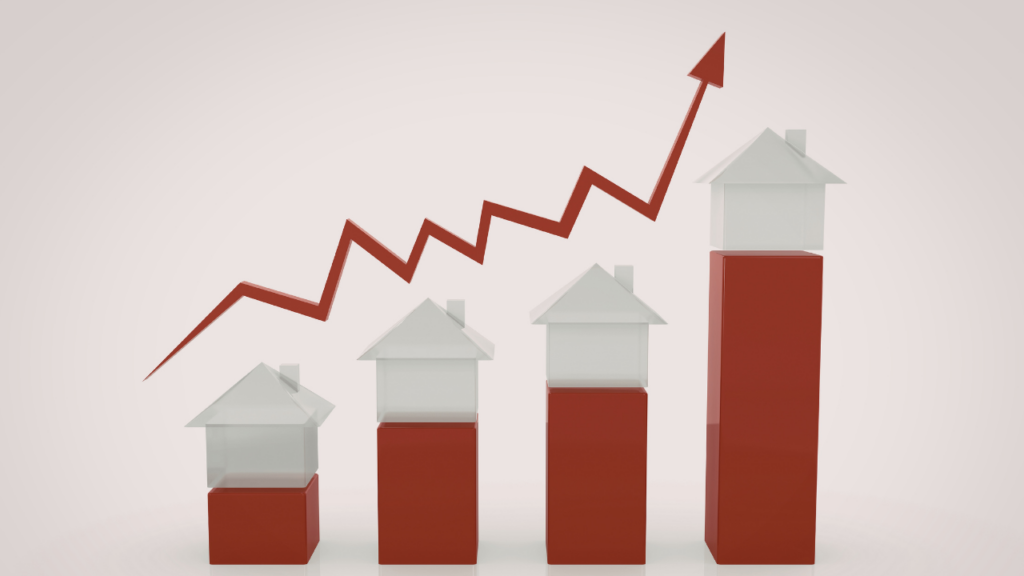
If you’re thinking about selling your home in Minnesota, one of the first questions you’re probably asking is: 👉 “Where will my home actually be marketed online?” And honestly? That’s a VERY smart question. Because today’s buyers usually start their home search:✔️ Online✔️ On their phones✔️ Through listing websites✔️ Social media✔️ Google searches✔️ Real estate apps In fact, many buyers:👉 See homes online BEFORE they ever schedule a showing. Which means:👉 Your online marketing strategy matters A LOT. A lot of sellers assume:👉 “Once my home hits Zillow, buyers will automatically come.” But honestly? That’s not always how modern real estate marketing works anymore. Because successful home marketing today often involves:✔️ Multiple listing platforms✔️ Professional photography✔️ Social media exposure✔️ Google visibility✔️ Agent marketing networks✔️ Local targeting✔️ Mobile-friendly listing presentation This is especially important in:✔️ Competitive Minnesota markets✔️ Relocation-heavy areas✔️ Higher-priced neighborhoods✔️ First-time buyer markets You might be wondering: • Will my home appear on Zillow?• What about Realtor.com and Redfin?• Does the MLS still matter?• Do buyers actually find homes through social media?• How important are listing photos?• What online marketing strategies attract more buyers?• How do sellers get more showings? These are excellent questions. Because understanding online exposure EARLY can help sellers:👉 Position their home more strategically before listing. The good news is: 👉 Modern online marketing can create MASSIVE exposure for well-presented homes. But it’s important to:👉 Understand how real estate marketing actually works today. 🏡 The Short Answer 👉 Most homes today are marketed across multiple online platforms, including: ✔️ MLS systems✔️ Zillow✔️ Realtor.com✔️ Redfin✔️ Brokerage websites✔️ Google search results✔️ Social media platforms✔️ Email marketing campaigns The goal is:👉 Maximizing buyer visibility and generating strong showing activity. 🏡 Why Online Marketing Matters So Much Today Years ago:👉 Buyers relied heavily on newspaper ads and agent calls. Today?👉 Most buyers begin online. Buyers often:✔️ Browse listings at night✔️ Save homes on apps✔️ Compare photos instantly✔️ Research neighborhoods digitally✔️ Watch property videos online That means:👉 Your online presentation often creates the FIRST impression. And honestly? First impressions online matter tremendously. 🏡 The MLS Is Still EXTREMELY Important Many sellers ask: 👉 “Does the MLS still matter?” Absolutely. MLS stands for:👉 Multiple Listing Service. This is the primary database real estate agents use to:✔️ Share listings✔️ Syndicate homes online✔️ Distribute property information Once a home enters the MLS:👉 It often spreads to multiple real estate websites automatically. The MLS helps create:✔️ Massive visibility✔️ Agent exposure✔️ Buyer accessibility 🏡 Will My Home Appear on Zillow? Usually:👉 Yes. Many MLS systems syndicate listings directly to:✔️ Zillow✔️ Realtor.com✔️ Redfin✔️ Homes.com✔️ Other real estate websites And honestly? A LOT of buyers browse homes on:👉 Zillow specifically. That’s why:✔️ Listing presentation✔️ Photos✔️ Pricing✔️ Descriptions Matter so much. 🏡 Realtor.com and Redfin Matter Too Different buyers use:👉 Different platforms. Some prefer:✔️ Realtor.comOthers:✔️ RedfinOthers:✔️ Brokerage websites Strong online marketing usually means:👉 Maximizing visibility across multiple channels. The goal is:✔️ Getting your home in front of as many qualified buyers as possible. 🏡 Professional Photos Are One of the BIGGEST Factors This is HUGE. Many buyers decide whether to:✔️ Click a listingOR✔️ Skip itWithin seconds. And the photos often determine:👉 That decision. Professional photos may help:✔️ Generate more clicks✔️ Increase showings✔️ Improve perceived value✔️ Create stronger first impressions Poor photos may:❌ Reduce interest immediately. 🏡 Mobile-Friendly Listings Matter More Than Ever Most buyers now browse homes:👉 On mobile devices. That means listings should feel:✔️ Easy to view✔️ Visually clean✔️ Professional✔️ Fast-loading✔️ Scroll-friendly Online presentation matters tremendously. 🏡 Social Media Marketing Is Growing Rapidly Today many agents market homes through:✔️ Facebook✔️ Instagram✔️ YouTube✔️ TikTok✔️ Local community groups Social media may help:✔️ Increase visibility✔️ Reach relocation buyers✔️ Generate local awareness✔️ Create additional exposure beyond listing sites Especially for:✔️ Unique homes✔️ Luxury properties✔️ Highly visual listings 🏡 Video Marketing Is Becoming More Important This is increasingly common. Video may help buyers:✔️ Understand layout✔️ Experience the home visually✔️ Feel emotionally connected✔️ Preview the property remotely Especially for:✔️ Out-of-state buyers✔️ Relocation clients✔️ Luxury listings Video content may:👉 Increase engagement significantly. 🏡 Drone Photography Can Help Certain Homes Stand Out Drone footage may work especially well for:✔️ Larger lots✔️ Lake properties✔️ Acreage homes✔️ Scenic neighborhoods✔️ Luxury homes Aerial visuals may help buyers better understand:✔️ Property layout✔️ Location✔️ Surrounding features Not every property needs drone footage… But for some homes:👉 It creates powerful visual marketing. 🏡 Google Search Visibility Matters Too This surprises many sellers. Homes may also appear through:✔️ Google search results✔️ Local real estate searches✔️ Neighborhood-specific searches Strong listing optimization may improve:✔️ Online discoverability. Especially when:✔️ Descriptions✔️ Photos✔️ Location keywordsAre well presented. 🏡 Listing Descriptions Still Matter Photos grab attention… But listing descriptions help:✔️ Build emotional connection✔️ Highlight upgrades✔️ Explain features✔️ Describe lifestyle benefits Good descriptions often help buyers imagine:👉 Living in the home. Especially in:✔️ Competitive Minnesota neighborhoods. 🏡 Open Houses Still Create Online Momentum Many sellers ask: 👉 “Are open houses still worth it?” Sometimes:👉 Absolutely. Open houses may:✔️ Increase listing activity✔️ Create urgency✔️ Generate online saves and shares✔️ Encourage buyer competition Even buyers who don’t attend may:👉 Notice increased listing activity online. 🏡 Pricing Still Affects Online Visibility This is VERY important. Even great marketing may struggle if:👉 Pricing is unrealistic. Buyers compare homes quickly online. If a property feels:❌ Overpriced It may:✔️ Receive fewer clicks✔️ Generate fewer showings✔️ Sit longer on the market Strategic pricing and strong marketing usually work:👉 Together. 🏡 Why Minnesota Sellers Need Strong Online Presentation Minnesota buyers today are:✔️ Highly informed✔️ Research-driven✔️ Mobile-focused✔️ Comparison-oriented Many buyers review:✔️ Dozens of homes onlineBefore ever scheduling:👉 One showing. That’s why:✔️ Visual presentation✔️ Exposure✔️ Marketing quality Matter tremendously. 🏡 What Makes a Listing Stand Out Online? Strong listings often include:✔️ Professional photography✔️ Clean staging✔️ Accurate pricing✔️ Strong descriptions✔️ Video content✔️ Wide online exposure✔️ Attractive curb appeal The goal is:👉 Creating strong first impressions immediately. 🏡 Common Marketing Mistakes Sellers Make ❌ Using poor-quality photos ❌ Overpricing the home ❌ Skipping staging preparation ❌ Ignoring online presentation ❌ Using weak listing descriptions ❌ Assuming “the market sells everything” These
🏡 Should I Get an Appraisal Before Listing My Home in Minnesota? (2026 Seller Guide)

If you’re thinking about selling your home in Minnesota, you may be asking yourself: 👉 “Should I get an appraisal before I put my house on the market?” This is a very common question—especially for sellers who want:• A realistic home value• Confidence in pricing• A smoother selling process• Protection against pricing mistakes And with so many home value estimates online today, many sellers feel uncertain about what their home is actually worth. You might be wondering: • Will an appraisal help me price my home correctly?• Is an appraisal better than a CMA?• Can an appraisal help prevent buyer negotiations later?• Do most sellers get appraisals before listing?• Is it worth paying for one upfront? These are smart questions. Because pricing strategy affects:👉 Buyer interest👉 Showings👉 Offers👉 Appraisal outcomes later👉 Final sale price And understanding how appraisals work can help sellers avoid costly mistakes. The Short Answer 👉 You usually do NOT need to get an appraisal before listing your home. In most cases: 👉 A strong Comparative Market Analysis (CMA) from a real estate professional is enough to build an effective pricing strategy. However… 👉 In some situations, getting a pre-listing appraisal CAN be helpful. Especially if:• The home is unique• The pricing is difficult to determine• The market is changing quickly• You want additional pricing confidence What Is an Appraisal? An appraisal is:👉 A professional opinion of a home’s market value completed by a licensed appraiser. Appraisers evaluate:• Comparable sales• Condition of the property• Size and features• Location• Market trends The goal is:👉 Determining what the property is reasonably worth in the current market. Why Appraisals Matter in Real Estate Most buyers using financing will eventually have:👉 A lender-required appraisal. Why? Because the lender wants to verify:👉 The home is worth the agreed purchase price. Lenders use appraisals to reduce risk. What Is a Pre-Listing Appraisal? A pre-listing appraisal happens:👉 BEFORE the home goes on the market. The seller hires an appraiser independently to estimate value upfront. This is different from:👉 The appraisal ordered later by the buyer’s lender. What Is the Difference Between an Appraisal and a CMA? This confuses many sellers. ✔️ CMA (Comparative Market Analysis) Prepared by:👉 A real estate agent Uses:• Comparable sales• Current listings• Local market activity• Buyer demand• Neighborhood trends Purpose:👉 Build a pricing strategy for the current market. ✔️ Appraisal Prepared by:👉 A licensed appraiser Uses:• Comparable sales• Property analysis• Formal valuation methods Purpose:👉 Estimate market value for lending or valuation purposes. Which One Is More Important for Sellers? In most cases: 👉 A strong CMA is more useful for pricing strategy. Why? Because:👉 Agents focus heavily on buyer behavior and market positioning. Appraisals focus more on:👉 Valuation support. And pricing strategy is about more than just numbers. It also involves:• Buyer psychology• Competition• Market timing• Current demand When a Pre-Listing Appraisal Can Be Helpful There ARE situations where an appraisal may help. ✔️ 1. Unique Homes If your property is:• Very customized• Unusual for the area• On large acreage• Historic• Luxury or specialty property 👉 Pricing can be harder to determine. An appraisal may provide:👉 Additional pricing guidance. ✔️ 2. Limited Comparable Sales If few nearby homes have sold recently:👉 A pre-listing appraisal may help establish value. ✔️ 3. Divorce or Estate Situations Sometimes sellers need:👉 A formal valuation for legal or financial reasons. ✔️ 4. Seller Confidence Some sellers simply want:👉 Additional reassurance before listing. That peace of mind can sometimes be valuable. Why Most Sellers Don’t Get One In many standard home sales: 👉 A CMA already provides enough information to price competitively. And because:👉 Buyers will likely get a lender appraisal later anyway Many sellers choose:👉 Not to pay for a pre-listing appraisal. How Much Does an Appraisal Cost? In Minnesota: 👉 A typical appraisal may cost:👉 Several hundred dollars or more depending on property type. Complex or large homes may cost more. Can an Appraisal Guarantee My Home Will Sell for That Price? No. This is important. An appraisal is:👉 An opinion of value. But the actual market value is ultimately determined by:👉 What buyers are willing to pay. Sometimes homes sell:• Above appraisal• Below appraisal• Right at appraisal value Buyer demand still matters heavily. Real Situation I See Often A seller gets a pre-listing appraisal showing:👉 $550K But nearby competing homes are priced aggressively lower. Result:👉 Buyer activity remains slow despite the appraisal. Why? Because pricing strategy involves:👉 Market competition + buyer psychology Not just valuation. Why Pricing Strategy Matters More Than Ever in 2026 Today’s buyers are:👉 More payment-sensitive. Interest rates affect:• Affordability• Monthly payments• Buyer demand That means:👉 Sellers must focus on realistic positioning. An appraisal alone does not create:👉 Buyer urgency. Strategic pricing does. Can a Pre-Listing Appraisal Prevent Future Problems? Sometimes it helps. Especially if:👉 Sellers have unrealistic pricing expectations. A formal appraisal may help:👉 Ground pricing discussions in market data. But it does NOT guarantee:👉 The buyer’s future appraisal will match exactly. What Happens If the Buyer’s Appraisal Comes in Low Later? This is one of the biggest seller concerns. If the buyer’s appraisal is lower than the contract price:👉 Negotiations may happen. Possible outcomes:• Buyer pays difference• Seller reduces price• Deal renegotiates• Contract cancels That’s why:👉 Pricing strategically from the start matters. Why Buyers Compare More Than Appraisals Today’s buyers compare:• Nearby homes• Monthly payments• Condition• Updates• Value perception Even if an appraisal supports a price:👉 Buyers still decide whether the home feels worth it. What Smart Sellers Focus On The best sellers focus on:👉 Market positioning. Not just:👉 A valuation number. They ask:• How are buyers behaving?• What’s selling nearby?• How competitive is my pricing? 👉 Strategy creates leverage. Why Emotional Pricing Creates Problems Many sellers become attached to:👉 The highest number possible. But successful selling requires:👉 Market realism. The goal is not:👉 “Winning” the pricing conversation. It’s:👉 Attracting strong buyers and maximizing realistic value. Common Seller Mistakes ❌ Assuming appraisals guarantee sale price ❌ Ignoring buyer behavior ❌ Pricing emotionally ❌ Comparing only to outdated
🏡 How Do Online Home Value Estimates Compare to a CMA in Minnesota? (2026 Seller Guide)

If you’re thinking about selling your home in Minnesota, there’s a good chance you’ve already looked up your home value online. Maybe you checked:• Zillow• Redfin• Realtor.com• Bank estimate tools• Automated home value calculators And sometimes those numbers can feel exciting… Or confusing. Because one website says:👉 $525,000 Another says:👉 $560,000 And another says:👉 $498,000 That naturally leads sellers to ask: 👉 “Which one is actually correct?” And even more importantly: 👉 “How does an online estimate compare to a CMA?” This is one of the biggest pricing questions sellers face today. Because while online estimates are convenient… 👉 They are not the same as a real pricing strategy. You might be wondering: • Can I trust Zillow’s estimate?• What exactly is a CMA?• Why do online values vary so much?• Which number should I use when pricing my home?• Do buyers rely on online estimates too? These are important questions. Because pricing your home correctly affects:👉 Buyer interest👉 Showings👉 Negotiation power👉 Final sale price And relying on the wrong number can create major pricing problems. The Short Answer 👉 Online home value estimates are automated estimates based on public data and algorithms. A CMA (Comparative Market Analysis) is:👉 A detailed local pricing analysis prepared using real market knowledge and comparable sales. 👉 Online estimates can provide a rough starting point. But:👉 A CMA is usually much more accurate for real-world pricing decisions. What Is an Online Home Value Estimate? Online estimates are automated valuation tools. These systems analyze:• Public records• Past sales• Tax records• General market trends• Algorithm-based calculations They attempt to estimate:👉 What your home might be worth. Popular examples include:• Zestimate• Redfin Estimate• Automated bank valuations 👉 These tools are designed for convenience—not precision. Why Online Estimates Vary So Much This confuses sellers constantly. One website says:👉 $500K Another says:👉 $550K Another says:👉 $475K Why? Because every platform uses:👉 Different algorithms and data sources. And many online systems cannot fully evaluate:• Condition• Upgrades• Neighborhood nuances• Interior quality• Layout desirability• Local buyer demand 👉 Those details matter heavily in real-world pricing. What Is a CMA? A CMA stands for:👉 Comparative Market Analysis. This is a pricing analysis prepared by a real estate professional using:• Recent comparable sales• Current listings• Local market activity• Buyer behavior• Property condition• Neighborhood trends 👉 The goal is:👉 Determining a realistic pricing strategy for TODAY’S market. Why a CMA Is Usually More Accurate A CMA evaluates:👉 Real market behavior—not just algorithms. It considers:• What buyers are paying right now• How quickly homes are selling• What nearby competition looks like• Current market conditions And importantly: 👉 It includes human judgment and local expertise. Real Example Two homes may have:👉 Similar square footage But one has:• Updated kitchen• New roof• Modern finishes• Better lot location Online estimates may treat them similarly. But buyers won’t. 👉 A CMA accounts for those differences. Why Sellers Sometimes Overtrust Online Estimates This happens often. A seller sees:👉 A very high online estimate And assumes:👉 “That’s what my home is worth.” But automated estimates don’t always reflect:👉 Actual buyer behavior. And buyers compare homes very carefully. If pricing is unrealistic:👉 Buyers may skip the listing entirely. How Buyers Use Online Estimates Today’s buyers absolutely check online values. They compare:• Price history• Nearby sales• Zillow estimates• Market trends But buyers also:👉 Compare homes directly in person. And what buyers are ACTUALLY willing to pay matters more than automated estimates. What Online Estimates Often Miss This is important. Online tools struggle with:• Interior condition• Recent renovations• Deferred maintenance• Neighborhood micro-markets• View/location advantages• Home presentation 👉 These factors can significantly affect value. Why Local Market Knowledge Matters Minnesota markets can vary dramatically:👉 Even neighborhood to neighborhood. A national algorithm may not fully understand:• Local buyer demand• School district appeal• Micro-market trends• Street desirability• Inventory competition 👉 Local expertise matters. How Interest Rates Affect Pricing Accuracy This matters heavily in 2026. Interest rates affect:👉 Buyer affordability. That means:👉 Buyer demand changes quickly. Online estimates may lag behind:👉 Real-time market shifts. A CMA typically reflects:👉 Current market conditions more accurately. What Happens If You Price Based Only on an Online Estimate? This can create problems. ❌ Overpricing If the estimate is too high:👉 Your home may get fewer showings. ❌ Longer Days on Market Buyers may hesitate if pricing feels unrealistic. ❌ Reduced Negotiation Power Longer time on market often weakens leverage. ❌ Future Price Reductions Eventually:👉 Sellers may need to adjust pricing later. Why CMAs Help Sellers Price Strategically A strong CMA helps sellers understand:• Current competition• Buyer expectations• Recent sold prices• Market speed• Pricing strategy 👉 It’s about positioning—not guessing. Are Online Estimates Completely Useless? No. They can be useful for:👉 General market awareness. But sellers should view them as:👉 Rough estimates—not final pricing decisions. Why Timing Matters Markets shift constantly. What a home was worth:👉 6 months ago May not reflect:👉 Today’s buyer behavior. That’s why:👉 Current comparable sales matter heavily. A Real Situation I See Often A seller sees:👉 Zillow estimate = $575K But comparable sold homes suggest:👉 $525K–$540K realistic range. Seller lists too high initially. Result:• Fewer showings• Buyer hesitation• Eventual reductions 👉 Online estimate created unrealistic expectations. What Smart Sellers Focus On The best sellers focus on:👉 Market reality. Not:👉 The highest online number available. They ask:• What are buyers paying today?• What’s selling nearby?• How does my home compare? 👉 Strategy creates better results than emotional pricing. Why Pricing Is About More Than Math Real estate is emotional and psychological. Buyers respond to:• Value perception• Competition• Condition• Urgency• Presentation Algorithms cannot fully measure:👉 Buyer emotion and market psychology. What Makes a Strong CMA? A strong CMA includes:• Recent sold homes• Active competition• Expired listings• Buyer demand trends• Local expertise• Market timing 👉 It creates a strategic pricing roadmap. Common Seller Mistakes ❌ Relying only on Zillow ❌ Ignoring nearby comparable sales ❌ Pricing emotionally ❌ Assuming online estimates are exact appraisals ❌ Refusing to adapt to market feedback 👉 These mistakes often reduce leverage and buyer interest. A
🏡 What Happens If I Underprice My Home in Minnesota? (2026 Seller Guide)

If you’re getting ready to sell your home in Minnesota, you’ve probably heard this advice before: 👉 “Price it low and buyers will compete.” And sometimes… That strategy can absolutely work. But many sellers also worry about the opposite side of the equation: 👉 “What if I accidentally leave money on the table?” Because underpricing your home can feel risky. You may wonder: • What if my home sells too quickly?• What if buyers would have paid more?• Can underpricing hurt me financially?• Is pricing low actually a strategy—or just a mistake?• How do I know the difference? These are important questions. Because pricing strategy affects:👉 Buyer attention👉 Showing activity👉 Negotiation leverage👉 Final sale price And while underpricing can sometimes create strong momentum… 👉 Doing it incorrectly can absolutely cost sellers money. The Short Answer 👉 Underpricing your home can create:• More attention• More showings• More urgency• Potential bidding competition But: 👉 If done without strategy, it can also:• Limit your leverage• Attract the wrong buyers• Create unrealistic expectations• Potentially leave money on the table The key is understanding: 👉 Strategic pricing vs accidental underpricing What Does “Underpricing” Actually Mean? Underpricing means:👉 Listing your home below realistic market value. Sometimes sellers do this intentionally. Other times:👉 It happens because sellers misunderstand the market. And there’s a big difference between: 👉 Competitive pricing And: 👉 Pricing far below what the market would realistically support. Why Some Sellers Intentionally Price Lower This strategy is often designed to:👉 Increase buyer attention quickly. When buyers see:👉 Strong value They often:• Schedule showings faster• Feel urgency• Worry about competition• Submit offers quickly This can sometimes create:👉 Multiple-offer situations. Why Buyer Psychology Matters Buyers constantly compare homes online. They ask:👉 “Which home gives me the best value?” If your home appears:👉 Better priced than nearby homes Buyers often react emotionally. That emotional reaction can create:👉 Faster momentum. Real Situation I See Often A seller prices slightly below nearby comparable homes. Result:👉 Busy showing schedule👉 Strong online activity👉 Multiple offers within days Final sale price?👉 Sometimes ABOVE asking price. That’s where strategic pricing can work extremely well. But Here’s the Risk Some sellers misunderstand this strategy. They assume:👉 “Lower always creates higher offers.” That’s not always true. If pricing is:👉 Too low without enough demand You may:• Limit negotiating power• Attract bargain-focused buyers• Sell below potential market value That’s why strategy matters. Strategic Pricing vs Accidental Underpricing This distinction is critical. ✔️ Strategic Pricing Purposefully positioning the home:👉 Slightly competitively To generate:• Attention• Urgency• Competition Usually supported by:👉 Strong market demand. ❌ Accidental Underpricing This happens when sellers:• Misread the market• Ignore comparable sales• Underestimate home value• Price emotionally or reactively 👉 This can hurt final results. Why Market Conditions Matter The effectiveness of lower pricing depends heavily on:👉 Market conditions. In strong seller markets:👉 Lower pricing may trigger bidding wars. In slower markets:👉 Buyers may simply expect a “good deal.” That means:👉 Lower pricing does not always guarantee multiple offers. How Interest Rates Affect Underpricing Strategy This matters heavily in 2026. Higher interest rates create:👉 More payment-sensitive buyers. That means:👉 Buyers compare value very carefully. A competitively priced home may stand out strongly. But:👉 Underpricing too aggressively may still reduce final value. What Happens If Your Home Sells “Too Fast”? This is one of the biggest seller fears. A seller lists the home… And within hours:👉 Multiple offers appear. Then the seller wonders:👉 “Did I price too low?” Possibly. But not always. Sometimes:👉 Strong pricing simply matched buyer demand perfectly. The key question is:👉 Did the market respond competitively? If competition pushed pricing upward:👉 The strategy may have worked exactly as intended. Why Buyers Love Well-Priced Homes Buyers are overwhelmed with choices online. When they see:👉 A home that feels like strong value They react quickly. That creates:👉 Momentum. And momentum is extremely powerful in real estate. The Danger of “Too Good to Be True” Pricing There’s another risk sellers overlook. If pricing feels:👉 Unrealistically low Some buyers may wonder:👉 “What’s wrong with the house?” That creates:👉 Suspicion instead of urgency. Again:👉 Balance matters. What Smart Sellers Focus On The best sellers focus on:👉 Market positioning. Not:👉 Simply pricing high or low emotionally. They ask:• How competitive is the market?• How active are buyers right now?• How does my home compare nearby? 👉 Strategy matters more than extremes. Why Comparable Sales Matter Recent sold homes help determine:👉 Realistic market value. Not:👉 What sellers hope buyers will pay. Strong pricing strategies look at:• Recent sales• Current competition• Buyer demand• Local market pace 👉 Data matters. What Happens If You Truly Leave Money on the Table? This can happen if:👉 Pricing is significantly below market without enough competition. Potential outcomes:• Faster sale• Lower leverage• Lower final price than possible That’s why:👉 Proper pricing analysis is critical. Common Seller Fears About Pricing Lower Many sellers worry:👉 “What if buyers think something is wrong?” Or:👉 “What if I regret selling too cheaply?” These concerns are normal. That’s why pricing should never be:👉 Random or emotional. It should be:👉 Strategic and data-driven. Why Overpricing and Underpricing Both Carry Risk This is important. ❌ Overpricing can:• Reduce showings• Slow momentum• Require price cuts later ❌ Underpricing can:• Potentially reduce leverage• Limit value if demand is weak 👉 The goal is:👉 Strategic positioning. What Creates the Best Seller Results? Usually:👉 Correct pricing near true market value. This creates:• Strong buyer interest• Healthy competition• Better leverage• Smoother negotiations 👉 Not extreme pricing in either direction. Common Seller Mistakes ❌ Assuming low pricing automatically creates bidding wars ❌ Ignoring current market demand ❌ Pricing emotionally ❌ Failing to review comparable sales properly ❌ Using outdated market assumptions 👉 These mistakes affect leverage and final pricing. A Simple Way to Think About It 👉 Pricing is about positioning. Not:👉 Guessing. The goal is:👉 Creating the strongest buyer response possible while protecting your value. FAQ: Underpricing Your Home Can underpricing create multiple offers?Yes—especially in competitive markets. Can underpricing hurt sellers?Yes, if pricing is significantly below market
🏡 Can I Price Above Market to Leave Room for Negotiation in Minnesota? (2026 Seller Guide)

If you’re preparing to sell your home in Minnesota, you may be thinking: 👉 “Should I price my home a little higher so buyers can negotiate down?” This is one of the most common strategies sellers consider. And honestly, it sounds logical at first. Because many sellers assume: 👉 Buyers are going to negotiate anyway So the thinking becomes: 👉 “Why not start higher and leave room?” But here’s what many sellers don’t realize: 👉 Today’s buyers shop very differently than they used to. And in many cases: 👉 Pricing too high can actually reduce your chances of getting strong offers at all. This is especially important in 2026 because:• Buyers are more payment-sensitive• Interest rates affect affordability• Online search behavior matters heavily• Competition is easy to compare instantly You might be wondering: • Is pricing above market a smart strategy?• Will buyers automatically negotiate anyway?• Can pricing too high hurt my listing?• How much room for negotiation is reasonable?• What’s the best way to attract strong offers? These are important questions. Because pricing strategy affects:👉 Buyer attention👉 Showing activity👉 Negotiation power👉 Final sale price And sometimes: 👉 A home priced too high gets LESS leverage—not more. The Short Answer 👉 Slight pricing flexibility is normal. But: 👉 Aggressively pricing above market to “leave room” often backfires. Why? Because today’s buyers compare homes instantly. And if your price feels too high: 👉 Many buyers won’t even schedule a showing. That means:👉 You lose attention before negotiations ever begin. Why Sellers Consider Pricing Above Market The idea comes from a simple belief: 👉 “If buyers negotiate, I should start higher.” This strategy used to work more often in:• Extremely competitive markets• Low inventory environments• Fast-moving seller markets But in shifting markets: 👉 Buyers are more cautious. And pricing strategy matters much more. How Buyers Shop Today Most buyers begin online. They compare:• Price• Photos• Condition• Location• Monthly payment impact And buyers decide VERY quickly whether your home feels:👉 Competitive or overpriced. If buyers think:👉 “This home is too expensive compared to others” They often:👉 Move on immediately. Why Overpricing Can Hurt Visibility This is one of the biggest problems sellers overlook. Buyers search using:👉 Price filters Example: A buyer searches:👉 $450K–$500K Your home is priced at:👉 $525K Even if your home could realistically sell around $500K: 👉 Many buyers never even see it. That reduces:• Visibility• Showings• Buyer traffic The First Two Weeks Matter Most The beginning of your listing is critical. This is when:• New listing alerts go out• Buyers pay maximum attention• Your listing feels fresh If pricing feels too aggressive early: 👉 Momentum slows quickly. And once momentum fades: 👉 It’s harder to recreate urgency later. Real Situation I See Often A seller says: 👉 “Let’s try high first and reduce later if needed.” Result:• Low showings• Minimal offers• Buyer hesitation After several weeks:👉 Price reductions begin But buyers now see:👉 Higher days on market And start wondering:👉 “Why hasn’t this sold?” That weakens leverage. Why Strategic Pricing Often Works Better This surprises many sellers. 👉 Homes priced strategically often attract:• More showings• More urgency• More emotional buyer response And that competition can:👉 Push offers UP In many situations: 👉 Correct pricing creates stronger final outcomes than aggressive overpricing. What Buyers Really Want Buyers want:👉 Confidence in value When buyers feel:• The home is fairly priced• Competitive for the market• Aligned with nearby sales 👉 They act faster. That creates:👉 Momentum. Does Negotiation Still Happen? Absolutely. Even well-priced homes may involve:• Offer negotiations• Inspection negotiations• Seller credits• Closing timelines 👉 Negotiation is normal. But there’s a difference between:👉 Strategic flexibility And:👉 Unrealistic overpricing. How Much Flexibility Is Reasonable? Small strategic flexibility:👉 Often reasonable. Large pricing gaps:👉 Usually risky. Today’s buyers are educated. They review:• Comparable sales• Online estimates• Nearby listings• Market activity 👉 Buyers quickly recognize unrealistic pricing. How Interest Rates Affect This Strategy This matters heavily in 2026. Higher interest rates increase:👉 Monthly payments. That means:👉 Buyers are more affordability-focused than ever. If your price feels:👉 Even slightly too high Buyers may skip the home completely. What Happens When a Home Sits Too Long? Longer days on market often create:• Buyer hesitation• Questions about condition• Lower urgency• More aggressive negotiations Eventually:👉 Sellers often reduce the price anyway. But by then:👉 Momentum may already be lost. What Smart Sellers Focus On The best sellers focus on:👉 Buyer psychology. They ask:• What feels competitive today?• What will attract showings quickly?• How do buyers compare my home? 👉 Strategy creates leverage. Why Emotional Pricing Creates Problems This happens constantly. Sellers think about:• Memories• Upgrades• Financial goals• What they “want” to make But buyers focus on:👉 Current market value. That’s why:👉 Pricing strategy must stay connected to buyer behavior—not emotions. Can Underpricing Be Risky Too? Yes. Pricing dramatically below market without strategy can:👉 Leave money on the table. The goal is NOT:👉 “List as low as possible.” The goal is:👉 Position your home competitively enough to attract strong demand. What Happens in Competitive Markets? In stronger seller markets: 👉 Slightly aggressive pricing may sometimes work. But even then:👉 Buyers still compare value carefully. And overpricing too much can still reduce activity. Why Seller Flexibility Matters Markets shift constantly. That means:👉 Smart sellers stay flexible. They monitor:• Showings• Buyer feedback• Competition• Offer activity 👉 Pricing strategy should evolve with the market. Common Seller Mistakes ❌ Pricing based on emotion ❌ Assuming buyers will negotiate no matter what ❌ Ignoring affordability pressures ❌ Waiting too long to reduce price ❌ Comparing only to active listings instead of sold homes 👉 These mistakes reduce leverage quickly. Signs Your Home May Be Overpriced Watch for:• Few showings• No offers• Repeated pricing feedback• Nearby homes selling faster 👉 These are market signals. A Simple Way to Think About It 👉 Buyers can’t negotiate on a home they never decide to see. That’s why:👉 Visibility and interest matter first. And pricing strategy is what creates that attention. FAQ: Pricing Above Market Can I price above market
🏡 What Is a Pricing Strategy in a Shifting Market? (2026 Minnesota Seller Guide)

If you’re thinking about selling your home in Minnesota, one of the biggest challenges in today’s market is this: 👉 The market keeps changing. Interest rates shift.Buyer demand changes.Inventory rises or falls.And suddenly, sellers start hearing things like: 👉 “It’s not the same market anymore.” That’s where pricing strategy becomes extremely important. Because in a shifting market: 👉 You cannot rely on old assumptions. What worked six months ago may not work today. And sellers who fail to adapt often experience:• Fewer showings• Longer days on market• Price reductions• Lower negotiating power You might be wondering: • What exactly is a pricing strategy?• How do I price correctly when the market keeps changing?• Should I price aggressively or conservatively?• How do interest rates affect buyer behavior? These are smart questions. Because the truth is: 👉 Pricing strategy is no longer just about “what the neighbor sold for.” It’s about understanding:👉 Buyer psychology + market timing + competition + affordability The Short Answer 👉 A pricing strategy is the plan you use to position your home competitively based on current market conditions. In a shifting market: 👉 Strategic pricing helps sellers:• Attract buyers faster• Create urgency• Stay competitive• Avoid sitting too long on market 👉 The goal is not simply:👉 “List high and hope.” The goal is:👉 Positioning your home where buyers feel confident taking action. What Is a “Shifting Market”? A shifting market is when: 👉 Conditions are changing quickly. This can happen because of:• Interest rates• Economic uncertainty• Inventory changes• Buyer confidence• Affordability challenges In Minnesota during 2026: 👉 Many sellers are dealing with:• More price-sensitive buyers• Longer decision-making timelines• Changing competition levels That means:👉 Pricing matters more than ever. Why Pricing Strategy Matters So Much In slower or changing markets: 👉 Buyers become more selective. They compare:• Price• Condition• Location• Monthly payment impact• Value relative to nearby homes 👉 Buyers are no longer rushing blindly. They analyze everything carefully. That means:👉 Sellers need strategy—not emotion. The Biggest Mistake Sellers Make in a Shifting Market This happens constantly. ❌ Sellers price based on:👉 Yesterday’s market Instead of:👉 Today’s buyer behavior Example: A neighbor sold quickly six months ago at a very high price. But since then:• Interest rates increased• Buyer affordability decreased• Inventory increased 👉 Buyers may no longer support the same pricing. How Interest Rates Affect Pricing Strategy This is huge in 2026. When rates rise: 👉 Monthly payments increase. That means:👉 Buyers qualify for less purchasing power. Example A buyer approved at:👉 $500K six months ago May now only feel comfortable around:👉 $450K–$460K 👉 Even if income hasn’t changed. This affects:👉 Demand and pricing flexibility. Why Overpricing Is More Dangerous in a Shifting Market In aggressive seller markets: 👉 Some overpriced homes still sold. But in shifting markets: 👉 Buyers hesitate faster. Overpriced homes often:• Get fewer showings• Sit longer• Require reductions later And once a listing sits too long: 👉 Buyers begin questioning the value. What Smart Pricing Looks Like Strong pricing strategy usually means: 👉 Pricing close to realistic market value while creating buyer urgency. This increases:• Online interest• Showings• Offer potential• Negotiating leverage 👉 Momentum matters. Why the First Two Weeks Matter Most The beginning of your listing is critical. This is when:• Buyers first notice your home• New listing alerts go out• Your home gets maximum visibility 👉 If pricing misses the mark early: 👉 Momentum slows quickly. And recovering later becomes harder. Real Situation I See Often A seller wants to “test the market.” They list:👉 $40K above realistic value. Result:• Low showings• Buyer hesitation• Price reductions later Meanwhile: Another similar home prices strategically. Result:👉 Busy showings👉 Multiple offers👉 Strong final terms 👉 Strategy wins. Components of a Strong Pricing Strategy A strong pricing strategy looks at several things. ✔️ 1. Comparable Sales Recent sold homes matter most. Not:👉 Active listings Because asking prices don’t equal sale prices. ✔️ 2. Current Competition Buyers compare instantly. If nearby homes offer:• Better updates• Lower prices• More value 👉 Buyers move toward those homes. ✔️ 3. Market Speed How quickly are homes selling nearby? 👉 Fast-moving areas allow more pricing confidence. 👉 Slower areas require sharper strategy. ✔️ 4. Buyer Affordability Monthly payment matters heavily now. 👉 Even small pricing differences affect affordability. What Happens If You Price Too High? This creates several problems. ❌ Reduced Online Visibility Buyers search using price ranges. If your price exceeds buyer comfort:👉 Fewer buyers see the listing. ❌ Lower Showing Activity Even interested buyers may skip overpriced homes. ❌ More Days on Market Longer time listed often weakens leverage. ❌ Future Price Reductions Eventually sellers may need:👉 Larger adjustments later. What Happens If You Price Strategically? Strategic pricing creates:• Attention• Showings• Urgency• Competition And competition can:👉 Push final pricing higher. This surprises many sellers. Why Flexibility Matters Markets can shift while your home is listed. That means:👉 Pricing strategy must stay active. Smart sellers continuously monitor:• Showings• Feedback• New competition• Market activity 👉 Pricing is not “set and forget.” Common Seller Fears Many sellers fear:👉 “What if I leave money on the table?” That fear is understandable. But often: 👉 Strategic pricing creates stronger final outcomes than emotional overpricing. Signs Your Pricing Strategy Needs Adjustment Watch for:• Low showings• No offers• Repeated price feedback• Competing homes selling faster 👉 These are market signals. The Emotional Side of Selling Pricing feels personal. Because sellers naturally think about:• Memories• Upgrades• Time invested But buyers focus on:👉 Value today. That’s why pricing strategy must stay grounded in:👉 Market reality. What Smart Sellers Focus On The best sellers focus on:👉 Buyer response. Not emotional attachment to a number. They ask:• How are buyers reacting?• What does the market support today?• How can we stay competitive? 👉 Strategy creates leverage. Common Pricing Strategy Mistakes ❌ Pricing based on old market conditions ❌ Ignoring affordability changes ❌ Overpricing to “leave room to negotiate” ❌ Waiting too long to adjust ❌ Comparing only to active listings 👉 These mistakes reduce momentum quickly. A Simple
🏡 How Often Should I Review My Listing Price in Minnesota? (2026 Guide)

If you’re selling your home in Minnesota, one of the most important questions you may face after listing is: 👉 “Should I change the price?” And usually, that question comes up when:• Showings slow down• Offers aren’t coming in• The market shifts• Or nearby homes start selling faster than yours This can feel frustrating for sellers because pricing isn’t just a number. 👉 It affects:• Buyer interest• Time on market• Negotiating power• Your final sale price And many sellers struggle with timing. You might be wondering: • How long should I wait before reviewing my price?• Should I lower it after just a few weeks?• What if the market changes while I’m listed?• Can waiting too long hurt my sale?• How do I know if buyers think I’m overpriced? These are important questions. Because the truth is: 👉 Pricing is not something sellers should set once and ignore The market changes constantly. And smart sellers review pricing strategically throughout the listing process. The Short Answer 👉 You should review your listing price consistently from the moment your home hits the market Especially during:• The first 2–3 weeks• Periods of low activity• Market shifts• Competitive changes nearby 👉 Why? Because buyers respond quickly to pricing. And if your home isn’t attracting:• Showings• Offers• Serious engagement 👉 The market may be telling you something Why the First Few Weeks Matter Most The first days on market are critical. This is when:• New listing alerts go out• Buyers pay the most attention• Your home gets maximum exposure 👉 This is your strongest momentum window If pricing is off during this period: 👉 You may lose buyer attention quickly And once momentum slows: 👉 It becomes harder to rebuild excitement later What You Should Review Weekly Smart sellers don’t just “wait and hope.” They monitor:• Showing activity• Online views• Buyer feedback• New competing listings• Recent nearby sales 👉 These indicators help determine whether pricing still makes sense Signs Your Price May Need Review Here are some common warning signs. ❌ Lots of Online Views but Few Showings This usually means:👉 Buyers are noticing your home… But not feeling motivated enough to see it in person. 👉 Often:👉 Price is the reason ❌ Showings but No Offers This can indicate:• Buyers like the home• But value doesn’t match the asking price ❌ Similar Homes Selling Faster If nearby homes are:• Selling quicker• Getting stronger activity• Receiving offers sooner 👉 Buyers may see those homes as better value ❌ Repeated Feedback About Price If multiple buyers say:👉 “Feels overpriced” That’s important market feedback. How Often Should Sellers Reevaluate? There’s no single exact schedule. But generally: 👉 Weekly review is smart during the early listing period Especially during:• The first month• Changing market conditions• Periods of low activity 👉 Pricing strategy should stay active—not passive Why Waiting Too Long Can Hurt This is where many sellers struggle emotionally. They think: 👉 “Maybe we just need more time.” But buyers notice days on market. And as listings sit longer: 👉 Buyers often assume:• Something is wrong• The seller is unrealistic• Negotiation may be easier later 👉 This weakens leverage Real Situation I See Often A seller lists too high. After two weeks:👉 Minimal activity But they refuse adjustments. After 60 days:👉 Buyers now view the listing as stale Eventually:👉 Larger reductions are needed Final outcome:👉 Lower leverage + more stress Why Smaller Early Adjustments Work Better This surprises many sellers. 👉 Smaller early adjustments often work better than large later reductions Why? Because:👉 Your listing still feels “fresh” A strategic adjustment can:• Trigger new buyer searches• Increase visibility• Restart showing activity 👉 Timing matters What Happens When the Market Changes? This matters heavily in 2026. Interest rates, inventory, and buyer demand can shift quickly. 👉 As affordability changes:👉 Buyer behavior changes too That means:👉 Pricing strategies sometimes need adjustment mid-listing Should You Automatically Lower Price If There Are No Offers? Not always. First evaluate:• Photo quality• Marketing exposure• Condition of the home• Competition nearby• Showing feedback Sometimes:👉 Presentation—not price—is the issue But in many cases: 👉 Price is still the biggest factor The Emotional Side of Price Adjustments This is real. Many sellers feel:👉 Reducing price means failure But successful sellers understand: 👉 Price adjustments are strategy—not emotion The goal is:👉 Selling successfully in the current market Not:👉 Holding onto an unrealistic number How Buyer Psychology Works Buyers constantly compare homes. They ask:👉 “What’s the best value available right now?” If your home feels:• Overpriced• Outdated compared to competitors• Too aggressive for the market 👉 They hesitate And hesitation kills momentum. What Smart Sellers Focus On The best sellers focus on:👉 Buyer response Not personal attachment to a number. They ask:• Are buyers engaging?• Are showings improving?• How does my home compare today? 👉 They stay flexible and strategic How Agents Help Review Pricing A strong pricing review includes:• Recent comparable sales• New listings• Buyer feedback• Market trends• Days on market nearby 👉 This helps sellers make informed decisions—not emotional ones Common Seller Mistakes ❌ Waiting too long to review pricing ❌ Ignoring market feedback ❌ Comparing only to active listings ❌ Assuming buyers will eventually “understand the value” ❌ Refusing to adapt to changing conditions 👉 These mistakes can delay the sale and reduce leverage A Simple Way to Think About Pricing Reviews 👉 Your listing price should stay connected to the market Not:👉 Locked to your original expectations Because:👉 Buyers decide value—not sellers FAQ: Reviewing Listing Price How often should I review my listing price?Weekly during the early listing period is smart. Should I lower price immediately if there are no showings?Not immediately—but pricing should be evaluated quickly. Can waiting too long hurt my sale?Yes. Longer days on market often reduce leverage. Do market conditions affect pricing strategy?Absolutely. Rates and inventory matter heavily. Can small adjustments make a difference?Yes. Even modest changes can increase visibility and activity. Final Thoughts Pricing is not a “set it and forget it” decision. 👉 Smart sellers review pricing consistently