
Should I Get an Inspection on a New Construction Home in Minnesota? (2026 Homebuyer Guide)

One of the most common statements I hear from buyers looking at new construction homes is: “It’s brand new. Why would I need an inspection?” It’s a reasonable question. After all, if you’re spending hundreds of thousands of dollars on a home that has never been lived in, it feels natural to assume everything should be perfect. The home was just built. The city inspected it. The builder has a warranty. Everything should be fine, right? Not necessarily. This may surprise you, but some of the most important inspections I’ve seen have been on brand-new homes. That doesn’t mean builders are doing poor work. In fact, most Minnesota builders work incredibly hard to deliver quality homes. The reality is much simpler: Homes are built by people. And people make mistakes. A new construction inspection isn’t about assuming something is wrong. It’s about verifying everything is right. If you’re considering a newly built home in Minnesota, here’s why an independent inspection may be one of the smartest investments you make during the entire process. New Doesn’t Automatically Mean Perfect Many buyers assume age equals condition. Older homes need inspections. New homes don’t. But that’s not how inspections work. Inspectors aren’t looking at the age of the property. They’re looking at: A home can be one week old and still have issues. Likewise, a home can be fifty years old and be in excellent condition. The inspection focuses on quality, not age. Municipal Inspections Are Not the Same as Home Inspections This is one of the biggest misunderstandings among buyers. When builders construct a home, local municipalities perform required inspections throughout the process. These inspections are important. However, they serve a different purpose than a private home inspection. Municipal inspectors are typically focused on: A private home inspector evaluates the home from the buyer’s perspective. Those are two very different roles. One doesn’t replace the other. What Can Go Wrong in a Brand-New Home? More than many buyers realize. Again, this doesn’t mean the builder did a bad job. Construction involves: Even excellent teams can miss details. Examples inspectors sometimes discover include: Many issues are minor. Some are more significant. The goal is identifying them before they become your responsibility. Human Error Happens Think about how many people contribute to a single home. You may have: Every trade performs a specific task. Even highly skilled professionals occasionally make mistakes. An inspection creates another layer of quality control. Pre-Drywall Inspections One inspection many buyers don’t know about is the pre-drywall inspection. This occurs before insulation and drywall are installed. At this stage, inspectors can evaluate: Once drywall is installed, much of this work becomes hidden. That’s why many experienced buyers choose a pre-drywall inspection whenever possible. Final Inspections Before Closing This is the inspection most buyers are familiar with. The home is nearly complete. The inspector evaluates: The goal is identifying issues before closing. The 11-Month Warranty Inspection This may be the most overlooked inspection of all. Many builders offer one-year workmanship warranties. Some homeowners schedule another inspection near the end of that first year. Why? Because living in the home often reveals things that aren’t immediately noticeable during the initial walkthrough. For example: An inspection before the warranty expires can be extremely valuable. Builder Warranties Are Helpful, But They’re Not Inspections Some buyers skip inspections because the builder offers a warranty. That’s risky. A warranty and an inspection serve different purposes. The inspection identifies concerns. The warranty may provide a mechanism for addressing certain covered issues. One does not replace the other. In fact, inspections often help homeowners take full advantage of warranty protections. Common Issues Found in New Construction Homes Many buyers are surprised by how often inspectors find issues in new homes. Examples can include: Most issues are correctable. That’s exactly why inspections exist. The Cost of an Inspection Compared to the Cost of Repairs Let’s put things in perspective. A home inspection typically costs a tiny fraction of the home’s purchase price. Compared to: An inspection is relatively inexpensive. Many buyers view it as insurance against larger problems. Why Some Buyers Skip Inspections Usually for one of three reasons: They Trust the Builder Trust is important. Many Minnesota builders have excellent reputations. But inspections aren’t about distrust. They’re about verification. Even great builders appreciate opportunities to identify issues before closing. They Want to Save Money An inspection is an additional expense. However, most buyers quickly realize the cost of an inspection is small compared to the cost of unexpected repairs. They Assume New Means Problem-Free Unfortunately, that’s not always true. Every home deserves a thorough evaluation. Builders Often Expect Inspections Another misconception is that builders dislike inspections. In reality, many builders see inspections regularly. Independent inspections are common in new construction transactions. Professional builders understand that buyers want peace of mind. What Happens If an Inspector Finds Issues? Most of the time, concerns are documented and discussed. The builder may: The process is often straightforward. The inspection report becomes a tool for improving the final product. Questions Buyers Should Ask Before construction begins, consider asking: These conversations can provide valuable insight. Real Example Imagine two buyers purchasing identical new construction homes. Buyer A skips inspections because the home is brand new. Buyer B schedules: Both receive beautiful homes. However, Buyer B gains additional peace of mind knowing multiple independent evaluations were completed throughout the process. Frequently Asked Questions Do I really need an inspection on a brand-new home? Many buyers choose inspections because new homes can still contain defects or installation issues. What is a pre-drywall inspection? It’s an inspection performed before drywall is installed, allowing evaluation of framing and mechanical systems. Do municipal inspections replace private inspections? No. They serve different purposes. Is a warranty enough protection? Warranties are valuable, but inspections help identify concerns that may require attention. What is an 11-month inspection? It’s an inspection completed near the end of the builder’s first-year warranty period to identify potential warranty items. Final Thoughts Buying a brand-new
What Happens If New Construction Is Delayed in Minnesota? (2026 Homebuyer Guide)
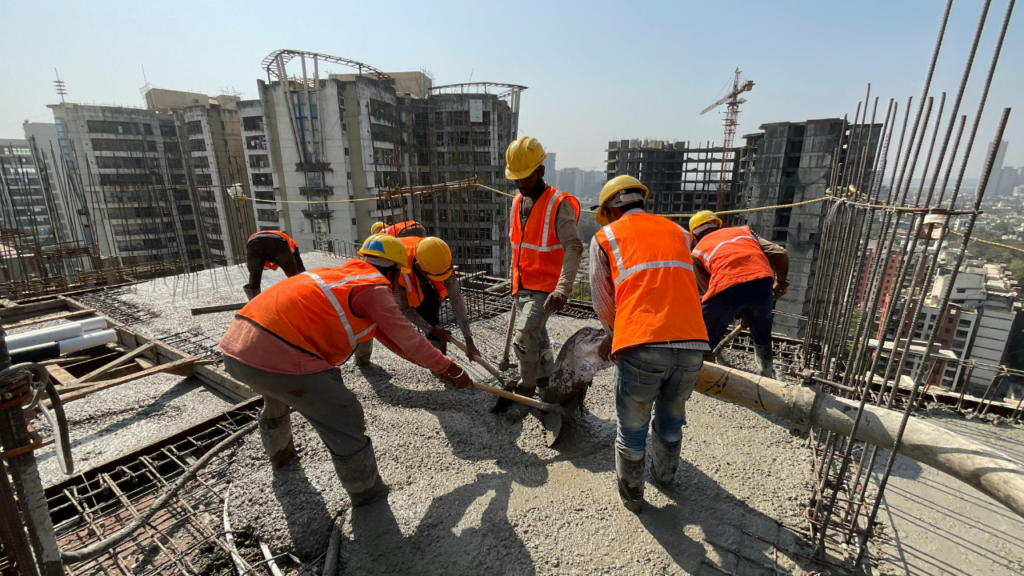
Few things are more exciting than building a brand-new home. You choose the floor plan. You select your finishes. You watch the construction progress. You begin imagining where your furniture will go and what life will look like once you’re moved in. Then the question comes up: “What happens if the construction gets delayed?” It’s one of the most common concerns among new construction buyers, and for good reason. Most people building a home aren’t doing so in a vacuum. They’re coordinating real life. They may be: When a construction timeline changes, it can create stress and uncertainty. The good news is that delays are often manageable when buyers understand why they happen and how to prepare for them. If you’re building a home in Minnesota, here’s what you should know about construction delays and how to navigate them with confidence. First, Understand That Estimated Completion Dates Are Estimates One of the biggest misconceptions buyers have is believing the completion date provided at contract signing is guaranteed. In most cases, builders provide an estimated completion date. The reason is simple. A home build involves dozens of moving parts, many of which are outside the builder’s direct control. Even the most organized builder cannot control: Builders do their best to project realistic timelines, but construction remains a dynamic process. That’s why flexibility is important. Weather Is One of the Biggest Factors in Minnesota Minnesota weather can be beautiful. It can also be unpredictable. Heavy snow. Extreme cold. Spring rains. High winds. All can impact various phases of construction. For example: Excavation may be delayed due to frozen ground. Concrete work may be postponed because of weather conditions. Exterior work may need to wait until temperatures improve. Weather delays are among the most common reasons construction schedules shift. Material Shortages Still Happen Many buyers remember hearing about supply chain challenges during recent years. While conditions have improved in many areas, material delays can still occur. Builders rely on products such as: If a manufacturer experiences production delays, construction schedules can be affected. Even a single missing component can impact progress. Labor Availability Can Affect Timelines Building a home requires multiple specialized trades. These may include: If subcontractor schedules shift, construction timelines can change. This is particularly common during busy building seasons when demand is high. Permit and Inspection Delays Every new home must move through various approvals and inspections. Local municipalities review: Most of the time these processes move smoothly. Occasionally, however, scheduling or administrative delays occur. Builders cannot always control government processing timelines. Change Orders Can Extend Construction Sometimes buyers unintentionally contribute to delays. For example: A buyer decides to: These changes often require: Change orders aren’t bad. But they can affect timelines. The more changes made during construction, the greater the potential impact. Delays Don’t Necessarily Mean Something Is Wrong This is important. Many buyers hear the word “delay” and immediately assume there is a major problem. Often that’s not the case. A delay may simply mean: Most delays are logistical rather than structural. The key is maintaining communication with the builder. What Happens If You’re Selling Another Home? This is where planning becomes especially important. Many buyers are simultaneously: The challenge is timing both transactions. If construction takes longer than expected, temporary housing may become necessary. Some buyers choose: Discuss timing strategies with your real estate agent early in the process. What If Your Lease Is Ending? Renters often face similar concerns. If your lease expires before construction is complete, you may need: Whenever possible, build flexibility into your plans. It’s much easier to prepare for a potential delay than scramble at the last minute. Communication Matters One of the best ways to reduce stress during construction is regular communication. Ask your builder: The more informed you are, the less stressful the process tends to feel. Don’t Schedule Movers Too Early Many buyers make the mistake of scheduling movers months in advance. That can be risky. Until construction is nearing completion, exact move-in dates may remain uncertain. Waiting until your closing schedule becomes more concrete can help avoid unnecessary complications. Financing Considerations Construction delays can occasionally affect mortgage timelines as well. For example: Interest rate locks may have expiration dates. Loan documents may require updates. Additional paperwork may be needed. Fortunately, lenders who regularly work with new construction transactions are familiar with these situations. Communication between your lender and builder is important. Stay Focused on the Big Picture When buyers experience delays, frustration is understandable. But it’s important to remember: You’re building a home. Not ordering a product from a warehouse. Construction involves hundreds of steps and countless decisions. While delays can be inconvenient, most buyers ultimately agree that getting the home built properly matters more than saving a few weeks. What Experienced Buyers Do Differently Buyers who handle construction delays best tend to share several traits. They: This mindset often reduces stress significantly. Questions to Ask Before Signing Before committing to a builder, ask: The answers can provide valuable insight into the builder’s process. Real Example Imagine two buyers building similar homes. Buyer A assumes the estimated completion date is guaranteed. They schedule movers, terminate their lease, and make plans around a fixed date. Buyer B understands construction timelines can shift. They build flexibility into their schedule and prepare for potential changes. When weather causes a three-week delay, Buyer B experiences significantly less stress because expectations were realistic from the beginning. Frequently Asked Questions Are construction delays common? Yes. Delays can occur for many reasons, including weather, materials, labor availability, and inspections. Should I worry if construction is delayed? Not necessarily. Many delays are normal and do not indicate major problems. Can weather affect new construction timelines in Minnesota? Absolutely. Minnesota weather is one of the most common factors influencing schedules. What if my lease expires before my home is finished? You may need temporary housing, lease extensions, or alternative arrangements depending on the situation. Can delays affect my mortgage? Sometimes. It’s important to stay in communication
How Long Does It Take to Build a Home in Minnesota? (2026 New Construction Homebuyer Guide)
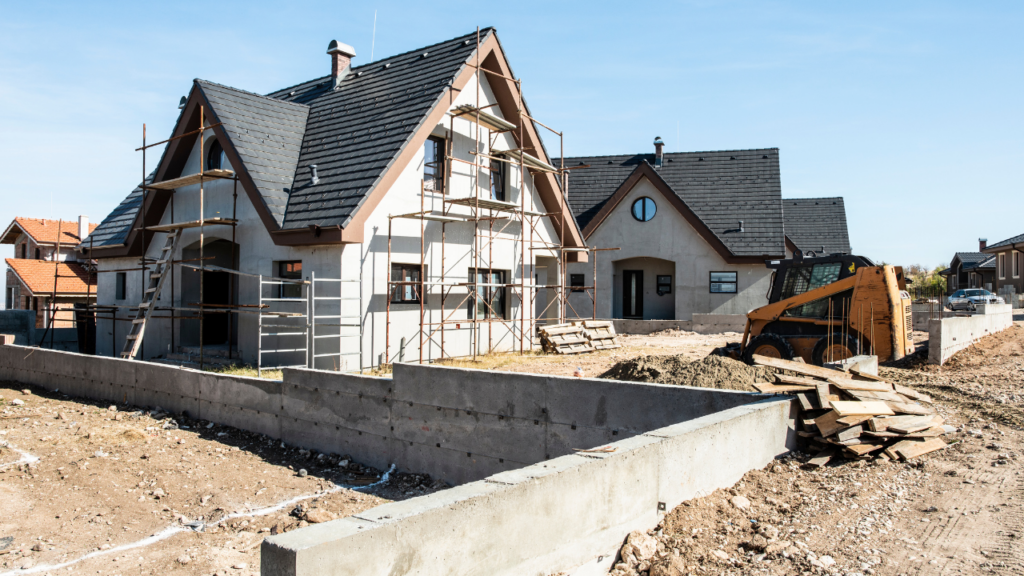
One of the first questions buyers ask when considering new construction is: “How long will it take?” It’s a fair question. After all, if you’re selling your current home, ending a lease, relocating for work, or simply eager to move into your new house, timing matters. The challenge is that there isn’t one simple answer. Some new construction homes in Minnesota can be completed in a matter of weeks. Others may take several months. Custom homes may take even longer. Many buyers walk into a model home expecting an exact completion date, only to discover that home construction involves dozens of moving parts that can affect the timeline. The good news is that understanding the building process ahead of time can help you set realistic expectations and avoid unnecessary stress. Let’s look at what influences construction timelines and what Minnesota buyers should know before building a home. Not All New Construction Homes Follow the Same Timeline One of the biggest misconceptions buyers have is assuming every new construction home takes the same amount of time. That’s not how it works. The timeline depends largely on the type of home you’re buying. Generally speaking, new construction homes fall into three categories: Each comes with a different timeline. Quick Move-In Homes Quick move-in homes, sometimes called inventory homes or spec homes, are already under construction or fully completed when buyers purchase them. Builders often construct these homes before a buyer is identified. Why? Because many buyers want a new home without waiting several months. If a builder has a completed home available, your timeline may be similar to purchasing a resale property. In some cases, you may close within a few weeks. This is often the fastest path to new construction. To-Be-Built Homes This is the option most buyers picture when they think about building a home. You choose: Construction begins after the purchase agreement is finalized. In Minnesota, many production builders estimate several months from contract to completion. However, timelines vary significantly depending on: This option provides personalization but requires patience. Custom Homes Custom homes usually involve the longest timeline. Unlike production builders, custom builders often create homes specifically designed for the buyer. This may include: The additional planning and customization typically extend the overall timeline. The tradeoff is greater flexibility and personalization. The Homebuilding Process To understand timing, it helps to understand the construction process itself. A home doesn’t simply appear overnight. There are multiple phases involved. Each phase must be completed before the next one begins. Phase One: Site Preparation Before construction starts, the lot must be prepared. This may involve: Minnesota weather can occasionally affect this stage, particularly during winter months or periods of heavy rain. Phase Two: Foundation Work Once the site is prepared, foundation work begins. Depending on the home design, this may involve: The foundation is one of the most important parts of the home, so builders take this stage seriously. Weather conditions can influence scheduling. Phase Three: Framing Framing is when buyers finally begin seeing the house take shape. Walls go up. Roof structures appear. Rooms become recognizable. For many buyers, this is one of the most exciting stages because the home suddenly feels real. Phase Four: Mechanical Systems After framing comes the installation of major systems such as: These systems are installed before walls are finished. Inspections often occur during this phase to verify compliance with building requirements. Phase Five: Insulation and Drywall Once systems are installed and approved, insulation and drywall work begin. At this point, the interior starts resembling a finished home. Rooms become defined. Walls are enclosed. Progress often feels much faster. Phase Six: Interior Finishes This stage includes many of the design selections buyers spend so much time choosing. Examples include: The home begins transforming from a construction site into a living space. Phase Seven: Final Touches The final stage includes: Once everything is complete, closing can be scheduled. What Causes Construction Delays? Every buyer wants a guaranteed completion date. Unfortunately, construction doesn’t always cooperate. Several factors can affect timing. Weather Minnesota weather is beautiful. It’s also unpredictable. Snow. Rain. Extreme cold. Wind. All can influence construction schedules. Builders work hard to keep projects moving, but weather sometimes creates unavoidable delays. Material Availability The construction industry relies on thousands of products. Examples include: If a manufacturer experiences delays, construction schedules may be affected. Material shortages became particularly noticeable during recent years, but availability issues can arise at any time. Labor Availability Building a home requires skilled professionals. Scheduling challenges involving subcontractors may occasionally affect timelines. This is especially true during busy construction seasons. Permit Delays Local governments review and approve construction permits. Most approvals occur smoothly. However, processing times can vary depending on location and workload. Buyer Changes Surprisingly, buyers themselves sometimes contribute to delays. For example: Changes after construction begins can affect scheduling. That’s one reason builders encourage buyers to finalize selections early. Why Builders Give Estimated Completion Dates Many buyers become frustrated when they receive an estimated completion date instead of a guaranteed one. The reason is simple. Builders can’t control every variable. They can estimate based on experience, but weather, labor, materials, and inspections all influence the final timeline. Most builders would rather provide realistic expectations than make promises they can’t control. Planning Your Move If you’re building a home, flexibility is your friend. Avoid making assumptions about exact dates months in advance. Whenever possible: Preparation helps reduce stress. Questions to Ask Your Builder Before signing a contract, ask: These conversations can help set realistic expectations. Real Example Imagine two buyers building similar homes. Buyer A expects the home to be finished on a specific date and becomes frustrated when weather causes delays. Buyer B understands the timeline is an estimate and plans accordingly. Both receive beautiful homes. But Buyer B experiences significantly less stress because expectations were realistic from the beginning. Frequently Asked Questions How long does it usually take to build a home in Minnesota? Timelines vary depending on the builder, home type,
What Hidden Costs Come With New Construction Homes in Minnesota? (2026 Homebuyer Guide)
One of the biggest surprises for many homebuyers isn’t the purchase price of a new construction home. It’s everything that comes after. Many buyers walk into a beautiful model home, see the advertised starting price, and assume that’s close to what they’ll ultimately spend. Then reality sets in. The lot they want costs extra. The kitchen they love isn’t standard. The backyard is dirt. The blinds aren’t included. The deck isn’t included. The finished basement isn’t included. And suddenly, the final investment looks very different from the number that originally caught their attention. This doesn’t mean new construction is a bad financial decision. In fact, many Minnesota buyers absolutely love building a home. The key is understanding the full picture before signing a contract. Let’s walk through some of the most common hidden costs that buyers encounter when building a new home in Minnesota. The Model Home Is Usually Not the Base Price This is one of the most common misunderstandings in new construction. Builders design model homes to showcase the best possible version of a floor plan. When you walk through a model home, you’re often seeing: Many buyers assume everything they see is included. In reality, some model homes contain tens of thousands of dollars in upgrades. Before falling in love with a model, ask: “What exactly is included in the base price?” That question alone can prevent major surprises. Lot Premiums Can Add Thousands Not all homesites are priced equally. Builders often charge additional fees for desirable lots. Examples include: Depending on the community, lot premiums can range from a few thousand dollars to significantly more. Many buyers don’t learn about these costs until after selecting their preferred homesite. Design Center Upgrades Add Up Quickly The design center is where many budgets expand. At first, every decision feels small. A slightly better countertop. A nicer cabinet style. A flooring upgrade. An upgraded staircase. A larger kitchen island. Individually, these upgrades may seem reasonable. Combined, they can dramatically increase the final purchase price. This is why setting a design budget before your appointment is so important. Appliances May Not Be Included Some builders include appliance packages. Others don’t. Depending on the builder, you may need to purchase: Many buyers budget carefully for their mortgage but forget to account for these additional expenses. Always ask exactly what appliances are included. Window Treatments Are Often Missing When you move into a resale home, blinds and window coverings are usually already installed. With new construction, that isn’t always the case. Many buyers move into a beautiful new home only to realize every window is uncovered. Depending on the size of the home, window treatments can become a significant expense. This is a frequently overlooked cost. Landscaping May Not Be Finished Many model homes feature beautiful landscaping. What buyers sometimes forget is that those professionally landscaped model homes aren’t necessarily representative of what comes with the home. Depending on the builder, your yard may initially include: You may still need: These costs can add up quickly. Decks, Patios, and Outdoor Spaces Minnesota homeowners love outdoor living. Unfortunately, many new homes don’t automatically include outdoor living features. You may need to budget separately for: Buyers are often surprised by how much these projects cost after closing. Fencing Costs Families with children and pet owners frequently plan to install fencing after moving in. However, fencing costs are rarely included in the builder’s pricing. Depending on: Fencing can represent a meaningful additional expense. It’s wise to plan ahead. Homeowner Association Fees Many new developments in Minnesota include homeowner associations. HOA fees may cover: While these services can be valuable, they also represent an ongoing monthly or annual expense. Buyers should understand both current and potential future HOA costs. Property Taxes May Increase One hidden cost many buyers don’t anticipate is property taxes. During the construction process, tax estimates may be based on: Once the home is fully assessed, taxes often increase. This doesn’t mean taxes are unfair. It simply means buyers should understand how future assessments may affect monthly housing costs. Closing Costs Still Exist Some buyers mistakenly assume new construction eliminates closing costs. It doesn’t. Typical closing costs may include: Builder incentives may help offset some of these expenses, but buyers should still plan accordingly. Utility Startup Costs Moving into a new home often means setting up: These aren’t massive expenses individually, but they contribute to the overall cost of homeownership. Additional Storage Solutions Model homes are professionally organized. After moving in, buyers often realize they need: These projects are rarely included but often become priorities after move-in. Basement Finishing Many Minnesota builders offer unfinished basements. An unfinished basement may be perfectly acceptable initially. However, many families eventually decide to add: Future basement finishing can become one of the largest post-purchase expenses. Maintenance Equipment New homeowners frequently overlook practical purchases such as: These aren’t glamorous purchases, but they’re often necessary. Minnesota seasons demand preparation. Furniture Costs A larger home often requires additional furniture. Many buyers upgrade from: Suddenly they need: These expenses aren’t part of the mortgage but still affect the budget. Smart Home Features and Technology Many builders include basic smart home features. However, buyers often choose to expand their systems with: Technology upgrades can become another unexpected expense. Why Budgeting Beyond the Purchase Price Matters The smartest buyers don’t focus only on the sales price. They look at: A home that feels affordable on paper can become stressful if post-closing expenses weren’t considered. Real Example Imagine two buyers purchasing identical homes. Buyer A budgets only for the purchase price. Buyer B budgets for: Both buy the same home. But Buyer B feels far more prepared because expectations were realistic from the beginning. Questions to Ask Before Signing a Builder Contract Before committing to a new construction home, ask: The answers can help you create a much more accurate budget. Frequently Asked Questions Are new construction homes more expensive than resale homes? Not always, but buyers should account for additional costs beyond
How Do Builder Warranties Work in Minnesota? (2026 New Construction Homebuyer Guide)

One of the biggest advantages buyers see when purchasing a new construction home is the warranty. After all, if you’re buying a brand-new house, it’s reasonable to expect that major systems, appliances, and construction components should work properly. And in most cases, they do. But many buyers are surprised to learn that builder warranties aren’t as simple as they sound. Some people assume a builder warranty covers absolutely everything. Others believe that once they move in, every future issue becomes the builder’s responsibility. The reality falls somewhere in the middle. Builder warranties can provide tremendous peace of mind, but it’s important to understand what they cover, what they don’t cover, and what responsibilities still belong to the homeowner. If you’re considering new construction in Minnesota, here’s what you should know about builder warranties before you sign a contract. Why Builder Warranties Exist New homes are complex. Even a modest home contains thousands of components installed by numerous contractors and suppliers. A typical new construction project may involve: Despite quality control processes, occasional issues can occur. Builder warranties exist to address certain defects that may appear after closing. They help provide buyers with confidence and create a process for addressing covered concerns. Not All Builder Warranties Are the Same One of the biggest misconceptions is assuming every builder offers identical warranty coverage. That’s not true. Warranty programs can vary significantly between builders. Some builders provide: Others may have different terms and limitations. Before purchasing a new home, ask for a copy of the warranty documentation. Read it carefully. Understanding the warranty before signing a contract is far easier than trying to understand it after a problem arises. The Common Warranty Structure Many builders organize warranties into different time periods. Although every builder is different, a common structure may include coverage for: One-Year Workmanship Coverage This often covers items such as: These are generally items related to craftsmanship and finishing work. During the first year, homeowners often identify minor items that need attention as they begin living in the home. Two-Year Systems Coverage Some builders provide additional coverage for certain mechanical systems. Examples may include: Again, coverage varies. Always review your builder’s specific warranty documentation. Structural Coverage Many builders provide longer-term structural coverage. Structural issues may involve: Structural warranties often extend beyond the initial workmanship warranty period. However, definitions of “structural defects” can vary. Never assume a structural warranty covers every issue involving your home. What’s Usually Covered? Coverage depends on the builder and warranty provider, but common covered items may include: The warranty generally exists to address problems resulting from construction or materials rather than homeowner maintenance. What’s Usually Not Covered? This is where misunderstandings often occur. Many buyers assume every issue that appears after move-in is covered. That’s rarely the case. Items commonly excluded may include: Reading the exclusions section is just as important as reading the coverage section. Normal Settling Is Common Minnesota homes experience seasonal temperature swings. As homes settle, buyers may notice: These situations are often normal. Many builders schedule warranty appointments specifically to address settling-related items during the first year. Your Appliances May Have Separate Warranties Another common misconception is assuming the builder warranty covers appliances. In many cases: Are covered by manufacturer warranties rather than builder warranties. If an appliance stops working, the appropriate contact may be the manufacturer instead of the builder. Keep all appliance documentation after closing. Understanding Warranty Requests Most builders have a process for submitting warranty claims. This may include: When you notice a concern, document it. Take photos. Keep records. Submit requests according to the builder’s procedures. Organization can help speed up the process. Why a Final Walkthrough Matters Before closing, buyers typically complete a final walkthrough. This is your opportunity to identify: Don’t rush through this step. Take your time. Open doors. Test fixtures. Check appliances. Look carefully. A detailed walkthrough can help identify concerns before move-in. Seasonal Changes Can Reveal Issues Minnesota weather is unique. A home completed during summer may experience very different conditions during winter. Seasonal changes can reveal: This is one reason many warranty programs extend beyond the first few months after closing. Keep a Homeowner Maintenance Schedule Builder warranties are not a substitute for maintenance. As a homeowner, you’ll still be responsible for: Proper maintenance helps protect your home and may affect warranty coverage. The Importance of Documentation If a warranty issue arises, documentation is your friend. Keep: The better organized you are, the easier warranty discussions typically become. Why You Should Still Get an Inspection Some buyers assume: “There’s a warranty, so I don’t need an inspection.” That’s a mistake. A warranty and an inspection serve different purposes. A professional inspection can help identify concerns before they become larger issues. Many buyers choose: These inspections can provide valuable information. The 11-Month Inspection Many experienced homeowners schedule an inspection near the end of the first warranty year. Why? Because it allows them to identify issues while workmanship coverage may still be active. This is often one of the smartest investments a buyer can make. Real Example Imagine two homeowners. Homeowner A: Homeowner B: Which homeowner is likely to have a smoother experience? Preparation matters. Questions to Ask Your Builder Before signing a contract, ask: These questions can help clarify expectations. Frequently Asked Questions Do all new homes come with warranties? Most builders provide some form of warranty coverage, but details vary. Does a builder warranty cover everything? No. Most warranties contain limitations and exclusions. How long do builder warranties last? Coverage periods vary depending on the builder and warranty category. Should I get an inspection if there’s a warranty? Yes. Many buyers still choose independent inspections. What happens if I discover a problem after moving in? Follow the builder’s warranty process and submit the issue according to their procedures. Final Thoughts Builder warranties are one of the biggest benefits of purchasing a new construction home. They provide peace of mind and protection against certain defects that may appear after closing. However, warranties are
Do I Need a Real Estate Agent for New Construction in Minnesota? (2026 Homebuyer Guide)

One of the most common misconceptions about buying a newly built home is that you don’t need a real estate agent. After all, you’re buying directly from the builder, right? There’s a sales office. There’s a model home. There’s a community representative ready to answer questions. So why would you need an agent? It’s a fair question. In fact, many buyers walk into a model home for the first time assuming the builder’s representative will guide them through the entire process. And while builder representatives are incredibly knowledgeable about their communities, floor plans, and available homesites, it’s important to understand who they represent. The builder’s sales representative works for the builder. Your real estate agent works for you. That distinction becomes very important once contracts, upgrades, inspections, financing, and negotiations enter the picture. If you’re considering building a home in Minnesota, here’s what you should know before deciding whether or not to have your own representation. Why Many Buyers Think They Don’t Need an Agent The confusion is understandable. When buying a resale home, there is usually: The roles seem obvious. New construction feels different. The builder owns the property. The builder has a sales office. The builder has staff available to answer questions. Because of this setup, many buyers assume the builder’s representative is automatically helping both sides. But that’s not how the relationship typically works. Who Does the Builder’s Sales Representative Represent? The builder representative’s role is to represent the builder’s interests. That doesn’t mean they’re dishonest. It doesn’t mean they’re trying to take advantage of buyers. In fact, most builder representatives are extremely professional and helpful. However, their responsibility is ultimately to the builder. Their job includes: They are not acting as your personal advocate. That’s where a buyer’s agent can play a different role. What a Buyer’s Agent Does During New Construction Many people think a buyer’s agent only helps locate homes. That’s only a small part of the job. When purchasing new construction, an experienced real estate agent may help you: The value often extends far beyond finding the property. Builders Use Their Own Contracts One thing that surprises many first-time buyers is that builder contracts are usually very different from standard resale contracts. Builder agreements are often: The contract language may address: A buyer’s agent can help explain how these provisions affect you throughout the building process. Comparing Builders Is Harder Than It Looks Many buyers fall in love with the first model home they visit. That’s understandable. Model homes are designed to impress. However, comparing builders involves much more than appearance. Questions worth asking include: An experienced agent can help you compare options objectively. Understanding Upgrade Costs One area where buyers often exceed their budgets is the design center. It starts innocently. You upgrade flooring. Then cabinets. Then countertops. Then lighting. Before long, thousands of dollars have been added to the purchase price. A real estate agent can help you evaluate: That perspective can be incredibly helpful. Lot Selection Matters More Than Buyers Realize Not all lots are equal. Many builders offer: Each may carry different premiums. A buyer’s agent can help you think beyond today’s excitement and consider future resale value as well. Location within the neighborhood often matters more than buyers initially realize. Negotiation Isn’t Always About Price Many buyers assume builders never negotiate. That’s not entirely true. While some builders may be reluctant to reduce base prices, negotiations can sometimes involve: A knowledgeable agent understands where flexibility may exist. Inspections Are Still Important One of the biggest mistakes buyers make is assuming a new home doesn’t need an inspection. The logic sounds reasonable. “It’s brand new. Why inspect it?” The reality is that new homes are still built by people. Even excellent builders can experience: Many buyers choose to have inspections performed at various stages of construction. An agent can help coordinate those inspections and ensure concerns are addressed appropriately. Construction Delays Happen Every builder aims to complete homes on schedule. Unfortunately, delays can occur. Common causes include: When delays happen, having someone helping you navigate communication and expectations can be valuable. Financing Decisions Matter Builders often work with preferred lenders. These lenders may offer incentives such as: Those incentives can be attractive. However, it’s still wise to compare financing options. A buyer’s agent can encourage buyers to evaluate the entire financial picture rather than focusing solely on builder incentives. The First Visit Is Important Many builders require agents to accompany buyers on the first visit. This is critical. If you plan to use a real estate agent, let the builder know before registering or signing in at the sales office. Waiting until later may limit how representation is handled. Every builder has different policies. It’s best to discuss this upfront. Why Some Buyers Skip Representation Some buyers choose not to use an agent because they believe it will save money. Others simply don’t realize representation is available. And some buyers feel comfortable managing the process independently. That’s certainly their choice. The important thing is making an informed decision rather than assuming representation isn’t an option. Real Example Let’s imagine two buyers visit the same builder community. Buyer A: Buyer B: Both may end up with wonderful homes. However, Buyer B often feels more informed because decisions were made with additional guidance. Questions to Ask Before Building If you’re considering new construction, ask: These questions can help prevent surprises later. Frequently Asked Questions Do builders pay buyer’s agents? Compensation structures vary by builder and community, but many builders have programs that include buyer representation. Can I use my own agent for new construction? In many cases, yes. However, it’s important to discuss representation before registering with the builder. Will using an agent increase the price? Not necessarily. Builder pricing is generally established regardless of whether a buyer has representation. Do I still need inspections on a new home? Many buyers choose to have inspections because new construction can still have defects or unfinished items. Is buying new construction easier