
How Do Collections Affect Mortgage Approval? (2026 Guide for Immigrant Homebuyers in Minnesota)
If you’re planning to buy a home in the United States and you’ve had collections appear on your credit report, there’s a good chance you’re worried about one big question: 👉 “Can I still get approved for a mortgage?” And honestly? You’re NOT alone. This is one of the MOST common concerns among:✔️ Immigrant homebuyers✔️ First-time buyers✔️ Buyers rebuilding credit✔️ Buyers learning the U.S. credit system Because collections can feel:👉 Scary and confusing. Especially when many immigrants are still adjusting to:✔️ U.S. billing systems✔️ Insurance systems✔️ Credit reporting rules✔️ Financial terminology A lot of buyers ask: 👉 “Will collections automatically disqualify me from buying a home?” The answer is:👉 Not necessarily. But collections CAN affect:✔️ Credit scores✔️ Mortgage approval✔️ Interest rates✔️ Loan program eligibility✔️ Down payment requirements You might be wondering: • Can I get approved with collections?• Should I pay collections off first?• Do medical collections matter?• How much do collections hurt my score?• Can lenders ignore old collections?• How long do collections stay on reports?• What should immigrant buyers know before applying? These are excellent questions. Because understanding collections EARLY can help you:👉 Prepare smarter and avoid surprises during mortgage approval. The good news is: 👉 Many buyers with collections STILL successfully buy homes. But it’s important to:👉 Understand how lenders view these accounts. 🏡 The Short Answer 👉 Collections may hurt your credit score and complicate mortgage approval…But they do NOT automatically prevent you from buying a home. The impact depends on:✔️ Collection amount✔️ Collection type✔️ Age of the collection✔️ Loan program✔️ Overall credit profile✔️ Income and savings✔️ Whether accounts are paid or unpaid Many buyers with collections still qualify:👉 Especially after improving their overall financial profile. 🏡 What Is a Collection Account? A collection happens when:👉 A debt goes unpaid long enough that it’s transferred to a collection agency. This may involve:✔️ Credit cards✔️ Medical bills✔️ Utility bills✔️ Personal loans✔️ Apartment balances✔️ Insurance-related charges Once in collections:👉 The account may appear on your credit report. 🏡 Why Collections Hurt Credit Scores Collections may signal to lenders:👉 Previous payment problems. Credit scoring systems often view collections as:❌ Higher financial risk That may:✔️ Lower your score✔️ Reduce mortgage options✔️ Increase lender scrutiny Especially if collections are:✔️ Recent✔️ Large✔️ Multiple accounts 🏡 Can You Still Buy a Home With Collections? Sometimes:👉 Absolutely. Many mortgage approvals depend on:✔️ Entire financial picture Not:👉 One issue alone. Lenders may also evaluate:✔️ Income stability✔️ Savings✔️ Employment history✔️ Down payment✔️ Current payment habits✔️ Debt-to-income ratio Strong compensating factors may help:👉 Offset past credit problems. 🏡 Medical Collections May Be Viewed Differently This is important. Medical collections are often treated differently than:✔️ Credit card collections✔️ Personal loan defaults Why? Because medical debt may result from:✔️ Insurance confusion✔️ Unexpected emergencies✔️ Billing disputes Some mortgage programs and scoring models:👉 Treat medical collections less severely. This has become more common recently. 🏡 Should You Pay Off Collections Before Applying? This depends on:✔️ Loan type✔️ Lender requirements✔️ Collection amount✔️ Credit profile overall Sometimes:👉 Paying collections helps. Other times:👉 It may not improve scores dramatically immediately. Some lenders may REQUIRE:✔️ Certain collections to be resolved before approval. Others may:✔️ Allow smaller collections to remain. This is why:👉 Mortgage guidance matters tremendously. 🏡 Paying Collections Doesn’t Always Remove Them This surprises many buyers. Even after paying:👉 Collections may still appear on reports temporarily. However:✔️ Paid collections may look better to lenders than unpaid ones. Some collection agencies may agree to:✔️ “Pay-for-delete” arrangements But:👉 Not all do. 🏡 Older Collections Usually Matter Less Generally:👉 Older collections have less impact than recent ones. Lenders often focus heavily on:✔️ Recent financial behavior If buyers demonstrate:✔️ Improved habits✔️ Stable finances✔️ Responsible recent credit use That may help:👉 Offset older problems. 🏡 Payment History After Collections Matters A LOT Mortgage lenders want to see:👉 Recovery and stability. If collections happened years ago…But recent history shows:✔️ Consistent payments✔️ Responsible credit use✔️ Stable finances That may strengthen:👉 Mortgage approval chances significantly. 🏡 Collections Can Affect Interest Rates Too This is important. Even if collections don’t prevent approval… Lower scores may:✔️ Increase mortgage rates✔️ Raise monthly payments✔️ Reduce loan flexibility That’s why:👉 Credit preparation matters so much before applying. 🏡 Immigrant Buyers Often Face Unique Collection Situations This is VERY common. Many immigrants accidentally encounter collections because:✔️ Billing systems are unfamiliar✔️ Insurance systems work differently✔️ Mail notices are misunderstood✔️ Medical billing becomes confusing✔️ Utility systems differ from other countries And honestly? These situations happen more often than people realize. 🏡 Thin Credit Profiles Need Extra Caution If you already have:👉 Thin U.S. credit history Collections may affect your profile MORE heavily. Why? Because lenders have:👉 Less positive history to evaluate. That’s why immigrant buyers often benefit from:✔️ Building strong recent payment history✔️ Keeping utilization low✔️ Using credit responsibly 🏡 Can Mortgage Lenders Ignore Collections? Sometimes:👉 Smaller or older collections may carry less weight. But:👉 Policies vary significantly by lender and loan program. Some programs are:✔️ More flexible Others are:✔️ Much stricter This is why:👉 Speaking with lenders EARLY matters tremendously. 🏡 What If the Collection Is Incorrect? This happens MORE often than people realize. Possible errors include:✔️ Identity mistakes✔️ Insurance billing issues✔️ Duplicate collections✔️ Incorrect balances✔️ Fraudulent accounts Disputing errors may:👉 Improve your credit profile significantly. Before applying for a mortgage:👉 Review your reports carefully. 🏡 What Mortgage Lenders REALLY Want to See Lenders usually prefer:✔️ Stable recent payment history✔️ Controlled debt levels✔️ Responsible credit management✔️ Financial consistency over time One past problem does NOT always define:👉 Your future mortgage approval. Recent behavior matters tremendously. 🏡 Why Timing Matters Before Applying Sometimes buyers rush into:👉 Mortgage applications too early. But improving your profile BEFORE applying may:✔️ Increase approval odds✔️ Improve rates✔️ Expand loan options✔️ Lower monthly costs Strategic timing can make:👉 A huge financial difference. 🏡 Real Situation I See Often Someone relocates to Minnesota and accidentally ends up with:👉 A medical collection. Initially they panic and assume:👉 Homeownership is impossible. But after:✔️ Reviewing reports✔️ Improving recent payment history✔️ Building credit responsibly✔️ Working with experienced lenders They often
What Utilization Ratio Should I Keep Before Applying for a Mortgage? (2026 Guide for Immigrant Homebuyers in Minnesota)
If you’re preparing to buy a home in the United States, there’s a good chance you’ve heard someone say: 👉 “Keep your credit utilization low.” And honestly? A lot of buyers immediately think: 👉 “What does that even mean?” This is one of the MOST confusing parts of the U.S. credit system for:✔️ Immigrant buyers✔️ First-time homebuyers✔️ Buyers building credit for the first time Because many people assume:👉 If they pay their bills on time…That should be enough. But mortgage lenders and credit scoring systems also look at:✔️ How MUCH of your available credit you use. And that’s where:👉 Credit utilization ratio comes in. A lot of buyers ask: 👉 “What utilization ratio should I keep before applying for a mortgage?” This is a VERY important question because utilization can affect:✔️ Credit scores✔️ Mortgage approval✔️ Interest rates✔️ Loan options✔️ Monthly payments And honestly? For many buyers:👉 Lowering utilization is one of the FASTEST ways to improve credit scores. You might be wondering: • What is utilization ratio exactly?• What percentage is considered good?• Does carrying balances hurt my mortgage approval?• Should I pay off cards completely?• What if my cards are maxed out?• Can utilization lower my score quickly?• How soon before applying should I lower balances? These are excellent questions. Because understanding utilization properly can help you:👉 Avoid major mortgage preparation mistakes. The good news is: 👉 Utilization is something many buyers can improve relatively quickly. But it’s important to:👉 Understand how lenders and scoring systems view it. 🏡 The Short Answer 👉 Many experts recommend keeping your credit utilization:✔️ Under 30%✔️ Ideally under 10% if possible before applying for a mortgage Lower utilization generally helps:✔️ Credit scores✔️ Mortgage readiness✔️ Financial appearance to lenders High utilization may:❌ Lower your score❌ Reduce mortgage options❌ Increase lender concerns 🏡 What Is Credit Utilization Ratio? Utilization ratio means:👉 How much of your available credit you’re currently using. Example: If your total credit limit is:👉 $10,000 And your balances total:👉 $2,000 Your utilization ratio is:👉 20% That’s considered:✔️ Relatively healthy. 🏡 Why Utilization Matters So Much Credit scoring systems often view:👉 High balances as higher financial risk. Even if:✔️ You pay on time✔️ You have stable income✔️ You’re financially responsible Maxed-out or heavily used cards may signal:👉 Potential financial stress. Mortgage lenders notice this. 🏡 Lower Utilization Often Helps Scores Quickly This is HUGE. For many buyers:👉 Lowering utilization creates one of the FASTEST noticeable score improvements. Especially if balances were previously:✔️ Very high Example: Reducing utilization from:👉 85%To:👉 20% May help scores significantly. That’s why many mortgage professionals advise buyers to:👉 Lower balances BEFORE applying. 🏡 What Utilization Is Considered “Too High”? Generally: ✔️ Under 10%→ Excellent ✔️ Under 30%→ Usually healthy ❌ Over 50%→ Often concerning ❌ Over 75%→ Usually very risky for scores The higher the utilization:👉 The more potential negative impact on scores. 🏡 Maxed-Out Cards Can Hurt Mortgage Approval This is VERY important. Even if you:✔️ Make payments consistently Maxed-out cards may:❌ Lower scores dramatically❌ Increase debt-to-income concerns❌ Reduce lender confidence Mortgage lenders want to see:👉 Responsible credit management. 🏡 Should You Pay Off Cards Completely? Sometimes:👉 Yes. But not always necessary. Many buyers do VERY well simply by:✔️ Reducing balances significantly✔️ Keeping utilization low You do NOT necessarily need:👉 Zero balances everywhere. The goal is:✔️ Healthy utilization✔️ Financial stability 🏡 Utilization Is Calculated Per Card AND Overall This surprises many people. Lenders and scoring systems may evaluate:✔️ Overall utilizationAND✔️ Individual card utilization Example: Even if overall utilization looks good… One card at:👉 95% utilization May still hurt your score. Spreading balances more evenly may help. 🏡 Timing Matters Before Mortgage Applications This is HUGE. Many buyers wait until:👉 The last minute to lower balances. But credit reporting takes:✔️ Time to update So ideally:👉 Start lowering balances EARLY before applying. Strategic preparation often creates:✔️ Better mortgage outcomes. 🏡 Why Immigrant Buyers Often Struggle With Utilization Many immigrants come from countries where:✔️ Credit systems work differently✔️ Debt usage is viewed differently✔️ Credit scoring may not emphasize utilization heavily So naturally:👉 Utilization can feel confusing initially. And honestly? Many buyers mistakenly believe:👉 Carrying large balances helps build credit. Not necessarily. 🏡 Carrying Large Balances Usually Doesn’t Help This is a VERY common myth. Some people think:👉 “I should carry debt to improve my score.” That’s usually incorrect. Responsible usage matters more than:👉 Carrying expensive debt. The goal is:✔️ Controlled balances✔️ Consistent payments✔️ Low utilization 🏡 What If You Have Thin Credit? Thin credit means:👉 Limited credit history. This is common among:✔️ Immigrants✔️ First-time buyers✔️ New U.S. residents In these situations:👉 Utilization becomes EVEN MORE important. Because lenders have:👉 Less historical data to evaluate. Strong utilization habits may help:✔️ Strengthen your profile. 🏡 Does Utilization Affect Mortgage Rates Too? Potentially:👉 Yes. Credit scores often affect:✔️ Mortgage rates✔️ Loan eligibility✔️ Financing flexibility Even small score improvements may:👉 Save thousands over time. That’s why:👉 Mortgage preparation matters so much. 🏡 Should You Open New Cards to Lower Utilization? Sometimes:👉 Maybe. But timing matters. Opening new accounts before mortgage applications may:✔️ Lower average account age✔️ Create hard inquiries✔️ Temporarily affect scores Generally:👉 Major credit changes right before applying are risky. This is why:👉 Personalized mortgage guidance matters. 🏡 What Lenders REALLY Want to See Mortgage lenders usually prefer:✔️ Stable payment history✔️ Controlled debt levels✔️ Responsible utilization✔️ Consistent financial behavior They generally want confidence that borrowers can:👉 Handle mortgage payments responsibly long-term. 🏡 Should You Stop Using Credit Cards Completely? Usually:👉 No. Using cards responsibly may actually help:✔️ Payment history✔️ Active account reporting✔️ Credit profile consistency The key is:✔️ Controlled low-balance usage. 🏡 Real Situation I See Often Someone preparing to buy a home has:✔️ Good income✔️ Stable job✔️ Decent credit score But:👉 Very high card balances. After:✔️ Paying balances down✔️ Lowering utilization✔️ Improving ratios They often see:👉 Better mortgage opportunities surprisingly quickly. 🏡 Common Utilization Mistakes Buyers Make ❌ Maxing out cards ❌ Carrying high balances unnecessarily ❌ Waiting too long to lower balances ❌ Ignoring individual card utilization ❌ Opening multiple new
Should I Avoid Closing Old Accounts Before Applying for a Mortgage? (2026 Guide for Immigrant Homebuyers in Minnesota)

If you’re planning to buy a home in the United States, there’s a good chance you’ve looked at your credit accounts and wondered: 👉 “Should I close some of these old accounts before applying for a mortgage?” And honestly? A LOT of buyers think closing old accounts will:✔️ Simplify finances✔️ Improve approval odds✔️ Make them look financially stronger But surprisingly… 👉 Closing old accounts may sometimes HURT your credit score instead of helping it. This catches many buyers completely off guard. Especially immigrant buyers who are still learning:✔️ How U.S. credit systems work✔️ What mortgage lenders actually evaluate✔️ Which financial behaviors help or hurt approval You might be wondering: • Do old accounts help my credit score?• Will closing cards improve mortgage approval?• What if I don’t use old accounts anymore?• Can closing accounts hurt my score quickly?• Should I close secured cards later?• What if I have too many accounts?• What’s the safest strategy before applying for a mortgage? These are excellent questions. Because even small credit score changes may affect:✔️ Mortgage approval✔️ Interest rates✔️ Monthly payments✔️ Loan options The good news is: 👉 In many cases, keeping old accounts OPEN may actually help your mortgage preparation more than closing them. But it’s important to:👉 Understand WHY. 🏡 The Short Answer 👉 In many situations, you should AVOID closing old credit accounts before applying for a mortgage. Why? Because older accounts may help:✔️ Your credit history length✔️ Your utilization ratio✔️ Your overall credit profile Closing accounts may sometimes:❌ Lower your score temporarily❌ Increase utilization percentages❌ Reduce account age averages This surprises MANY buyers. 🏡 Why Mortgage Lenders Care About Credit Profiles Mortgage lenders evaluate:✔️ Payment history✔️ Debt levels✔️ Credit usage✔️ Account stability✔️ Credit history length They want confidence that borrowers can:👉 Handle long-term mortgage payments responsibly. A stable, mature credit profile often helps create:👉 Stronger mortgage applications. 🏡 Why Old Accounts Matter Old accounts help show:👉 Long-term financial behavior. Lenders generally like seeing:✔️ Established credit history✔️ Long-standing accounts✔️ Consistent payment patterns Even if you don’t actively use an account often…👉 Its history may still help your profile. 🏡 Average Account Age Matters This is VERY important. Credit scoring models often consider:👉 Average account age. Example: If you have:✔️ Several older accounts Your profile may appear:👉 More established. But if you close old accounts…👉 Your average account age may eventually decrease. That can:❌ Hurt your score. 🏡 Credit Utilization Is Another BIG Reason This is one of the MOST important factors. Utilization means:👉 How much of your available credit you’re using. Example: If you have:👉 $10,000 total credit limits And:👉 $2,000 balances Your utilization is:👉 20% Now imagine you close an old card with:👉 $5,000 limit Suddenly:👉 Your available credit drops. Now your utilization ratio jumps MUCH higher. And that may:❌ Lower your credit score. 🏡 High Utilization Can Hurt Mortgage Approval Mortgage lenders may view:✔️ High utilizationAs:👉 Higher financial risk. Even if you pay on time consistently… Maxed-out or heavily used cards may:❌ Hurt your score❌ Reduce mortgage options❌ Affect interest rates This is why:👉 Keeping old available credit open sometimes helps significantly. 🏡 What If You Never Use the Account? That’s okay sometimes. An unused old account may still help by:✔️ Increasing available credit✔️ Lengthening account history✔️ Supporting utilization ratios However:👉 Some card issuers may close inactive accounts automatically over time. So occasional small activity may help keep accounts active. 🏡 Should You Close Secured Credit Cards Later? Sometimes:👉 Maybe. But timing matters. If a secured card:✔️ Has positive history✔️ Helps utilization✔️ Strengthens account age Closing it too early may:❌ Hurt your score temporarily. In many situations:👉 It’s smarter to wait until AFTER mortgage approval. 🏡 What If You Have Annual Fees? This becomes more situational. If an account has:✔️ Expensive annual fees✔️ Little long-term value You may eventually consider closing it. But ideally:👉 Talk with a mortgage professional BEFORE making major credit changes. Especially if you’re:✔️ Planning to buy soon. 🏡 Timing Matters A LOT Before Mortgage Applications This is HUGE. Mortgage lenders prefer:👉 Financial stability during the application process. Major changes before applying may create:✔️ Score fluctuations✔️ New credit calculations✔️ Additional lender questions That’s why many buyers are advised to:👉 Avoid unnecessary credit changes before applying. 🏡 What About Closing Newer Accounts? Closing newer accounts may sometimes affect scores LESS dramatically than older accounts. But:👉 Every situation is different. The impact depends on:✔️ Account age✔️ Credit limits✔️ Overall profile✔️ Existing utilization This is why:👉 Personalized guidance matters. 🏡 What Mortgage Lenders REALLY Want to See Lenders usually prefer:✔️ Stable payment history✔️ Responsible utilization✔️ Consistent financial behavior✔️ Predictable credit patterns They generally do NOT want to see:✔️ Sudden financial instability✔️ Large credit swings✔️ Risky borrowing behavior Stability matters tremendously. 🏡 Thin Credit Profiles Need Extra Caution This is especially important for:✔️ Immigrant buyers✔️ First-time buyers✔️ Buyers with limited credit history If you already have:👉 Thin credit Closing accounts may:❌ Weaken your profile even more. That’s why many immigrant buyers benefit from:👉 Preserving positive credit history carefully. 🏡 Should You Open New Accounts Before Buying? Usually:👉 No. Opening multiple accounts before applying may:✔️ Lower average account age✔️ Create hard inquiries✔️ Temporarily lower scores Generally:👉 Stability is better before mortgage approval. 🏡 Credit Scores Affect More Than Approval This is important. Your score may affect:✔️ Mortgage approval✔️ Interest rate✔️ Monthly payment✔️ Loan program eligibility Even small score improvements may save:👉 Thousands long-term. That’s why:👉 Protecting your credit before applying matters so much. 🏡 Why Immigrant Buyers Often Feel Confused Many immigrants come from countries where:✔️ Credit systems work differently✔️ Debt is viewed differently✔️ Credit scoring models are less emphasized So naturally:👉 U.S. credit behavior can feel confusing initially. And honestly? Many buyers assume:👉 “Less credit must be better.” But in the U.S. mortgage system:👉 Responsible credit management matters more than avoiding all accounts entirely. 🏡 Real Situation I See Often Someone preparing to buy a home decides:👉 “I should clean up my finances.” So they:✔️ Close older cards✔️ Reduce available credit✔️ Simplify accounts Then suddenly:👉 Their score drops
Can Rent Payments Help Build My Credit Before Buying a Home? (2026 Guide for Immigrant Homebuyers in Minnesota)
If you recently moved to the United States and are hoping to buy a home someday, there’s a good chance you’ve wondered: 👉 “Can my rent payments help build my credit?” And honestly? This is a VERY smart question. Especially for immigrant buyers because many newcomers:✔️ Pay rent consistently✔️ Have stable income✔️ Manage finances responsibly✔️ Avoid debt carefully But still discover:👉 They have little or no U.S. credit history. That situation is extremely common. A lot of immigrant buyers ask: 👉 “If I’ve been paying rent on time every month, shouldn’t that count toward my mortgage approval later?” And the answer is: 👉 Sometimes yes. But there are important things you should understand about:✔️ How rent reporting works✔️ Which services report payments✔️ How lenders view rent history✔️ What helps build mortgage-ready credit fastest You might be wondering: • Do rent payments automatically build credit?• How do I report rent payments?• Which credit bureaus accept rent history?• Can rent improve my credit score quickly?• Do mortgage lenders care about rent history?• What if my landlord doesn’t report payments?• Should immigrants use rent-reporting services? These are excellent questions. Because building strong credit early may:👉 Improve mortgage options dramatically later. The good news is: 👉 Rent payments CAN sometimes help strengthen your credit profile. But it’s important to:👉 Understand how the system actually works. 🏡 The Short Answer 👉 Yes — rent payments MAY help build credit if they are properly reported to credit bureaus. However:👉 Most rent payments are NOT automatically reported. That means many renters need:✔️ Rent-reporting services✔️ Participating landlords✔️ Third-party reporting systems To help those payments appear on:👉 Credit reports. 🏡 Why Credit Matters So Much for Homebuying Mortgage lenders evaluate:✔️ Credit history✔️ Payment consistency✔️ Debt management✔️ Financial reliability Strong credit may help buyers qualify for:✔️ Better mortgage rates✔️ More financing options✔️ Lower monthly payments✔️ Easier approvals For immigrant buyers especially:👉 Building U.S. credit early matters tremendously. 🏡 Why Rent History Feels Important to Buyers Honestly? A lot of renters feel frustrated because:👉 They consistently pay large monthly rent payments…But don’t automatically receive credit-building benefits. And that frustration makes sense. Many immigrant renters may pay:✔️ $1,500✔️ $2,000✔️ $3,000+ Every month consistently… Without those payments helping:👉 Their traditional credit profile. That’s why rent reporting has become:👉 Much more popular recently. 🏡 Do Rent Payments Automatically Build Credit? Usually:👉 No. Unlike:✔️ Credit cards✔️ Auto loans✔️ Student loans Most rent payments are NOT automatically reported to:👉 Major credit bureaus. That means:👉 Simply paying rent on time may not improve your score automatically. Unless:✔️ Your landlord reports paymentsOR✔️ You use a rent-reporting service 🏡 What Is a Rent-Reporting Service? Rent-reporting services help:👉 Send your rent payment history to credit bureaus. These services may report payments to:✔️ Experian✔️ TransUnion✔️ Equifax Depending on:✔️ The company✔️ The reporting setup This can help create:👉 Additional payment history on your credit profile. 🏡 How Rent Reporting May Help Credit Scores Positive rent history may help:✔️ Build payment records✔️ Strengthen thin credit files✔️ Generate additional credit activity✔️ Improve some scoring models Especially for:✔️ Immigrants✔️ First-time buyers✔️ Younger borrowers✔️ Buyers with limited credit history But results vary. 🏡 Does Rent Reporting Always Increase Credit Scores? Not necessarily. Credit scoring models work differently. Some scoring systems:✔️ Consider rent history heavily Others:✔️ May use it less So:👉 Rent reporting MAY help significantly…But it’s not guaranteed to dramatically raise scores immediately. 🏡 Mortgage Lenders Often Like Seeing Strong Rent History This is important. Even when rent isn’t fully reflected in scores… Mortgage lenders may still value:✔️ Stable rental history✔️ Consistent on-time housing payments✔️ Long-term payment reliability Especially for:✔️ Immigrant buyers✔️ Thin-credit borrowers✔️ First-time homebuyers Housing payment history matters psychologically to lenders because:👉 Mortgages are housing payments too. 🏡 What If Your Landlord Doesn’t Report Payments? This is VERY common. Many landlords:👉 Do not report rent automatically. That’s why renters often use:✔️ Third-party reporting services. Some services may even:✔️ Add previous rent history retroactively Depending on:✔️ Documentation and verification. 🏡 Should Immigrant Buyers Use Rent Reporting? For many buyers:👉 It can be helpful. Especially if:✔️ You have thin credit✔️ You’re new to the U.S.✔️ You consistently pay rent on time✔️ You want additional payment history documented But:👉 Rent reporting usually works BEST alongside:✔️ Credit cards✔️ Secured cards✔️ Traditional credit-building tools 🏡 Rent Reporting Alone Usually Isn’t Enough This is important. While rent reporting may help… Mortgage lenders still often prefer seeing:✔️ Traditional revolving credit✔️ Established payment history✔️ Responsible debt management That’s why many immigrant buyers combine:✔️ Rent reportingPLUS✔️ Secured credit cards Together:👉 They create a stronger credit profile. 🏡 Secured Credit Cards Still Matter For many immigrants:👉 Secured cards remain one of the BEST credit-building tools. Why? Because they help establish:✔️ Revolving credit history✔️ Utilization patterns✔️ Traditional credit activity Lenders are very familiar with:👉 Credit card payment behavior. 🏡 Consistency Matters More Than Speed A lot of buyers want:👉 FAST credit improvement. But honestly? Mortgage-ready credit usually comes from:✔️ Consistent habits over time. That includes:✔️ Paying rent on time✔️ Paying cards on time✔️ Keeping balances low✔️ Avoiding financial mistakes The goal is:👉 Stability. 🏡 What Mistakes Should You Avoid? This is VERY important. Avoid:❌ Missing rent payments ❌ Missing credit card payments ❌ Maxing out cards ❌ Opening too many new accounts ❌ Ignoring your credit reports ❌ Waiting too long to start building credit These mistakes may:👉 Slow mortgage readiness later. 🏡 Thin Credit Is Very Common for Immigrant Buyers This situation is NORMAL. Many immigrants arrive with:✔️ Strong careers✔️ Savings✔️ Responsible financial habits But:👉 Little U.S. credit history. The good news is:👉 Many lenders today understand immigrant buyer situations much better than before. Preparation still matters tremendously though. 🏡 Can Rent History Help Mortgage Approval? Sometimes:👉 Yes. Especially when lenders review:✔️ Full financial picture✔️ Housing payment consistency✔️ Alternative credit documentation Some loan programs and lenders are:👉 More flexible than others. This is why speaking with experienced mortgage professionals early helps so much. 🏡 Real Situation I See Often Someone relocates to Minnesota and rents for:✔️ 1–2 years They consistently:✔️ Pay on time✔️
How Many Months of Credit History Do I Need to Buy a Home in the U.S.? (2026 Guide for Immigrant Homebuyers in Minnesota)

If you recently moved to the United States and want to buy a home someday, one of the biggest questions you may have is: 👉 “How much U.S. credit history do I actually need?” And honestly? This is one of the MOST common concerns immigrant buyers have. Because many newcomers arrive with:✔️ Strong income✔️ Savings✔️ Stable employment✔️ Responsible financial habits But then discover:👉 U.S. mortgage lenders still want to see domestic credit history. A lot of immigrant buyers ask: 👉 “Do I need years of credit before I can qualify for a mortgage?” The answer is:👉 Not always. But understanding how lenders evaluate credit history can help you:✔️ Prepare smarter✔️ Avoid delays✔️ Improve financing options✔️ Reduce stress during the mortgage process You might be wondering: • How long does it take to build mortgage-ready credit?• Can I buy with only a few months of history?• What if I have thin credit?• Do lenders require traditional credit cards?• Can rent or utility payments help?• Will a larger down payment help offset limited history?• What mistakes should I avoid while building credit? These are excellent questions. Because mortgage approval is not just about:👉 Your income. It’s also about:👉 Showing lenders consistent financial behavior over time. The good news is: 👉 Many immigrant buyers CAN qualify for mortgages sooner than they expect. But it’s important to:👉 Understand how lenders view credit history. 🏡 The Short Answer 👉 Many mortgage lenders prefer seeing at least several months to a few years of established U.S. credit history. But:👉 Requirements vary depending on: ✔️ Loan type✔️ Credit profile✔️ Down payment✔️ Income stability✔️ Debt levels✔️ Lender flexibility✔️ Alternative credit documentation Some immigrant buyers may qualify:👉 Sooner than they expected. Especially with:✔️ Strong financial profiles. 🏡 Why Credit History Matters for Mortgages Mortgage lenders use credit history to help evaluate:✔️ Payment consistency✔️ Debt management✔️ Financial reliability✔️ Borrowing behavior over time Lenders want confidence that borrowers can:👉 Handle long-term mortgage payments responsibly. The longer and more stable your credit history is:👉 The easier it becomes for lenders to evaluate risk. 🏡 Why Immigrants Often Start With Thin Credit This is VERY common. Even if you had:✔️ Excellent credit abroad✔️ Property ownership overseas✔️ Strong banking history Most of that history usually:👉 Does NOT transfer directly into the U.S. system. That means many immigrants begin with:👉 Thin or nonexistent U.S. credit files. And honestly? Mortgage lenders see this situation regularly. 🏡 What Is Thin Credit? Thin credit means:👉 Limited credit history. This may include:✔️ Few accounts✔️ New accounts✔️ Short account age✔️ Limited borrowing activity You may still have:✔️ Good financial habits✔️ Strong income But lenders simply:👉 Have less historical data to review. 🏡 Can You Get a Mortgage With Limited Credit History? Sometimes:👉 Yes. Especially if you also have:✔️ Stable employment✔️ Good income✔️ Savings reserves✔️ Low debt✔️ Strong down payment Some lenders also consider:✔️ Rent payment history✔️ Utility bills✔️ Bank statements✔️ Alternative credit data This can help immigrant buyers with:👉 Limited traditional credit. 🏡 How Mortgage Programs Differ Different loan programs have:👉 Different flexibility levels. Some programs are:✔️ More credit-sensitive Others may allow:✔️ More alternative documentation✔️ Lower score requirements✔️ Flexible underwriting This is why:👉 Talking with experienced mortgage professionals early matters so much. 🏡 Building Credit Early Is VERY Important Many buyers wait until:👉 Right before buying. But honestly? That’s usually NOT ideal. The BEST strategy is often:👉 Start building credit immediately after arriving in the U.S. Even if homebuying is:✔️ 1–2 years away Early preparation may:✔️ Improve loan options dramatically later. 🏡 What Helps Build Credit History? Several things may help: ✔️ Secured credit cards✔️ Traditional credit cards✔️ Auto loans✔️ Student loans✔️ Rent-reporting services✔️ Responsible payment history The key is:👉 Consistent positive activity over time. 🏡 Payment History Matters MOST This is critical. Even with shorter credit history:👉 Strong payment history helps tremendously. Late payments may:❌ Hurt scores significantly❌ Delay mortgage readiness❌ Create lender concerns The BEST strategy is:✔️ Pay everything on time✔️ Use automatic payments if possible Consistency matters more than:👉 Spending heavily. 🏡 Credit Utilization Matters Too This is another BIG factor. Utilization means:👉 How much of your available credit you use. Example: If your limit is:👉 $1,000 And your balance is:👉 $900 That’s VERY high utilization. Generally:👉 Lower utilization helps credit profiles more. Many experts suggest:✔️ Staying under 30%✔️ Ideally under 10% if possible 🏡 Do Secured Credit Cards Help Build History? Absolutely. For many immigrants:👉 Secured cards are one of the BEST starting tools. They help create:✔️ Payment history✔️ Account age✔️ Credit bureau reporting✔️ Credit score generation Over time:👉 This strengthens mortgage readiness. 🏡 Does Longer Credit History Always Mean Better Approval? Not necessarily. Lenders evaluate:✔️ Total financial picture. A buyer with:✔️ Shorter historyBut:✔️ Strong income✔️ Savings✔️ Low debt✔️ Stable employment May still qualify successfully. Meanwhile:👉 Longer history with poor habits may still create problems. 🏡 Larger Down Payments May Sometimes Help In some situations:👉 Larger down payments may strengthen applications. Why? Because they may reduce:✔️ Lender risk✔️ Loan-to-value ratio Especially for buyers with:✔️ Limited credit history. But requirements vary significantly. 🏡 Avoid Opening Too Many Accounts Quickly This is a common mistake. Some buyers think:👉 More accounts automatically improve credit. Not necessarily. Opening many accounts quickly may:✔️ Lower average account age✔️ Create hard inquiries✔️ Raise lender concerns temporarily Generally:👉 Slow, steady credit building works better. 🏡 Should You Wait Longer Before Applying? Sometimes:👉 Yes. Improving your profile BEFORE applying may:✔️ Increase approval odds✔️ Improve interest rates✔️ Expand loan options✔️ Lower monthly costs Strategic timing matters. 🏡 What If You Have No Traditional Credit? Some lenders may still work with:👉 Nontraditional credit. This may include:✔️ Rent history✔️ Utility bills✔️ Insurance payments✔️ Bank statements✔️ Cell phone bills Especially for:✔️ Immigrant buyers✔️ First-time borrowers Not all lenders offer this flexibility though. 🏡 Real Situation I See Often Someone relocates to Minnesota with:✔️ Great income✔️ Stable job✔️ Savings But:👉 Almost no U.S. credit history. Initially they feel discouraged. But after:✔️ Building credit carefully✔️ Establishing payment history✔️ Working with experienced lenders They often become:👉 Strong mortgage candidates faster than
Do Secured Credit Cards Help With Mortgage Approval? (2026 Guide for Immigrant Homebuyers in Minnesota)

If you recently moved to the United States and want to buy a home someday, there’s a good chance someone has told you: 👉 “You should get a secured credit card.” And honestly? That’s often GOOD advice. Because for many immigrants and first-time buyers:👉 Secured credit cards are one of the easiest ways to begin building U.S. credit history. But a lot of people still wonder: 👉 “Do secured credit cards ACTUALLY help with mortgage approval?” This is a very smart question. Especially because many immigrant buyers are starting with:✔️ No U.S. credit history✔️ Thin credit profiles✔️ Limited borrowing history in America✔️ Strong income but little documented credit activity And honestly? That situation is EXTREMELY common. You might be wondering: • Will mortgage lenders accept secured credit cards?• Do secured cards build real credit?• How long should I use one before buying a home?• Will a secured card raise my score?• Should I get multiple secured cards?• Can I qualify for a mortgage with only secured-card history?• What mistakes should I avoid? These are excellent questions. Because building U.S. credit correctly early on can:👉 Make mortgage approval MUCH easier later. The good news is: 👉 Secured credit cards absolutely CAN help mortgage approval. But it’s important to:👉 Use them the RIGHT way. 🏡 The Short Answer 👉 Yes — secured credit cards can help build the credit history mortgage lenders want to see. When used responsibly, secured cards may help:✔️ Build payment history✔️ Generate credit scores✔️ Establish U.S. credit history✔️ Improve credit profiles over time For many immigrants:👉 They are one of the BEST starting tools available. 🏡 What Is a Secured Credit Card? A secured credit card works differently than a traditional credit card. With secured cards:👉 You provide a refundable security deposit. That deposit usually becomes:👉 Your credit limit. Example: You deposit:👉 $500 Then your card limit becomes:👉 Around $500 The card issuer reports your activity to:✔️ Major credit bureaus And that reporting helps:👉 Build your credit history. 🏡 Why Secured Cards Help Immigrant Buyers This is important. Many immigrants arrive in the U.S. with:✔️ Strong financial habits✔️ Savings✔️ Careers✔️ Excellent financial history abroad But:👉 No U.S. credit profile. Mortgage lenders in the U.S. rely heavily on:✔️ Domestic credit history. Secured cards help begin creating:👉 That financial record. 🏡 Mortgage Lenders Want to See Responsible Credit Usage This is the key. Mortgage approval is not just about:✔️ Income✔️ Savings Lenders also want to evaluate:👉 How consistently you manage debt. Secured credit cards help show:✔️ Payment behavior✔️ Account management✔️ Utilization habits✔️ Financial consistency Over time:👉 That may strengthen mortgage applications. 🏡 Payment History Matters MOST This is critical. Your payment history is one of the BIGGEST credit score factors. Late payments may:❌ Hurt your score significantly❌ Damage mortgage approval chances❌ Stay on reports for years The BEST strategy is:✔️ Pay every payment on time✔️ Use automatic payments when possible Consistency matters more than:👉 Spending large amounts. 🏡 Small Purchases Work Fine Many people think:👉 They need to spend heavily to build credit. Not true. Small regular purchases work well. Examples:✔️ Gas✔️ Groceries✔️ Streaming subscriptions✔️ Phone bills The goal is:👉 Responsible usage. Not:👉 High spending. 🏡 Utilization Ratio Is VERY Important This is one of the most misunderstood credit concepts. Utilization means:👉 How much of your available credit you’re using. Example: If your limit is:👉 $500 And you spend:👉 $450 Your utilization is:👉 90% That’s VERY high. Generally:👉 Lower utilization helps scores more. Many experts recommend:✔️ Staying under 30%✔️ Ideally under 10% if possible 🏡 Can Secured Cards Raise Your Credit Score? Often:👉 Yes. Especially when combined with:✔️ On-time payments✔️ Low balances✔️ Consistent usage✔️ Time Many buyers begin seeing:👉 Credit profile improvements within months. Building strong mortgage-ready credit usually takes:👉 Longer-term consistency. 🏡 How Long Should You Use a Secured Card Before Applying for a Mortgage? This depends on:✔️ Overall financial profile✔️ Income✔️ Savings✔️ Existing credit history✔️ Loan program Generally:👉 Longer stable history helps. Some buyers may qualify sooner than expected. Others may benefit from:✔️ Additional time building history. This is why speaking with:✔️ Mortgage professionals early Can help create:👉 Better preparation timelines. 🏡 Should You Open Multiple Secured Cards? Usually:👉 Not immediately. Opening too many accounts quickly may:✔️ Create multiple hard inquiries✔️ Lower average account age✔️ Look risky to lenders temporarily Generally:👉 Slow, consistent credit building works better. Especially before:✔️ Mortgage applications. 🏡 Can You Get Approved for a Mortgage With Only Secured Card History? Sometimes:👉 Yes. Especially if buyers also have:✔️ Strong income✔️ Savings✔️ Stable employment✔️ Low debt✔️ Alternative credit history Some lenders also evaluate:✔️ Rent payments✔️ Utility payments✔️ Bank statements✔️ Employment history Immigrant homebuyer programs may offer:👉 Additional flexibility. 🏡 What Mistakes Should You Avoid? This is VERY important. Avoid:❌ Missing payments ❌ Maxing out the card ❌ Applying for too many accounts ❌ Carrying high balances ❌ Closing accounts too quickly ❌ Ignoring credit monitoring These mistakes may:👉 Slow mortgage readiness later. 🏡 Should You Upgrade to an Unsecured Card Later? Sometimes:👉 Yes. Many secured cards eventually allow:✔️ Graduation to unsecured cards That may help:✔️ Increase credit limits✔️ Strengthen credit profiles✔️ Improve utilization ratios But the KEY remains:👉 Responsible usage. 🏡 Why Starting Early Matters So Much Many buyers wait until:👉 Right before homebuying. But honestly? The BEST strategy is usually:👉 Build credit EARLY. Even if buying a home is:✔️ 1–2 years away Starting now may:✔️ Improve financing options dramatically later. 🏡 Thin Credit Is Common for Immigrant Buyers Thin credit means:👉 Limited credit history. This is VERY common among:✔️ Immigrants✔️ New U.S. residents✔️ Young buyers✔️ First-time borrowers And honestly? Many lenders today understand:👉 Thin credit situations much better than before. Preparation still matters tremendously though. 🏡 Real Situation I See Often Someone relocates to Minnesota with:✔️ Great income✔️ Savings✔️ Stable employment But:👉 No U.S. credit. Initially they feel discouraged. But after:✔️ Opening secured cards✔️ Building payment history✔️ Staying consistent They often become:👉 Much stronger mortgage candidates over time. 🏡 Common Mistakes Immigrant Buyers Make ❌ Waiting too long to start building credit ❌ Missing
How Do I Start Building Credit Quickly in the U.S.? (2026 Guide for Immigrant Homebuyers in Minnesota)
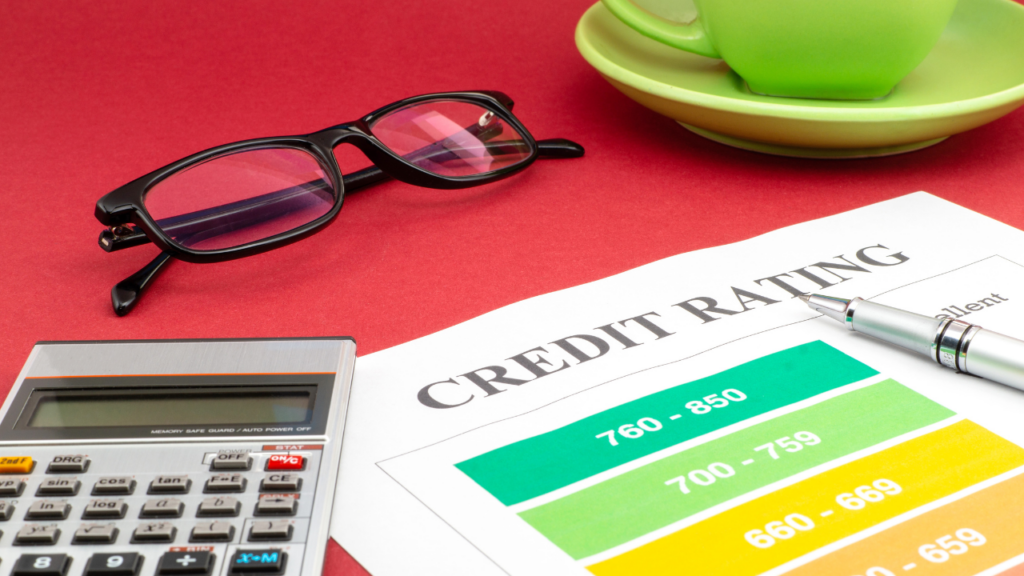
If you recently moved to the United States and want to buy a home someday, one of the first things you’ll probably hear is: 👉 “You need to build credit.” And honestly? That can feel confusing and frustrating at first. Especially because many immigrants arrive in the U.S. with:✔️ Strong savings✔️ Stable income✔️ Professional careers✔️ Excellent financial habits in their home country But then discover:👉 They essentially have NO U.S. credit history. A lot of immigrant buyers ask: 👉 “How do I build credit FAST so I can qualify for a mortgage?” This is a very common question. Because in the U.S., your credit score affects:✔️ Mortgage approval✔️ Interest rates✔️ Credit cards✔️ Car loans✔️ Apartment applications✔️ Insurance rates in some cases And honestly? Learning how U.S. credit works early can make homebuying MUCH easier later. You might be wondering: • What’s the fastest way to build credit?• How long does it take?• Can I buy a house with no credit?• Do secured credit cards help?• Can rent payments build credit?• What mistakes should I avoid?• How much credit history do lenders want? These are smart questions. Because building credit correctly early on can:👉 Save you THOUSANDS later on mortgage interest. The good news is: 👉 Many immigrants can begin building strong U.S. credit faster than they expect. But it’s important to:👉 Use the RIGHT strategy. 🏡 The Short Answer 👉 The fastest way to build credit in the U.S. is usually by: ✔️ Opening a secured credit card✔️ Making small purchases consistently✔️ Paying on time every month✔️ Keeping balances LOW✔️ Avoiding late payments completely Over time, this creates:👉 Positive credit history. And that history is what lenders want to see. 🏡 Why Credit Matters So Much for Homebuying Mortgage lenders use credit scores to help determine:✔️ Loan approval✔️ Interest rates✔️ Risk level✔️ Financing options Generally:👉 Stronger credit can help you qualify for:✔️ Better rates✔️ Lower monthly payments✔️ More loan options Even small credit score improvements can significantly affect:👉 Long-term mortgage costs. 🏡 Why Many Immigrants Start With No Credit This surprises many newcomers. Your credit history from another country usually:👉 Does NOT automatically transfer to the U.S. So even if you:✔️ Owned property abroad✔️ Had excellent financial history✔️ Used credit responsibly for years You may still begin in the U.S. with:👉 Little or no credit profile. This is normal. And honestly? It’s very common. 🏡 Step 1: Open a Secured Credit Card For many immigrants:👉 This is the BEST starting point. A secured credit card works like this: You provide:👉 A refundable security deposit. That deposit becomes:👉 Your credit limit. Example: You deposit:👉 $500 Then your credit limit becomes:👉 Around $500 The card reports activity to credit bureaus. And that helps:👉 Build credit history. 🏡 Why Secured Credit Cards Work So Well They help lenders see:✔️ Payment history✔️ Responsible usage✔️ Account management Over time:👉 This helps generate your credit score. The KEY is:✔️ Use the card lightly✔️ Pay on time✔️ Keep balances low 🏡 Keep Your Utilization LOW This is VERY important. Your utilization ratio means:👉 How much of your available credit you use. Example: If your limit is:👉 $500 And you spend:👉 $450 That’s VERY high utilization. Generally:👉 Lower utilization helps your score more. Many experts suggest staying:✔️ Under 30%✔️ Ideally under 10% if possible 🏡 Payment History Matters MOST This is critical. Late payments can damage your credit FAST. Even ONE missed payment may hurt:✔️ Your score✔️ Mortgage approval odds later✔️ Future financing opportunities The best strategy is:👉 Automatic payments. Consistency matters more than:👉 Spending large amounts. 🏡 Small Purchases Work Fine Many people think:👉 They need to spend heavily to build credit. That’s NOT true. Small consistent purchases work well. Examples:✔️ Gas✔️ Groceries✔️ Streaming subscriptions✔️ Cell phone bills Then:👉 Pay the balance responsibly. 🏡 How Fast Can You Build Credit? This depends on:✔️ Payment consistency✔️ Account usage✔️ Credit mix✔️ Reporting activity But many people begin generating:👉 Early credit scores within several months. Building STRONG mortgage-ready credit usually takes:👉 Longer. Especially for:✔️ Better interest rates✔️ Conventional mortgage approvals 🏡 Can Rent Payments Help Build Credit? Sometimes:👉 Yes. Some rent-reporting services may help report:✔️ On-time rent payments To:✔️ Credit bureaus. Not all landlords report automatically. So you may need:👉 A third-party service. This may help strengthen:✔️ Payment history records. 🏡 Should You Open Multiple Credit Cards Quickly? Usually:👉 No. Opening too many accounts too fast may:✔️ Lower your score temporarily✔️ Create too many inquiries✔️ Look risky to lenders Generally:👉 Slow and steady works better. Especially before:✔️ Applying for a mortgage. 🏡 Avoid Carrying Large Balances This is another common mistake. Some people believe:👉 Carrying debt helps credit. Not necessarily. You do NOT need to:✔️ Carry large balances✔️ Pay interest unnecessarily Responsible low-balance usage works well. 🏡 What About Thin Credit? Thin credit means:👉 Limited credit history. You may still qualify for mortgages with:✔️ Thin credit✔️ Limited accounts But options may become:👉 More limited. Some lenders can use:✔️ Alternative credit data✔️ Rent history✔️ Utility history✔️ Bank statements Especially for immigrant buyers. 🏡 How Long of Credit History Do Mortgage Lenders Prefer? This varies by:✔️ Loan type✔️ Lender guidelines✔️ Overall financial profile Generally:👉 Longer, stable history helps. But some buyers may qualify sooner with:✔️ Strong income✔️ Good savings✔️ Stable employment✔️ Low debt This is why talking with experienced lenders early matters. 🏡 Credit Mistakes to Avoid Before Buying a Home This is VERY important. Avoid:❌ Late payments ❌ Maxing out cards ❌ Opening many new accounts quickly ❌ Closing old accounts unnecessarily ❌ Large unexplained bank activity ❌ Co-signing risky loans ❌ Missing bill payments These mistakes may:👉 Hurt mortgage approval later. 🏡 Should You Close Old Credit Accounts? Usually:👉 No. Older accounts help show:✔️ Longer credit history Closing old accounts may:✔️ Reduce available credit✔️ Raise utilization ratios✔️ Shorten account history That may hurt your score. 🏡 What Credit Score Do You Need for a Mortgage? This depends on:✔️ Loan program✔️ Down payment✔️ Debt levels✔️ Income✔️ Lender guidelines Some programs allow:👉 Lower scores than people expect. But generally:👉 Higher scores
Should I Lock My Mortgage Rate Now or Wait? (2026 Minnesota Homebuyer Guide)

If you’re buying a home in Minnesota, one question that can feel incredibly stressful is: 👉 “Should I lock my mortgage rate now… or wait?” And honestly? This is one of the BIGGEST financing questions buyers struggle with. Because mortgage rates affect:• Monthly payments• Affordability• Buying power• Long-term interest costs And naturally, buyers don’t want to feel like:👉 They locked “too early”OR👉 Waited “too long.” You may find yourself constantly checking:• Mortgage news• Interest rate headlines• Economic reports• YouTube videos• Social media predictions Trying to figure out: 👉 “What’s going to happen next?” But here’s the reality: 👉 Nobody can consistently predict short-term mortgage rates perfectly. Not lenders.Not economists.Not real estate agents.Not YouTube influencers. And honestly? Trying to perfectly time mortgage rates can create:👉 Massive stress and indecision. You might be wondering: • Should I lock now before rates rise?• What if rates fall after I lock?• Is waiting too risky?• How long can I wait before locking?• What do most buyers do?• Can I refinance later if rates improve? These are smart questions. Because mortgage rate timing directly affects:👉 Your monthly payment and financial comfort. The key is understanding:👉 What rate locks are REALLY designed to do. 🏡 The Short Answer 👉 A mortgage rate lock helps protect buyers from rising rates during the transaction process. Locking now may create:👉 Stability and payment certainty. Waiting may create:👉 Potential opportunity OR additional risk. There is no universal perfect answer. The best decision depends on:• Your comfort level• Your budget• Your timeline• Market conditions• Your financial flexibility 🏡 Why Buyers Feel So Stressed About Locking Rates Because mortgage rates directly affect:👉 Monthly affordability. Even small changes in rates may impact:• Monthly payments• Purchasing power• Long-term costs That creates emotional pressure. Especially when buyers constantly hear:👉 “Rates might go up.”OR👉 “Rates might drop soon.” 🏡 Why Nobody Can Predict Rates Perfectly Mortgage rates move based on:• Inflation• Economic data• Bond markets• Federal Reserve policy• Global financial conditions• Investor behavior And markets can react:👉 Extremely fast. That’s why:👉 Predicting short-term rate movement consistently is incredibly difficult. 🏡 What Happens If You Lock Your Rate? When you lock:👉 The lender generally agrees to honor a specific interest rate for a certain period of time. This may help protect buyers if:👉 Market rates increase before closing. The biggest benefit is:👉 Predictability. You now know:👉 Approximately what your payment structure will look like. 🏡 What Happens If You Wait? If you wait:👉 Rates may improve… OR:👉 Rates may increase. That uncertainty creates:👉 Risk. Some buyers are comfortable with that risk. Others prefer:👉 Stability and certainty. 🏡 Why Some Buyers Lock Early Many buyers lock because:👉 They prioritize payment stability. Especially buyers who:• Are near their affordability limit• Prefer predictable budgeting• Dislike financial uncertainty• Already feel comfortable with current payments For these buyers:👉 Locking may reduce stress significantly. 🏡 Why Some Buyers Wait to Lock Other buyers believe:👉 Rates may improve before closing. They may feel:👉 Comfortable taking some market risk. Sometimes waiting helps. Sometimes it backfires. This is why:👉 There is no guaranteed “perfect” timing strategy. 🏡 Why Monthly Payment Matters More Than Chasing the Lowest Rate This is VERY important. Some buyers become obsessed with:👉 Getting the absolute lowest rate possible. But successful homeownership is usually more about:👉 Sustainable monthly affordability. The better question is often: 👉 “Does this payment comfortably fit my lifestyle and goals?” Because:👉 Financial comfort matters long term. 🏡 What Buyers Often Forget About Waiting While buyers wait for lower rates:👉 Other things may also change. For example:• Home prices may rise• Competition may increase• Inventory may decrease• Rent costs may continue increasing That’s why:👉 Mortgage rates are only ONE piece of the affordability picture. 🏡 Why Buyers Should Avoid Emotional Decision-Making Mortgage headlines create:👉 Emotional reactions. One day:👉 Buyers panic rates are rising. Next day:👉 Buyers think rates will crash lower. Constant emotional reactions often create:👉 Stress and confusion. Smart buyers usually focus on:👉 Long-term financial stability instead. 🏡 Can Buyers Refinance Later? Sometimes:👉 Yes. If rates improve later:👉 Some homeowners may refinance. Refinancing means:👉 Replacing the current mortgage with a new loan. Potential goals may include:• Lower interest rate• Lower monthly payment• Different loan term However:👉 Refinancing is never guaranteed. And refinancing usually involves:• New qualification• Closing costs• Market conditions That’s why:👉 Buyers should first ensure TODAY’S payment works comfortably. 🏡 What Is a Float-Down Option? Some lenders offer:👉 Float-down options. These may allow buyers:👉 To access lower rates if the market improves after locking. However:👉 Not all lenders offer this. And some float-downs involve:• Restrictions• Fees• Specific timelines That’s why buyers should ask:👉 About lender policies upfront. 🏡 Why Closing Timelines Matter Rate locks usually last:👉 A specific number of days. If closing delays occur:👉 Lock extensions may become necessary. That may involve:• Additional costs• Updated market pricing• Extra stress This is why:👉 Transaction timing matters heavily during financing. 🏡 Why Buyers Often Regret Trying to Time the Market This happens ALL the time. A buyer waits:👉 Hoping rates improve slightly. Instead:👉 Rates rise significantly. Now:👉 The payment feels much worse. Another buyer locks earlier… Then rates dip slightly later. But:👉 They still feel relieved because:• The payment stayed affordable• The transaction remained stable• Stress decreased significantly This is why:👉 Emotional peace matters too. 🏡 Why Financial Comfort Matters Most The goal is not:👉 “Winning” against the market. The goal is:👉 Sustainable homeownership. A buyer with:• A manageable payment• Emergency savings• Long-term stability Often feels:👉 Much better financially over time. 🏡 Real Situation I See Often A Minnesota buyer says: 👉 “I’ll wait just a little longer to lock.” But during that waiting period:👉 Rates increase unexpectedly. Now:👉 The monthly payment is hundreds higher. Another buyer says: 👉 “This payment works comfortably for me now.” They lock. And even though rates move slightly afterward:👉 They still feel financially confident. That confidence matters heavily during:👉 The stressful homebuying process. 🏡 Common Rate Lock Mistakes Buyers Make ❌ Trying to perfectly predict mortgage markets ❌ Focusing only on headlines
What Is a Rate Lock and How Does It Work? (2026 Minnesota Homebuyer Guide)

If you’re buying a home in Minnesota, there’s a good chance your lender will eventually ask: 👉 “Do you want to lock your mortgage rate?” And honestly? A lot of buyers immediately panic when they hear that question. Because suddenly it feels like:👉 You’re being asked to predict the future. You might start wondering: • What exactly is a rate lock?• Why do mortgage rates keep changing?• What happens if rates go up after I lock?• What if rates go DOWN after I lock?• Should I lock now or wait?• Can my rate change before closing? These are VERY common questions. Especially in markets where:👉 Mortgage rates move frequently. And honestly? Rate locks are one of the most misunderstood parts of the mortgage process. Many buyers think:👉 “Once I’m pre-approved, my rate is guaranteed.” That’s not usually true. Because until the rate is officially locked:👉 Mortgage pricing may still change. That means:👉 Your future monthly payment may change too. The good news is: 👉 Rate locks are designed to help protect buyers from rate increases during the loan process. But understanding:👉 WHEN to lock👉 HOW locks work👉 And WHAT risks still exist Is extremely important. 🏡 The Short Answer 👉 A rate lock is an agreement between the borrower and lender that temporarily locks a mortgage interest rate for a set period of time. This helps protect buyers if:👉 Mortgage rates increase before closing. Rate locks usually last:• 15 days• 30 days• 45 days• 60 daysOr longer depending on the lender and transaction. During the lock period:👉 The interest rate is generally protected from market increases. 🏡 Why Mortgage Rates Change So Often Mortgage rates are constantly moving based on:• Economic conditions• Inflation• Bond markets• Federal Reserve policy• Investor activity That means:👉 Rates may change daily. Sometimes:👉 Multiple times in one day. This creates uncertainty for buyers. Especially during:👉 Longer closing timelines. 🏡 Why Rate Locks Exist Imagine this: You get pre-approved at:👉 6.5% You go under contract on a home… Then before closing:👉 Rates jump to 7.2% Suddenly:👉 Your monthly payment could increase significantly. That’s exactly why:👉 Rate locks exist. A lock helps protect:👉 Buyers from market volatility during the transaction. 🏡 Does a Pre-Approval Lock the Rate? Usually:👉 No. This is a HUGE misconception. Pre-approval only means:👉 A lender reviewed initial financial information. The actual mortgage rate may still change:👉 Until officially locked. That’s why buyers should ask:👉 “Is my rate locked yet?” 🏡 What Happens After You Lock the Rate? Once the rate is locked:👉 The lender generally agrees to honor that rate during the lock period. Even if:👉 Market rates increase afterward. This creates:👉 Payment stability and predictability during closing. 🏡 Can Rates Still Change After Locking? Potentially:👉 Yes — under certain circumstances. For example:• Loan terms change• Closing gets delayed significantly• Financial profile changes• Appraisal issues occur• Lock expires before closing That’s why buyers should:👉 Avoid major financial changes during the transaction. 🏡 What Happens If Rates Drop After Locking? This is where buyers get emotional. Sometimes:👉 Buyers lock… Then rates decrease afterward. Naturally buyers ask: 👉 “Can I get the lower rate now?” The answer depends on:👉 The lender and loan program. Some lenders may offer:👉 Float-down options. Others may not. This is why buyers should ask:👉 About lender lock policies upfront. 🏡 What Is a Float-Down Option? A float-down option may allow:👉 Buyers to access a lower rate if market rates improve after locking. However:👉 Rules vary heavily between lenders. Some float-downs may involve:• Restrictions• Fees• Specific timing requirements Not all lenders offer them. 🏡 Should Buyers Wait to Lock? This is one of the BIGGEST questions in real estate financing. And honestly? 👉 Nobody can consistently predict rates perfectly. Waiting may help if:👉 Rates improve. But waiting may also hurt if:👉 Rates rise unexpectedly. This is why rate-lock timing feels stressful for buyers. 🏡 Why Some Buyers Lock Early Many buyers prioritize:👉 Stability and certainty. They prefer:👉 Knowing the payment won’t increase unexpectedly. Especially if:• The current payment already feels comfortable• The budget is tight• They dislike financial uncertainty For these buyers:👉 Locking may create peace of mind. 🏡 Why Some Buyers Wait Other buyers hope:👉 Rates may improve before closing. They may feel:👉 Comfortable taking some risk for possible savings. However:👉 This strategy can backfire if rates rise. That’s why:👉 There is no universally “perfect” lock strategy. 🏡 What Happens If the Lock Expires? Rate locks only last:👉 A certain number of days. If closing gets delayed beyond:👉 The lock expiration date The lender may require:👉 A lock extension. Sometimes extensions involve:• Additional fees• New market pricing• Updated rate terms This is why:👉 Closing delays matter. 🏡 Why Closing Timelines Matter So Much Longer transactions create:👉 More exposure to rate movement. That’s why:👉 Buyers, agents, and lenders all work to:• Keep timelines moving• Meet deadlines• Avoid unnecessary delays Because delays may create:👉 Financing complications. 🏡 Why Rate Locks Feel Emotional Because buyers feel pressure to:👉 “Time the market correctly.” And honestly? That creates anxiety. Especially when buyers constantly see:👉 Mortgage headlines online. But the truth is:👉 Nobody consistently predicts short-term mortgage rates perfectly. 🏡 What Smart Buyers Focus On Instead Successful buyers usually focus on:👉 Payment comfort. They ask:👉 “Does this payment work for my lifestyle and goals?” Because trying to perfectly predict rates may create:👉 Endless stress and indecision. 🏡 Why Communication With Your Lender Matters Rate lock decisions should involve:👉 Clear lender communication. Buyers should ask:• How long the lock lasts• What happens if rates fall• What happens if closing delays occur• Whether float-down options exist• What fees may apply Clear explanations create:👉 Better financing decisions. 🏡 Real Situation I See Often A buyer delays locking because:👉 They hope rates improve. Instead:👉 Rates rise unexpectedly. Now:👉 The monthly payment feels much higher. Another buyer locks early… Then rates dip slightly later. But:👉 They still feel relieved because:• The payment remained affordable• The transaction stayed stable• They avoided financial uncertainty This is why:👉 Emotional comfort matters too. 🏡 Common
What Fees Should I Expect From My Lender? (2026 Minnesota Homebuyer Guide)
If you’re buying a home in Minnesota, one thing that surprises many buyers is: 👉 How many different fees appear during the mortgage process. And honestly? That confusion is completely normal. Because most buyers focus heavily on:• Down payment• Monthly payment• Interest rate But then suddenly they receive:👉 A Loan Estimate full of unfamiliar charges. And naturally the questions start: 👉 “What are all these fees?”👉 “Why is closing so expensive?”👉 “Are these lender fees normal?”👉 “Can any of these costs be negotiated?” These are smart questions. Because understanding lender fees helps buyers:👉 Avoid surprises👉 Budget properly👉 Compare loan offers correctly👉 Make better financing decisions You might also be wondering: • What are closing costs?• What fees come from the lender?• Which fees are third-party costs?• How much should I expect overall?• Can sellers help cover costs?• What fees should raise red flags? These are VERY common concerns. Especially for:• First-time buyers• Relocating buyers• Immigrant buyers• Buyers comparing lenders for the first time The good news is: 👉 Most lender fees are standard parts of the mortgage process. But the key is understanding:👉 Which fees are normal…👉 Which fees vary…👉 And how to compare loan offers intelligently. 🏡 The Short Answer 👉 Mortgage lender fees are part of the closing costs required to finalize your home loan. These fees may include:• Loan origination charges• Appraisal fees• Credit report fees• Title costs• Underwriting fees• Escrow costs• Recording fees• Prepaid taxes and insurance Closing costs typically range around:👉 2% to 5% of the home purchase price. That’s why buyers should prepare for:👉 More than just the down payment. 🏡 What Are Closing Costs? Closing costs are:👉 The collection of fees and expenses required to complete the home purchase. Some costs come from:👉 The lender. Others come from:👉 Third parties involved in the transaction. Closing costs are usually paid:👉 At closing. This is one reason buyers sometimes feel surprised by:👉 The amount of cash needed upfront. 🏡 Why Lender Fees Exist Mortgage loans involve:👉 A LOT of moving parts. The lender must:• Process documents• Verify finances• Order reports• Review risk• Coordinate closing• Finalize legal paperwork Many fees help cover:👉 Those services and processes. 🏡 What Is a Loan Origination Fee? This is one of the most common lender fees. An origination fee is:👉 A charge for processing and creating the loan. This may include:• Application processing• Document preparation• Loan coordination• Administrative work Not all lenders structure origination fees the same way. That’s why comparing Loan Estimates matters heavily. 🏡 What Is an Underwriting Fee? Underwriting is:👉 The lender’s risk review process. The underwriter evaluates:• Income• Credit• Assets• Debts• Property details• Loan eligibility The underwriting fee helps cover:👉 That review process. 🏡 What Is an Appraisal Fee? The lender usually orders:👉 A professional home appraisal. The appraiser estimates:👉 The market value of the property. Why? Because the lender wants to verify:👉 The home supports the loan amount. The appraisal fee is typically:👉 Paid by the buyer. 🏡 What Is a Credit Report Fee? Lenders pull:👉 Credit reports during mortgage approval. This helps evaluate:• Credit score• Payment history• Debts• Credit behavior The fee helps cover:👉 Credit reporting services. 🏡 What Are Title Fees? Title-related fees are VERY important. The title company helps verify:👉 Legal ownership of the property. This process helps ensure:👉 There are no major ownership disputes or unresolved claims. Title-related costs may include:• Title search• Title insurance• Closing coordination 🏡 What Is Escrow? Escrow refers to:👉 The management of funds and documents during the transaction. An escrow or settlement company helps:• Coordinate payments• Process documents• Finalize closing details Escrow fees may appear:👉 On the closing disclosure. 🏡 What Are Recording Fees? When ownership transfers:👉 Legal documents must usually be recorded with the county. Recording fees help cover:👉 Government filing and documentation costs. 🏡 What Are Prepaid Costs? This is where buyers often become confused. Some closing costs are:👉 Prepaid expenses. Examples may include:• Property taxes• Homeowners insurance• Mortgage interest These costs are not necessarily “extra lender profit.” They are often:👉 Required setup costs for homeownership. 🏡 Why Property Taxes Matter So Much in Minnesota Minnesota buyers should pay close attention to:👉 Property taxes. Taxes may significantly affect:👉 Total monthly housing costs. That’s why buyers should review:👉 Full payment estimates. NOT just:👉 Principal and interest. 🏡 What Is Mortgage Insurance? Some buyers may also pay:👉 Mortgage insurance. Examples include:• PMI on conventional loans• FHA mortgage insurance Mortgage insurance may increase:👉 Monthly housing costs. This is why buyers should understand:👉 The FULL payment structure. 🏡 Can Lender Fees Be Negotiated? Sometimes:👉 Yes. Not every fee is negotiable… But buyers may:👉 Compare lenders and ask questions. Some lenders may offer:• Credits• Different fee structures• Alternative loan pricing This is why:👉 Comparing Loan Estimates matters heavily. 🏡 Why the Lowest Rate Isn’t Always Cheapest This surprises many buyers. One lender may advertise:👉 A lower rate… But charge:👉 Higher fees. Another lender may offer:👉 Slightly higher rates… But:👉 Lower upfront costs. That’s why smart buyers compare:• Monthly payment• Cash to close• Total loan costs• Long-term affordability NOT just:👉 The headline interest rate. 🏡 Can Sellers Help Cover Closing Costs? Sometimes:👉 Yes. Depending on:• Market conditions• Negotiation strength• Loan type Sellers may contribute toward:👉 Buyer closing costs. This can help reduce:👉 Upfront cash needed. Especially for:• First-time buyers• Lower down payment buyers 🏡 Why Buyers Feel Overwhelmed by Closing Costs Because many buyers initially think:👉 “I just need a down payment.” Then they discover:👉 Additional costs exist beyond the down payment. That realization creates:👉 Stress and confusion. But understanding costs early helps buyers:👉 Prepare properly. 🏡 What Is a Loan Estimate? A Loan Estimate is:👉 A document lenders provide showing estimated loan costs. This document helps buyers review:• Interest rate• Monthly payment• Closing costs• Lender fees• Estimated cash to close Buyers should review this carefully. 🏡 Why Comparing Loan Estimates Matters Not all lenders structure loans identically. Comparing estimates helps buyers evaluate:• Upfront costs• Long-term affordability• Fee differences• Loan structure This creates:👉 Smarter financing decisions. 🏡 Real Situation