
How Do I Know If It’s a Good Time to Sell My Home in Minnesota?

One of the biggest mistakes homeowners make is waiting for someone to tell them it’s the “perfect” time to sell. The problem? Perfect timing rarely exists. Every year, homeowners throughout Minnesota ask questions like: And before they know it, months or even years have passed. As a Minnesota real estate agent, I’ve seen homeowners delay their plans while waiting for ideal conditions, only to discover that the market changed in ways they didn’t expect. I’ve also seen homeowners sell during periods they initially thought were “bad” and achieve outstanding results. The truth is that determining whether it’s a good time to sell involves much more than watching headlines or trying to predict the future. The best time to sell often comes down to a combination of market conditions, personal goals, financial readiness, and local opportunities. If you’re wondering whether now is the right time to sell your Minnesota home, here are the factors that matter most. Stop Looking for the Perfect Market Let’s start with an important reality. There is no perfect market. Every market has advantages and disadvantages. In a strong seller’s market: But you may also face challenges finding your next home. In a buyer’s market: But you may have more options when purchasing your next property. Every market creates opportunities and challenges. Waiting for perfection often means missing opportunities that already exist. The First Question Isn’t About the Market Many homeowners think the first question should be: “What’s the market doing?” Actually, the first question should be: “Why am I considering selling?” Your reason for moving often matters more than market conditions. Examples include: Growing Family You need more space. Empty Nest You need less space. Relocation A job or lifestyle change requires a move. Retirement Your housing needs have changed. Financial Goals You want to access equity. These life events frequently drive housing decisions more than market cycles. Is Your Current Home Still Meeting Your Needs? This may sound obvious, but it’s important. Ask yourself: If the answer to several of these questions is “no,” it may be time to explore your options. Understanding Home Equity One reason many Minnesota homeowners are considering selling is equity growth. Home equity represents the difference between: Over time, many homeowners build substantial equity through: If you’ve owned your home for several years, you may be sitting on more equity than you realize. That equity can provide opportunities for: Inventory Matters More Than Headlines Many homeowners focus heavily on interest rates. While rates matter, inventory often matters more. Inventory refers to the number of homes available for sale. When inventory is low: When inventory is high: Understanding inventory levels in your local market is one of the best ways to evaluate timing. Real Estate Is Local National news stories rarely tell the whole story. A housing report discussing conditions in another state may have very little relevance to your neighborhood. The Minnesota market isn’t one giant market. It’s thousands of smaller markets. Conditions may differ between: Even neighborhoods within the same city can experience different levels of demand. That’s why local expertise matters. How Quickly Are Similar Homes Selling? One of the strongest indicators of market health is how quickly comparable homes are selling. Ask questions such as: How many days are homes staying on the market? Are homes receiving multiple offers? Are price reductions becoming common? Are listings selling close to asking price? These answers reveal far more than broad market headlines. Buyer Activity Is a Key Indicator You don’t need a crystal ball. You need evidence. Signs of strong buyer activity often include: These indicators suggest demand remains healthy. Mortgage Rates Matter—But Not as Much as You Think Many homeowners delay selling because they’re waiting for rates to drop. The challenge is that nobody knows exactly when rates will move. Even economists struggle to predict them consistently. Meanwhile: Rates influence demand, but they rarely stop the market entirely. What Happens If You Wait? Waiting isn’t free. Every month you delay involves costs and consequences. These may include: Property Taxes Taxes continue regardless of market conditions. Insurance Coverage remains necessary. Maintenance Homes require ongoing upkeep. Repairs Deferred maintenance often becomes more expensive later. Opportunity Costs Future plans may be delayed. When evaluating timing, consider both the benefits and costs of waiting. Seasonal Timing Is Often Overrated Many homeowners assume spring is automatically the best time to sell. While spring is certainly active, every season offers advantages. Spring More buyers. Summer Strong activity. Fall Reduced competition. Winter Serious buyers. The best season depends on your goals and local conditions. Signs It May Be a Good Time to Sell Here are several indicators that may suggest favorable selling conditions. You Have Significant Equity Strong equity creates flexibility. Inventory Is Low Less competition often benefits sellers. Buyer Demand Is Healthy Active buyers support pricing. Your Home Is Prepared Condition influences success. Your Personal Goals Align Timing isn’t just about the market. Signs Waiting May Make Sense Selling immediately isn’t always the best choice. You may consider waiting if: Major Repairs Are Needed Preparation could improve value. You Need Time to Plan Rushed decisions create stress. A Significant Life Event Is Approaching Coordination matters. You’re Unsure About Your Next Move Clarity is valuable. The key is making an intentional decision rather than waiting indefinitely. Common Seller Mistakes Waiting for Perfect Conditions They rarely arrive. Ignoring Personal Goals Your life matters more than headlines. Focusing Only on Interest Rates Many other factors influence the market. Assuming Prices Will Always Rise Markets change. Delaying Necessary Preparation Preparation increases opportunities. Questions to Ask Yourself Before deciding whether to sell, ask: Why do I want to move? How much equity do I have? What is inventory like in my area? Are comparable homes selling? What are my long-term goals? Am I financially prepared? These questions provide valuable clarity. What Smart Sellers Focus On Successful sellers don’t obsess over predicting the future. Instead, they focus on: These factors are far more controllable than trying to predict economic
Is the Minnesota Housing Market Favoring Buyers or Sellers Right Now?

If you’re thinking about selling your home, you’ve probably heard people ask: “Is it a buyer’s market or a seller’s market?” It’s one of the most common questions in real estate. And it’s also one of the most misunderstood. Many homeowners assume the answer is simple. They expect the market to fall neatly into one category or the other. But the reality is more complicated. As a Minnesota real estate agent, I often explain that the housing market isn’t one giant market. It’s a collection of many smaller markets happening at the same time. A starter home in Blaine may experience completely different demand than a luxury property in Edina. A townhome in Woodbury may behave differently than a lakefront property in Brainerd. That’s why understanding whether the market favors buyers or sellers requires looking beyond headlines and understanding the factors that actually drive real estate activity. If you’re planning to sell your home in Minnesota, here’s what you need to know. What Is a Seller’s Market? A seller’s market occurs when buyer demand exceeds the number of available homes. In simple terms: There are more buyers than homes. When that happens: This environment generally favors homeowners who are selling. The stronger the imbalance between supply and demand, the stronger the seller’s advantage becomes. What Is a Buyer’s Market? A buyer’s market is the opposite. In a buyer’s market: There are more homes than buyers. When inventory rises and buyer demand slows: In this environment, buyers gain leverage. Sellers must work harder to attract offers. What Is a Balanced Market? Many people overlook the third possibility. A balanced market. In a balanced market: Balanced markets often create the healthiest long-term conditions because neither side holds a dramatic advantage. Why National Headlines Can Be Misleading Every week, homeowners see headlines like: “Housing Market Booming.” Or: “Housing Market Cooling.” Or: “Buyers Taking Control.” The problem is that national headlines rarely reflect what’s happening in your neighborhood. Real estate is local. Very local. The market in Minneapolis may differ from: Even neighboring communities can experience different levels of demand. That’s why local market conditions matter more than national news. The Key Factor: Inventory If I had to identify one number that determines whether buyers or sellers have the advantage, it would be inventory. Inventory refers to the number of homes available for sale. When inventory is low: When inventory is high: Inventory drives many of the conditions that shape the market. Why Inventory Matters So Much Imagine there are only three homes available in a neighborhood. Now imagine there are thirty. Which situation gives buyers more negotiating power? Obviously the second one. When choices increase, buyers become more selective. When choices decrease, buyers often move more quickly. This simple supply-and-demand principle drives much of real estate. Minnesota Has Experienced Inventory Challenges One trend affecting Minnesota in recent years has been limited inventory. Many homeowners have chosen not to move. Some reasons include: When fewer homeowners list their properties, inventory remains constrained. And constrained inventory often benefits sellers. Buyer Demand Still Exists One misconception is that higher interest rates eliminate buyers. They don’t. People continue moving because life continues. Reasons include: These life events create housing demand regardless of mortgage rates. Demand may shift. It rarely disappears entirely. Different Price Ranges Experience Different Markets One reason market discussions become confusing is that different price ranges often behave differently. For example: Entry-Level Homes These frequently experience strong demand because affordability remains important. Mid-Range Homes Often attract the largest pool of buyers. Luxury Homes May have smaller buyer pools and longer marketing times. This means two sellers in the same city may experience completely different results. The Days on Market Clue One way to evaluate market conditions is through Days on Market. If homes are selling quickly: Demand is usually strong. If homes remain listed for extended periods: Buyers may have greater leverage. However, pricing and presentation still matter. A poorly priced home can sit in a seller’s market. A well-priced home can sell quickly in a balanced market. Multiple Offers Are Another Indicator When multiple buyers compete for the same property, it’s often a sign of strong demand. Multiple offers may result in: Not every listing receives multiple offers. But their frequency provides clues about market conditions. Seller Concessions Can Reveal Market Shifts When buyers gain leverage, sellers often provide concessions. Examples include: When concessions become increasingly common, buyer negotiating power may be growing. Mortgage Rates Influence Market Behavior Interest rates affect affordability. As rates rise: As rates stabilize: Rates influence the market, but they don’t determine it entirely. Inventory, employment, and local demand remain critical factors. The Lock-In Effect Helps Sellers A major factor influencing today’s market is what many economists call the lock-in effect. Millions of homeowners have mortgage rates significantly lower than current rates. Because of this: Many choose not to sell. That reduces inventory. And lower inventory often supports home values. Ironically, higher rates sometimes help sellers by limiting competition from other listings. What Buyers Want Right Now Regardless of market conditions, buyers continue looking for value. They pay attention to: Homes that meet buyer expectations often outperform the broader market. Why Pricing Matters More Than Market Labels Many sellers become obsessed with whether it’s a buyer’s market or seller’s market. But pricing often matters more. An overpriced home may struggle even when sellers have the advantage. A well-priced home may attract strong interest even when buyers hold more leverage. Pricing remains one of the most powerful tools available to sellers. Common Seller Mistakes Assuming Every Seller’s Market Guarantees Success Preparation still matters. Ignoring Local Conditions National headlines don’t sell homes. Overpricing Because Inventory Is Low Buyers still recognize value. Waiting for Perfect Conditions Perfect markets rarely exist. Focusing Only on Interest Rates Many other factors influence demand. Questions Sellers Should Ask Before listing, consider: How much inventory exists in my area? How quickly are similar homes selling? Are price reductions becoming common? Are multiple offers occurring? What concessions are
Should I Wait for Interest Rates to Change Before Selling My Home in Minnesota?

If you’ve been thinking about selling your home, you’ve probably heard countless conversations about interest rates. Everywhere you turn, someone seems to be talking about them. The news talks about them. Economists talk about them. Mortgage lenders talk about them. Friends and family talk about them. And eventually, many homeowners start asking: “Should I wait until interest rates come down before I sell?” It’s a logical question. After all, interest rates affect affordability. Affordability affects buyers. And buyers affect home sales. But here’s what surprises many homeowners: Waiting for interest rates to change isn’t always the smartest selling strategy. In fact, trying to perfectly time interest rates can sometimes cause sellers to miss opportunities that already exist today. As a Minnesota real estate agent, I’ve worked with homeowners during periods of low rates, rising rates, falling rates, and everything in between. One thing I’ve learned is that while interest rates absolutely matter, they are only one piece of a much larger puzzle. Before deciding whether to delay your sale, it’s important to understand what rates actually affect, what they don’t affect, and how they fit into the bigger picture of the Minnesota housing market. Why Interest Rates Matter Let’s start with the basics. Interest rates directly affect the cost of borrowing money. When rates rise: When rates fall: This is why interest rates receive so much attention. They influence buyer purchasing power. And buyer purchasing power influences housing demand. The Common Seller Assumption Many homeowners think: “If rates drop, more buyers will enter the market, so I should wait.” At first glance, that makes sense. Lower rates often encourage additional buyers to start shopping. But the story doesn’t end there. Because when more buyers enter the market, more sellers often enter the market too. That’s where things become more complicated. Lower Rates Can Increase Competition Imagine rates fall significantly. What happens? Many homeowners who were waiting decide: “Now is the time to sell.” Suddenly: So while buyer demand may improve, supply may increase as well. The result isn’t always a dramatic advantage for sellers. Sometimes it simply creates a busier market. Higher Rates Don’t Eliminate Buyers This is another important reality. When rates rise, many homeowners assume buyers disappear. That isn’t what typically happens. Life continues. People still need homes because of: Housing decisions are often driven by life events rather than mortgage rates alone. Yes, some buyers pause their search. But many continue moving forward. Minnesota Homebuyers Adapt One thing we’ve consistently seen is that buyers adapt. When rates rise, many buyers adjust by: The market doesn’t stop. It adjusts. This adaptability is one reason sellers shouldn’t make decisions based solely on rate predictions. No One Can Predict Rates Consistently Here’s an uncomfortable truth. Even economists struggle to predict interest rates accurately. Financial institutions spend enormous resources analyzing: And even experts are frequently surprised. If professionals can’t consistently predict rates, homeowners should be cautious about delaying major decisions based on forecasts alone. Waiting Can Create Opportunity Costs Every month you wait has consequences. Those consequences may include: Delayed Equity Access Your equity remains locked in the property. Delayed Life Plans Moves, upgrades, downsizing, and relocations may be postponed. Continued Maintenance Costs Homeownership expenses continue. Continued Property Taxes Taxes don’t stop while you’re waiting. Continued Insurance Costs Coverage remains necessary. These costs should be part of the equation. What If Rates Drop After You Sell? This is a common fear. Many homeowners worry: “What if I sell now and rates drop later?” It’s possible. But it’s also possible rates stay the same. Or increase. No one knows. Instead of focusing on hypothetical future scenarios, many successful sellers focus on current opportunities and personal goals. What If Rates Stay High? This is another scenario sellers should consider. Suppose you wait six months. Or twelve months. And rates remain elevated. Now you’ve delayed your plans without receiving the benefit you expected. This doesn’t mean selling immediately is always right. It simply means waiting carries risk too. Why Local Inventory Often Matters More Many sellers focus on rates while overlooking inventory. Inventory refers to the number of homes available for sale. Inventory often has a direct impact on: For example: Low inventory plus higher rates may still create favorable conditions for sellers. Why? Because buyers have fewer options. This is why inventory deserves as much attention as rates. Supply and Demand Drive Housing Markets At its core, real estate remains a supply-and-demand business. When demand exceeds supply: Sellers generally benefit. When supply exceeds demand: Buyers gain leverage. Interest rates influence demand. But they are only one factor affecting supply and demand. Others include: Minnesota Housing Markets Are Local National headlines often create confusion. You may hear: “Home sales are slowing.” Or: “The market is accelerating.” Both statements may be true somewhere. But your neighborhood may be experiencing something completely different. Real estate remains intensely local. The conditions affecting a home in Maple Grove may differ from those affecting a home in Rochester, Duluth, Woodbury, or Eagan. Local market data matters more than national headlines. The Lock-In Effect One phenomenon we’ve seen in recent years is something called the lock-in effect. Many homeowners currently have mortgages with historically low interest rates. As a result, they hesitate to move because they don’t want a higher rate on their next home. This reduces inventory. And lower inventory often supports home values. Ironically, higher rates sometimes create less competition among sellers. Should You Sell If You’re Also Buying? This is where the conversation becomes more personal. Many homeowners aren’t just selling. They’re also purchasing another home. In those situations, higher rates affect both sides of the transaction. You may: The impact often balances more than people realize. Personal Timing Usually Matters More The strongest reason to sell is rarely: “Rates changed.” The strongest reasons are usually: These factors often matter more than trying to predict economic trends. Questions to Ask Yourself Instead of asking: “Will rates change?” Ask: Do I need more space? Do I want
What Affects Days on Market When Selling a Home in Minnesota?

One of the most important numbers in real estate is something many homeowners don’t think about until they decide to sell: Days on Market. You may hear Realtors talk about it. You may see it mentioned in market reports. You may even hear buyers ask how long your home has been listed. But what exactly does it mean, and why does it matter? More importantly, what causes one home to sell in a few days while another sits on the market for weeks or even months? As a Minnesota real estate agent, I’ve seen homeowners become frustrated when their house doesn’t sell as quickly as expected. Often, they assume the problem is the market. Sometimes it is. But many times, the reasons are far more specific and controllable. The good news is that understanding what affects Days on Market can help you make smarter decisions before your home ever goes live. The goal isn’t simply to sell fast. The goal is to sell for the best possible combination of price, terms, and timing. Let’s look at the biggest factors that influence how long a home stays on the market in Minnesota. What Does Days on Market Mean? Days on Market (DOM) refers to the number of days a property is actively listed for sale before it goes under contract with a buyer. For example: The property would have 9 Days on Market. This number matters because buyers often pay attention to it. When a home sells quickly, buyers may perceive it as desirable. When a home sits for a long time, buyers sometimes begin asking questions. They wonder: Perception matters in real estate. That’s why understanding DOM is important. Pricing Is the Number One Factor If there is one factor that influences Days on Market more than any other, it’s pricing. Many homeowners understandably want to maximize their sale price. But there’s a difference between maximizing value and overpricing. Buyers today have access to enormous amounts of information. Within minutes they can compare your property to: If your home is priced significantly above comparable properties, buyers notice. And when buyers don’t schedule showings, Days on Market begins increasing. Why Overpricing Usually Backfires Many sellers believe they can “test the market.” The thinking often goes like this: “We can always lower the price later.” The problem is that the strongest buyer activity typically occurs when a home first hits the market. If buyers perceive the home as overpriced during those critical first weeks, they may move on. Later price reductions often struggle to recreate that initial excitement. This is why proper pricing from the beginning is so important. Condition Has a Major Impact Buyers aren’t just comparing prices. They’re comparing condition. Imagine two homes: Home A is clean, updated, and move-in ready. Home B has deferred maintenance, outdated finishes, and visible repairs. Even if both homes are priced similarly, Home A will often attract more interest. Condition affects: The fewer concerns buyers have, the faster they tend to act. First Impressions Matter Before buyers schedule a showing, they usually see photos online. That means your home’s first showing often happens digitally. Poor first impressions can increase Days on Market dramatically. Common issues include: Professional presentation can make a tremendous difference. Professional Photography Affects Selling Speed Many homeowners underestimate photography. But buyers often decide within seconds whether they want to see a property. Strong photography can: Poor photography can have the opposite effect. A beautiful home can appear average with bad photos. An average home can appear exceptional with great photos. Photography is often one of the highest-return investments a seller can make. Location Matters More Than Sellers Can Control Some factors are within your control. Location isn’t one of them. Homes located near: often attract broader buyer interest. Higher demand frequently leads to lower Days on Market. Of course, even homes in less desirable locations can sell quickly if priced appropriately. But location always influences demand. The Local School District Can Affect Demand Whether buyers have children or not, school districts often influence purchasing decisions. Many buyers prioritize access to strong schools. As a result: This is one reason neighborhood-level analysis matters. Inventory Levels Influence Everything Inventory refers to the number of homes available for sale. When inventory is low: When inventory is high: Inventory is one of the most important market indicators sellers should monitor. Market Conditions Change Throughout the Year Minnesota experiences seasonal shifts. Generally: Spring Buyer activity increases. Summer Strong demand continues. Fall Inventory often decreases. Winter Fewer buyers but often more motivated buyers. Seasonality affects Days on Market, but it’s rarely the only factor. A well-priced home can sell quickly in any season. Interest Rates Affect Buyer Behavior Mortgage rates influence affordability. When rates rise significantly: Some buyers pause their search. Others adjust their budgets. These changes can affect demand and market timing. Interest rates don’t control the market entirely, but they play a role. Showings Drive Sales No showings usually means no offers. And no offers usually means increasing Days on Market. One of the fastest ways to hurt your home’s momentum is making showings difficult. Examples include: The easier it is for buyers to see the home, the more opportunities you create. Marketing Quality Matters Even the best home won’t sell if buyers don’t know it exists. Effective marketing includes: The more buyers who see the property, the greater the chances of finding the right buyer quickly. Staging Can Reduce Days on Market Buyers don’t purchase square footage. They purchase a vision. Staging helps buyers imagine living in the home. It can: Homes that show well often sell faster than those that don’t. Unique Homes May Require More Time Some properties naturally appeal to smaller buyer pools. Examples include: These homes can absolutely sell. But they may require more patience because fewer buyers fit the profile. Repairs and Deferred Maintenance Create Hesitation Buyers notice problems. Examples include: Even when buyers are willing to tackle repairs, they often negotiate aggressively. Addressing issues before listing can
How Fast Do Homes Sell in Minnesota Right Now?

One of the first questions homeowners ask when they’re thinking about selling is: “How long will it take to sell my house?” It’s a simple question. Unfortunately, the answer isn’t always simple. As a Minnesota real estate agent, I hear this question almost daily. Homeowners want to know whether they’ll be on the market for a weekend, a month, or several months. They’re trying to plan their next move. They’re trying to coordinate buying another home. They’re trying to estimate moving timelines. And most importantly, they’re trying to avoid unnecessary stress. The reality is that homes don’t all sell at the same speed. Two houses on the same street can have completely different experiences. One may receive multiple offers within days. Another may sit on the market for weeks. The difference often has less to do with luck and more to do with pricing, preparation, condition, location, and market conditions. If you’re wondering how quickly homes are selling in Minnesota right now, here’s what you need to know. What Does “Days on Market” Mean? When people talk about how fast homes sell, they’re usually referring to a metric called Days on Market, often abbreviated as DOM. Days on Market measures the number of days between: This number helps sellers understand how quickly buyers are making decisions. A lower Days on Market figure generally indicates stronger demand. A higher number may suggest a slower market or pricing challenges. Why Days on Market Changes Constantly Many homeowners look for a single statewide number. But Minnesota real estate doesn’t work that way. Days on Market varies based on: A home in Maple Grove may experience different demand than a similar home in Rochester. A luxury property may move differently than an entry-level home. This is why local data matters. The Biggest Myth About Fast Sales Many homeowners assume that if a house sells quickly, it must have been underpriced. That’s not necessarily true. Fast sales often happen because: In fact, homes that sit too long often create more pricing pressure later. A properly priced home frequently attracts the strongest attention early. Why the First Two Weeks Matter So Much One of the most important concepts sellers should understand is that the first few weeks are often the most critical. When a home first hits the market: This is when your listing receives the greatest exposure. If buyers feel the home is overpriced, they may wait. And waiting often reduces momentum. The Minnesota Market Is Local National headlines can create confusion. You may hear: “The housing market is slowing.” Or: “The housing market is booming.” Both statements may be true somewhere. Neither necessarily reflects your neighborhood. Real estate remains extremely local. The speed at which homes sell depends heavily on local supply and demand. That’s why neighborhood-level information matters more than national headlines. Entry-Level Homes Often Move Faster Historically, homes in lower and middle price ranges often attract the largest pool of buyers. Why? Because affordability drives demand. More people can typically afford homes at lower price points. This larger buyer pool often creates: Of course, condition and pricing still matter. But buyer demand is often strongest in affordable price ranges. Luxury Homes Usually Follow Different Rules Luxury properties can be exceptional homes. However, they often have a smaller buyer pool. When fewer buyers can afford a property: This doesn’t mean luxury homes are difficult to sell. It simply means expectations should differ. Pricing Is the Biggest Factor If I could identify one factor that influences selling speed more than any other, it would be pricing. A properly priced home often generates: An overpriced home frequently experiences: Many sellers believe starting high creates flexibility. In reality, it often creates delays. Buyers Are Incredibly Informed Today Years ago, buyers relied heavily on agents for information. Today, buyers can access: within seconds. This means buyers recognize value quickly. They also recognize overpricing quickly. The market tends to respond accordingly. Presentation Matters More Than Many Sellers Realize Imagine two similar homes. One is: The other is: Which one do you think receives more attention? Presentation influences perceived value. And perceived value influences speed. Professional Photography Matters Many buyers decide whether to schedule a showing before ever stepping inside the home. The first impression usually occurs online. Strong photography can: Weak photography can reduce buyer engagement significantly. This is one reason marketing quality matters. Condition Affects Buyer Confidence Homes that appear move-in ready often attract more interest. Buyers naturally ask themselves: “How much work will I need to do?” Properties with obvious maintenance issues may create hesitation. Examples include: The more confident buyers feel, the faster decisions often happen. Seasonality Plays a Role Minnesota’s market changes throughout the year. Generally: Spring High buyer activity. Summer Strong demand continues. Fall Steady activity with reduced competition. Winter Fewer buyers but often more serious buyers. These seasonal shifts influence average marketing times. However, homes sell year-round. Inventory Levels Matter One factor many sellers overlook is inventory. Inventory refers to the number of homes available for sale. When inventory is low: When inventory is high: Understanding inventory helps explain market speed. Interest Rates Influence Buyer Behavior Mortgage rates affect affordability. When rates rise: When rates stabilize: While rates don’t determine everything, they influence overall demand. Common Reasons Homes Sit on the Market When homes take longer than expected to sell, the causes are often predictable. Overpricing The most common issue. Poor Presentation Buyers struggle to see value. Weak Marketing Fewer buyers discover the property. Limited Showing Availability Access matters. Condition Concerns Repairs may discourage offers. Most slow sales can be traced back to one or more of these factors. What Sellers Should Focus On Instead of obsessing over average market times, focus on controllable factors. Accurate Pricing Home Preparation Marketing Quality Flexibility With Showings Strategic Negotiation These elements often influence outcomes more than broader statistics. Questions to Ask Before Listing Before putting your home on the market, ask: How does my home compare to current competition? Is my pricing realistic? Have
What Month Is Best to Sell a Home in Minnesota?

If you’re thinking about selling your home, you’ve probably asked yourself a question that almost every Minnesota homeowner asks at some point: “What month should I list my house?” It’s a reasonable question. After all, timing matters in real estate. Most sellers want to maximize: And naturally, many homeowners wonder whether waiting a few weeks—or a few months—could make a significant difference. As a Minnesota real estate agent, I’ve helped homeowners sell in every month of the year. I’ve sold homes during snowstorms. I’ve sold homes during the spring rush. I’ve sold homes during summer vacations. I’ve sold homes during the holidays. And while there are definitely seasonal patterns in Minnesota real estate, the truth is more nuanced than many people realize. The best month to sell depends on more than the calendar. It depends on your goals, your local market, your home’s condition, inventory levels, buyer demand, and your personal situation. Let’s look at what homeowners should know before deciding when to list. Why Timing Matters in Minnesota More Than Some States Minnesota has four distinct seasons. Unlike warmer climates where home shopping remains relatively consistent throughout the year, Minnesota buyers often change their behavior based on weather. Snow. Ice. School schedules. Vacation plans. Holiday activities. All of these influence buyer activity. As a result, certain months tend to attract more buyers than others. But more buyers doesn’t automatically mean it’s the best time to sell. We’ll discuss why. The Traditional Spring Market Historically, spring has been the busiest real estate season in Minnesota. Most homeowners think immediately of: And for good reason. Winter begins to fade. Days become longer. Temperatures improve. People start thinking about moving again. Families often want to buy before the next school year begins. This creates a surge of activity. Why April Is Often Considered a Prime Selling Month Many real estate professionals consider April one of the strongest months for listing homes. Several factors contribute to this: Buyer Activity Increases Buyers who paused their searches during winter often become active again. Better Weather Showings become easier. Curb appeal improves. Homes photograph better. School-Year Planning Families often want enough time to move before fall. More Daylight Longer days make scheduling showings easier. These factors frequently create strong buyer demand. Why May Is Also Extremely Popular May often builds upon the momentum that starts in April. By May: Many Minnesota sellers list during May because homes tend to show beautifully. Curb appeal reaches another level. And first impressions matter. June Can Still Be Excellent Many homeowners assume summer is always the best time to sell. That’s partially true. June remains a strong month in many Minnesota markets. Families continue searching before the school year begins. Weather is generally favorable. Inventory often remains active. However, competition can also increase because more sellers list during this period. More Buyers Doesn’t Always Mean More Advantage This is where many homeowners get surprised. Spring and early summer often bring more buyers. But they also bring more sellers. Think about it. If everyone believes April and May are the best months to sell, many homeowners list during those months. That means: While demand increases, supply often increases too. That’s why timing isn’t as simple as choosing the busiest month. The Hidden Advantage of Selling in Winter Many sellers automatically dismiss winter. They imagine: And yes, buyer traffic is often lower. But winter also offers unique advantages. Winter Buyers Are Usually Serious People shopping for homes in January often aren’t casually browsing. Many winter buyers are motivated by: These buyers frequently have strong reasons for moving. That can create opportunities for sellers. Less Competition During Winter One of the biggest winter advantages is reduced inventory. Many homeowners wait until spring. As a result: Sometimes fewer competing listings can outweigh lower overall buyer activity. February Often Surprises Sellers Many people think the market wakes up in April. In reality, activity often begins increasing much earlier. February frequently brings: Savvy sellers sometimes take advantage of this early activity. Summer: Strong But Different Summer remains active. However, it comes with unique challenges. Vacations Families travel. Schedules become complicated. Outdoor Activities Home shopping competes with vacations, sports, and events. Increased Inventory Many listings remain available. Summer can still be excellent. But it’s not automatically better than spring. Fall Can Be Underrated September and October often receive less attention than they deserve. Why? Because many serious buyers remain active. At the same time: For some sellers, fall provides an excellent balance. What About November and December? The holidays naturally reduce activity. People focus on: However, homes still sell. In fact, buyers shopping during the holidays often have strong motivation. The volume may be lower. The seriousness level may be higher. Local Market Conditions Matter More Than the Calendar This is perhaps the most important takeaway. Market conditions often matter more than the month itself. For example: A strong seller’s market in January may outperform a balanced market in May. Likewise: A well-priced home in November may outperform an overpriced home in April. Timing matters. Pricing matters more. Inventory Levels Influence Timing One of the biggest factors affecting seller success is inventory. Ask yourself: How many similar homes are competing with mine? If inventory is low: If inventory is high: Inventory often influences results more than the month itself. Mortgage Rates Affect Buyer Activity Interest rates influence affordability. When rates change significantly: That’s why watching broader market conditions matters. The calendar is only one piece of the puzzle. Your Personal Timeline Matters Too Many sellers become so focused on timing the market that they ignore their own needs. Questions to consider: Are you relocating for work? Are you downsizing? Is your family growing? Are you retiring? Do you need proceeds from the sale soon? The best month for you personally may differ from the statistically strongest month. Preparing Early Matters More Than Waiting One mistake homeowners make is delaying preparation while trying to find the “perfect” month. Instead, focus on: A well-prepared home often performs better
How Do I Time Selling and Buying a Home at the Same Time in Minnesota?

For many Minnesota homeowners, the ideal scenario sounds simple. Sell your current home. Buy your next home. Move once. Never carry two mortgage payments. Never live in temporary housing. Never feel rushed. Unfortunately, real estate transactions rarely unfold that perfectly. As a Minnesota real estate agent, one of the biggest concerns I hear from homeowners planning a move is: “How do I sell my current house and buy my next one at the same time?” It’s a fair question. Most people don’t have unlimited cash sitting in the bank. Many homeowners need the equity from their current home to purchase their next one. At the same time, they don’t want to sell too early and have nowhere to go. They also don’t want to buy too early and risk carrying two homes. The good news is that thousands of Minnesota homeowners successfully navigate this process every year. The key isn’t perfection. The key is planning. Let’s walk through how timing both transactions works, the challenges involved, and the strategies that can make the process significantly smoother. Why Coordinating Two Transactions Feels Complicated Selling and buying simultaneously involves multiple moving parts. On the selling side, you have: On the buying side, you have: Each transaction has its own timeline. Trying to synchronize both creates complexity. That’s why a plan matters. The Biggest Challenge: Equity For many homeowners, the biggest obstacle is access to equity. Let’s say you’ve owned your home for several years. Your property has appreciated. You’ve paid down your mortgage. Now you have significant equity. That equity may be needed for: The problem is that the equity isn’t fully available until your current home sells. This is one reason timing becomes so important. Strategy #1: Sell First, Then Buy This is often the least risky option financially. You sell your current home. Receive your proceeds. Then purchase your next home. Advantages include: The downside? You may need temporary housing if you don’t find your next home immediately. Many homeowners choose this path because it provides certainty. Strategy #2: Buy First, Then Sell Some homeowners prefer securing their next home before listing their current property. This approach reduces concerns about finding a replacement home. Advantages include: However, there are risks. You may temporarily carry: This approach usually works best for homeowners with strong financial flexibility. Strategy #3: Home Sale Contingencies A home sale contingency allows you to make an offer on a new home that depends on your current home selling. In simple terms: You agree to buy the new home. But only if your existing home successfully sells. This protects you from purchasing a second property before completing your current sale. The challenge? Some sellers may view contingent offers as less attractive. Especially in competitive markets. Strategy #4: Rent-Back Agreements One of the most effective tools for coordinating a move is a rent-back agreement. Here’s how it works: You sell your current home. The transaction closes. But you remain in the property temporarily after closing. During that period: This can create valuable breathing room while you finalize your next purchase. Why Timing Matters More in Certain Markets Market conditions play a major role. For example: In a strong seller’s market: In a balanced market: Understanding current conditions is critical. A strategy that worked last year may not be ideal today. The Minnesota Spring Market Spring is traditionally one of Minnesota’s busiest real estate seasons. Many homeowners list between: Buyers often become more active as weather improves. Families frequently want to move before the next school year. As a result: For homeowners coordinating two transactions, spring often creates opportunities. However, increased competition can also make buying more challenging. Winter Moves Can Be Easier Than You Think Many people assume winter is a terrible time to move. Not necessarily. Winter often means: For some homeowners, winter timing actually simplifies the process. The right timing depends on your goals rather than the calendar alone. Start Planning Earlier Than You Think One of the biggest mistakes homeowners make is waiting too long. Many people start planning only after finding a home they want to buy. That’s often too late. Ideally, planning begins months before listing. This gives you time to: Preparation creates flexibility. Flexibility reduces stress. The Financial Side of Timing When coordinating two transactions, it’s important to understand your numbers. Questions to answer include: How much equity do I have? What is my estimated net proceeds amount? How much will I need for my next down payment? What monthly payment am I comfortable with? Can I temporarily carry two homes if necessary? Knowing these answers helps determine your options. Why Pre-Approval Matters Many homeowners assume pre-approval is only for first-time buyers. Not true. Even if you’re selling first, pre-approval helps clarify: This information becomes extremely valuable when coordinating transactions. Common Timing Mistakes Sellers Make Waiting Until After Listing to Start Home Shopping You should understand your options before your home hits the market. Falling in Love With a Home Too Early A dream home can create pressure before you’re financially ready. Assuming Their Home Will Sell Immediately Every market is different. Ignoring Closing Timelines Small timing differences can create major stress. Not Having a Backup Plan Every seller should have one. What Happens If Your Home Sells Faster Than Expected? Believe it or not, this happens frequently. A seller expects: Instead, they receive an offer almost immediately. While that’s great news financially, it can create urgency on the buying side. This is why planning ahead matters. What Happens If Your Home Takes Longer to Sell? The opposite situation can also occur. Your replacement home search may be moving quickly while your current property remains unsold. This is where contingency planning becomes valuable. Having realistic expectations reduces stress. The Emotional Side of Timing Most discussions focus on finances. But emotions matter too. Selling and buying simultaneously can feel overwhelming. You’re making major decisions while: It’s normal to feel pressure. The more organized your plan, the less stressful the experience becomes. Questions to
What Type of Home Holds Its Value Best in Minnesota?

One of the smartest questions a homebuyer can ask isn’t: “How much is this house worth today?” It’s: “How much will this house be worth in the future?” Whether you’re buying your first home, moving up to a larger property, relocating to Minnesota, or thinking long-term about wealth building, understanding what helps a home retain and grow its value is incredibly important. As a Minnesota real estate agent, I’ve met many buyers who focus almost entirely on granite countertops, paint colors, appliances, and other cosmetic details. Those things can certainly make a home more attractive. But they are rarely the primary drivers of long-term value. In reality, some of the homes that perform best over time aren’t necessarily the newest, largest, or most expensive. The homes that tend to hold their value best usually share certain characteristics that continue attracting buyers year after year. The challenge is that many buyers don’t recognize those characteristics until after they’ve purchased a property. If you’re thinking about buying a home in Minnesota and want to maximize your chances of protecting your investment, here are the factors that matter most. The Most Important Truth About Home Values Before we compare different property types, it’s important to understand one thing. No home comes with a guarantee. Real estate markets change. Interest rates change. Economic conditions change. Buyer preferences evolve. There is no crystal ball that can predict exactly how much a property will be worth in ten years. However, certain characteristics consistently support buyer demand. And buyer demand is one of the biggest drivers of long-term value. Location Still Matters More Than Anything Else You have probably heard the phrase: “Location, location, location.” There’s a reason it has survived for decades. A home’s location often matters more than: You can remodel a kitchen. You can replace flooring. You can update bathrooms. But you cannot move the property. Homes located in desirable areas tend to maintain stronger demand. When evaluating value, consider: School districts Employment access Community amenities Transportation options Neighborhood reputation These factors often have more impact than cosmetic upgrades. Single-Family Homes Often Have the Broadest Appeal If we’re discussing property types specifically, single-family homes generally attract the largest pool of buyers. Why? Because they appeal to many different groups. Examples include: This broad appeal often helps support demand. When more people are interested in a property type, resale opportunities may increase. That’s one reason single-family homes have historically remained popular throughout Minnesota. Townhomes Can Also Hold Value Well Many buyers assume townhomes don’t appreciate as well as detached homes. That’s not necessarily true. In desirable communities with strong demand, townhomes can perform extremely well. Many buyers appreciate: Communities throughout: have seen continued demand for townhome living. The key is choosing the right location and community. Condos Depend Heavily on Location Condominiums can absolutely hold value. But location becomes even more important. Many successful condo markets exist in: Buyers often choose condos because of: A condo in a highly desirable location may outperform a detached home in a less desirable area. Again, location often outweighs property type. Homes in Growing Communities Often Benefit One factor that frequently influences value is growth. Communities experiencing: often attract buyer interest. Examples of Minnesota communities that have experienced significant growth include: Growth alone doesn’t guarantee appreciation. But it can support housing demand. School Districts Continue to Influence Demand Even buyers without children should pay attention to school districts. Why? Because future buyers may care deeply about them. Many homebuyers prioritize access to highly regarded schools. That demand can contribute to stronger resale opportunities. School quality isn’t the only factor. But it’s often an important one. Homes With Functional Layouts Usually Age Better Trends change. Open floor plans become popular. Then buyers start wanting dedicated office space. Design preferences evolve. What tends to remain valuable are homes with practical layouts. Features that often appeal to buyers include: Highly unusual layouts may limit future buyer interest. A home that works well for many different households often maintains broader appeal. Larger Lots Can Add Value Many buyers still prioritize outdoor space. Large lots may provide: While not every buyer needs a large yard, outdoor space remains attractive to many Minnesota homeowners. This is one reason some older homes continue attracting strong interest. They often sit on larger lots than newer developments. Established Neighborhoods Often Perform Well There is something appealing about mature neighborhoods. Buyers frequently appreciate: Examples throughout Minneapolis, St. Paul, Edina, Richfield, and Golden Valley continue attracting strong demand partly because of these qualities. A beautiful neighborhood often enhances property desirability. New Construction Isn’t Automatically Better Many buyers assume newer homes hold value better. Sometimes they do. Sometimes they don’t. New construction offers advantages such as: However, older homes may offer: Neither category automatically wins. The surrounding neighborhood often matters more. Properties Near Amenities Tend to Attract Buyers Convenience matters. Many buyers value proximity to: Properties offering convenient access to daily activities often maintain strong buyer appeal. This doesn’t mean homes must be located downtown. It simply means accessibility matters. Transportation Access Influences Value Minnesota buyers frequently consider commuting. Homes with access to: may attract broader buyer interest. A beautiful home with a difficult commute may face more challenges than a similar home with better accessibility. Maintenance Still Matters Regardless of property type, condition affects value. Well-maintained homes often outperform neglected properties. Buyers should pay attention to: Roofing HVAC systems Windows Plumbing Electrical systems Regular maintenance protects both livability and future value. Minnesota Weather Rewards Durable Homes Minnesota’s climate can be demanding. Homes that handle: effectively often remain more attractive to future buyers. Quality construction and proper maintenance matter. Buyer Demand Is the Real Secret When people ask which homes hold value best, they’re really asking: “What homes will future buyers want?” That’s the key question. Future buyers generally seek: Homes that meet those criteria often retain strong appeal. Common Mistakes Buyers Make Buying the Biggest House in the Neighborhood This isn’t always the strongest financial move. Prioritizing Cosmetics Over
Can I Buy a Duplex or Multi-Family Property as My First Home in Minnesota?

One of the biggest myths in real estate is that your first home has to be a traditional single-family house. Many Minnesota homebuyers automatically assume they need to purchase a house, live in it for years, and then eventually think about investing in real estate. But what if your first home could also help generate income? That’s where duplexes and multi-family properties come into the conversation. As a Minnesota real estate agent, I’ve worked with first-time buyers who never realized they could purchase a duplex, live in one unit, rent out the other, and potentially reduce their monthly housing expenses. Some buyers discover this strategy and immediately become interested. Others are intrigued but worry it sounds too complicated. The truth is that buying a duplex or multi-family property as your first home is absolutely possible for many buyers. In fact, it can be one of the smartest financial decisions some homebuyers ever make. However, it’s not the right fit for everyone. Before deciding whether a duplex or multi-family property makes sense for your situation, it’s important to understand how these properties work, their benefits, potential challenges, financing options, and long-term implications. Let’s take a closer look. What Is a Duplex? A duplex is a residential property containing two separate living units. Each unit typically includes: Some duplexes are side-by-side. Others have one unit upstairs and one downstairs. The key feature is that two households can live independently within the same structure. What Is a Multi-Family Property? A multi-family property generally contains more than one residential unit. Examples include: Properties with five or more units are often classified differently for financing and investment purposes. For many first-time homebuyers, duplexes, triplexes, and fourplexes represent the most accessible multi-family opportunities. Can First-Time Buyers Purchase Multi-Family Homes? Absolutely. Many buyers are surprised to learn that first-time homebuyers can purchase: using owner-occupied financing programs. In many situations, you may be able to qualify for financing while living in one unit and renting the others. This is one reason multi-family properties have become increasingly popular among financially minded buyers. Why Buyers Consider Duplexes as a First Home The biggest reason is simple: Rental income. When you own a duplex and live in one unit, the rent from the other unit may help offset: This strategy can potentially reduce your housing costs compared to owning a traditional single-family home. For some buyers, it creates a path toward building wealth earlier. The Concept of House Hacking You’ll often hear the term “house hacking.” House hacking simply means living in part of a property while generating income from another portion of it. Examples include: We’ll cover house hacking more deeply in a future article, but many duplex buyers are essentially using this strategy. Advantage #1: Rental Income This is the most obvious benefit. Rental income may help: Some lenders may even consider projected rental income when evaluating financing eligibility. This can sometimes improve purchasing power. Advantage #2: Building Equity Faster Every mortgage payment typically contributes toward equity growth. When rental income helps support the payment, buyers may find it easier to build wealth over time. Instead of paying rent to a landlord, you’re investing in a property you own. For many buyers, that’s a significant advantage. Advantage #3: Learning Real Estate Investing Many successful real estate investors started with a duplex. Why? Because it provides hands-on experience. Owners learn about: The learning curve can be valuable. Advantage #4: Future Flexibility Many buyers eventually move out and keep the property as a rental investment. For example: You purchase a duplex today. Live in one unit for several years. Then move into a single-family home later. Now both units become rental units. This flexibility appeals to many buyers focused on long-term wealth building. Advantage #5: Strong Demand for Rental Housing Many Minnesota communities continue experiencing demand for rental housing. Factors influencing demand include: While no investment is guaranteed, rental demand remains an important consideration. The Challenges Buyers Should Understand Of course, duplex ownership isn’t perfect. There are trade-offs. Challenge #1: You’re Also Becoming a Landlord This is where many buyers pause. Owning a duplex often means managing tenants. That may involve: Some owners enjoy this responsibility. Others discover it isn’t their favorite part of ownership. Be honest about your comfort level. Challenge #2: Privacy May Be Different Many buyers are accustomed to the idea of a detached single-family home. Living next door to tenants creates a different experience. Shared walls, driveways, or common areas may reduce privacy. This isn’t necessarily a problem. But buyers should understand the lifestyle difference. Challenge #3: Maintenance Responsibilities When you own a duplex, you’re responsible for maintaining the property. Examples include: Some buyers underestimate these responsibilities. Budgeting appropriately is important. Challenge #4: Vacancy Risk Rental income is wonderful when units are occupied. But vacancies happen. Tenants move. Units require turnover. Repairs may be necessary. Owners should maintain financial reserves to handle periods without rental income. Financing a Duplex as a First-Time Buyer One reason many buyers overlook duplexes is they assume financing is difficult. In reality, many owner-occupied financing programs allow purchases of: provided the buyer intends to occupy one unit. Loan options vary depending on: A qualified lender can explain specific requirements. Minnesota Neighborhoods Where Duplexes Are Common Many Minnesota communities offer multi-family opportunities. Examples frequently include: Minneapolis St. Paul Columbia Heights Richfield Robbinsdale Fridley Brooklyn Center Brooklyn Park Availability changes over time, but these areas often attract buyers interested in duplex ownership. Evaluating a Duplex Properly When purchasing a duplex, buyers should evaluate more than the building itself. Consider: Rental Income Potential What are nearby units renting for? Property Condition What repairs may be needed? Neighborhood Demand Will tenants want to live there? Future Resale Potential Will future buyers find the property attractive? Cash Reserves Can you handle unexpected expenses? These factors influence long-term success. Why Inspections Matter Inspections become even more important with multi-family properties. You’re evaluating multiple living spaces. Potential concerns may include: Understanding the property’s condition helps buyers make informed
What Is a Short Sale and Should I Buy One in Minnesota?
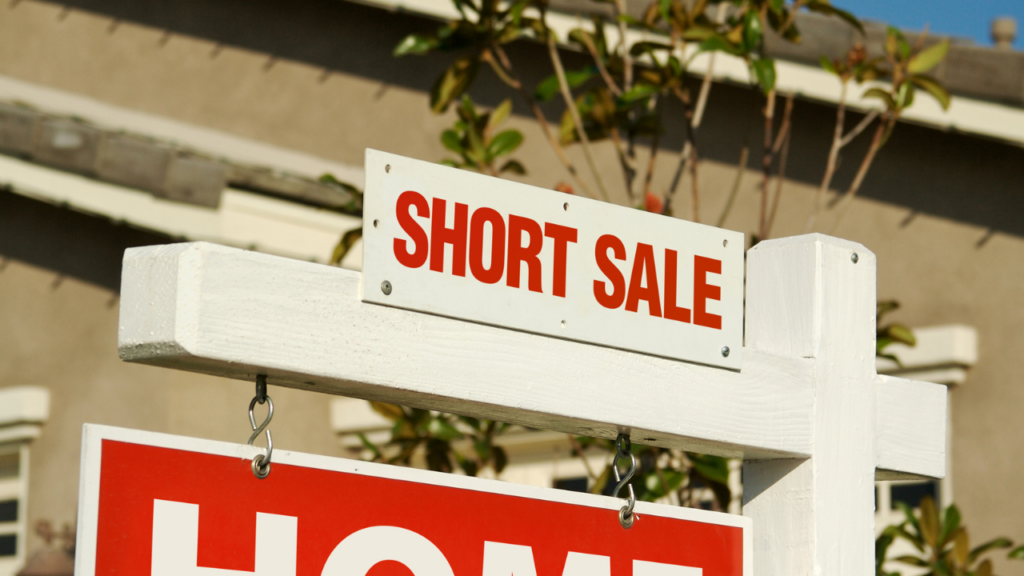
Many Minnesota homebuyers have heard the term “short sale” but aren’t exactly sure what it means. Some assume it’s the same thing as a foreclosure. Others believe it’s an easy way to get a house at a huge discount. And many buyers simply skip over short sale listings because they sound complicated. The truth is that a short sale is neither a foreclosure nor a guaranteed bargain. It is a unique type of real estate transaction that can create opportunities for buyers, but it can also involve patience, uncertainty, and additional risks. As a Minnesota real estate agent, I’ve worked with buyers who were excited about short sales because of the potential savings. I’ve also seen buyers become frustrated when they didn’t fully understand how the process works. Before you decide whether a short sale is worth pursuing, it’s important to understand exactly what it is, why it happens, how the process works, and what challenges you may encounter along the way. Let’s break it down in simple terms. What Is a Short Sale? A short sale occurs when a homeowner owes more on their mortgage than the home is worth and asks their lender to approve the sale of the property for less than the remaining mortgage balance. For example: Imagine a homeowner owes $350,000 on their mortgage. The current market value of the home is only $310,000. If the homeowner sells the property for $310,000, there isn’t enough money to fully pay off the loan. The lender must agree to accept less than what is owed. That agreement is what creates a short sale. Without lender approval, the sale cannot move forward. Why Do Short Sales Happen? Short sales often occur when homeowners experience financial hardship. Examples include: In some situations, property values may have declined while mortgage balances remained high. Rather than allowing the property to go into foreclosure, the lender may agree to a short sale. How Is a Short Sale Different From a Foreclosure? Many buyers confuse these two terms. They’re related, but they’re not the same thing. Short Sale The homeowner still owns the property. The lender must approve the sale. The homeowner is actively involved in the transaction. Foreclosure The lender has already taken legal action to recover the property. Ownership has typically transferred away from the homeowner. The property may become bank-owned. This distinction is important because the buying process differs significantly. Why Buyers Consider Short Sales The biggest reason buyers look at short sales is price. Many assume: “Maybe I can get a deal.” Sometimes that happens. But not always. A short sale may be priced competitively to attract buyers and encourage lender approval. However, lenders generally try to recover as much money as possible. They’re not necessarily interested in giving properties away. The best approach is to evaluate the property based on market value, condition, and overall opportunity rather than assuming the price is automatically a bargain. Potential Benefit #1: Lower Purchase Price Some short sales may be listed below comparable homes in the area. This can create opportunities for buyers seeking affordability. However, buyers should still analyze: A lower list price doesn’t automatically mean a better value. Potential Benefit #2: Less Competition in Some Situations Some buyers avoid short sales because they don’t want to deal with uncertainty. As a result, certain short sale properties may attract fewer offers than comparable traditional listings. This isn’t always the case, but it can happen. Less competition may improve a buyer’s chances of securing a property. Potential Benefit #3: Established Neighborhoods Many short sales are located in desirable, established communities. Buyers may find opportunities in neighborhoods they previously thought were out of reach financially. Again, every property is different. But location can be a major advantage. Risk #1: The Process Can Take a Long Time This is perhaps the biggest drawback. Traditional home purchases often move relatively quickly. Short sales frequently take longer. Why? Because the lender must review and approve the transaction. That review process can involve: Buyers may wait weeks or even months for a final decision. Patience becomes essential. Risk #2: Approval Is Not Guaranteed This surprises many buyers. Even if the seller accepts your offer, the lender may still reject it. The lender has the final say. Reasons for denial may include: Until lender approval is received, uncertainty remains. Risk #3: The Property May Be Sold As-Is Many short sales are sold as-is. That means: Buyers should carefully evaluate property condition before proceeding. Risk #4: Deferred Maintenance Financial hardship often affects property maintenance. If homeowners have struggled financially, they may have postponed repairs. Potential issues could include: Inspections remain extremely important. Risk #5: Financing Challenges Certain property conditions may affect financing eligibility. For example: may create challenges with some loan programs. Before pursuing a short sale, buyers should discuss financing with their lender. Minnesota-Specific Considerations Minnesota weather adds another layer of evaluation. Homes that have experienced deferred maintenance may face additional risks involving: Roof Damage Heavy snow and ice can accelerate wear. Frozen Pipes Especially if utilities were interrupted. Moisture Problems Basements require careful evaluation. Heating Systems Reliable heating is essential during Minnesota winters. These issues should never be overlooked. Why Inspections Matter A home inspection can help buyers identify: Even if the property is being sold as-is, inspections provide valuable information. The inspection doesn’t eliminate risk. It helps you understand it. That’s a major difference. Can First-Time Buyers Purchase Short Sales? Absolutely. Many first-time buyers successfully purchase short sale properties. However, buyers should understand: If you need a home immediately, a short sale may not be the best fit. If you’re flexible and understand the process, it may be worth considering. Questions Buyers Should Ask Before pursuing a short sale, consider: How long has the property been on the market? Has the lender received previous offers? What repairs are visible? Can I complete inspections? Am I prepared for delays? Do I have financial reserves for repairs? The answers can help you determine whether the opportunity aligns