
What Is a CMA and How Does It Work in Minnesota? (2026 Guide)

If you’re thinking about selling your home in Minnesota, you may have heard the term: 👉 “CMA” And you might be wondering: 👉 “What is a CMA—and how does it actually work?” This is one of the most important tools used when selling a home. Because before you can: 👉 You need to understand your home’s value And that’s exactly what a CMA helps you do. The Short Answer 👉 A CMA (Comparative Market Analysis) is: 👉 A detailed report that estimates your home’s value based on similar homes that have recently sold It looks at: 👉 And helps determine the right price range for your home Why a CMA Matters Pricing your home correctly is one of the most important parts of selling. A CMA helps you: 👉 Without a CMA: 👉 You’re guessing 👉 With a CMA: 👉 You’re making a data-driven decision What a CMA Actually Includes A CMA is not just one number. 👉 It’s a full analysis of your home in today’s market 1. Recently Sold Homes (Most Important) These are the strongest indicators of value. A CMA looks at homes that: 👉 This shows what buyers have already paid 2. Active Listings (Your Competition) These are homes currently on the market. 👉 Buyers will compare your home to these immediately A CMA helps answer: 3. Pending Sales These are homes that are under contract but not yet closed. 👉 They show what buyers are currently agreeing to pay 👉 This gives insight into current demand 4. Expired or Cancelled Listings These are homes that didn’t sell. 👉 This is just as important Because it shows: 👉 What pricing or positioning did NOT work How a CMA Is Created A CMA is built by analyzing data and making adjustments. Step 1: Find Comparable Homes Look for homes that are similar in: Step 2: Adjust for Differences No two homes are identical. So adjustments are made for: 👉 This helps create a more accurate value range Step 3: Analyze Market Trends This includes: 👉 This adds context to the numbers Step 4: Determine a Price Range Instead of one number: 👉 A CMA provides a range 👉 This allows for strategic pricing—not guessing CMA vs Online Home Value Estimates Many sellers ask: 👉 “Isn’t Zillow the same thing?” 👉 No—it’s not Online Estimates: CMA: 👉 A CMA is significantly more accurate A Real Situation I See All the Time A homeowner checks an online estimate: 👉 $450,000 But after reviewing a CMA: 👉 The realistic range is $410,000–$430,000 Why the difference? 👉 The CMA provides clarity Why a CMA Doesn’t Give One Exact Price Some sellers ask: 👉 “Why can’t I just get one number?” Because: 👉 The market doesn’t work that way Your home’s value depends on: 👉 That’s why a range is more useful than a single number How a CMA Helps You Price Strategically A CMA is not just about value. 👉 It’s about positioning Example: CMA range: 👉 $400,000 – $420,000 Possible strategies: 👉 Strategy depends on your goals When You Should Get a CMA You should consider getting a CMA if: 👉 You don’t have to be ready yet 👉 You just need clarity How Often Should You Update It? Markets change. If you’re not selling immediately: 👉 Your CMA may need updates Because: 👉 Staying updated keeps you informed What a CMA Does NOT Do A CMA is powerful—but it’s not everything. It does NOT: 👉 It’s a tool—not a decision The Biggest Mistake Sellers Make 👉 Not getting a CMA before listing Instead, they: 👉 This often leads to overpricing or underpricing Why This Matters for Your Sale Your pricing affects: 👉 And your pricing starts with a CMA Common Misunderstandings About CMAs FAQ: CMA in Minnesota What does CMA stand for?Comparative Market Analysis. Is a CMA accurate?Yes—when done correctly using real data and adjustments. Is it better than online estimates?Yes—because it’s customized and market-specific. Do I need one before selling?Yes—it’s one of the most important steps. Final Thoughts A CMA is not just a report. 👉 It’s the foundation of your selling strategy 👉 It helps you understand your home’s value👉 It helps you avoid costly mistakes👉 It helps you make confident decisions Because when you understand your numbers: 👉 You take control of the process Next Step If you want a clear, accurate CMA for your home in the Twin Cities & surrounding metro Minnesota, the next step is to get a personalized analysis based on today’s market: 👉 https://sell.dreamhomesminnesota.com/ Lesley The RealtorRealtor in the Twin Cities & Surrounding Metro, MinnesotaHelping homeowners sell their homes with the right strategy and pricing
How Do I Price My Home to Sell in Minnesota? (2026 Guide)

If you’re planning to sell your home in Minnesota, one of the most important decisions you’ll make is: 👉 “How should I price my home to actually get it sold?” Because pricing isn’t just about picking a number. 👉 It’s about strategy. And the truth is: 👉 The price you choose will determine: The Short Answer 👉 The best way to price your home is: 👉 At or slightly below market value based on comparable sales Not: 👉 Pricing correctly is about positioning your home to attract buyers immediately What “Market Value” Actually Means Market value is: 👉 What buyers are currently willing to pay for a home like yours And this is determined by: 👉 Market value is not static—it changes with the market Why Pricing Strategy Matters More Than Price Alone Most sellers think: 👉 “If I price higher, I can always come down later.” But in reality: 👉 That strategy often backfires Because your listing gets the most attention: 👉 In the first 1–2 weeks If your price is too high: 👉 And once that happens, it’s hard to recover The Three Pricing Strategies (And What Happens With Each) Let’s break this down clearly. 1. Pricing at Market Value (Best Strategy) 👉 This is where your home is priced based on real data What Happens 👉 This is the strategy that creates competition 2. Pricing Below Market Value 👉 This is a more aggressive strategy What Happens 👉 This can sometimes drive the price up—but must be done strategically 3. Pricing Above Market Value (Most Common Mistake) 👉 This is what many sellers are tempted to do What Happens Eventually: 👉 Price reductions And often: 👉 Selling for less than if it was priced correctly from the start The Psychology of Buyers Buyers today are informed. They are: 👉 When your home hits the market, buyers immediately ask: 👉 If the answer isn’t clear: They move on. A Real Situation I See All the Time A seller lists at: 👉 $475,000 But comparable homes are selling at: 👉 $425,000–$440,000 What happens? Eventually: 👉 It sells around $420,000–$430,000 👉 Less than if it was priced correctly from day one Why Overpricing Costs You More This is important. Overpricing Leads To: And buyers start thinking: 👉 “What’s wrong with this home?” 👉 Even if nothing is wrong Why Correct Pricing Creates Leverage When your home is priced right: 👉 You create urgency Buyers feel: 👉 That’s how strong offers happen How to Price Your Home the Right Way Here’s the correct approach: Step 1: Analyze Recent Sales (Comps) Focus on: 👉 Homes that have SOLD (not just listed) Step 2: Compare Similar Homes Look at: Step 3: Evaluate Current Listings These are your competition. 👉 Buyers will compare your home to these immediately Step 4: Adjust for Condition and Updates Step 5: Set a Strategic Price Range 👉 Not just a number—but a positioning strategy What About “Testing the Market”? Some sellers say: 👉 “Let’s try a higher price and see what happens.” Here’s what usually happens: 👉 This approach rarely leads to the best result Timing Matters More Than You Think When your home first hits the market: 👉 That’s when demand is highest If priced correctly: If priced incorrectly: 👉 And it’s very hard to get it back What Happens After a Price Reduction Price reductions can help—but they come with challenges. Buyers start thinking: 👉 This weakens your position as a seller The Goal: Create Demand, Not Chase It The best pricing strategy does this: 👉 It brings buyers TO your home Not: 👉 You chasing buyers with price drops Common Mistakes to Avoid FAQ: Pricing a Home in Minnesota Should I price high to leave room to negotiate?This often reduces buyer interest and delays your sale. What happens if I price too low?In some cases, it can create competition—but it must be strategic. How do I know the right price?By analyzing comparable sales and current market conditions. Does pricing really affect how fast I sell?Yes—pricing is one of the biggest factors in timing and results. Final Thoughts Pricing your home is not about guessing. 👉 It’s about strategy 👉 The goal isn’t to list high👉 The goal is to sell smart Because when you price correctly: 👉 The right price creates the right outcome Next Step If you want to price your home correctly based on today’s market in the Twin Cities & surrounding metro Minnesota, the next step is to get a clear strategy and accurate pricing range: 👉 https://sell.dreamhomesminnesota.com/ Lesley The RealtorRealtor in the Twin Cities & Surrounding Metro, MinnesotaHelping homeowners sell their homes with the right strategy and pricing
What Salary Do I Need to Buy a House in Minnesota? (2026 Guide)
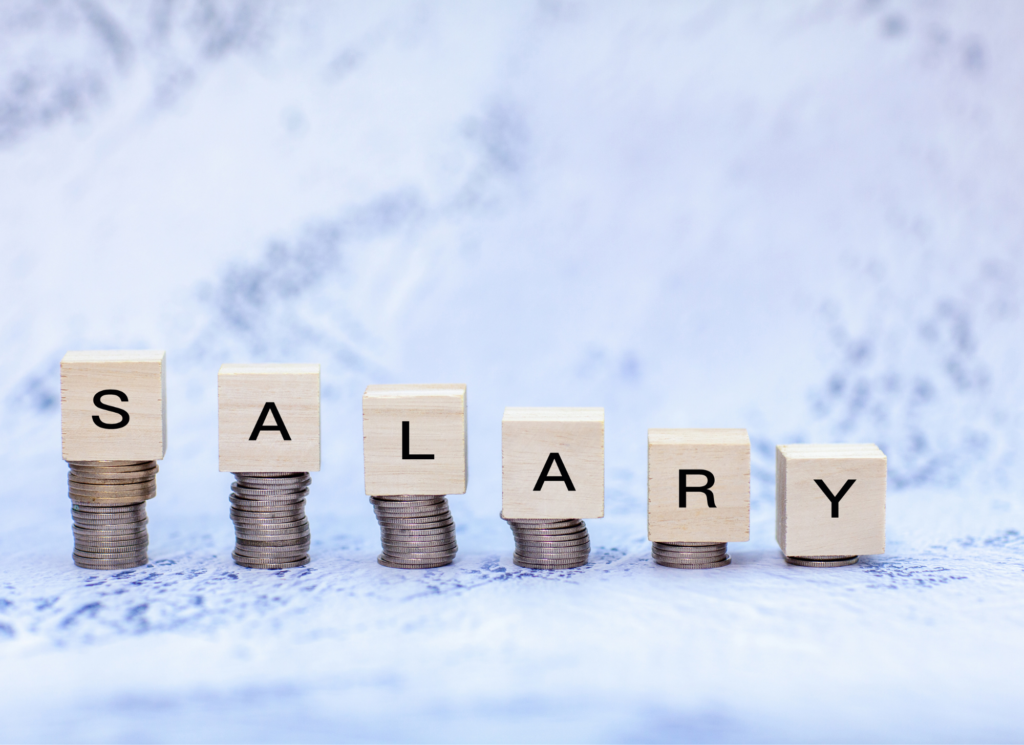
If you’re thinking about buying a home in Minnesota, one of the most common questions you’re probably asking is: 👉 “What salary do I need to actually buy a house?” It’s a smart question—because before you start looking at homes, you want to know: The good news is: 👉 You don’t need a perfect or extremely high salary to buy a home in Minnesota. You just need to understand how your income connects to your buying power—and what factors influence that. The Short Answer (Realistic Salary Ranges) Let’s start with a general breakdown based on common home prices in Minnesota: 👉 These are general estimates—not exact approvals. Because your true buying power depends on more than just your salary. Why Salary Alone Doesn’t Tell the Full Story A lot of buyers assume: 👉 “If I make X amount, I can afford X house.” But real estate doesn’t work that way. Your salary is just one piece of a bigger picture that includes: 👉 Two people with the same salary can afford very different homes. What Actually Determines Your Buying Power Let’s break this down clearly. 1. Your Monthly Income This includes: The higher your income: 👉 The more flexibility you’ll have in your price range But again—this doesn’t work in isolation. 2. Your Debt (This Is a Big Factor) Your monthly debts directly impact how much house you can afford. This includes: Lenders use something called: 👉 Debt-to-Income Ratio (DTI) What That Means: If you earn:👉 $6,000/month And your debts are:👉 $1,500/month That limits how much additional mortgage you can take on. 👉 Lower debt = more buying power👉 Higher debt = less flexibility 3. Your Credit Score Your credit score affects: A higher credit score can mean: 👉 Lower monthly payments👉 Better loan terms Which means: 👉 You may afford more with the same salary 4. Your Down Payment Your down payment plays a role in affordability. Typical ranges: A higher down payment: 👉 Reduces your loan amount👉 Lowers your monthly payment But important: 👉 You don’t need 20% to buy a home 5. Interest Rates Interest rates are one of the biggest variables. Even a small change can: 👉 Increase or decrease your monthly payment significantly Which directly impacts how much home you can afford. What This Looks Like in Minnesota (Real Context) In the Twin Cities & surrounding metro Minnesota, many buyers fall into: Real Example #1 👉 Likely range:$275K–$350K Real Example #2 👉 Likely range:$350K–$450K Real Example #3 👉 Likely range:$450K–$600K+ 👉 These are not guarantees—but they give you a realistic direction. The Biggest Myth About Salary A lot of buyers think: 👉 “I need to make six figures to buy a house.” That’s simply not true. In reality: 👉 Many buyers in Minnesota purchase homes with moderate incomes Especially when they: Salary vs Monthly Payment (This Is the Shift) Instead of focusing only on salary: 👉 Focus on your monthly comfort level Because your total monthly cost includes: Example: Two buyers make $80,000/year. 👉 Buyer B can afford more—even with the same salary A Real Situation I See Often A buyer says: 👉 “I don’t think I make enough to buy.” We go through their numbers. And they realize: 👉 They’re closer than they thought Sometimes: What If Your Salary Feels Too Low? If your income feels like it’s not enough yet: 👉 That doesn’t mean you can’t buy It just means: 👉 You need a plan Ways to Improve Your Buying Power Even small changes can: 👉 Increase what you can afford Can You Buy With One Income? Yes—many buyers do. But it depends on: Some buyers: 👉 There are multiple paths to homeownership Steps to Find Your Real Price Range Here’s a simple process: Step 1: Know Your Income Start with your real numbers. Step 2: Review Your Debt Understand what’s impacting your buying power. Step 3: Set a Comfortable Payment Focus on lifestyle—not just approval. Step 4: Get Pre-Approved This gives you real clarity—not guesses. Common Mistakes to Avoid FAQ: Salary and Buying a House in Minnesota What salary do I need to buy a house in Minnesota?Many buyers fall between $60K–$100K depending on price range and finances. Can I buy with a $70K salary?Yes—many buyers do, depending on debt and credit. Do I need six figures to buy?No—there are many options below that. What matters more—salary or credit?Your full financial picture matters most. Final Thoughts Your salary matters—but it’s not everything. 👉 The goal isn’t to hit a specific income👉 The goal is to understand what works for YOU When you have clarity on: 👉 You can move forward with confidence Next Step If you want to understand what your income can realistically afford in the Twin Cities & surrounding metro Minnesota, the next step is to get clarity on your numbers: 👉 https://buy.dreamhomesminnesota.com/ Lesley The RealtorRealtor in the Twin Cities & Surrounding Metro, MinnesotaHelping first-time and relocation buyers find the right home and location
What Is the Average Mortgage Payment in Minnesota? (2026 Guide)
If you’re thinking about buying a home in Minnesota, one of the most important questions you’re probably asking is: 👉 “What will my monthly mortgage payment actually look like?” Because at the end of the day, this is what really matters. Not just: But: 👉 What you’ll be paying every single month In this guide, we’ll break down what the average mortgage payment looks like in Minnesota—and what factors actually determine your payment. The Short Answer (Realistic Monthly Ranges) In the Twin Cities & surrounding metro Minnesota, most buyers fall into these general monthly payment ranges: 👉 These are estimates—not exact numbers. Because your actual payment depends on several key factors. What Is Included in Your Monthly Mortgage Payment? A lot of buyers think their mortgage is just: 👉 Principal + interest But in reality, your monthly payment usually includes: 1. Principal and Interest This is the base of your loan. 2. Property Taxes In Minnesota, property taxes are a significant part of your payment. 👉 These are typically included in your monthly payment (escrowed) 3. Homeowners Insurance This protects your home and is also usually included monthly. 4. PMI (If Applicable) If you put down less than 20%: 👉 You may have Private Mortgage Insurance (PMI) This adds to your monthly cost—but is often temporary. 5. HOA Fees (If Applicable) If the home has an HOA: 👉 This will also be part of your monthly expenses Why Mortgage Payments Vary So Much Even for the same home price, payments can look very different. Here’s why: 1. Interest Rates Interest rates have a huge impact. 👉 Even a 1% difference can change your payment by hundreds of dollars Example: 2. Down Payment Your down payment affects: 👉 How much you borrow Example: 3. Property Taxes Taxes vary depending on the property and location. 👉 This can significantly affect your monthly total 4. Insurance Costs Insurance varies based on: 5. Loan Type Different loan types (FHA, conventional, etc.): 👉 Can impact your monthly payment structure Real-Life Example (Putting It All Together) Let’s say you buy a home for: 👉 $350,000 With: Estimated Monthly Payment: 👉 ~$2,200 – $2,600/month Now compare that to: 👉 Same home, but with 20% down New Estimated Payment: 👉 ~$1,800 – $2,200/month 👉 That’s a big difference just from the down payment alone The Biggest Mistake Buyers Make This is something I see all the time: 👉 Buyers focus only on the home price Instead of: 👉 The monthly payment Because what really affects your lifestyle is: 👉 What comes out of your account every month A Real Situation I See Often A buyer is approved for: 👉 $450,000 But when we break down the monthly payment: 👉 It feels too high So instead, they look at: 👉 $350,000–$400,000 range And suddenly: 👉 That’s the right move How to Decide What Payment Is Right for You This is where strategy comes in. Step 1: Look at Your Current Budget Ask yourself: Step 2: Factor in Lifestyle Consider: Step 3: Set a Comfort Range Instead of maxing out: 👉 Choose a range that gives you breathing room Step 4: Get Real Numbers Talk to a lender to understand your actual payment options. What Is a “Comfortable” Mortgage Payment? This is different for everyone. But generally: 👉 Most buyers aim to keep their total housing cost around 28%–36% of their income Example: If you make:👉 $6,000/month A comfortable range might be: 👉 $1,700 – $2,200/month 👉 But again—this depends on your lifestyle How First-Time Buyers Typically Approach This Most first-time buyers: 👉 Start with what they’re currently paying in rent Then adjust slightly upward if needed. Example: 👉 That becomes their target payment range What If the Payment Feels Too High? This is very common. If your estimated payment feels too high, you can: 1. Adjust Your Price Range Lower purchase price: 👉 Lower monthly payment 2. Increase Your Down Payment More down: 👉 Less borrowed → lower payment 3. Explore Different Loan Options Some loans may offer: 👉 Lower upfront or monthly costs 4. Look at Different Areas Different areas can offer: 👉 Different price points for similar homes Common Mistakes to Avoid FAQ: Mortgage Payments in Minnesota What is the average mortgage payment in Minnesota?Many buyers fall between $1,800–$2,800/month depending on price and loan. Does my mortgage include taxes and insurance?In most cases, yes. How can I lower my monthly payment?Lower price, higher down payment, or better interest rate. Is it better to rent or buy based on payment?It depends on your long-term goals and financial situation. Final Thoughts Your monthly payment is one of the most important parts of buying a home. 👉 Not just what you can afford👉 But what you feel comfortable paying When you focus on the right number: 👉 The entire buying process becomes clearer and less stressful Next Step If you want to understand what your monthly payment could look like based on your budget in the Twin Cities & surrounding metro Minnesota, the next step is to get clarity on your numbers: 👉 https://buy.dreamhomesminnesota.com/ Lesley The RealtorRealtor in the Twin Cities & Surrounding Metro, MinnesotaHelping first-time and relocation buyers find the right home and location
What Bills Should I Expect as a Homeowner in Minnesota? (2026 Guide)
If you’re thinking about buying a home in Minnesota, one of the most important questions you might be asking is: 👉 “What bills will I actually have once I own a home?” Because buying a home isn’t just about: It’s about: 👉 What you’ll realistically be paying every month—and over time And this is where many first-time buyers feel unsure. The good news is: 👉 Once you understand the full picture, homeownership becomes much more predictable—and much less stressful. The Short Answer As a homeowner in Minnesota, your main costs typically include: 👉 Some of these are fixed👉 Some will vary month-to-month Let’s break each one down so you know exactly what to expect. 1. Your Mortgage Payment (Your Largest Expense) Your mortgage is usually your biggest monthly cost. This includes: What Many Buyers Don’t Realize In most cases, your mortgage payment also includes: 👉 Property taxes and insurance (through something called escrow) So instead of multiple separate bills: 👉 You often have one combined monthly payment 2. Property Taxes (A Key Factor in Minnesota) Property taxes are a major part of homeownership in Minnesota. What to Expect Example On a mid-range home: 👉 Property taxes may add $300–$600+ per month 👉 This is one of the biggest reasons your total payment is higher than just the loan amount 3. Homeowners Insurance This protects your home from: Typical Cost Depends on: 👉 Most homeowners pay $80–$150+ per month And like taxes: 👉 This is usually included in your mortgage payment 4. Utilities (Where Things Change From Renting) If you’re currently renting, this is where the biggest adjustment happens. As a homeowner, you’re responsible for all utilities, including: What to Expect in Minnesota Utility costs can vary depending on: Typical Range 👉 $200–$400+ per month Important Note In Minnesota: 👉 Winter heating costs can increase your monthly expenses So your utilities may fluctuate throughout the year. 5. Maintenance and Repairs (The Most Overlooked Cost) This is one of the biggest differences between renting and owning. When You Rent 👉 The landlord handles repairs When You Own 👉 You are responsible Common Examples Simple Rule to Follow Many homeowners budget: 👉 1% of the home value per year Example $350,000 home: 👉 ~$3,500 per year👉 About $250–$300/month (averaged) 👉 Some months may cost nothing👉 Some months may be higher 6. HOA Fees (If Applicable) Not all homes have HOA fees—but some do. Applies To: What HOA Fees May Cover Typical Range 👉 $100 – $400+ per month 👉 Always factor this in if applicable 7. Optional But Common Expenses These aren’t required—but many homeowners include them. Internet and Streaming Services Lawn Care or Snow Removal Services Home Improvements 👉 These vary based on your lifestyle What Your Total Monthly Cost Might Look Like Let’s bring everything together. Example Scenario Home price: $350,000 Monthly Breakdown: Estimated Total Monthly Cost: 👉 $2,650 – $3,250/month 👉 This is why it’s important to look beyond just the mortgage The Biggest Surprise for First-Time Buyers Most buyers focus on: 👉 “What will my mortgage be?” But don’t fully consider: 👉 The total cost of ownership That’s when they feel: 👉 The buyers who feel confident are the ones who understand the full picture upfront A Real Situation I See All the Time A buyer plans for: 👉 $2,200/month mortgage But after factoring in everything: 👉 Their real monthly cost is closer to $2,800–$3,000 Once they see the full number: 👉 They adjust their price range and feel much more comfortable Renting vs Owning: Cost Comparison Renting Owning 👉 More responsibility—but also more control and ownership How to Prepare for These Costs Here’s a simple plan you can follow: Step 1: Understand Your Full Monthly Budget Don’t just look at your mortgage—look at everything. Step 2: Set a Comfortable Range Leave room for: Step 3: Plan for Maintenance Expect:👉 Some months will cost more than others Step 4: Get Real Numbers Early Talk to professionals and understand your true costs. Common Mistakes to Avoid FAQ: Homeowner Bills in Minnesota What bills do homeowners pay monthly?Mortgage, taxes, insurance, utilities, and maintenance. Are property taxes included in the mortgage?In most cases, yes. How much should I budget for maintenance?Around 1% of the home value annually. Are utilities higher than renting?Often yes, depending on the home. Final Thoughts Owning a home comes with more responsibility—but also more control. 👉 The key isn’t to avoid these costs👉 The key is to understand and prepare for them When you know what to expect: 👉 You move forward with confidence—not surprises Next Step If you want to understand what your full monthly cost would look like based on your situation in the Twin Cities & surrounding metro Minnesota, the next step is to get clarity on your numbers: 👉 https://buy.dreamhomesminnesota.com/ Lesley The RealtorRealtor in the Twin Cities & Surrounding Metro, MinnesotaHelping first-time and relocation buyers find the right home and location
Is It Cheaper to Rent or Buy in Minnesota Right Now? (2026 Guide)

If you’re currently renting in Minnesota, there’s a good chance you’ve asked yourself: 👉 “Is it cheaper to keep renting… or should I buy a home instead?” This is one of the most common questions right now—especially for first-time buyers. Because on one side: But on the other side: So what actually makes more sense in Minnesota right now? 👉 Let’s break this down clearly so you can make the right decision for your situation. The Short Answer 👉 It depends—but for many people, buying can make more sense long-term. However: 👉 Renting can still be the better option depending on your timing, finances, and goals. The key is not guessing—it’s understanding the difference. What Renting Looks Like in Minnesota (2026) Across the Twin Cities & surrounding metro Minnesota, rental prices vary depending on location, size, and property type. Here are realistic ranges: What Most Renters Notice Over Time 👉 Rent tends to increase That means: What Buying Looks Like in Minnesota Now let’s compare that to buying. From what we’ve discussed in previous articles: 👉 Many buyers in Minnesota fall into monthly payments around: At first glance: 👉 Renting and buying can feel very similar monthly But what that money does is completely different. The Biggest Difference: Ownership vs No Ownership This is the core difference. When You Rent 👉 Your monthly payment goes to your landlord When You Buy 👉 A portion of your payment builds equity What Is Equity (And Why It Matters) Equity is: 👉 The portion of the home that you own Over time: And potentially: 👉 Your home value may increase over time 👉 This is one of the biggest long-term financial advantages of buying. Short-Term vs Long-Term Thinking This is where most people get stuck. Renting (Short-Term Advantages) Buying (Long-Term Advantages) 👉 The right decision depends on how long you plan to stay. When Renting Makes More Sense Let’s be clear—renting is not a bad option. There are situations where it’s the better choice. 1. You Plan to Move in the Near Future If you’re planning to move within: 👉 1–2 years Renting may make more sense due to: 2. You’re Still Preparing Financially If you: 👉 Renting gives you time to prepare properly 3. You Want Maximum Flexibility If your job or life situation may change: 👉 Renting gives you the ability to move easily When Buying Makes More Sense Now let’s look at the other side. 1. You Plan to Stay Long-Term If you plan to stay: 👉 3–5+ years Buying becomes much more beneficial. 2. You Want Stability With many loan types: 👉 Your principal and interest payment stays consistent Which means: 3. You Want to Build Equity Instead of paying rent: 👉 You’re building ownership in something you own 4. You’re Tired of Rent Increases Rent can go up every year. Owning gives you: 👉 More control over your housing cost A Real Situation I See All the Time A renter is paying: 👉 $2,000/month They assume buying will be much higher. But after reviewing their numbers: 👉 They realize they could buy within a similar monthly range The difference becomes: 👉 This is often the turning point The Hidden Cost of Waiting This is something many buyers don’t consider. When you delay buying: 👉 You may experience: 👉 That doesn’t mean you should rush But it does mean: 👉 Having a plan matters Upfront Costs: Renting vs Buying This is one of the biggest differences. Renting Buying 👉 Buying requires more upfront—but offers long-term benefits Monthly Cost Comparison Example Let’s look at a simple comparison. Renting Scenario Buying Scenario 👉 Over time, these paths look very different financially Lifestyle Considerations (This Matters More Than You Think) This decision isn’t just about numbers. It’s also about lifestyle. Renting May Fit If You: Buying May Fit If You: How to Decide What’s Right for You Here’s a simple way to approach this: Step 1: Define Your Timeline Are you staying long-term or short-term? Step 2: Review Your Financial Situation Look at: Step 3: Compare Monthly Costs Estimate: Step 4: Think About Your Goals What do you want your money to do? Common Mistakes to Avoid FAQ: Renting vs Buying in Minnesota Is it cheaper to rent or buy in Minnesota?It depends—but monthly costs can be similar in many cases. Is buying worth it right now?For many buyers planning to stay long-term, yes. What if I’m not ready yet?That’s completely okay—having a plan is key. Can I buy with a similar payment to rent?In many situations, yes—depending on your finances. Final Thoughts There’s no one-size-fits-all answer. 👉 Renting isn’t wrong👉 Buying isn’t always right The key is: 👉 Understanding what works best for YOUR situation When you look at: 👉 The right decision becomes much clearer Next Step If you want to compare what renting vs buying would look like based on your situation in the Twin Cities & surrounding metro Minnesota, the next step is to get clarity on your numbers: 👉 https://buy.dreamhomesminnesota.com/ Lesley The RealtorRealtor in the Twin Cities & Surrounding Metro, MinnesotaHelping first-time and relocation buyers find the right home and location
How Much Savings Should I Have Before Buying a House in Minnesota? (2026 Guide)
If you’re thinking about buying a home in Minnesota, one of the biggest questions you’re probably asking is: 👉 “How much money should I actually have saved before I buy?” This is where a lot of buyers feel stuck. You might be thinking: And because of that uncertainty: 👉 Many people delay buying longer than they need to. The truth is: 👉 You likely don’t need as much saved as you think—but you do need a clear plan. The Short Answer (Simple Breakdown) Most buyers in Minnesota need savings for three main things: 👉 1. Down payment👉 2. Closing costs👉 3. Financial cushion (reserves after closing) Realistic Total Range For many buyers: 👉 Total savings needed = ~5% to 10% of the home price (in many cases) Example For a $350,000 home: 👉 Total estimated savings: 👉 $20,000 – $40,000+ This is not a strict requirement—but it gives you a realistic starting point. Let’s Break This Down Clearly 1. Down Payment (Your First Major Cost) Your down payment is the portion of the home price you pay upfront. Common Down Payment Options In Minnesota, many buyers use: 👉 Important: 👉 You do NOT need 20% down to buy a home Example $350,000 home: 👉 This is typically your largest upfront expense—but not your only one. 2. Closing Costs (Often Overlooked) Closing costs are separate from your down payment. These include: Typical Range in Minnesota 👉 2%–5% of the home price Example $350,000 home: 👉 ~$7,000 – $17,500 👉 Many buyers underestimate this—and that’s where stress comes in. 3. Financial Cushion (This Is What Creates Confidence) This is one of the most important parts—and often the most overlooked. After you buy a home: 👉 You don’t want to be left with $0 in your account Why This Matters Homeownership comes with: Recommended Cushion Many buyers aim for: 👉 2–6 months of living expenses Example If your monthly expenses are: 👉 $2,500 Then your cushion might be: 👉 $5,000 – $15,000 👉 This gives you flexibility and peace of mind What Most First-Time Buyers Actually Do Here’s the reality: 👉 Most buyers do NOT have everything perfectly lined up Instead, they: 👉 The goal is not perfection—it’s preparation The Biggest Myth About Saving for a House A lot of buyers believe: 👉 “I need 20% down or I’m not ready.” That’s one of the biggest reasons people delay buying. Reality 👉 Many buyers purchase homes with 3%–5% down Waiting for 20% can mean: 👉 The better approach is understanding your real options How Your Savings Impacts Your Monthly Payment Your savings doesn’t just affect your upfront cost. It also affects your monthly payment. Higher Down Payment Lower Down Payment 👉 It’s about balancing upfront cost and monthly comfort A Real Situation I See All the Time A buyer says: 👉 “I want to wait until I have more saved.” We look at their numbers and realize: 👉 They already have enough to buy with 3%–5% down Instead of waiting: 👉 They could already be building equity 👉 This is where clarity changes everything What If You Don’t Have Enough Saved Yet? That’s completely normal. Most buyers start here. Here’s What You Can Do 1. Set a Clear Target Instead of guessing: 👉 Know your goal (example: $25K total savings) 2. Break It Into Monthly Steps Saving becomes easier when: 👉 It’s planned and consistent 3. Explore Assistance Options Some programs may help with: 4. Adjust Your Price Range Even a small shift in price: 👉 Can significantly reduce your upfront cost How to Know If You’re Ready Here’s a simple checklist: You may be ready if: 👉 You don’t need everything perfect The Difference Between “Ready” and “Prepared” This is important. Ready 👉 You think you need everything figured out Prepared 👉 You understand your numbers and options 👉 Prepared buyers move forward faster and with more confidence Common Mistakes to Avoid FAQ: Savings Before Buying a Home in Minnesota How much savings should I have before buying a house?Many buyers have around 5%–10% of the home price saved. Do I need 20% down?No—many buyers purchase with much less. Can I buy with limited savings?In some cases, yes—depending on your loan and strategy. Should I use all my savings to buy a home?No—it’s important to keep a financial cushion. Final Thoughts Saving for a home can feel overwhelming—but it doesn’t have to be. 👉 The goal isn’t to hit a perfect number👉 The goal is to be prepared and confident When you understand: 👉 Buying a home becomes much more achievable Next Step If you want to understand how much you should have saved based on your situation in the Twin Cities & surrounding metro Minnesota, the next step is to get clarity on your numbers: 👉 https://buy.dreamhomesminnesota.com/ Lesley The RealtorRealtor in the Twin Cities & Surrounding Metro, MinnesotaHelping first-time and relocation buyers find the right home and location
How Much Income Do I Need for a $400K House in Minnesota? (2026 Guide)
If you’re thinking about buying a home in Minnesota and looking around the $400,000 price range, you’re probably wondering: 👉 “What income do I actually need to afford a $400K house?” This is one of the most common—and most important—questions buyers ask. Because before you start seriously house hunting, you want to know: The good news is: 👉 A $400K home is achievable for many buyers in Minnesota—if the numbers make sense. The Short Answer Here’s a general guideline: 👉 To afford a $400K home in Minnesota, many buyers typically need: 👉 Around $80,000 – $110,000+ household income But this is not a fixed rule. Because your actual affordability depends on: What a $400K Home Looks Like in Minnesota In the Twin Cities & surrounding metro Minnesota, a $400K budget often puts you in: 👉 This is a very common price point for first-time and move-up buyers What Your Monthly Payment Might Look Like Let’s break this down. Example Scenario Home price: $400,000Down payment: 5% ($20,000)Loan amount: ~$380,000 Estimated Monthly Payment: 👉 $2,300 – $2,900/month This includes: 👉 This is why income matters—because lenders look at your ability to handle this monthly cost. How Lenders Determine What You Can Afford Lenders don’t just look at your income alone. They look at your Debt-to-Income Ratio (DTI). What Is DTI? DTI compares:👉 Your monthly debt👉 To your monthly income Example: If you make:👉 $8,000/month And your debts are:👉 $1,500/month That affects how much mortgage you can qualify for. 👉 Lower debt = more buying power👉 Higher debt = less flexibility Income Scenarios for a $400K Home Let’s look at realistic examples. Scenario 1: Moderate Income + Some Debt 👉 Likely range:May be tight or limited depending on loan and rates Scenario 2: Balanced Profile 👉 Likely range:Comfortable for a $400K home Scenario 3: Strong Profile 👉 Likely range:More flexibility and comfort at this price point 👉 These are general examples—but they show how income alone doesn’t tell the full story. The Biggest Mistake Buyers Make This is something I see all the time: 👉 Buyers focus only on the price of the home Instead of: 👉 The monthly payment and how it fits their lifestyle Just because you qualify for $400K… 👉 Doesn’t mean that’s what you should spend Monthly Payment vs Comfort Level This is where things really matter. Instead of asking: ❌ “Can I afford $400K?” Ask: 👉 “Does a $2,300–$2,900 monthly payment feel comfortable?” Because your monthly payment affects: A Real Situation I See Often A buyer wants a $400K home. They qualify. But when they see the monthly payment: 👉 It feels higher than expected So they adjust to: 👉 $350K–$375K range And suddenly: 👉 That’s a smart decision What Can Affect Your Monthly Payment Even at the same price, your payment can vary. 1. Interest Rate Even a small rate change can: 👉 Shift your payment significantly 2. Down Payment 3. Property Taxes Taxes vary depending on the home and location. 4. Insurance This varies based on the property and coverage. 5. Loan Type Different loan types: 👉 Can change your monthly structure What If You’re Close but Not Quite There? This is very common. If you’re close to affording a $400K home, you can: 1. Adjust Your Price Range Even dropping to: 👉 $350K–$375K Can make a noticeable difference 2. Pay Down Debt Lower debt: 👉 Improves your buying power 3. Increase Your Down Payment More down: 👉 Reduces your monthly payment 4. Improve Your Credit Score Better credit: 👉 Better rates → lower payments What About First-Time Buyers? Many first-time buyers aim for: 👉 $300K–$400K range And successfully buy within this range by: 👉 You don’t need a perfect situation—you need a clear plan New Construction Note (Important) If you’re considering new construction around this price point: 👉 You may have options But even if you go directly to a builder: 👉 You should still have your own REALTOR® represent you. Why This Matters 👉 Before visiting a builder or signing anything: Talk to your REALTOR®. How to Know Your Exact Number The only way to know for sure is to: Step 1: Review Your Income Know your real numbers. Step 2: Look at Your Debt Understand what’s impacting your buying power. Step 3: Estimate Your Comfort Payment Think about lifestyle—not just approval. Step 4: Get Pre-Approved This gives you real clarity—not guesses. Common Mistakes to Avoid FAQ: $400K Home in Minnesota What income do I need for a $400K house?Typically around $80K–$110K+, depending on your financial profile. Can I afford $400K on a $90K salary?In many cases, yes—depending on debt and credit. What is the monthly payment on a $400K home?Roughly $2,300–$2,900/month depending on your situation. Should I buy at my maximum budget?Most buyers feel more comfortable staying below their max. Final Thoughts A $400K home is achievable for many buyers in Minnesota—but it depends on your full financial picture. 👉 The goal isn’t just to qualify👉 The goal is to feel comfortable with your payment When you understand your numbers clearly: 👉 You make better, more confident decisions Next Step If you want to see what a $400K home would look like based on your income and situation in the Twin Cities & surrounding metro Minnesota, the next step is to get clarity on your numbers: 👉 https://buy.dreamhomesminnesota.com/ Lesley The RealtorRealtor in the Twin Cities & Surrounding Metro, MinnesotaHelping first-time and relocation buyers find the right home and location
How Much House Can I Afford in Minnesota? (2026 Guide)
If you’re thinking about buying a home in Minnesota, one of the first questions you’re probably asking is: 👉 “How much house can I actually afford?” This is one of the most important questions to answer before you even start looking at homes. Because here’s the reality: 👉 It’s not about how much a lender says you can afford👉 It’s about what you can comfortably afford in your day-to-day life In this guide, we’ll break this down clearly so you can understand what goes into affordability—and how to determine what makes sense for you. The Short Answer (But Not the Full Picture) Most lenders use a general guideline: 👉 Your total monthly housing payment should be around 28%–36% of your gross monthly income But this is just a starting point. Because your real affordability depends on: What Determines How Much House You Can Afford? There are several key factors that influence your buying power in Minnesota: 1. Your Income Your income is the foundation. Lenders look at: The higher your income:👉 The more flexibility you have with your budget 2. Your Debt Your existing monthly debt plays a major role. This includes: Lenders use your debt-to-income ratio (DTI) to evaluate this. 👉 The lower your debt, the more home you can typically afford 3. Your Credit Score Your credit score affects: A higher score can lead to:👉 Lower monthly payments and better terms 4. Your Down Payment Your down payment impacts: Typical options include: 👉 A higher down payment can help—but it’s not always required 5. Interest Rates Interest rates are constantly changing. Even a small change in rates can:👉 Significantly impact your monthly payment That’s why affordability is not just about home price—it’s about timing and financing. What Does This Look Like in Minnesota? Let’s bring this into real numbers. Across the Twin Cities and surrounding metro Minnesota, many buyers fall into these ranges: Example Scenario Let’s say: You might fall into a range around: 👉 $300,000 – $400,000 But keep in mind—this varies based on your full financial picture. The Biggest Mistake Buyers Make This is something I see all the time: 👉 Buyers focus on the maximum they’re approved for Instead of: 👉 What actually feels comfortable month-to-month Just because a lender approves you for a higher amount… 👉 Doesn’t mean that’s the right number for you Monthly Payment vs Purchase Price This is where your mindset needs to shift. Instead of asking: ❌ “What price can I afford?” Ask: 👉 “What monthly payment feels comfortable for me?” Your monthly payment includes: A Real Situation I See Often A buyer gets approved for:👉 $450,000 But once we break it down: So instead, they adjust their range to:👉 $350,000 – $400,000 And suddenly: 👉 That’s the goal What About First-Time Buyers? If you’re buying your first home, you might feel unsure where you fall. The good news: 👉 You don’t need perfect finances to get started Many buyers in Minnesota: How Lifestyle Impacts Affordability Two people with the same income can afford very different homes. Why? 👉 Lifestyle choices Ask yourself: These factors matter just as much as your income. How to Figure Out Your Real Budget Here’s a simple step-by-step approach: Step 1: Understand Your Numbers Know your income, debts, and current expenses. Step 2: Set a Comfortable Monthly Payment Focus on what feels manageable—not stressful. Step 3: Get Pre-Approved This gives you real clarity—not guesses. Step 4: Stay Below Your Maximum Give yourself room to breathe financially. Common Mistakes to Avoid FAQ: How Much House Can I Afford in Minnesota? What is the average home price in Minnesota?Many buyers in the Twin Cities area fall between $250K–$400K, depending on location and home type. Do I need 20% down to buy a house?No—many programs allow much lower down payments. Can I buy a home with student loans?Yes, it depends on your overall debt and income. Should I buy at the top of my budget?Most buyers feel more comfortable staying below their maximum. Final Thoughts Affordability isn’t just about numbers—it’s about comfort and confidence. 👉 The goal is not to buy the most expensive home you qualify for👉 The goal is to buy a home that fits your life When you understand your budget clearly: 👉 The entire homebuying process becomes much easier Next Step If you want to figure out what you can comfortably afford in the Twin Cities & surrounding metro Minnesota, the next step is to get clarity on your numbers: 👉 https://buy.dreamhomesminnesota.com/ Lesley The RealtorRealtor in the Twin Cities & Surrounding Metro, MinnesotaHelping first-time and relocation buyers find the right home and location
How Much Do I Need for a Down Payment in Minnesota? (2026 Guide)

If you’re thinking about buying a home in Minnesota, one of the biggest questions you probably have is: 👉 “How much do I actually need for a down payment?” This is one of the most common concerns—especially for first-time buyers. A lot of people assume: But here’s the truth: 👉 Most buyers in Minnesota do NOT put 20% down. In fact, many buyers purchase homes with far less. The Short Answer (What Most Buyers Put Down) Here’s a general breakdown of down payment options: 👉 The right amount depends on your situation—not a fixed rule. Why the “20% Down” Myth Exists You’ve probably heard: 👉 “You need 20% down to buy a house.” This comes from a traditional guideline—but it’s not required. What 20% does is: But: 👉 It’s NOT the only way to buy a home What Does a Down Payment Look Like in Real Numbers? Let’s break this down using real Minnesota price ranges. Example 1: $300,000 Home Example 2: $400,000 Home Example 3: $500,000 Home 👉 As you can see, your down payment scales with your price range. What Determines How Much You Should Put Down? There’s no one-size-fits-all answer. Here’s what actually matters: 1. Your Financial Comfort The biggest factor is: 👉 What you feel comfortable putting down You don’t want to: 2. Your Monthly Payment Goals A larger down payment: 👉 Lowers your monthly mortgage But a smaller down payment: 👉 Keeps more cash in your pocket upfront 3. Your Loan Type Different loan programs have different requirements: 👉 This is why it’s important to explore your options early. 4. Your Long-Term Plans Ask yourself: 👉 Your answers will guide your decision What Most First-Time Buyers Do in Minnesota In real life, most first-time buyers: 👉 Put down between 3%–5% Why? The Trade-Off: Down Payment vs Monthly Cost This is important to understand. Lower Down Payment Pros: Cons: Higher Down Payment Pros: Cons: 👉 It’s about finding the right balance What About PMI (Private Mortgage Insurance)? If you put down less than 20%: 👉 You’ll likely have PMI This is: But here’s the key: 👉 PMI is not permanent In many cases: A Real Situation I See All the Time A buyer says: 👉 “I’m waiting until I have 20% down.” But while they wait: Then we look at their numbers and realize: 👉 They could have bought much sooner with 3%–5% down What If You Don’t Have Enough Saved Yet? That’s completely normal. Here are a few ways buyers move forward: 1. Saving Strategically 2. Exploring Assistance Programs Some programs may help with: 3. Adjusting Price Range A slightly lower price point: 👉 Can reduce your upfront cash needed Down Payment vs Closing Costs (Don’t Confuse These) This is a big one. 👉 Your down payment is NOT your only upfront cost You also need: 👉 Closing costs (typically 2%–5%) Example: On a $350K home: 👉 Total needed upfront could be: 👉 $25K–$35K+ How to Prepare for Your Down Payment Here’s a simple plan: Step 1: Set Your Target Range Know what price range you’re aiming for. Step 2: Estimate Your Down Payment Use 3%–5% as a starting point. Step 3: Factor in Closing Costs Don’t overlook this part. Step 4: Talk to a Lender Early This gives you real numbers—not guesses. Common Mistakes to Avoid FAQ: Down Payments in Minnesota Do I need 20% down to buy a house?No—many buyers put down 3%–5%. What is the minimum down payment?It depends on the loan, but some start as low as 3%. Can I buy with no money down?Some loan programs allow this, depending on eligibility. Is a bigger down payment always better?Not always—it depends on your financial goals. Final Thoughts Your down payment is important—but it doesn’t have to be overwhelming. 👉 The goal is not to hit a perfect number👉 The goal is to get into a home in a way that makes sense for you With the right plan: 👉 Homeownership can be more achievable than you think Next Step If you want to understand what your down payment could look like based on your budget in the Twin Cities & surrounding metro Minnesota, the next step is to get clarity on your options: 👉 https://buy.dreamhomesminnesota.com/ Lesley The RealtorRealtor in the Twin Cities & Surrounding Metro, MinnesotaHelping first-time and relocation buyers find the right home and location