
Should I Rent Out My Home in the Future?
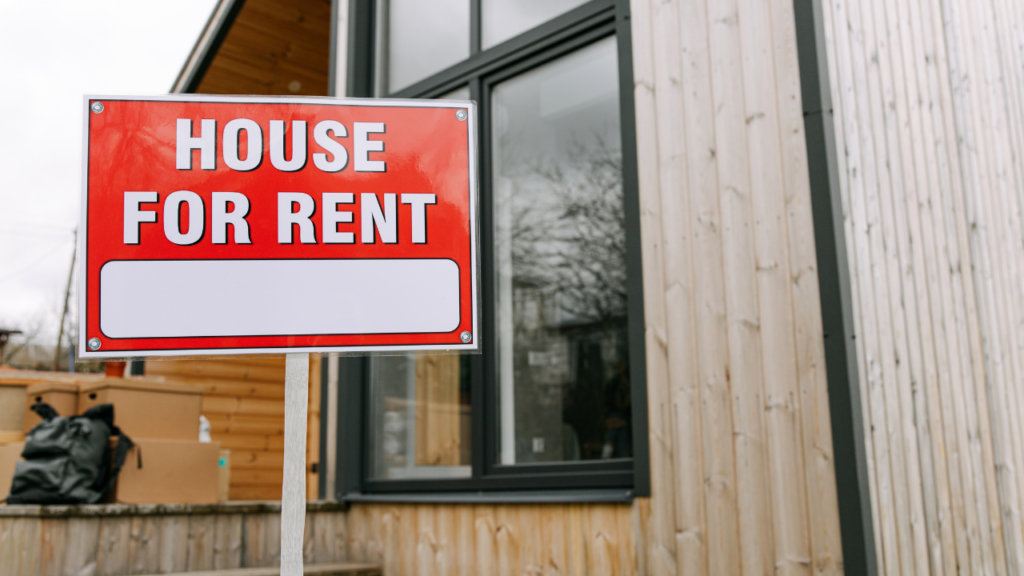
A homeowner in Maple Grove called me three years after closing on her first home. She had accepted a job offer in Denver. The role was a genuine career opportunity, the kind that comes along once and should not be turned down. The timeline was aggressive. She needed to be there in six weeks. The question she was wrestling with was not whether to take the job. That decision was made. The question was what to do with her house. She had been in the home long enough to build meaningful equity. The market had been favorable. But something about selling felt wrong to her, not financially but emotionally and strategically. “What if I keep it and rent it out?” she asked. “Is that a real option? Could it actually work?” It is a real option. And for the right homeowner in the right situation with the right property, it can work extraordinarily well. It can also be a genuinely difficult experience for homeowners who approach it without understanding what they are taking on. The decision of whether to rent out your home rather than sell it when you move is one of the more consequential financial decisions a homeowner can make, and it deserves honest and thorough evaluation rather than a decision made quickly under the time pressure of an impending move. Here is a complete and honest guide to evaluating whether renting out your home is the right choice for your situation. The Basic Appeal of Renting Rather Than Selling The core appeal of keeping your home as a rental rather than selling it is straightforward. Instead of liquidating an asset you have built equity in and terminating your participation in the local real estate market, you continue to own the property, collect rental income that helps cover your ongoing costs, maintain your equity position, and continue to benefit from future appreciation. For homeowners in appreciating markets who believe their property will continue to grow in value, this can be a compelling alternative to selling and then potentially buying back in later at higher prices. You maintain your foothold in the market while life takes you somewhere else. Rental income that covers or exceeds your mortgage payment, property taxes, insurance, and maintenance costs means the property is essentially paying for itself while you are away, building equity on your behalf without additional out-of-pocket cost beyond your initial ownership investment. And for homeowners who are not certain their move is permanent, keeping the home preserves the option to return. A sale is final. A rental preserves flexibility. These are genuine advantages. They are also advantages that come with real trade-offs and responsibilities that deserve honest acknowledgment before the decision is made. The Financial Analysis: Does the Math Actually Work? The first question in any rent-versus-sell decision is whether the financial picture genuinely supports keeping the property as a rental. Gather your actual monthly ownership costs. Add your mortgage principal and interest payment, your property tax monthly equivalent, your homeowner’s insurance monthly equivalent, and a realistic monthly maintenance reserve of approximately one percent of the property’s value divided by twelve. This is your true monthly cost of ownership, and it is the number that any rental income needs to cover to avoid ongoing out-of-pocket cost. Research the realistic rental rate for your specific property in your specific market. Not optimistic projections or the highest comparable you can find. The realistic middle of the market for a property like yours in your specific neighborhood and condition. Your Realtor can provide a rental market analysis that gives you accurate current data. Compare the rental income to your monthly costs. If rental income comfortably exceeds your monthly costs, the property can cash flow positively, meaning it generates more income than it costs to hold. If rental income roughly equals your monthly costs, the property is approximately neutral, building equity through principal paydown and appreciation without generating surplus income. If monthly costs significantly exceed achievable rental income, the property will require ongoing out-of-pocket contribution to maintain, which changes the financial calculus considerably. Also calculate what you would net from selling the property today after transaction costs and mortgage payoff. This is your opportunity cost. Knowing what capital you would have available if you sold tells you what you are choosing to keep invested in this property rather than deploying elsewhere. Neither of these calculations alone makes the decision. But both together give you an accurate picture of the financial reality rather than a hopeful assumption. Minnesota Landlord-Tenant Law: What You Need to Know Before You Start Minnesota has specific landlord-tenant laws that govern the relationship between residential landlords and tenants, and understanding these laws before your first tenant moves in is not optional. It is genuinely essential. Key areas covered by Minnesota landlord-tenant law include security deposit requirements, which specify how much you can collect, where it must be held, and the specific timeline and conditions under which it must be returned. Maintenance obligations, which define your legal duty to keep the rental unit in habitable condition regardless of what your lease agreement says. Entry notice requirements, which specify that you must provide at least twenty-four hours notice before entering a tenant’s unit except in genuine emergencies. And the formal eviction process, which is the legal procedure you must follow if you need to end a tenancy, and which cannot be shortcut regardless of circumstances. Minnesota law also provides specific tenant protections that apply regardless of what a lease agreement says, which means that certain lease terms you might want to include are simply not enforceable. Before your first tenant moves in, review the Minnesota Attorney General’s guide to landlord and tenant rights, consult with a real estate attorney who handles residential landlord-tenant matters, and use a professionally prepared lease agreement specific to Minnesota rather than a generic template that may not reflect state-specific requirements. The legal compliance component of being a landlord is not the exciting part. But it is the part
Can I Sell a Home With Tenants Living In It?

A landlord reached out to me last fall with a single-family rental property in Brooklyn Park. He had owned it for six years, had a solid tenant who had been there for two of those years, and had decided it was finally time to sell. His first question was the one almost every landlord asks in this situation. “Can I even sell this with someone still living in it? Or do I have to wait until they move out?” The answer is yes, you absolutely can sell a home with tenants in it. This happens regularly in Minnesota, particularly with investment properties and single-family rentals. But selling a tenant-occupied property does come with specific legal requirements, practical considerations, and strategic decisions that are different from selling a home you live in yourself. Here is everything you need to know about selling a home with tenants currently residing in it. Understanding Your Lease Situation First Before anything else, the type of lease your tenant has significantly shapes your options and timeline. If your tenant is on a month-to-month lease, you generally have more flexibility. Depending on your specific lease terms and Minnesota law, you may be able to provide proper notice to end the tenancy, which gives you the option of selling the home vacant if that is your preferred strategy. If your tenant is on a fixed-term lease, meaning a lease with a specific end date such as a one-year agreement, that lease typically transfers to the new owner when you sell. You cannot simply end a fixed-term lease early because you have decided to sell the property, except in very specific circumstances outlined in your lease agreement or under Minnesota law. Read your current lease agreement carefully and consult with a real estate attorney if there is any ambiguity about your tenant’s rights and your obligations as the seller. Understanding this foundation shapes every decision that follows. The Two Main Paths: Selling Occupied or Selling Vacant Once you understand your lease situation, you generally have two strategic paths forward. The first option is selling the home with the tenant still in place, marketing it specifically to investors who want a property with existing rental income already established. This can actually be an attractive selling point for the right buyer, since it means immediate cash flow without the typical vacancy period most investors face when acquiring a new rental property. The second option is ending the tenancy, either through natural lease expiration or proper legal notice if the lease allows it, and selling the home vacant to a broader pool of buyers, including those who want to live in the home themselves rather than continue renting it out. The right choice depends on your specific timeline, your lease situation, the current rental market, and which type of buyer is most likely to pay the price you are looking for. Selling to Investors With the Tenant in Place If your goal is to sell quickly and your tenant has a good payment history and reasonable lease terms, selling to another investor while the tenant remains in place can be an efficient and profitable path. Investors looking for rental properties are often specifically searching for homes with tenants already in place because it eliminates the marketing, screening, and vacancy period they would otherwise need to manage after closing. A property with a reliable tenant paying market rent, with a lease that has reasonable time remaining, can be a genuinely appealing acquisition. When marketing to this audience, your Realtor will typically highlight the rental income history, the tenant’s payment reliability, the lease terms and remaining duration, and the overall return on investment the property represents. This requires different marketing materials and a different buyer outreach strategy than a typical owner-occupant sale. Your Legal Obligations to Notify Tenants Minnesota law requires landlords to provide tenants with proper notice before showings, and this requirement does not change just because you are selling rather than simply managing the property. Generally, landlords must provide reasonable notice, typically interpreted as at least twenty-four hours, before entering a tenant’s unit for any purpose, including showings related to a sale. This notice requirement protects your tenant’s right to quiet enjoyment of their home, even though that home is also actively being marketed for sale. It is important to communicate clearly and respectfully with your tenant about your plans to sell as early in the process as possible. Tenants who feel ambushed or who learn about a planned sale informally rather than directly from their landlord are understandably more likely to be uncooperative or upset about the process. A written notice explaining your intention to sell, your general timeline, and what they can expect in terms of showing frequency and notice goes a long way toward maintaining a positive relationship throughout the sale process. Coordinating Showings With an Occupied Rental Showings at a tenant-occupied property require more careful coordination than showings at an owner-occupied home, simply because you are working through an additional party who has their own schedule, preferences, and legal rights. Establish a clear communication channel with your tenant from the start. Some landlords use a simple text message system for showing requests. Others prefer email for documentation purposes. Whatever method you choose, make sure your tenant understands how showing requests will come to them and how much notice they can expect. Be respectful of your tenant’s daily life throughout this process. They did not choose to sell their home. They are essentially providing you a service by allowing their living space to be shown to prospective buyers, and treating that cooperation with genuine appreciation, sometimes including a small thank-you gesture or even a modest rent credit for their cooperation, can meaningfully improve the showing experience for everyone involved. Some landlords offer their tenants an incentive, such as a reduction in rent during the listing period or a flat payment for maintaining the property in show-ready condition and accommodating showings. This is not required, but it often results