
Where Are New Construction Communities in Minnesota?
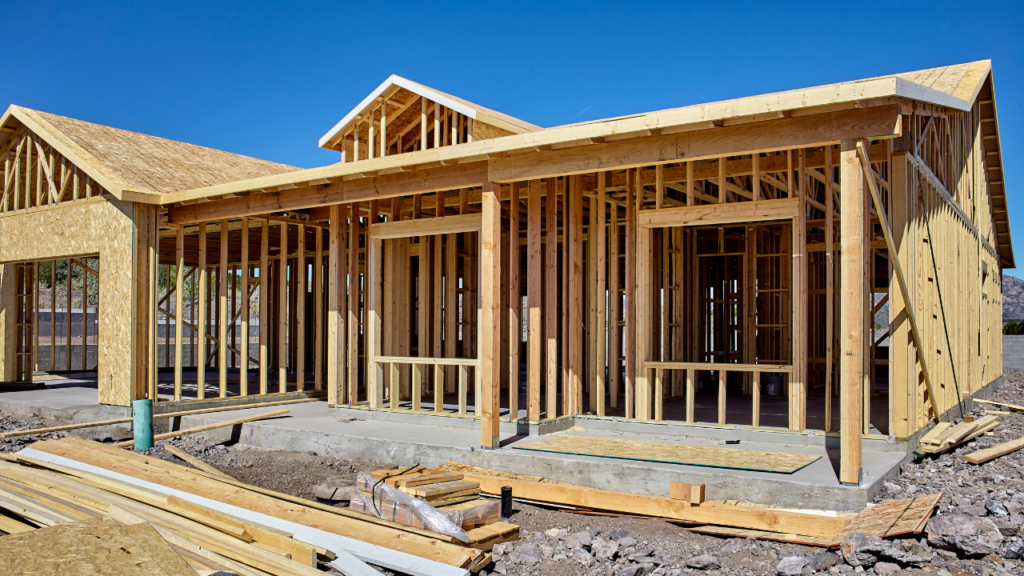
One of the biggest trends I’ve seen over the past several years is the growing number of buyers asking about new construction homes. Some buyers are tired of competing with multiple offers on resale homes. Others want modern layouts, energy efficiency, smart-home features, and the opportunity to personalize their home before moving in. And many first-time buyers are surprised to learn that in certain Minnesota communities, buying new construction can be just as affordable as purchasing an existing home. As a Minnesota real estate agent, I regularly work with buyers exploring both resale and new construction options. One of the first questions they ask is: “Lesley, where are the new construction communities in Minnesota?” The answer depends on your budget, lifestyle, commute preferences, and long-term goals. The Twin Cities metro continues to grow, and builders are actively developing new neighborhoods in many suburbs and surrounding communities. Let’s take a look at where new construction is happening, why these areas are growing, and what buyers should know before choosing a new construction community. Why So Many Buyers Are Choosing New Construction Before we talk about locations, it’s important to understand why new construction has become so popular. Many buyers are attracted to: Instead of spending money replacing roofs, furnaces, or appliances, buyers enjoy moving into a home where everything is brand new. For many families, that’s a major advantage. The Twin Cities Growth Pattern Most new construction activity follows growth corridors around the Minneapolis-St. Paul metro area. Builders generally look for: As a result, many of Minnesota’s newest communities are found in suburban areas surrounding Minneapolis and St. Paul. Lakeville Lakeville continues to be one of the most active new construction markets in Minnesota. Located south of the Twin Cities, Lakeville offers: Many builders continue developing new communities throughout Lakeville because buyer demand remains strong. Lakeville attracts: The city offers a balance between suburban living and convenient access to the metro. Farmington Farmington has experienced significant residential growth over the past decade. Many buyers appreciate: Farmington often appeals to buyers who want a newer home while stretching their budget further than they might in some closer-in suburbs. For many first-time buyers, Farmington offers excellent value. Rosemount Rosemount continues to attract buyers looking for newer construction communities. Popular features include: Many buyers find that Rosemount provides a newer suburban feel while remaining connected to the broader Twin Cities region. Otsego Otsego has become one of the fastest-growing communities in the northwest metro. Builders continue adding new neighborhoods because demand remains strong. Buyers are attracted by: Many families moving from more expensive suburbs discover they can get significantly more house for their money in Otsego. Rogers Rogers continues to see substantial residential growth. Located along the Interstate 94 corridor, Rogers attracts buyers seeking: Many new developments feature modern floor plans and family-friendly amenities. Dayton Dayton has become increasingly popular among buyers seeking newer homes. The city offers: Many buyers who previously focused on Maple Grove are now considering Dayton due to its growing inventory of new homes. Maple Grove While much of Maple Grove is already developed, new construction opportunities still exist in certain areas. Maple Grove remains attractive because of: New construction in Maple Grove often comes at a premium due to limited available land. Woodbury Woodbury continues to be one of the most sought-after suburbs in Minnesota. New construction remains active in various parts of the city. Buyers appreciate: Woodbury appeals to a wide range of buyers, including move-up families and professionals. Cottage Grove Cottage Grove continues experiencing residential expansion and new development activity. Many buyers choose Cottage Grove because of: Builders continue introducing new communities throughout the area. Blaine Blaine remains one of the most active northern metro suburbs for new construction. The city offers: Many buyers relocating within the Twin Cities place Blaine high on their list. Prior Lake Prior Lake continues attracting buyers seeking upscale suburban living. New construction opportunities often include: Buyers appreciate the community atmosphere and access to recreational opportunities. Victoria Victoria has become increasingly popular among buyers looking for newer communities with a small-town feel. Features include: Victoria often appeals to buyers seeking a quieter lifestyle while remaining connected to the metro area. What Builders Are Looking For Many buyers wonder why certain suburbs seem to have more new construction than others. Builders typically prioritize areas with: Available Land Without available land, large-scale development becomes difficult. School District Demand Strong school districts often attract families and drive demand. Transportation Access Proximity to highways remains important for many commuters. Retail and Employment Growth New restaurants, shopping centers, and employers often support residential growth. New Construction Isn’t Just for Luxury Buyers One misconception is that new construction only works for wealthy buyers. That’s simply not true. Minnesota builders currently offer homes ranging from: Many first-time buyers are surprised to discover that new construction may fit within their budget. Questions Buyers Should Ask Before choosing a new construction community, consider asking: What future development is planned? The empty field behind today’s home may become tomorrow’s neighborhood. What amenities are coming? New schools, parks, and shopping centers can impact long-term value. What homeowner association exists? Understand HOA fees and services. What upgrades are included? Model homes often display upgrades that increase the final purchase price. What is the timeline? Some homes are move-in ready while others require several months to complete. Why You Still Need a Realtor for New Construction One of the biggest mistakes buyers make is assuming they don’t need representation when buying from a builder. The builder’s sales representative works for the builder. Having your own Realtor can help you: Many buyers don’t realize this until they’re already deep into the process. FAQ Where is most new construction happening in Minnesota? Much of the activity is occurring in growing Twin Cities suburbs such as Lakeville, Woodbury, Blaine, Rogers, Farmington, Otsego, Dayton, and Rosemount. Are new construction homes more expensive? Not always. Pricing varies by location, builder, lot, and upgrades. Can first-time buyers purchase new construction?
Can I Negotiate With Builders in Minnesota? (2026 New Construction Homebuyer Guide)

One of the biggest misconceptions in real estate is that builder prices are fixed and non-negotiable. Many buyers walk into a model home believing the advertised price is the final price and there is no room for discussion. Others assume builders negotiate the same way individual homeowners do when selling a resale property. The truth is somewhere in the middle. Yes, builders can negotiate. But they often negotiate differently than traditional home sellers. If you’re considering a new construction home in Minnesota, understanding how builders approach negotiations could potentially save you thousands of dollars or help you secure valuable incentives that improve your overall purchase. The key is knowing what to ask for, when to ask, and understanding what motivates builders in different market conditions. Let’s look at how builder negotiations typically work and what buyers should know before signing a purchase agreement. Why Builders Don’t Always Reduce Prices When a homeowner sells a resale property, price negotiations are common. Builders often operate differently. One reason is future sales. Imagine a builder lowers the price of one home by $30,000. That sale becomes part of the community’s pricing history. Future buyers may expect similar discounts. Appraisers may also use recent sales when evaluating nearby homes. Because of this, many builders prefer protecting their advertised pricing structure. That doesn’t mean negotiations are impossible. It simply means builders may offer value in different ways. Builders Often Negotiate Through Incentives Instead of reducing the base price, builders may offer: From a buyer’s perspective, these incentives can be just as valuable as a price reduction. Sometimes even more valuable. The important thing is evaluating the total financial package rather than focusing solely on purchase price. Market Conditions Matter Negotiation opportunities often depend on market conditions. When demand is extremely strong: Builders may have less motivation to offer concessions. When inventory levels rise: Builders may become more flexible. Like any business, builders respond to supply and demand. The more inventory available, the greater the likelihood that incentives may appear. Spec Homes Often Offer More Negotiation Opportunities Not all new construction homes are the same. Some buyers build from the ground up. Others purchase spec homes. A spec home is a property already under construction or completed before a buyer is identified. Builders sometimes have additional flexibility with spec homes because they want to move completed inventory. This may create opportunities involving: If your timeline is flexible, spec homes can be worth exploring. End-of-Quarter and End-of-Year Timing Builders, like many businesses, often have sales goals. Depending on the builder, certain times of year may create additional opportunities. For example: This doesn’t guarantee a better deal. However, motivated builders may occasionally offer incentives to meet sales objectives. Timing alone shouldn’t drive your decision, but it can be a factor. Model Homes Are Not Always the Best Price Indicator Many buyers fall in love with model homes. That’s understandable. Model homes showcase: What buyers often don’t realize is that many features shown in the model may not be included in the base price. Before negotiating, understand: You can’t effectively negotiate something you don’t fully understand. Lot Premiums May Have Flexibility Builders frequently charge premiums for desirable lots. Examples include: In some situations, builders may have flexibility regarding lot premiums. This is particularly true if certain lots have been available for an extended period. It’s worth asking. Design Center Credits Can Be Valuable One of the most common builder incentives involves design center credits. These credits can be applied toward: Many buyers underestimate how quickly upgrade costs add up. A design center credit may provide significant savings. Closing Costs Are Often Negotiable Builders frequently partner with preferred lenders. When buyers use those lenders, builders may offer: These incentives can reduce out-of-pocket expenses at closing. However, always compare loan options carefully. A larger incentive doesn’t necessarily mean the financing is the best long-term option. Don’t Focus Only on Price This is one of the biggest mistakes buyers make. They become obsessed with negotiating the lowest purchase price. Meanwhile, they overlook opportunities involving: Sometimes a builder may be unwilling to reduce the price but willing to offer thousands of dollars in additional value. Look at the entire package. Understand Builder Motivation Every builder has different goals. Some may be focused on: Understanding builder motivation can help identify potential negotiation opportunities. Why Representation Matters Many buyers assume they don’t need professional guidance because they’re purchasing directly from the builder. However, an experienced real estate agent may help identify: Knowledge often creates leverage. Ask Questions Many buyers never negotiate because they assume the answer will be no. Instead, consider asking: You may be surprised by the answers. New Phases vs Established Phases Builder flexibility can vary depending on where a community is in its development cycle. Early phases: Builders may be establishing pricing. Later phases: Builders may have different inventory goals. Each situation is unique. Quick Move-In Homes Builders often prioritize moving completed inventory. If a home is: There may be more flexibility than with a home being built from scratch. Quick move-in homes are worth considering if negotiations are important to you. Real Example Let’s compare two buyers. Buyer A visits a model home and accepts the first offer presented. Buyer B asks questions. They explore: Both may purchase similar homes. But Buyer B often discovers opportunities Buyer A never knew existed. Knowledge creates options. Common Negotiation Mistakes Some buyers: The best negotiators understand the entire transaction. Frequently Asked Questions Can builders lower the price of a home? Sometimes, but builders often prefer offering incentives instead of reducing the base price. What is the easiest thing to negotiate with a builder? Closing costs, upgrade credits, and financing incentives are common areas of flexibility. Are spec homes more negotiable? In some cases, yes. Builders may have additional motivation to sell completed inventory. Should I use the builder’s lender? Not automatically. Always compare financing options before making a decision. Do all builders negotiate? Every builder is different. Some are more flexible than others.