
How Do I Balance Wants vs Needs When Buying a Home?

I had a couple come to me last fall with a list. Not a short list either. Four bedrooms minimum. Three bathrooms. A finished basement. A three-car garage. A large fenced backyard. A main-floor office. An updated kitchen with quartz countertops. A primary suite with a walk-in closet. A quiet neighborhood. Top-rated schools. A short commute to downtown Minneapolis. And all of it under $350,000. I looked at their list and then I looked at them and I said something they were not expecting. “Which five of these could you live without?” They looked at each other. Then back at me. Then at the list again. That question changed everything about their search. Within six weeks they were under contract on a home they genuinely loved. It had three bedrooms, not four. The basement was unfinished. The garage held two cars. But it was in the right neighborhood, had a floor plan that worked beautifully for their daily life, and came in comfortably within their budget. A year later she sent me a message. They had finished part of the basement themselves. They loved the neighborhood. They had zero regrets. The wants versus needs conversation is one of the most important ones any first-time buyer can have before their search begins. And yet most buyers never have it at all. They walk into the process with a single combined list and treat every item on it as equally important. That approach makes the search harder, longer, and far more frustrating than it needs to be. Here is how to actually do this well. Why the Wants vs Needs Distinction Matters So Much When everything on your list feels equally important, every home you tour will disappoint you in some way. Because no home, at any price point, checks every single box for every single buyer. Real estate is a market of trade-offs. A home with a perfect location may need updating. A home in pristine condition may be farther from work than you hoped. A home with the exact floor plan you wanted may be at the top of your budget. A home with the yard you dreamed about may be in a neighborhood that does not quite feel right. Buyers who have not separated their wants from their needs walk into these trade-offs without a framework for evaluating them. So they either keep searching indefinitely for a home that does not exist or they make a decision they are not confident about because they were never sure what they were actually optimizing for. Buyers who have done the work of separating wants from needs walk into the same trade-offs with clarity. They know which compromises are acceptable and which ones are not. They can make a decision quickly and confidently because they understand exactly what they are prioritizing. That clarity is not luck. It is preparation. How to Define Your Needs A need is something that, if the home does not have it, your daily life genuinely does not function well. Not something that would be nice. Not something you have always imagined having. Something that your actual life requires. Here is a simple way to identify your true needs. For every item on your list, ask yourself this question. If this home had everything else I wanted but not this one thing, would I still be able to live here comfortably for the next five years? If the answer is no, it is a need. If the answer is yes, or even probably, it is a want. A family with two children who both need separate bedrooms for schoolwork and sleep has a genuine need for a minimum number of bedrooms. That is a need. A person who works remotely and has back-to-back video calls all day has a genuine need for a space in the home that is quiet, private, and separate from the main living areas. That is a need. Someone who owns two vehicles and lives in Minnesota where winter parking matters has a genuine need for a garage. That is a need. A buyer who would simply enjoy having a finished basement as a bonus space for guests or hobbies is describing a want. A nice one. But a want. The distinction sounds obvious when you look at individual examples. In practice, it is surprisingly easy to confuse the two when you are in the middle of an emotional house hunt. How to Define Your Wants A want is everything on your list that would genuinely add to your enjoyment of the home but whose absence does not make the home unworkable. Wants are not unimportant. They are the features that make a home feel exciting rather than simply functional. They are what turns a house into a home you are genuinely happy to come back to every day. But wants are also negotiable. They are the items you are willing to trade when a home meets your needs and the price is right. They are the features you can sometimes add over time with renovation and investment. An updated kitchen is almost always a want. You can cook in an outdated kitchen. It is less enjoyable, but it functions. A large backyard is typically a want unless you have a specific reason that outdoor space is essential to your daily life. A finished basement is a want. A three-car garage when you own two vehicles is a want. A primary suite with a soaking tub is a want. A gas fireplace is a want. None of these things are wrong to desire. Wanting them is completely reasonable. But placing them on equal footing with your true needs is what makes a home search feel impossible. The Weighted Priority System Once you have separated your list into needs and wants, the next step is to prioritize within each category. Not all needs are equal. Some are absolute. Others are strong preferences that you have labeled as needs but that a honest second look
How Do I Avoid Buyer’s Remorse After Buying a Home?

She called me three weeks after closing. Her voice was quieter than I remembered from the day we handed her the keys. The excitement had settled into something heavier. She told me she kept waking up at night wondering if she had made the right decision. The mortgage payment felt real now in a way it did not when she was signing documents. The neighborhood was quieter than she expected. One of the neighbors had already knocked on her door about a property line she knew nothing about. “Lesley,” she said, “did I make a mistake?” I have had that conversation more times than I can count. And almost every time, the answer is no. The home was fine. The decision was sound. What she was experiencing was buyer’s remorse, and it is one of the most common emotional responses to purchasing a home that almost nobody talks about openly. Buyer’s remorse after a home purchase is not a sign that you made the wrong decision. Most of the time it is a sign that the weight of the decision has finally landed. You signed the papers. You got the keys. The fantasy became reality. And reality always comes with edges that the fantasy did not have. But there is a difference between the normal emotional adjustment of becoming a homeowner and the genuine regret that comes from a decision made without enough preparation. One fades over time. The other can follow you for years. Here is how to protect yourself from the kind of buyer’s remorse that is actually avoidable. Understand What Buyer’s Remorse Actually Is Buyer’s remorse is the feeling of doubt, anxiety, or regret that shows up after making a major purchase or decision. In real estate, it typically surfaces in the first few weeks or months after closing when the novelty wears off and the reality of homeownership sets in. It can look like second-guessing the neighborhood. Wondering if you overpaid. Noticing things about the home that did not bother you during tours but suddenly feel significant. Feeling the weight of the mortgage in a way that feels different from writing a rent check. For most buyers, these feelings are temporary. They are part of adjusting to a major life change. But for buyers who rushed the process, compromised on things that mattered deeply to them, or bought without a clear picture of what they actually wanted, the regret can feel much more lasting. The goal is to make decisions during the buying process that your future self will be grateful for. Get Honest With Yourself Before You Start Looking Most buyer’s remorse actually starts before the home is ever purchased. It starts when a buyer has not done the internal work of figuring out what they truly want and need before they start touring properties. When you walk into enough homes, something interesting happens. The market starts shaping your preferences instead of your genuine needs shaping your search. You start adjusting what you thought you wanted based on what is available. You start convincing yourself that the extra commute is manageable, that the smaller backyard is fine, that the basement you were not sure about is actually not a big deal. Before you tour a single property, sit down and write out two separate lists. The first list is everything you need in a home for your daily life to function well. The second list is everything you want but could live without if it meant finding the right home faster. Then commit to protecting your needs list. The wants are negotiable. The needs are not. That distinction, made before the pressure of the market is on you, is one of the most powerful things you can do to protect yourself from remorse later. Do Not Let the Market Rush You Into a Decision Minnesota’s real estate market can move fast. Multiple offers, tight deadlines, and limited inventory in certain price ranges can create a sense of urgency that pushes buyers to make decisions faster than they are comfortable with. That urgency is real. But it is also the environment where buyer’s remorse grows most easily. When a buyer makes an offer in a panic because they are afraid of losing the home, they often skip steps they should not skip. They do not ask enough questions. They do not take time to sit with the decision. They confuse the fear of losing a house with the genuine desire to own that specific house. There is a difference between moving quickly because you are confident and moving quickly because you are afraid. One leads to clarity. The other leads to regret. If you find yourself in a multiple-offer situation and the deadline is approaching, give yourself ten quiet minutes before you finalize your decision. Ask yourself honestly whether you are offering on this home because it genuinely fits your life or because you do not want to lose to another buyer. The answer to that question matters more than the deadline. Take the Inspection Seriously One of the most common sources of buyer’s remorse is discovering problems with a home after closing that could have been uncovered or addressed during the inspection period. A home inspection is not just a formality. It is your best opportunity to understand exactly what you are buying before you are legally obligated to own it. Every issue the inspector identifies is information you can use to make a more informed decision, renegotiate the price, request repairs, or in some cases walk away entirely. Buyers who rush through the inspection, choose the cheapest inspector available, or skip reading the report carefully because it feels overwhelming are setting themselves up for regret. Read the full report. Ask your Realtor to help you understand which findings are routine maintenance items and which ones are genuinely significant. Request a second opinion on anything that feels unclear. If something major is discovered, negotiate or walk away before it becomes your problem to solve
How Clean Does My House Need to Be Every Day While It’s for Sale? (2026 Minnesota Home Seller Guide)

One of the biggest frustrations sellers experience after listing their home is trying to answer a simple question: 👉 “How clean does my house actually need to be every day?” Because let’s be honest. Most people don’t live in model homes. You have work. You have kids. You have pets. You have laundry. You have dishes. You have real life happening every single day. Then suddenly your house goes on the market and it feels like you’re expected to live in a furniture showroom. Many sellers start asking themselves: ✔️ Do I need to vacuum every day? ✔️ Should every bed be made? ✔️ What if toys are out? ✔️ Is a little clutter okay? ✔️ How clean is clean enough? ✔️ Will buyers care if I have dishes in the sink? ✔️ Am I overthinking this? The answer is actually pretty simple: Your home doesn’t need to be perfect. But it does need to be consistently presentable. There’s a big difference. Buyers understand that people live in homes. What they don’t want is a home that feels neglected, dirty, cluttered, or difficult to imagine themselves living in. The goal isn’t perfection. The goal is helping buyers focus on the home—not on your stuff. If you’re preparing to sell your home in Minnesota, here’s what you should know about keeping your home showing-ready without driving yourself crazy. 🏡 Buyers Judge Cleanliness More Than Sellers Realize One of the biggest surprises for homeowners is how much buyers notice. You might walk into your kitchen and think: 👉 “Looks fine to me.” A buyer may immediately notice: ✔️ Crumbs on counters ✔️ Fingerprints on appliances ✔️ Pet hair ✔️ Dust ✔️ Dirty windows ✔️ Cluttered surfaces That’s not because buyers are being picky. It’s because they’re viewing the home differently. They’re evaluating: ✔️ Condition ✔️ Maintenance ✔️ Pride of ownership ✔️ Move-in readiness Cleanliness often influences all of those perceptions. 🏡 Clean and Perfect Are Not the Same Thing This distinction matters. Many sellers believe: 👉 “My house needs to be spotless 24/7.” That’s unrealistic. Especially if you’re living there. Instead, think about: ✔️ Clean ✔️ Organized ✔️ Maintained ✔️ Presentable A clean home doesn’t require perfection. It requires consistency. 🏡 The Goal Is to Reduce Distractions Every item buyers notice that isn’t related to the home itself becomes a distraction. For example: Instead of noticing: ✔️ Large kitchen island They’re noticing: ❌ Dirty dishes Instead of noticing: ✔️ Spacious living room They’re noticing: ❌ Piles of laundry Instead of noticing: ✔️ Beautiful bathroom They’re noticing: ❌ Cluttered countertops The cleaner the home, the easier it is for buyers to focus on what you’re actually selling. 🏡 Focus on High-Impact Areas Not every room requires the same level of attention. Buyers typically pay the closest attention to: ✔️ Kitchen ✔️ Bathrooms ✔️ Living room ✔️ Primary bedroom ✔️ Entryway If you’re short on time, start there. These areas often influence first impressions the most. 🏡 The Kitchen Should Be Show-Ready Daily The kitchen is one of the most important rooms in the house. Buyers notice: ✔️ Countertops ✔️ Appliances ✔️ Sink condition ✔️ Cabinets ✔️ Overall cleanliness Before a showing: ✔️ Put dishes away ✔️ Wipe counters ✔️ Empty the sink ✔️ Remove clutter You don’t need a designer kitchen. You need a clean kitchen. 🏡 Bathrooms Need Daily Attention Bathrooms tell buyers a lot about how a home has been maintained. Every day, try to: ✔️ Wipe counters ✔️ Clean mirrors ✔️ Store toiletries ✔️ Replace towels when needed ✔️ Empty trash A clean bathroom creates confidence. A dirty bathroom raises questions. 🏡 Clutter Is Often a Bigger Problem Than Dirt This is something many sellers underestimate. A perfectly clean room can still feel overwhelming if it’s crowded with stuff. Buyers want to see: ✔️ Space ✔️ Functionality ✔️ Storage ✔️ Possibilities Clutter makes rooms feel: ✔️ Smaller ✔️ Busier ✔️ Less organized One of the easiest ways to improve daily showings is reducing visible items. 🏡 Make Beds Every Morning This simple habit has a surprisingly large impact. A made bed makes a room feel: ✔️ Cleaner ✔️ Larger ✔️ More organized Even if nothing else changes. It only takes a few minutes and helps create a stronger impression. 🏡 Floors Matter More Than You Think Buyers spend a lot of time looking down. Especially in kitchens and bathrooms. Try to keep: ✔️ Hardwood floors clean ✔️ Carpets vacuumed ✔️ Entryways tidy ✔️ Pet hair minimized You don’t need to deep-clean daily. But regular upkeep matters. 🏡 Pet Owners Need an Extra Strategy If you have pets, cleanliness becomes even more important. Pay attention to: ✔️ Pet hair ✔️ Food bowls ✔️ Litter boxes ✔️ Pet odors ✔️ Toys Remember: Not every buyer is a pet owner. And even buyers who love animals may be sensitive to odors or mess. 🏡 Odors Can Hurt Showings Quickly This is one of the biggest issues sellers overlook. You may no longer notice smells from: ✔️ Pets ✔️ Cooking ✔️ Smoke ✔️ Trash ✔️ Laundry Buyers notice immediately. The goal is a fresh, neutral-smelling home. Not overwhelming fragrances. Just clean. 🏡 Keep Counters Mostly Clear Countertops help buyers evaluate: ✔️ Space ✔️ Functionality ✔️ Storage The fewer items displayed, the larger and cleaner the room typically feels. This applies to: ✔️ Kitchens ✔️ Bathrooms ✔️ Laundry rooms ✔️ Home offices 🏡 Develop a Daily Reset Routine The easiest way to stay showing-ready is having a simple routine. Many successful sellers spend: 10–15 minutes each day doing a quick reset. For example: ✔️ Make beds ✔️ Clear counters ✔️ Put away dishes ✔️ Wipe surfaces ✔️ Quick vacuum if needed ✔️ Empty trash Small efforts prevent larger problems later. 🏡 Don’t Ignore the Entryway The first few moments matter. Before buyers see anything else, they see: ✔️ Front door ✔️ Entry area ✔️ First impression Keep this area: ✔️ Clean ✔️ Bright ✔️ Organized ✔️ Welcoming 🏡 Minnesota Weather Creates Extra Challenges Minnesota
What Are the Pros and Cons of New Construction Homes in Minnesota? (2026 Guide)
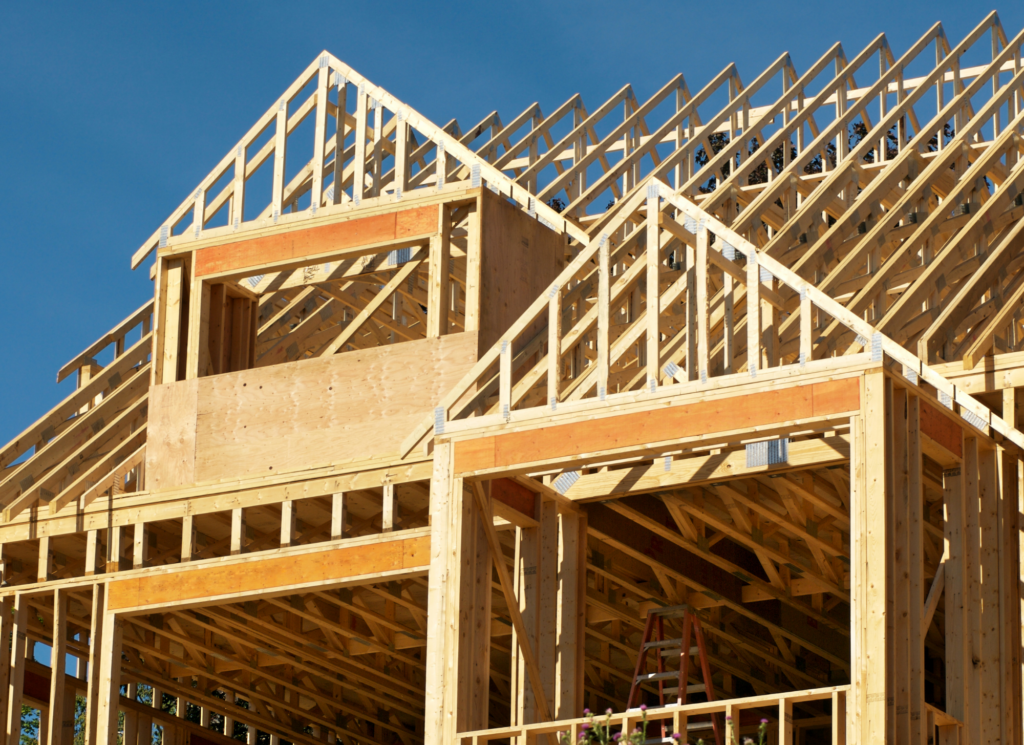
If you’re thinking about buying a home in Minnesota, there’s a good chance you’ve looked at new construction and thought: 👉 “This looks amazing… but is it actually worth it?” Because new construction homes offer: But at the same time, you might be wondering: The truth is: 👉 New construction homes come with strong advantages—but also real trade-offs. The Short Answer 👉 New construction homes are: ✅ Modern, low-maintenance, and efficient 👉 But they can also be: ⚠️ More expensive, less flexible, and located farther out 👉 The key is: 👉 Understanding BOTH sides before deciding The PROS of New Construction Homes Let’s start with why so many buyers are drawn to new builds. ✅ 1. Everything Is Brand New 👉 This is the biggest appeal 👉 When you buy new construction: 👉 That means: 👉 Less stress and fewer surprises 👉 Especially in the first 5–10 years ✅ 2. Low Maintenance Costs 👉 Because everything is new: 👉 You’re less likely to deal with: 👉 Compare that to older homes: 👉 Where repairs can cost thousands 👉 This makes budgeting easier ✅ 3. Builder Warranties 👉 Most builders offer: 👉 This gives you: 👉 Extra protection 👉 Something resale homes don’t offer ✅ 4. Modern Layouts and Design 👉 New homes are built for how people live today 👉 Features often include: 👉 Compared to older homes: 👉 Layouts feel more functional ✅ 5. Energy Efficiency (BIG in Minnesota) 👉 New homes are built to modern standards 👉 Benefits include: 👉 Result: 👉 Lower utility bills 👉 Especially important in cold Minnesota winters ✅ 6. Customization Options 👉 With new construction: 👉 You may be able to choose: 👉 This allows you to: 👉 Personalize your home 👉 Instead of renovating later ✅ 7. Move-In Ready Condition 👉 No need to: 👉 You can move in and start living 👉 This is a huge convenience factor The CONS of New Construction Homes Now let’s talk about the other side—because this is where buyers get surprised. ⚠️ 1. Higher Purchase Price 👉 New construction is usually: 👉 More expensive than resale homes 👉 You’re paying for: 👉 This impacts: 👉 Monthly payment ⚠️ 2. Base Price vs Final Price 👉 Builders advertise: 👉 “Starting at $399,000” 👉 But that’s rarely the final price 👉 You’ll likely add: 👉 Final price may increase: 👉 $20K–$80K+ 👉 This surprises many buyers ⚠️ 3. Limited Negotiation 👉 Unlike resale homes: 👉 Builders don’t always negotiate much on price 👉 Instead, they offer: 👉 But less price flexibility ⚠️ 4. Location (Often Farther Out) 👉 New construction is usually in: 👉 Examples in Minnesota: 👉 This may mean: ⚠️ 5. Construction Timeline 👉 If you’re building from scratch: 👉 It can take: 👉 4–8+ months 👉 Delays can happen 👉 If you need to move quickly: 👉 This may not work ⚠️ 6. Landscaping and Extras Not Included 👉 Many new homes don’t include: 👉 These can cost: 👉 Thousands after closing 👉 Important to budget for ⚠️ 7. Decision Fatigue 👉 Choosing upgrades sounds fun… 👉 Until you’re making 50+ decisions 👉 It can feel: 👉 Overwhelming 👉 And expensive if not controlled A Real Situation I See All the Time A buyer walks into a model home and says: 👉 “This is exactly what I want” 👉 Then they look at pricing: 👉 They feel: 👉 Confused or overwhelmed 👉 Same situation—done correctly: 👉 Result: 👉 Confident decision New Construction vs Resale (Quick Reality Check) 👉 New Construction: 👉 Resale Homes: 👉 Neither is “better” 👉 It depends on YOU Who New Construction Is BEST For 👉 New construction is ideal if you: Who It Might NOT Be Ideal For 👉 It may not be the best fit if you: Biggest Mistakes to Avoid ❌ Only looking at base price 👉 Always calculate total cost ❌ Over-upgrading 👉 Stay within your budget ❌ Ignoring future costs 👉 Landscaping, taxes, etc. ❌ Not comparing resale homes 👉 Always evaluate both 👉 These mistakes affect your outcome The Smart Way to Decide 👉 Ask yourself: ✔️ Do I want convenience or lower cost? ✔️ Am I okay paying more upfront for fewer repairs? ✔️ Do I want a newer home or established neighborhood? ✔️ How long will I stay? 👉 These answers guide your decision Minnesota Market Insight 👉 New construction is growing across Minnesota 👉 Especially in: 👉 Builders continue to offer: 👉 Incentives and options 👉 Making it more accessible FAQ: New Construction Homes Are new construction homes worth it?Yes—for buyers who value low maintenance and modern features. Are they more expensive?Usually yes upfront—but may save on repairs. Do I have to choose upgrades?Yes, but you can control your budget. How long does it take to build?Typically 4–8+ months. Can first-time buyers buy new construction?Yes—with the right financing and strategy. Final Thoughts New construction homes in Minnesota offer: 👉 Simplicity👉 Comfort👉 Modern living 👉 But they also require: 👉 Planning👉 Budget awareness👉 Smart decisions 👉 The goal isn’t to choose what looks best… 👉 It’s to choose what works best for your life and finances 👉 When you understand the pros AND cons: 👉 You can move forward with confidence Next Step If you want to explore new construction vs resale homes in Minnesota based on your budget, the next step is to compare your options: 👉 https://buy.dreamhomesminnesota.com/ 👉 This will help you: Lesley The RealtorReal Estate Agent in MinnesotaHelping buyers weigh their options and confidently choose the right home
How Long Does It Take to Build a House in Minnesota? (2026 Guide)
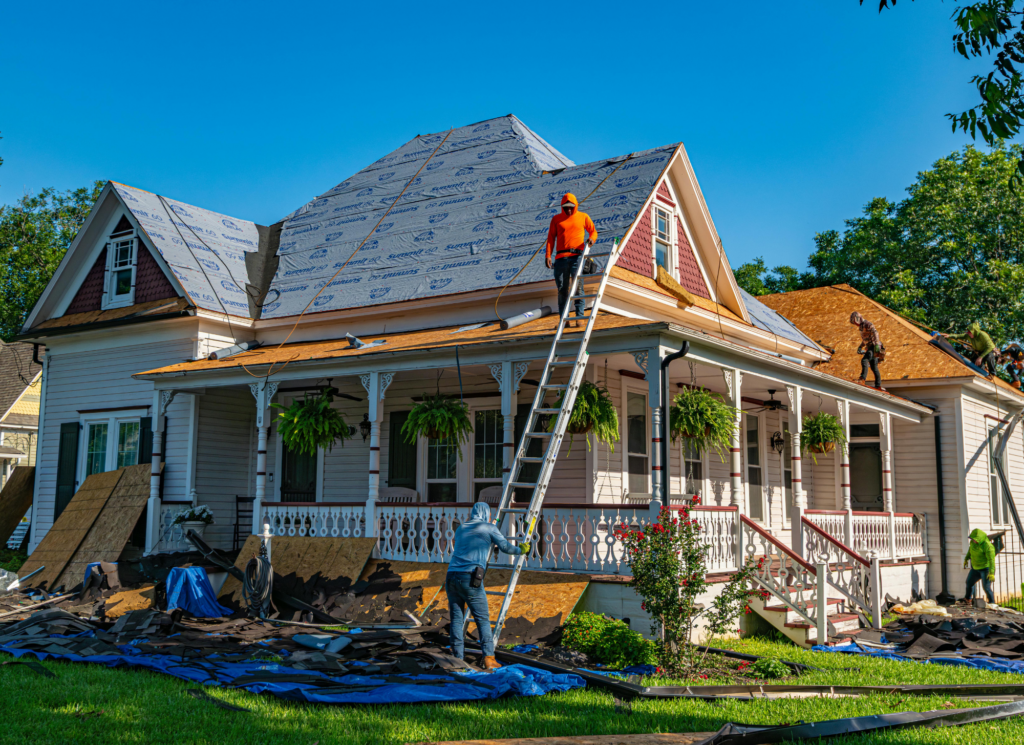
If you’re considering buying a new construction home in Minnesota, one of the first questions that comes up is: 👉 “How long does it actually take to build a house?” Because timing matters. You might be wondering: The truth is: 👉 Building a house in Minnesota typically takes 4 to 8 months… But… 👉 That timeline can vary depending on several factors. The Short Answer 👉 Most new construction homes in Minnesota take: 👉 4–8 months to build 👉 But depending on the situation, it could be: 👉 The key is understanding: 👉 What affects the timeline The 3 Main Scenarios (This Matters) Not all new construction timelines are the same. 🏡 1. Move-In Ready Homes (Fastest Option) 👉 These are homes: 👉 Already built or nearly complete 👉 Timeline: 👉 30–60 days 👉 This is similar to buying a resale home 👉 Best for: 👉 Trade-off: 👉 Limited customization 🏗️ 2. Semi-Custom / Production Homes 👉 This is the most common option 👉 You choose: 👉 Timeline: 👉 4–6 months (on average) 👉 This gives a balance of: 🏠 3. Fully Custom Homes (Longest) 👉 Built from scratch with full customization 👉 Timeline: 👉 6–12+ months 👉 Depends on: 👉 Best for: 👉 Buyers who want full control 👉 But requires patience Step-by-Step Timeline (What Actually Happens) Let’s walk through the full process so you know what to expect. 📝 Step 1: Contract & Planning (1–3 weeks) 👉 You: 👉 This part moves fairly quickly 🎨 Step 2: Design & Selections (2–4 weeks) 👉 You choose: 👉 This is exciting… 👉 But can also feel overwhelming 👉 Delays here can push everything back 📄 Step 3: Permits & Approvals (2–6 weeks) 👉 Builder submits plans to the city 👉 Timeline depends on: 👉 This step is often: 👉 Out of your control 🏗️ Step 4: Construction Phase (3–6 months) 👉 This is where the home is built Typical Stages: 👉 This is the longest part of the process 👉 Weather plays a BIG role in Minnesota 🔍 Step 5: Final Walkthrough & Closing (2–4 weeks) 👉 You: 👉 Then: 👉 You get the keys 🎉 What Can Delay the Timeline? This is important—because delays DO happen. ❄️ 1. Weather (Big in Minnesota) 👉 Winter conditions can: 👉 Extreme cold or snow: 👉 Impacts timelines 🧱 2. Material Delays 👉 Supply issues can affect: 👉 This has improved recently… 👉 But still happens 👷 3. Labor Availability 👉 Builders rely on: 👉 Scheduling conflicts can cause delays 🏛️ 4. Permit Delays 👉 Cities control approvals 👉 Some areas move faster than others 👉 This can add weeks 🎨 5. Buyer Decisions 👉 Yes—you can delay your own build 👉 Examples: 👉 Staying organized helps A Real Scenario I See All the Time A buyer expects: 👉 “I’ll be in my home in 4 months” 👉 But: 👉 Final timeline: 👉 6–7 months 👉 They feel frustrated… 👉 Because expectations weren’t clear 👉 Same situation—done correctly: 👉 Result: 👉 Less stress How to Plan Your Move Around This 👉 If you’re building a home: 👉 You need flexibility ✔️ Plan for a buffer 👉 Add 1–2 months to estimated timeline ✔️ Avoid strict deadlines 👉 Don’t rely on an exact move-in date ✔️ Have temporary housing options 👉 Just in case delays happen 👉 This reduces stress significantly Can the Timeline Be Faster? 👉 Yes—in some cases 👉 Faster timelines happen when: 👉 But for full builds: 👉 Expect several months Minnesota-Specific Insight 👉 Minnesota weather plays a major role 👉 Spring and summer builds: 👉 Often move faster 👉 Winter builds: 👉 May take longer 👉 Builders plan for this—but delays still happen Biggest Mistakes to Avoid ❌ Expecting an exact move-in date 👉 Always allow flexibility ❌ Not planning for delays 👉 They are normal ❌ Waiting too long to start the process 👉 Building takes time ❌ Rushing decisions 👉 This can slow things down 👉 These mistakes increase stress Who Should Choose New Construction (Timing-Wise) 👉 New construction is ideal if: 👉 If you need to move quickly: 👉 Resale or move-in ready homes may be better FAQ: Building a House in Minnesota How long does it take to build a house in Minnesota?Typically 4–8 months, depending on the build type. What is the fastest option?Move-in ready homes (30–60 days). What causes delays?Weather, permits, materials, and scheduling. Can I move in sooner?Only if the home is already built or nearly complete. Should I plan for delays?Yes—always build in extra time. Final Thoughts Building a home in Minnesota is exciting… 👉 But it requires patience 👉 While timelines vary: 👉 Most builds take several months 👉 The key is not just knowing the timeline… 👉 It’s planning for it 👉 When you: 👉 The experience becomes much smoother 👉 And in the end: 👉 You get a home built for YOU Next Step If you’re considering building a home in Minnesota and want to understand your timeline based on your situation, the next step is to explore your options: 👉 https://buy.dreamhomesminnesota.com/ 👉 This will help you: Lesley The RealtorReal Estate Agent in MinnesotaHelping buyers navigate new construction timelines and plan their move with confidence
Can I Afford a New Construction Home in Minnesota? (2026 Guide)
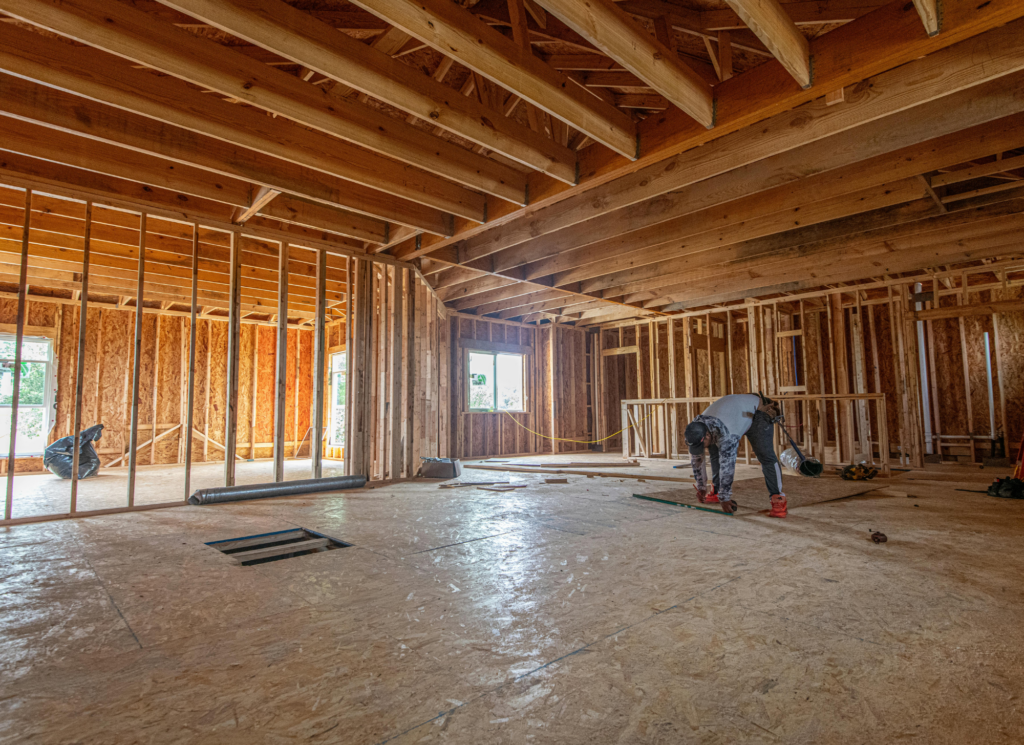
If you’ve been thinking about buying a home in Minnesota, there’s a good chance you’ve looked at new construction and thought: 👉 “Can I actually afford a brand-new home?” Because new construction homes are appealing: But at the same time, you might be wondering: The truth is: 👉 Yes, you may be able to afford a new construction home in Minnesota. But… 👉 It depends on how you approach it. The Short Answer 👉 You can afford a new construction home if: 👉 Many buyers assume new construction is out of reach… 👉 But in some cases: 👉 It’s more achievable than they think What Does “Affordable” Really Mean? Before we talk numbers, let’s define this clearly. 👉 Affordability is NOT just: 👉 “Can I get approved?” 👉 It’s: 👉 A lender may approve you for a certain amount… 👉 But your comfort level matters just as much Average New Construction Prices in Minnesota (2026) 👉 While prices vary by location, here’s a general idea: 👉 Compared to resale homes: 👉 New construction is often slightly higher 👉 But not always dramatically higher Monthly Payment Example Let’s make this real. 👉 On a $400,000 new construction home: 👉 This depends on: 👉 The key question is: 👉 Does this fit your monthly budget? What Makes New Construction Feel Expensive 1. Base Price vs Final Price 👉 Builders advertise: 👉 “Starting at $399,000” 👉 But that often DOESN’T include: 👉 Final price may be: 👉 $420K–$460K+ 👉 This surprises many buyers 2. Upgrades Add Up Quickly 👉 Common upgrades: 👉 Small decisions can add: 👉 $10K–$50K+ 👉 This is where affordability can shift 3. Property Taxes on New Builds 👉 Taxes may increase after construction is complete 👉 Your monthly payment may go up slightly 👉 This is important to plan for What Makes New Construction MORE Affordable ✔️ 1. Builder Incentives 👉 Many builders offer: 👉 These can save: 👉 Thousands of dollars ✔️ 2. Lower Maintenance Costs 👉 Everything is new: 👉 Fewer repairs early on 👉 That saves money over time ✔️ 3. Energy Efficiency 👉 New homes are more efficient 👉 Lower: 👉 Especially important in Minnesota winters Can First-Time Buyers Afford New Construction? 👉 Yes—many do 👉 Especially with: 👉 The key is: 👉 Structuring the deal correctly A Real Scenario A first-time buyer in Minnesota: 👉 They explore new construction: 👉 Builder offers: 👉 Result: 👉 Buyer moves forward comfortably 👉 Without needing 20% down What Lenders Look At 👉 To determine affordability, lenders review: 👉 This determines: 👉 How much you can borrow 👉 But again: 👉 Approval ≠ comfort When New Construction Might NOT Be Ideal 👉 It may not be the best fit if: 👉 In those cases: 👉 Resale homes may offer better value When It DOES Make Sense 👉 New construction is a great option if: 👉 It’s about lifestyle + financial fit Minnesota-Specific Insight 👉 New construction is popular in: 👉 Cities like: 👉 Offer strong new build opportunities Biggest Mistakes to Avoid ❌ Only looking at base price 👉 Always calculate final cost ❌ Over-upgrading 👉 Stay within budget ❌ Not using builder incentives 👉 You could miss savings ❌ Not comparing resale options 👉 Always evaluate both 👉 These mistakes impact affordability The Smart Approach 👉 If you’re considering new construction: ✔️ Step 1: Get pre-approved 👉 Know your real budget ✔️ Step 2: Visit model homes 👉 Understand pricing + upgrades ✔️ Step 3: Ask about incentives 👉 Builders often have promotions ✔️ Step 4: Work with an agent 👉 Representation matters (builder reps work for the builder) 👉 This gives you clarity and confidence FAQ: New Construction Affordability Is new construction more expensive than resale?Often slightly higher—but not always significantly. Do I need a bigger down payment?No—many buyers use 3%–5% down. Are there extra costs with new builds?Yes—upgrades and lot premiums. Can first-time buyers afford new construction?Yes—with the right loan and strategy. Do builders offer incentives?Yes—often including closing cost help and rate buy-downs. Final Thoughts New construction homes in Minnesota can feel out of reach at first… 👉 But for many buyers, they’re more achievable than expected 👉 The key is understanding: 👉 When you approach it the right way: 👉 You can make a smart, confident decision 👉 It’s not about buying the most expensive home… 👉 It’s about buying the right one for you Next Step If you want to find out whether you can afford a new construction home in Minnesota, the next step is to get your numbers clearly mapped out: 👉 https://buy.dreamhomesminnesota.com/ 👉 This will help you: Lesley The RealtorReal Estate Agent in MinnesotaHelping buyers understand their options and confidently decide between new construction and resale homes
Can I Use Money Sent from Family Back Home to Buy a House in Minnesota? (2026 Guide)
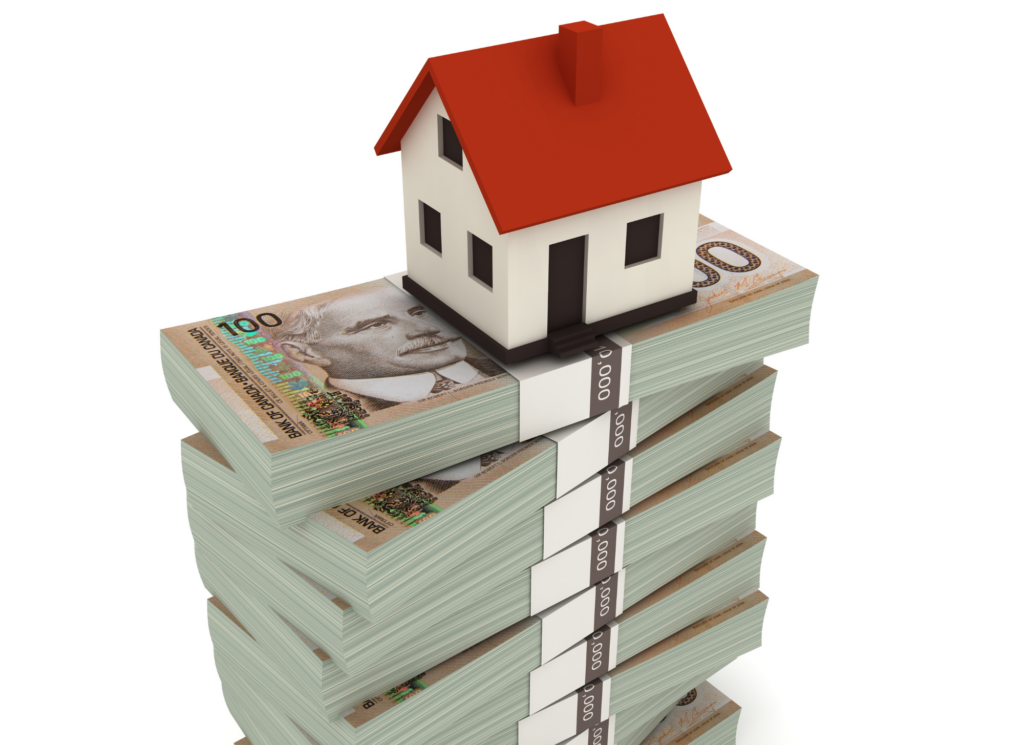
If you’re planning to buy a home in Minnesota and you have family helping you financially, you might be asking: 👉 “Can I use money sent from family back home to buy a house?” This is a very common question—especially for immigrants who: The short answer is: 👉 Yes—you can use money from family back home. But… 👉 It has to be done the right way. Because when you’re buying a home in the U.S., lenders need to verify where your money comes from. The Short Answer 👉 You CAN use money from family abroad if: 👉 If not: 👉 It can delay or even stop your loan approval Why Lenders Care About Your Money This is the part many buyers don’t expect. 👉 When you apply for a mortgage in Minnesota: 👉 The lender must verify your funds 🧾 Why? Because they need to confirm: 👉 This is called: 👉 “Sourcing your funds” 👉 And it’s REQUIRED for approval The Most Common Way: Gift Funds 🎁 What Are Gift Funds? 👉 Money given to you by family 👉 With one key condition: 👉 You do NOT have to pay it back 👉 This is the most common way: 👉 Buyers use money from family back home ✔️ Who Can Give Gift Funds? Typically: 👉 Some loan programs have specific rules 👉 But family support is very common What You Need to Do (Step-by-Step) This is where things need to be done correctly. ✔️ Step 1: Transfer the Money Properly 👉 The money must be sent through: 👉 It needs to be: 👉 Traceable ✔️ Step 2: Provide Documentation 👉 Your lender will ask for: 👉 This shows: 👉 Where the money came from ✔️ Step 3: Gift Letter 👉 You’ll need a: 👉 Gift letter 📝 What It Includes: 👉 This is required for most loans ✔️ Step 4: Keep Funds in Your Account 👉 Once the money is transferred: 👉 Leave it in your account 👉 Avoid: 👉 Stability matters to lenders What NOT to Do (VERY IMPORTANT) ❌ Do NOT deposit large amounts of cash 👉 This raises red flags ❌ Do NOT hide where the money came from 👉 Lenders WILL ask ❌ Do NOT say it’s your savings if it’s not 👉 This can delay or deny your loan ❌ Do NOT accept undocumented transfers 👉 Everything must be traceable 👉 These mistakes can: 👉 Delay closing or stop the deal A Real Situation I See All the Time A buyer says: 👉 “My parents will send me money from overseas” 👉 That’s completely fine 👉 But then: 👉 The lender asks questions 👉 The process slows down 👉 Stress increases 👉 Same situation—done correctly: 👉 Result: 👉 Smooth approval Can the Money Be a Loan from Family? 👉 This is where it gets tricky 👉 If the money is a LOAN: 👉 It must be disclosed 👉 And it may: 👉 Most buyers: 👉 Use gift funds instead 👉 Because: 👉 It keeps things simpler What If the Money Is Already in My Account? 👉 If the money has been in your account: 👉 For 60+ days 👉 It may be considered: 👉 “Seasoned funds” 👉 This can make things easier 👉 But: 👉 Lenders may still ask questions 👉 Always be prepared to explain Special Note for Immigrant Buyers 👉 Using money from family abroad is: 👉 VERY common 👉 Lenders in Minnesota: 👉 See this regularly 👉 The key difference is: 👉 Documentation 👉 When done properly: 👉 It’s not a problem Minnesota Loan Programs & Flexibility 👉 Many programs allow: 👉 But rules vary by: 👉 This is why: 👉 Working with the right team matters What You Should Do Before Accepting Money 👉 Before your family sends money: 👉 Talk to a lender 👉 This helps you: 👉 This one step can save you: 👉 A lot of stress FAQ: Using Money from Family Abroad Can I use money from my parents overseas?Yes—as long as it’s properly documented. Does it have to be a gift?Usually yes, unless you want it counted as a loan. Can I deposit cash from family?No—cash deposits can cause issues with lenders. Do I need proof of transfer?Yes—documentation is required. Will this delay my loan?Not if it’s done correctly from the start. Final Thoughts Using money from family back home can absolutely help you buy a home in Minnesota… 👉 And for many buyers, it’s a key part of the process 👉 The important thing is: 👉 Not just having the money—but handling it correctly Because in real estate: 👉 Clarity beats assumptions 👉 If your funds are: 👉 You can move forward with confidence Next Step If you’re planning to use money from family to buy a home in Minnesota, the next step is to make sure it’s done the right way: 👉 https://buy.dreamhomesminnesota.com/ 👉 This will help you: Lesley The RealtorReal Estate Agent in the Twin Cities & Surrounding Metro, MinnesotaHelping buyers navigate the home buying process with clarity—even when funds come from overseas