
Are Townhomes a Good Investment in Minnesota?
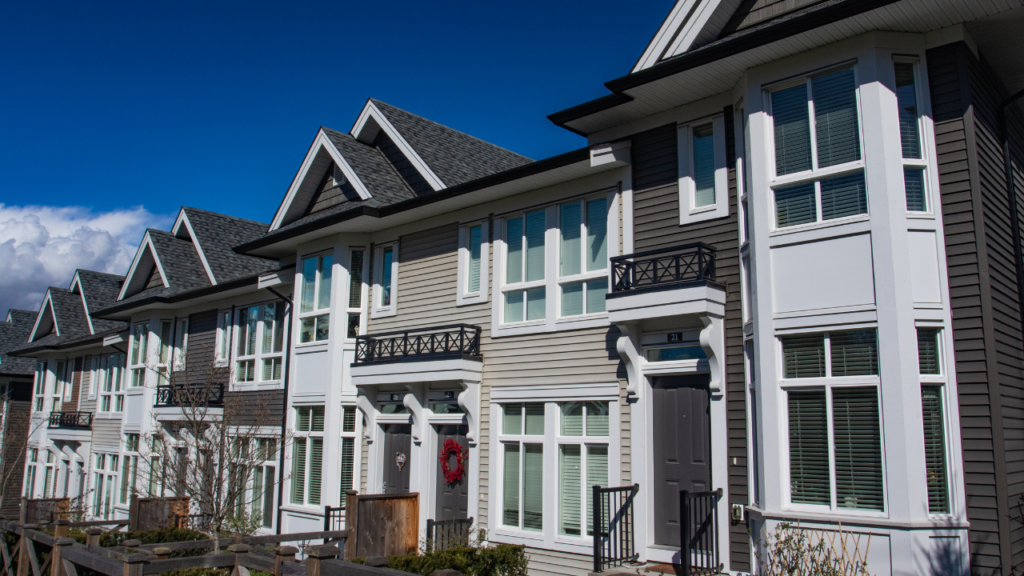
A first-time buyer reached out to me last spring after his parents talked him out of making an offer on a townhome in Maple Grove. He had toured it twice. He loved the layout. The commute to his job in Plymouth was twelve minutes. The price fit comfortably within his budget. And then he called his parents to share the good news and they spent forty-five minutes explaining to him why townhomes were not real investments, why he would never build equity the way you do with a house, and why he should wait until he could afford a single-family home instead. He called me genuinely confused. “Is that true?” he asked. “Are townhomes actually bad investments? Because this one feels right for everything in my life right now.” This is one of the most persistent myths in real estate, and it costs buyers real opportunities. The idea that townhomes are inherently inferior investments compared to single-family homes is simply not supported by the data or by the actual experiences of the many buyers who have purchased townhomes in Minnesota and gone on to build meaningful equity over time. The honest answer is more nuanced than either the dismissive view his parents offered or an uncritical endorsement of townhomes as universally great investments. Like any real estate purchase, the investment quality of a townhome depends enormously on the specific property, the specific community, the specific market conditions, and the specific buyer’s goals and timeline. Here is the complete picture. What Actually Determines Whether a Townhome Is a Good Investment Before evaluating townhomes as a category, it helps to understand what actually makes any real estate purchase a good investment, because these same principles apply directly to townhomes and reveal why the blanket dismissal his parents offered was not accurate. Real estate investments build value through two primary mechanisms. Appreciation, meaning the increase in the property’s market value over time, and equity accumulation through mortgage paydown, meaning the gradual reduction of your loan balance as you make payments and the corresponding growth of your ownership stake in the property. Both mechanisms work equally well regardless of whether you own a condo, a townhome, or a single-family home, as long as you purchase in a market with genuine demand, hold the property long enough for these forces to compound, and maintain the property responsibly throughout your ownership. The factors that most reliably predict whether a specific townhome will be a good investment include location quality, the strength of the HOA and its financial management, the price you pay relative to comparable properties in the market, how long you plan to hold the property, and the broader trajectory of the community in which the townhome sits. None of these factors are unique to townhomes, and all of them apply equally to single-family homes. The property type itself is less determinative of investment quality than most buyers are led to believe. Minnesota Townhome Appreciation: What the Data Actually Shows Minnesota’s townhome market has delivered meaningful appreciation across most markets and time periods, and buyers who purchased townhomes in communities like Maple Grove, Eden Prairie, Plymouth, Lakeville, and Woodbury five to ten years ago have generally seen their properties appreciate significantly. The communities where townhomes have performed best as investments share several characteristics. They are located in areas with strong overall demand and limited new supply entering the market. They have well-managed HOAs with healthy reserve funds and responsible maintenance of common areas and exteriors. They are priced competitively relative to comparable properties at the time of purchase rather than carrying a premium that takes years to justify. Communities where townhomes have performed less consistently as investments tend to have the opposite characteristics, whether oversupply from rapid new construction that keeps prices from appreciating, poorly managed HOAs that allow exterior conditions to deteriorate and drag down values, or locations where the broader neighborhood trajectory is flat or declining. This pattern, strong management and strong location producing strong investment outcomes, holds across all property types and is not unique to townhomes. The HOA Factor: Why It Matters More for Townhomes Than Any Other Variable Of all the factors that determine a townhome’s investment quality in Minnesota, the health and management of the homeowners association is arguably the most important and the most frequently underestimated by buyers. A well-managed HOA with an adequately funded reserve maintains the exterior of the community consistently, addresses maintenance issues promptly, maintains the community’s visual appeal, and ensures that when major expenses arise, whether roof replacements, siding repairs, parking lot resurfacing, or other significant projects, the funds are available to cover them without levying large special assessments against unit owners. A poorly managed HOA does the opposite. Deferred exterior maintenance allows the community to visually deteriorate over time, which affects the values of all units within it regardless of how well any individual owner maintains their interior. A reserve fund that is inadequately funded accumulates risk that eventually surfaces as a large special assessment that owners did not anticipate. High delinquency rates on HOA dues, meaning other owners who are not paying their fees, strains the association’s financial capacity and can trigger a cycle of decline that is difficult to reverse. Before purchasing any townhome in Minnesota, reviewing the HOA’s financial documents, including the reserve fund balance, the most recent reserve study or assessment, the current budget, and the meeting minutes from the past one to two years, is non-negotiable. These documents reveal the financial health of the association in ways that a tour of the community simply cannot, and they are among the most important due diligence steps in any townhome purchase. Comparing Townhome Investment Performance to Single-Family Homes The comparison between townhome and single-family home investment performance in Minnesota is more nuanced than the conventional wisdom suggests. It is true that single-family homes have generally shown stronger appreciation than townhomes in most Minnesota markets over most time periods. This reflects the premium that land ownership and detached privacy command
What Areas in Minnesota Are Best for Long-Term Real Estate Investment?

One of the most common questions I hear from buyers isn’t about bedrooms, bathrooms, or even school districts. It’s this: “Lesley, where should I buy if I want my home to be a good long-term investment?” It’s a smart question. Whether you’re purchasing your first home, moving up to a larger property, relocating to Minnesota, or buying a property you plan to hold for years, most people want to know they’re making a sound financial decision. The challenge is that nobody has a crystal ball. No Realtor, economist, lender, or investor can guarantee what home values will do in the future. What we can do is look at the factors that have historically supported strong long-term growth and identify the Minnesota communities that continue to benefit from those trends. As a Minnesota real estate agent, I always tell clients that the best investment property is usually a home that serves your personal needs while also being located in an area with strong long-term fundamentals. Let’s explore what makes an area attractive for long-term investment and which Minnesota communities continue to stand out. What Makes an Area a Good Long-Term Investment? Many people assume the best investment is simply the cheapest house they can find. Others believe they should buy in the most expensive neighborhood possible. The truth is more complicated. Strong long-term investment areas often share several characteristics: The more reasons people have to move to an area, the more likely that area is to remain attractive over time. Why Minnesota Continues to Attract Buyers Before looking at specific communities, it’s important to understand why Minnesota remains attractive overall. The state offers: While real estate markets experience cycles, Minnesota’s long-term economic foundation continues supporting housing demand. Lakeville Lakeville consistently ranks among the strongest long-term investment areas in the Twin Cities metro. Why? Because it continues checking many of the boxes buyers want. Lakeville offers: The city continues attracting both local buyers and relocation buyers. As long as demand remains strong, Lakeville is likely to remain an important market within the metro area. Woodbury Woodbury has become one of Minnesota’s most desirable suburbs. Many buyers specifically target Woodbury because of: Demand remains strong across multiple price points. Because Woodbury appeals to first-time buyers, move-up buyers, and relocation buyers, it continues attracting a broad buyer pool. Maple Grove Maple Grove remains one of the most established and desirable suburbs in Minnesota. The city offers: One advantage of Maple Grove is its mature infrastructure. While newer communities may experience faster growth, established communities often benefit from stability and consistent demand. Eden Prairie Eden Prairie has long been considered one of Minnesota’s premier suburban communities. Factors supporting long-term demand include: Many buyers who prioritize long-term ownership continue focusing on Eden Prairie because of its reputation and amenities. Blaine Blaine has become increasingly attractive from both a lifestyle and investment perspective. Growth drivers include: Because the city continues expanding, many buyers see long-term potential in the area. Rogers Rogers has experienced substantial growth over the past decade. Investment-minded buyers often pay attention to communities where: Rogers continues benefiting from all three. Its location along Interstate 94 also contributes to its appeal. Otsego Otsego may still be underappreciated by some buyers. However, the community continues seeing: As surrounding communities become more expensive, Otsego continues attracting buyers looking for value and newer housing. Rosemount Rosemount continues attracting buyers seeking: The city’s continued growth supports long-term housing demand. Many buyers who purchased in Rosemount years ago have benefited from the area’s increasing popularity. Prior Lake Prior Lake often appeals to buyers seeking a combination of lifestyle and long-term value. The community offers: Properties in desirable lifestyle-oriented communities often remain attractive to future buyers. Victoria Victoria has become increasingly popular among buyers looking for scenic surroundings and suburban convenience. Its appeal includes: Communities that offer unique lifestyle advantages often maintain strong long-term demand. What About Minneapolis and St. Paul? Many buyers automatically focus on suburbs when discussing investment. However, Minneapolis and St. Paul continue offering opportunities as well. Certain neighborhoods benefit from: Urban markets behave differently than suburban markets, but they remain important parts of Minnesota’s housing landscape. Why School Districts Matter Even buyers without children often benefit from purchasing in desirable school districts. Why? Because future buyers frequently prioritize schools. Strong school districts often contribute to: School quality is one factor many investors and homeowners evaluate carefully. Why Infrastructure Matters Road expansions, transportation improvements, and community investments often support long-term growth. Examples include: Areas receiving continued investment often remain attractive to future buyers. New Construction Can Signal Future Growth One indicator many investors watch is new construction activity. Builders spend significant resources studying market demand. While builder activity doesn’t guarantee appreciation, it often indicates confidence in the area’s future growth potential. Communities with ongoing development frequently continue attracting buyers and businesses. Should You Buy in an Established Area or a Growth Area? Both approaches can work. Established Communities Benefits may include: Growth Communities Benefits may include: The best choice depends on your goals and risk tolerance. The Biggest Investment Mistake Buyers Make One mistake I see frequently is buyers focusing only on potential appreciation. They forget to ask: “Do I actually want to live here?” The best long-term investment is often a home that: If you enjoy living there, you’re more likely to stay long enough to benefit from long-term ownership. Questions Buyers Should Ask Before purchasing, consider: Is the population growing? Growth often supports demand. Are employers investing in the area? Job growth can influence housing demand. Are schools desirable? School quality often matters to future buyers. What new development is planned? Future growth can impact desirability. Does the community fit my lifestyle? Investment potential means little if you dislike living there. FAQ What is the best Minnesota city for long-term real estate investment? There is no single answer, but communities such as Lakeville, Woodbury, Maple Grove, Blaine, Rogers, Rosemount, and Eden Prairie often attract strong long-term buyer demand. Should I focus on appreciation or lifestyle?