
🏡 What Is a Purchase Agreement in Minnesota?
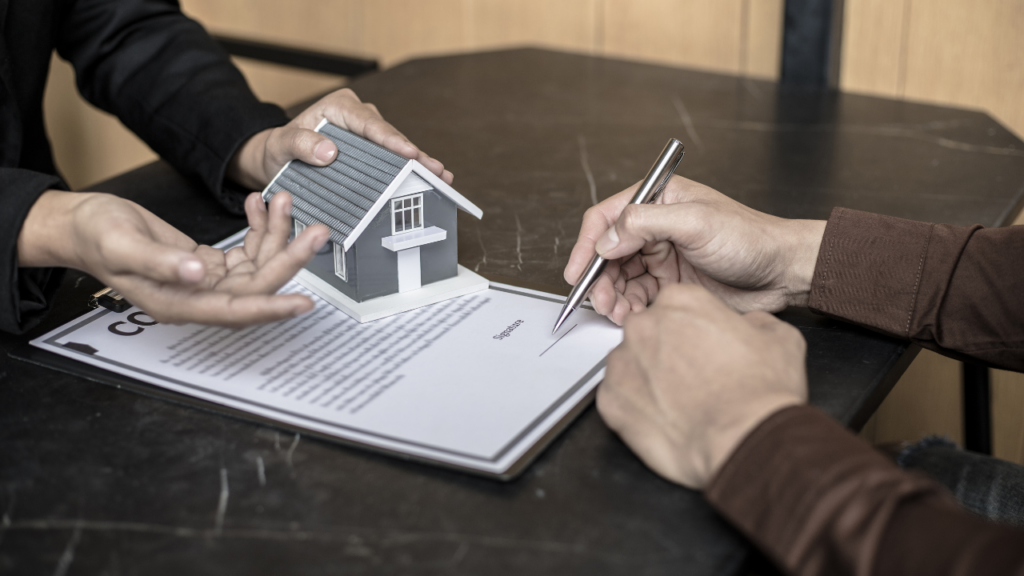
If you’re getting ready to buy a home in Minnesota, there’s one document that controls almost everything in your transaction: 👉 The purchase agreement And when buyers hear that for the first time, they usually think: 👉 “Is this just paperwork… or is this something serious?” The answer is simple: 👉 It’s one of the most important parts of the entire process. Because once the purchase agreement is signed and accepted: 👉 You are officially under contract to buy the home That’s the moment where things shift from: 👉 “I’m interested in this house” to 👉 “I am legally committing to buy this house” And that’s why it’s so important to understand what this document actually does. You might be wondering: • What exactly is in a purchase agreement?• Is everything negotiable?• What happens after I sign it?• Can I still back out later? These are all smart questions. Because the truth is: 👉 The purchase agreement is not just paperwork 👉 It’s the foundation of your entire home purchase The Short Answer 👉 A purchase agreement is a legal contract between a buyer and a seller 👉 It outlines: • The price of the home• The terms of the deal• The timeline• The contingencies• What is included in the sale 👉 Once both parties sign: 👉 It becomes legally binding 👉 That means: 👉 You cannot simply walk away without consequences unless you are protected by contingencies What the Purchase Agreement Actually Does Let’s simplify this. 👉 The purchase agreement answers one core question: 👉 “What exactly are we agreeing to?” It clearly defines: • What property is being purchased• How much is being paid• When everything will happen• What conditions must be met 👉 Without a purchase agreement: 👉 There is no official deal This is the document that turns a conversation into a contract. When the Purchase Agreement Happens The purchase agreement is created: 👉 When you submit an offer on a home At that point: 👉 It represents YOUR terms to the seller The seller can: • Accept it• Reject it• Counter it Once both parties agree and sign: 👉 You are officially under contract 👉 This is when the timeline begins What’s Included in a Minnesota Purchase Agreement Now let’s break down what’s actually inside the agreement. This is where buyers need clarity. ✔️ 1. Purchase Price This is the amount you are offering to pay for the home. It may include: • Your initial offer• Counteroffer adjustments• Final agreed price 👉 This is usually the headline number But it’s not the only thing that matters. ✔️ 2. Earnest Money The agreement will specify: 👉 How much earnest money you are putting down 👉 When it must be delivered This shows the seller: 👉 You are serious about buying It also becomes part of your total funds at closing. ✔️ 3. Contingencies These are one of the most important parts of the agreement. They protect you by allowing you to cancel or renegotiate under certain conditions. Common contingencies include: • Inspection contingency• Financing contingency• Appraisal contingency 👉 These give you flexibility and protection ✔️ 4. Closing Date This is the target date when: 👉 Ownership officially transfers to you Typical timeline: 👉 30 to 45 days after acceptance This date is important for: • Moving plans• Loan timelines• Seller coordination ✔️ 5. Included Items This section outlines: 👉 What stays with the home after closing Examples include: • Kitchen appliances• Light fixtures• Built-in shelving• Window treatments (sometimes) 👉 This is one of the most commonly misunderstood areas Real Scenario A buyer assumes the washer and dryer are included. But they are not listed in the agreement. 👉 The seller removes them 👉 The buyer has no claim 👉 This is why this section matters ✔️ 6. Possession Details This answers: 👉 When do you actually move in? Most of the time: 👉 Possession happens on closing day But sometimes: • The seller stays temporarily (rent-back)• Possession is delayed 👉 This must be clearly defined ✔️ 7. Seller Disclosures The agreement references disclosures provided by the seller. These may include: • Known issues with the home• Past repairs• Legal disclosures 👉 This helps you understand the property condition Why the Purchase Agreement Matters So Much This is not just a form you sign and move past. 👉 It controls: • Your rights as a buyer• Your responsibilities• The timeline of the deal• What happens if something goes wrong 👉 If there is ever a dispute: 👉 The purchase agreement is what everyone refers back to What Happens After the Agreement Is Signed Once both parties sign: 👉 The process moves forward You’ll go through: • Inspection• Appraisal• Loan approval• Final walkthrough• Closing 👉 Every step is guided by the terms in the agreement Can You Change the Agreement Later? Yes—but only under one condition: 👉 Both parties must agree Changes are made through: 👉 Amendments Examples include: • Repair agreements after inspection• Closing date adjustments• Price renegotiation after appraisal 👉 Nothing changes automatically What Happens If You Don’t Understand Something? This is where buyers need to slow down. 👉 You should NEVER sign something you don’t understand Because once you sign: 👉 You are legally committed 👉 This is why your agent walks you through each section A Real Situation I See Often A buyer rushes to submit an offer in a competitive market. They focus only on: 👉 The price Later, they realize: 👉 The closing date doesn’t match their moving timeline 👉 Now they have to scramble to adjust 👉 This could have been avoided with a careful review Common Mistakes Buyers Make ❌ Skimming the agreement too quickly ❌ Not asking questions ❌ Focusing only on price ❌ Ignoring timelines and details 👉 These mistakes can create stress later in the process Who Needs to Pay Extra Attention This is especially important for: • First-time buyers• Immigrant buyers• Out-of-state buyers 👉 Because the process may feel unfamiliar A Simple Way to Think
Why Is the Bank Asking Where My Money Came From? (Minnesota Homebuyer Guide 2026)
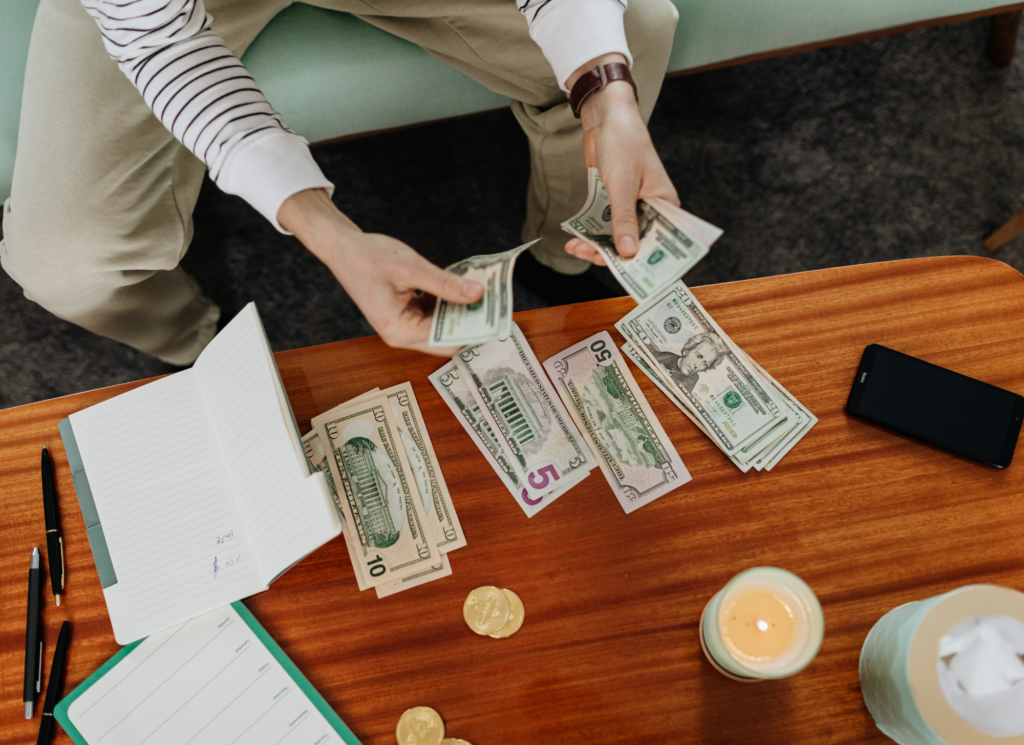
If you’re buying a home in Minnesota and talking to a lender, you may feel surprised—or even uncomfortable—when they ask: 👉 “Where did this money come from?” And your first reaction might be: The truth is: 👉 This is completely normal. 👉 And it happens to almost every buyer. The Short Answer 👉 The bank asks where your money came from because: 👉 They are required to verify your funds before approving your loan 👉 This process is called: 👉 “Sourcing your funds” 👉 It helps them confirm: 👉 It’s NOT personal 👉 It’s part of the process Why This Feels Confusing (Especially for Immigrant Buyers) 👉 In many cultures: 👉 So when a lender asks: 👉 “Where did this money come from?” 👉 It can feel: 👉 But in the U.S. mortgage system: 👉 This step is REQUIRED 👉 It’s not about trust… 👉 It’s about documentation What “Sourcing Your Funds” Actually Means 👉 When you apply for a mortgage: 👉 The lender reviews your financial history 👉 This includes: 👉 If they see money in your account: 👉 They need to know: 👉 How it got there 👉 This is called: 👉 “Sourcing” 👉 And it applies to: What the Bank Is REALLY Looking For Let’s simplify this. 👉 The lender is trying to answer 3 questions: 1. Is the Money Legitimate? 👉 Was it earned, saved, or gifted properly? 2. Is It a Loan? 👉 Do you have to pay it back? 👉 If yes: 👉 It affects your ability to qualify 3. Is It Traceable? 👉 Can they verify where it came from? 👉 If they can’t verify it: 👉 They may not allow you to use it Common Situations Where You’ll Be Asked 💰 Large Deposits 👉 Example: 👉 The lender will ask: 👉 “Where did this come from?” 🎁 Gift Money 👉 From family or relatives 👉 They’ll ask for: 🌍 Money from Overseas 👉 Very common for immigrant buyers 👉 Requires: 💵 Cash Deposits 👉 One of the biggest red flags 👉 Difficult to verify A Real Situation I See All the Time A buyer deposits $12,000 into their account. 👉 The lender reviews their statements and asks: 👉 “Where did this money come from?” 👉 The buyer says: 👉 “It’s my savings” 👉 But there’s no record 👉 No paper trail 👉 The lender can’t verify it 👉 The funds may not be usable 👉 Result: 👉 Delay or stress 👉 Same situation—done correctly: 👉 Result: 👉 Smooth approval What Happens If You Can’t Explain the Money 👉 The lender may: 👉 In some cases: 👉 It can impact your ability to close 👉 That’s why: 👉 Preparation matters How to Make This Easy (What You Should Do) ✔️ 1. Keep Your Money in the Bank 👉 Avoid: 👉 Use: 👉 Bank accounts for savings ✔️ 2. Use Traceable Transfers 👉 Always move money through: 👉 This creates: 👉 A paper trail ✔️ 3. Be Honest and Upfront 👉 If you receive money: 👉 Tell your lender early 👉 Don’t wait until they ask 👉 Transparency = smoother process ✔️ 4. Prepare Documentation 👉 Be ready with: 👉 The more organized you are: 👉 The easier it gets ✔️ 5. Talk to a Lender BEFORE Moving Money 👉 This is one of the smartest steps 👉 A lender can guide you on: 👉 This prevents problems What This Means for Immigrant Buyers 👉 If you: 👉 You are NOT alone 👉 Many buyers do this 👉 The key difference is: 👉 Adapting to U.S. lending rules 👉 Which means: 👉 Turning your funds into something that is: 👉 Traceable and documented Biggest Mistakes to Avoid ❌ Depositing large cash amounts 👉 Creates red flags ❌ Not explaining deposits 👉 Lenders will ask ❌ Trying to “fix it later” 👉 It’s harder after the fact ❌ Assuming it won’t matter 👉 It always matters 👉 These mistakes can: 👉 Delay or stop your purchase The Good News 👉 This process is: 👉 Completely manageable 👉 And once you understand it: 👉 It becomes simple 👉 Most buyers go through this 👉 And with the right guidance: 👉 It’s smooth FAQ: Why the Bank Asks About Your Money Why does the bank ask where my money came from?To verify that your funds are legitimate and meet loan requirements. Is this normal?Yes—this happens to almost every buyer. What is “sourcing funds”?It means documenting where your money came from. Will this delay my loan?Not if you’re prepared and transparent. What should I do before moving money?Talk to your lender first. Final Thoughts When the bank asks where your money came from… 👉 It’s not a problem 👉 It’s part of the process 👉 They’re not questioning you… 👉 They’re following the rules 👉 And once you understand that: 👉 The process feels much easier 👉 The key is simple: 👉 Be prepared👉 Be transparent👉 Be organized 👉 When you do that: 👉 Everything moves forward smoothly Next Step If you want to buy a home in Minnesota and avoid delays with your finances, the next step is to get clear guidance from the start: 👉 https://buy.dreamhomesminnesota.com/ 👉 This will help you: Lesley The RealtorReal Estate Agent in the Twin Cities & Surrounding Metro, MinnesotaHelping buyers navigate the process clearly—especially when it comes to money, documentation, and approval