
Best Areas to Move to in Minnesota for Families (2026 Guide)

If you’re planning a move to Minnesota with your family, this is usually the biggest question: 👉 “Where should we actually live?” Not just what city sounds good.Not just what shows up on Google. 👉 Where will your family actually feel comfortable day to day? Because here’s what most people don’t realize: 👉 The right area in Minnesota can completely change your experience You can love Minnesota in one neighborhood……and struggle in another. So let’s walk through the best areas for families in a real, practical way so you can start narrowing down what fits you. The Short Answer For most families moving to Minnesota, the best areas tend to be: But here’s the important part: 👉 There is no “best” city 👉 There is only the best fit for your lifestyle What Families Usually Want (And Why It Matters) Before we even talk about cities, you need to know what most families are prioritizing when they move here. Most buyers I work with are looking for: And in Minnesota… 👉 You can actually get all of that But different cities balance those things differently. 1. Lakeville (One of the Most Popular for Families) Lakeville is one of the top choices for families relocating to Minnesota. Why families choose Lakeville What it feels like Lakeville feels: You’ll see: Real scenario A family relocating from Colorado chose Lakeville because: 👉 They ended up getting more house for their budget than expected 2. Eagan (Balanced and Central) Eagan is one of the most well-rounded areas in the Twin Cities. Why it works What it feels like Eagan feels: It’s a good mix of: Real scenario A buyer moving from Illinois chose Eagan because: 👉 It gave them flexibility they didn’t have before 3. Plymouth (Higher-End Family Living) Plymouth is one of the more premium suburban areas. Why families move here What it feels like Plymouth feels: Homes tend to be: Real scenario A family upgrading from a smaller home chose Plymouth for: 👉 They saw it as a long-term investment in their kids 4. Maple Grove (Growth + Lifestyle) Maple Grove has grown a lot over the past few years. Why families like it What it feels like Maple Grove feels: Real scenario A relocating family chose Maple Grove because: 👉 It felt more “active” than other suburbs 5. Eden Prairie (Established and Highly Rated) Eden Prairie has been a top family destination for years. Why it stands out What it feels like Eden Prairie feels: Real scenario A buyer moving from California chose Eden Prairie for: 👉 It gave them confidence long-term 6. Woodbury (Great for East Side Buyers) Woodbury is a strong option if you’re looking on the east side of the Twin Cities. Why families choose it What it feels like Woodbury feels: Real scenario A family relocating for work in St. Paul chose Woodbury because: How to Choose the Right Area (This Is the Key) Instead of asking: 👉 “What’s the best city?” Ask: 👉 “What fits my life best?” Think about: Simple breakdown Common Mistakes Families Make ❌ Picking based on price only ❌ Ignoring commute ❌ Not understanding school districts ❌ Choosing based on photos instead of lifestyle 👉 These show up after you move What I Tell Most Families When buyers ask me this question, I usually say: 👉 “There are a lot of great options… we just need to find your version of it.” Because once we match: 👉 The right area becomes obvious FAQ What is the best area in Minnesota for families?Lakeville, Eagan, Plymouth, and Maple Grove are among the most popular. Where do most families move?Suburbs with strong schools and newer homes. Is Minnesota good for raising a family?Yes, especially due to schools and community. What should I prioritize?Schools, commute, and lifestyle. Final Thoughts Minnesota has a lot of great areas. But the goal isn’t to find the best one. 👉 It’s to find the right one for you Next Step If you’re trying to figure out which area fits your family: 👉 https://sell.dreamhomesminnesota.com/ Lesley The RealtorReal Estate Agent in MinnesotaHelping families find the right place to call home
Is Minnesota a Good Place to Live? Pros and Cons (2026 Guide)
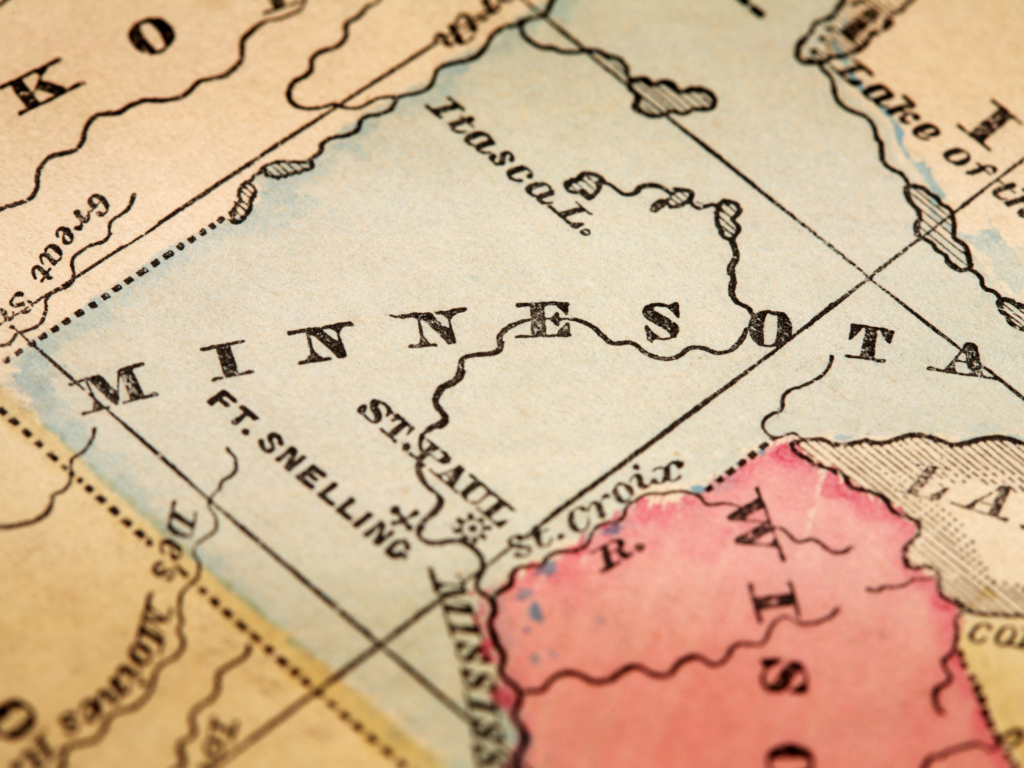
If you’re thinking about moving to Minnesota, you’ve probably already asked this: 👉 “Is Minnesota actually a good place to live?” Not just what rankings say.Not just what Google pulls up. 👉 What does it really feel like living here day to day? Because depending on where you’re coming from, Minnesota can feel like: And most people don’t fully understand that difference until after they move. So let’s walk through this in a real, practical way—so you can decide if Minnesota is actually the right fit for you. The Short Answer (Realistically) Yes—Minnesota is a great place to live. But not for everyone. People who tend to love Minnesota value: People who struggle here usually care more about: 👉 So the real question isn’t: “Is Minnesota good?” 👉 It’s: “Is Minnesota good for you?” What Living in Minnesota Actually Feels Like This is the part most articles miss—and it’s the most important. Minnesota feels: When you move here, you’ll notice: It’s not chaotic.It’s not overwhelming. 👉 It’s consistent And for a lot of people—especially families—that consistency is exactly what they’re looking for. The Weather (Let’s Be Honest About It) We can’t talk about Minnesota without talking about the weather. Winters Winter is: You’ll experience: And yes—it’s something you need to be prepared for. But here’s what surprises people: 👉 Life doesn’t stop People still: Minnesota is built to handle winter. Summers Summer is where Minnesota really shines. You get: This is when people are: 👉 Summers are a huge reason people stay long-term The Real Tradeoff You’re trading: 👉 Tough winters For: 👉 A high quality of life + strong summers + stable environment Cost of Living (What You’ll Actually Pay) Minnesota sits in a “middle ground” for cost of living. It’s: Home Prices (2026) What Surprises Most Buyers 👉 Property taxes Minnesota has: 👉 Higher-than-average property taxes Example: So while home prices look reasonable… 👉 Monthly costs can feel similar to other states Job Market and Economic Stability This is one of Minnesota’s biggest advantages. You have major companies like: Key industries include: 👉 This is not a volatile market 👉 It’s stable And that matters more than people think when choosing where to live long-term. Schools and Education Minnesota is known for strong education. You’ll find: Popular districts include: 👉 For families, this is often the deciding factor Lifestyle and Daily Living This is where Minnesota stands out the most. Outdoor Lifestyle Minnesota is called: 👉 “Land of 10,000 Lakes” And that’s not just a slogan. People regularly: Community Feel You’ll notice: City Access You still have: Which offer: 👉 You get both suburban comfort and city access Real Relocation Scenarios This is where things become real. Scenario 1: Moving from Arizona A family relocated from Arizona. Their concerns: After one year: 👉 “Winter was tough… but everything else made up for it” They stayed because of: Scenario 2: Moving from California Another buyer moved from California. Their takeaway: 👉 “We traded weather for quality of life” They gained: 👉 This tradeoff comes up constantly Pros of Living in Minnesota ✔ Strong Job Market Stable employment opportunities ✔ High-Quality Schools Major advantage for families ✔ More Space for Your Money Compared to major metro areas ✔ Clean and Safe Communities Consistently maintained neighborhoods ✔ Balanced Lifestyle Not too fast, not too slow Cons of Living in Minnesota ❌ Cold Winters This is the biggest adjustment ❌ Higher Property Taxes Important for budgeting ❌ Slower Pace Not ideal if you want constant activity ❌ Less Nightlife Compared to Major Cities More lifestyle-focused than entertainment-focused Who Minnesota Is a Great Fit For ✔ Families ✔ Professionals ✔ Relocation Buyers Who It Might Not Be a Fit For ❌ People who strongly dislike cold weather ❌ People who want a fast-paced, high-energy city ❌ Buyers prioritizing ultra-low taxes Common Mistakes People Make ❌ Underestimating winter ❌ Choosing a home without considering commute ❌ Not visiting during different seasons 👉 These show up after you move—not before A Simple Way to Think About Minnesota If you had to summarize it: 👉 “Minnesota offers a strong quality of life if you’re willing to deal with winter.” That’s the honest version. FAQ Is Minnesota a good place to live?Yes—especially for families and professionals looking for stability. Is Minnesota expensive?Moderate overall, but property taxes are higher. Is the weather difficult?Winter is challenging, but manageable with preparation. What is the lifestyle like?Balanced, community-focused, and outdoors-oriented. Final Thoughts Minnesota isn’t trying to impress you with flash. It’s built for: 👉 And for many people… 👉 That’s exactly what they’re looking for Next Step If you’re thinking about moving to Minnesota and want help figuring out the right area: 👉 https://sell.dreamhomesminnesota.com/ Lesley The RealtorReal Estate Agent in MinnesotaHelping buyers and sellers navigate the Twin Cities with clarity and confidence
Where Are the Most Affordable Areas to Buy a House in Minnesota? (2026 Guide)
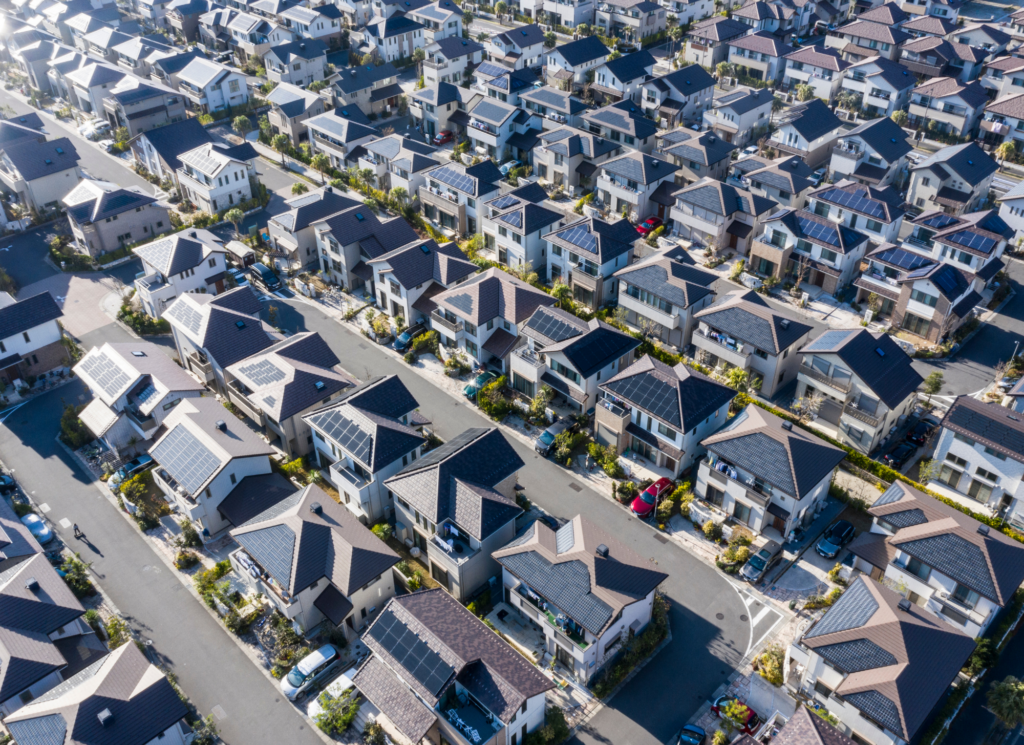
If you’re thinking about buying a home in Minnesota, one of the most important questions you’ll ask is: 👉 “Where are the most affordable areas to buy a house in Minnesota?” Because for most buyers—especially first-time buyers—this is the deciding factor: 👉 What can I actually afford… and where? You might be wondering: The truth is: 👉 Minnesota has many affordable housing options—but affordability often comes down to location, commute, and lifestyle trade-offs. The Short Answer 👉 Some of the most affordable areas to buy a house in Minnesota in 2026 include: 👉 These areas offer: 👉 Lower home prices compared to high-demand suburbs like Woodbury or Eden Prairie 👉 But: 👉 Each comes with different trade-offs What “Affordable” Really Means in Minnesota Before we dive into locations, let’s define this clearly. 👉 Affordable doesn’t always mean: 👉 “Cheap” 👉 It means: 👉 Better value relative to the market 👉 This can include: 👉 But often: 👉 You trade something in return 👉 Such as: 👉 That’s the key St. Paul (Best Affordable City Option) 👉 Best for: 🏡 Why St. Paul Stands Out 👉 More affordable than Minneapolis overall 👉 Offers: 💰 Pricing 👉 Lower entry points compared to Minneapolis 👉 Especially in certain neighborhoods ⚖️ Trade-Off 👉 You get: 👉 But: Brooklyn Park & Brooklyn Center (Best for Budget Buyers Near the Metro) 👉 Best for: 📍 Location Advantage 👉 Close to Minneapolis 👉 Easier commute compared to outer suburbs 💰 Affordability 👉 Lower home prices than many surrounding suburbs 👉 Good entry-level opportunities ⚠️ Considerations 👉 Neighborhoods vary 👉 Important to evaluate: 👉 Block-by-block ⚖️ Trade-Off 👉 You get: 👉 But: Crystal (Best for Value + Convenience) 👉 Best for: 🏡 What Makes Crystal Popular 👉 Close to Minneapolis 👉 More affordable than neighboring suburbs 💰 Pricing 👉 Solid entry-level pricing 👉 Good value for location ⚖️ Trade-Off 👉 You get: 👉 But: Fridley & Columbia Heights (Best for Entry-Level Buyers) 👉 Best for: 📍 Location 👉 Just north of Minneapolis 👉 Easy access to the metro 💰 Affordability 👉 Lower home prices 👉 Good starting point for buyers ⚖️ Trade-Off 👉 You get: 👉 But: Duluth (Best Affordable Lifestyle Market) 👉 Best for: 🌊 What Makes Duluth Unique 👉 Located on Lake Superior 👉 Known for: 💰 Affordability 👉 More affordable than Twin Cities 👉 Great value for buyers ⚖️ Trade-Off 👉 You get: 👉 But: Mankato (Best for Smaller City Affordability) 👉 Best for: 🏡 What Living in Mankato Feels Like 👉 Smaller city 👉 Slower pace 💰 Pricing 👉 Lower home prices compared to metro areas 👉 Easier entry into homeownership ⚖️ Trade-Off 👉 You get: 👉 But: Rochester (Best for Stable + Affordable Entry Points) 👉 Best for: 💼 Economy 👉 Driven by Mayo Clinic 👉 Strong job stability 💰 Affordability 👉 More affordable than Twin Cities overall 👉 Entry-level homes still accessible ⚖️ Trade-Off 👉 You get: 👉 But: How to Choose the Right Affordable Area This is where most buyers get stuck. 👉 The goal isn’t just: 👉 “Find the cheapest home” 👉 It’s: 👉 Find the best value for your situation 1. Consider Your Commute 👉 Lower price often = longer commute 2. Evaluate Home Condition 👉 Cheaper homes may need: 3. Think Long-Term 👉 Will this area: 4. Understand Trade-Offs 👉 Every affordable area has: 👉 A reason it’s affordable 👉 The key is: 👉 Choosing the trade-off you’re comfortable with A Real Situation I See All the Time A buyer says: 👉 “I just want the cheapest home possible” 👉 But after reviewing: 👉 They shift to: 👉 “What gives me the best value?” 👉 That’s when better decisions happen The Real Trade-Off Lower Price Areas 👉 Pros: 👉 Cons: Higher Price Areas 👉 Pros: 👉 Cons: 👉 There’s no perfect option—just the right balance FAQ: Affordable Areas in Minnesota What is the cheapest place to buy a house in Minnesota?Cities like Mankato and Duluth often offer lower prices. Are there affordable areas near Minneapolis?Yes—Brooklyn Park, Crystal, and Fridley are good options. Is St. Paul more affordable than Minneapolis?Yes—generally offers lower entry points. Can I still find affordable homes in 2026?Yes—but you need to know where to look. Final Thoughts Affordable doesn’t mean settling… 👉 It means choosing wisely Because the goal isn’t just: 👉 To buy a home 👉 It’s to buy the RIGHT home for your situation 👉 And Minnesota gives you options—if you know where to look Next Step If you’re trying to find affordable areas to buy a home in Minnesota, the next step is to explore options based on your budget: 👉 https://buy.dreamhomesminnesota.com/ 👉 This will help you: Lesley The RealtorRealtor in the Twin Cities & Surrounding Metro, MinnesotaHelping buyers find the best value and the right home—no matter their budget
What Is It Like Living in Minnesota Year-Round? (2026 Complete Guide)

If you’re thinking about moving to Minnesota, one of the most important questions you’ll ask is: 👉 “What is it like living in Minnesota year-round?” Because this isn’t just about buying a home… 👉 It’s about what your life will actually feel like every single month of the year. You might be wondering: The truth is: 👉 Living in Minnesota year-round is a very unique experience—and your lifestyle will change with the seasons. The Short Answer 👉 Living in Minnesota year-round means: Seasonal Breakdown: What Life Feels Like Month-to-Month To really understand Minnesota, you need to understand the seasons. 👉 Because life here changes A LOT depending on the time of year. ❄️ Winter (December – March) 👉 This is the biggest adjustment for most people 🌡️ What to Expect 👉 January and February are usually the coldest months 👉 Wind chill can make it feel even colder 🏠 Daily Life in Winter Life doesn’t stop—but it changes. 👉 You’ll be: 👉 Homes are built for this: 🎯 The Reality 👉 Winter is: 👉 Some people love it 👉 Some people tolerate it 👉 This is the biggest deciding factor for relocation 🧊 The Upside of Winter Yes—there are positives. 👉 Activities include: 👉 There’s a strong “embrace the season” culture 👉 Bottom line: 👉 If you can handle winter, everything else gets easier 🌸 Spring (April – May) 👉 This is a transition season 🌦️ What to Expect 👉 It can feel: 👉 Messy at times 🌱 Lifestyle Shift 👉 People start: 👉 It’s not the prettiest season… 👉 But it’s a sign that better weather is coming ☀️ Summer (June – August) 👉 This is what makes Minnesota worth it for many people 🌤️ What to Expect 👉 Summers are: 👉 Beautiful and very active 🌊 Lifestyle in Summer This is when Minnesota comes alive. 👉 You’ll see: 👉 Activities include: 🕒 Long Days 👉 Sunsets can be: 👉 As late as 9:00 PM 👉 You get: 👉 More time to enjoy your day 👉 This is why many people LOVE Minnesota 🍂 Fall (September – November) 👉 One of the most underrated seasons 🍁 What to Expect 👉 Fall is: 👉 Beautiful and comfortable 🏡 Lifestyle 👉 Perfect time for: 👉 It’s a calm, enjoyable season before winter returns The Emotional Reality of Living in Minnesota This is something people don’t always talk about. 👉 Your mood and routine will: 👉 Shift with the seasons Winter: Summer: 👉 This rhythm becomes part of your lifestyle 👉 Some people love the change 👉 Others prefer consistency Cost of Living Year-Round 🔥 Winter Costs 👉 Higher: ☀️ Summer Costs 👉 More activity spending: 👉 Overall: 👉 Cost of living is still reasonable compared to many states Is It Hard to Adjust to Living in Minnesota? 👉 It depends on where you’re coming from Easier Adjustment If You: Harder Adjustment If You: 👉 Most people adjust over time 👉 Preparation makes a big difference A Real Situation I See All the Time A buyer moves from a warm state and says: 👉 “I’m worried about winter” 👉 After their first year: Another buyer: 👉 Struggles with the seasonal change 👉 Realizes: 👉 Climate matters more than expected 👉 Both experiences are real Who Thrives Living in Minnesota Year-Round 👉 Minnesota is a great fit if you: Who May Struggle 👉 It may not be ideal if you: 👉 This is a lifestyle decision—not just a housing decision FAQ: Living in Minnesota Year-Round Is it hard to live in Minnesota year-round?It can be—especially in winter—but most people adapt. Are winters really that bad?They are cold and long, but manageable with preparation. Is summer worth it in Minnesota?Yes—many people say summer makes it all worth it. Do people enjoy living in Minnesota year-round?Yes—especially those who embrace the seasons. Final Thoughts Living in Minnesota year-round isn’t just about weather… 👉 It’s about lifestyle Because your life here will: 👉 Change with the seasons👉 Adapt throughout the year👉 Feel different month to month 👉 And for many people: 👉 That variety is what makes it special 👉 If you’re okay with winter: 👉 Minnesota can offer an incredible quality of life Next Step If you’re thinking about moving to Minnesota and want to find the right area that fits your lifestyle year-round, the next step is to explore your options: 👉 https://buy.dreamhomesminnesota.com/ 👉 This will help you: Lesley The RealtorRealtor in the Twin Cities & Surrounding Metro, MinnesotaHelping buyers relocate, adjust, and confidently choose where to live
What Are the Pros and Cons of Living in Minnesota? (2026 Complete Guide)

If you’re thinking about moving to Minnesota, one of the most important questions you’ll ask is: 👉 “What are the pros and cons of living in Minnesota?” Because this isn’t just about finding a house… 👉 It’s about understanding what your everyday life will actually feel like. You might be wondering: The truth is: 👉 Minnesota offers a high quality of life—but like any place, it comes with trade-offs. The Short Answer 👉 Pros of living in Minnesota: 👉 Cons of living in Minnesota: 👉 Let’s break this down so you can decide if it’s right for YOU The Biggest Advantages of Living in Minnesota ✅ 1. Strong Job Market and Economic Stability One of the biggest reasons people move to Minnesota is: 👉 Opportunity 💼 What Makes the Job Market Strong Minnesota has a diverse economy with major industries like: 👉 The Twin Cities in particular offer: 👉 This is especially important if you’re relocating ✅ 2. High Quality of Life Minnesota consistently ranks high for quality of life—and there’s a reason for that. 🏡 What That Actually Means 👉 You get: 👉 Life here feels: 👉 Structured and stable 🧘 Daily Living 👉 Less chaos compared to major cities 👉 More focus on: 👉 This is a big draw for many buyers ✅ 3. Great for Families Minnesota is widely considered one of the best states for raising a family. 🎓 Schools 👉 Strong public school systems 👉 Suburbs like: 👉 Are especially popular with families 👨👩👧 Community 👉 Family-oriented neighborhoods 👉 Safe environments (in many suburbs) 👉 This creates: 👉 Long-term stability ✅ 4. Outdoor Lifestyle and Natural Beauty Minnesota is known as: 👉 “The Land of 10,000 Lakes” 🌲 What That Means for You 👉 Easy access to: 🌊 Lifestyle Impact 👉 Outdoor activities are part of everyday life 👉 Especially in summer and fall 👉 This adds a unique quality to living here ✅ 5. More Affordable Than Coastal States Compared to places like: 👉 Minnesota is more affordable 🏡 Housing 👉 You typically get: 👉 More space for your money 👉 Especially in suburbs and smaller cities 💰 Overall Cost 👉 Cost of living is: 👉 Moderate and manageable 👉 This makes homeownership more realistic The Downsides of Living in Minnesota Now let’s talk about the other side—because this matters just as much. ❌ 1. Long, Cold Winters This is the biggest drawback for most people. ❄️ What Winter Is Really Like 👉 Winter lasts: 👉 Several months 🧊 Daily Impact 👉 You’ll need to: 👉 For some people: 👉 This is a dealbreaker 👉 For others: 👉 It’s just part of life ❌ 2. Higher Taxes Minnesota has: 👉 Higher taxes than some states 💰 What This Includes 👉 While you get strong public services: 👉 It’s something to factor into your budget ❌ 3. Seasonal Lifestyle Changes Living in Minnesota means: 👉 Your lifestyle changes throughout the year 🌓 What That Looks Like Winter: Summer: 👉 Some people love this variety 👉 Others prefer consistency ❌ 4. Slower Pace Compared to Major Cities If you’re coming from: 👉 Minnesota may feel: 👉 Slower and quieter 🏙️ What This Means 👉 Less: 👉 More: 👉 This can be a pro or a con depending on your lifestyle ❌ 5. Social Adjustment (Minnesota Nice) You may hear the term: 👉 “Minnesota Nice” 🤝 What It Means 👉 People are: 👉 But sometimes: 👉 More reserved 👉 It may take time to: 👉 Build deeper connections 👉 This is something many newcomers notice A Real Situation I See All the Time A buyer moves from a high-cost state and says: 👉 “This is so much more affordable and peaceful” Another buyer says: 👉 “I didn’t expect winter to affect my lifestyle this much” 👉 Both are true 👉 It comes down to: 👉 What matters most to YOU Who Minnesota Is a Great Fit For 👉 Minnesota is ideal if you: Who Minnesota May NOT Be Ideal For 👉 It may not be the best fit if you: 👉 This is about lifestyle alignment The Real Trade-Off Minnesota Gives You: But You Trade: 👉 That’s the real decision FAQ: Living in Minnesota Is Minnesota a good place to live in 2026?Yes—especially for families and buyers seeking balance and affordability. What is the biggest downside of living in Minnesota?The long, cold winters. Is Minnesota expensive?Moderate—but more affordable than many major states. Do people enjoy living in Minnesota?Yes—especially those who embrace the lifestyle. Final Thoughts Living in Minnesota isn’t about perfection… 👉 It’s about balance Because what you get here is: 👉 A stable, affordable, and high-quality lifestyle 👉 But you need to be comfortable with: 👉 The trade-offs—especially the weather 👉 If that balance works for you: 👉 Minnesota can be an incredible place to call home Next Step If you’re trying to decide whether Minnesota is the right move for you, the next step is to explore where you’d fit best: 👉 https://buy.dreamhomesminnesota.com/ 👉 This will help you: Lesley The RealtorRealtor in the Twin Cities & Surrounding Metro, MinnesotaHelping buyers relocate, weigh their options, and confidently decide where to live
What Are the Best Suburbs in the Twin Cities? (2026 Homebuyer Guide)
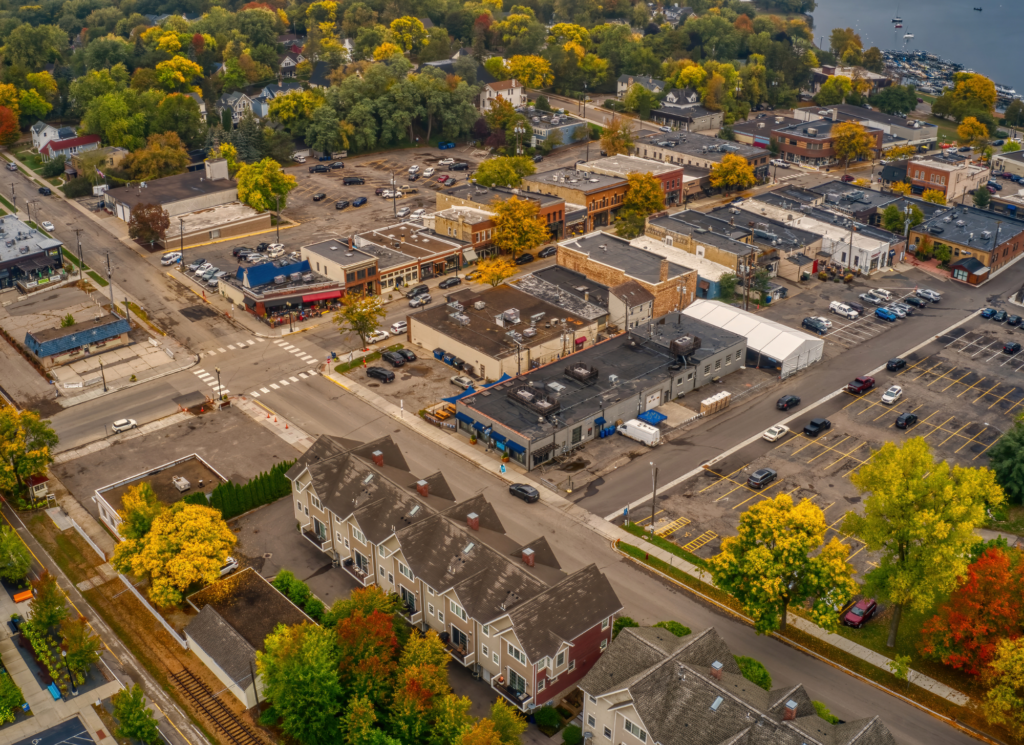
If you’re thinking about buying a home in Minnesota—especially around Minneapolis and St. Paul—one of the biggest questions you’ll ask is: 👉 “What are the best suburbs in the Twin Cities?” Because for most buyers: 👉 The suburbs are where lifestyle, schools, space, and value all come together. You might be wondering: The truth is: 👉 The Twin Cities suburbs offer some of the best living options in Minnesota—but the “best” one depends on your priorities. The Short Answer 👉 Some of the best suburbs in the Twin Cities in 2026 include: 👉 Each suburb offers: 👉 A different balance of price, lifestyle, commute, and community 👉 Let’s break them down so you can find your fit Woodbury (Best Overall for Families and Convenience) 👉 Best for: 🏘️ What Living in Woodbury Feels Like Woodbury is one of the most popular suburbs in the Twin Cities—and for good reason. 👉 Known for: 🎓 Schools 👉 One of the biggest reasons buyers choose Woodbury 👉 South Washington County Schools are highly rated 🛍️ Lifestyle 👉 Everything is nearby: 👉 Daily life feels: 👉 Easy and predictable ⚖️ Trade-Off 👉 You get: 👉 But you trade: Maple Grove (Best for Growth and Modern Living) 👉 Best for: 📈 Why Maple Grove Is Popular 👉 One of the fastest-growing suburbs 👉 Known for: 🏡 Housing 👉 Mostly: 🚗 Location 👉 Easy access to Minneapolis 👉 Ideal for commuting ⚖️ Trade-Off 👉 You get: 👉 But you trade: Eden Prairie (Best for Schools and Stability) 👉 Best for: 🎓 Schools 👉 Consistently ranked among the best in Minnesota 👉 One of the biggest draws to the area 🏘️ Community 👉 Established neighborhoods 👉 Strong sense of stability 💼 Location 👉 Close to major employers 👉 Easy access to highways ⚖️ Trade-Off 👉 You get: 👉 But you trade: Plymouth (Best for Balance and Location) 👉 Best for: 🏡 What Makes Plymouth Stand Out 👉 Offers a mix of: 👉 Strong balance between: 👉 Price, location, and lifestyle 📍 Location 👉 Close to Minneapolis 👉 Easy commute 🌳 Lifestyle 👉 Parks, trails, and open space 👉 Quiet but connected ⚖️ Trade-Off 👉 You get: 👉 But you trade: Lakeville (Best for Space and Affordability) 👉 Best for: 🏡 Housing 👉 Larger homes and lots 👉 More space for your money 💰 Affordability 👉 Often more affordable than closer suburbs 🚗 Commute 👉 Further from Minneapolis 👉 Longer commute times ⚖️ Trade-Off 👉 You get: 👉 But you trade: Eagan (Best for Location and Accessibility) 👉 Best for: 📍 Location 👉 One of the most centrally located suburbs 👉 Easy access to: 🏡 Housing 👉 Mix of: 🛍️ Lifestyle 👉 Convenient access to: ⚖️ Trade-Off 👉 You get: 👉 But you trade: How to Choose the Right Suburb for YOU This is where most buyers get stuck. 👉 The best suburb depends on: 1. Your Budget 2. Your Commute 3. Your Lifestyle 4. Your Family Needs 👉 These factors matter more than rankings A Real Situation I See All the Time A buyer says: 👉 “What’s the best suburb?” 👉 After we talk through: 👉 The answer becomes: 👉 Completely different for each person 👉 That’s the key The Real Trade-Off Closer Suburbs (Eagan, Plymouth) 👉 Pros: 👉 Cons: Mid-Range Suburbs (Woodbury, Maple Grove) 👉 Pros: 👉 Cons: Outer Suburbs (Lakeville) 👉 Pros: 👉 Cons: 👉 There’s no perfect choice—just the right fit FAQ: Best Suburbs in the Twin Cities What is the best suburb in the Twin Cities?Woodbury and Maple Grove are among the most popular, especially for families. What suburb has the best schools?Eden Prairie is often ranked at the top. What suburb is most affordable?Lakeville tends to offer more space for the price. What suburb is best for commuting?Eagan and Plymouth offer great central access. Final Thoughts The best suburb in the Twin Cities isn’t about rankings… 👉 It’s about alignment Because where you live should match: 👉 Your daily routine👉 Your budget👉 Your long-term goals 👉 The Twin Cities suburbs give you options—and that’s the advantage Next Step If you’re trying to figure out which suburb in the Twin Cities is right for you, the next step is to narrow it down based on your situation: 👉 https://buy.dreamhomesminnesota.com/ 👉 This will help you: Lesley The RealtorRealtor in the Twin Cities & Surrounding Metro, MinnesotaHelping buyers compare suburbs, understand their options, and find the right place to call home
Is Minnesota a Good Place to Live in 2026? (Full Guide for Homebuyers)

If you’re thinking about moving, one of the first questions you’ll probably ask is: 👉 “Is Minnesota a good place to live?” Because this isn’t just about buying a house… 👉 It’s about your lifestyle, your daily routine, your career, and your long-term future. You might be wondering: The truth is: 👉 Minnesota can be an incredible place to live—but it depends on what you’re looking for. The Short Answer 👉 Yes—Minnesota is a great place to live for many people in 2026 👉 Especially if you value: 👉 But: 👉 It’s not the right fit for everyone 👉 Let’s break it down so you can decide Cost of Living in Minnesota One of the biggest reasons people move here: 👉 Affordability (compared to coastal states) 🏡 Housing Costs 👉 Minnesota offers: 👉 In areas like: 👉 You generally get: 👉 More home for your money 🛒 Daily Living Costs 👉 Groceries, gas, and utilities are: 👉 Around the national average 👉 Some costs (like heating) can be higher in winter 👉 Overall: 👉 Manageable for most households Job Market and Economy Minnesota has a strong and diverse economy. 💼 Major Industries 👉 Twin Cities (Minneapolis–St. Paul) is: 👉 The economic hub 👉 Many Fortune 500 companies are based here 💡 Job Opportunities 👉 Strong opportunities for: 👉 Unemployment rates are typically: 👉 Lower than the national average 👉 This is a big advantage Quality of Life This is where Minnesota really stands out. 🌳 Outdoor Lifestyle 👉 Minnesota is known as: 👉 “The Land of 10,000 Lakes” 👉 You’ll have access to: 👉 Outdoor living is a big part of life here 🏙️ City + Suburban Balance 👉 You get: 👉 This flexibility is a huge benefit Is Minnesota Good for Families? 👉 Yes—this is one of its strongest advantages 👨👩👧 Family-Friendly Areas 👉 Suburbs like: 👉 Are especially popular with families 🎓 Education 👉 Minnesota has: 👉 Education is a priority here Weather (Let’s Be Honest) This is the biggest concern for most people. ❄️ Winters 👉 Long and cold 👉 Temperatures can drop: 👉 Well below freezing 👉 Snow is common 🌤️ Summers 👉 Warm and beautiful 👉 Perfect for outdoor activities 👉 Reality: 👉 You need to be comfortable with winter 👉 If you are: 👉 The lifestyle can be amazing Safety and Community 🛡️ Safety 👉 Many suburban areas are: 👉 Very safe 👉 Cities vary by neighborhood 👉 Like any metro area: 👉 Location matters 🤝 Community Feel 👉 Minnesota is known for: 👉 “Minnesota Nice” 👉 People are generally: 👉 It may take time to build connections—but it’s there A Real Situation I See All the Time A buyer relocates from: 👉 A high-cost state 👉 They’re surprised by: Another buyer: 👉 Struggles with winter 👉 And realizes: 👉 Climate matters more than expected 👉 Both experiences are real The Pros of Living in Minnesota ✅ Strong job market ✅ Affordable housing (relative to other states) ✅ Great for families ✅ Outdoor lifestyle ✅ Balanced city + suburban options The Cons of Living in Minnesota ❌ Long, cold winters ❌ Snow and weather challenges ❌ Higher taxes compared to some states ❌ Slower social integration for newcomers 👉 It’s about trade-offs Who Minnesota Is BEST For 👉 Minnesota is a great fit if you: Who Minnesota May NOT Be Ideal For 👉 It may not be the best fit if you: FAQ: Living in Minnesota Is Minnesota a good place to live in 2026?Yes—especially for families, professionals, and buyers seeking affordability. Is Minnesota expensive?Moderate—but more affordable than many major states. Is it hard to live in Minnesota winters?It can be—but many people adapt. Is Minnesota a good place to raise a family?Yes—strong schools and safe communities. Final Thoughts Minnesota isn’t just a place to live… 👉 It’s a place that offers balance Because you’re getting: 👉 But you’re also accepting: 👉 The reality of the climate 👉 If that trade-off works for you: 👉 Minnesota can be an incredible place to call home Next Step If you’re thinking about moving to Minnesota and trying to figure out where you fit best, the next step is to explore your options: 👉 https://buy.dreamhomesminnesota.com/ 👉 This will help you: Lesley The RealtorRealtor in the Twin Cities & Surrounding Metro, MinnesotaHelping buyers relocate, compare communities, and find the right place to call home
Can I Buy a House If I Have Collections or Debt? (Minnesota Guide – 2026)

If you’ve ever checked your credit and seen collections, late payments, or debt, you’ve probably wondered: 👉 “Can I still buy a house if I have collections or debt?” And for many people, this question comes with a lot of doubt: The truth is: 👉 Yes—you can still buy a home even if you have collections or debt. But: 👉 It depends on the type of debt, how it’s managed, and your overall financial picture. The Short Answer 👉 You can buy a home with collections or debt if: 👉 You do NOT need: 👉 Perfect credit or zero debt 👉 But you DO need: 👉 A strategy First—Let’s Define Collections and Debt 📌 Collections 👉 Collections happen when: 👉 Common examples: 📌 Debt 👉 Debt includes: 👉 Most buyers have some form of debt 👉 Debt itself is NOT the problem 👉 It’s how it’s managed Why Collections and Debt Matter to Lenders Lenders are asking one main question: 👉 “Can this borrower handle a mortgage payment responsibly?” 👉 Collections and debt can signal: 👉 But they don’t automatically disqualify you 👉 They just require closer review How Collections Affect Your Ability to Buy Let’s break this down. 1. Credit Score Impact 👉 Collections lower your credit score 👉 This can: 👉 BUT: 👉 You can still qualify depending on your score 2. Loan Type Matters Different loans treat collections differently. 🏡 FHA Loans 👉 More flexible with collections 👉 May allow: 👉 Very popular for buyers with credit challenges 🏡 Conventional Loans 👉 Stricter requirements 👉 May require: 👉 Key takeaway: 👉 The loan you choose matters Do You Have to Pay Off Collections First? This is one of the biggest questions. 👉 The answer is: 👉 Not always 👉 It depends on: In some cases: 👉 You can still qualify with collections on your report In other cases: 👉 You may need to: 👉 This is why: 👉 You need a personalized review How Debt Affects Your Mortgage Approval 1. Debt-to-Income Ratio (DTI) 👉 This is one of the most important factors 👉 DTI measures: 👉 How much of your income goes toward debt Example: 👉 High DTI = harder to qualify 👉 Lenders typically prefer: 👉 DTI below 43%–50% 👉 Lower is better 2. Type of Debt Matters Not all debt is treated equally. ✔️ Installment Debt 👉 More predictable ⚠️ Revolving Debt 👉 Higher risk if balances are high 👉 Managing your debt properly is key A Real Situation I See All the Time A buyer says: 👉 “I have collections—I probably can’t buy” 👉 We review their situation: 👉 Result: 👉 They qualify with an FHA loan Another buyer: 👉 Has high debt + low score Result: 👉 Needs time to improve 👉 Same concern—different outcomes Common Misconceptions ❌ “Collections automatically disqualify me” 👉 Not true ❌ “I need to be completely debt-free” 👉 Not true—most buyers have debt ❌ “I should wait until everything is perfect” 👉 This delays many buyers unnecessarily 👉 The key is: 👉 Understanding your specific situation How to Improve Your Chances If you have collections or debt, here’s what helps: ✔️ Improve Your Credit Score 👉 Pay on time consistently ✔️ Reduce Credit Card Balances 👉 Lower your utilization ✔️ Avoid Taking on New Debt 👉 Keep your profile stable ✔️ Address Collections Strategically 👉 Don’t blindly pay everything—get advice first ✔️ Work With the Right Lender 👉 This is critical 👉 Small changes can make a big difference Should You Wait Before Buying? This depends on your situation. 👉 You may want to wait if: 👉 You may be ready if: 👉 The best move is: 👉 Get clarity—not assume The Role of the Right Lender (CRITICAL) Not all lenders handle collections the same way. 👉 The right lender will: 👉 The wrong lender may: 👉 Deny you without explanation 👉 That’s a huge difference The Role of the Right REALTOR® This is where strategy comes in. 👉 The right REALTOR® helps you: 👉 And most importantly: 👉 Help you move forward with confidence Resources Matter A well-connected REALTOR® knows: 👉 This can change your outcome completely Who This Applies To Buyers with collections Buyers with credit card debt First-time buyers Immigrant buyers 👉 If you’re worried about your credit: 👉 You’re not alone FAQ: Collections, Debt, and Buying a Home Can I buy a house with collections?Yes—depending on your credit and loan type. Do I need to pay off all debt first?No—only certain debts may need to be addressed. What credit score do I need?Typically 580+ for FHA loans. Is debt a dealbreaker?No—it depends on how it’s managed. Final Thoughts Having collections or debt doesn’t mean: 👉 You can’t buy a home 👉 It means: 👉 You need to understand your position and plan accordingly Because lenders aren’t looking for: 👉 Perfect finances 👉 They’re looking for: 👉 Manageable risk and consistent behavior 👉 And if you can show that: 👉 You may be closer than you think Next Step If you have collections or debt and are thinking about buying a home in Minnesota, the next step is to understand what you qualify for: 👉 https://buy.dreamhomesminnesota.com/ 👉 This will help you: Lesley The RealtorRealtor in the Twin Cities & Surrounding Metro, MinnesotaHelping first-time and immigrant buyers overcome obstacles and move forward with confidence
Why Does My Friend Qualify for a Mortgage but I Don’t? (Minnesota Guide – 2026)

If you’ve tried to get pre-approved for a home and didn’t qualify—or didn’t qualify for as much as you expected—you’ve probably asked yourself: 👉 “Why does my friend qualify for a mortgage, but I don’t?” Because from your perspective, it might feel confusing: So why the different outcome? The truth is: 👉 Mortgage approval is not based on just one factor. 👉 It’s based on a combination of things—and even small differences can lead to very different results. The Short Answer 👉 Your friend may qualify—and you may not—because of differences in: 👉 Even if things look similar on the surface: 👉 The details matter 👉 And those details are what lenders focus on Why This Happens So Often This is one of the most common situations I see. 👉 Two people: 👉 But: 👉 Completely different approvals 👉 Why? 👉 Because lenders look deeper than just income 👉 They analyze your entire financial profile The 5 Main Reasons Approval Is Different Let’s break this down clearly. 1. Credit Score Differences This is one of the biggest factors. 👉 Even a small difference matters Example: 👉 Result: 👉 You may still qualify—but with: 👉 Credit affects more than most people realize 2. Debt-to-Income Ratio (DTI) This is HUGE. 👉 DTI measures: 👉 How much of your income goes toward debt Example: 👉 Your DTI is high Your friend: 👉 Much lower DTI 👉 Easier approval 👉 Same income—different outcome 👉 Debt plays a major role 3. Type of Income Not all income is treated the same. Your friend may have: 👉 Easy for lenders to verify You may have: 👉 Harder to verify 👉 Requires more documentation 👉 Even if you earn MORE: 👉 It may not count the same 4. Job History and Stability Lenders want to see consistency. Your friend: 👉 Stable and predictable You: 👉 Less predictable 👉 This can impact approval 👉 Even if your income is strong 5. Documentation and Financial Organization This is often overlooked. Your friend: 👉 Easy approval process You: 👉 Harder for lenders to verify 👉 This can delay or reduce approval A Real Situation I See All the Time A buyer says: 👉 “My friend just bought a house—I make the same, why can’t I?” 👉 We look closer: 👉 Buyer has: 👉 Result: 👉 Different approval levels 👉 It’s not unfair—it’s just different profiles What Lenders Actually Look At Instead of comparing yourself to others, focus on this: 👉 Lenders evaluate: 👉 All together—not individually 👉 That’s what determines approval The Biggest Mistake Buyers Make ❌ Comparing themselves to others 👉 This leads to frustration and confusion ❌ Assuming they should qualify 👉 Without understanding the full picture 👉 The better approach is: 👉 Understand YOUR numbers How to Improve Your Chances If you didn’t qualify—or didn’t qualify for enough—here’s what you can do: ✔️ Improve Your Credit Score 👉 Even small increases help ✔️ Reduce Debt 👉 Pay down credit cards or loans ✔️ Stabilize Your Income 👉 Maintain consistent employment ✔️ Organize Your Documentation 👉 Keep everything clear and updated ✔️ Work With the Right Lender 👉 This makes a HUGE difference 👉 Small changes can lead to big improvements Should You Wait or Move Forward? This depends on your situation. 👉 You may want to wait if: 👉 You may be ready if: 👉 The key is: 👉 Clarity—not comparison The Role of the Right Lender (CRITICAL) This is where many buyers go wrong. 👉 The right lender will: 👉 The wrong lender may: 👉 Just say “no” without explanation 👉 That’s a big difference The Role of the Right REALTOR® This is where guidance matters most. 👉 The right REALTOR® helps you: 👉 And most importantly: 👉 Help you move forward with confidence Resources Matter A well-connected REALTOR® knows: 👉 This can completely change your outcome Who This Applies To First-time buyers Immigrant buyers Buyers who were denied or confused 👉 If you’ve asked this question: 👉 You’re not alone FAQ: Mortgage Approval Differences Why does someone qualify when I don’t?Because of differences in credit, debt, income, and documentation. Is it just about income?No—income is only one part of the equation. Can I still qualify later?Yes—with the right adjustments. What should I do if I didn’t qualify?Understand why and create a plan. Final Thoughts Mortgage approval isn’t about: 👉 Comparing yourself to others 👉 It’s about: 👉 Understanding your own financial profile Because even if two people look similar… 👉 The details can lead to very different outcomes 👉 And once you understand those details: 👉 You can take control of the process Next Step If you’re unsure why you didn’t qualify—or want to understand your options in Minnesota, the next step is to get clarity on YOUR situation: 👉 https://buy.dreamhomesminnesota.com/ 👉 This will help you: Lesley The RealtorRealtor in the Twin Cities & Surrounding Metro, MinnesotaHelping first-time and immigrant buyers understand the process and move forward with confidence
What Credit Score Do I Really Need to Buy a Home in the U.S.? (Minnesota Guide – 2026)

If you’re thinking about buying a home—especially as an immigrant or first-time buyer—one question almost always comes up: 👉 “What credit score do I actually need to buy a house?” And this question usually comes with a lot of confusion: The truth is: 👉 You don’t need a perfect credit score to buy a home in the U.S. But: 👉 Your score DOES affect your options, your loan, and your monthly payment. The Short Answer 👉 Most buyers can qualify with a credit score of: 👉 But: 👉 The higher your score: 👉 So the real question is: 👉 Not just “Can you qualify?” 👉 But: 👉 “How good of a loan can you get?” Why Credit Scores Matter In the U.S., your credit score is used to: 👉 Lenders use your score to decide: 👉 It’s one of the most important parts of your application Credit Score Ranges (What They Mean) Let’s break this down clearly. 🔴 300–579 (Poor) 👉 Very difficult to qualify 👉 May need to improve before buying 🟠 580–619 (Fair) 👉 May qualify for FHA loans 👉 Higher interest rates 🟡 620–679 (Good) 👉 Qualifies for most conventional loans 👉 Better rates 🟢 680–739 (Very Good) 👉 Strong approval 👉 Competitive rates 🔵 740+ (Excellent) 👉 Best rates available 👉 Maximum buying power 👉 The higher your score: 👉 The more options you have Minimum Credit Score by Loan Type 🏡 FHA Loans 👉 Minimum: 👉 580 (with 3.5% down) 👉 Some lenders may allow: 👉 Lower scores with higher down payment 👉 Best for: 🏡 Conventional Loans 👉 Minimum: 👉 620+ 👉 Best for: 🏡 ITIN Loans 👉 Requirements vary 👉 Some lenders: 👉 Best for: 👉 Key takeaway: 👉 There’s no ONE number—it depends on the loan What If You Have No Credit Score? This is common for immigrants. 👉 You can still buy using: 👉 Lenders may use: 👉 No score ≠ no opportunity What Your Credit Score Actually Affects This is where it really matters. 1. Your Interest Rate 👉 Higher score = lower rate 👉 Lower score = higher rate 👉 Even a small difference: 👉 Can impact your monthly payment significantly 2. Your Monthly Payment 👉 Better credit = lower payment 👉 Worse credit = higher payment 👉 Over time: 👉 This adds up 3. Your Loan Approval 👉 Higher score: 👉 Easier approval 👉 Lower score: 👉 More conditions or denials 4. Your Down Payment Options 👉 Better credit: 👉 More flexibility 👉 Lower credit: 👉 May require more upfront 👉 Credit affects more than just approval A Real Situation I See All the Time A buyer says: 👉 “I only have a 620—I probably can’t buy” 👉 But in reality: Another buyer: 👉 Has a 700 score 👉 Gets: 👉 Same home—different financial outcome Should You Wait to Improve Your Credit? This depends on your situation. 👉 You may want to wait if: 👉 You may NOT need to wait if: 👉 Sometimes: 👉 Buying now makes more sense than waiting Quick Ways to Improve Your Credit If you want to strengthen your position: ✔️ Pay Bills on Time 👉 This is the biggest factor ✔️ Reduce Credit Card Balances 👉 Keep usage low ✔️ Avoid New Debt 👉 Don’t open unnecessary accounts ✔️ Check Your Credit Report 👉 Fix errors if needed 👉 Small changes can make a big difference Common Credit Mistakes to Avoid ❌ Waiting for a “perfect” score 👉 You don’t need perfection ❌ Opening new accounts before buying 👉 This can hurt your score ❌ Ignoring your credit completely 👉 Awareness is key ❌ Assuming you don’t qualify 👉 Always verify first 👉 These mistakes delay buyers unnecessarily The Role of the Right Lender (CRITICAL) Not all lenders treat credit the same way. 👉 The right lender will: 👉 The wrong lender may: 👉 Limit your options unnecessarily 👉 That’s a big difference The Role of the Right REALTOR® This is where strategy matters. 👉 The right REALTOR® helps you: 👉 And most importantly: 👉 Help you move forward with confidence Resources Matter A well-connected REALTOR® knows: 👉 This can improve your outcome significantly Who This Applies To First-time buyers Immigrant buyers Buyers building or repairing credit 👉 If you’re unsure about your score: 👉 You’re not alone FAQ: Credit Scores and Buying a Home What is the minimum credit score to buy a house?Typically 580 for FHA and 620 for conventional loans. Can I buy with bad credit?Yes—but your options may be limited. Do I need a 700 credit score?No—many buyers qualify with lower scores. Can I buy with no credit?Yes—using alternative credit options. Final Thoughts Your credit score matters… 👉 But it’s not everything Because lenders aren’t just looking at: 👉 One number 👉 They’re looking at: 👉 Your full financial picture 👉 And if that picture makes sense: 👉 You may be ready sooner than you think Next Step If you’re unsure about your credit and thinking about buying a home in Minnesota, the next step is to understand where you stand: 👉 https://buy.dreamhomesminnesota.com/ 👉 This will help you: Lesley The RealtorRealtor in the Twin Cities & Surrounding Metro, MinnesotaHelping first-time and immigrant buyers understand their numbers and move forward with confidence