
What Should I Know Before Moving to Minnesota from California? (2026 Relocation Guide)
If you’re thinking about leaving California and moving to Minnesota, you’re definitely not alone. Over the past several years, I’ve talked with countless families, professionals, retirees, and remote workers who have made the move from California to Minnesota. Some came looking for more affordable housing. Others wanted a better quality of life, less traffic, more space, or simply a different pace. And while most people spend a lot of time researching home prices and neighborhoods, they often discover that the biggest differences have nothing to do with real estate. Minnesota feels different. The lifestyle is different. The seasons are different. The pace is different. And for many Californians, that’s exactly why they move here. That doesn’t mean every adjustment is easy. There are definitely some surprises that catch newcomers off guard. But there are also many things people end up loving about Minnesota that they never expected. If you’re considering a move from California to Minnesota, here’s what you should know before packing the moving truck. The Cost of Living Is Usually the First Big Surprise For most Californians, one of the biggest reasons for relocating is affordability. While Minnesota housing prices have risen over the years, many California buyers are shocked by how much more home they can purchase for the same budget. It’s not unusual for someone selling a modest home in parts of California to discover they can purchase a significantly larger property in Minnesota while still reducing their monthly housing costs. Beyond housing, many newcomers notice savings in areas like: Of course, costs vary depending on where you move within Minnesota, but many relocating buyers find their money stretches further. Minnesota Winters Are Real Let’s address the obvious topic. Yes, winters are colder. Much colder. Many Californians imagine winter in Minnesota as something they can never adapt to. Then they move here and discover something interesting. Minnesota is built for winter. Road crews know how to handle snow. Homes are designed for cold temperatures. Schools operate efficiently. Businesses stay open. People continue living their lives. The first winter can be an adjustment, but most newcomers find that preparation matters more than toughness. Good boots. A quality winter coat. Proper tires. Basic winter knowledge. Those things make a huge difference. Summers Surprise People One thing many Californians don’t expect is how much Minnesotans appreciate summer. After a long winter, summer becomes a celebration. You’ll find people: Minnesota summers are beautiful and often become one of the favorite parts of living here. Many transplants tell me they spend more time outdoors in Minnesota summers than they ever did in California. Traffic Feels Different If you’re moving from Los Angeles, San Diego, the Bay Area, or another major California metro, traffic will likely feel dramatically different. That’s not to say Minnesota traffic doesn’t exist. It does. But many Californians are surprised by shorter commute times and less daily congestion. What feels like heavy traffic in Minneapolis or St. Paul often looks very different from what many California residents experience every day. People Tend to Stay Longer in Minnesota One interesting cultural difference is that many Minnesota residents have deep roots in the community. It’s common to meet people who: For newcomers, this can feel different at first. Some people describe Minnesotans as friendly but initially reserved. Over time, however, many transplants build strong friendships and community connections. You’ll Hear About “Minnesota Nice” Almost every newcomer eventually hears this phrase. Minnesota Nice generally refers to the state’s reputation for friendliness, politeness, and helpfulness. People often hold doors. Neighbors shovel sidewalks. Strangers help push cars out of snowbanks. Community involvement tends to be strong. Like any stereotype, it isn’t perfect. But many people relocating from California notice a strong sense of community and neighborliness. The Housing Market May Feel Different California buyers are often familiar with intense competition, extremely high prices, and limited inventory. Depending on where you’re moving within Minnesota, the experience can feel different. You’ll still encounter competitive markets in some areas. But buyers are often surprised by: The Twin Cities offer everything from urban living to suburban communities to semi-rural properties within commuting distance. Outdoor Recreation Is a Huge Part of Life Minnesota isn’t called the Land of 10,000 Lakes for nothing. People here genuinely embrace outdoor activities. Popular activities include: Even people who weren’t particularly outdoorsy before moving often find themselves enjoying Minnesota’s outdoor lifestyle. Schools Are Often a Major Draw Many relocating families are attracted to Minnesota’s strong public school systems. School quality varies by district, but many communities consistently receive high marks for education, extracurricular activities, and community involvement. Families often prioritize neighborhoods based on school preferences, even if their children are years away from attending. You’ll Need to Learn About Seasons California newcomers are often used to relatively consistent weather patterns. Minnesota gives you four distinct seasons. And they are very distinct. Spring brings growth and renewal. Summer is active and energetic. Fall is stunning with colorful foliage. Winter transforms daily life. Many people end up appreciating the variety after they adjust. Home Maintenance Changes Homeownership in Minnesota involves different responsibilities than many parts of California. For example: These tasks become part of the rhythm of life. Fortunately, they’re also things that local homeowners become very comfortable with. Remote Workers Love Minnesota Remote work has fueled relocation activity. Many Californians realize they can: Minnesota has become increasingly attractive for professionals who no longer need to live near expensive coastal job centers. Healthcare and Community Resources Are Strong Minnesota consistently ranks highly in areas such as: For many families, these quality-of-life factors become major reasons they stay long-term. What Californians Usually Love Most After relocating, people often tell me they love: The things that initially seem unfamiliar often become the reasons people stay. What Can Be Challenging To be realistic, some adjustments take time. Common challenges include: Most people settle in successfully, but it’s important to have realistic expectations. Choosing the Right Minnesota Community Matters Not every Minnesota city offers the same experience. Some
Best Areas to Move to in Minnesota for Families (2026 Guide)

If you’re planning a move to Minnesota with your family, this is usually the biggest question: 👉 “Where should we actually live?” Not just what city sounds good.Not just what shows up on Google. 👉 Where will your family actually feel comfortable day to day? Because here’s what most people don’t realize: 👉 The right area in Minnesota can completely change your experience You can love Minnesota in one neighborhood……and struggle in another. So let’s walk through the best areas for families in a real, practical way so you can start narrowing down what fits you. The Short Answer For most families moving to Minnesota, the best areas tend to be: But here’s the important part: 👉 There is no “best” city 👉 There is only the best fit for your lifestyle What Families Usually Want (And Why It Matters) Before we even talk about cities, you need to know what most families are prioritizing when they move here. Most buyers I work with are looking for: And in Minnesota… 👉 You can actually get all of that But different cities balance those things differently. 1. Lakeville (One of the Most Popular for Families) Lakeville is one of the top choices for families relocating to Minnesota. Why families choose Lakeville What it feels like Lakeville feels: You’ll see: Real scenario A family relocating from Colorado chose Lakeville because: 👉 They ended up getting more house for their budget than expected 2. Eagan (Balanced and Central) Eagan is one of the most well-rounded areas in the Twin Cities. Why it works What it feels like Eagan feels: It’s a good mix of: Real scenario A buyer moving from Illinois chose Eagan because: 👉 It gave them flexibility they didn’t have before 3. Plymouth (Higher-End Family Living) Plymouth is one of the more premium suburban areas. Why families move here What it feels like Plymouth feels: Homes tend to be: Real scenario A family upgrading from a smaller home chose Plymouth for: 👉 They saw it as a long-term investment in their kids 4. Maple Grove (Growth + Lifestyle) Maple Grove has grown a lot over the past few years. Why families like it What it feels like Maple Grove feels: Real scenario A relocating family chose Maple Grove because: 👉 It felt more “active” than other suburbs 5. Eden Prairie (Established and Highly Rated) Eden Prairie has been a top family destination for years. Why it stands out What it feels like Eden Prairie feels: Real scenario A buyer moving from California chose Eden Prairie for: 👉 It gave them confidence long-term 6. Woodbury (Great for East Side Buyers) Woodbury is a strong option if you’re looking on the east side of the Twin Cities. Why families choose it What it feels like Woodbury feels: Real scenario A family relocating for work in St. Paul chose Woodbury because: How to Choose the Right Area (This Is the Key) Instead of asking: 👉 “What’s the best city?” Ask: 👉 “What fits my life best?” Think about: Simple breakdown Common Mistakes Families Make ❌ Picking based on price only ❌ Ignoring commute ❌ Not understanding school districts ❌ Choosing based on photos instead of lifestyle 👉 These show up after you move What I Tell Most Families When buyers ask me this question, I usually say: 👉 “There are a lot of great options… we just need to find your version of it.” Because once we match: 👉 The right area becomes obvious FAQ What is the best area in Minnesota for families?Lakeville, Eagan, Plymouth, and Maple Grove are among the most popular. Where do most families move?Suburbs with strong schools and newer homes. Is Minnesota good for raising a family?Yes, especially due to schools and community. What should I prioritize?Schools, commute, and lifestyle. Final Thoughts Minnesota has a lot of great areas. But the goal isn’t to find the best one. 👉 It’s to find the right one for you Next Step If you’re trying to figure out which area fits your family: 👉 https://sell.dreamhomesminnesota.com/ Lesley The RealtorReal Estate Agent in MinnesotaHelping families find the right place to call home
Is Minnesota a Good Place to Live? Pros and Cons (2026 Guide)
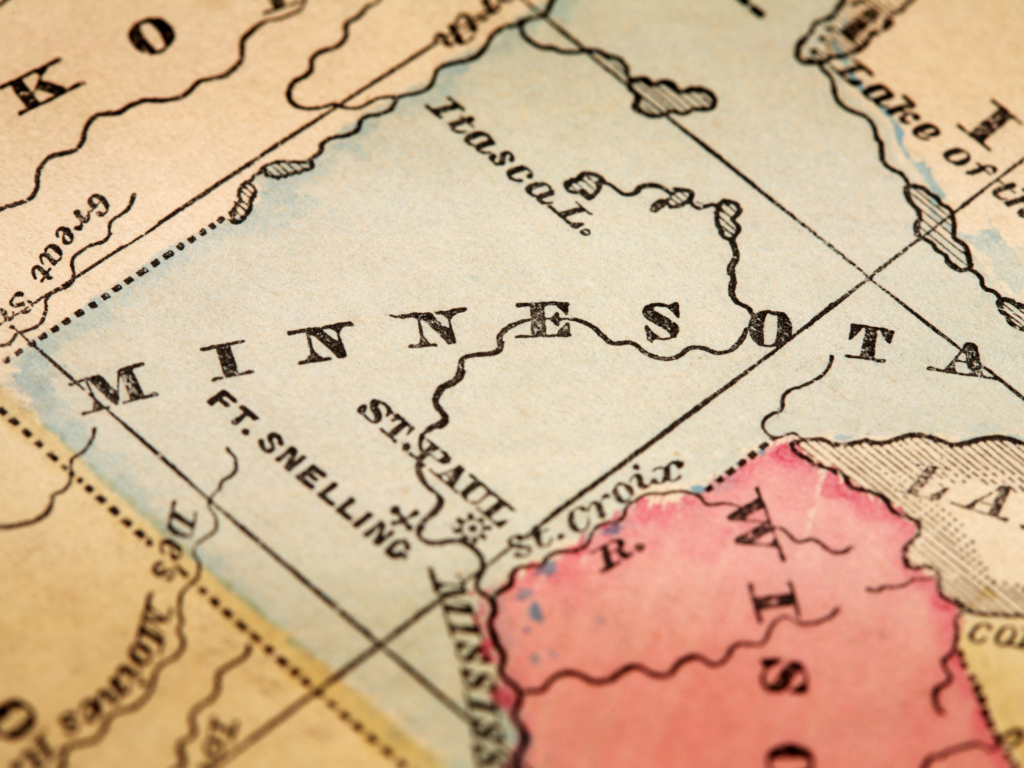
If you’re thinking about moving to Minnesota, you’ve probably already asked this: 👉 “Is Minnesota actually a good place to live?” Not just what rankings say.Not just what Google pulls up. 👉 What does it really feel like living here day to day? Because depending on where you’re coming from, Minnesota can feel like: And most people don’t fully understand that difference until after they move. So let’s walk through this in a real, practical way—so you can decide if Minnesota is actually the right fit for you. The Short Answer (Realistically) Yes—Minnesota is a great place to live. But not for everyone. People who tend to love Minnesota value: People who struggle here usually care more about: 👉 So the real question isn’t: “Is Minnesota good?” 👉 It’s: “Is Minnesota good for you?” What Living in Minnesota Actually Feels Like This is the part most articles miss—and it’s the most important. Minnesota feels: When you move here, you’ll notice: It’s not chaotic.It’s not overwhelming. 👉 It’s consistent And for a lot of people—especially families—that consistency is exactly what they’re looking for. The Weather (Let’s Be Honest About It) We can’t talk about Minnesota without talking about the weather. Winters Winter is: You’ll experience: And yes—it’s something you need to be prepared for. But here’s what surprises people: 👉 Life doesn’t stop People still: Minnesota is built to handle winter. Summers Summer is where Minnesota really shines. You get: This is when people are: 👉 Summers are a huge reason people stay long-term The Real Tradeoff You’re trading: 👉 Tough winters For: 👉 A high quality of life + strong summers + stable environment Cost of Living (What You’ll Actually Pay) Minnesota sits in a “middle ground” for cost of living. It’s: Home Prices (2026) What Surprises Most Buyers 👉 Property taxes Minnesota has: 👉 Higher-than-average property taxes Example: So while home prices look reasonable… 👉 Monthly costs can feel similar to other states Job Market and Economic Stability This is one of Minnesota’s biggest advantages. You have major companies like: Key industries include: 👉 This is not a volatile market 👉 It’s stable And that matters more than people think when choosing where to live long-term. Schools and Education Minnesota is known for strong education. You’ll find: Popular districts include: 👉 For families, this is often the deciding factor Lifestyle and Daily Living This is where Minnesota stands out the most. Outdoor Lifestyle Minnesota is called: 👉 “Land of 10,000 Lakes” And that’s not just a slogan. People regularly: Community Feel You’ll notice: City Access You still have: Which offer: 👉 You get both suburban comfort and city access Real Relocation Scenarios This is where things become real. Scenario 1: Moving from Arizona A family relocated from Arizona. Their concerns: After one year: 👉 “Winter was tough… but everything else made up for it” They stayed because of: Scenario 2: Moving from California Another buyer moved from California. Their takeaway: 👉 “We traded weather for quality of life” They gained: 👉 This tradeoff comes up constantly Pros of Living in Minnesota ✔ Strong Job Market Stable employment opportunities ✔ High-Quality Schools Major advantage for families ✔ More Space for Your Money Compared to major metro areas ✔ Clean and Safe Communities Consistently maintained neighborhoods ✔ Balanced Lifestyle Not too fast, not too slow Cons of Living in Minnesota ❌ Cold Winters This is the biggest adjustment ❌ Higher Property Taxes Important for budgeting ❌ Slower Pace Not ideal if you want constant activity ❌ Less Nightlife Compared to Major Cities More lifestyle-focused than entertainment-focused Who Minnesota Is a Great Fit For ✔ Families ✔ Professionals ✔ Relocation Buyers Who It Might Not Be a Fit For ❌ People who strongly dislike cold weather ❌ People who want a fast-paced, high-energy city ❌ Buyers prioritizing ultra-low taxes Common Mistakes People Make ❌ Underestimating winter ❌ Choosing a home without considering commute ❌ Not visiting during different seasons 👉 These show up after you move—not before A Simple Way to Think About Minnesota If you had to summarize it: 👉 “Minnesota offers a strong quality of life if you’re willing to deal with winter.” That’s the honest version. FAQ Is Minnesota a good place to live?Yes—especially for families and professionals looking for stability. Is Minnesota expensive?Moderate overall, but property taxes are higher. Is the weather difficult?Winter is challenging, but manageable with preparation. What is the lifestyle like?Balanced, community-focused, and outdoors-oriented. Final Thoughts Minnesota isn’t trying to impress you with flash. It’s built for: 👉 And for many people… 👉 That’s exactly what they’re looking for Next Step If you’re thinking about moving to Minnesota and want help figuring out the right area: 👉 https://sell.dreamhomesminnesota.com/ Lesley The RealtorReal Estate Agent in MinnesotaHelping buyers and sellers navigate the Twin Cities with clarity and confidence
Where Do First-Time Homebuyers Live in Minnesota? Best Areas in 2026

If you’re thinking about buying your first home in Minnesota, you’re probably asking: 👉 “Where should I actually be looking?” Not just random cities…Not just “top 10 lists”… 👉 But places that actually make sense for: Because here’s what most people don’t realize: 👉 The “best” place for a first-time buyer isn’t the most popular area👉 It’s the place that gives you the right balance of price, location, and long-term value So let’s walk through where first-time homebuyers are actually buying in Minnesota right now—and why. The Short Answer Most first-time buyers in Minnesota are looking in: 👉 Why? Because these areas tend to offer: But each one feels different… and that matters more than people expect. What First-Time Buyers Really Need (Before Choosing a Location) Before we talk about cities, let’s make this simple. Most first-time buyers are trying to balance: 👉 And usually… one of those has to give Example: 👉 That tradeoff is normal 🏡 1. Lakeville, Minnesota Best for: Affordability + newer homes + space Lakeville is one of the top choices for first-time buyers right now. What it’s like Why buyers choose Lakeville What to consider 👉 If you want space and value, this is a strong option 🏡 2. Blaine, Minnesota Best for: Newer homes + north metro access Blaine has become very popular for first-time buyers. What it’s like Why buyers choose Blaine What to consider 👉 Great balance of price and quality 🏡 3. Brooklyn Park, Minnesota Best for: Entry-level pricing + location Brooklyn Park is one of the more affordable options closer to Minneapolis. What it’s like Why buyers choose Brooklyn Park What to consider 👉 Good for buyers who want location over new construction 🏡 4. Eagan, Minnesota Best for: Balance + location + long-term value Eagan is a solid choice for first-time buyers who can stretch their budget slightly. What it’s like Why buyers choose Eagan What to consider 👉 This is a long-term play 🏡 5. Cottage Grove, Minnesota Best for: Affordability + growth potential Cottage Grove is gaining attention fast. What it’s like Why buyers choose Cottage Grove What to consider 👉 Good for buyers thinking ahead 🏡 6. Minneapolis & St. Paul (Selective Areas) Best for: Location + lifestyle Yes—first-time buyers still buy in the cities. What it’s like Why buyers choose city living What to consider 👉 This is more lifestyle-driven Real First-Time Buyer Scenario A couple I worked with was deciding between: Their priorities: They ended up choosing Eagan. Why? 👉 Slightly higher price… but better long-term value👉 Shorter commute👉 Less risk of major repairs Another buyer chose Lakeville: 👉 More space👉 Brand-new construction👉 Willing to commute 👉 Same situation… different priorities Price Ranges First-Time Buyers Are Seeing (2026) Typical ranges: 👉 Most first-time buyers are shopping in the $325K–$450K range What Matters More Than Location (Most People Miss This) This is important. 👉 It’s not just where you buy 👉 It’s how you buy Meaning: 👉 That’s what makes the process smooth Common Mistakes First-Time Buyers Make ❌ Trying to find the “perfect” house ❌ Waiting too long to start ❌ Ignoring resale value 👉 Your first home doesn’t have to be perfect 👉 It just has to be smart A Simple Way to Choose Your Area Ask yourself: 👉 What matters most? 👉 That simplifies everything FAQ Where do most first-time buyers live in Minnesota?Lakeville, Blaine, Brooklyn Park, and Eagan are common choices. What price range should I expect?Most buyers are between $325K–$450K. Is it better to buy in the city or suburbs?Depends on lifestyle vs budget. What’s the best area overall?There isn’t one—it depends on your priorities. Final Thoughts Buying your first home is a big step. And it’s easy to feel overwhelmed trying to choose the “right” place. 👉 But most of the time… 👉 It comes down to tradeoffs 👉 Once you understand your priorities, the decision gets a lot easier Next Step If you’re trying to figure out where to buy your first home in Minnesota: 👉 https://sell.dreamhomesminnesota.com/ Lesley The RealtorReal Estate Agent in MinnesotaHelping first-time buyers find the right home with clarity and confidence
Cost of Living in the Twin Cities (Minnesota) in 2026: What You Should Really Expect

If you’re thinking about moving to Minnesota, you’ve probably asked this already: 👉 “What does it actually cost to live in the Twin Cities?” Not just a number you saw online.Not just a quick estimate. 👉 What will your real life cost month to month? Because this is where people get caught off guard. They look at home prices…But forget about everything else. Let’s walk through it the same way I explain it to buyers moving here so you know exactly what to expect in 2026. The Short Answer The Twin Cities sit right in the middle when it comes to cost of living. You’re not getting: But you’re also not dealing with: 👉 It’s balanced And honestly… that’s why a lot of people move here. Let’s Start With the Big One: Housing This is going to be your largest expense. No surprise there. Home Prices in 2026 Here’s what most buyers are seeing right now: And this varies depending on location. Example: 👉 Same metro… very different price points Rent Prices If you’re renting first: 👉 Not cheap… but not extreme either Property Taxes (This One Surprises People) If you’re moving from out of state, this is something you need to know. 👉 Minnesota property taxes are higher than average Typical range: 👉 Around 1.0% to 1.3% of home value Example: And yes… buyers notice this after they move. A Real Client Example I had a couple relocating from Texas. Their concern: 👉 “Homes look affordable… are we missing something?” We broke it down: End result: 👉 Monthly cost was similar But they got: 👉 Better neighborhoods and more stability Utilities (Minnesota Winters Are Real) This is another area people underestimate. Typical Monthly Costs But here’s the important part: 👉 Winter changes everything Heating costs can spike during: 👉 That’s just part of living here Groceries and Everyday Living Groceries in the Twin Cities are: 👉 Slightly above the national average Typical monthly spend: It really depends on lifestyle. Some people shop at: 👉 And that changes your total quickly Transportation (Most People Drive) This is not a city where most people rely on public transit daily. 👉 You’re probably going to drive Typical costs include: Commute matters here. Example: 👉 That affects both time and money Income and Job Market Here’s the part that balances things out. The Twin Cities have: 👉 A strong job market Major employers include: Industries: 👉 Wages are generally solid And that helps offset: Taxes (Beyond Property Taxes) Minnesota does have: 👉 State income tax And: 👉 Sales tax around 6.875% (plus local) So compared to states like: 👉 Taxes are higher But you’re getting: Real Life Monthly Budget Example Let’s make this real. Here’s what a typical family might spend: 👉 Total: 👉 Around $4,500–$6,500 per month This varies based on: What Actually Drives Your Cost It usually comes down to three things: 1. Housing Biggest factor… by far 2. Taxes Especially property taxes 3. Lifestyle Eating out, travel, spending habits 👉 These three decide everything Common Mistakes People Make This is where I see people go wrong. ❌ Looking only at home price ❌ Ignoring property taxes ❌ Not planning for winter utilities 👉 These show up after you move—not before Comparing the Twin Cities to Other Places More Affordable Than: Similar To: More Expensive Than: 👉 Again… right in the middle Who the Twin Cities Make Sense For ✔ Families ✔ Professionals ✔ Relocation Buyers Who It Might Not Be Ideal For ❌ People wanting ultra-low cost living ❌ Buyers avoiding state income tax A Simple Way to Think About It If I had to explain it simply: 👉 “You’re paying for stability and quality of life.” Not the cheapest… But not overpriced either. FAQ Is the Twin Cities expensive?It’s moderate compared to major metro areas. What’s the biggest expense?Housing and property taxes. Are utilities high?Winter heating increases costs. Is it worth it?For many people, yes—because of lifestyle and stability. Final Thoughts The Twin Cities aren’t the cheapest place you could live. But that’s not why people move here. 👉 They move here for: 👉 And for a lot of buyers… 👉 It’s a really solid trade Next Step If you’re thinking about moving and want a real breakdown based on your situation: 👉 https://sell.dreamhomesminnesota.com/ Lesley The RealtorReal Estate Agent in MinnesotaHelping buyers and sellers understand the Twin Cities market with clarity and confidence
Living in Plymouth, Minnesota: What You Need to Know Before Moving (2026)
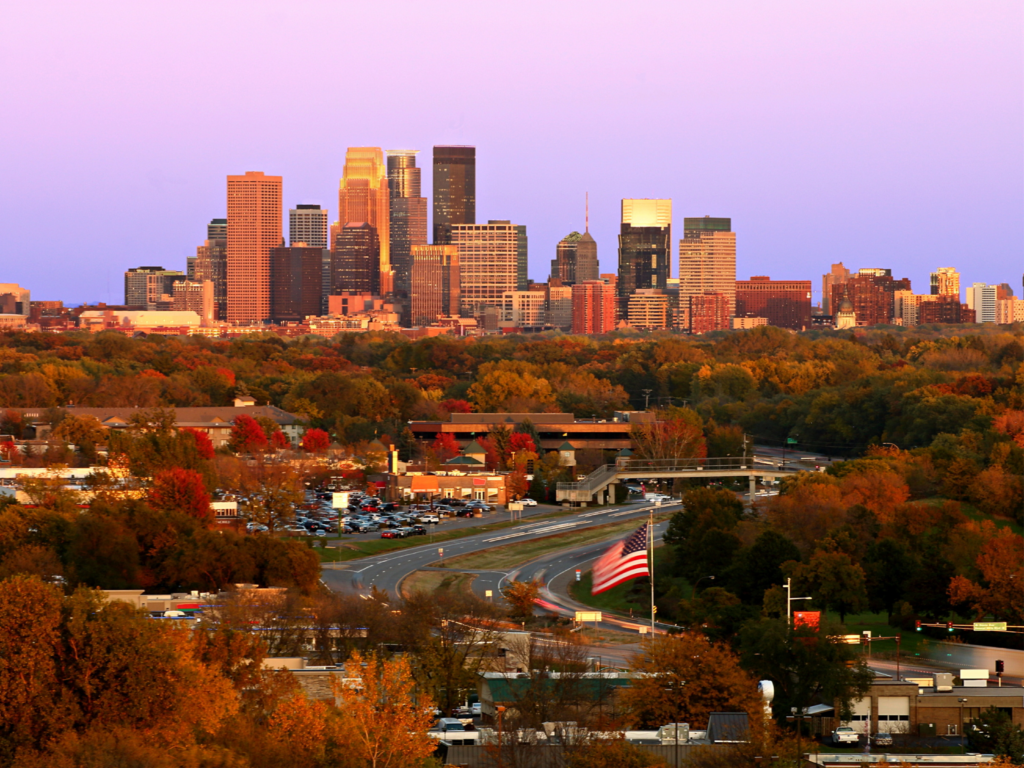
If you’ve been researching places to live around Minneapolis, Plymouth keeps showing up. And the question people usually ask isn’t complicated: 👉 “What is it actually like living in Plymouth?” Not just rankings.Not just “top suburb” lists. 👉 What does everyday life feel like there? Is it worth the price?Is it better than Maple Grove or Eagan?Is it somewhere you stay long-term… or just pass through? Let’s walk through it in a real, practical way so you can decide if Plymouth fits what you’re looking for. The Short Answer 👉 Plymouth is one of the more established, higher-end suburbs in the Twin Cities. You get: 👉 It’s not flashy👉 It’s not busy 👉 It’s consistent—and that’s exactly why people choose it Where Plymouth Is Located (And Why That Matters) Plymouth sits just west of Minneapolis. Typical drive times: 👉 Compared to Maple Grove, it’s closer to the city👉 Compared to Eagan, it’s more west-focused 👉 That location makes a difference if you work in Minneapolis or want quicker access to the city What Homes Are Like in Plymouth This is one of the biggest reasons people end up here. You’ll find: Price Range (2026) 👉 Plymouth is generally more expensive than average suburbs But here’s the tradeoff: 👉 You’re paying for consistency, schools, and location The Feel of Plymouth (This Is Important) This is where Plymouth stands out from a lot of other suburbs. 👉 It feels calm You’ll notice: 👉 It doesn’t feel rushed👉 It doesn’t feel crowded 👉 It feels like a place people settle into Schools in Plymouth This is a major reason families choose Plymouth. Much of Plymouth is served by: 👉 Wayzata School District This district is known for: 👉 For a lot of buyers, this alone puts Plymouth at the top of the list Daily Life in Plymouth Let’s talk about what living here actually looks like. 🛍 Shopping & Convenience Plymouth has what you need: But it’s not heavily commercial. For bigger shopping: 👉 Most people head to Maple Grove or Minnetonka 👉 This is part of Plymouth’s identity—it’s more residential than commercial 🌳 Parks, Trails, and Outdoor Life This is one of Plymouth’s strongest features. You’ll find: 👉 It feels more natural than many suburbs 👉 If you like quiet outdoor space, this matters 🍽 Dining and Lifestyle Plymouth is more low-key. You have: But if you’re looking for: 👉 You’ll go into Minneapolis 👉 Plymouth is about lifestyle, not entertainment Commuting From Plymouth This is one of the reasons people choose Plymouth over farther suburbs. You have access to: 👉 Commuting is generally easier than from outer suburbs like Maple Grove or Lakeville But: 👉 Traffic still exists during peak hours Real Client Scenario A couple relocating from Denver was deciding between: Their priorities: They chose Plymouth because: 👉 It felt more relaxed than Edina👉 More established than Maple Grove 👉 It gave them a balance of location and lifestyle Pros of Living in Plymouth ✔ Strong Schools This is one of the biggest advantages. ✔ Quiet, Established Neighborhoods Feels more residential and stable ✔ Location Closer to Minneapolis than many suburbs ✔ Long-Term Value Homes here tend to hold value well Cons of Living in Plymouth ❌ Higher Price Point Not the most affordable suburb ❌ Less “Energy” It’s not a high-activity or nightlife area ❌ Limited Walkability You’ll still rely on driving ❌ Fewer Newer Developments Compared to Maple Grove Cost of Living in Plymouth Plymouth is: 👉 Above average for Minnesota Housing is the biggest factor. Everything else: 👉 Fairly standard for the Twin Cities Who Plymouth Is a Great Fit For ✔ Families ✔ Move-Up Buyers ✔ Professionals Who It Might Not Be a Fit For ❌ First-time buyers on a tighter budget ❌ People looking for nightlife or walkability ❌ Buyers wanting newer, master-planned communities Comparing Plymouth to Other Suburbs Plymouth vs Maple Grove Plymouth vs Eagan 👉 Plymouth leans more toward long-term lifestyle Common Mistakes Buyers Make ❌ Assuming all suburbs feel the same ❌ Not considering commute routes ❌ Only looking at price, not lifestyle 👉 Those small decisions make a big difference after you move A Simple Way to Think About Plymouth If you had to describe it simply: 👉 “Plymouth is a quiet, well-established suburb built for long-term living.” FAQ Is Plymouth a good place to live?Yes, especially for families and professionals. Is Plymouth expensive?It’s above average compared to many suburbs. Are schools good in Plymouth?Yes, Wayzata School District is a major draw. Is Plymouth good for commuting?Yes, especially for Minneapolis. Final Thoughts Plymouth isn’t trying to stand out in an obvious way. 👉 It just works You get: 👉 And for a lot of buyers… 👉 That’s exactly what they’re looking for Next Step If you’re thinking about moving to Plymouth or anywhere in the Twin Cities: 👉 https://sell.dreamhomesminnesota.com/ Lesley The RealtorReal Estate Agent in MinnesotaHelping buyers and sellers navigate the Twin Cities with clarity and confidence
Is Maple Grove, Minnesota a Good Place to Live? Pros and Cons (2026)
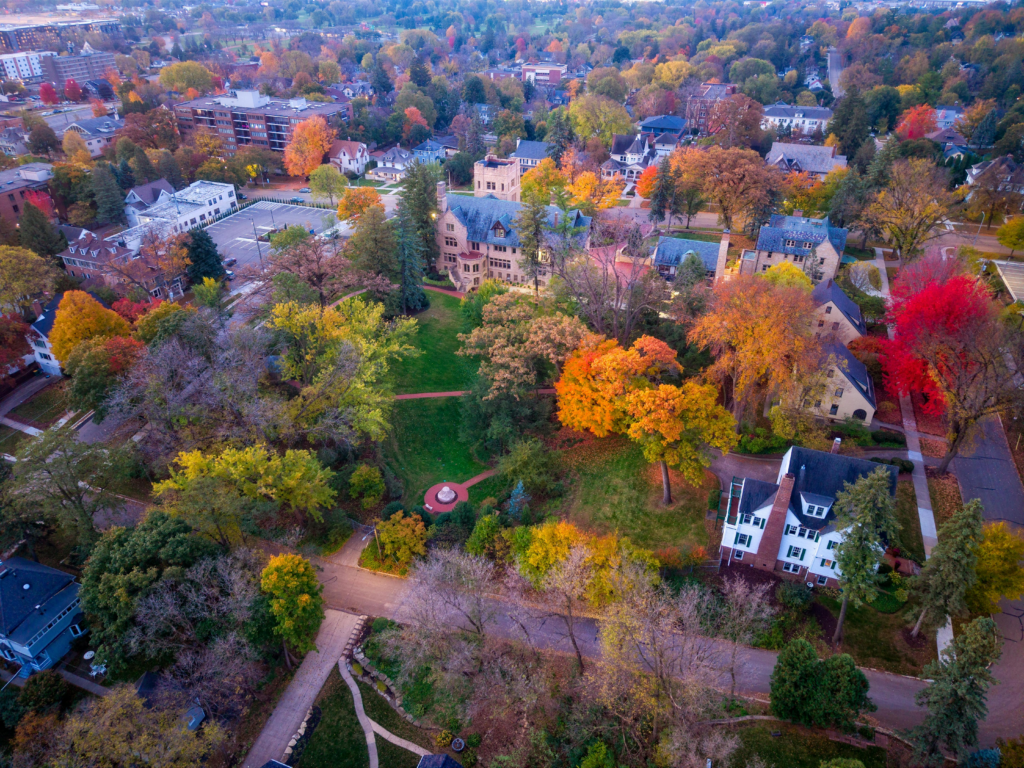
If you’re thinking about moving to the Twin Cities, there’s a good chance Maple Grove is already on your list. And usually the question comes up pretty quickly: 👉 “Is Maple Grove actually a good place to live?” Not just what it looks like online.Not just what rankings say. 👉 What’s it really like day to day? Because depending on what you’re looking for, Maple Grove can either be a perfect fit… or not quite what you expected. Let’s walk through it the way I would if you were sitting across from me trying to decide where to move. Quick Answer 👉 Yes, Maple Grove is one of the most popular suburbs in Minnesota… but for very specific reasons. People choose it for: 👉 But it also comes with trade-offs. And that’s where most people get surprised. Where Maple Grove Is Located Maple Grove sits northwest of Minneapolis. Drive times (roughly): 👉 It’s not the closest suburb… but it’s very accessible. What Homes Are Like in Maple Grove This is one of the biggest reasons people move here. Maple Grove has a lot of: Price Ranges (2026) 👉 Compared to older suburbs, Maple Grove feels newer and more polished. The “Feel” of Maple Grove This is where you need to be honest. 👉 Maple Grove feels very planned. You’ll notice: Some people love that. Others feel like: 👉 It can feel a little “cookie-cutter” And that’s not a bad thing… it just depends on your preference. Schools in Maple Grove This is a big draw. Maple Grove is primarily served by: 👉 Osseo Area School District (District 279) You’ll find: 👉 Schools are one of the main reasons families move here. Daily Life in Maple Grove This is where Maple Grove really stands out. 🛍 Shopping & Amenities This is a major advantage. You have: 👉 You rarely need to leave Maple Grove for anything. 🌳 Parks & Outdoor Life You still get: But compared to some older suburbs: 👉 It feels more structured than natural 🍽 Dining & Lifestyle Maple Grove has: 👉 It’s one of the more “complete” suburbs in terms of lifestyle Commuting From Maple Grove Here’s where you need to think carefully. You have: 👉 But traffic can build up during peak times Especially if you’re commuting to: 👉 It’s manageable… but not always quick Real Client Scenario A family relocating from out of state was choosing between: They wanted: They chose Maple Grove because: 👉 Everything was close They didn’t have to: 👉 For them, convenience won Pros of Living in Maple Grove ✔ Newer Homes You get: ✔ Strong Amenities Everything is nearby: ✔ Family-Friendly ✔ Community Planning Cons of Living in Maple Grove ❌ Traffic ❌ Less Character ❌ Distance From St. Paul ❌ Price vs Value (for some buyers) Cost of Living in Maple Grove Maple Grove is: 👉 Mid-to-upper range for Minnesota Housing is the main factor. Everything else: 👉 Pretty standard for the Twin Cities Who Maple Grove Is Perfect For ✔ Families ✔ Buyers Relocating ✔ People Who Value Convenience Who It Might NOT Be For ❌ People Who Want Character Older areas like: ❌ People Who Want Short Commutes Everywhere Location matters depending on work ❌ Buyers Looking for Lower Price Points There are more affordable suburbs Comparing Maple Grove to Other Suburbs Maple Grove vs Eagan Maple Grove vs Plymouth 👉 Maple Grove is more “lifestyle-driven” Common Mistakes Buyers Make ❌ Choosing based only on photos ❌ Ignoring commute ❌ Not visiting at different times of day 👉 These small things matter more than people expect A Simple Way to Think About Maple Grove If you had to describe it simply: 👉 “It’s one of the easiest places to live in Minnesota.” Everything is there. Everything works. 👉 You just need to decide if that’s what you want FAQ Is Maple Grove a good place to live?Yes, especially for families and buyers who want newer homes and convenience. Is Maple Grove expensive?It’s mid-to-upper range depending on the neighborhood. Are schools good in Maple Grove?Yes, District 279 is a strong draw for families. Is Maple Grove good for commuting?It depends. Good highway access, but traffic can build. Final Thoughts Maple Grove works really well for the right buyer. 👉 If you want: 👉 It’s a strong option But like any area: 👉 It comes down to what matters most to you Next Step If you’re thinking about moving to Maple Grove or anywhere in the Twin Cities: 👉 https://sell.dreamhomesminnesota.com/ Lesley The RealtorReal Estate Agent in MinnesotaHelping buyers and sellers navigate the Twin Cities with clarity and confidence
Where Should I Live in Minneapolis as a First-Time Homebuyer? (2026 Guide)

If you’re buying your first home in Minnesota and looking at Minneapolis, one of the biggest questions you’ll ask is: 👉 “Where should I live in Minneapolis as a first-time buyer?” Because Minneapolis isn’t just one type of city… 👉 It’s a mix of neighborhoods, each with a completely different feel, price point, and lifestyle. You might be wondering: The truth is: 👉 There isn’t one “best” neighborhood in Minneapolis—only the one that fits your budget, lifestyle, and comfort level. The Short Answer 👉 Some of the best areas in Minneapolis for first-time buyers in 2026 include: 👉 Each offers: 👉 A different balance of price, lifestyle, and opportunity 👉 Let’s break them down so you can find your fit Northeast Minneapolis (Best Overall for First-Time Buyers) 👉 Best for: 🏘️ What Living in Northeast Feels Like Northeast Minneapolis is one of the most popular areas for first-time buyers right now. 👉 Known for: 👉 It has a mix of: 💰 Pricing 👉 More affordable than high-demand areas like North Loop 👉 Offers: 👉 Good entry points into the market 🎯 Why Buyers Choose It 👉 You get: ⚖️ Trade-Off 👉 You get charm and location… 👉 But homes may need updates or maintenance South Minneapolis (Best for Balance and Lifestyle) 👉 Best for: 🌳 What Living in South Minneapolis Feels Like South Minneapolis offers: 👉 A neighborhood-focused lifestyle 👉 Known for: 📍 Popular Areas 🏡 Housing 👉 Mix of: ⚖️ Trade-Off 👉 You get: 👉 But: North Loop (Best for Condo Living and Walkability) 👉 Best for: 🏙️ What Living in North Loop Feels Like 👉 One of the most popular urban areas in Minneapolis 👉 Known for: 🏢 Housing 👉 Mostly: 💰 Pricing 👉 Higher price per square foot 👉 But: 👉 Lower maintenance lifestyle ⚖️ Trade-Off 👉 You get: 👉 But: Powderhorn / Nokomis Areas (Best for Value + Community) 👉 Best for: 🏡 What Living Here Feels Like 👉 Strong neighborhood identity 👉 More residential feel 💰 Pricing 👉 More affordable entry points 👉 Good for buyers trying to stay within budget 🌳 Lifestyle 👉 Close to: ⚖️ Trade-Off 👉 You get: 👉 But: Near North (Best for Buyers Focused on Value) 👉 Best for: 💰 What Stands Out 👉 Lower home prices compared to many other areas 👉 Opportunity for: 👉 Entry-level buyers ⚠️ Important Consideration 👉 This area requires: 👉 Careful neighborhood selection 👉 Block-by-block differences matter ⚖️ Trade-Off 👉 You get: 👉 But: Should You Live in Minneapolis or the Suburbs? This is a big decision for first-time buyers. 🏙️ Minneapolis (City Living) 👉 Pros: 👉 Cons: 🏡 Suburbs (Woodbury, Maple Grove, etc.) 👉 Pros: 👉 Cons: 👉 This decision depends on: 👉 Your lifestyle and priorities How to Choose the Right Area for YOU 1. Your Budget 👉 What can you comfortably afford? 👉 Some areas: 2. Your Lifestyle 👉 Do you want: 3. Your Comfort Level 👉 This is important 👉 Some areas: 4. Your Long-Term Plan 👉 Are you: 👉 Your first home doesn’t have to be your forever home A Real Situation I See All the Time A first-time buyer says: 👉 “I want the perfect neighborhood” 👉 But after reviewing: 👉 The focus shifts to: 👉 Best fit—not perfect fit 👉 That’s when things become clear The Real Trade-Off More Affordable Areas 👉 Pros: 👉 Cons: More Expensive Areas 👉 Pros: 👉 Cons: 👉 Every choice has trade-offs FAQ: Living in Minneapolis as a First-Time Buyer What is the best area in Minneapolis for first-time buyers?Northeast and South Minneapolis are among the most popular. Is Minneapolis a good place to buy your first home?Yes—especially if you want city living and long-term growth. Should I buy in the city or suburbs?Depends on your lifestyle and commute needs. What is the most affordable area in Minneapolis?Areas like Powderhorn and Near North offer lower entry points. Final Thoughts Buying your first home in Minneapolis isn’t about finding the “perfect” neighborhood… 👉 It’s about finding the right starting point Because your first home should: 👉 Fit your budget👉 Support your lifestyle👉 Set you up for your next step 👉 And Minneapolis gives you options—which is a big advantage Next Step If you’re trying to figure out where you should live in Minneapolis as a first-time buyer, the next step is to narrow it down based on your situation: 👉 https://buy.dreamhomesminnesota.com/ 👉 This will help you: Lesley The RealtorRealtor in the Twin Cities & Surrounding Metro, MinnesotaHelping first-time buyers find the right starting point and navigate the process with confidence
What Is It Like Living in Minnesota Year-Round? (2026 Complete Guide)

If you’re thinking about moving to Minnesota, one of the most important questions you’ll ask is: 👉 “What is it like living in Minnesota year-round?” Because this isn’t just about buying a home… 👉 It’s about what your life will actually feel like every single month of the year. You might be wondering: The truth is: 👉 Living in Minnesota year-round is a very unique experience—and your lifestyle will change with the seasons. The Short Answer 👉 Living in Minnesota year-round means: Seasonal Breakdown: What Life Feels Like Month-to-Month To really understand Minnesota, you need to understand the seasons. 👉 Because life here changes A LOT depending on the time of year. ❄️ Winter (December – March) 👉 This is the biggest adjustment for most people 🌡️ What to Expect 👉 January and February are usually the coldest months 👉 Wind chill can make it feel even colder 🏠 Daily Life in Winter Life doesn’t stop—but it changes. 👉 You’ll be: 👉 Homes are built for this: 🎯 The Reality 👉 Winter is: 👉 Some people love it 👉 Some people tolerate it 👉 This is the biggest deciding factor for relocation 🧊 The Upside of Winter Yes—there are positives. 👉 Activities include: 👉 There’s a strong “embrace the season” culture 👉 Bottom line: 👉 If you can handle winter, everything else gets easier 🌸 Spring (April – May) 👉 This is a transition season 🌦️ What to Expect 👉 It can feel: 👉 Messy at times 🌱 Lifestyle Shift 👉 People start: 👉 It’s not the prettiest season… 👉 But it’s a sign that better weather is coming ☀️ Summer (June – August) 👉 This is what makes Minnesota worth it for many people 🌤️ What to Expect 👉 Summers are: 👉 Beautiful and very active 🌊 Lifestyle in Summer This is when Minnesota comes alive. 👉 You’ll see: 👉 Activities include: 🕒 Long Days 👉 Sunsets can be: 👉 As late as 9:00 PM 👉 You get: 👉 More time to enjoy your day 👉 This is why many people LOVE Minnesota 🍂 Fall (September – November) 👉 One of the most underrated seasons 🍁 What to Expect 👉 Fall is: 👉 Beautiful and comfortable 🏡 Lifestyle 👉 Perfect time for: 👉 It’s a calm, enjoyable season before winter returns The Emotional Reality of Living in Minnesota This is something people don’t always talk about. 👉 Your mood and routine will: 👉 Shift with the seasons Winter: Summer: 👉 This rhythm becomes part of your lifestyle 👉 Some people love the change 👉 Others prefer consistency Cost of Living Year-Round 🔥 Winter Costs 👉 Higher: ☀️ Summer Costs 👉 More activity spending: 👉 Overall: 👉 Cost of living is still reasonable compared to many states Is It Hard to Adjust to Living in Minnesota? 👉 It depends on where you’re coming from Easier Adjustment If You: Harder Adjustment If You: 👉 Most people adjust over time 👉 Preparation makes a big difference A Real Situation I See All the Time A buyer moves from a warm state and says: 👉 “I’m worried about winter” 👉 After their first year: Another buyer: 👉 Struggles with the seasonal change 👉 Realizes: 👉 Climate matters more than expected 👉 Both experiences are real Who Thrives Living in Minnesota Year-Round 👉 Minnesota is a great fit if you: Who May Struggle 👉 It may not be ideal if you: 👉 This is a lifestyle decision—not just a housing decision FAQ: Living in Minnesota Year-Round Is it hard to live in Minnesota year-round?It can be—especially in winter—but most people adapt. Are winters really that bad?They are cold and long, but manageable with preparation. Is summer worth it in Minnesota?Yes—many people say summer makes it all worth it. Do people enjoy living in Minnesota year-round?Yes—especially those who embrace the seasons. Final Thoughts Living in Minnesota year-round isn’t just about weather… 👉 It’s about lifestyle Because your life here will: 👉 Change with the seasons👉 Adapt throughout the year👉 Feel different month to month 👉 And for many people: 👉 That variety is what makes it special 👉 If you’re okay with winter: 👉 Minnesota can offer an incredible quality of life Next Step If you’re thinking about moving to Minnesota and want to find the right area that fits your lifestyle year-round, the next step is to explore your options: 👉 https://buy.dreamhomesminnesota.com/ 👉 This will help you: Lesley The RealtorRealtor in the Twin Cities & Surrounding Metro, MinnesotaHelping buyers relocate, adjust, and confidently choose where to live
What Areas in Minnesota Are Growing the Fastest? (2026 Homebuyer Guide)
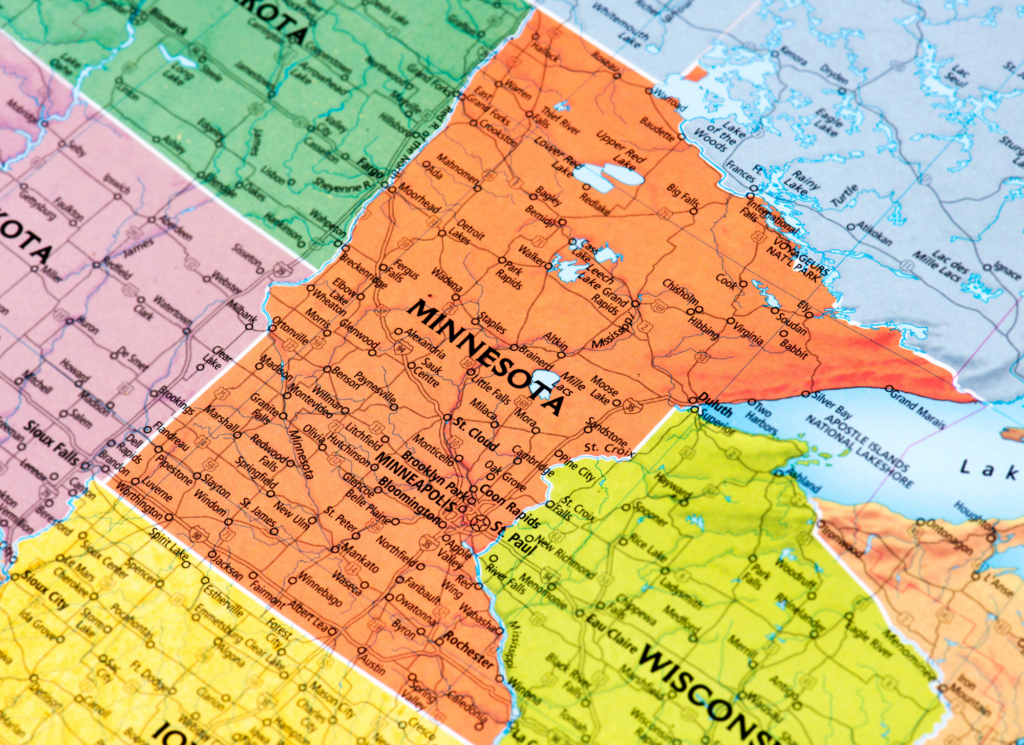
If you’re thinking about buying a home in Minnesota, one of the smartest questions you can ask is: 👉 “What areas in Minnesota are growing the fastest?” Because where you buy isn’t just about today… 👉 It’s about where the market is going. You might be wondering: The truth is: 👉 Minnesota has several fast-growing areas—but growth is driven by jobs, location, and new development. The Short Answer 👉 Some of the fastest-growing areas in Minnesota in 2026 include: 👉 These areas are growing because of: 👉 New construction, job access, and population demand 👉 Let’s break them down so you can see where the opportunities are What “Fast-Growing” Actually Means Before we jump into locations, let’s define this clearly. 👉 Growth isn’t just about population 👉 It also includes: 👉 Fast-growing areas often have: 👉 More opportunity—but also more competition 👉 That’s important to understand Woodbury (Consistent Growth + High Demand) 👉 Best for: 📈 Why Woodbury Is Growing 👉 One of the most desirable suburbs in the Twin Cities 👉 Growth driven by: 🏡 What This Means for Buyers 👉 High demand 👉 New construction options 👉 Strong long-term appreciation potential ⚖️ Trade-Off 👉 You get: 👉 But: Lakeville (Rapid Expansion + More Space) 👉 Best for: 📈 Why Lakeville Is Growing 👉 Expansion outward from the Twin Cities 👉 More land = more development 🏘️ What You’ll See 👉 New neighborhoods 👉 Larger homes 👉 More space for your money ⚖️ Trade-Off 👉 You get: 👉 But: Maple Grove (High Growth + Modern Living) 👉 Best for: 📈 Growth Factors 👉 Strong city planning 👉 Ongoing development of: 🏡 Buyer Advantage 👉 Access to: ⚖️ Trade-Off 👉 You get: 👉 But: Blaine (Emerging Growth Area) 👉 Best for: 📈 Why Blaine Is Growing 👉 Expanding north of the Twin Cities 👉 New developments increasing 💰 Affordability 👉 Still more affordable than top suburbs 👉 Strong upside potential ⚖️ Trade-Off 👉 You get: 👉 But: Otsego & Rogers (Outer Suburb Boom) 👉 Best for: 📈 Growth Pattern 👉 Expansion outward from Maple Grove 👉 More builders moving into these areas 🏡 What You’ll Find 👉 New construction 👉 Planned communities 👉 Lower price per square foot ⚖️ Trade-Off 👉 You get: 👉 But: Rochester (Steady Economic Growth) 👉 Best for: 💼 Growth Driver 👉 Mayo Clinic 👉 Continuous job demand 📈 Market Stability 👉 Less volatile than metro markets 👉 Steady appreciation ⚖️ Trade-Off 👉 You get: 👉 But: Shakopee (Underrated Growth Area) 👉 Best for: 📈 Why It’s Growing 👉 Proximity to: 🏡 What Buyers Like 👉 Mix of: ⚖️ Trade-Off 👉 You get: 👉 But: Why These Areas Are Growing 1. Job Access 👉 Proximity to: 2. New Construction 👉 Builders are expanding outward 👉 Creating: 3. Affordability Pressure 👉 Buyers priced out of inner suburbs 👉 Move outward 👉 Driving growth 4. Lifestyle Demand 👉 Buyers want: 👉 These factors drive expansion What Growth Means for Buyers This is important. 👉 Buying in a growing area can mean: 👉 But also: 👉 Growth = opportunity + trade-offs A Real Situation I See All the Time A buyer says: 👉 “I want to buy in the best area” 👉 But after reviewing: 👉 The focus shifts to: 👉 “Where is the opportunity going?” 👉 That’s where smart decisions happen Should You Buy in a Fast-Growing Area? 👉 It depends on your goals Good Fit If You Want: Maybe Not Ideal If You Want: 👉 Growth isn’t for everyone—but it can be powerful The Real Trade-Off Fast-Growing Areas 👉 Pros: 👉 Cons: Established Areas 👉 Pros: 👉 Cons: 👉 It depends on your strategy FAQ: Fastest Growing Areas in Minnesota What is the fastest-growing area in Minnesota?Suburbs like Woodbury, Lakeville, and Maple Grove continue to grow rapidly. Where should I buy for appreciation?Growing suburbs and expanding outer areas offer strong potential. Are growing areas more expensive?They can become more expensive as demand increases. Is new construction a good investment?It can be—especially in expanding areas. Final Thoughts Buying in a fast-growing area isn’t just about today… 👉 It’s about positioning yourself for the future Because where you buy can impact: 👉 Your home value👉 Your lifestyle👉 Your long-term equity 👉 Minnesota has strong growth areas—you just need to know where to look Next Step If you’re trying to find growing areas in Minnesota with the best opportunity, the next step is to explore what fits your budget and goals: 👉 https://buy.dreamhomesminnesota.com/ 👉 This will help you: Lesley The RealtorRealtor in the Twin Cities & Surrounding Metro, MinnesotaHelping buyers identify opportunity, understand growth, and make smart long-term decisions