
Are Townhomes a Good Investment in Minnesota?
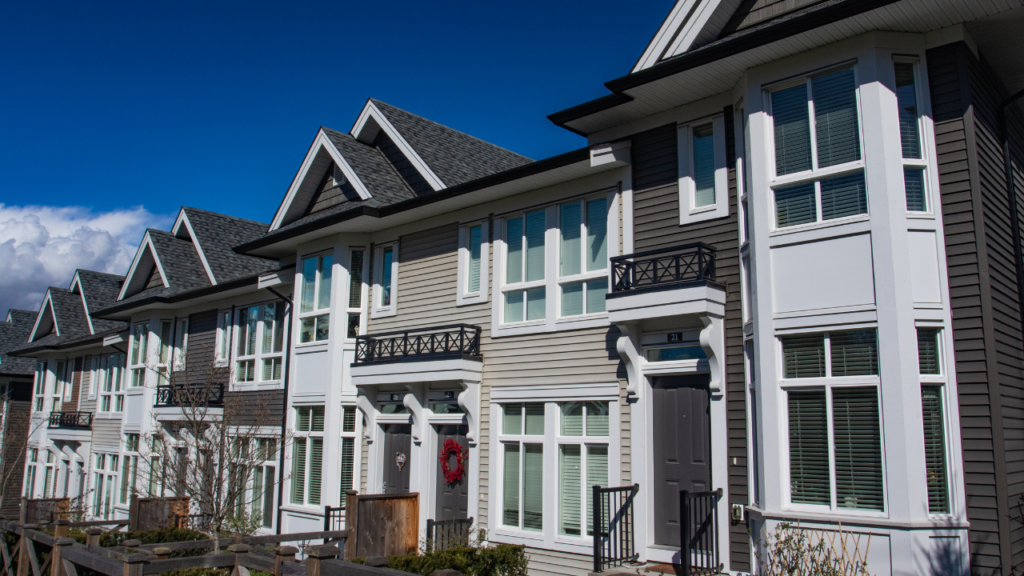
A first-time buyer reached out to me last spring after his parents talked him out of making an offer on a townhome in Maple Grove. He had toured it twice. He loved the layout. The commute to his job in Plymouth was twelve minutes. The price fit comfortably within his budget. And then he called his parents to share the good news and they spent forty-five minutes explaining to him why townhomes were not real investments, why he would never build equity the way you do with a house, and why he should wait until he could afford a single-family home instead. He called me genuinely confused. “Is that true?” he asked. “Are townhomes actually bad investments? Because this one feels right for everything in my life right now.” This is one of the most persistent myths in real estate, and it costs buyers real opportunities. The idea that townhomes are inherently inferior investments compared to single-family homes is simply not supported by the data or by the actual experiences of the many buyers who have purchased townhomes in Minnesota and gone on to build meaningful equity over time. The honest answer is more nuanced than either the dismissive view his parents offered or an uncritical endorsement of townhomes as universally great investments. Like any real estate purchase, the investment quality of a townhome depends enormously on the specific property, the specific community, the specific market conditions, and the specific buyer’s goals and timeline. Here is the complete picture. What Actually Determines Whether a Townhome Is a Good Investment Before evaluating townhomes as a category, it helps to understand what actually makes any real estate purchase a good investment, because these same principles apply directly to townhomes and reveal why the blanket dismissal his parents offered was not accurate. Real estate investments build value through two primary mechanisms. Appreciation, meaning the increase in the property’s market value over time, and equity accumulation through mortgage paydown, meaning the gradual reduction of your loan balance as you make payments and the corresponding growth of your ownership stake in the property. Both mechanisms work equally well regardless of whether you own a condo, a townhome, or a single-family home, as long as you purchase in a market with genuine demand, hold the property long enough for these forces to compound, and maintain the property responsibly throughout your ownership. The factors that most reliably predict whether a specific townhome will be a good investment include location quality, the strength of the HOA and its financial management, the price you pay relative to comparable properties in the market, how long you plan to hold the property, and the broader trajectory of the community in which the townhome sits. None of these factors are unique to townhomes, and all of them apply equally to single-family homes. The property type itself is less determinative of investment quality than most buyers are led to believe. Minnesota Townhome Appreciation: What the Data Actually Shows Minnesota’s townhome market has delivered meaningful appreciation across most markets and time periods, and buyers who purchased townhomes in communities like Maple Grove, Eden Prairie, Plymouth, Lakeville, and Woodbury five to ten years ago have generally seen their properties appreciate significantly. The communities where townhomes have performed best as investments share several characteristics. They are located in areas with strong overall demand and limited new supply entering the market. They have well-managed HOAs with healthy reserve funds and responsible maintenance of common areas and exteriors. They are priced competitively relative to comparable properties at the time of purchase rather than carrying a premium that takes years to justify. Communities where townhomes have performed less consistently as investments tend to have the opposite characteristics, whether oversupply from rapid new construction that keeps prices from appreciating, poorly managed HOAs that allow exterior conditions to deteriorate and drag down values, or locations where the broader neighborhood trajectory is flat or declining. This pattern, strong management and strong location producing strong investment outcomes, holds across all property types and is not unique to townhomes. The HOA Factor: Why It Matters More for Townhomes Than Any Other Variable Of all the factors that determine a townhome’s investment quality in Minnesota, the health and management of the homeowners association is arguably the most important and the most frequently underestimated by buyers. A well-managed HOA with an adequately funded reserve maintains the exterior of the community consistently, addresses maintenance issues promptly, maintains the community’s visual appeal, and ensures that when major expenses arise, whether roof replacements, siding repairs, parking lot resurfacing, or other significant projects, the funds are available to cover them without levying large special assessments against unit owners. A poorly managed HOA does the opposite. Deferred exterior maintenance allows the community to visually deteriorate over time, which affects the values of all units within it regardless of how well any individual owner maintains their interior. A reserve fund that is inadequately funded accumulates risk that eventually surfaces as a large special assessment that owners did not anticipate. High delinquency rates on HOA dues, meaning other owners who are not paying their fees, strains the association’s financial capacity and can trigger a cycle of decline that is difficult to reverse. Before purchasing any townhome in Minnesota, reviewing the HOA’s financial documents, including the reserve fund balance, the most recent reserve study or assessment, the current budget, and the meeting minutes from the past one to two years, is non-negotiable. These documents reveal the financial health of the association in ways that a tour of the community simply cannot, and they are among the most important due diligence steps in any townhome purchase. Comparing Townhome Investment Performance to Single-Family Homes The comparison between townhome and single-family home investment performance in Minnesota is more nuanced than the conventional wisdom suggests. It is true that single-family homes have generally shown stronger appreciation than townhomes in most Minnesota markets over most time periods. This reflects the premium that land ownership and detached privacy command