
Can I Buy a House If I Have Collections or Debt? (Minnesota Guide – 2026)
If you’ve ever checked your credit and seen collections, late payments, or debt, you’ve probably wondered: 👉 “Can I still buy a house if I have collections or debt?” And for many people, this question comes with a lot of doubt: The truth is: 👉 Yes—you can still buy a home even if you have collections or debt. But: 👉 It depends on the type of debt, how it’s managed, and your overall financial picture. The Short Answer 👉 You can buy a home with collections or debt if: 👉 You do NOT need: 👉 Perfect credit or zero debt 👉 But you DO need: 👉 A strategy First—Let’s Define Collections and Debt 📌 Collections 👉 Collections happen when: 👉 Common examples: 📌 Debt 👉 Debt includes: 👉 Most buyers have some form of debt 👉 Debt itself is NOT the problem 👉 It’s how it’s managed Why Collections and Debt Matter to Lenders Lenders are asking one main question: 👉 “Can this borrower handle a mortgage payment responsibly?” 👉 Collections and debt can signal: 👉 But they don’t automatically disqualify you 👉 They just require closer review How Collections Affect Your Ability to Buy Let’s break this down. 1. Credit Score Impact 👉 Collections lower your credit score 👉 This can: 👉 BUT: 👉 You can still qualify depending on your score 2. Loan Type Matters Different loans treat collections differently. 🏡 FHA Loans 👉 More flexible with collections 👉 May allow: 👉 Very popular for buyers with credit challenges 🏡 Conventional Loans 👉 Stricter requirements 👉 May require: 👉 Key takeaway: 👉 The loan you choose matters Do You Have to Pay Off Collections First? This is one of the biggest questions. 👉 The answer is: 👉 Not always 👉 It depends on: In some cases: 👉 You can still qualify with collections on your report In other cases: 👉 You may need to: 👉 This is why: 👉 You need a personalized review How Debt Affects Your Mortgage Approval 1. Debt-to-Income Ratio (DTI) 👉 This is one of the most important factors 👉 DTI measures: 👉 How much of your income goes toward debt Example: 👉 High DTI = harder to qualify 👉 Lenders typically prefer: 👉 DTI below 43%–50% 👉 Lower is better 2. Type of Debt Matters Not all debt is treated equally. ✔️ Installment Debt 👉 More predictable ⚠️ Revolving Debt 👉 Higher risk if balances are high 👉 Managing your debt properly is key A Real Situation I See All the Time A buyer says: 👉 “I have collections—I probably can’t buy” 👉 We review their situation: 👉 Result: 👉 They qualify with an FHA loan Another buyer: 👉 Has high debt + low score Result: 👉 Needs time to improve 👉 Same concern—different outcomes Common Misconceptions ❌ “Collections automatically disqualify me” 👉 Not true ❌ “I need to be completely debt-free” 👉 Not true—most buyers have debt ❌ “I should wait until everything is perfect” 👉 This delays many buyers unnecessarily 👉 The key is: 👉 Understanding your specific situation How to Improve Your Chances If you have collections or debt, here’s what helps: ✔️ Improve Your Credit Score 👉 Pay on time consistently ✔️ Reduce Credit Card Balances 👉 Lower your utilization ✔️ Avoid Taking on New Debt 👉 Keep your profile stable ✔️ Address Collections Strategically 👉 Don’t blindly pay everything—get advice first ✔️ Work With the Right Lender 👉 This is critical 👉 Small changes can make a big difference Should You Wait Before Buying? This depends on your situation. 👉 You may want to wait if: 👉 You may be ready if: 👉 The best move is: 👉 Get clarity—not assume The Role of the Right Lender (CRITICAL) Not all lenders handle collections the same way. 👉 The right lender will: 👉 The wrong lender may: 👉 Deny you without explanation 👉 That’s a huge difference The Role of the Right REALTOR® This is where strategy comes in. 👉 The right REALTOR® helps you: 👉 And most importantly: 👉 Help you move forward with confidence Resources Matter A well-connected REALTOR® knows: 👉 This can change your outcome completely Who This Applies To Buyers with collections Buyers with credit card debt First-time buyers Immigrant buyers 👉 If you’re worried about your credit: 👉 You’re not alone FAQ: Collections, Debt, and Buying a Home Can I buy a house with collections?Yes—depending on your credit and loan type. Do I need to pay off all debt first?No—only certain debts may need to be addressed. What credit score do I need?Typically 580+ for FHA loans. Is debt a dealbreaker?No—it depends on how it’s managed. Final Thoughts Having collections or debt doesn’t mean: 👉 You can’t buy a home 👉 It means: 👉 You need to understand your position and plan accordingly Because lenders aren’t looking for: 👉 Perfect finances 👉 They’re looking for: 👉 Manageable risk and consistent behavior 👉 And if you can show that: 👉 You may be closer than you think Next Step If you have collections or debt and are thinking about buying a home in Minnesota, the next step is to understand what you qualify for: 👉 https://buy.dreamhomesminnesota.com/ 👉 This will help you: Lesley The RealtorRealtor in the Twin Cities & Surrounding Metro, MinnesotaHelping first-time and immigrant buyers overcome obstacles and move forward with confidence
Why Does My Friend Qualify for a Mortgage but I Don’t? (Minnesota Guide – 2026)

If you’ve tried to get pre-approved for a home and didn’t qualify—or didn’t qualify for as much as you expected—you’ve probably asked yourself: 👉 “Why does my friend qualify for a mortgage, but I don’t?” Because from your perspective, it might feel confusing: So why the different outcome? The truth is: 👉 Mortgage approval is not based on just one factor. 👉 It’s based on a combination of things—and even small differences can lead to very different results. The Short Answer 👉 Your friend may qualify—and you may not—because of differences in: 👉 Even if things look similar on the surface: 👉 The details matter 👉 And those details are what lenders focus on Why This Happens So Often This is one of the most common situations I see. 👉 Two people: 👉 But: 👉 Completely different approvals 👉 Why? 👉 Because lenders look deeper than just income 👉 They analyze your entire financial profile The 5 Main Reasons Approval Is Different Let’s break this down clearly. 1. Credit Score Differences This is one of the biggest factors. 👉 Even a small difference matters Example: 👉 Result: 👉 You may still qualify—but with: 👉 Credit affects more than most people realize 2. Debt-to-Income Ratio (DTI) This is HUGE. 👉 DTI measures: 👉 How much of your income goes toward debt Example: 👉 Your DTI is high Your friend: 👉 Much lower DTI 👉 Easier approval 👉 Same income—different outcome 👉 Debt plays a major role 3. Type of Income Not all income is treated the same. Your friend may have: 👉 Easy for lenders to verify You may have: 👉 Harder to verify 👉 Requires more documentation 👉 Even if you earn MORE: 👉 It may not count the same 4. Job History and Stability Lenders want to see consistency. Your friend: 👉 Stable and predictable You: 👉 Less predictable 👉 This can impact approval 👉 Even if your income is strong 5. Documentation and Financial Organization This is often overlooked. Your friend: 👉 Easy approval process You: 👉 Harder for lenders to verify 👉 This can delay or reduce approval A Real Situation I See All the Time A buyer says: 👉 “My friend just bought a house—I make the same, why can’t I?” 👉 We look closer: 👉 Buyer has: 👉 Result: 👉 Different approval levels 👉 It’s not unfair—it’s just different profiles What Lenders Actually Look At Instead of comparing yourself to others, focus on this: 👉 Lenders evaluate: 👉 All together—not individually 👉 That’s what determines approval The Biggest Mistake Buyers Make ❌ Comparing themselves to others 👉 This leads to frustration and confusion ❌ Assuming they should qualify 👉 Without understanding the full picture 👉 The better approach is: 👉 Understand YOUR numbers How to Improve Your Chances If you didn’t qualify—or didn’t qualify for enough—here’s what you can do: ✔️ Improve Your Credit Score 👉 Even small increases help ✔️ Reduce Debt 👉 Pay down credit cards or loans ✔️ Stabilize Your Income 👉 Maintain consistent employment ✔️ Organize Your Documentation 👉 Keep everything clear and updated ✔️ Work With the Right Lender 👉 This makes a HUGE difference 👉 Small changes can lead to big improvements Should You Wait or Move Forward? This depends on your situation. 👉 You may want to wait if: 👉 You may be ready if: 👉 The key is: 👉 Clarity—not comparison The Role of the Right Lender (CRITICAL) This is where many buyers go wrong. 👉 The right lender will: 👉 The wrong lender may: 👉 Just say “no” without explanation 👉 That’s a big difference The Role of the Right REALTOR® This is where guidance matters most. 👉 The right REALTOR® helps you: 👉 And most importantly: 👉 Help you move forward with confidence Resources Matter A well-connected REALTOR® knows: 👉 This can completely change your outcome Who This Applies To First-time buyers Immigrant buyers Buyers who were denied or confused 👉 If you’ve asked this question: 👉 You’re not alone FAQ: Mortgage Approval Differences Why does someone qualify when I don’t?Because of differences in credit, debt, income, and documentation. Is it just about income?No—income is only one part of the equation. Can I still qualify later?Yes—with the right adjustments. What should I do if I didn’t qualify?Understand why and create a plan. Final Thoughts Mortgage approval isn’t about: 👉 Comparing yourself to others 👉 It’s about: 👉 Understanding your own financial profile Because even if two people look similar… 👉 The details can lead to very different outcomes 👉 And once you understand those details: 👉 You can take control of the process Next Step If you’re unsure why you didn’t qualify—or want to understand your options in Minnesota, the next step is to get clarity on YOUR situation: 👉 https://buy.dreamhomesminnesota.com/ 👉 This will help you: Lesley The RealtorRealtor in the Twin Cities & Surrounding Metro, MinnesotaHelping first-time and immigrant buyers understand the process and move forward with confidence
What Credit Score Do I Really Need to Buy a Home in the U.S.? (Minnesota Guide – 2026)
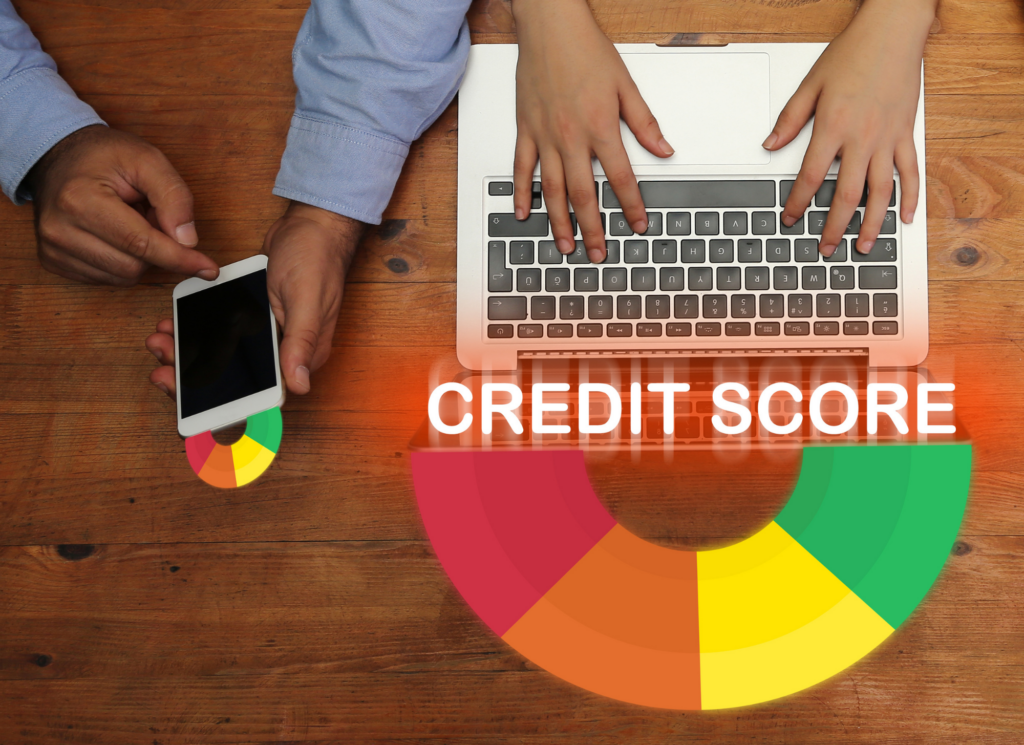
If you’re thinking about buying a home—especially as an immigrant or first-time buyer—one question almost always comes up: 👉 “What credit score do I actually need to buy a house?” And this question usually comes with a lot of confusion: The truth is: 👉 You don’t need a perfect credit score to buy a home in the U.S. But: 👉 Your score DOES affect your options, your loan, and your monthly payment. The Short Answer 👉 Most buyers can qualify with a credit score of: 👉 But: 👉 The higher your score: 👉 So the real question is: 👉 Not just “Can you qualify?” 👉 But: 👉 “How good of a loan can you get?” Why Credit Scores Matter In the U.S., your credit score is used to: 👉 Lenders use your score to decide: 👉 It’s one of the most important parts of your application Credit Score Ranges (What They Mean) Let’s break this down clearly. 🔴 300–579 (Poor) 👉 Very difficult to qualify 👉 May need to improve before buying 🟠 580–619 (Fair) 👉 May qualify for FHA loans 👉 Higher interest rates 🟡 620–679 (Good) 👉 Qualifies for most conventional loans 👉 Better rates 🟢 680–739 (Very Good) 👉 Strong approval 👉 Competitive rates 🔵 740+ (Excellent) 👉 Best rates available 👉 Maximum buying power 👉 The higher your score: 👉 The more options you have Minimum Credit Score by Loan Type 🏡 FHA Loans 👉 Minimum: 👉 580 (with 3.5% down) 👉 Some lenders may allow: 👉 Lower scores with higher down payment 👉 Best for: 🏡 Conventional Loans 👉 Minimum: 👉 620+ 👉 Best for: 🏡 ITIN Loans 👉 Requirements vary 👉 Some lenders: 👉 Best for: 👉 Key takeaway: 👉 There’s no ONE number—it depends on the loan What If You Have No Credit Score? This is common for immigrants. 👉 You can still buy using: 👉 Lenders may use: 👉 No score ≠ no opportunity What Your Credit Score Actually Affects This is where it really matters. 1. Your Interest Rate 👉 Higher score = lower rate 👉 Lower score = higher rate 👉 Even a small difference: 👉 Can impact your monthly payment significantly 2. Your Monthly Payment 👉 Better credit = lower payment 👉 Worse credit = higher payment 👉 Over time: 👉 This adds up 3. Your Loan Approval 👉 Higher score: 👉 Easier approval 👉 Lower score: 👉 More conditions or denials 4. Your Down Payment Options 👉 Better credit: 👉 More flexibility 👉 Lower credit: 👉 May require more upfront 👉 Credit affects more than just approval A Real Situation I See All the Time A buyer says: 👉 “I only have a 620—I probably can’t buy” 👉 But in reality: Another buyer: 👉 Has a 700 score 👉 Gets: 👉 Same home—different financial outcome Should You Wait to Improve Your Credit? This depends on your situation. 👉 You may want to wait if: 👉 You may NOT need to wait if: 👉 Sometimes: 👉 Buying now makes more sense than waiting Quick Ways to Improve Your Credit If you want to strengthen your position: ✔️ Pay Bills on Time 👉 This is the biggest factor ✔️ Reduce Credit Card Balances 👉 Keep usage low ✔️ Avoid New Debt 👉 Don’t open unnecessary accounts ✔️ Check Your Credit Report 👉 Fix errors if needed 👉 Small changes can make a big difference Common Credit Mistakes to Avoid ❌ Waiting for a “perfect” score 👉 You don’t need perfection ❌ Opening new accounts before buying 👉 This can hurt your score ❌ Ignoring your credit completely 👉 Awareness is key ❌ Assuming you don’t qualify 👉 Always verify first 👉 These mistakes delay buyers unnecessarily The Role of the Right Lender (CRITICAL) Not all lenders treat credit the same way. 👉 The right lender will: 👉 The wrong lender may: 👉 Limit your options unnecessarily 👉 That’s a big difference The Role of the Right REALTOR® This is where strategy matters. 👉 The right REALTOR® helps you: 👉 And most importantly: 👉 Help you move forward with confidence Resources Matter A well-connected REALTOR® knows: 👉 This can improve your outcome significantly Who This Applies To First-time buyers Immigrant buyers Buyers building or repairing credit 👉 If you’re unsure about your score: 👉 You’re not alone FAQ: Credit Scores and Buying a Home What is the minimum credit score to buy a house?Typically 580 for FHA and 620 for conventional loans. Can I buy with bad credit?Yes—but your options may be limited. Do I need a 700 credit score?No—many buyers qualify with lower scores. Can I buy with no credit?Yes—using alternative credit options. Final Thoughts Your credit score matters… 👉 But it’s not everything Because lenders aren’t just looking at: 👉 One number 👉 They’re looking at: 👉 Your full financial picture 👉 And if that picture makes sense: 👉 You may be ready sooner than you think Next Step If you’re unsure about your credit and thinking about buying a home in Minnesota, the next step is to understand where you stand: 👉 https://buy.dreamhomesminnesota.com/ 👉 This will help you: Lesley The RealtorRealtor in the Twin Cities & Surrounding Metro, MinnesotaHelping first-time and immigrant buyers understand their numbers and move forward with confidence
Can I Qualify for a Mortgage Using Cash Income in the U.S.? (Minnesota Guide – 2026)

If you earn income in cash and you’re thinking about buying a home, one of the most important questions you’ll ask is: 👉 “Can I qualify for a mortgage using cash income?” Because for many people—especially immigrants and self-employed workers—cash income is common. But then the uncertainty starts: The truth is: 👉 Yes—you can qualify for a mortgage with cash income. But: 👉 It MUST be properly documented and verifiable. The Short Answer 👉 Cash income CAN be used to qualify for a mortgage if: 👉 Cash income that is NOT documented: 👉 Will NOT be counted by lenders 👉 That’s the most important thing to understand Why Cash Income Is Treated Differently Lenders are not concerned about HOW you get paid… 👉 They care about: 👉 Can this income be verified and trusted? 👉 Cash income is harder to track 👉 So lenders require: 👉 Proof and consistency 👉 Without proof: 👉 It doesn’t exist in the lender’s eyes What Counts as “Cash Income”? Let’s define this clearly. 👉 Cash income can include: 👉 These are all acceptable: 👉 IF properly documented The Biggest Misconception ❌ “I make cash, so I can’t buy a house” 👉 Not true 👉 The real issue is: 👉 Whether the income is documented ❌ “I can just tell the lender what I make” 👉 Not enough 👉 Lenders need: 👉 Proof on paper 👉 This is where most people get stuck How to Use Cash Income to Qualify Here’s how buyers actually make this work. 1. Report Your Income on Taxes 👉 This is the most important step 👉 Lenders rely heavily on: 👉 Tax returns 👉 If your income shows up on your tax returns: 👉 It can be used 👉 If it doesn’t: 👉 It won’t count 👉 This is non-negotiable 2. Show Consistency Over Time 👉 Most lenders want: 👉 At least 2 years of income history 👉 Why? 👉 It proves: 👉 One strong year is not enough 👉 They want to see a pattern 3. Provide Bank Statements 👉 These help support your income 👉 Lenders look for: 👉 This helps validate: 👉 What you report 4. Profit and Loss Statements (If Self-Employed) 👉 If you run a business: 👉 You may need: 👉 This helps: 👉 Break down your income clearly Why Some Cash Income Doesn’t Qualify Let’s be honest—this is where people run into problems. 👉 Cash income will NOT qualify if: 👉 Even if you earn a lot: 👉 It won’t count without proof 👉 That’s the reality A Real Situation I See All the Time A buyer says: 👉 “I make good money—but it’s mostly cash” 👉 We look at their taxes… 👉 And the reported income is much lower 👉 Result: 👉 They qualify for less—or not at all Another buyer: 👉 Reports all income properly 👉 Result: 👉 Strong approval 👉 Same income—different outcome Can You Still Buy If Your Cash Income Isn’t Documented? 👉 Possibly—but with limitations 👉 Options may include: 👉 But in most cases: 👉 Documentation is required What About Bank Statement Loans? These are sometimes mentioned. 👉 Bank statement loans: 👉 BUT: 👉 These are more advanced options 👉 Not always the first path How to Prepare If You Earn Cash If you’re planning to buy a home, here’s what to do: ✔️ Start Reporting Your Income 👉 This is step #1 ✔️ Keep Consistent Records 👉 Track everything ✔️ Deposit Income Into Bank Accounts 👉 Avoid keeping everything in cash ✔️ Work With a Knowledgeable Lender 👉 Not all lenders handle this well 👉 Preparation makes all the difference Should You Wait Before Buying? 👉 You may want to wait if: 👉 You may be ready if: 👉 Timing matters The Role of the Right Lender (CRITICAL) This is one of the most important parts of the process. 👉 The right lender will: 👉 The wrong lender may: 👉 Dismiss your situation entirely 👉 That’s a huge difference The Role of the Right REALTOR® This is where strategy comes in. 👉 The right REALTOR® helps you: 👉 And most importantly: 👉 Help you move forward the right way Resources Matter A well-connected REALTOR® knows: 👉 This can save you time and frustration Who This Applies To Self-employed buyers Immigrant buyers Cash-based workers 👉 This is very common FAQ: Cash Income and Mortgages Can I buy a house with cash income?Yes—if it is documented and reported. Do I need to show tax returns?Yes—this is usually required. What if my income isn’t reported?It likely won’t be counted. How long do I need to show income?Typically 1–2 years. Final Thoughts Earning cash income doesn’t disqualify you from buying a home… 👉 But documentation determines everything Because lenders aren’t asking: 👉 “How do you get paid?” 👉 They’re asking: 👉 “Can we verify and trust this income?” 👉 And if the answer is yes: 👉 You have options 👉 If not: 👉 You need a plan Next Step If you earn cash income and are thinking about buying a home in Minnesota, the next step is to understand what actually qualifies: 👉 https://buy.dreamhomesminnesota.com/ 👉 This will help you: Lesley The RealtorRealtor in the Twin Cities & Surrounding Metro, MinnesotaHelping immigrant and first-time buyers navigate complex situations and move forward with confidence
Can I Use Income From Two Jobs to Qualify for a Mortgage in the U.S.? (Minnesota Guide – 2026)

If you’re working more than one job and thinking about buying a home, one of the most common questions is: 👉 “Can I use income from both jobs to qualify for a mortgage?” Because for many people—especially immigrants and first-time buyers—working two jobs is part of the plan: But then the confusion starts: The truth is: 👉 Yes—you can use income from two jobs to qualify for a mortgage. But: 👉 It depends on how long you’ve had those jobs and how consistent the income is. The Short Answer 👉 You can use income from two jobs if: 👉 Most lenders want: 👉 At least 2 years of history working multiple jobs 👉 That’s the key requirement most people miss Why Lenders Care About Job History Lenders aren’t just looking at how much you make today… 👉 They’re asking: 👉 “Is this income reliable long-term?” If you just started a second job: 👉 They may see it as temporary If you’ve been working two jobs consistently: 👉 They see it as stable 👉 Stability = approval confidence What Counts as “Two Jobs”? Let’s define this clearly. 👉 This can include: 👉 All of these can count 👉 As long as: 👉 The income is consistent and documented The 2-Year Rule (Important) Here’s where most people get confused. 👉 Lenders typically want: 👉 A 2-year history of working both jobs 👉 Why? 👉 It shows: 👉 If you meet this: 👉 Both incomes can usually be counted What If You Just Started Your Second Job? This is very common. 👉 If you recently picked up a second job: 👉 It may NOT count yet 👉 Why? 👉 There’s no history to prove consistency 👉 In most cases: 👉 You may need: 👉 12–24 months of history 👉 BUT: 👉 Some exceptions exist (depending on the lender) 👉 This is where guidance matters Part-Time and Side Income Good news here. 👉 Part-time income CAN count 👉 As long as: 👉 Examples: 👉 This is very common for first-time buyers Overtime and Bonus Income This is similar. 👉 Overtime can count if: 👉 Same with bonuses: 👉 They must be: 👉 Predictable and recurring 👉 Not one-time income What Documentation You’ll Need To use income from two jobs, lenders will ask for: ✔️ Pay Stubs (Both Jobs) 👉 Shows current income ✔️ W-2 Forms (Past 2 Years) 👉 Confirms income history ✔️ Employment Verification 👉 Confirms both jobs are active ✔️ Tax Returns (If Needed) 👉 Especially for variable income 👉 The goal is simple: 👉 Prove consistency A Real Situation I See All the Time A buyer says: 👉 “I’m working two jobs—I should qualify for more, right?” 👉 But after reviewing: 👉 Result: 👉 Only one income is counted Another buyer: 👉 Has worked two jobs for 2+ years 👉 Result: 👉 Both incomes are used 👉 Higher approval amount 👉 Same situation—different timing How This Affects Your Buying Power This is where it gets exciting. 👉 Using two incomes can: 👉 BUT: 👉 Only if the income qualifies 👉 Otherwise: 👉 You may need to plan ahead Should You Get a Second Job to Qualify? This depends. 👉 It can help if: 👉 It may NOT help immediately if: 👉 Strategy matters more than effort Common Mistakes to Avoid ❌ Assuming all income counts 👉 Not all income is usable ❌ Starting a second job too late 👉 Timing matters ❌ Not documenting income properly 👉 Proof is everything ❌ Working with the wrong lender 👉 Some lenders are stricter than others 👉 These mistakes can delay your purchase The Role of the Right Lender This is critical. 👉 The right lender will: 👉 The wrong lender may: 👉 Overlook opportunities or deny unnecessarily 👉 This makes a BIG difference The Role of the Right REALTOR® This is where everything connects. 👉 The right REALTOR® helps you: 👉 And most importantly: 👉 Help you avoid delays Resources Matter A well-connected REALTOR® knows: 👉 This can fast-track your process Who This Applies To Immigrant buyers First-time buyers Buyers working multiple jobs 👉 If you’re trying to qualify: 👉 This is very relevant FAQ: Using Two Jobs for a Mortgage Can I use income from two jobs to buy a house?Yes—if you have a consistent history. Do I need 2 years at both jobs?Typically yes, or a strong combined work history. Does part-time income count?Yes—if it’s consistent and documented. What if I just started a second job?It may not count yet. Final Thoughts Working two jobs can absolutely help you buy a home… 👉 But only if the income is: 👉 Stable, consistent, and proven Because lenders aren’t just looking at: 👉 How much you make today 👉 They’re looking at: 👉 Whether you can sustain it 👉 That’s what determines approval Next Step If you’re working one or two jobs and thinking about buying a home in Minnesota, the next step is to understand what income actually qualifies: 👉 https://buy.dreamhomesminnesota.com/ 👉 This will help you: Lesley The RealtorRealtor in the Twin Cities & Surrounding Metro, MinnesotaHelping first-time and immigrant buyers understand their options and qualify with confidence