
What Happens Between Offer and Closing? A Guide for Immigrant Homebuyers in Minnesota

For many immigrant homebuyers, getting an offer accepted feels like crossing the finish line. After weeks or months of saving money, improving credit, gathering documents, speaking with lenders, and touring homes, it’s easy to think the hard part is over. In reality, getting your offer accepted is a major milestone—but it’s not the final step. There’s an entire process that takes place between the day a seller accepts your offer and the day you receive the keys to your new home. For first-time buyers, especially immigrant buyers who may be unfamiliar with the U.S. real estate system, this period can feel confusing. You may suddenly hear terms like: And if no one explains what these terms mean, the process can quickly become overwhelming. The good news is that most home purchases follow a fairly predictable path. Once you understand what happens between offer acceptance and closing day, you’ll feel much more confident moving forward. Let’s walk through each step. The Moment Your Offer Is Accepted Once the seller signs and accepts your offer, the property officially moves under contract. This means both parties have agreed to the terms of the purchase. The contract typically includes details such as: At this point, the home is not officially yours yet. Several important steps still need to happen before ownership transfers. Step 1: Earnest Money Is Deposited One of the first things buyers usually do after an accepted offer is submit earnest money. Earnest money is a deposit that shows the seller you’re serious about purchasing the property. The amount varies depending on: In Minnesota, your real estate agent will explain where and when the earnest money must be submitted. In most successful transactions, the earnest money is later applied toward your purchase. Step 2: Schedule the Home Inspection The inspection is one of the most important protections available to buyers. A licensed home inspector evaluates the property’s major systems and components. Typical inspection areas include: The inspection helps uncover issues that may not be visible during a showing. Many buyers feel nervous about inspections. That’s normal. Keep in mind that nearly every home has some findings. The goal is understanding the condition of the property, not finding a perfect house. Step 3: Review the Inspection Results After the inspection, you’ll receive a report outlining the inspector’s findings. Some items may be minor. Others may require further discussion. Depending on the results, buyers may choose to: Your real estate agent will help explain the options available under your purchase agreement. Step 4: Submit Additional Documents to Your Lender While inspections are taking place, your lender is working behind the scenes. Many immigrant buyers are surprised to learn that lenders often request additional documentation after the offer is accepted. Common requests may include: This is a normal part of the process. Providing documents quickly helps avoid delays. Step 5: The Appraisal Is Ordered Most financed purchases require an appraisal. The lender hires an independent appraiser to determine the property’s market value. Why? Because the lender wants confirmation that the home’s value supports the loan amount. The appraiser evaluates factors such as: Most appraisals proceed smoothly. However, buyers should understand how the process works in case questions arise. Step 6: The Underwriting Process This is often the most mysterious part of the transaction. Underwriting is the lender’s final review of your financial profile. The underwriter evaluates: Their job is to ensure the loan meets program requirements. Many buyers become nervous when additional questions arise. Remember: Requests for more information are common and do not automatically indicate a problem. Step 7: Title Work Begins A title company plays an important role in every real estate transaction. Their job is to confirm that the property can legally transfer ownership. The title company reviews public records to identify issues such as: Most transactions move through this stage without major issues. The goal is protecting both the buyer and lender. Step 8: Homeowners Insurance Is Arranged Before closing, you’ll need homeowners insurance. The lender typically requires proof of insurance before final loan approval. Insurance protects your investment against covered losses and damages. Many buyers compare quotes from multiple providers before selecting coverage. It’s wise to start this process early rather than waiting until the last minute. Step 9: Final Loan Approval Once underwriting requirements are satisfied, the lender issues final approval. This is one of the most exciting milestones in the process. At this stage: Although you’re not at closing yet, you’re getting very close. Step 10: Receive the Closing Disclosure Federal regulations require buyers to receive a Closing Disclosure before closing. This document outlines: Review it carefully. Ask questions if anything seems unclear. Understanding the numbers before closing day helps prevent surprises. Step 11: Complete the Final Walk-Through Shortly before closing, buyers typically conduct a final walk-through. The purpose is to verify: This is not another inspection. It’s simply a final confirmation before ownership transfers. Step 12: Prepare Your Funds for Closing Before closing day, you’ll receive instructions regarding the funds needed to complete the purchase. These funds may include: Many immigrant buyers use wire transfers for large amounts. Always verify instructions carefully and communicate directly with trusted professionals. Step 13: Closing Day Closing day is when everything becomes official. During closing, you’ll: The process often takes less time than buyers expect. Once all documents are completed and funds are received, ownership transfers according to local procedures. Step 14: Receive the Keys This is the moment buyers have been waiting for. Once the transaction is finalized, you’ll receive access to your new home. For many immigrant buyers, homeownership represents much more than a real estate transaction. It represents stability, opportunity, and years of hard work. Common Mistakes Buyers Should Avoid During This Period Making Large Purchases Avoid: Unless you’ve discussed them with your lender. Changing Jobs Employment changes can affect loan approval. Always communicate major changes immediately. Moving Money Without Documentation Large deposits often require explanations. Maintain clear records. Ignoring Lender Requests Responding quickly helps keep your
What Can Cause My Mortgage Loan to Be Denied? (2026 Guide for Minnesota Homebuyers)
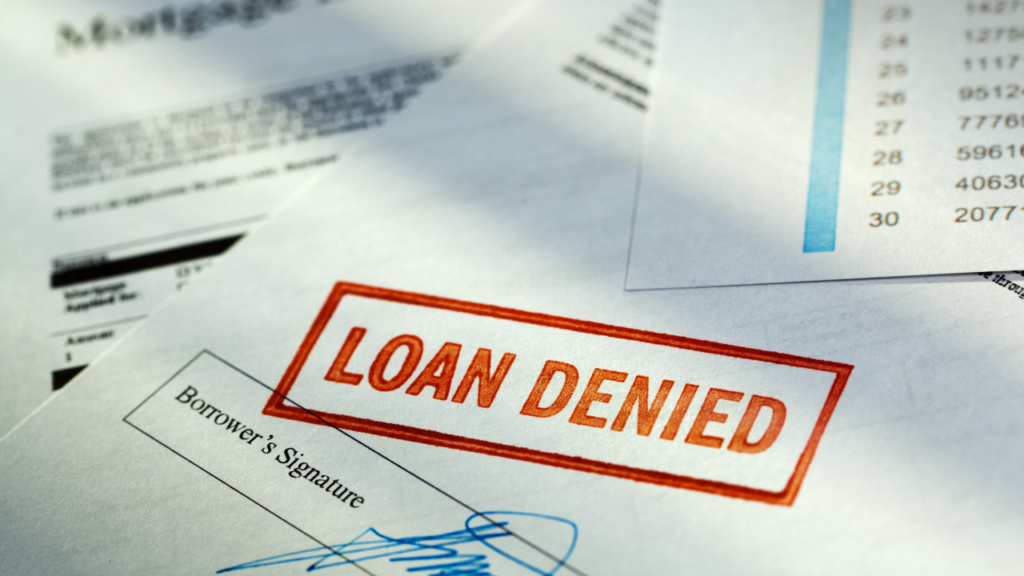
If you’re planning to buy a home in Minnesota, there’s a good chance this thought has crossed your mind: 👉 “What if my mortgage gets denied?” And honestly? That fear is VERY common. Because buying a home is a huge financial decision…And many buyers worry about:✔️ Doing something wrong✔️ Missing paperwork✔️ Credit problems✔️ Income issues✔️ Last-minute surprises Especially:✔️ First-time buyers✔️ Immigrant buyers✔️ Self-employed buyers✔️ Buyers with complicated finances A lot of people assume:👉 “If I get pre-approved, I’m guaranteed approval.” But honestly? That’s not always true. Mortgage approvals can still change during:✔️ Underwriting✔️ Document review✔️ Employment verification✔️ Final approval stages Which is why many buyers ask: 👉 “What actually causes mortgage denials?” This is one of the MOST important questions you can ask before buying a home. Because understanding potential problems EARLY may help you:✔️ Avoid delays✔️ Protect your approval✔️ Reduce stress✔️ Prepare strategically before applying You might be wondering: • Can bad credit cause denial?• What if my debt is too high?• Do job changes hurt approval?• Can large bank deposits create problems?• What happens during underwriting?• Can self-employed buyers get denied more easily?• What mistakes should buyers avoid before closing? These are excellent questions. The good news is: 👉 Many mortgage denials are preventable. But it’s important to:👉 Understand what lenders are actually looking for. 🏡 The Short Answer 👉 Mortgage loans may be denied for many reasons, including: ❌ High debt levels❌ Low credit scores❌ Unstable income❌ Employment issues❌ Missing documentation❌ Large unexplained deposits❌ Appraisal problems❌ Changes in finances during underwriting Mortgage lenders mainly want confidence that buyers can:✔️ Afford the home responsibly over the long term. 🏡 Why Mortgage Lenders Review Buyers So Carefully Mortgage lenders are approving:👉 Large long-term loans. Before approving financing, lenders want confidence that buyers can:✔️ Make payments consistently✔️ Maintain stable finances✔️ Handle long-term homeownership costs That’s why underwriting reviews:✔️ Income✔️ Credit✔️ Employment✔️ Savings✔️ Debt✔️ Financial patterns 🏡 Low Credit Scores Can Affect Approval Credit scores matter because lenders use them to evaluate:✔️ Financial reliability✔️ Payment history✔️ Debt management Lower scores may create concerns about:👉 Repayment risk. This doesn’t always mean:❌ Automatic denial But lower scores may:✔️ Reduce loan options✔️ Increase rates✔️ Require stronger compensating factors 🏡 High Debt-to-Income Ratio Is a Common Issue This is HUGE. Even buyers with:✔️ Strong incomeMay struggle if:👉 Debt obligations are too high. Lenders compare:✔️ Monthly debt paymentsAgainst:✔️ Monthly income This is called:👉 Debt-to-income ratio (DTI). High DTI ratios may suggest:✔️ Financial strainOR✔️ Limited affordability. 🏡 Employment Changes Can Create Problems Changing jobs during underwriting may:✔️ Delay approval✔️ Trigger additional review✔️ Create lender concerns Especially if:✔️ Income decreases✔️ Employment becomes unstable✔️ Buyers switch to commission or self-employment suddenly This doesn’t always mean denial… But it may complicate approval significantly. 🏡 Missing Documentation Causes Delays Too Mortgage underwriting requires:👉 Extensive paperwork. Missing documents may:✔️ Slow underwriting✔️ Delay approvals✔️ Create lender concerns Common issues include:❌ Missing bank statement pages ❌ Incomplete tax returns ❌ Unverified deposits ❌ Missing employment documents Organization matters tremendously. 🏡 Large Bank Deposits Can Raise Questions This surprises many buyers. If lenders notice:✔️ Large unexplained deposits They may ask:👉 Where the money came from. Why? Because lenders must verify:✔️ Funds are legitimate✔️ Debt obligations are disclosed✔️ Down payment sources are acceptable Documentation may be required for:✔️ Gifts✔️ Asset sales✔️ International transfers✔️ Cash deposits 🏡 Appraisal Problems Can Affect Approval This is another common issue. Mortgage lenders usually require:👉 Appraisals. If the property appraises:❌ Below purchase price That may affect:✔️ Loan amount✔️ Down payment requirements✔️ Financing approval Sometimes buyers and sellers must:✔️ RenegotiateOR✔️ Adjust terms. 🏡 Self-Employed Buyers Face Extra Scrutiny Self-employed buyers absolutely qualify for mortgages… But underwriting often becomes:👉 More detailed. Lenders may review:✔️ Tax returns✔️ Business income✔️ Profit and loss statements✔️ Business stability✔️ Cash flow patterns Why? Because self-employed income may:👉 Fluctuate more than salaried employment. Documentation becomes extremely important. 🏡 Credit Card Activity Before Closing Can Hurt Approval This is VERY common. Some buyers:✔️ Open new accounts✔️ Finance furniture✔️ Increase balances AFTER:👉 Pre-approval. But lenders often:✔️ Recheck credit before closing. New debt may:❌ Increase DTI❌ Lower scores❌ Affect approval This catches many buyers off guard. 🏡 Mortgage Fraud Concerns Are Taken Seriously Lenders carefully review:✔️ Financial inconsistencies✔️ Undisclosed debts✔️ False income claims✔️ Suspicious transactions Honesty and transparency matter tremendously during underwriting. 🏡 Immigrant Buyers Often Worry About Denial This is VERY common. Many immigrant buyers may have:✔️ Thin U.S. credit✔️ Foreign assets✔️ Recent employment history✔️ International financial transfers And honestly? That can initially feel:👉 Intimidating. But many immigrant buyers STILL successfully qualify when:✔️ Proper documentation is organized✔️ Finances remain stable✔️ Preparation happens early 🏡 Why Stable Finances Matter Throughout the Process Mortgage approval is NOT only about:✔️ Initial pre-approval. Lenders often continue reviewing:✔️ Financial behaviorThroughout:👉 Underwriting and closing. Large changes may create:✔️ Additional review✔️ Delays✔️ Approval complications That’s why stability matters all the way until:👉 Closing day. 🏡 Common Buyer Mistakes That Can Cause Problems ❌ Changing jobs during underwriting ❌ Financing furniture or cars ❌ Missing payments ❌ Increasing credit card balances ❌ Making unexplained deposits ❌ Applying for new credit ❌ Failing to provide documents quickly These mistakes may:👉 Complicate approval significantly. 🏡 What Mortgage Lenders REALLY Want to See Lenders generally prefer:✔️ Stable income✔️ Consistent employment✔️ Responsible credit usage✔️ Manageable debt levels✔️ Organized financial records✔️ Predictable financial behavior The goal is:👉 Demonstrating long-term financial stability. 🏡 What Smart Buyers Usually Do Successful buyers often:✔️ Keep finances stable✔️ Avoid new debt before closing✔️ Organize documents early✔️ Monitor their credit carefully✔️ Respond quickly to lender requests✔️ Speak with lenders BEFORE major financial changes Because strong mortgage approvals usually come from:👉 Stability and preparation. 🏡 Real Situation I See Often Someone gets:✔️ Pre-approvedAnd feels:👉 “Everything is done.” Then they:✔️ Finance furniture✔️ Open store credit cards✔️ Increase debt Suddenly:👉 Underwriting becomes more complicated. Meanwhile buyers who maintain:✔️ Stable financesOften experience:👉 Much smoother closings. 🏡 Why Timing Matters Before Applying Some buyers apply:👉 Before finances stabilize. Waiting until:✔️ Debt improves✔️ Income stabilizes✔️ Credit strengthens✔️ Documentation becomes organized May create:👉 Better mortgage opportunities