
What Neighborhoods Are Best for Newcomers Moving to Minnesota?
Moving to a new country is exciting. It’s also overwhelming. When immigrant families decide to buy a home in Minnesota, one of the biggest questions isn’t about mortgage rates or down payments. It’s about location. More specifically: “Where should we live?” As a Minnesota real estate agent, I’ve worked with immigrant families from many different countries and backgrounds. While every family is unique, most newcomers share similar concerns. They want a neighborhood that feels welcoming. They want access to jobs. They want safe communities. They want good schools. They want convenience. And they want confidence that they’re making the right decision for their future. The challenge is that Minnesota has hundreds of neighborhoods and dozens of cities throughout the Twin Cities metro area alone. There isn’t one perfect neighborhood for every newcomer. The best neighborhood depends on your lifestyle, budget, family size, employment situation, and long-term goals. However, there are certain communities that consistently attract newcomers because they offer a strong combination of affordability, opportunity, diversity, and quality of life. Let’s explore what makes a neighborhood newcomer-friendly and which Minnesota communities many immigrant buyers choose when starting their homeownership journey. What Makes a Neighborhood Good for Newcomers? Before looking at specific locations, it’s important to understand what many immigrant families prioritize. The most common factors include: A neighborhood doesn’t need to excel in every category. But the best newcomer communities usually perform well across several of these areas. Diversity Often Matters One thing I hear frequently from immigrant buyers is: “We’d like to be somewhere where we don’t feel completely alone.” That’s understandable. Moving to a new country often involves adjusting to: Communities with diverse populations can sometimes make this transition easier. They may offer: Many newcomers appreciate having access to familiar resources while adapting to life in Minnesota. Brooklyn Park Brooklyn Park is one of the communities many immigrant families consider. Why? Because it offers a combination of: Brooklyn Park has become home to residents from many different backgrounds. Buyers often appreciate the range of housing options available at various price points. For families seeking affordability combined with accessibility, Brooklyn Park frequently appears on the shortlist. Brooklyn Center Brooklyn Center is another community that often attracts first-time and immigrant homebuyers. Advantages include: Many buyers appreciate being close to employment centers while maintaining reasonable housing costs. Fridley Fridley offers an appealing balance between suburban living and urban accessibility. Benefits include: For buyers who want proximity to both Minneapolis and suburban amenities, Fridley can be worth exploring. Columbia Heights Columbia Heights remains popular among buyers seeking affordability close to Minneapolis. The community offers: Many newcomers appreciate the ability to remain close to urban employment opportunities while pursuing homeownership. Richfield Richfield often appeals to buyers who want central access to the Twin Cities. The location provides: For families who travel frequently or commute throughout the metro area, Richfield offers significant convenience. Maple Grove For buyers with larger budgets, Maple Grove frequently becomes a strong contender. Reasons include: Many families appreciate the combination of suburban living and modern development. Maple Grove continues to attract newcomers from across the country and around the world. Woodbury Woodbury has experienced tremendous growth over the years. Today it remains one of the most popular suburban communities in Minnesota. Buyers often appreciate: Woodbury offers options ranging from starter homes to luxury properties. Lakeville Lakeville consistently attracts growing families. Reasons include: Many immigrant buyers looking for long-term family homes find Lakeville appealing. Blaine Blaine has become one of the fastest-growing communities in the Twin Cities. Benefits include: For buyers seeking growth and opportunity, Blaine frequently deserves consideration. Cottage Grove Cottage Grove continues attracting buyers looking for value and newer housing opportunities. Many families appreciate: It’s often a strong option for buyers seeking a balance between budget and growth potential. Consider Your Workplace One mistake newcomers sometimes make is focusing exclusively on the house. The commute matters too. A beautiful home can become frustrating if you’re spending hours commuting every week. Before choosing a neighborhood, consider: Where do I work? How often do I commute? Do I work remotely? Might my employment location change? The answers should influence your neighborhood search. School Considerations Even buyers without children should understand how schools affect neighborhoods. School district reputation often influences: Families with children should carefully evaluate educational options. But even buyers without school-aged children may benefit from understanding how schools impact housing markets. Transportation and Accessibility Transportation needs vary. Some newcomers prioritize: Others focus more heavily on: There is no universal right answer. The best neighborhood supports your specific lifestyle. Don’t Focus Only on Today’s Needs One of the most important pieces of advice I give immigrant buyers is this: Think beyond today. Ask yourself: Will my family grow? Could my income increase? Might I change jobs? Will I need more space later? Buying a home is often a long-term decision. Choosing a neighborhood that supports future goals can be just as important as meeting current needs. Visit Communities in Person Online research is helpful. But it has limits. I strongly encourage buyers to: The feeling of a neighborhood is difficult to understand from photographs alone. Many buyers change their opinions after visiting communities in person. Common Mistakes Newcomers Make Following Someone Else’s Advice Without Research What works for one family may not work for another. Choosing Based Only on Price Affordability matters, but lifestyle matters too. Ignoring Commute Times Transportation affects daily quality of life. Overlooking Future Needs Think long-term. Limiting Neighborhood Options Too Early Some of the best opportunities exist in communities buyers initially overlook. FAQ What is the best city in Minnesota for immigrants? There isn’t one best city. Communities such as Brooklyn Park, Maple Grove, Woodbury, Lakeville, Blaine, Richfield, and Fridley are frequently considered by immigrant buyers. Where do many immigrant families buy homes? Many purchase homes in diverse suburban communities offering affordability, accessibility, and family-friendly environments. Are suburbs better than Minneapolis for newcomers? Not necessarily. The right choice depends on lifestyle, work location, budget, and personal
How Do I Choose Between Living in the City or the Suburbs in Minnesota?
One of the most important decisions immigrant homebuyers make isn’t just what house to buy. It’s where to buy it. As a Minnesota real estate agent, I’ve worked with many immigrant families who begin their home search focused on bedrooms, bathrooms, and price. But after viewing a few homes, the conversation often changes. Instead of asking: “How many bedrooms does this house have?” they begin asking: “Should we live in Minneapolis or a suburb?” “Would the suburbs be better for our family?” “Will I regret moving too far from the city?” These are excellent questions because your location affects your daily life just as much as the home itself. The truth is that neither city living nor suburban living is automatically better. Each offers advantages and trade-offs. The best choice depends on your lifestyle, family needs, work situation, budget, and long-term goals. Let’s explore how immigrant homebuyers can make the right decision. Why This Decision Matters So Much A house can be changed. You can remodel a kitchen. Finish a basement. Paint walls. Upgrade flooring. But changing location is much harder. That’s why choosing the right community is one of the most important parts of the homebuying process. Your location affects: Many buyers spend more time comparing homes than comparing locations. Often, the opposite approach is more beneficial. What Do We Mean by “City Living”? In Minnesota, city living often refers to areas such as: These locations tend to offer: Homes may include: City living appeals to many different buyer groups. Benefits of Living in the City There are several reasons immigrant buyers choose urban areas. Shorter Commutes For buyers working downtown or near major employment centers, city living may significantly reduce travel time. Less time commuting often means: For many professionals, this convenience is extremely valuable. More Public Transportation Options Minnesota’s public transportation system is strongest in urban areas. Residents often have easier access to: This can reduce dependence on personal vehicles. For newcomers adjusting to life in Minnesota, having transportation options can be beneficial. Cultural Diversity Many immigrant families appreciate living in communities with diverse populations. Certain Minneapolis and St. Paul neighborhoods offer: For families seeking familiar cultural connections, urban areas can provide important resources. Greater Walkability Many city neighborhoods offer convenient access to: Some residents enjoy being able to complete daily activities without driving long distances. Challenges of City Living Urban living isn’t perfect for everyone. There are trade-offs. Higher Housing Costs in Some Areas Popular neighborhoods may command premium prices. Smaller Lots Many urban homes sit on smaller parcels of land. Limited Parking Parking may be more challenging in some locations. Increased Activity Some buyers prefer quieter environments. The right fit depends on personal preference. What Do We Mean by “Suburban Living”? Suburban living typically refers to communities surrounding Minneapolis and St. Paul. Examples include: Suburbs often provide a different lifestyle experience. Benefits of Living in the Suburbs Many immigrant families ultimately choose suburban communities. Here’s why. More Space One of the biggest advantages is space. Suburban homes often offer: For growing families, this can be very attractive. Newer Housing Options Many newer developments are located in suburban communities. Buyers may find: For families wanting newer homes, suburbs often provide more choices. Family-Oriented Communities Many suburbs emphasize: Families frequently appreciate these amenities. Less Congestion While every community is different, suburban areas often provide: Some buyers value this slower pace of life. Challenges of Suburban Living Suburban living also comes with trade-offs. Longer Commutes Depending on your workplace, commuting may take more time. Greater Dependence on Vehicles Many suburban residents drive frequently. Fewer Public Transportation Options Transit access is often more limited compared to urban areas. Distance From Urban Amenities Restaurants, entertainment, and cultural attractions may require more travel. Again, these factors affect buyers differently. What About Schools? For families with children, schools often influence the decision. Many suburban districts are highly regarded. However, Minnesota also has excellent urban schools, charter schools, and specialty programs. Rather than assuming one option is superior, evaluate schools based on your family’s specific needs. How Budget Affects the Decision Budget often plays a major role. In some situations: A suburban home may provide: for the same price as a smaller urban property. In other situations, city neighborhoods may provide better affordability. Market conditions constantly change. This is why buyers should compare actual options rather than relying on assumptions. Think About Your Daily Routine One of the best exercises is imagining your typical week. Ask yourself: Where do I work? How often do I commute? Where do my children attend school? How important is dining and entertainment? How often do I travel? The answers often reveal which environment may be a better fit. Consider Future Plans Don’t focus only on today’s needs. Think about: Family growth Career changes Future relocations Lifestyle goals A location that works today should ideally support your future plans as well. Minnesota Offers Both Options One reason many people love Minnesota is that you don’t have to choose one extreme or the other. Many communities offer a blend of urban and suburban characteristics. Examples include: Richfield St. Louis Park Hopkins Golden Valley Eagan These communities often provide: while maintaining suburban advantages. Questions Immigrant Buyers Should Ask Before choosing city or suburban living, ask: What lifestyle do I want? How important is commute time? Do I want a larger home or greater convenience? How important is cultural access? What environment will make my family happiest? Your answers often point toward the right decision. Common Mistakes Immigrant Buyers Make Following Friends’ Preferences What works for someone else may not work for you. Focusing Only on Home Size Lifestyle matters too. Ignoring Commute Times Transportation affects daily life. Not Visiting Communities Experience neighborhoods firsthand. Thinking Only About Today Consider your long-term plans. FAQ Is Minneapolis better than the suburbs? Neither is universally better. The right choice depends on your lifestyle and goals. Are suburbs cheaper? Sometimes. It depends on the community and housing market. Which option is better for families?
What Areas in Minnesota Fit My Budget Best as an Immigrant Homebuyer?
One of the first questions many immigrant homebuyers ask isn’t about mortgage rates, inspections, or down payments. It’s much simpler: “Where can I actually afford to buy a home?” As a Minnesota real estate agent, I’ve worked with immigrant families from all over the world. Some arrive with substantial savings. Others are buying their very first home after years of renting and carefully building their finances. Regardless of their situation, almost everyone wants the same thing: A safe community. A home that fits their budget. Good long-term value. And a place where they can build a future. The challenge is that Minnesota offers hundreds of communities, neighborhoods, and housing markets. Prices vary significantly from one area to another. A home that costs $350,000 in one city may cost $500,000 or more in another. That’s why understanding which areas align with your budget is one of the most important steps in your home search. Let’s explore how immigrant homebuyers can evaluate Minnesota communities and find areas that make financial sense. Start With Your Monthly Budget, Not the Home Price One mistake many buyers make is focusing entirely on home prices. Instead, I encourage buyers to start with monthly affordability. Ask yourself: Remember that your housing payment may include: A home’s price matters, but your monthly payment matters even more. Minnesota Has Housing Options Across Many Price Ranges One reason Minnesota remains attractive to many immigrant families is the diversity of housing opportunities. Whether your budget is: there are communities that may fit your needs. The key is identifying where your budget aligns with current market realities. Budget-Friendly Areas Often Offer Excellent Value Many buyers assume affordable communities are undesirable. That’s simply not true. Some of Minnesota’s most affordable areas offer: Affordability and quality can absolutely exist together. Areas Often Considered Budget-Friendly While inventory and pricing constantly change, communities that frequently attract budget-conscious buyers include: Brooklyn Center Offers relatively affordable housing compared to many neighboring suburbs. Brooklyn Park A large community with diverse housing options and price points. Crystal Provides access to the metro area with homes often priced below some western suburbs. Columbia Heights Popular among first-time buyers seeking affordability near Minneapolis. Fridley Offers a mix of housing styles and relatively accessible pricing. New Hope Often provides strong value for buyers seeking suburban living. These communities frequently attract first-time and immigrant buyers. Communities for Buyers With Mid-Range Budgets As budgets increase, additional options become available. Many immigrant buyers find themselves searching within the: $350,000 to $500,000 range. Communities often considered include: Lakeville Offers growing neighborhoods and strong housing inventory. Rosemount Popular among families seeking newer developments. Cottage Grove Continues attracting buyers looking for value and growth. Woodbury Offers extensive amenities and strong community appeal. Blaine Known for growth, recreation, and housing variety. Otsego Increasingly popular among buyers seeking newer homes. These areas often provide strong balance between affordability and amenities. Buyers Seeking New Construction Have Different Opportunities Many immigrant families are interested in new construction. New construction communities often exist farther from urban cores where land remains available. Popular new construction markets frequently include: These communities may offer newer homes at prices that would be difficult to find closer to downtown Minneapolis. Luxury Markets Require Different Expectations Some immigrant buyers arrive with larger budgets. Communities frequently associated with higher-end housing include: Edina Wayzata Minnetonka Orono Deephaven North Oaks Eden Prairie These communities often offer: They attract buyers prioritizing luxury, prestige, and amenities. Consider Commute Costs Alongside Home Prices Here’s something many buyers overlook. A cheaper home isn’t always cheaper overall. For example: A home may cost less in a distant suburb. But if you spend: the savings may be reduced. When evaluating affordability, consider: Commute distance Transportation costs Time spent traveling Sometimes paying slightly more for a home closer to work improves overall quality of life. School Districts Can Influence Pricing Even buyers without children should understand this. School district demand often affects housing prices. Communities with highly sought-after schools may experience: That doesn’t mean every buyer should prioritize those areas. But it’s important to understand why pricing may differ from one city to another. Property Taxes Matter Too Minnesota property taxes vary significantly by location. Two similarly priced homes may have very different tax obligations. This affects monthly affordability. Before choosing a community, evaluate: Looking at all three provides a more complete financial picture. Immigrant Buyers Should Think Beyond Today’s Budget One thing I often discuss with clients is future flexibility. It’s important to ask: Will my income increase over time? Is this a starter home or long-term home? Will my family grow? Might I relocate later? The goal isn’t simply finding a home you can afford today. The goal is finding a home that supports your future plans. Growing Communities Can Offer Strong Opportunities Many immigrant buyers are interested in long-term value. Growing communities often attract attention because of: Examples frequently include: While future appreciation can never be guaranteed, growth often attracts buyer interest. Don’t Judge a Community Based on Reputation Alone This is important. Many buyers hear opinions from friends, relatives, or social media. Sometimes those opinions are outdated. Communities change. Neighborhoods evolve. New developments emerge. The best approach is to: Your experience may differ significantly from what others tell you. Questions Immigrant Buyers Should Ask Before choosing an area, ask yourself: What monthly payment feels comfortable? How important is commute time? Do I want a newer home or an established neighborhood? Is school quality important to me? Am I prioritizing affordability or amenities? These answers help narrow your search. Common Mistakes Immigrant Buyers Make Focusing Only on Home Prices Monthly costs matter more. Ignoring Property Taxes Taxes affect affordability. Following Other People’s Preferences Choose a community that fits your goals. Overlooking Future Growth Think long-term. Limiting Searches Too Early Many buyers discover great opportunities in areas they initially dismissed. FAQ What is the most affordable area in Minnesota? Affordability varies over time, but communities like Brooklyn Center, Fridley, Columbia Heights, Crystal, and New Hope often attract
What Is It Like Living Near Public Transportation in Minnesota?

When most people start looking for a home, they focus on the property itself. The number of bedrooms. The kitchen layout. The yard. The school district. But after helping buyers throughout Minnesota for years, I’ve learned that one of the most overlooked factors in homeownership is transportation. Specifically: How easy is it to get where you need to go? For some buyers, public transportation isn’t something they think about initially. For others, it’s a major priority. Whether you’re commuting to work, attending college, reducing transportation costs, avoiding heavy traffic, or simply wanting more flexibility, living near public transportation can have a significant impact on your daily life. As a Minnesota real estate agent, I’ve worked with first-time homebuyers, relocating professionals, retirees, students, and families who specifically wanted homes near transit options. And even buyers who don’t use public transportation every day often appreciate having it available. So what is it really like living near public transportation in Minnesota? Let’s take a closer look. Minnesota’s Public Transportation System May Surprise You Many people relocating from other states assume public transportation is limited in Minnesota. While Minnesota isn’t New York or Chicago, the Twin Cities metro area has a much more developed transit system than many newcomers expect. Residents have access to: Depending on where you live, public transportation can be a practical option for work, school, entertainment, and daily errands. Why Buyers Consider Public Transportation The reasons vary. Some buyers use public transit every day. Others simply want options. Common reasons people prioritize transportation access include: Many buyers appreciate having transportation choices rather than relying entirely on a personal vehicle. Public Transportation Creates Flexibility One of the biggest benefits of living near transit is flexibility. Imagine: Your car is in the shop. Weather conditions are poor. Downtown parking is expensive. Traffic is particularly heavy. Public transportation provides an alternative. Even if you only use it occasionally, having the option can make life easier. Many homeowners appreciate knowing they have another way to get around when needed. Commuting Can Become Less Stressful Let’s be honest. Driving in rush-hour traffic isn’t most people’s favorite activity. For some commuters, public transportation offers an opportunity to: instead of focusing on traffic. Many riders enjoy being able to use their commuting time more productively. Depending on your work location and schedule, this can be a significant lifestyle benefit. The METRO Light Rail System The Twin Cities light rail network is one of Minnesota’s most recognizable transit features. Current lines connect areas including: For residents living near light rail stations, transportation becomes especially convenient. Many people enjoy being able to attend events, travel to work, or reach the airport without driving. Bus Rapid Transit Continues to Expand Minnesota has invested heavily in Bus Rapid Transit (BRT) systems. These routes provide: As transit infrastructure continues to grow, many communities are becoming increasingly connected. This can create additional convenience for residents. Living Near Transit Can Reduce Transportation Costs Transportation is one of the largest expenses many households face. Costs often include: While most Minnesota residents still own vehicles, access to public transportation may help reduce some transportation-related expenses. For households with multiple commuters, transit can provide valuable flexibility. Popular Minnesota Communities With Strong Transit Access Several communities offer excellent access to public transportation. Examples include: Minneapolis Provides extensive bus and light rail connections. St. Paul Offers strong regional transit access. Bloomington Benefits from light rail access and major transportation hubs. Richfield Conveniently located near multiple transit routes. Eagan Offers commuter options and regional connectivity. Brooklyn Center Provides access to growing transit infrastructure. Hopkins Known for transportation access and future transit development. Each community offers different transportation advantages depending on individual needs. Airport Access Becomes Easier One often-overlooked benefit of living near transit is airport convenience. Minneapolis-St. Paul International Airport is one of the busiest airports in the Midwest. For residents with access to transit connections, airport travel can become significantly easier. Many travelers appreciate avoiding: This can be especially valuable for frequent travelers. Public Transportation Supports Different Stages of Life One reason transit access appeals to a wide range of buyers is that needs change over time. Young Professionals Often appreciate commuting options. College Students May rely heavily on public transportation. Families Value flexibility and future transportation options. Empty Nesters Often appreciate convenience and reduced driving. Retirees May enjoy maintaining mobility without relying exclusively on a vehicle. Because transportation needs evolve, access can remain valuable throughout different life stages. Winter Travel Advantages Minnesota winters can make driving challenging. Snowstorms. Ice. Heavy traffic. Reduced visibility. During these conditions, many residents appreciate having public transportation options available. Professional transit operations often continue running during weather events that make driving more stressful. While transit isn’t immune to weather disruptions, many riders find it provides an additional layer of convenience during winter months. Public Transportation and Lifestyle Convenience Transportation access affects more than work commutes. It can also improve access to: Many residents enjoy attending downtown events without worrying about parking. That convenience often becomes one of the most appreciated aspects of transit-oriented living. Transit-Oriented Neighborhoods Often Feel More Connected Communities with strong transportation access frequently develop walkable environments. Residents may have easier access to: This creates a lifestyle that many buyers find appealing. Instead of driving everywhere, some daily activities become more accessible. Public Transportation Can Influence Buyer Demand Many homebuyers actively search for: As a result, homes near transportation hubs often attract interest from multiple buyer groups. While every market is different, transportation convenience remains an important consideration for many purchasers. Potential Considerations Like every location choice, living near public transportation comes with trade-offs. Increased Activity Transit stations often attract higher pedestrian traffic. Noise Some locations may experience transit-related noise. Parking Demand Popular transit areas can attract additional vehicles. Busier Neighborhoods Transit-oriented communities may feel more active. These factors vary greatly depending on the specific location. Questions Buyers Should Ask When evaluating public transportation access, consider: How often do I commute? Would transit save me time? Do I travel frequently?
What Is It Like Living Near Major Highways in Minnesota?
When people begin searching for a home, they usually focus on the house itself. The number of bedrooms. The kitchen. The yard. The neighborhood. But as buyers get deeper into the process, another factor often becomes incredibly important: The commute. As a Minnesota real estate agent, I’ve worked with many buyers who initially ruled out certain areas based on distance alone. Then we looked at travel times, highway access, and daily commuting patterns, and suddenly their perspective changed. Why? Because in Minnesota, where you live isn’t just about miles. It’s about accessibility. A home that’s farther away but located near a major highway can sometimes feel much more convenient than a closer home with limited transportation access. That’s why many buyers specifically ask: “What is it like living near major highways in Minnesota?” The answer depends on your lifestyle, work schedule, and priorities. For many homeowners, proximity to major highways creates tremendous convenience. For others, there may be trade-offs worth considering. Let’s explore what living near major highways is really like and why it plays such an important role in many Minnesota home searches. Why Highway Access Matters More Than Distance One of the biggest misconceptions buyers have is assuming distance equals commute time. It doesn’t. A home located 20 miles from work with excellent highway access may provide a faster commute than a home located 10 miles away with frequent traffic lights and local roads. That’s why experienced Minnesota buyers often focus on: instead of simply looking at mileage. Accessibility often matters more than proximity. Minnesota’s Major Highway Network The Twin Cities metro area is connected by an extensive highway system. Major routes include: These corridors connect many of Minnesota’s most popular communities. For homeowners, easy access often means greater flexibility and convenience. Daily Commuting Becomes Easier One of the most obvious benefits of living near major highways is commuting efficiency. Whether you’re traveling to: highway access often reduces travel complexity. Instead of navigating numerous local streets, many commuters can reach their destination more directly. This can save valuable time throughout the week. Flexibility Matters Even for people who don’t commute every day, highway access provides flexibility. Think about all the places you regularly travel: Easy highway access often makes all of those trips simpler. Many homeowners appreciate having multiple routes available depending on traffic conditions. Access to the Entire Metro Area One overlooked benefit of living near major highways is regional accessibility. Minnesota’s metro area offers tremendous variety. You may live in one community but frequently visit others. For example: A resident of Lakeville may regularly travel to: A homeowner in Maple Grove may frequently visit: Highway access allows homeowners to enjoy opportunities throughout the region. Airport Travel Becomes More Convenient Many Minnesota residents travel regularly for: Living near major highways often means easier access to Minneapolis-St. Paul International Airport (MSP). This can significantly reduce travel stress. For frequent travelers, highway accessibility may become one of the most appreciated aspects of a neighborhood. Popular Minnesota Communities With Strong Highway Access Several communities consistently attract buyers because of their transportation convenience. Examples include: Maple Grove Provides excellent access to I-94, Highway 610, and Highway 169. Plymouth Offers convenient access to major west metro corridors. Woodbury Benefits from access to I-94 and connections throughout the east metro. Eagan Provides access to multiple highways and the airport. Lakeville Offers strong connections through I-35. Blaine Provides convenient access to northern metro routes. Bloomington Offers exceptional regional accessibility. Each community provides different lifestyle benefits while maintaining strong transportation connections. Highway Access Can Expand Home Options Many buyers initially limit themselves to a small geographic area. Then they realize that excellent highway access can dramatically expand their choices. A community that initially seemed too far away may actually offer: This often opens up opportunities buyers hadn’t considered. Convenience During Minnesota Winters Minnesota winters make transportation especially important. Snow, ice, and reduced daylight can make commuting more challenging. Many homeowners appreciate living near major roads that are often prioritized for snow removal. This can make winter travel more predictable. While weather affects everyone, strong transportation infrastructure can make daily life easier during winter months. Access to Employment Centers Many major employment hubs in Minnesota are located near highways. Examples include areas around: Living near transportation corridors often improves access to these employment centers. This can be particularly valuable for households where family members work in different parts of the metro area. Highway Access Supports Active Lifestyles Transportation convenience doesn’t only affect work. It also impacts recreation. Easy highway access can make it simpler to enjoy: Many homeowners enjoy having the freedom to explore different parts of Minnesota without lengthy travel times. Different Buyers Value Highway Access Differently Not every buyer prioritizes highways equally. Professionals Often focus heavily on commuting efficiency. Families May value easier transportation to activities and events. Relocating Buyers Often appreciate regional accessibility while learning a new area. Retirees May prioritize convenience for appointments, travel, and family visits. Remote Workers May care less about daily commuting but still appreciate accessibility. The importance depends on lifestyle. Potential Considerations Like any location feature, living near major highways comes with trade-offs. Traffic Popular corridors can become busy during peak hours. Noise Homes immediately adjacent to highways may experience more traffic noise. Activity Levels Major transportation routes naturally generate movement. Air Quality Concerns Some buyers prefer greater distance from high-traffic corridors. These considerations vary significantly depending on the exact location. Many neighborhoods enjoy convenient access without being directly adjacent to highways. Finding the Right Balance One of the most important considerations is balance. Many buyers want: Easy access without Being directly next to the highway. Fortunately, many Minnesota communities offer exactly that. Homes located a few minutes away often provide transportation convenience while maintaining a quieter residential atmosphere. Questions Buyers Should Ask When evaluating highway access, consider: How often do I commute? What destinations do I visit regularly? How important is travel convenience? Would easier airport access improve my lifestyle? Am I comfortable with busier areas?
What Is It Like Living Near Downtown Entertainment in Minnesota?

When people think about buying a home, they usually start with the house itself. The layout. The bedrooms. The kitchen. The garage. But once buyers begin narrowing down neighborhoods, a different question often emerges: “What is there to do nearby?” As a Minnesota real estate agent, I’ve noticed that more buyers today are prioritizing lifestyle alongside the home itself. They’re not just asking: “How many square feet is the house?” They’re asking: “What will life feel like if I live here?” For many people, one of the most attractive lifestyle amenities is proximity to downtown entertainment districts. Whether it’s downtown Minneapolis, downtown St. Paul, Stillwater, Excelsior, Wayzata, White Bear Lake, or one of Minnesota’s growing suburban downtowns, these areas offer experiences that go beyond homeownership. They offer connection. Convenience. Activity. Culture. And for many homeowners, they create a lifestyle that’s difficult to replicate elsewhere. So what is it really like living near downtown entertainment in Minnesota? Let’s explore the benefits, considerations, and everyday experiences that come with it. What Does “Downtown Entertainment” Mean? When people hear the word “downtown,” they often picture skyscrapers and office buildings. In Minnesota, downtown entertainment can mean many different things. Depending on the community, it may include: Some downtown districts are large and energetic. Others are small, charming, and community-focused. The common theme is that they serve as gathering places where people spend time, connect, and enjoy local experiences. Life Feels More Walkable One of the biggest advantages of living near downtown entertainment is walkability. Many homeowners enjoy being able to: without needing to drive. For many people, that convenience significantly improves quality of life. Instead of planning an outing around traffic and parking, activities become much more spontaneous. A quick evening stroll can turn into dinner, a concert, or a community event. That’s part of what makes downtown living so appealing. There’s Always Something Happening One thing homeowners often love about downtown-oriented communities is the sense of activity. There’s usually something going on. Depending on the season, that might include: For people who enjoy being around energy and activity, downtown entertainment districts provide a lifestyle that feels vibrant and engaging. Minnesota’s Downtown Areas Have Unique Personalities One thing that makes Minnesota special is that each downtown area feels different. Downtown Minneapolis Offers professional sports, concerts, theaters, restaurants, and nightlife. Downtown St. Paul Combines historic charm with entertainment, dining, and cultural attractions. Stillwater Known for riverfront views, shopping, dining, and a charming small-town atmosphere. Excelsior Offers lakefront entertainment, restaurants, and community events. Wayzata Combines upscale dining with beautiful Lake Minnetonka views. White Bear Lake Provides a walkable downtown with local businesses and community charm. Because each area has its own personality, buyers can choose the atmosphere that fits their lifestyle. Dining Becomes Part of Everyday Life Many people underestimate how much they enjoy having restaurants nearby. When dining options are close: Instead of driving across town, many residents simply walk or take a short drive. For food lovers, this can be one of the most enjoyable aspects of living near downtown districts. Entertainment Without Long Drives One of the biggest benefits of downtown proximity is convenience. Imagine wanting to: and being only minutes away. Many homeowners appreciate spending more time enjoying events and less time traveling to them. Convenience often increases participation. When entertainment is nearby, people tend to enjoy it more often. Downtown Living Supports Local Businesses Many residents enjoy supporting local businesses. Downtown districts often feature: Living nearby makes it easier to support these businesses regularly. Many homeowners develop favorite spots and become familiar faces in the community. That sense of connection is something many people value. Community Events Become Easier to Enjoy Minnesota communities are known for hosting events throughout the year. Living near downtown entertainment often means easy access to: Summer Festivals Holiday Celebrations Farmers Markets Outdoor Concerts Food Events Community Gatherings Rather than treating these events as occasional outings, they become part of everyday life. Many residents appreciate having these experiences close to home. Downtown Areas Appeal to Multiple Buyer Types A common misconception is that downtown-oriented living is only for younger buyers. In reality, many different groups appreciate these locations. Young Professionals Often value entertainment and nightlife. Empty Nesters Frequently enjoy walkability and convenience. Retirees May appreciate reduced driving and nearby activities. Relocating Buyers Often enjoy having opportunities to explore their new community. Couples Without Children Often prioritize lifestyle and entertainment access. The appeal extends across many stages of life. Living Near Entertainment Can Improve Social Opportunities One thing homeowners often discover is that proximity encourages connection. When activities are nearby, people tend to: This can be especially valuable for individuals relocating to Minnesota who want to become part of their community. Minnesota Winters Feel Different When Amenities Are Nearby Winter changes how people think about convenience. During January, a short walk or quick drive to: feels far more appealing than traveling across the metro. Many homeowners find that nearby amenities become even more valuable during colder months. Downtown Proximity Can Support Long-Term Appeal Many buyers actively search for homes near: Because these amenities are difficult to create, they often remain attractive over time. Again, every market is different, but lifestyle-oriented locations tend to maintain broad buyer appeal. Potential Considerations Like any lifestyle choice, living near downtown entertainment comes with trade-offs. Examples may include: Increased Traffic Popular areas attract visitors. Parking Challenges Busy events may affect parking availability. Noise Activity levels may be higher than quieter suburban neighborhoods. Higher Demand Desirable locations often attract strong buyer interest. For many homeowners, the benefits outweigh these considerations. Questions Buyers Should Ask When considering homes near downtown entertainment, ask: How often do I enjoy dining out? Do I value walkability? How important is entertainment access? Would nearby events improve my lifestyle? Do I prefer activity or quieter surroundings? The answers can help determine whether this type of location is a good fit. Common Mistakes Buyers Make Focusing Only on the Home Lifestyle matters too. Not Exploring the Downtown Area Spend time
What Is It Like Living Near Schools and Parks in Minnesota?

When people start looking for a home, they often focus on the property itself. The number of bedrooms. The size of the kitchen. The garage. The basement. The backyard. But after helping buyers throughout Minnesota for years, I’ve learned that many homeowners eventually realize something important: The neighborhood often has just as much impact on daily happiness as the house itself. One of the most desirable combinations many buyers look for is living near schools and parks. And contrary to popular belief, this isn’t only important for families with children. I’ve worked with first-time buyers, retirees, empty nesters, relocating professionals, and growing families who all wanted homes near schools and parks for different reasons. Why? Because these amenities often create convenience, community, recreation, walkability, and long-term neighborhood appeal. As a Minnesota real estate agent, I’ve found that buyers frequently underestimate how much they will use nearby parks and appreciate the overall atmosphere that school-centered communities often provide. So what is it really like living near schools and parks in Minnesota? Let’s take a closer look. Schools and Parks Often Shape the Character of a Community When you visit many Minnesota neighborhoods, you’ll quickly notice that schools and parks often serve as community anchors. They become places where residents gather, children play, neighbors meet, and community events take place. In many communities, schools and parks aren’t separate amenities. They’re part of the neighborhood’s identity. You’ll often find: all centered around these areas. This creates an environment that feels active, welcoming, and connected. Parks Become Extensions of Your Backyard One of the biggest advantages of living near a park is having access to additional outdoor space. Even homeowners with large yards often find themselves using nearby parks regularly. Why? Because parks offer things most private yards don’t. Examples include: Many residents describe local parks as an extension of their property. Instead of feeling limited to their own yard, they gain access to acres of recreational space nearby. Families Often Prioritize Schools and Parks Together For families with children, schools and parks frequently go hand in hand. Many parents appreciate the convenience of having: The result is often less driving and more opportunities for children to stay active and engaged. Parents frequently tell me that one of their favorite parts of living near parks is being able to decide on a spontaneous family outing without needing extensive planning. Even Buyers Without Children Appreciate These Areas A common misconception is that only parents care about schools and parks. In reality, many buyers without children actively seek these neighborhoods. Why? Because schools and parks often contribute to: Many homeowners simply enjoy being surrounded by active, attractive neighborhoods. The presence of parks and recreational areas often enhances overall quality of life. Minnesota Parks Are Exceptional One thing that surprises many people relocating to Minnesota is the quality of local parks. Minnesota communities invest heavily in parks and recreation. Throughout the state you’ll find: Many communities have extensive park systems that connect neighborhoods through walking and biking trails. This creates opportunities for recreation without requiring long drives. Living Near Parks Encourages Outdoor Activity One of the most consistent benefits homeowners mention is increased outdoor activity. When parks are nearby, people are more likely to: Convenience matters. A trail or playground five minutes away gets used far more often than one located across town. Many residents find themselves becoming more active simply because outdoor opportunities are easily accessible. Schools Often Create Stronger Community Connections Schools naturally bring people together. Even residents without children often benefit from the sense of community that schools create. School-centered neighborhoods frequently host: These activities contribute to a stronger neighborhood atmosphere. Many homeowners appreciate living in areas where people know their neighbors and community engagement remains strong. Minnesota Winters Make Nearby Amenities Even More Valuable Minnesota weather influences how people think about location. During the summer, a ten-minute drive to a park may seem insignificant. In January, it feels very different. Having parks, schools, and recreation opportunities nearby becomes especially valuable during: Convenience often matters more during winter months. That’s one reason many buyers prioritize walkable neighborhood amenities. Popular Minnesota Communities Known for Parks and Schools Several Minnesota communities are particularly known for excellent park systems and strong neighborhood amenities. Examples include: Maple Grove Features extensive parks, trails, and recreation facilities. Woodbury Offers numerous parks, athletic fields, and community programs. Plymouth Known for beautiful green spaces and recreational opportunities. Eden Prairie Combines excellent parks with extensive trail networks. Lakeville Provides family-friendly neighborhoods and abundant recreation. Chanhassen Offers scenic parks and strong community amenities. Rosemount Known for parks, trails, and growing family-oriented neighborhoods. Each community provides a unique experience, but all emphasize quality-of-life amenities. Parks Create Opportunities for Social Interaction Many homeowners don’t realize how much parks contribute to social connections. People naturally meet while: These casual interactions often help neighbors build relationships. For people relocating to Minnesota, parks can be an excellent way to feel connected to a new community. Schools and Parks Often Support Long-Term Neighborhood Appeal Many buyers actively search for homes near: Because these amenities are difficult to replicate, they often remain attractive to future buyers. Neighborhoods with strong community infrastructure frequently maintain broad appeal across multiple buyer groups. Again, every market is different, but quality amenities tend to remain desirable. Parks Offer Benefits for Every Stage of Life One reason parks are so valuable is that they serve residents of all ages. Young Children Playgrounds and open spaces. Teenagers Sports fields and recreation programs. Adults Walking trails and fitness opportunities. Empty Nesters Outdoor enjoyment and community events. Retirees Walking paths, social activities, and access to nature. This broad appeal helps explain why parks are such an important neighborhood feature. Potential Considerations Like every location choice, there are trade-offs. Some considerations include: Increased Activity Popular parks attract visitors. Event Traffic Community events can create temporary congestion. School Drop-Off and Pick-Up Traffic Certain times of day may be busier. Recreational Noise Athletic fields and playgrounds generate activity. For most buyers, these
What Is It Like Living Near Gyms and Fitness Centers in Minnesota?
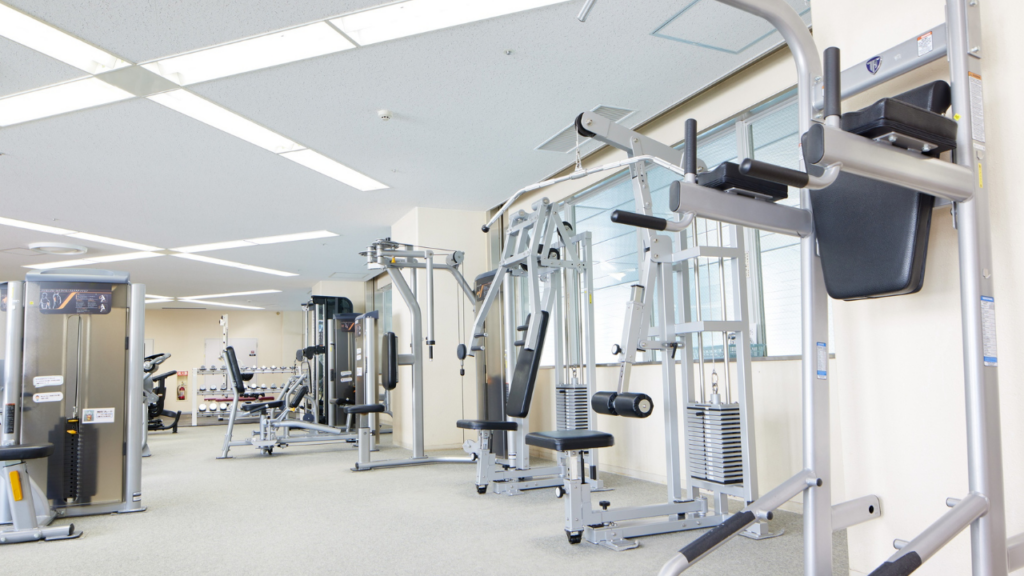
When people think about buying a home, they usually focus on the property itself. The kitchen. The bedrooms. The garage. The yard. But after helping buyers throughout Minnesota for years, I’ve learned that many of the things that influence long-term happiness aren’t necessarily inside the home. They’re nearby. One lifestyle feature that has become increasingly important for homebuyers is access to gyms and fitness centers. Years ago, fitness facilities were often considered a luxury. Today, many people see them as part of their daily routine. Whether you’re someone who starts every morning at the gym, attends group fitness classes, enjoys swimming, lifts weights, or simply wants convenient access to exercise opportunities, proximity to fitness centers can have a surprisingly large impact on your quality of life. As a Minnesota real estate agent, I’ve worked with buyers who specifically ask: “How close is the nearest gym?” Others don’t think about it initially but quickly realize how valuable it is once they move into a community with excellent fitness options. So what is it really like living near gyms and fitness centers in Minnesota? Let’s take a closer look. Why Fitness Access Matters More Than People Realize Most people understand the importance of exercise. The challenge is often consistency. Life gets busy. Work schedules become demanding. Family responsibilities take over. Commutes consume time. The farther away a gym is, the easier it becomes to skip workouts. When a fitness center is only a few minutes from home, maintaining healthy habits becomes significantly easier. Convenience removes excuses. For many homeowners, that convenience becomes one of the most valuable aspects of their neighborhood. Minnesota Has a Strong Fitness Culture One thing that surprises many newcomers is how active Minnesota residents are. Despite long winters, people here prioritize health and wellness. Throughout Minnesota you’ll find: Fitness opportunities are available in nearly every major community. Many neighborhoods are located just minutes from multiple options. Convenience Makes Consistency Easier One of the biggest benefits of living near a gym is convenience. Let’s be honest. Most people are more likely to work out when getting there is easy. Imagine the difference between: A five-minute drive versus A thirty-minute drive. That extra time adds up. Many homeowners find that they exercise more frequently simply because fitness facilities are nearby. What starts as a convenience often turns into a healthier lifestyle. Winter Makes Nearby Fitness Centers Even More Valuable Minnesota winters can be beautiful. They can also be long. When temperatures drop below freezing and daylight becomes limited, many people spend less time exercising outdoors. This is where nearby fitness centers become especially valuable. Residents can maintain activity levels through: Having convenient indoor options helps people stay active year-round. For many homeowners, this becomes one of the biggest advantages of living near quality fitness facilities. Fitness Centers Become Part of Daily Routine Many people initially think about fitness as a weekly activity. But when a gym is nearby, it often becomes integrated into daily life. Some residents stop by: The easier access becomes, the easier it is to build sustainable habits. Many homeowners find themselves exercising more consistently than they did in previous neighborhoods. Community Recreation Centers Offer More Than Gyms Minnesota communities often invest heavily in recreational facilities. Many recreation centers offer: These facilities often serve as community gathering spaces. Families appreciate having multiple activities available under one roof. Families Benefit From Fitness-Oriented Communities Fitness access isn’t just for adults. Many Minnesota recreation centers and fitness facilities offer programs for children. Examples include: Parents often appreciate having these opportunities nearby. It simplifies scheduling and creates more options for family activities. Popular Minnesota Communities With Strong Fitness Access Several Minnesota communities are known for excellent recreational amenities. Examples include: Maple Grove Offers extensive recreational facilities and fitness options. Woodbury Known for community recreation centers and fitness opportunities. Eden Prairie Features excellent parks and recreation programs. Plymouth Offers a variety of fitness facilities and wellness amenities. Lakeville Known for active lifestyle opportunities and recreation programs. Chanhassen Combines natural recreation with fitness-oriented amenities. Minneapolis and St. Paul Provide access to countless gyms, studios, and wellness facilities. Each community offers a unique fitness landscape. Fitness Centers Create Social Opportunities One benefit many homeowners don’t expect is the social aspect. Fitness centers often become places where people: Especially for people relocating to Minnesota, fitness facilities can provide opportunities to connect with others. Many friendships begin through shared wellness interests. Health Benefits Extend Beyond Exercise When people think about fitness centers, they usually think about physical health. But there are other benefits too. Regular exercise may help support: For many homeowners, having easy access to fitness resources positively affects multiple aspects of life. Remote Workers Often Prioritize Fitness Access The growth of remote work has changed how many people evaluate neighborhoods. Without a daily commute, buyers often focus more on lifestyle amenities. Many remote workers appreciate having gyms nearby because: This has made fitness-oriented communities even more attractive. Fitness Amenities Can Influence Homebuyer Demand Lifestyle amenities often influence real estate demand. Many buyers actively search for communities that support healthy living. Neighborhoods near: often attract strong interest. While fitness access alone doesn’t determine home value, it can contribute to a neighborhood’s overall appeal. Different Buyers Value Fitness Differently Not everyone prioritizes gym access equally. Young Professionals Often value nearby fitness options. Families May prioritize recreation programs for children. Empty Nesters Frequently appreciate wellness-focused communities. Retirees Often value access to low-impact fitness opportunities. Remote Workers May enjoy flexibility and convenience. Understanding your lifestyle helps determine whether gym proximity should be a priority. Potential Considerations Like any neighborhood feature, there are trade-offs. Some considerations include: Increased Activity Popular fitness facilities attract visitors. Traffic Peak workout hours can create congestion. Membership Costs Fitness access often involves ongoing expenses. Crowds Popular facilities may be busy during certain times. For most fitness-focused buyers, these considerations are relatively minor. Questions Buyers Should Ask When evaluating a community, consider: How important is exercise to my lifestyle? Do I prefer gyms or
What Is It Like Living Near Walking Trails in Minnesota?

When most people start looking for a home, they focus on the obvious things. The number of bedrooms. The kitchen layout. The size of the backyard. The school district. But after helping buyers throughout Minnesota for years, I’ve noticed that one of the features people appreciate most after they move isn’t always inside the house. It’s what’s outside their front door. Specifically, many homeowners fall in love with having easy access to walking trails. As a Minnesota real estate agent, I’ve worked with buyers who didn’t initially have trails on their wish list. Then we toured neighborhoods with beautiful trail systems, and suddenly it became one of their top priorities. Why? Because walking trails can completely change how you experience your community. They create opportunities for exercise, relaxation, family time, social interaction, and a stronger connection to nature. For many homeowners, living near walking trails becomes one of the most valuable parts of their daily routine. Let’s explore what it’s really like living near walking trails in Minnesota and why so many buyers actively seek communities that offer them. Minnesota Is One of the Best States for Trail Access One thing that surprises many people relocating to Minnesota is how extensive the trail systems are. Throughout Minneapolis, St. Paul, and the surrounding suburbs, you’ll find thousands of miles of trails connecting: In many communities, residents can walk or bike for miles without ever needing to drive. Trail systems have become an important part of community planning throughout Minnesota. And for homeowners, that’s a huge benefit. Walking Becomes Easier When Trails Are Nearby Most people know walking is good for them. The challenge is finding the motivation and opportunity to do it consistently. When a trail is several miles away, it’s easy to skip. When a trail starts at the end of your street, it’s much harder to make excuses. Many homeowners discover they walk significantly more after moving into trail-connected communities. Morning walks become routine. Evening strolls become part of family life. Weekend exercise becomes more enjoyable. The easier access becomes, the more frequently people use it. Walking Trails Improve Quality of Life One reason trails are so popular is that they offer benefits beyond exercise. Many residents use trails to: For some homeowners, their favorite part of the day becomes a simple walk through the neighborhood trail system. It’s a small lifestyle improvement that often has a surprisingly large impact. Minnesota Trails Are Beautiful Year-Round One misconception some newcomers have is that Minnesota trails are only useful during summer. Nothing could be further from the truth. Each season creates a different experience. Spring As temperatures warm, trails fill with walkers, runners, and cyclists eager to get outside again. Wildflowers begin to bloom. Trees become green. Communities come alive. Summer Summer is peak trail season. Many residents enjoy: Long daylight hours make trails especially appealing. Fall Many Minnesotans consider fall trail season to be the most beautiful. Colorful leaves transform the landscape. Cool temperatures make outdoor exercise comfortable. The scenery is spectacular. Winter Yes, people use trails in winter too. Depending on conditions, residents enjoy: Minnesotans tend to embrace outdoor living year-round. Walking Trails Encourage Healthier Habits One reason buyers increasingly prioritize trail access is health. When trails are nearby, people often become more active without intentionally changing their lifestyle. Instead of: Driving somewhere to exercise they simply walk out the door. Many homeowners find themselves: The convenience makes a difference. Trails Create Family Opportunities Families often discover that trails provide much more than exercise. They create opportunities for: Children benefit from having safe outdoor spaces nearby. Parents appreciate having easy access to activities that don’t require extensive planning. Sometimes the best family memories come from simple walks around the neighborhood. Dog Owners Love Trail Communities If you own a dog, trail access can become one of the most valuable neighborhood amenities. Many dog owners specifically seek communities with: Daily walks become easier and more enjoyable. Dogs get more exercise. Owners spend more time outdoors. Everyone benefits. As a result, trail-oriented neighborhoods often attract pet owners. Popular Minnesota Communities With Extensive Trail Systems Many Minnesota communities are known for outstanding trail networks. Examples include: Maple Grove Offers extensive interconnected trails throughout the city. Woodbury Features miles of trails connecting neighborhoods, parks, and schools. Eden Prairie Known for scenic trails and natural beauty. Plymouth Provides excellent recreational access throughout the community. Lakeville Offers numerous trails and outdoor amenities. Chanhassen Combines natural beauty with well-developed trail systems. Minneapolis Features some of the most iconic urban trail systems in the Midwest. Each community offers a unique experience. Trails Create a Stronger Sense of Community One of the most overlooked benefits of walking trails is the social aspect. People naturally encounter each other while: Neighbors become familiar faces. Conversations happen naturally. Communities often feel more connected. For buyers relocating to Minnesota, trails can be a surprisingly effective way to become part of a new community. The Mental Health Benefits Are Significant Ask homeowners why they love living near trails and many won’t start by talking about exercise. Instead, they’ll talk about how it makes them feel. Many residents use walking trails as a way to: Nature has a way of slowing things down. After a busy day, a quiet walk can make a tremendous difference. Many homeowners find that trail access improves their overall well-being. Trails Can Add Long-Term Appeal Buyers aren’t the only people who value trails. Future buyers often do too. Many home searches include preferences such as: Because trail systems are difficult to replicate, they often remain attractive features over time. That’s one reason homes near trails frequently generate strong buyer interest. Potential Considerations Like every neighborhood feature, trails aren’t perfect for everyone. Some considerations include: Increased Activity Popular trails attract users. Privacy Concerns Homes directly adjacent to trails may experience more foot traffic. Seasonal Use Patterns Some trails become busier during peak seasons. Maintenance Activity Communities often maintain and improve trail systems regularly. For most buyers, the benefits far
What Is It Like Living Near Lakes in Minnesota?

If you’ve ever heard Minnesota called the “Land of 10,000 Lakes,” you’re not alone. In fact, Minnesota actually has more than 11,000 lakes, and for many residents, lakes are more than just beautiful scenery. They’re a way of life. As a Minnesota real estate agent, I’ve worked with buyers from all over the country, and one thing that consistently surprises people moving here is how much lakes influence everyday living. Some buyers dream of owning a lakefront property. Others simply want to live close enough to enjoy the views, trails, beaches, and recreational opportunities. And many people don’t realize how much living near a lake can enhance their lifestyle until they experience it firsthand. Whether you’re considering a home in Minneapolis, a suburban community like Lakeville or Chanhassen, or a smaller lakeside town, understanding what it’s really like to live near lakes can help you determine if it’s the right fit for you. The short answer? For many Minnesotans, living near a lake is one of the biggest perks of living in the state. Let’s take a closer look at why. Lakes Are Part of Minnesota’s Identity Unlike some states where lakes are concentrated in a few regions, lakes are woven throughout Minnesota. You’ll find them: Many Minnesota residents live within minutes of a lake even if they don’t own waterfront property. Because lakes are so common, they naturally become part of everyday life. They’re where people exercise, gather, relax, celebrate, and enjoy nature. For many homeowners, lakes become one of the most valuable amenities a community can offer. The Views Never Get Old One of the biggest benefits of living near a lake is something that’s difficult to quantify: The scenery. Many homeowners tell me that one of their favorite parts of lake living is simply seeing the water. Whether it’s: lakes create a sense of beauty and tranquility that many people find incredibly relaxing. Even buyers who don’t spend much time boating often appreciate the peaceful atmosphere lakes provide. Outdoor Recreation Is Always Nearby One reason lake communities are so popular is the recreational opportunities they offer. Depending on the lake and location, residents may enjoy: Instead of planning weekend trips to find outdoor activities, many residents simply walk out their front door. For active individuals and families, that’s a major lifestyle advantage. Minnesota Summers Feel Different Near a Lake If you’ve lived through a Minnesota winter, you know how much residents appreciate summer. Lake communities come alive during warmer months. You’ll see people: Many homeowners feel like they’re on vacation without ever leaving their neighborhood. That “vacation at home” feeling is one reason lake living remains so desirable. You Don’t Need Waterfront Property to Enjoy the Benefits This surprises many buyers. When people think about living near a lake, they often assume they need to own waterfront property. That’s not necessarily true. Many Minnesota communities offer: Even homes located several blocks away may enjoy many of the same lifestyle benefits. In fact, some buyers intentionally choose nearby neighborhoods because they gain access to the lake lifestyle without paying lakefront prices. Walking Trails Around Lakes Are Extremely Popular One thing many Minnesota lakes have in common is access to trails. Residents often use these trails for: Popular examples include trails around: Many homeowners discover that having a beautiful walking route nearby significantly improves their daily routine. Lakes Create Strong Community Connections Something interesting happens in lake communities. People spend more time outside. And when people spend more time outside, they tend to meet each other. Lakes naturally become gathering places. Residents connect through: Many homeowners say their lake community feels more connected than previous neighborhoods they’ve lived in. The Mental Health Benefits Are Significant One topic that comes up frequently among homeowners is how relaxing it feels to be near water. There’s something calming about lakes. Many residents enjoy: After a busy workday, being near a lake often provides an opportunity to slow down and recharge. While every person is different, many buyers specifically seek lake communities because of the lifestyle and atmosphere they provide. Minnesota Lakes Offer Year-Round Enjoyment Many people associate lakes with summer. In Minnesota, lakes remain active throughout the year. Spring Fishing season returns. Trails become busy. Wildlife becomes more active. Summer Boating, swimming, kayaking, and outdoor recreation peak. Fall Beautiful colors transform lake landscapes. Walking trails become especially popular. Winter Ice fishing. Ice skating. Snowshoeing. Cross-country skiing. Winter lake views. Living near a lake isn’t just a summer experience. It’s a four-season lifestyle. Popular Minnesota Lake Communities Several Minnesota communities are especially known for lake access. Examples include: Minnetonka Home to many neighborhoods surrounding Lake Minnetonka. Wayzata Offers lake views, dining, and recreational opportunities. Excelsior A charming lake community with strong local character. Chanhassen Known for beautiful lakes and outdoor recreation. Prior Lake Popular for boating and lake-oriented living. White Bear Lake A favorite destination with a strong community atmosphere. Minneapolis Chain of Lakes Area Offers urban living combined with exceptional recreational access. Each community provides a unique lake lifestyle. Lake Living Can Increase Home Demand One reason buyers frequently search for lake-adjacent neighborhoods is simple: People love living near water. Homes near lakes often attract strong interest because: While no location guarantees future appreciation, lake proximity is often viewed as a highly desirable feature. Potential Considerations Like any location choice, living near lakes comes with considerations. Increased Seasonal Activity Popular lakes attract visitors. Higher Demand Homes near lakes often command premium pricing. Parking and Traffic Popular recreation areas can become busy during peak seasons. Wildlife Living near natural areas often means sharing space with wildlife. For most lake lovers, these trade-offs are well worth it. Questions Buyers Should Ask When considering a lake community, ask: How important is lake access to my lifestyle? Do I want waterfront property or nearby access? Will I use recreational amenities regularly? Do I value walking trails and outdoor activities? How important are water views? The answers can help determine whether lake living is a good