
Can I Buy a Duplex or Multi-Family Property as My First Home in Minnesota?
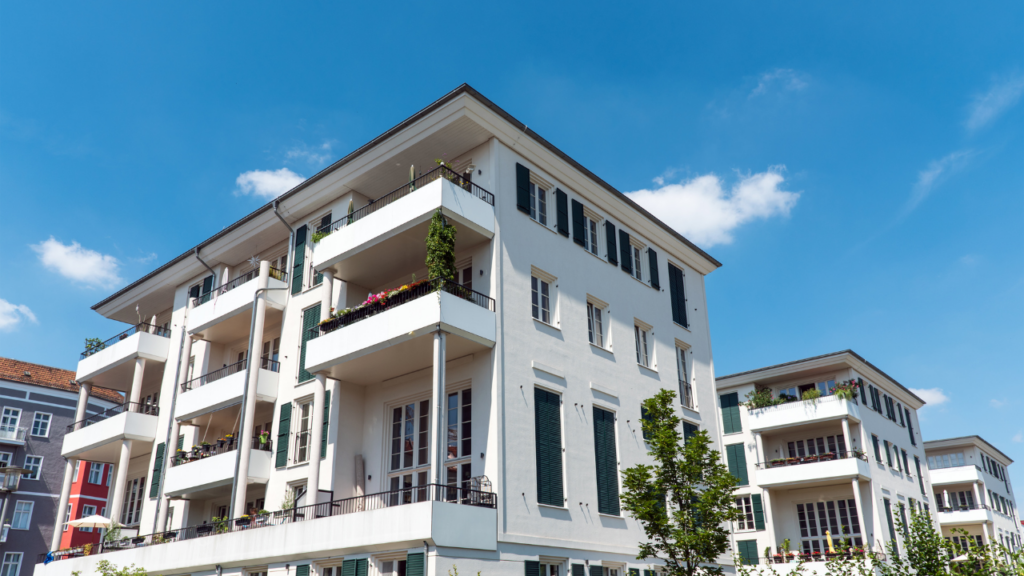
A twenty-four-year-old called me last spring with a question that surprised me a little, not because it was unusual but because of how clearly he had already thought it through. He was a nurse at a hospital in South Minneapolis. He had been saving for two years. He had a solid pre-approval. And instead of asking me to help him find a starter home or a condo in a neighborhood he liked, he asked me something different. “What if instead of just buying a place to live, I buy something where someone else helps pay my mortgage? Is that a real thing people do for their first purchase?” It is absolutely a real thing. And it is one of the most financially intelligent first home purchases a buyer in the right circumstances can make. Buying a duplex or small multi-family property as your first home, living in one unit, and renting out the others is a strategy that has helped countless Minnesota buyers dramatically reduce their monthly housing costs, build equity faster than a traditional first home purchase allows, and establish a real estate investment portfolio before most of their peers have gotten past the apartment rental stage. It is also a strategy that requires honest self-assessment, genuine preparation, and clear understanding of both the financial opportunity and the realities of being a landlord, even at a small scale. Here is the complete picture. What Buying a Duplex as a First Home Actually Looks Like When most buyers think about their first home, they imagine a single-family house or a condo where they live alone without other people sharing the property. A duplex purchase as a primary residence works differently. A duplex is a two-unit property where each unit functions as a separate, complete residence with its own kitchen, bathroom, living areas, and typically its own private entrance. You purchase the entire property, live in one unit as your primary residence, and rent out the other unit to a tenant. The rental income from that tenant contributes to your housing costs, often covering a meaningful portion of your mortgage payment and in some cases covering it almost entirely. Small multi-family properties, meaning triplexes with three units and fourplexes with four units, work the same way but with more rental units generating more income. Financing rules for owner-occupied multi-family allow up to four units while still qualifying as a primary residence for most loan programs, which is an important detail we will discuss further. The key to this strategy is the owner-occupant status. By living in one of the units yourself, you access primary residence financing rather than investment property financing, which means lower interest rates, lower down payment requirements, and access to loan programs that are not available for purely investment property purchases. The Financial Case for This Strategy in Minnesota The financial appeal of owner-occupied multi-family purchasing is most clearly illustrated through a specific example grounded in Minnesota’s current market. Consider a duplex in a Minneapolis neighborhood like Longfellow or Hamline-Midway priced at $450,000. As an owner-occupied purchase with an FHA loan, a buyer might put down three and a half percent, meaning roughly fifteen thousand dollars, and finance the remainder at the prevailing interest rate. The total monthly payment including principal, interest, taxes, and insurance might run approximately two thousand eight hundred to three thousand dollars depending on current rates and the specific property’s tax situation. If the other unit rents for twelve hundred to fifteen hundred dollars per month, which is a realistic figure for a well-maintained unit in these neighborhoods in the current Minnesota market, that rental income covers roughly half the total monthly payment. The buyer’s effective housing cost drops from nearly three thousand dollars to somewhere in the fifteen hundred to eighteen hundred dollar range, which may be comparable to or even lower than what they were paying in rent for a one-bedroom apartment. Meanwhile, the entire property is appreciating. The mortgage balance is decreasing with every payment. And the buyer is building equity at the full property value rate, not just on the unit they occupy. Now extend that picture ten years forward. The mortgage balance has decreased. If the property has appreciated at a rate consistent with similar Minneapolis properties historically, its value has grown meaningfully. The rental income has likely increased with the market while the mortgage payment has remained fixed. And the buyer has the option to continue living there, to sell and capture the equity, to move out and rent both units as a pure investment, or to use the equity to fund the next purchase. This is why experienced real estate investors call house hacking, which is the term often used for this strategy, one of the most powerful wealth-building tools available to people who are early in their financial journey. Loan Programs Available for Owner-Occupied Multi-Family in Minnesota One of the most important and most frequently misunderstood aspects of this strategy is the financing, specifically which loan programs are available and how they work for multi-family primary residence purchases. FHA loans are the most commonly used financing vehicle for owner-occupied multi-family purchases, and they are available for properties with one to four units as long as the buyer occupies one unit as their primary residence. The minimum down payment for an FHA loan is three and a half percent for buyers with qualifying credit scores, which makes this an extremely accessible entry point for buyers who have been saving toward a down payment. FHA loans do require mortgage insurance premiums that add to the monthly cost, but the combination of the low down payment and the rental income from the other units often makes the total picture very favorable compared to other first home options at higher down payment requirements. Conventional loans are also available for owner-occupied properties with two to four units, though the down payment requirements are higher than for FHA loans. A two-unit property typically requires a minimum of fifteen percent down with